Islington Public School
Islington, NSW 2296
About Islington Public School
Islington Public School is a public primary school serving students from Kindergarten to Year 6 in Islington, NSW. The school focuses on building a supportive and inclusive learning community where students are encouraged to participate, explore their strengths, and develop confidence across…
Overview
Islington Public School is a public primary school serving students from Kindergarten to Year 6 in Islington, NSW. The school focuses on building a supportive and inclusive learning community where students are encouraged to participate, explore their strengths, and develop confidence across academic and social domains.
School type: public School size: medium Class size: typically 22–26 students per class Atmosphere/culture: inclusive, nurturing, diverse, and community-focused
Academics & Learning
- Academic strengths: English literacy and numeracy are a clear focus, with attention to STEM foundations, science, and reading comprehension. The school supports a well-rounded curriculum that fosters critical thinking and problem-solving.
- Special programs: Gifted and Talented opportunities, arts and STEM initiatives, and targeted learning support to assist students who need extra help. LOTE (languages) programs may be offered to broaden language exposure.
- Support for diverse learners: EAL (English as an Additional Language) support, SEN (Special Educational Needs) programs, and inclusive practices are in place to support a diverse student body.
Sports & Extracurricular Strengths
- Sports offered: Common NSW primary options such as soccer, basketball, cricket, athletics, rugby league, netball, and other local or school-initiated programs.
- Strong teams or achievements: Emphasis on participation and development; opportunities to compete in inter-school events and regional activities, with a culture that celebrates personal bests and teamwork.
- Music, arts, drama programs: Regular music and performing arts activities, school choir or ensembles, and opportunities to perform in assemblies and events.
- Clubs: Robotics, coding, chess, and debating are often available, along with additional clubs that promote inquiry, creativity, and strategic thinking.
- Partnerships: Collaborations with local community groups, sports clubs, and regional competitions to broaden opportunities and experiences for students.
Wellbeing & Pastoral Care
- Anti-bullying approach: Clear policies and proactive programs designed to promote respectful relationships and safe school culture.
- House system: A house structure to foster healthy competition, belonging, and teamwork across year levels.
- Counsellors / wellbeing officers: Access to school counsellors or wellbeing staff to support students’ social, emotional, and mental health needs.
- Transition support for new students: Orientation activities, buddy systems, and targeted supports to help new students settle in smoothly.
Facilities
- Sports grounds: Outdoor fields and play spaces for physical education and sports.
- Libraries: On-site library with learning resources and reading programs.
- Science labs: Dedicated spaces for hands-on science experiments and inquiry.
- Music/performing arts centers: Areas for music education, rehearsals, and performances.
- Tech/innovation labs: Access to digital learning tools and creative technology activities.
- Cafeteria: On-site canteen or dining area supporting students during breaks.
- Updated playgrounds: Modern playground equipment and outdoor learning spaces.
School Values & Community Culture
- School values / mission: A focus on respect, responsibility, resilience, and a love of learning; a mission to nurture capable, confident, and ethical young people.
- Leadership style: Inclusive and participatory, with opportunities for student voice and input into school life.
- Behaviour expectations: Clear codes of conduct and positive reinforcement to promote respectful behavior and personal accountability.
- Community reputation: A welcoming, family-friendly school culture with active parent involvement and community engagement.
- Diversity & inclusion: Commitment to welcoming students from diverse backgrounds and ensuring access to learning for all students.
School Logistics & Daily Operations
- School hours: Typical NSW primary schedule (e.g., start around 8:45 am and finish around 3:15 pm); confirm with the school.
- Before/after school care: Availability of OSHC or affiliated providers; check local arrangements for before/after school care.
- Uniform requirements: School uniform is standard; seasonal adjustments may apply (summer/winter uniforms).
- Transport (train/bus routes): Public transport options accessible in the area; consider local bus/train routes and school travel planning.
- Canteen availability: Canteen or supervised lunch arrangements in place.
- Fees (low/medium/high ranges): As a public school, there is no tuition; expect voluntary contributions and external costs for activities and excursions; overall costs are generally low to moderate.
Enrolment & Admissions
- What is the enrolment process and timeline?
- Enrolment is managed through the NSW Department of Education for public schools. Parents typically submit an enrolment application via the Department’s process, provide required documentation (proof of identity, address, immunization records, birth certificate), and follow the school’s specified timeline (often aligning with the school year cycle). Expect communications about timelines for the coming academic year and confirmation of placement.
- Is there a waiting list, and how does it work?
- Some out-of-area or limited-capacity placements may involve a waiting list. Priorities usually include catchment eligibility and siblings already attending the school. The school or Department will advise on current wait times and the process for placing applications.
- Are there any entry requirements, tests, or interviews?
- General enrolment typically does not require entrance tests or interviews for primary place allocation. Selective programs or specific year-level placements (if offered) may involve additional assessments, but standard enrolment relies on documentation and eligibility.
- Does the school accept mid-year transfers?
- Mid-year transfers are possible if there is vacancy and capacity within the year level. Parents should contact the school early to discuss availability and the required documentation, and to coordinate transfer logistics with the receiving teacher and administration.
Frequently Asked Questions
- Why Parents Choose This School?
A welcoming, inclusive public primary that emphasizes a strong sense of community, solid foundational academics, and opportunities across sport, arts, and STEM within a supportive environment.
- What type of student thrives at this school?
Students who are curious, collaborative, and hands-on learners who benefit from a balanced program that values literacy, numeracy, and well-being.
- What opportunities are available for students to extend their skills (academics, sports, arts)?
Access to gifted and talented pathways, coding, robotics, chess, arts programs, music ensembles, and inter-school sports and competitions.
- How does the school communicate with parents?
Regular updates through newsletters, notices, parent-teacher meetings, and digital platforms that share learning progress, events, and important information.
- What is the school’s approach to teaching and learning?
Student-centered learning with a focus on literacy and numeracy foundations, inquiry-based activities, inclusive practices, and support for diverse learning needs.
- How does the school support students who need extra academic help?
Targeted reading and numeracy support, EAL and SEN services, small-group interventions, and differentiated instruction within classrooms.
- What support is available for academic challenges?
Access to learning support staff, diagnostic assessments when needed, and referral pathways for additional services.
- How does the school communicate with parents? (Duplicate)
See above: newsletters, meetings, and digital platforms.
- What extracurricular and sports opportunities are available?
A range of sports (Soccer, basketball, cricket, athletics, etc.), plus clubs such as robotics, coding, chess, debating, and performing arts activities.
- What facilities does the school offer (sports, science, arts)?
Sports grounds, library, science labs, music/performing arts spaces, tech/innovation labs, canteen, and updated play spaces.
- What is the school’s approach to technology and digital learning?
Integration of digital tools to support learning, with access to devices and software that promote collaboration, coding, and digital literacy.
- What transport and accessibility options are available?
Proximity to public transport options (bus/train routes); accessibility considerations are addressed to support student travel.
- What are the typical school fees or additional costs?
Public primary schools do not charge tuition; there are voluntary contributions and costs for excursions, activities, and certain programs.
Short Pros & Cons list
- Pros
- Public, community-focused school with an inclusive culture - Solid core academics with additional programs in STEM, arts, and languages - Broad range of extracurricular activities and clubs - Supportive wellbeing and transition programs
- Cons
- May have limited capacity for out-of-area enrollment; mid-year transfers depend on vacancies - Specific programs and facilities may vary by year; check current offerings with the school - Uniform and voluntary contributions add to annual costs (though tuition is not charged)
What's around Islington Public School?
Activities, parks and libraries for your family.
14 listed kids’ activities
Explore activity categories
A provider may appear in more than one category.
Local highlights · Listings with photos shown first
Straight-line distances, not travel times. Results come from the current AroundSchools directory.
Contact & location
Local schooling mix within 3 km
Schools in this profile’s directory, not a complete area census.
Compare nearby schoolsCompare with nearby schools
The closest schools to Islington Public School, side by side. Fees appear where a school publishes them; activities and events are what is listed on AroundSchools within a short drive of each school.
| School | Distance | Sector | Gender | Years | Students | Fees / yr | Kids' activities within 2 km | Events within 3 km |
|---|---|---|---|---|---|---|---|---|
| Islington Public SchoolThis school | Here | Government | Co-ed | ELC · Kinder · Primary | 164 | — | 34 | 0 |
| Tighes Hill Public School | 1.0 km | Government | Co-ed | Kinder · Primary | 369 | — | 21 | 0 |
| St Laurence Flexible Learning Centre | 1.3 km | Independent | — | — | — | — | 45 | 0 |
| Hamilton Public School | 1.3 km | Government | Co-ed | Kinder · Primary | 317 | — | 42 | 0 |
| Hamilton North Public School | 1.4 km | Government | Co-ed | Kinder · Primary | 166 | — | 47 | 0 |
| San Clemente High School | 1.5 km | Catholic | Co-ed | Secondary | 712 | — | 13 | 0 |
| LWB Education | 1.6 km | Independent | — | — | — | — | 46 | 0 |
Sorted by distance, not ranked. Check whether your address is in the catchment

What's Nearby

Hunter Valley Martial Arts Centre (Cardiff South)
Hillsborough Rd, Cardiff South

Islington Park
Maitland Rd, Islington

Casey's Karaoke and Disco Show
Maitland Rd, Islington
Club G
Maitland Rd, Islington
Litchfield Park
Mayfield
Arcacia Dog Park Mayfield
Hart St, Mayfield
Hawkins Oval
Albert St, Wickham
Dangar Park
Ingall St, Mayfield
Smith Park
Boreas Rd, Hamilton North
Nearby Schools

Tighes Hill Public School
Elizabeth St, Tighes Hill NSW 2297

St Laurence Flexible Learning Centre
Broadmeadow NSW 2292
Hamilton Public School
Tudor St, Hamilton NSW 2303
Hamilton North Public School
Jackson St, Broadmeadow NSW 2292
San Clemente High School
Havelock Street, Mayfield NSW 2304 Australia
LWB Education
Broadmeadow NSW 2292
Nearby Properties
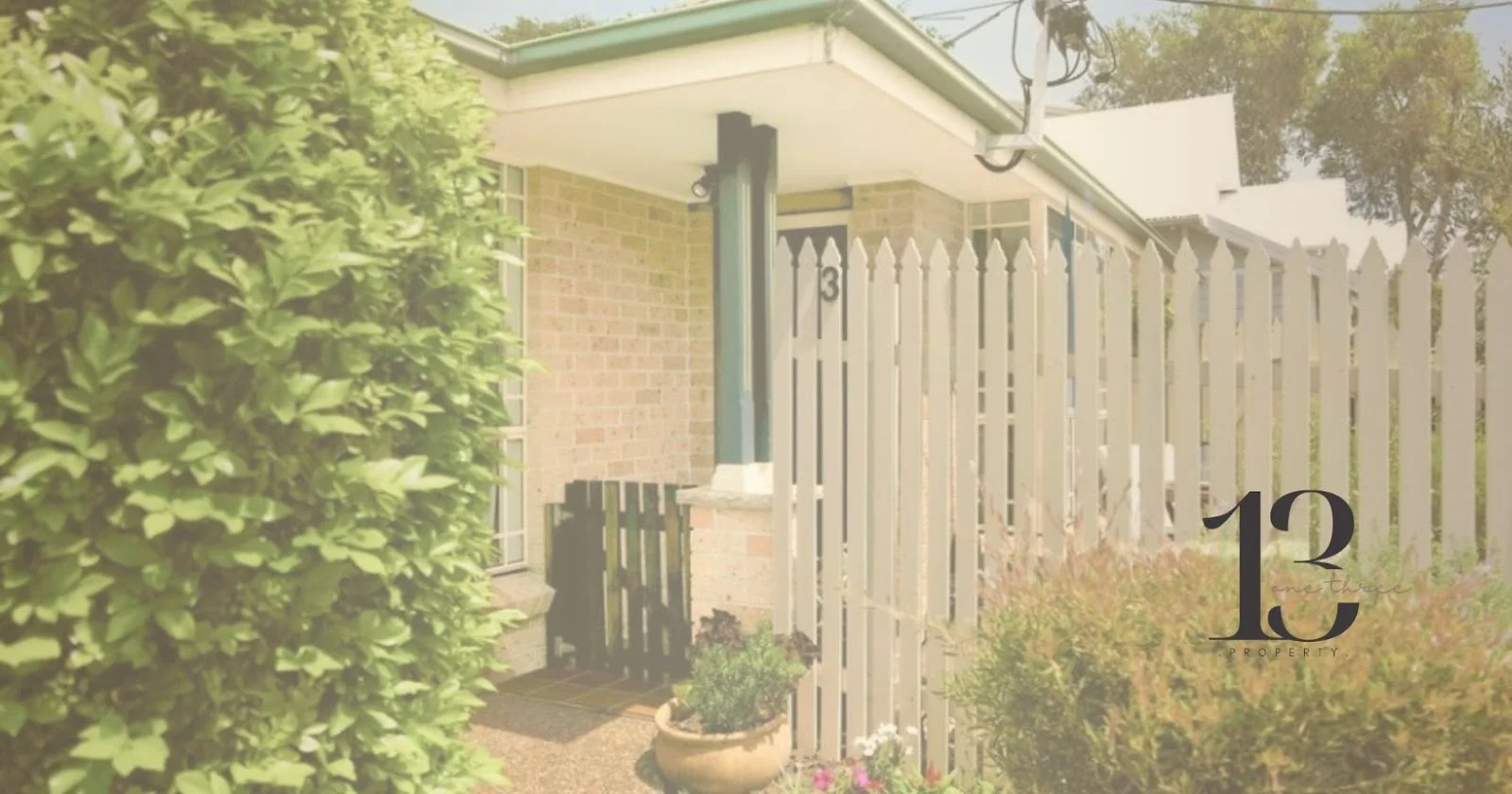 $795,000
Townhouse
$795,000
Townhouse
3/62 Chatham Street
Hamilton, NSW 2303
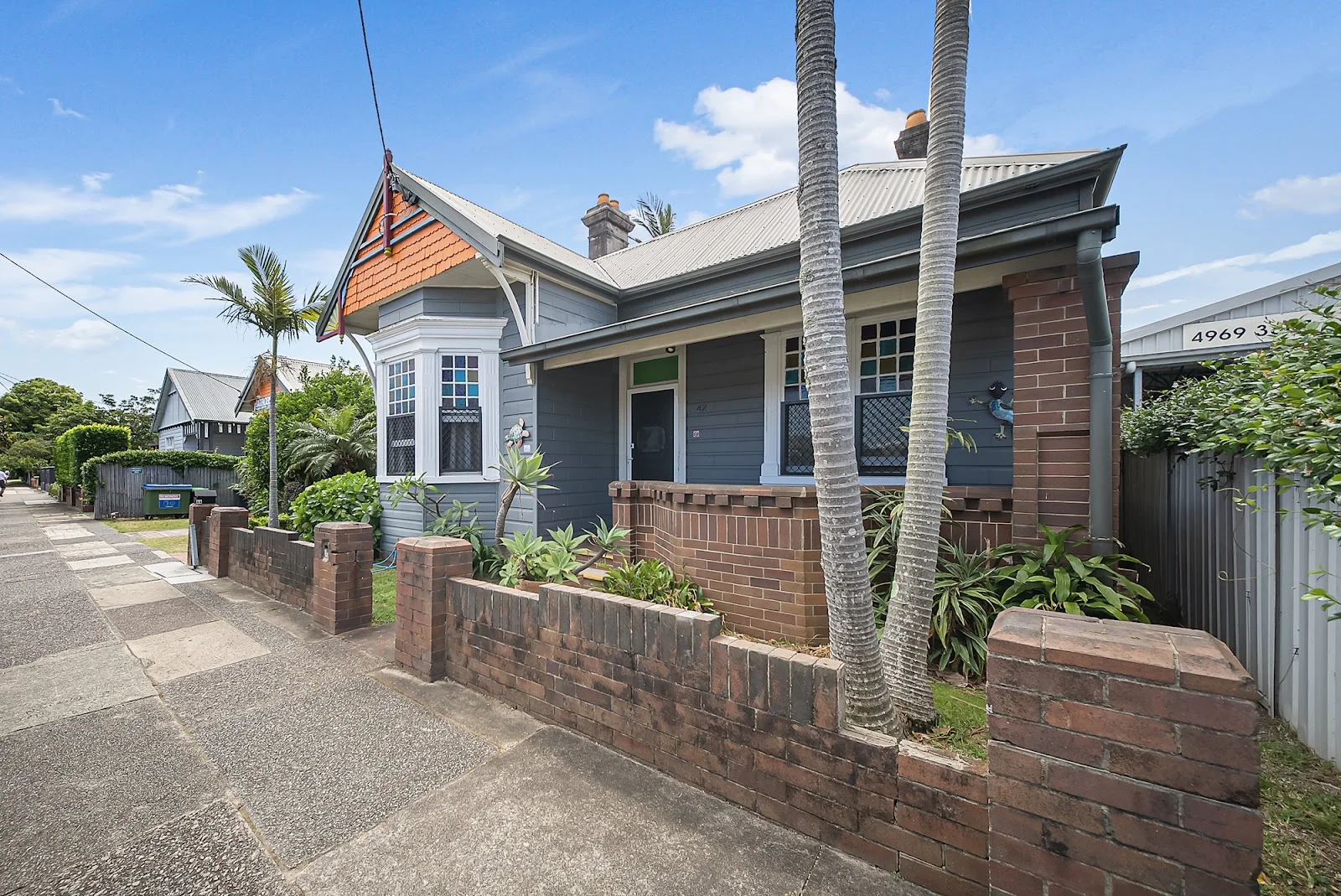 $2,000,000
propertyType.BLOCK OF UNITS
$2,000,000
propertyType.BLOCK OF UNITS
42-44 Dennison
Hamilton East, NSW 2303
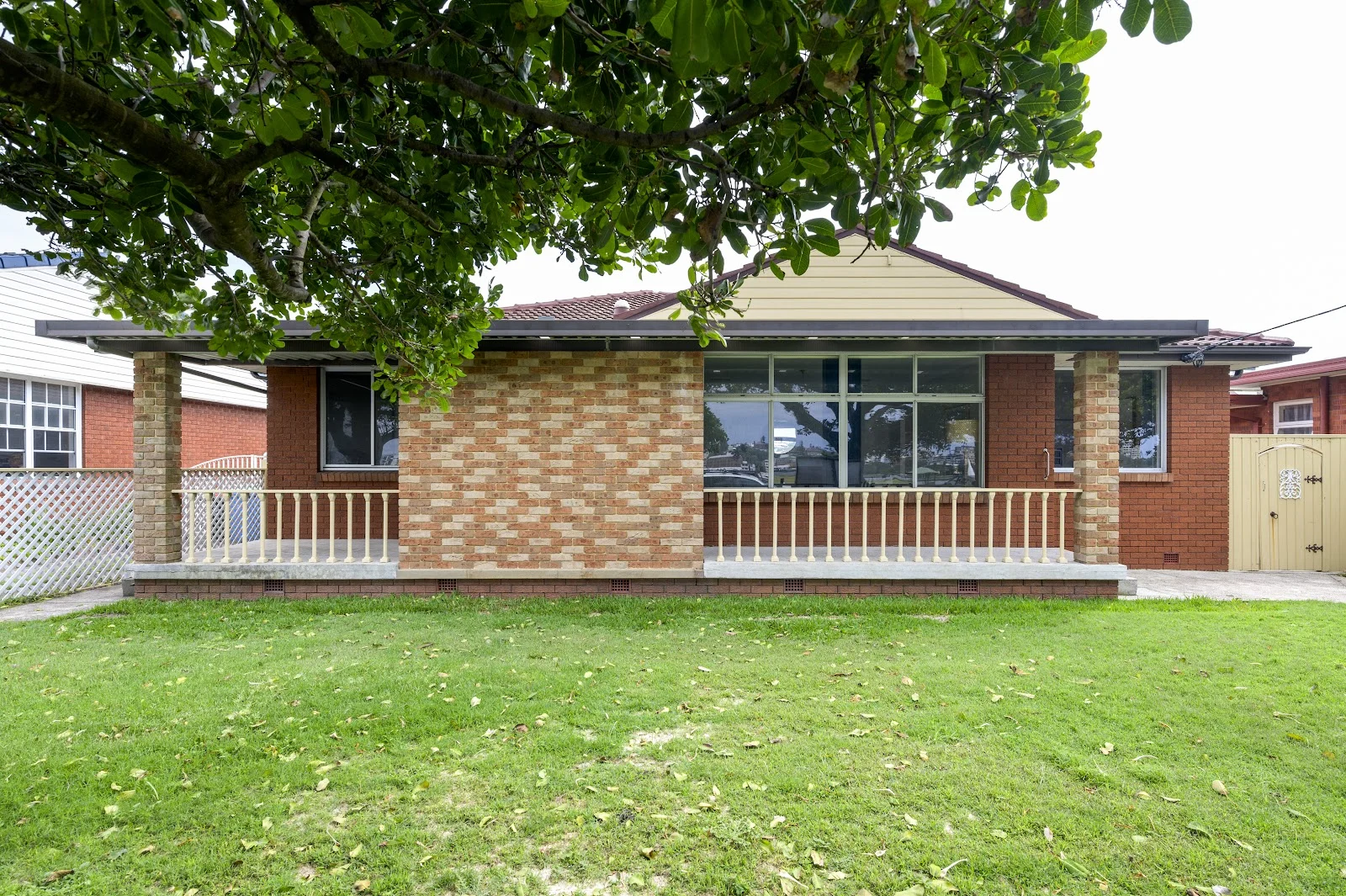 $2,500,000
House
$2,500,000
House
16 Wharf Crescent
Stockton, NSW 2295
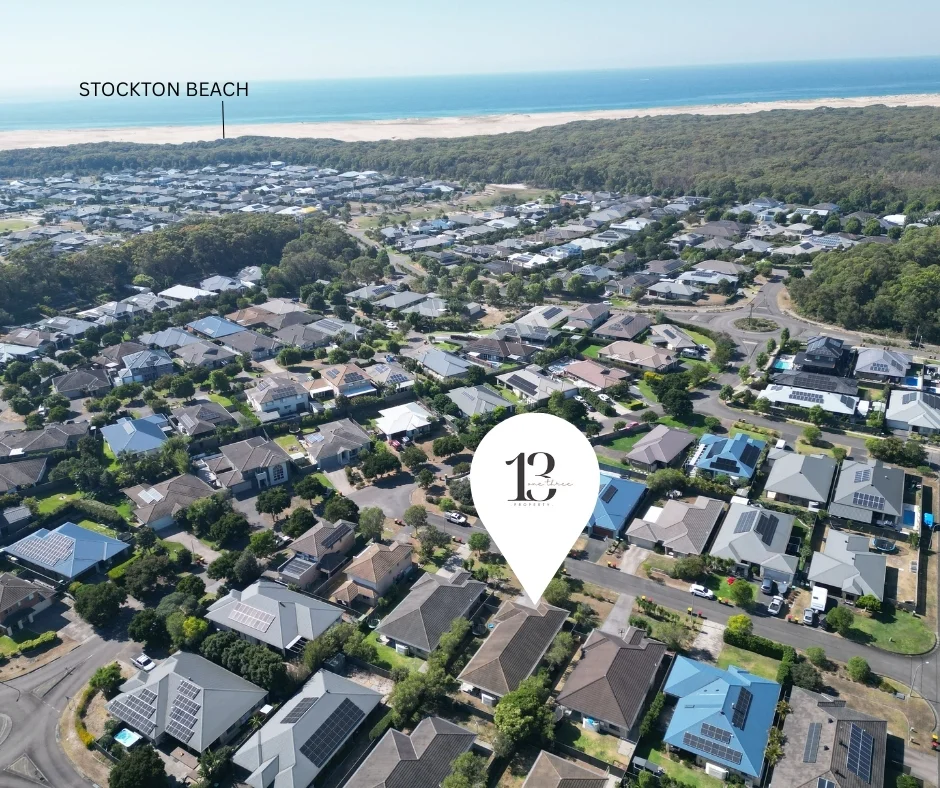 $900,000 - $990,000
House
$900,000 - $990,000
House
Fern Bay, NSW 2295