## 1. Overview
Hamilton North Public School is a public, co-educational primary school located in Hamilton North, NSW. The school focuses on delivering a supportive, inclusive learning environment for students from Kindergarten to Year 6, with an emphasis on wellbeing and community engagement.
As a medium-sized public school, classes are kept to manageable numbers to enable strong teacher–student connections. The atmosphere is nurturing and inclusive, with a culture that values respect, effort and collaboration among students, families and staff.
## 2. Academics & Learning
- Academic strengths: Strong focus on literacy and numeracy, with ongoing emphasis on English, mathematics and early building of STEM and digital literacy skills.
- Special programs: Opportunities for gifted and talented enrichment, leadership development, and integrated digital technologies across the curriculum.
- NAPLAN / trends: Historical data typically shows steady progress in reading and numeracy, with a focus on reducing gaps and lifting overall achievement over time.
- Student–teacher ratios: Generally around 1:18–1:22 for effective, individualized support within a primary setting.
- Support for diverse learners: Programs and support for English as an Additional Language (EAL) learners and students with Special Needs (SEN), including targeted intervention where needed.
## 3. Sports & Extracurricular Strengths
- Sports offered: A range of team and individual sports typical for NSW primary schools, including soccer, netball, rugby league, cricket and athletics, with pathways to inter-school events.
- Strong teams or achievements: Participation in local inter-school competitions and events, with opportunities for students to contribute to school-level teams.
- Music, arts, drama programs: Active programs in music and performing arts, with opportunities for performance and assessment.
- Clubs: Robotics, coding, chess, debating and other enrichment clubs to extend interests beyond the classroom.
- Partnerships: Connections with local clubs, academies and regional events to broaden experiences and competition opportunities for students.
## 4. Wellbeing & Pastoral Care
- Anti-bullying approach: Clear policies and proactive programs to promote respectful behavior, digital citizenship and student safety.
- House system: A house-based structure that supports student belonging, friendly competition and wellbeing initiatives.
- Counsellors / wellbeing officers: Access to school wellbeing staff to support social-emotional learning, counselling and referrals as needed.
- Transition support for new students: Orientation activities, buddy programs and targeted supports to help new students settle in smoothly.
## 5. Facilities
- Sports grounds: Outdoor play and sporting areas suitable for a variety of activities.
- Libraries: Central library resources that support reading and inquiry.
- Science labs: Primary-friendly science spaces to encourage hands-on learning.
- Music/performing arts centers: Spaces for rehearsal, performance and music education.
- Tech/innovation labs: Facilities and spaces for digital learning, coding and STEM activities.
- Cafeteria: On-site canteen or lunch facilities that provide healthy options.
- Updated playgrounds: Play spaces designed for safe, active outdoor play.
## 6. School Values & Community Culture
- School values / mission: A focus on respect, responsibility, inclusivity and perseverance; student voice and leadership are encouraged.
- Leadership style: Collaborative leadership involving teachers, staff and student representatives to support learning and wellbeing.
- Behaviour expectations: Positive behaviour framework with clear expectations and consistent reinforcement.
- Community reputation: A welcoming school community known for supportive families and engaged staff.
- Diversity & inclusion: Commitment to a diverse and inclusive environment that welcomes students from different backgrounds.
## 7. School Logistics & Daily Operations
- School hours: Typical primary school day runs roughly 9:00 am–3:15 pm (subject to term dates and school adjustments).
- Before/after school care: Availability of before- and after-school care via in-house or external providers.
- Uniform requirements: School uniform is required, with standard items and guidance on purchases through official channels.
- Transport (train/bus routes): Access to local bus routes and public transport; designated drop-off/pick-up zones and safe arrival procedures.
- Canteen availability: Canteen or lunch options available on designated days with healthy choices.
- Fees (low/medium/high ranges): NSW public schools generally have low tuition with potential optional contributions; uniform, excursions and extra-curricular activities may incur additional costs.
## 8. Enrolment & Admissions
11. What is the enrolment process and timeline?
- Enrolment is typically completed through the NSW Department of Education process. Families submit required documents (proof of address, immunisation information, birth details) and follow the school’s timelines for enrolment; notification of placement is provided as vacancies allow.
12. Is there a waiting list, and how does it work?
- Some year levels may have waiting lists if the school is at capacity. The school or district will advise on the process, priority considerations and expected wait times, with periodic updates for applicants.
13. Are there any entry requirements, tests, or interviews?
- For standard primary enrolments, there are usually no entrance tests or formal interviews. Some programs or selective options may have specific criteria, but general enrolment relies on standard documentation and residency/proof of eligibility.
14. Does the school accept mid-year transfers?
- Yes, mid-year transfers are possible if a vacancy exists. Families should contact the school early, provide required documentation, and follow the transfer process coordinated with the NSW Department of Education.
## 9. Frequently Asked Questions
- Why Parents Choose This School?
- A welcoming, supportive community with strong focus on wellbeing, steady academic progress, engaged staff and solid extracurricular options.
- What type of student thrives at this school?
- Curious, respectful, motivated students who participate in learning across literacy, numeracy, arts and sport; those who value teamwork and community involvement.
- What opportunities are available for students to extend their skills (academics, sports, arts)?
- Academic enrichment, leadership opportunities, diverse sports teams, music and drama programs, and clubs such as robotics, coding, chess and debating.
- How does the school communicate with parents?
- Through newsletters, parent portals or apps, email, school notices and parent-teacher interviews to share updates on learning, events and wellbeing.
- What is the school’s approach to teaching and learning?
- Student-centered, evidence-based practices with differentiated instruction to meet diverse needs, plus a focus on literacy, numeracy and critical thinking.
- How does the school support students who need extra academic help?
- Targeted interventions, small-group teaching, literacy and numeracy supports, and access to EAL/SEN programs as required.
- What support is available for academic challenges?
- Additional tutoring, assessment reviews, and tailored plans to help students catch up or progress in areas of difficulty.
- How does the school communicate with parents? (duplicate)
- See above: newsletters, portals/apps, emails and interviews.
- What are the class sizes and how much individual attention do students receive?
- Classes typically range in the low 20s to mid-20s per class, with teachers able to provide differentiated instruction and targeted support within the day.
- What extracurricular and sports opportunities are available?
- A variety of sports, arts and clubs (robotics, coding, chess, debating) and opportunities to participate in inter-school events and local competitions.
- What facilities does the school offer (sports, science, arts)?
- Outdoor sports facilities, a library, science labs, music/performing arts spaces, technology/innovation labs and a canteen.
- What is the school’s approach to technology and digital learning?
- Integrated digital learning across the curriculum, with age-appropriate use of devices and digital citizenship education.
- What transport and accessibility options are available?
- Local bus routes, accessible facilities and clear arrival/departure procedures to support safe commuting.
- What are typical school fees or additional costs?
- Generally low tuition with some voluntary contributions; additional costs for uniforms, excursions and certain extracurricular activities.
## 10. Short Pros & Cons list
- Pros
- Supportive, inclusive learning culture and strong focus on wellbeing
- Broad range of academic, sport and arts opportunities
- Engaged staff and active community involvement
- Moderate class sizes enabling individual attention
- Modern facilities and resources to support learning
- Cons
- As a medium-sized public school, there may be waitlists at peak intake periods
- Uniform and some extracurricular costs can add to annual expenses
- Transport times can vary for families depending on location and routes







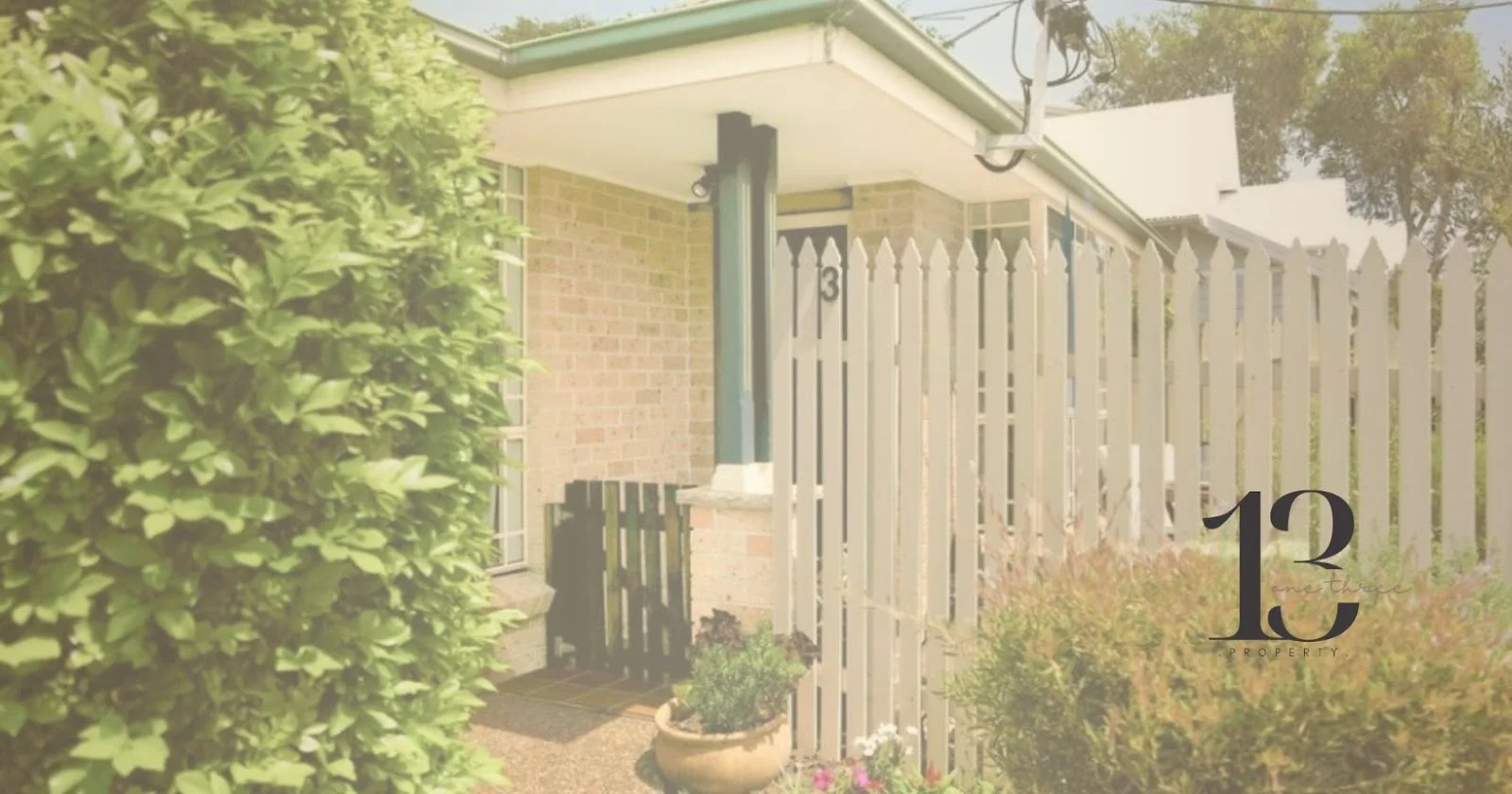 $795,000
Townhouse
$795,000
Townhouse
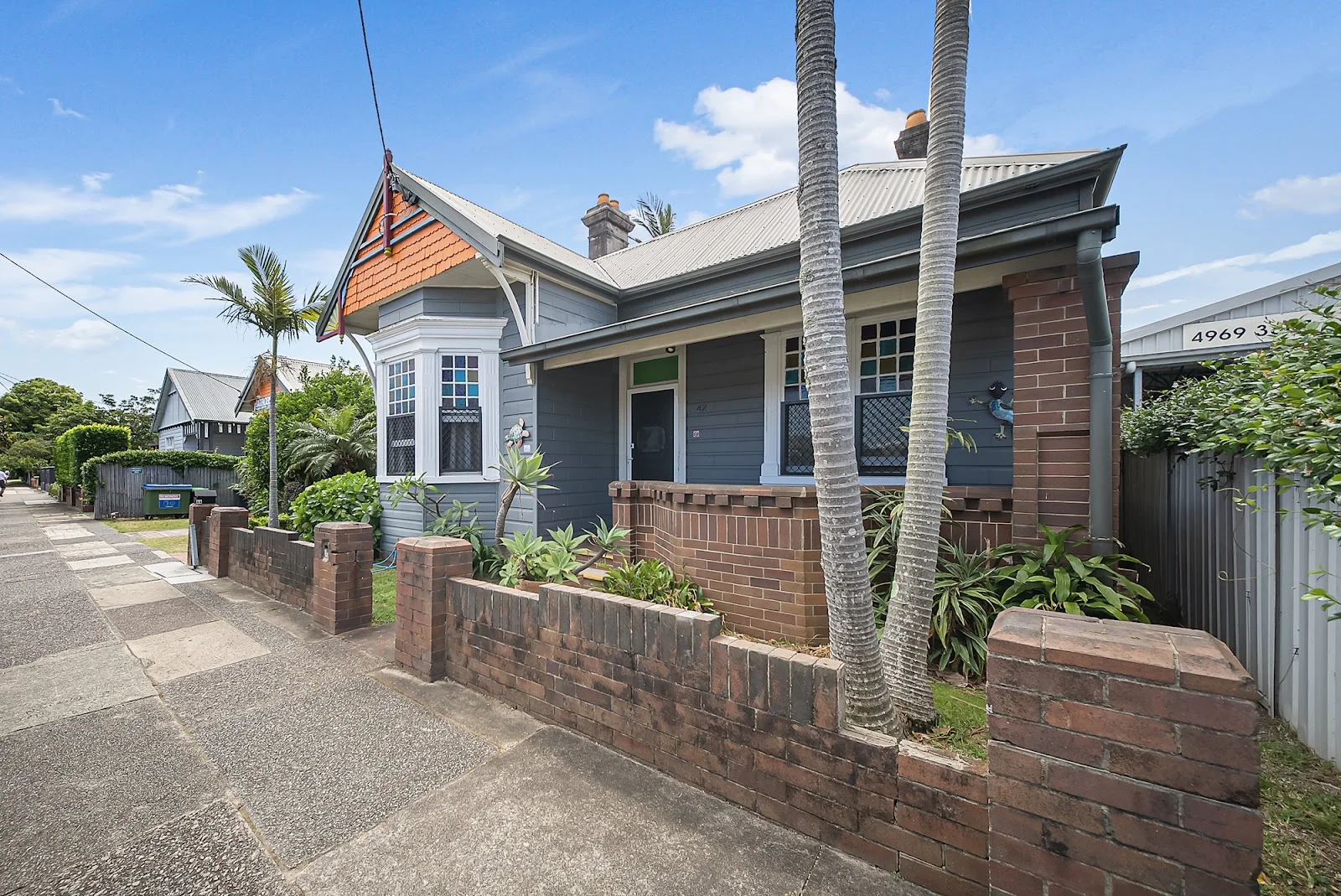 $2,000,000
propertyType.BLOCK OF UNITS
$2,000,000
propertyType.BLOCK OF UNITS
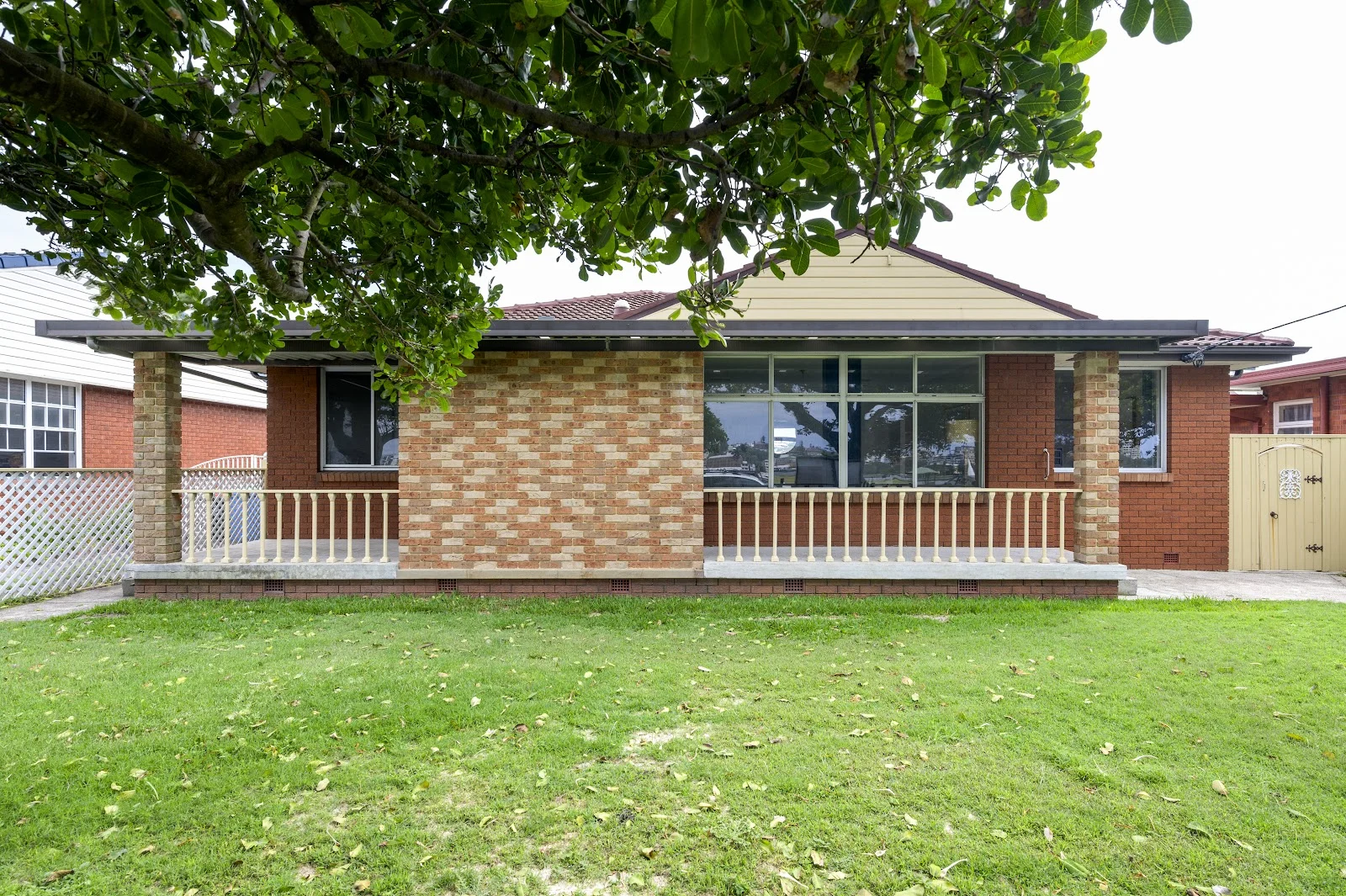 $2,500,000
House
$2,500,000
House
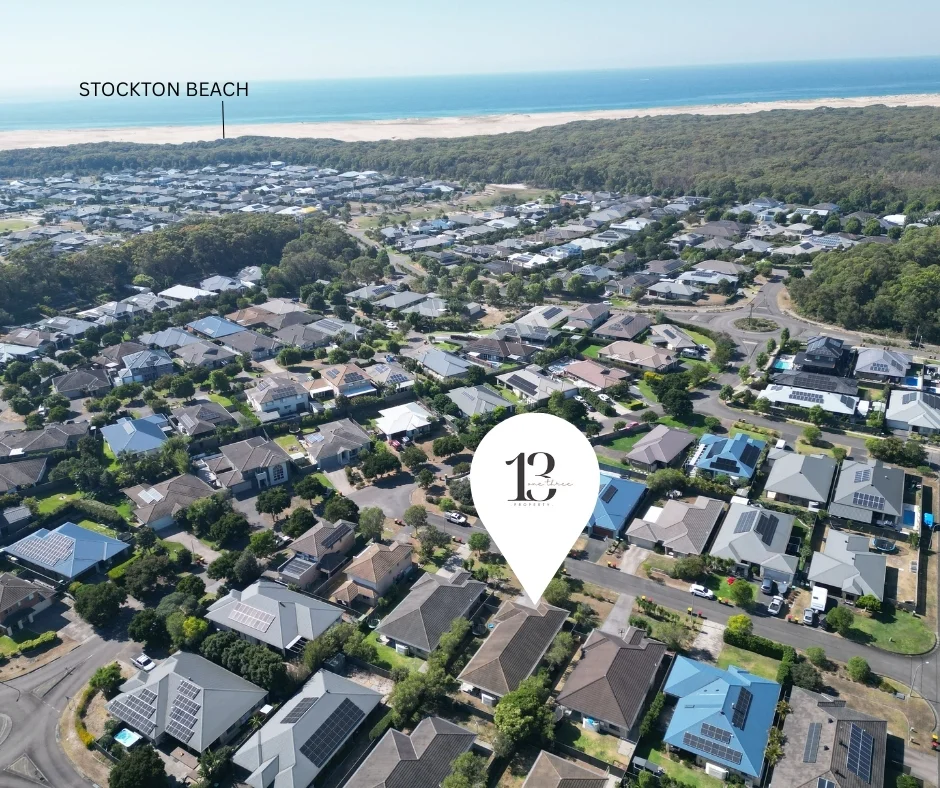 $900,000 - $990,000
House
$900,000 - $990,000
House


