# Overview
Lockleys North Primary School is a public primary school serving the Adelaide region in South Australia. As a community-focused government school, it emphasises an inclusive, nurturing learning environment where students feel safe to explore and grow.
The school is medium-sized with class sizes typically around 20–25 students. The atmosphere is welcoming and supportive, with a strong emphasis on student wellbeing, collaboration, and helping every child reach their potential.
# Academics & Learning
- Academic strengths: Strong focus on reading and literacy development, numeracy, and inquiry-based learning. Emphasis on developing foundational skills early, with opportunities to explore STEM concepts and creative problem-solving.
- Special programs: Gifted & Talented extension opportunities, targeted literacy and numeracy support, and ICT/robotics-linked activities to promote critical thinking and digital literacy.
- NAPLAN trends: School-wide efforts have shown steady improvements in reading and numeracy over recent years, with ongoing monitoring to close gaps and support all learners.
- Student-teacher ratios: Approximately 1:20, with targeted supports for students needing additional assistance.
- Support for diverse learners: EAL (English as an Additional Language) support, SEN (Special Education Needs) assistance, and in-school learning support staff to help with individual learning plans.
# Sports & Extracurricular Strengths
- Sports offered: Soccer, AFL, netball, basketball, cricket, athletics, swimming programs during appropriate terms.
- Strong teams or achievements: Active participation in interschool and district competitions; emphasis on teamwork, sportspirit, and skill development across grade levels.
- Music, arts, drama programs: School music program includes choir and instrumental opportunities; regular drama and performing arts activities linked to learnings across the year.
- Clubs: Robotics, coding, chess, debating, and various lunchtime clubs to build curiosity and collaboration.
- Partnerships: Connections with local community clubs and interschool competitions to broaden opportunities for junior athletes and performers.
# Wellbeing & Pastoral Care
- Anti-bullying approach: Whole-school anti-bullying policy and programs that teach respectful relationships, digital citizenship, and conflict resolution.
- House system: House groups create a sense of belonging and healthy competition through regular events and activities.
- Counsellors / wellbeing officers: Access to school wellbeing staff and a school counsellor to support student mental health, social-emotional learning, and transitions.
- Transition support for new students: Orientation visits, buddy systems, and targeted transition activities to help newcomers settle in smoothly.
# Facilities
- Sports grounds: On-site fields and courts for a range of activities and PE sessions.
- Libraries: A well-stocked library promoting reading and research skills.
- Science labs: Dedicated spaces for hands-on science learning and experiments.
- Music/performing arts centers: Suitable spaces for music practice, concerts, and drama activities.
- Tech/innovation labs: Computers and digital learning resources to support coding and STEM projects.
- Cafeteria: On-site canteen or lunch services with healthy options and school lunch programs.
- Updated playgrounds: Safe, modern play spaces and outdoor learning areas.
# School Values & Community Culture
- School values / mission: A culture built on respect, responsibility, kindness, and resilience, with student voice encouraged through class and school-wide activities.
- Leadership style: Inclusive and participatory, with opportunities for student leadership and leadership roles within classrooms and the broader school community.
- Behaviour expectations: Clear codes of conduct centered on positive behaviour for learning, with consistent routines and restorative approaches.
- Community reputation: Known for a welcoming, family-friendly environment and strong partnerships with families and local groups.
- Diversity & inclusion: Committed to an inclusive environment that respects diverse backgrounds and supports all learners to participate fully.
# School Logistics & Daily Operations
- School hours: Typical day runs from early morning to mid-afternoon, with breaks and assembly times scheduled.
- Before/after school care: Available through external providers at or near the school site to support working families.
- Uniform requirements: School uniform is worn, with guidelines for everyday wear and sports uniform; hats and appropriate footwear encouraged.
- Transport (bus routes): Public bus services and local transport options serving the area; families often use buses or walking/cycling routes.
- Canteen availability: On-site or nearby canteen/lunch options available; lunch orders and healthy menu choices commonly offered.
- Fees (low/medium/high ranges): Generally low to moderate; some optional contributions or costs for activities, excursions, or materials may apply.
# Enrolment & Admissions
11. What is the enrolment process and timeline?
- Enquiries can be made through the school office. Applications typically involve submitting required documents (birth certificate, immunisation records, proof of address). The school will provide timelines for applications, orientation, and year-entry processes, with offers issued subject to available places.
12. Is there a waiting list, and how does it work?
- Waiting lists may apply when year levels reach capacity. Places are allocated based on availability, with priority often given to local residents or siblings, and the school will advise applicants of their place in the queue and expected timelines.
13. Are there any entry requirements, tests, or interviews?
- Primary school enrolment usually does not require academic testing or interviews. Some schools may offer orientation sessions or informal meetings to help families and students prepare for the transition.
14. Does the school accept mid-year transfers?
- Yes, mid-year transfers are considered if space is available. Families should contact the school to check current capacity and begin the transfer process, often coordinated with the Department for Education.
# Frequently Asked Questions
- Why Parents Choose This School?
- A welcoming, inclusive community with a focus on student wellbeing, strong literacy and numeracy foundations, and a broad range of extracurriculars.
- What type of student thrives at this school?
- Curious, cooperative learners who respond well to supportive teaching, enjoy teamwork, and participate in both academic and social activities.
- What opportunities are available for students to extend their skills (academics, sports, arts)?
- Access to enrichment in STEM and literacy, gifted and talented extensions, robotics/coding clubs, sports teams, music programs, drama, and debating opportunities.
- How does the school communicate with parents?
- Regular newsletters, emails, a school app or portal, and parent-teacher meetings. News and updates are shared to keep families informed about learning and events.
- What is the school’s approach to teaching and learning?
- Student-centered, with guided inquiry, differentiation for diverse learners, and emphasis on foundational skills, critical thinking, and digital literacy.
- How does the school support students who need extra academic help?
- Targeted small-group or one-on-one interventions, targeted literacy/numeracy supports, EAL and SEN assistance, and progress-monitoring to adjust supports.
- What support is available for academic challenges?
- In-school support staff, learning plans, and collaboration with families to develop strategies for improvement and continuity of learning.
- How does the school communicate with parents? (Duplicate)
- See above: newsletters, emails, app/portal, and meetings.
- What are the class sizes and how much individual attention do students receive?
- Class sizes typically range around 20–25 students, allowing teachers to provide targeted instruction and more opportunities for individual feedback within the class.
- What extracurricular and sports opportunities are available?
- Interschool sports, local competitions, school clubs such as robotics, coding, chess, debating, music programs, and drama activities.
- What facilities does the school offer (sports, science, arts)?
- Modern sports grounds, library, science labs, performing arts spaces, tech/innovation labs, and a canteen, plus updated outdoor play areas.
- What is the school’s approach to technology and digital learning?
- Integration of digital literacy across the curriculum, use of interactive learning tools, and opportunities for coding and STEM projects with a focus on safe online practices.
- What transport and accessibility options are available?
- Local bus routes and walking/cycling paths; accessible entry points and drop-off areas; information is provided to help families plan travel.
- What are typical school fees or additional costs?
- Generally modest; costs may include booklists, uniforms, and optional activities or excursions. Some items may be covered by government funding or voluntary contributions.
# Short Pros & Cons list
- Pros
- Inclusive, nurturing learning environment with a strong focus on wellbeing
- Solid literacy and numeracy foundations with opportunities for enrichment
- Broad range of extracurriculars including sports, arts, and clubs
- Support for diverse learners (EAL, SEN) and transition programs for new students
- Active community engagement and accessible communication with families
- Cons
- Class sizes, while typical for public primary schools, may vary by year level
- Some programs or activities may require additional fees or voluntary contributions
- Availability of space for mid-year transfers depends on current enrolments
- Before/after school care is typically provided via external providers rather than the school itself
- Rural-to-urban commuting options may impact transport for families living further away









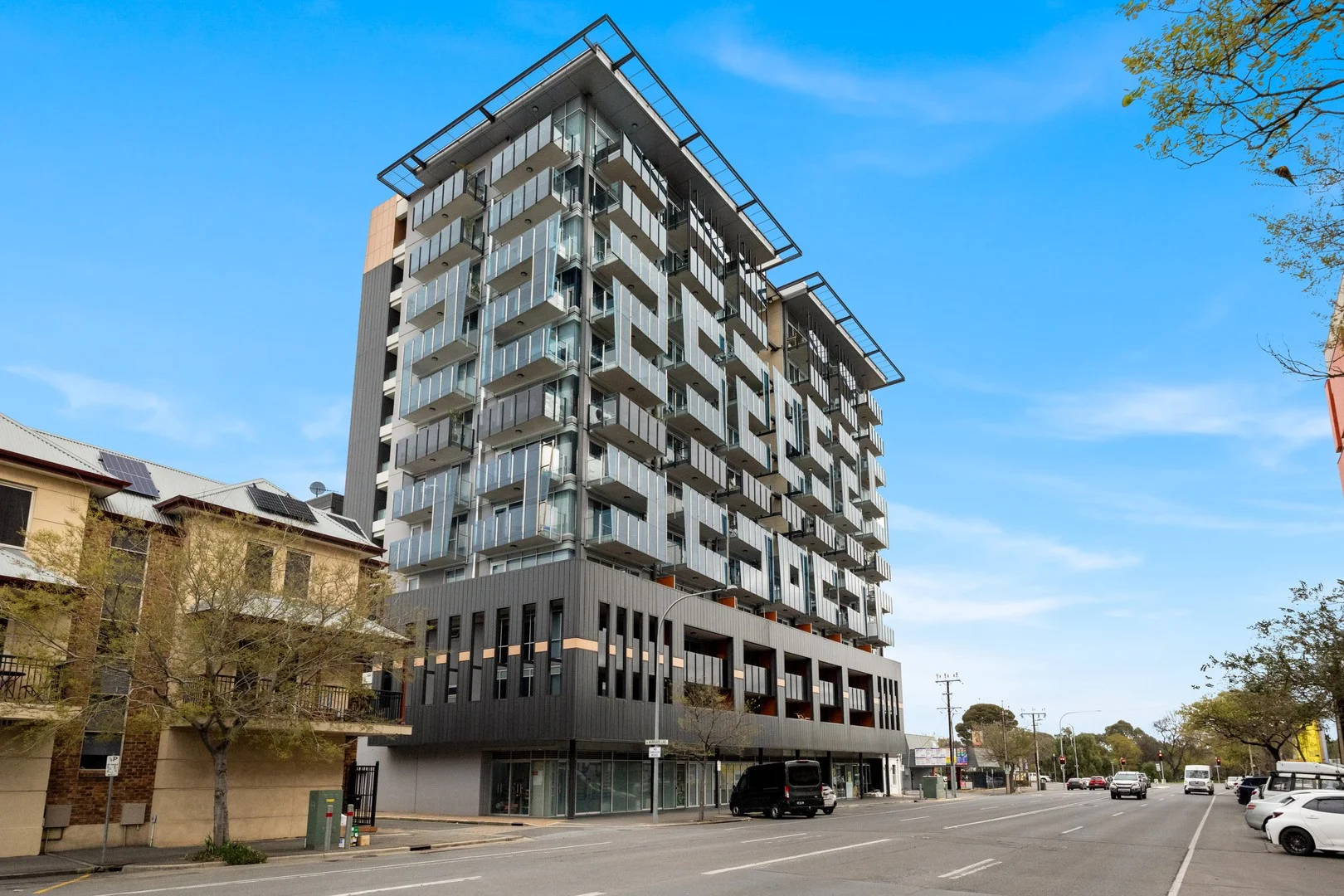 $1,100,000
Apartment / Unit / Flat
$1,100,000
Apartment / Unit / Flat
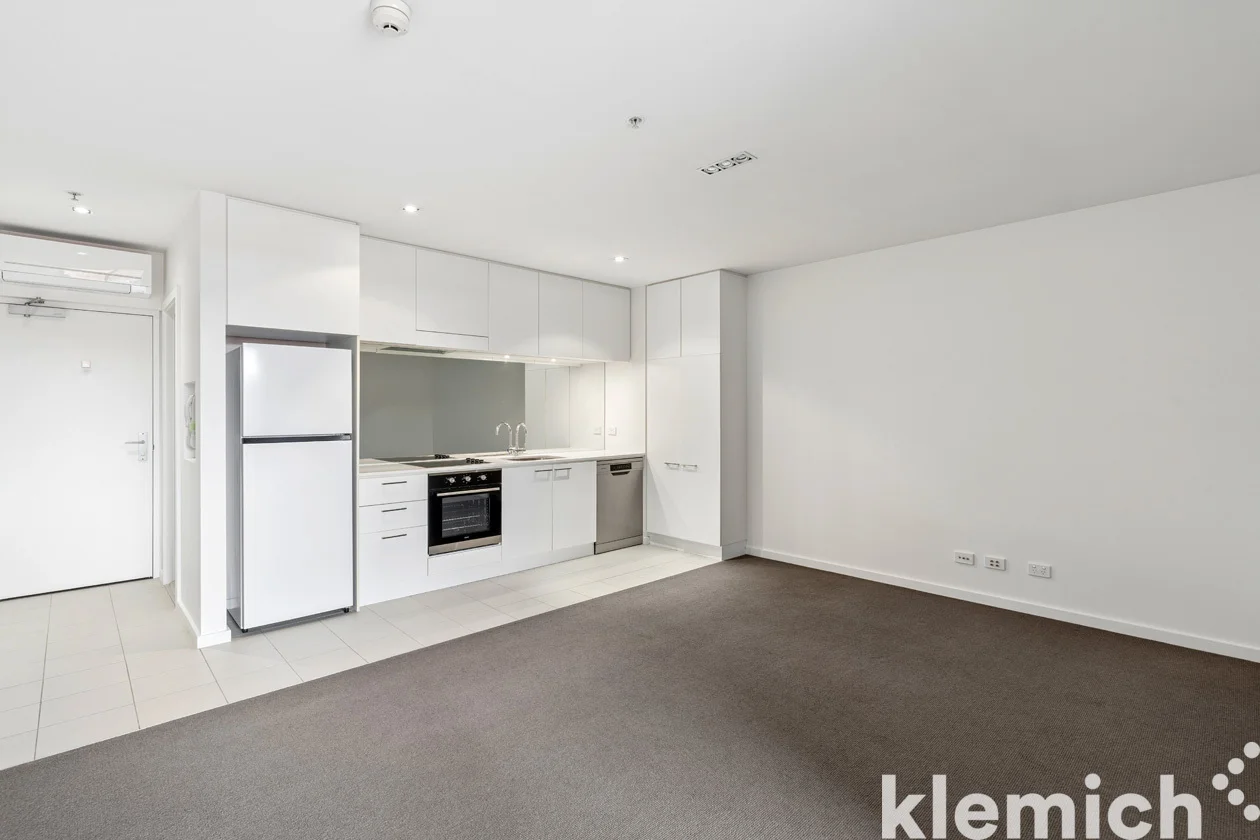 $440,000
Apartment / Unit / Flat
$440,000
Apartment / Unit / Flat
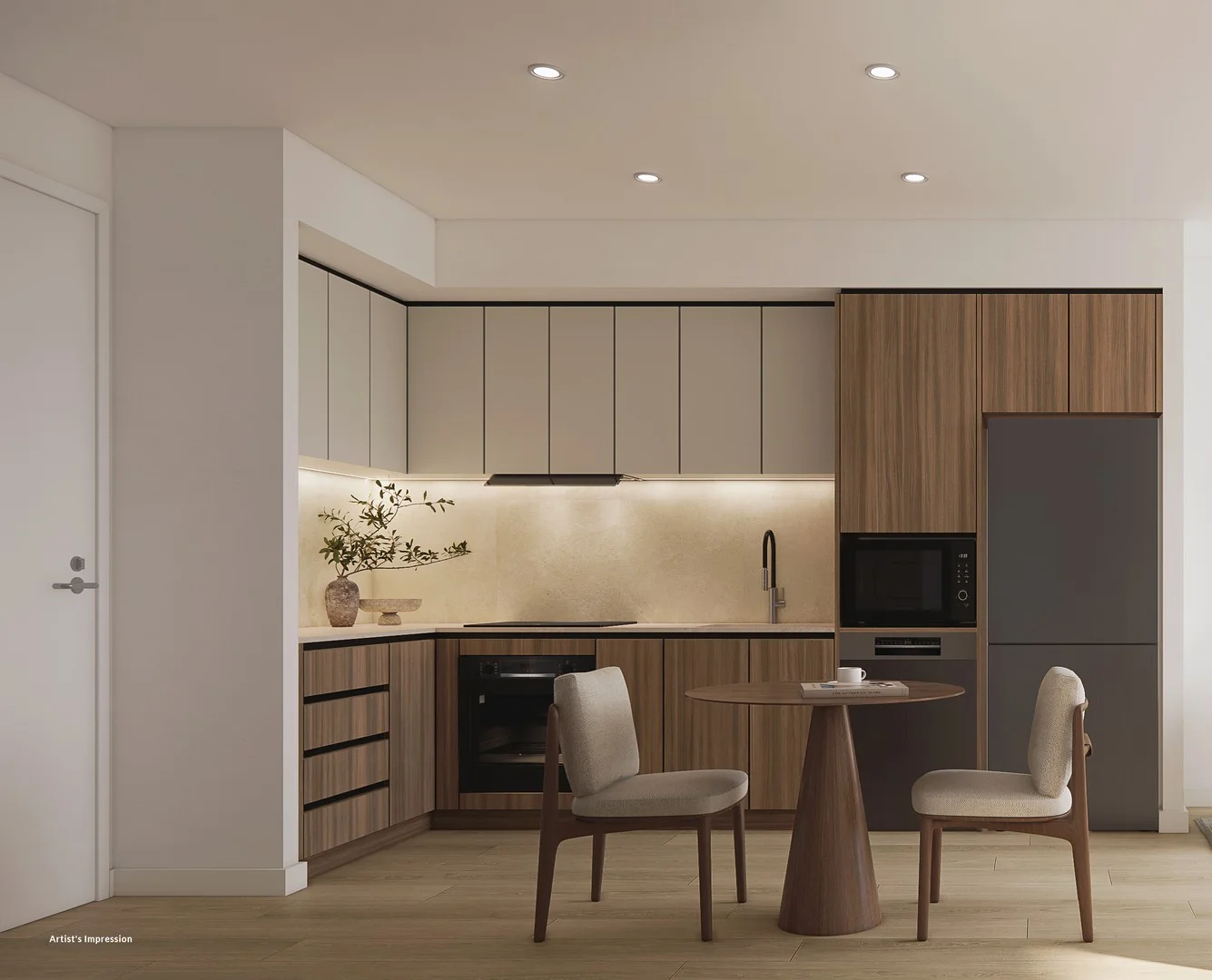 $557,000
Apartment / Unit / Flat
$557,000
Apartment / Unit / Flat
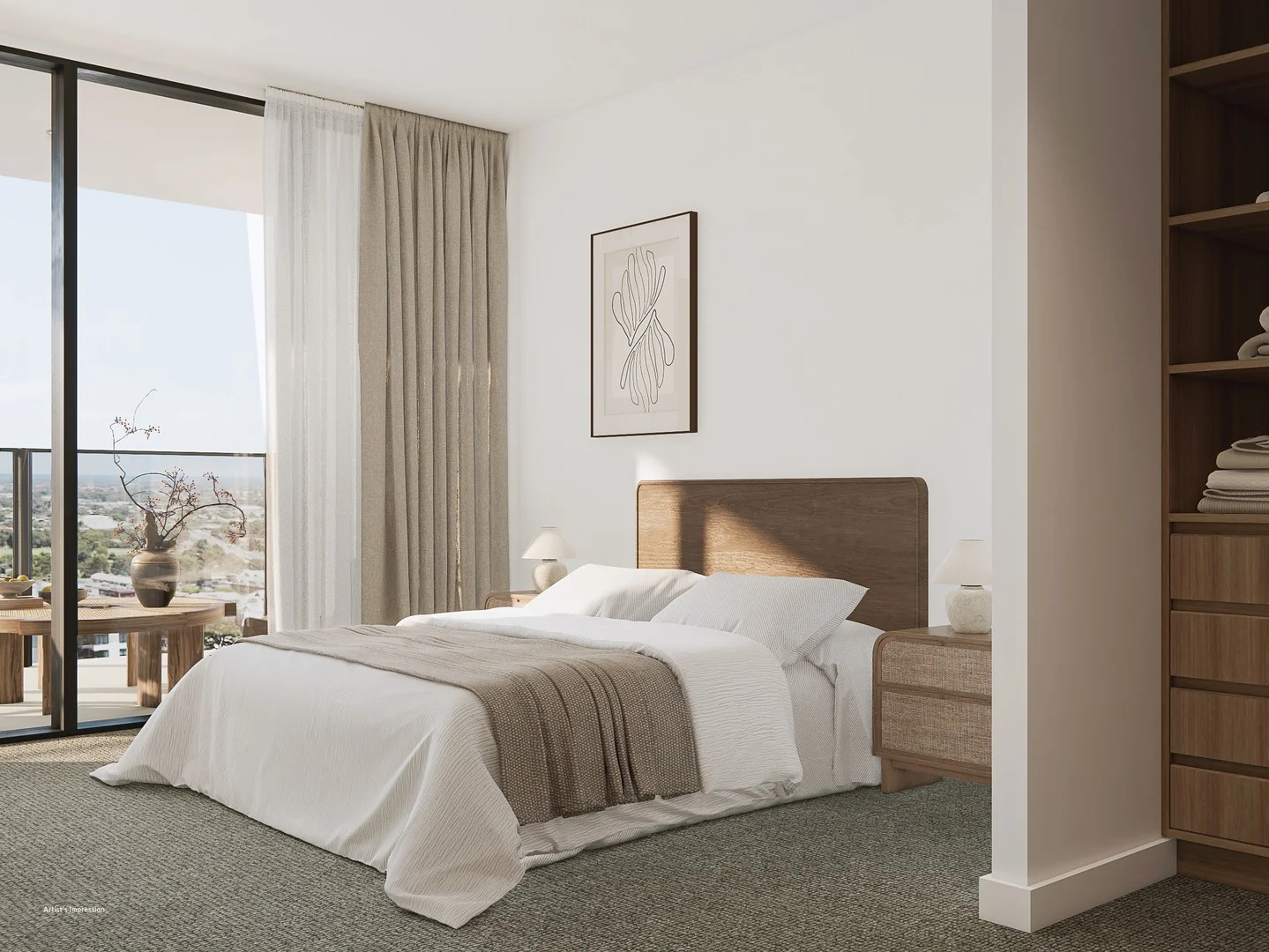 $935,000
Apartment / Unit / Flat
$935,000
Apartment / Unit / Flat
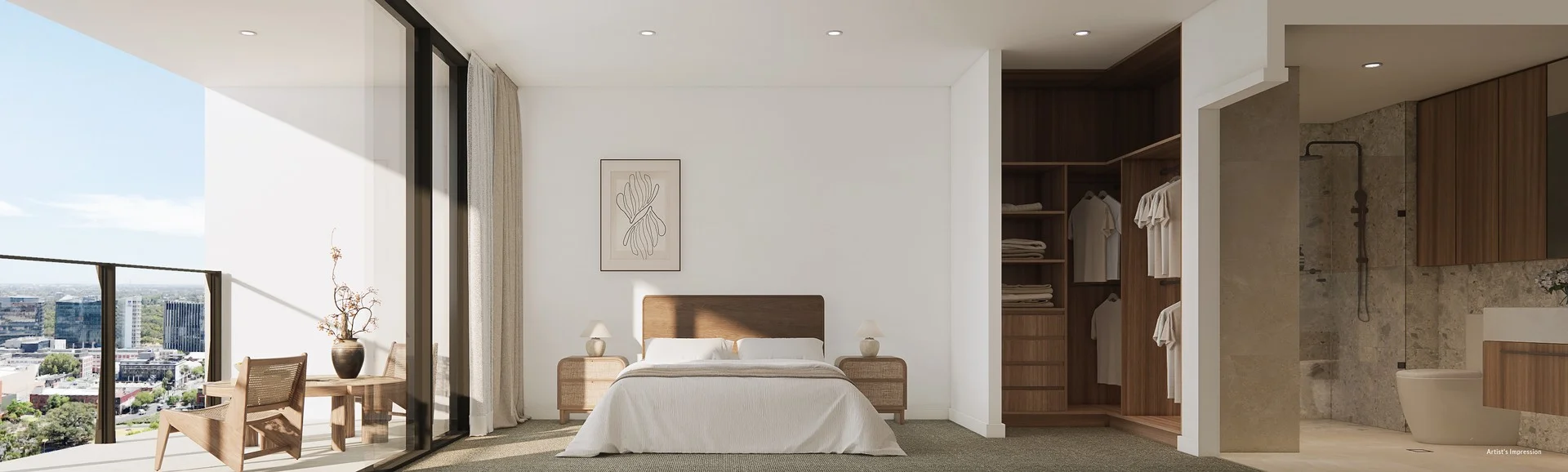 $1,056,000
Apartment / Unit / Flat
$1,056,000
Apartment / Unit / Flat
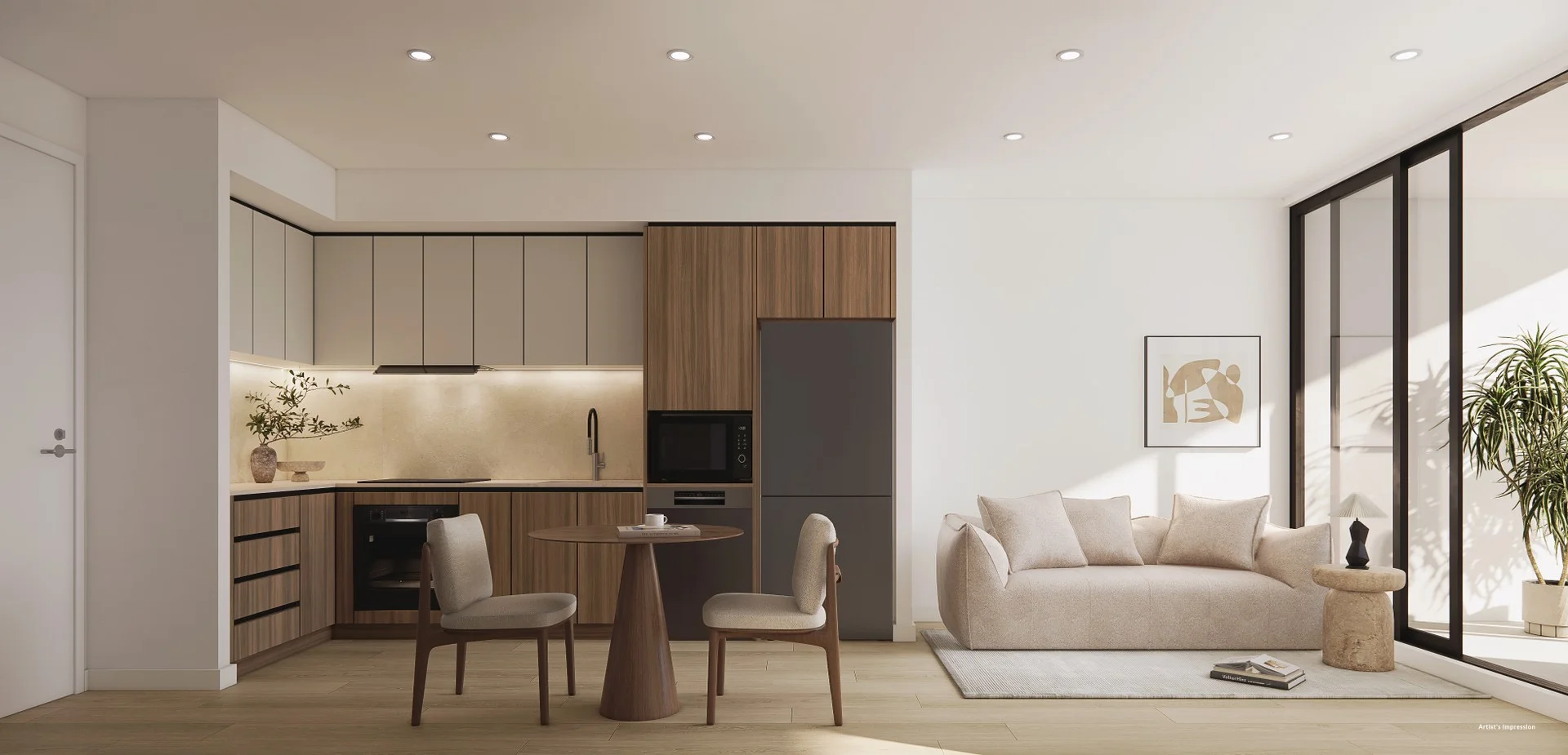 $588,000
Apartment / Unit / Flat
$588,000
Apartment / Unit / Flat
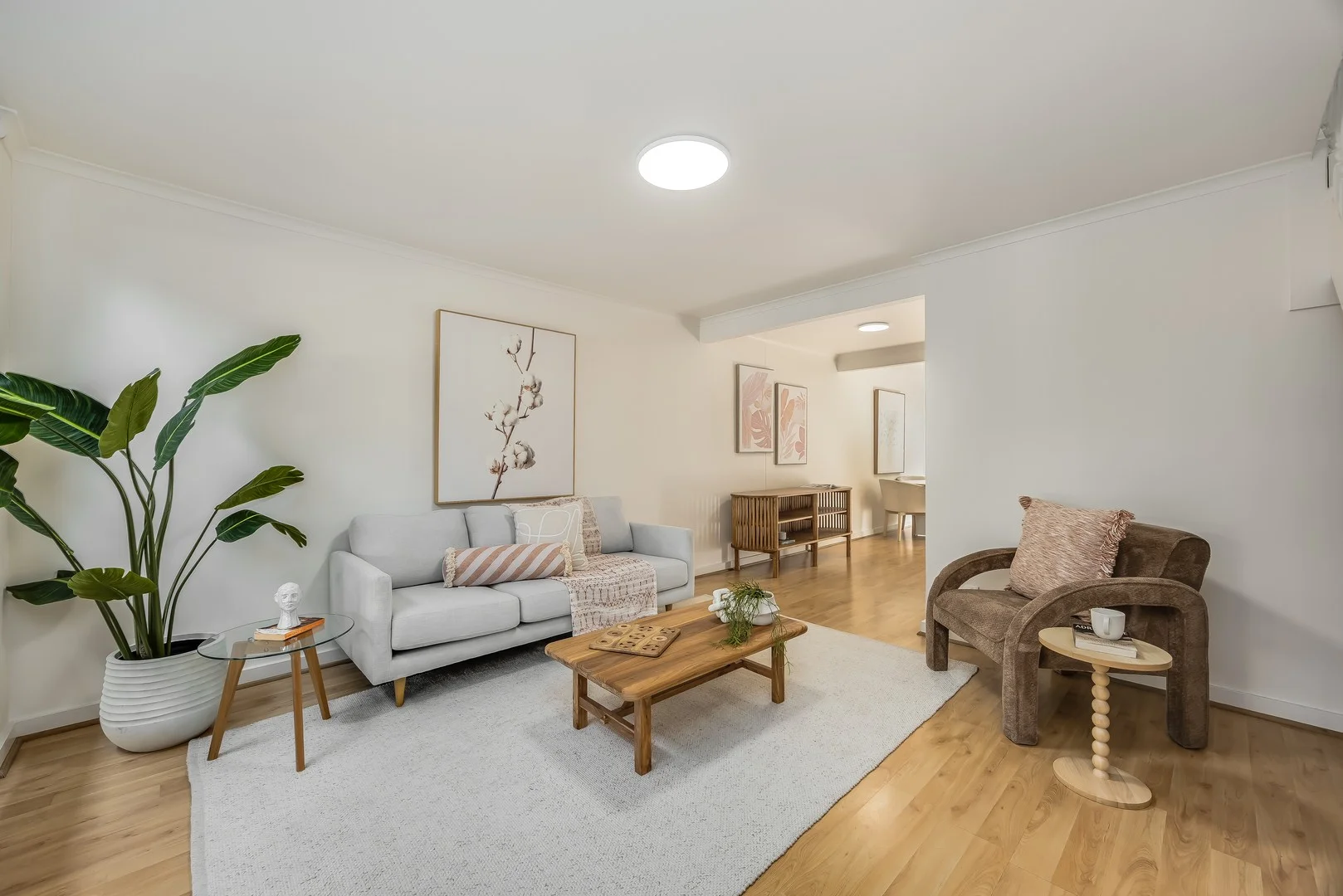 $775,000
House
$775,000
House
 $545,000
Apartment / Unit / Flat
$545,000
Apartment / Unit / Flat