# 1. Overview
Underdale High School is a public co-educational secondary school serving students across Year 7–12. The school fosters an inclusive, supportive culture with a focus on academic achievement, sport, and personal growth. Class sizes are typically in the mid-range, providing opportunities for individual attention while maintaining a lively school community. The atmosphere is described as welcoming and diverse, with emphasis on respect, teamwork, and a balanced approach to learning.
As a public high school, it aims to cater to a broad student mix, supporting strong literacy and numeracy foundations alongside opportunities for leadership, creativity, and physical development. The school’s culture emphasizes collaboration between students, staff, and families to help each learner reach their potential.
# 2. Academics & Learning
- Academic strengths: Strong emphasis on STEM, robust English and literacy programs, leadership development, and languages as part of the curriculum.
- Special programs: VET pathways and other SACE-related programs; accelerated or advanced learning options where offered; opportunities to pursue diverse post-school pathways.
- NAPLAN / Trends: Long-term focus on improving literacy and numeracy; consistent bands across year levels with targeted school-wide improvements over time.
- Student-teacher ratios: Typically in the mid-teens to low-twenties per class, allowing for relatively approachable teacher contact and support.
- Support for diverse learners: EAL support, SEN coordination, and access to targeted interventions to help students with varied learning needs.
# 3. Sports & Extracurricular Strengths
- Sports offered: A wide range of sports including football (Australian rules), soccer, basketball, netball, cricket, athletics, and swimming (seasonally available).
- Strong teams or achievements: Competitive representation across multiple sports with school-wide athletic programs and regional/inter-school competitions.
- Music, arts, drama: Active performing arts programs and opportunities to participate in ensembles and productions.
- Clubs: Robotics, chess, coding, debating, and other student-led clubs to build skills outside the classroom.
- Partnerships: Collaborations with local clubs, sporting associations, and inter-school competitions to broaden opportunities for students.
Note: This section highlights programs and opportunities commonly available at a large public high school and may vary by year.
# 4. Wellbeing & Pastoral Care
- Anti-bullying approach: Clear policies and proactive education to promote a safe, respectful environment.
- House system: House-style structure to foster belonging, healthy competition, and peer support.
- Counsellors / wellbeing officers: Access to school counsellors and wellbeing staff for academic, social, and emotional support.
- Transition support for new students: Orientation programs, buddy systems, and targeted support to help new students settle in.
# 5. Facilities
- Sports grounds: On-site sports fields and facilities for physical education and games.
- Libraries: Central library with study and research resources.
- Science labs: Dedicated science laboratories equipped for practical experiments.
- Music/performing arts centers: Rooms and spaces for music practice, rehearsals, and small performances.
- Tech/innovation labs: Computer labs and spaces for technology, coding, and digital projects.
- Cafeteria: On-site canteen or food facilities offering a range of meals and snacks.
- Updated playgrounds: Modern outdoor spaces for recreation and break times.
Visual and functional spaces designed to support learning across subjects.
# 6. School Values & Community Culture
- School values / mission: Emphasis on respect, integrity, excellence, inclusivity, and student wellbeing.
- Leadership style: Collaborative and student-centered leadership with opportunities for student voice and leadership roles.
- Behaviour expectations: Clear codes of conduct with consistent expectations for all students.
- Community reputation: A public school with a broad community; focus on welcoming families and fostering a sense of belonging.
- Diversity & inclusion: Commitment to diversity and inclusive practices that support students from different backgrounds.
# 7. School Logistics & Daily Operations
- School hours: Standard school day schedule with start and finish times typical of public secondary schools.
- Before/after school care: Availability of supervised programs or activities before and after school where offered.
- Uniform requirements: Established school uniform policy with approved items and dress standards.
- Transport (train/bus routes): Access via local bus services and public transport; proximity to major routes and stops.
- Canteen availability: On-site canteen or food service offering a range of meals and snacks.
- Fees (low/medium/high ranges): Being a public school, the base fees are moderate with potential voluntary contributions or item costs for specific programs.
# 8. Enrolment & Admissions
11. What is the enrolment process and timeline?
- Applications generally follow the jurisdictional intake schedule for the coming school year. Families should complete the official enrolment form, provide proof of identity and address, and submit any requested documentation (e.g., birth certificate, immunisation records). Offers are made in line with the school’s intake timeline and catchment rules, with notification provided within the relevant decision windows.
12. Is there a waiting list, and how does it work?
- Yes, a waiting list may operate when places are limited. Admission from the waiting list typically occurs in order of application date, subject to available vacancies and any catchment or program-specific considerations. Families are notified if a place becomes available.
13. Are there any entry requirements, tests, or interviews?
- For most Year 7 intake, no formal entrance exam is required. Some programs or pathways may involve brief intake conversations or information gathering to understand student needs, interests, and readiness. Documentation and eligibility criteria (such as residency within the catchment) are standard requirements.
14. Does the school accept mid-year transfers?
- Mid-year transfers are considered if spaces are available. Parents should contact the enrolments office as soon as possible to discuss eligibility, required documentation, and available vacancies. Waiting times may apply depending on demand and capacity.
# 9. Frequently Asked Questions
- Why Parents Choose This School?
- A balanced public school offering solid academics, broad extracurriculars, strong wellbeing support, and an inclusive culture that supports diverse learners.
- What type of student thrives at this school?
- Students who value community, participate in a range of activities, and engage in a supportive learning environment that emphasizes literacy, numeracy, and personal growth.
- What opportunities are available for students to extend their skills (academics, sports, arts)?
- Access to STEM and English/literacy programs, leadership opportunities, VET pathways, clubs (robotics, coding, debating), competitive sports teams, and arts/drama programs.
- How does the school communicate with parents?
- Regular newsletters, emails, a parent portal or learning management system, open evenings, and scheduled parent-teacher conversations.
- What is the school’s approach to teaching and learning?
- Student-centered, differentiated instruction with a focus on literacy and numeracy, inquiry-based learning, and support for diverse learners.
- How does the school support students who need extra academic help?
- In-class support, targeted intervention programs, small-group tutoring, EAL and SEN support, and access to wellbeing services.
- What support is available for academic challenges?
- Additional tutoring, reading and numeracy support, tailored learning plans, and periodic progress reviews with teaching staff.
- How does the school communicate with parents?
- See above: newsletters, email, parent portal, and parent-teacher discussions.
- What are the class sizes and how much individual attention do students receive?
- Class sizes typically range from mid-teens to upper-20s, with teachers providing differentiated instruction and targeted support as needed.
- What extracurricular and sports opportunities are available?
- A wide range of sports (e.g., football, netball, basketball, soccer, cricket), plus clubs in robotics, chess, coding, debating, and performing arts.
- What facilities does the school offer (sports, science, arts)?
- Modern sports facilities, science labs, libraries, music/performing arts spaces, and technology/innovation labs.
- What is the school’s approach to technology and digital learning?
- Integration of digital tools in teaching, computer labs, and resources to develop digital literacy and responsible use of technology.
- What transport and accessibility options are available?
- Access via public transport routes, bus services, and options for walking or cycling where feasible; nearby stops and routes are provided by local transit authorities.
- What are the typical school fees or additional costs?
- As a public school, base costs are moderate; there may be voluntary contributions and charges for specific programs or activities.
# 10. Short Pros & Cons list
- Pros
- Public school with inclusive culture and strong wellbeing supports
- Broad academic and extracurricular offerings (STEM, arts, sports)
- Moderate class sizes enabling teacher attention
- Range of pathways including VET and post-school options
- Support for diverse learners (EAL, SEN)
- Cons
- Large school environment can feel busy or impersonal at times
- Demand-driven programs may have waiting lists
- Transport and catchment rules can influence enrolment decisions
- Uniforms and certain costs for electives or trips may apply








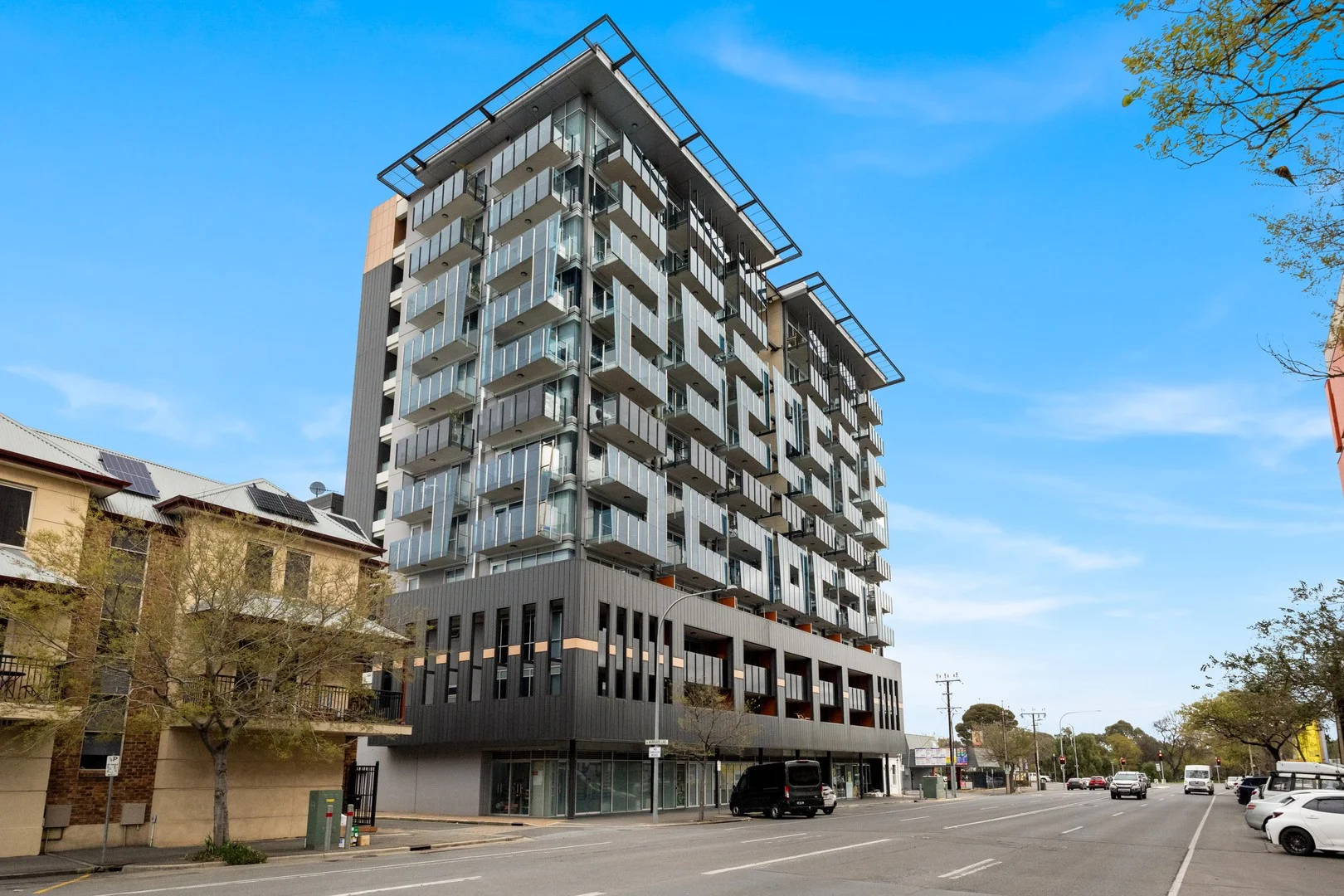 $1,100,000
Apartment / Unit / Flat
$1,100,000
Apartment / Unit / Flat
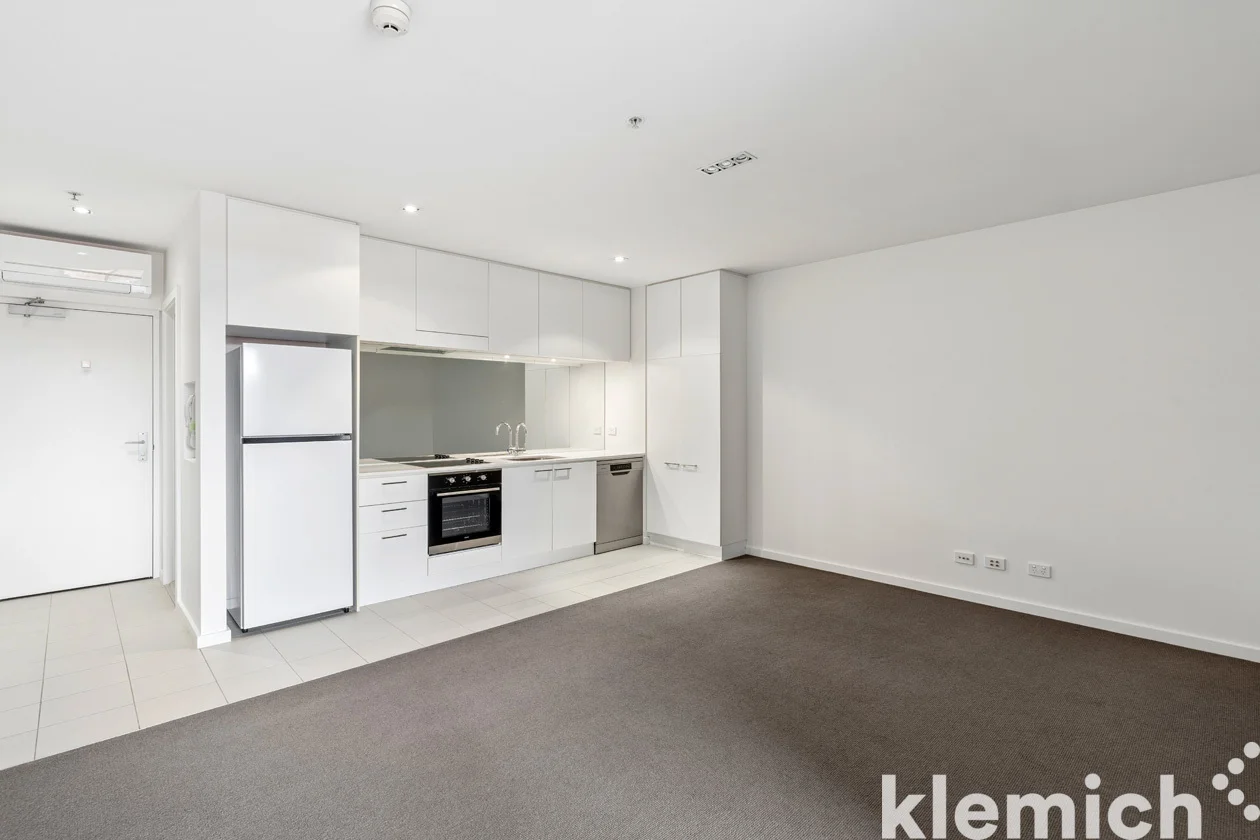 $440,000
Apartment / Unit / Flat
$440,000
Apartment / Unit / Flat
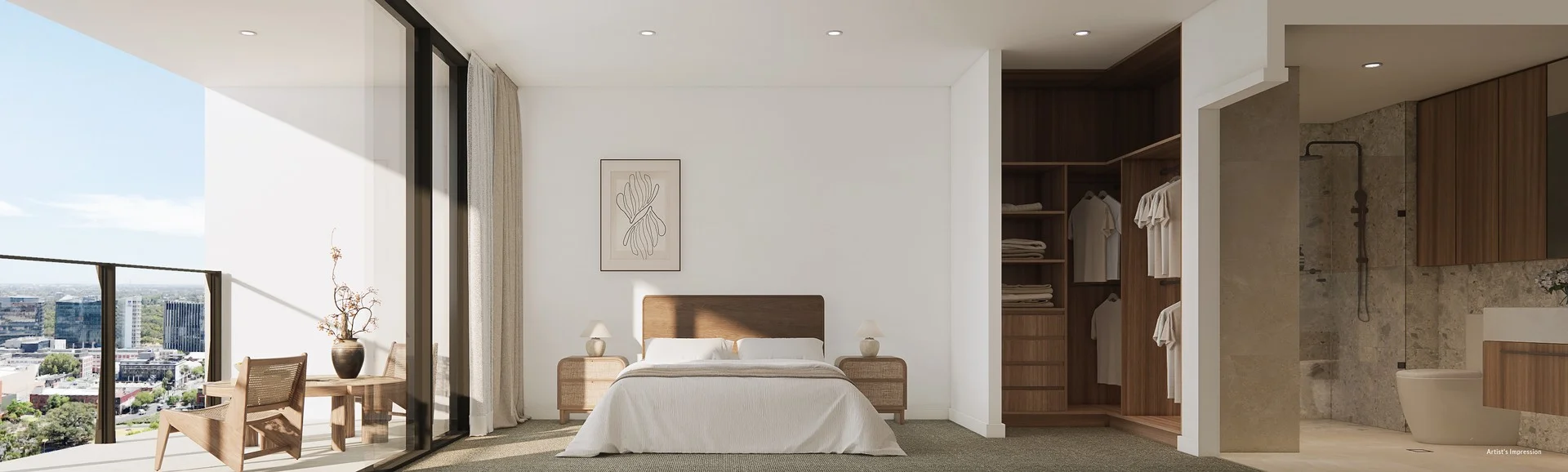 $1,056,000
Apartment / Unit / Flat
$1,056,000
Apartment / Unit / Flat
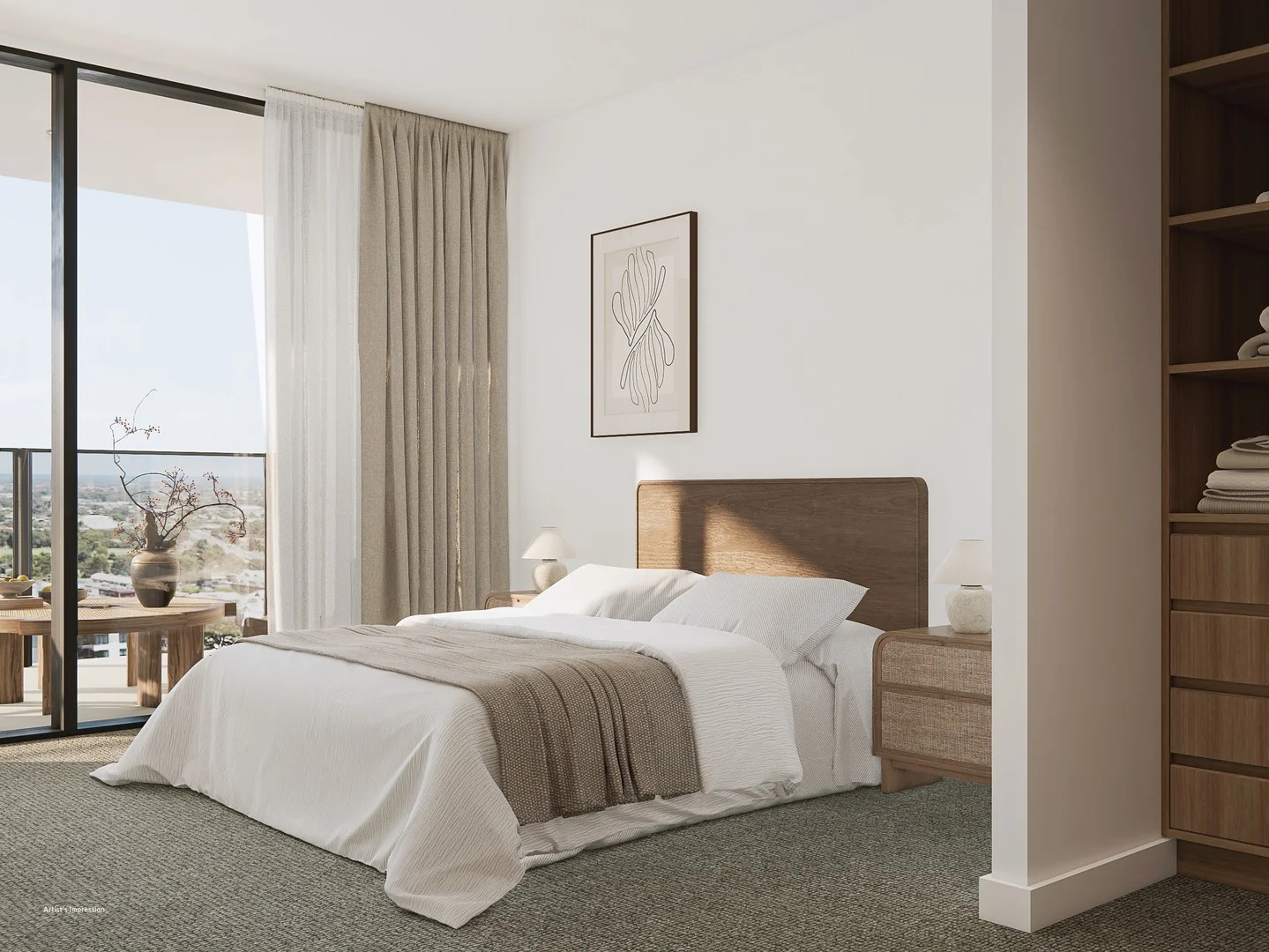 $935,000
Apartment / Unit / Flat
$935,000
Apartment / Unit / Flat
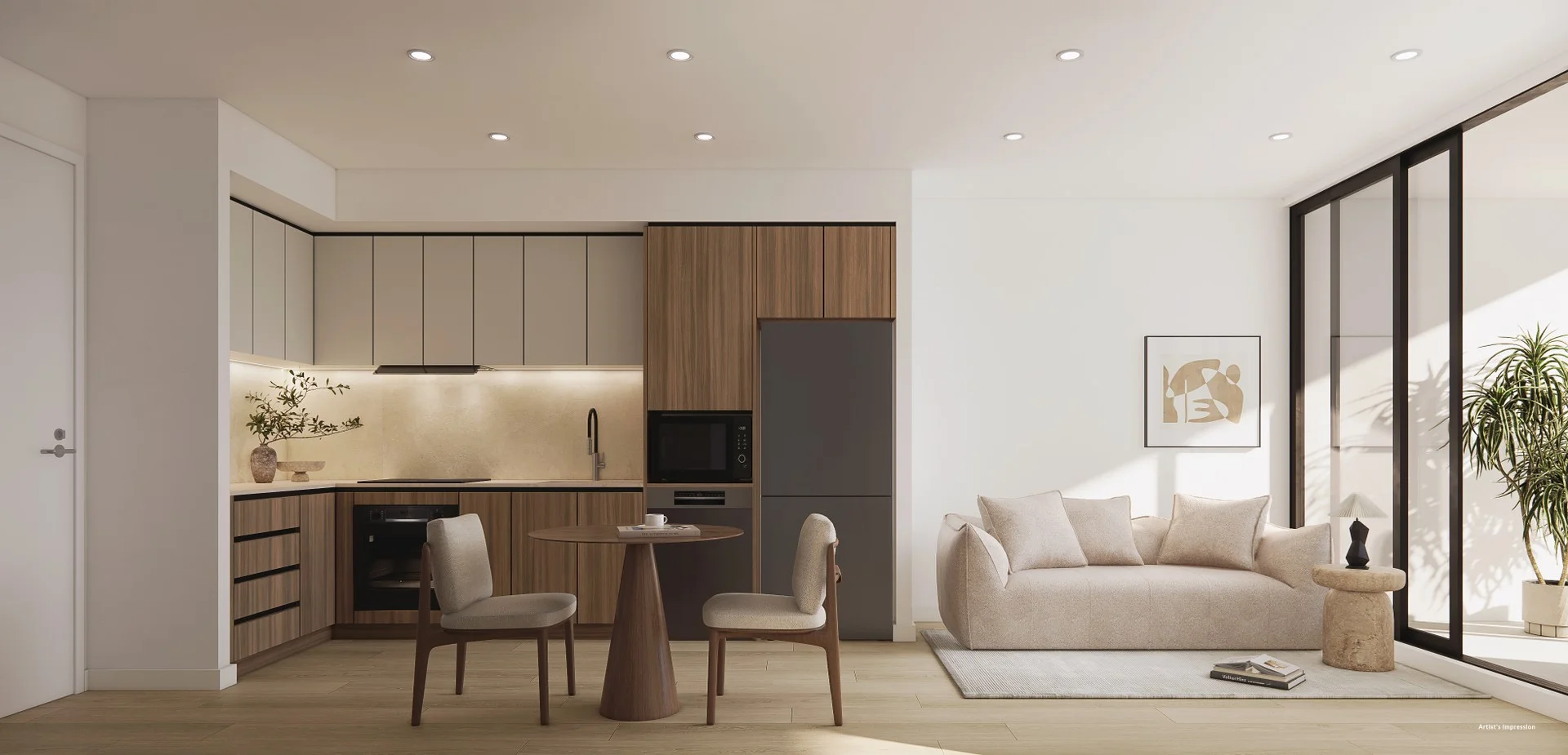 $588,000
Apartment / Unit / Flat
$588,000
Apartment / Unit / Flat
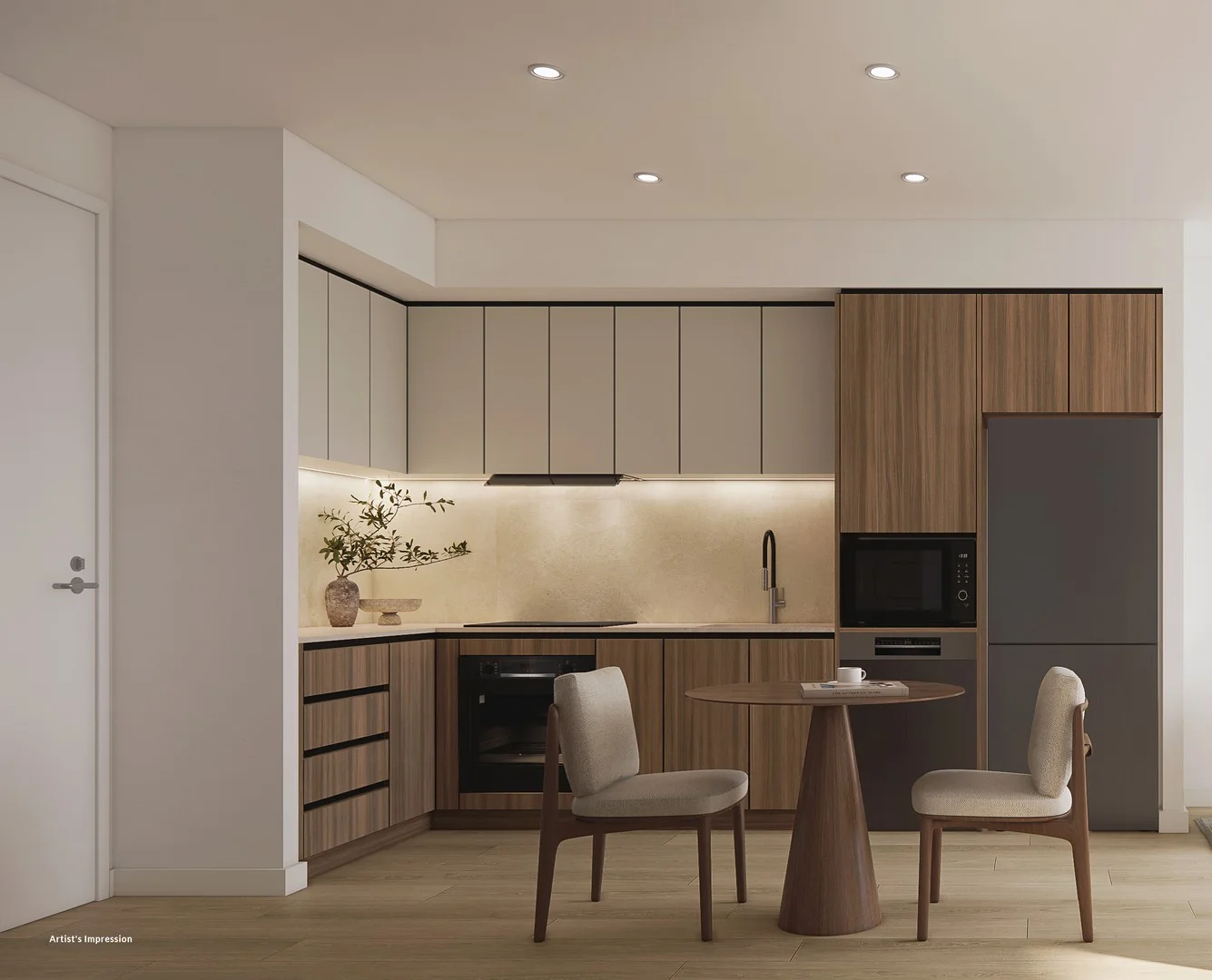 $557,000
Apartment / Unit / Flat
$557,000
Apartment / Unit / Flat
 $775,000
House
$775,000
House
 $545,000
Apartment / Unit / Flat
$545,000
Apartment / Unit / Flat