## 1. Overview
St Pius X High School Adamstown is a Catholic systemic high school serving families in the Adamstown area. The school sits within the Maitland-Newcastle diocese and emphasises faith-based education alongside academic development, aiming to support students to grow as capable, compassionate young people.
The school is medium-sized, with class sizes typically in the low 20s. The atmosphere is described as inclusive and nurturing, balancing a strong sense of community with a focus on academic achievement, personal growth, and service to others.
---
## 2. Academics & Learning
- Academic strengths: The curriculum covers core subjects (English, Mathematics, Science, Humanities) with an emphasis on literacy and numeracy, plus opportunities in languages and elective areas. The school commonly integrates faith-based learning and leadership development within the broader NSW curriculum.
- Special programs: Religious Education and faith formation are central, alongside pastoral programs and leadership opportunities. Some students may have access to enrichment or targeted programs depending on year level and cohort needs.
- NAPLAN trends: Publicly available data for this specific school’s NAPLAN trends may not be published. NSW Catholic schools typically focus on improving literacy and numeracy outcomes over time, with targeted supports where needed.
- Student-teacher ratios: Typical NSW high school class sizes are in the low 20s, with student-teacher ratios generally in the teens to mid-20s range, depending on subject and year level.
- Support for diverse learners: EAL support, SEN assistance, learning support staff, and tailored interventions are commonly available to assist students who need extra help or different pathways to succeed.
---
## 3. Sports & Extracurricular Strengths
- Sports offered: A range of team and individual sports is typically available, including options such as rugby league, soccer, basketball, netball, cricket, and athletics, with programs aligned to NSW school sports calendars.
- Strong teams or achievements: Schools in this category often participate in local and regional competitions; outcomes vary by year, but ongoing participation and development of school teams are common.
- Music, arts, drama programs: There are usually music ensembles, choir or band opportunities, and annual or semi-regular drama and performance activities.
- Clubs: Robotics, chess, coding, debating, and other interest clubs are commonly offered to broaden student experiences beyond the classroom.
- Partnerships: Students may participate in local inter-school events, regional competitions, and partnerships with diocesan or community groups to support sport, arts, and academic programs.
---
## 4. Wellbeing & Pastoral Care
- Anti-bullying approach: Schools typically implement clear anti-bullying policies and pastoral supports to create a safe, respectful environment.
- House system: A house or pastoral group structure is often used to foster belonging, mentorship, and healthy competition through events and ongoing support.
- Counsellors / wellbeing officers: Access to school counsellors, wellbeing coordinators, and chaplaincy support is common to help students manage social, emotional, and academic challenges.
- Transition support for new students: Orientation programs, buddy systems, and targeted transition support help new students acclimate to the school environment.
---
## 5. Facilities
- Sports grounds: On-site or nearby sports facilities to support physical education and team sports.
- Libraries: A well-equipped library supports reading, research, and quiet study.
- Science labs: Modern science laboratories for experiments and practical work.
- Music/performing arts centers: Dedicated spaces for music rehearsals and performances, and potentially drama spaces.
- Tech/innovation labs: Computer labs and makerspaces or media labs to support digital learning and project work.
- Cafeteria: On-site canteen or cafeteria providing daily meals and snacks.
- Updated playgrounds: Safe, well-maintained outdoor spaces for recreation and social interaction.
---
## 6. School Values & Community Culture
- School values / mission: A faith-based mission emphasising service, integrity, respect, and academic excellence within a Catholic framework.
- Leadership style: A collaborative approach that may include student voice through student leadership groups and staff-led guidance, with emphasis on responsibility and service.
- Behaviour expectations: Clear codes of conduct centered on respect, safety, and accountability.
- Community reputation: A longstanding local Catholic school known for its faith formation, pastoral care, and commitment to helping students grow in character and capability.
- Diversity & inclusion: Programs and practices that support inclusive education and celebrate a diverse student body.
---
## 7. School Logistics & Daily Operations
- School hours: Typical school days run during standard daytime hours, with start and finish times aligning with NSW school calendars. Exact times vary by year level and term.
- Before/after school care: Some schools offer supervised activities or care options before and after school; availability varies, so please confirm with the school.
- Uniform requirements: School uniform is required, with details provided in enrolment information.
- Transport (train/bus routes): Access to public transport and bus routes is common in metropolitan-adjacent areas; families often utilise local buses or trains for commutes.
- Canteen availability: An on-site canteen or snack facilities are usually available.
- Fees (low/medium/high ranges): Fees for Catholic systemic high schools are generally in the mid-range for NSW, with explicit costs published in enrolment materials and financial assistance options sometimes available.
---
## 8. Enrolment & Admissions
11. What is the enrolment process and timeline?
- Begin with an expression of interest or application within the school’s yearly cycle.
- Submit required documentation (birth certificate, immunisation records, previous school reports, and parish information where applicable).
- Participate in any required interview or information session.
- Receive an indicative offer of placement based on available places and any diocesan or parish considerations.
- Complete acceptance steps and enrolment paperwork by the school’s deadline.
12. Is there a waiting list, and how does it work?
- Many Catholic schools maintain a waiting list when all places are filled. Placement often prioritises parish or family connections, order of application, and availability. Timelines depend on the number of applicants and seats.
13. Are there any entry requirements, tests, or interviews?
- Entry typically involves an application, documentation, and possibly an interview or information session. Some years or cohorts may include additional assessments or activities to understand fit and readiness.
14. Does the school accept mid-year transfers?
- Mid-year transfers may be considered if spaces are available. Transfer requests usually require a record of current schooling, academic and behavioural references, and a placement assessment or interview.
---
## 9. Frequently Asked Questions
- Why Parents Choose This School?
- A faith-based environment that supports academic growth, pastoral care, and community values; emphasis on character development and service.
- What type of student thrives at this school?
- Students who value a values-based education, participation in community life, and opportunities across academics, sport, and the arts.
- What opportunities are available for students to extend their skills (academics, sports, arts)?
- Extension or enrichment in core subjects, leadership roles, sports teams, music ensembles, drama productions, debate, robotics, coding, and other clubs.
- How does the school communicate with parents?
- Through newsletters, emails, school portals, and regular updates from teachers and leadership teams.
- What is the school’s approach to teaching and learning?
- A student-centered approach within the NSW curriculum, with differentiation, integrated faith formation, and opportunities for collaboration and project-based learning.
- How does the school support students who need extra academic help?
- Learning support services, tutoring, targeted interventions, and accommodations as needed through designated staff.
- What support is available for academic challenges?
- Access to learning support, counselling resources, and structured intervention plans where appropriate.
- How does the school communicate with parents? (Repeated)
- See above: newsletters, portals, and direct communication from school staff.
- What are the class sizes and how much individual attention do students receive?
- Class sizes are typically in the low 20s, with teacher attention available through classwork, targeted support, and tutoring options as needed.
- What extracurricular and sports opportunities are available?
- A range of sports (team and individual), music and performing arts, clubs (robotics, chess, coding, debating), and leadership activities.
- What facilities does the school offer (sports, science, arts)?
- Sports grounds, libraries, science labs, music/performing arts spaces, tech/innovation labs, canteen, and outdoor play areas.
- What is the school’s approach to technology and digital learning?
- Integration of digital tools and resources in learning, with access to computer labs and potential device programs as part of modern learning.
- What transport and accessibility options are available?
- Access to public transport options and local routes; arrangements for drop-off/pick-up as per school policies.
- What are typical school fees or additional costs?
- Fees are generally mid-range for NSW Catholic systemic schools; exact amounts are listed in enrolment materials and may be supported by financial assistance programs.
---
## 10. Short Pros & Cons list
- Pros
- Catholic values-based education with strong pastoral care
- Inclusive, supportive school culture
- Broad curriculum with opportunities in academics, arts, and sport
- Wide range of extracurricular clubs and activities
- Focus on student wellbeing and community service
- Cons
- Fees typical of Catholic systemic schools (with potential additional costs)
- Class sizes in the low 20s may vary by year and subject
- Specific programs and facilities may change over time; check current offerings
- Availability of certain mid-year transfers depends on space and enrolment demand
If you’d like, I can tailor these sections further with direct quotes or more precise details once you confirm any specific features you want highlighted or if you have recent official information you’d like incorporated.






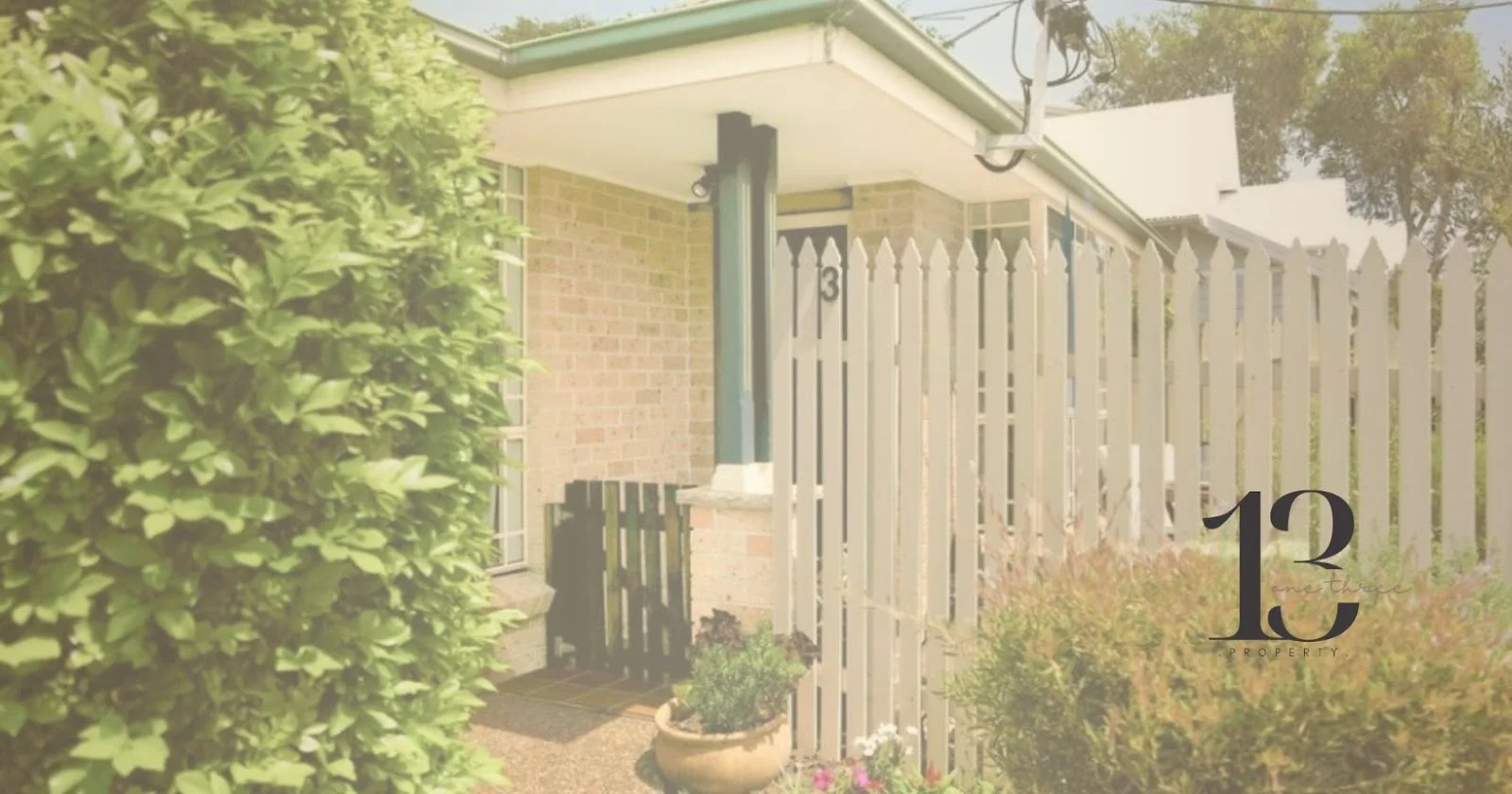 $795,000
Townhouse
$795,000
Townhouse
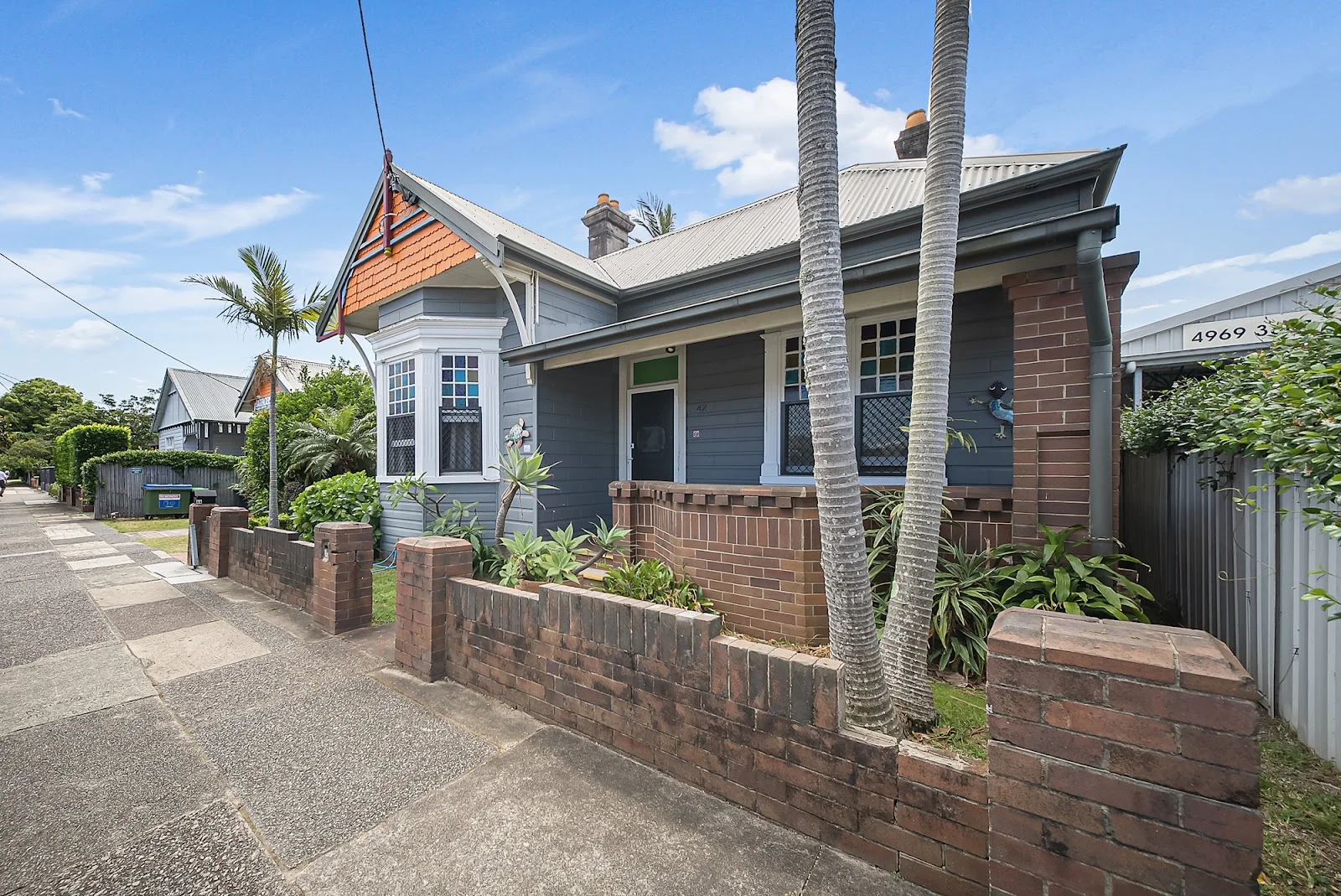 $2,000,000
propertyType.BLOCK OF UNITS
$2,000,000
propertyType.BLOCK OF UNITS
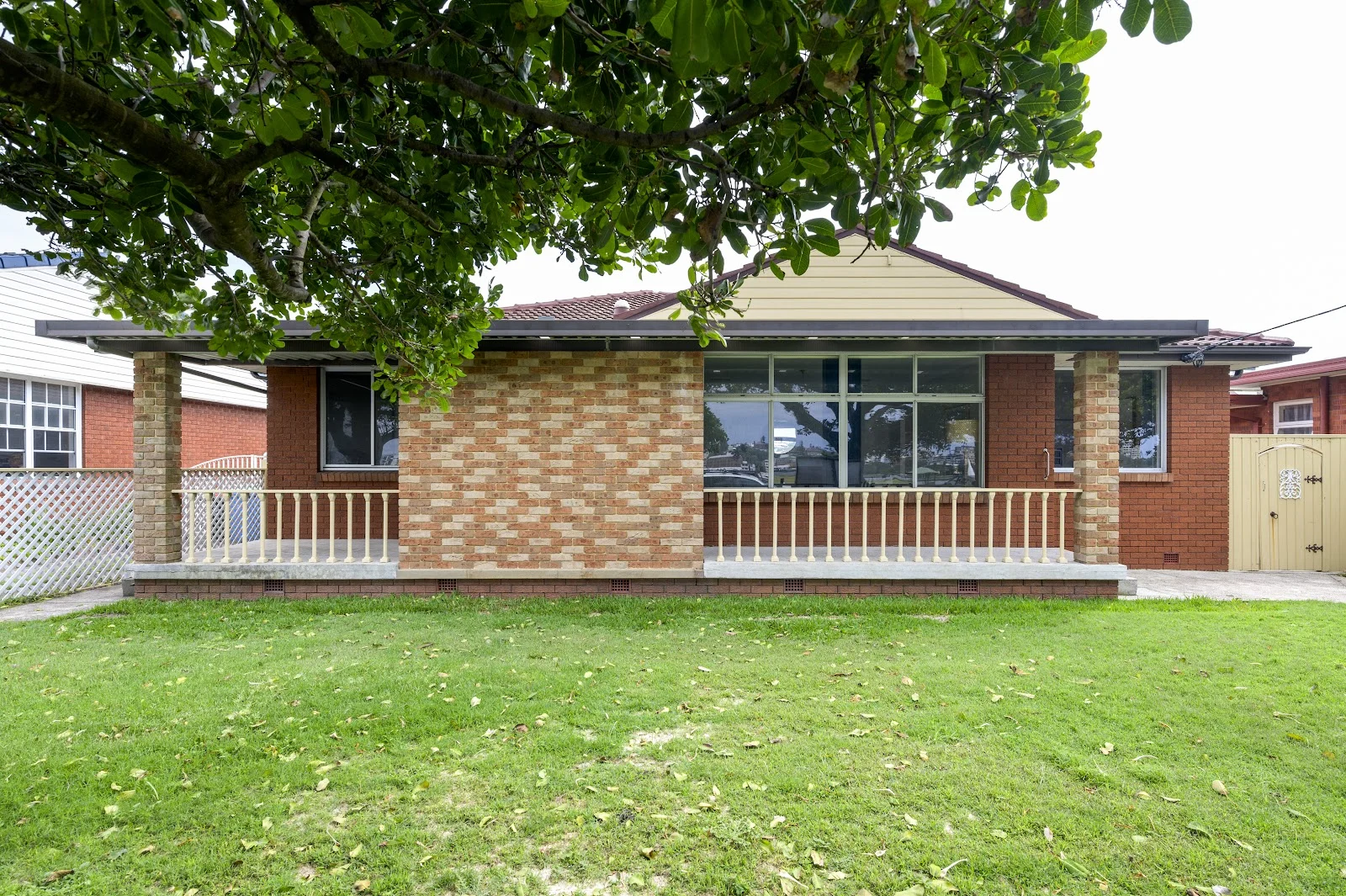 $2,500,000
House
$2,500,000
House
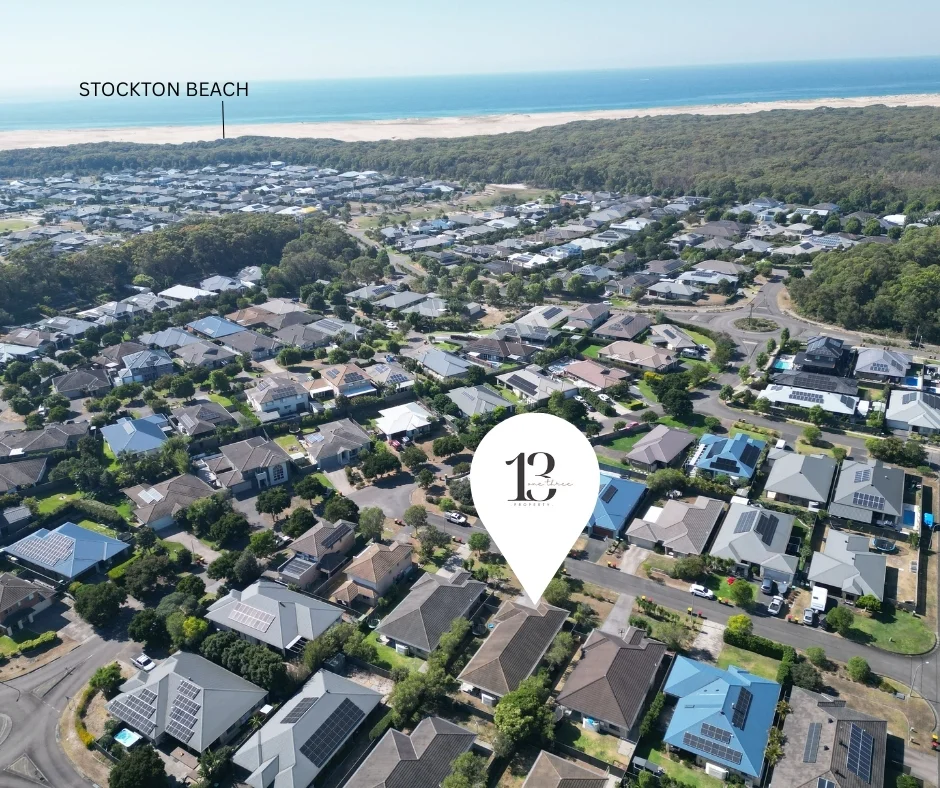 $900,000 - $990,000
House
$900,000 - $990,000
House


