1. Overview
New Lambton South Public School is a public primary school serving families in the New Lambton area. The school aims to provide a welcoming, student-focused learning environment that supports growth across academics, wellbeing and community involvement.
- School type: Public
- School size: Medium
- Class size: Approximately 20–25 students per class
- Atmosphere/culture: Inclusive, nurturing, diverse, with a strong emphasis on student wellbeing and community
2. Academics & Learning
- Academic strengths: Focus on literacy and numeracy, with enriching experiences in STEM and digital technologies to develop critical thinking and problem-solving skills.
- Special programs: Opportunities for enrichment and gifted/talented pathways where available; participation in targeted programs within the NSW public school system as applicable.
- NAPLAN trends: Historically, trends show steady performance close to state averages, with gradual improvements in reading and numeracy over recent years.
- Student-teacher ratios: Roughly around 1:20, with classroom supports available as needed.
- Support for diverse learners: EAL/D support for students whose first language is not English; Learning Support Team (LST) and targeted interventions for students requiring additional assistance.
3. Sports & Extracurricular Strengths
- Sports offered: Soccer, netball, rugby league, basketball, cricket, athletics, and other school-level activities.
- Strong teams or achievements: Active participation in district events; teams regularly compete with positive results and opportunities for leadership roles.
- Music, arts, drama programs: Choir, general music programs, school plays and performing arts activities.
- Clubs: Robotics, chess, coding, debating and other interest-based clubs available to students.
- Partnerships: Collaboration with local clubs and community organizations for competitions and enrichment experiences.
4. Wellbeing & Pastoral Care
- Anti-bullying approach: Comprehensive anti-bullying policy with restorative practices and a focus on student wellbeing.
- House system: House groups provide structure for team-building, identity, and events.
- Counsellors / wellbeing officers: Access to school wellbeing staff or dedicated counsellor(s) to support emotional and social development.
- Transition support for new students: Orientation activities, buddy programs and targeted transition support to help new entrants settle in.
5. Facilities
- Sports grounds: On-site outdoor spaces for physical activity and sports.
- Libraries: Well-stocked library supporting reading and research.
- Science labs: Dedicated spaces for science experiments and inquiry-based learning.
- Music/performing arts centers: Rooms and spaces for music, drama and performances.
- Tech/innovation labs: ICT facilities and learning spaces for digital projects.
- Cafeteria: On-site canteen or lunch facilities to support daily meals.
- Updated playgrounds: Modern, safe play areas for recreation and physical activity.
6. School Values & Community Culture
- School values / mission: Emphasis on respect, responsibility, collaboration and inclusion as core values.
- Leadership style: Distributed leadership with opportunities for student voice (e.g., student councils) and teacher collaboration.
- Behaviour expectations: Clear code of conduct with positive behaviours and consistent expectations.
- Community reputation: Strong ties with families and the local community; active parent involvement and partnerships.
- Diversity & inclusion: Welcoming environment that supports students from diverse backgrounds and needs.
7. School Logistics & Daily Operations
- School hours: Typical day from around 9:00 am to 3:00 pm (hours may vary; instructional day schedule published by the school).
- Before/after school care: Before and after school arrangements available through external providers or community partners.
- Uniform requirements: School uniform required as part of daily attendance.
- Transport (train/bus routes): Local bus services and walking options; proximity to public transport and safe drop-off zones.
- Canteen availability: Canteen or lunch program available on site or through organized lunch orders.
- Fees (low/medium/high ranges): Voluntary contributions and small charges for excursions or activities; overall mid-range in the public school sector.
8. Enrolment & Admissions
11. What is the enrolment process and timeline?
- Check catchment area eligibility and required documents (birth certificate, proof of address, immunisation records).
- Submit enrolment application through the school system; provide supporting documentation.
- Complete any school-specific orientation steps and confirm placement within the available timetable.
12. Is there a waiting list, and how does it work?
- Waiting lists may apply if there are no vacancies in the requested year level; places are offered based on policy, availability, and catchment considerations, in order of application and timing.
13. Are there any entry requirements, tests, or interviews?
- For most public primary placements, there are no entrance tests; some schools may request documentation and an intake interview where applicable. Immunisation records and address verification are typically required.
14. Does the school accept mid-year transfers?
- Mid-year transfers are considered where vacancies exist and enrolment policies can be met; families should contact the school to discuss availability and process.
9. Frequently Asked Questions
- Why Parents Choose This School?
- A strong sense of community, supportive staff, focus on literacy and numeracy, and a welcoming environment that values student wellbeing and involvement.
- What type of student thrives at this school?
- Students who are collaborative, motivated, respectful, and engaged in both academics and activities tend to thrive, benefiting from the inclusive culture and clear expectations.
- What opportunities are available for students to extend their skills (academics, sports, arts)?
- Access to enrichment opportunities, sports teams, music and drama programs, and clubs such as robotics, coding, chess, and debating; pathways for leadership and special interest involvement.
- How does the school communicate with parents?
- Through newsletters, email, school app or portal, updates on the website, and parent-teacher meetings.
- What is the school’s approach to teaching and learning?
- A focus on explicit instruction, differentiation, and assessment for learning, with opportunities for inquiry-based learning and hands-on activities.
- How does the school support students who need extra academic help?
- Targeted interventions delivered by the Learning Support Team, EAL/D support, and access to additional resources for students requiring assistance.
- What support is available for academic challenges?
- Individual or small-group support options, referrals to specialist staff, and collaboration between teachers, parents, and support personnel.
- How does the school communicate with parents? (duplicate)
- See above: newsletters, app/portal, meetings, and regular updates.
- What are the class sizes and how much individual attention do students receive?
- Class sizes typically around 20–25 students, with teacher-led instruction and opportunities for small-group or targeted support.
- What extracurricular and sports opportunities are available?
- A range of sports, music and drama, robotics, chess, coding, debating, and other clubs with opportunities to participate in school and district events.
- What facilities does the school offer (sports, science, arts)?
- Sports grounds, library, science labs, music/performing arts spaces, tech/innovation labs, canteen, and updated playgrounds.
- What is the school’s approach to technology and digital learning?
- Integration of digital technologies in learning, use of interactive tools and devices as appropriate, and opportunities to develop digital literacy and coding skills.
- What transport and accessibility options are available?
- Access to local bus routes and walking paths; safe drop-off/pick-up zones; consideration of accessibility needs as part of the school’s support services.
- What are the typical school fees or additional costs?
- Voluntary contributions with occasional required costs for excursions, activities or materials; uniform costs are additional to the base school program.
10. Short Pros & Cons
Pros
- Inclusive, supportive learning environment
- Strong focus on literacy and numeracy
- Wide range of extracurriculars (sports, arts, clubs)
- Active wellbeing and pastoral care
- Great opportunities for student leadership and involvement
Cons
- Class sizes may be similar to other public primary schools (noting variability by year)
- Availability of some programs may depend on enrolment; certain activities may incur extra costs
- Transport options can be dependent on local routes and schedules
- Waiting lists can occur in high-demand year levels or catchments
If you’d like, I can tailor this draft with any updates from the school’s current publications or help insert exact figures (class size, student-teacher ratio, uniform details, or specific program names) once you provide them.






 $795,000
Townhouse
$795,000
Townhouse
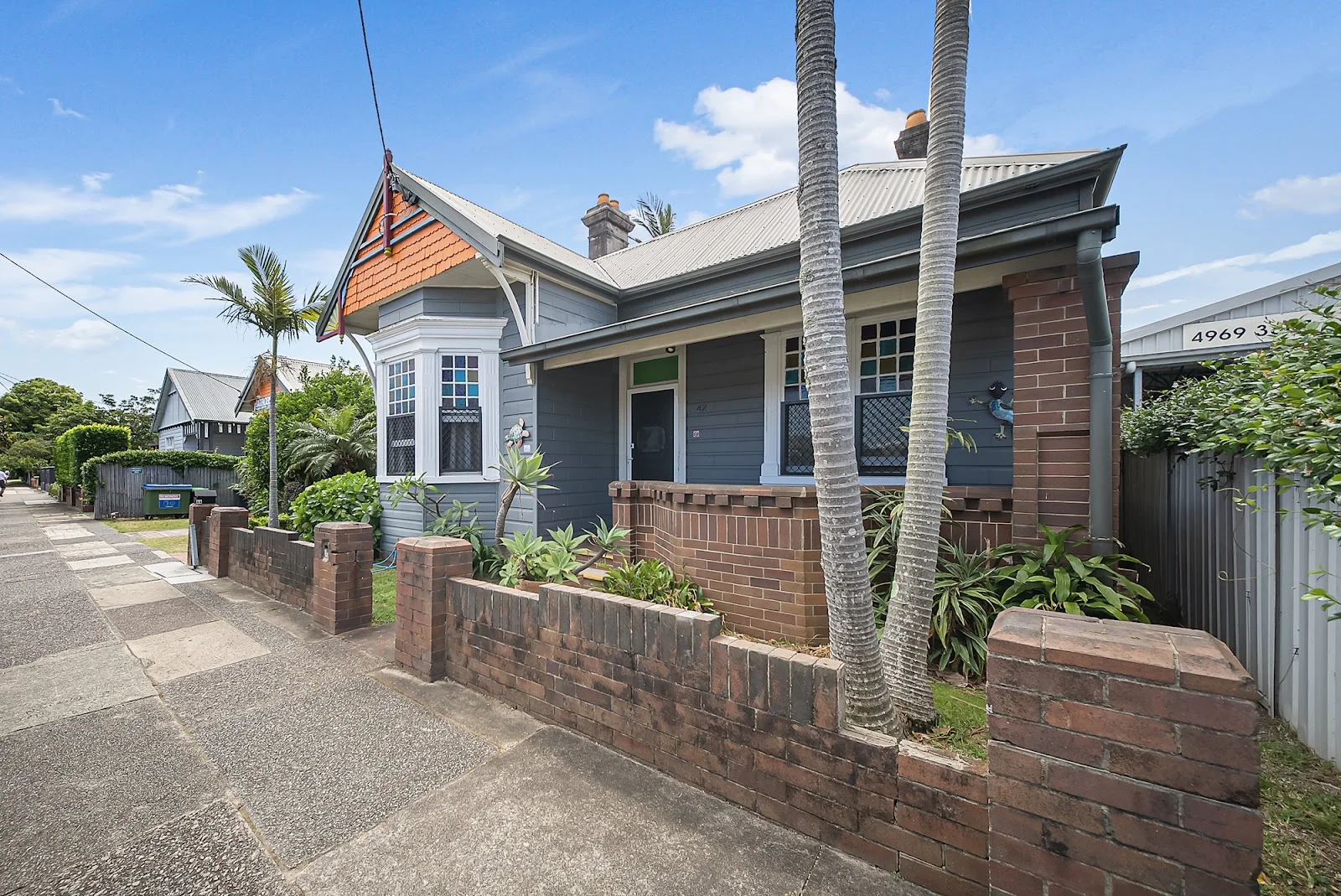 $2,000,000
propertyType.BLOCK OF UNITS
$2,000,000
propertyType.BLOCK OF UNITS
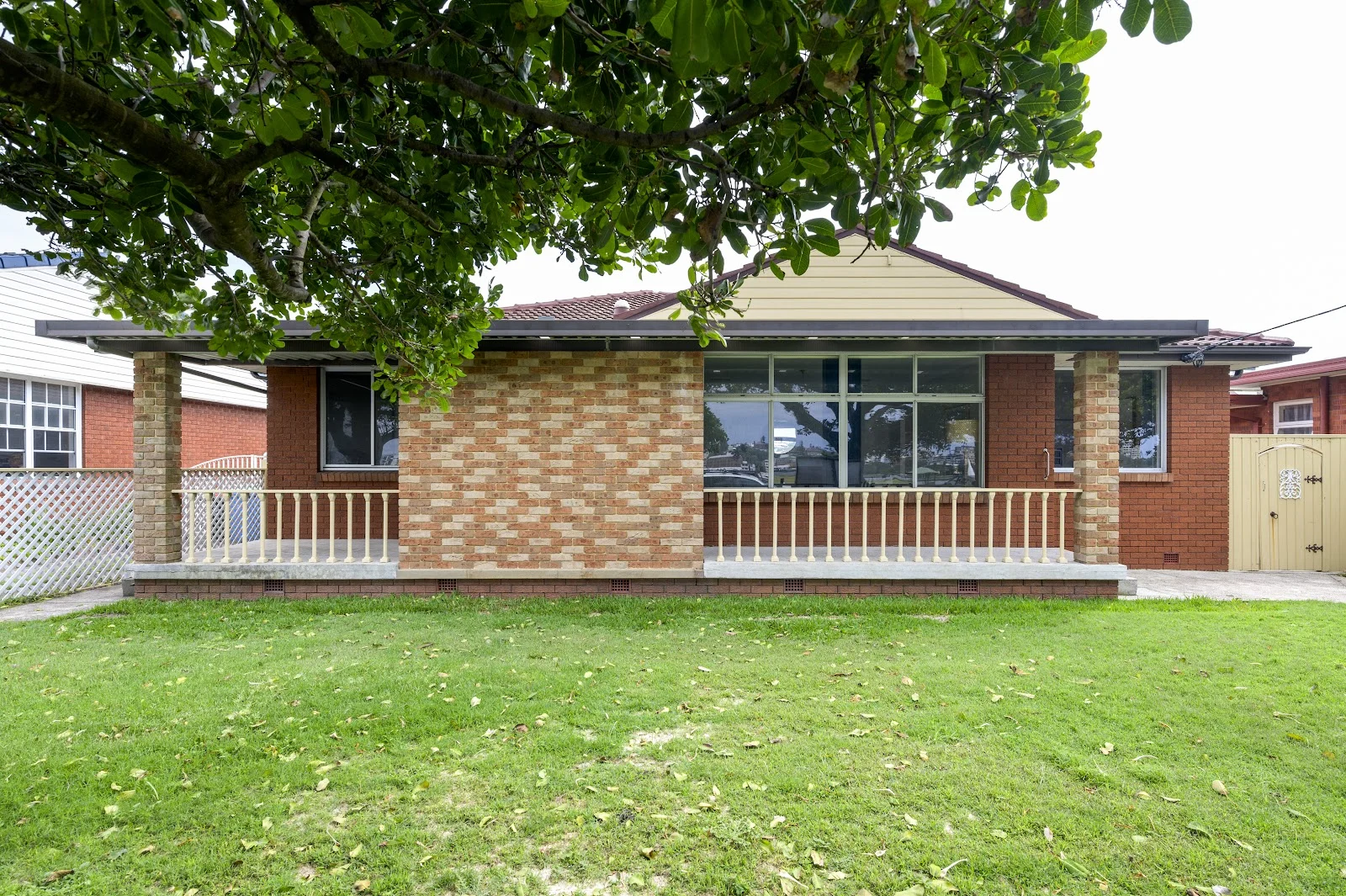 $2,500,000
House
$2,500,000
House
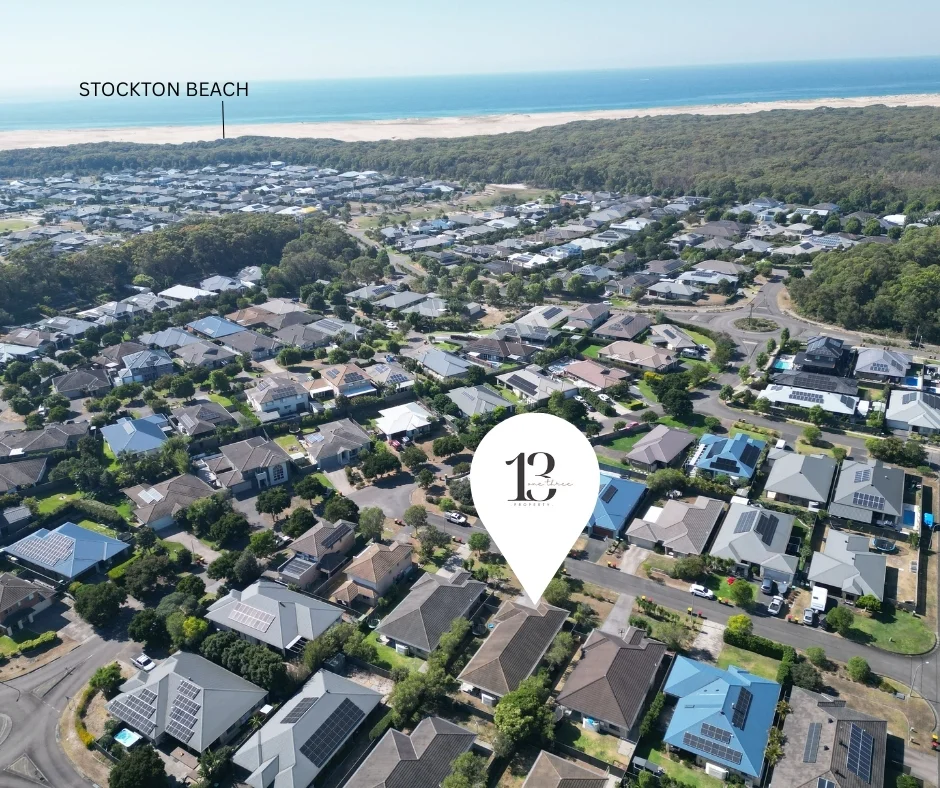 $900,000 - $990,000
House
$900,000 - $990,000
House


