## 1. Overview
Adamstown Public School is a public, co-educational primary school serving families in Adamstown, NSW. The school emphasizes an inclusive, community-focused environment with a commitment to supporting every child to reach their potential.
The school size is medium, with class sizes typically in the mid-20s. The atmosphere is nurturing and student-centred, balancing strong academic learning with opportunities for sport, the arts, and social development that reflect the local community.
---
## 2. Academics & Learning
- Academic strengths: Strong focus on literacy and numeracy with opportunities to engage in STEM activities and development of leadership and collaboration skills. Core subjects are supported by targeted programs to build confidence across English, mathematics, and scientific inquiry.
- Special programs: Gifted and Talented (GT) opportunities and targeted literacy/numeracy support; ongoing learning initiatives and enrichment activities aligned with NSW curriculum.
- NAPLAN / trends: NSW schools track NAPLAN progress over time; the school aims for steady improvement in literacy and numeracy and uses results to guide teaching and intervention strategies.
- Student-teacher ratios: Typical class sizes are in the low-to-mid 20s, with teacher allocations designed to support effective instruction and student engagement.
- Support for diverse learners: EAL/D support where needed; comprehensive support for students with additional learning needs (SEN) through learning support staff and bundled interventions.
---
## 3. Sports & Extracurricular Strengths
- Sports offered: A range of school-based and inter-school sports, including ball games, athletics, swimming, soccer, cricket, netball, and rugby league where appropriate to age and interest.
- Strong teams or achievements: Active participation in inter-school events; emphasis on teamwork, sportsmanship, and personal bests.
- Music, arts, drama: Active programs in music and performing arts; opportunities for choir, ensemble participation, and school productions.
- Clubs: Robotics, coding, chess, debating, and other interest clubs supporting STEM and critical thinking.
- Partnerships: Local community connections and partnerships with clubs and external programs to broaden opportunities and competitions.
---
## 4. Wellbeing & Pastoral Care
- Anti-bullying approach: Clear policies and proactive programs focused on respectful behaviours, restorative practices, and a safe learning environment.
- House system: House-based activities to build community and healthy competition, with regular events and recognition.
- Counsellors / wellbeing officers: Access to school wellbeing staff and counsellors to support social-emotional learning, mental health, and transition needs.
- Transition support for new students: Welcome programs, buddy systems, and orientation activities to support smooth entry and ongoing adjustment.
---
## 5. Facilities
- Sports grounds: Access to appropriate outdoor play and sport spaces.
- Libraries: A school library that supports independent reading and research activities.
- Science labs: Dedicated spaces for hands-on science learning and experiments.
- Music/performing arts centers: Facilities to rehearse and perform, supporting artistic development.
- Tech/innovation labs: Access to digital learning tools and maker-space style activities.
- Cafeteria: On-site canteen or central meal areas offering healthy options.
- Updated playgrounds: Safe, well-maintained outdoor play spaces with age-appropriate equipment.
---
## 6. School Values & Community Culture
- School values / mission: A focus on respect, responsibility, inclusion, and excellence in learning; student wellbeing is a core priority.
- Leadership style: Collaborative, distributed leadership with teacher and staff involvement in school improvement and student supports.
- Behaviour expectations: Clear expectations emphasizing positive behavior, accountability, and a conducive learning environment.
- Community reputation: The school is viewed as a welcoming and engaged community with active parent involvement.
- Diversity & inclusion: Commitment to welcoming students from diverse backgrounds and providing inclusive learning opportunities.
---
## 7. School Logistics & Daily Operations
- School hours: Typical primary school day with start and finish times aligned to NSW Department standards.
- Before/after school care: OSHC or similar services available to support families outside standard hours.
- Uniform requirements: School uniform required, with guidance on acceptable attire and accessories.
- Transport: Bus routes and local public transport options available; safe drop-off/pick-up procedures in place.
- Canteen availability: On-site canteen or approved food services offering healthy options.
- Fees: Low to moderate cost structure typical of NSW public schools, with standard voluntary contributions and activity costs.
---
## 8. Enrolment & Admissions
11. What is the enrolment process and timeline?
- Enrolment applications are submitted to the NSW Department of Education for the local catchment area. The process typically includes submitting proof of residency, child’s identity documents, and any required documentation. Timelines vary by year and intake, with orientation materials provided upon enrolment.
12. Is there a waiting list, and how does it work?
- If applications exceed vacancies, a waiting list may be established. Priority generally follows catchment rules, with accommodation for siblings and special circumstances where applicable.
13. Are there any entry requirements, tests, or interviews?
- For most primary enrolments, no entrance tests are required. Some programs or special circumstances may involve brief discussions or additional information requests to support placement.
14. Does the school accept mid-year transfers?
- Yes, subject to vacancies and availability of places. Families seeking mid-year transfers should contact the school’s enrolment officer to discuss options and required documentation.
---
## 9. Frequently Asked Questions
- Why Parents Choose This School?
- A supportive, inclusive environment with a strong focus on literacy and numeracy, plus diverse programs in sports, arts, and STEM.
- What type of student thrives at this school?
- Students who are curious, collaborative, respectful, and motivated to engage across academics, arts, and sport.
- What opportunities are available for students to extend their skills (academics, sports, arts)?
- Enrichment programs in literacy and numeracy, STEM activities, music and drama, inter-school sports, robotics and coding clubs, and debating opportunities.
- How does the school communicate with parents?
- Regular updates via newsletters, emails, the school website/portal, and parent-teacher meetings; clear channels for timely feedback.
- What is the school’s approach to teaching and learning?
- Student-centred learning with a strong literacy and numeracy focus, differentiated instruction, and inclusive practices to meet diverse needs.
- How does the school support students who need extra academic help?
- Targeted interventions, EAL/D support, and access to learning support staff to assist with gaps in understanding.
- What support is available for academic challenges?
- Additional tutoring, small-group or in-class adjustments, and coordination with families to set achievable goals.
- How does the school communicate with parents? (Repeated question)
- See above; multi-channel communication and scheduled meetings ensure parents stay informed.
- What are the class sizes and how much individual attention do students receive?
- Class sizes are typically in the low-to-mid 20s, with teachers differentiating instruction to support individual learning needs.
- What extracurricular and sports opportunities are available?
- A range of sports, arts, music, robotics, coding, chess, and debating clubs, plus inter-school competitions where applicable.
- What facilities does the school offer (sports, science, arts)?
- Sports grounds, library, science labs, music/performing arts spaces, tech/innovation labs, canteen, and updated playgrounds.
- What is the school’s approach to technology and digital learning?
- Integration of digital tools to enhance learning, with access to devices and classroom tech to support research, collaboration, and creative work.
- What transport and accessibility options are available?
- Local bus routes and public transport options; student drop-off/pick-up arrangements and accessibility considerations are in place.
- What are the typical school fees or additional costs?
- For a public school, costs are generally low with standard voluntary contributions and optional activities that may have associated expenses.
---
## 10. Short Pros & Cons list
- Pros
- Public, inclusive environment with a focus on core literacy and numeracy.
- Wide range of extracurriculars in sports, arts, and STEM.
- Supportive wellbeing and transition programs for new and diverse learners.
- Active community involvement and strong parent engagement.
- Cons
- As a medium-sized public school, some specialised programs may be limited compared to larger or private institutions.
- Participation in certain extra activities may depend on volunteer support and capacity.
- Uniforms and procedural requirements may require adherence to specific guidelines.





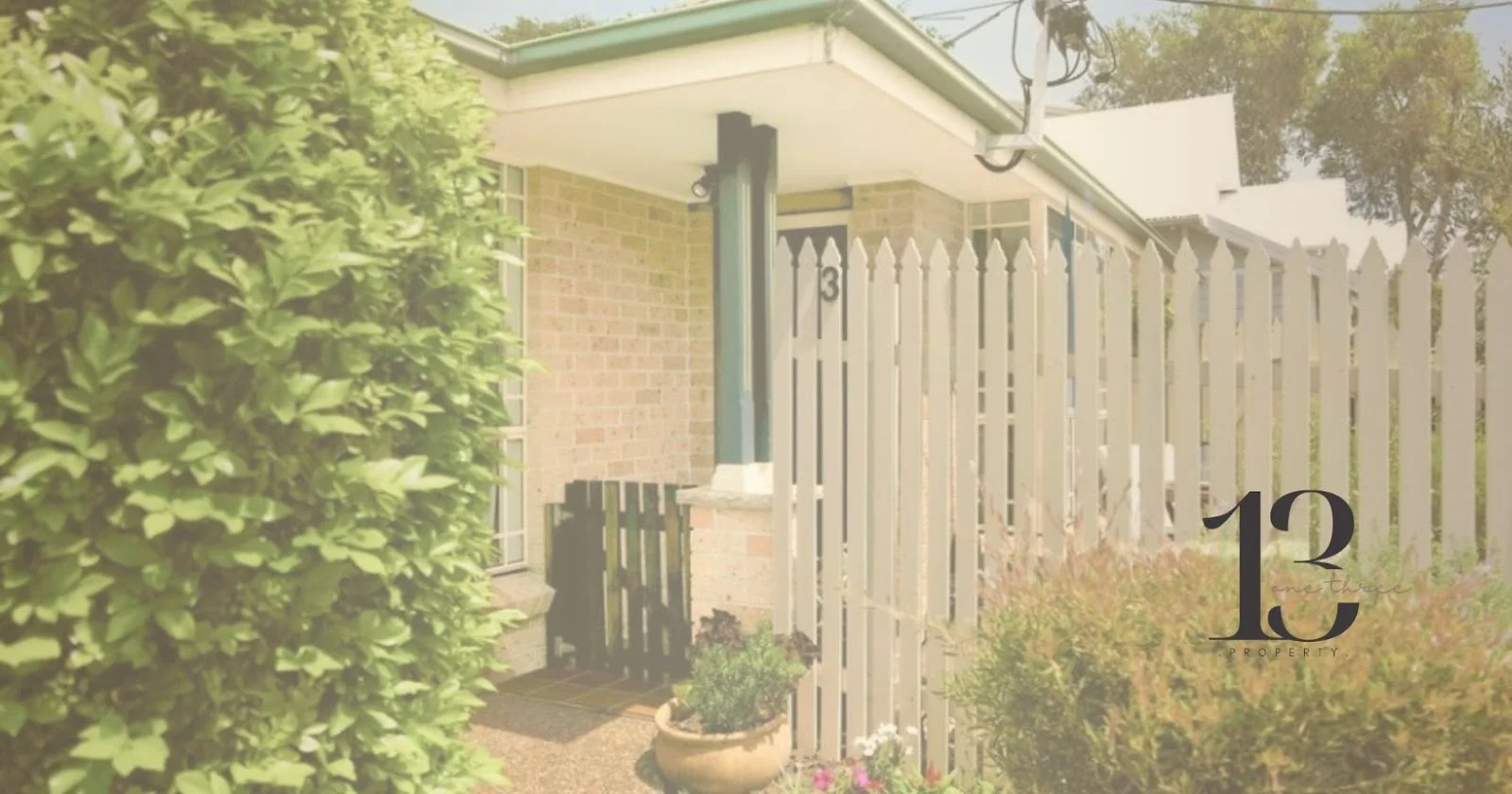 $795,000
Townhouse
$795,000
Townhouse
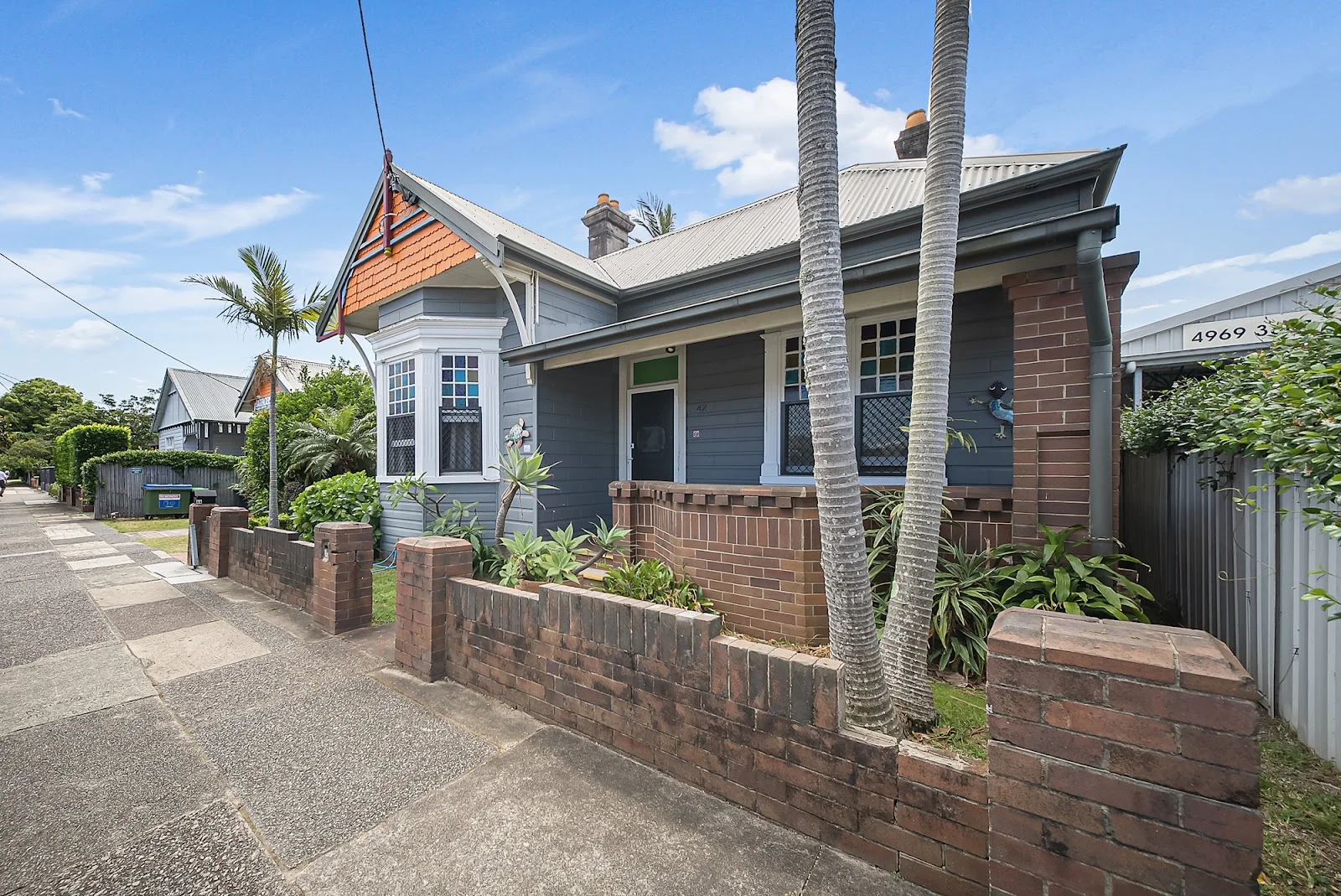 $2,000,000
propertyType.BLOCK OF UNITS
$2,000,000
propertyType.BLOCK OF UNITS
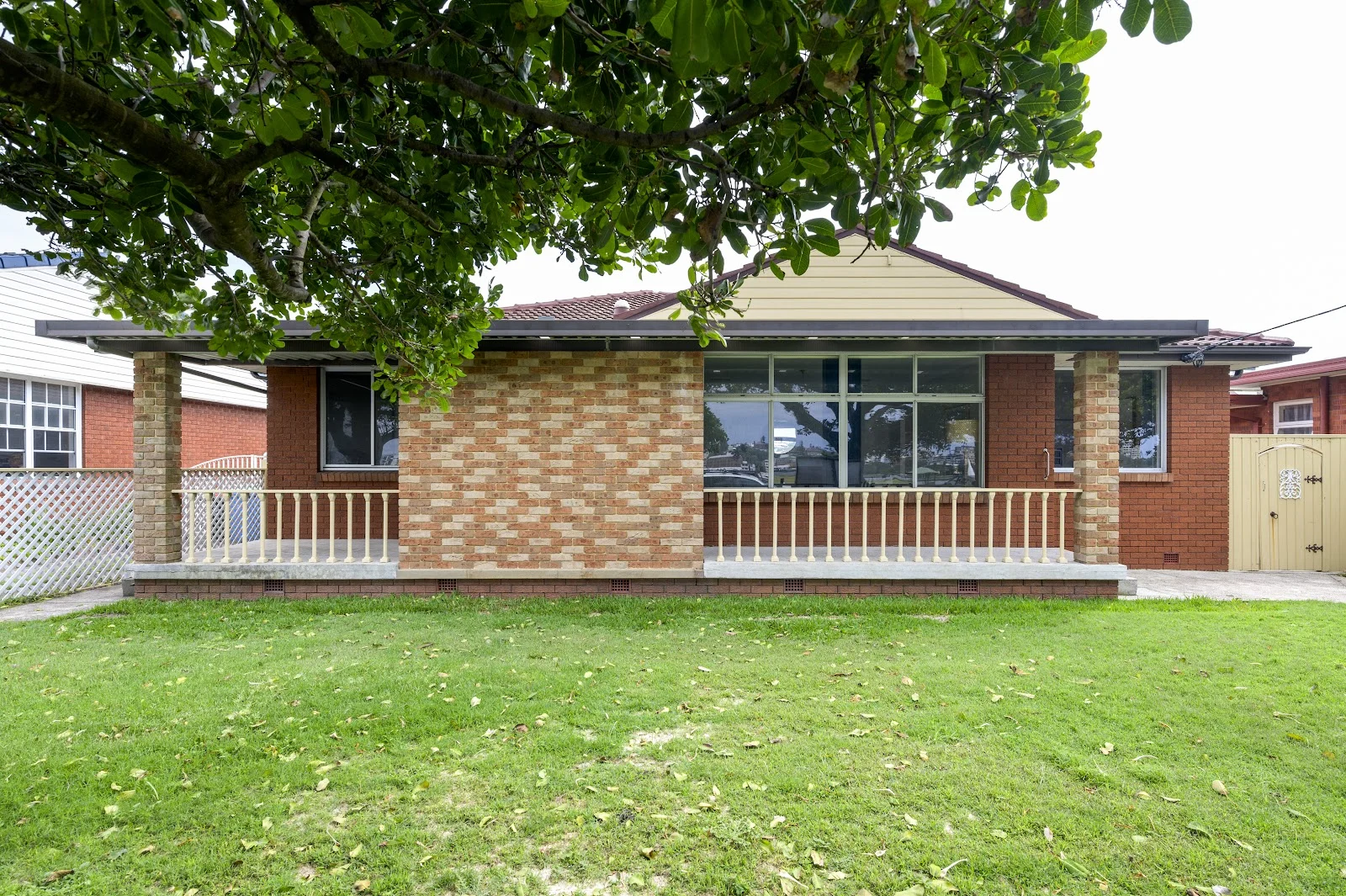 $2,500,000
House
$2,500,000
House
 $900,000 - $990,000
House
$900,000 - $990,000
House


