## Overview
Moonee Ponds West Primary School is a public (government) primary school located in Moonee Ponds, VIC. The school fosters a community-focused, inclusive environment where students are encouraged to learn, grow and contribute. It maintains a medium-sized footprint for a primary school, with class configurations that support personalised attention and strong classroom engagement. Class sizes are typically in the low-to-mid 20s, allowing teachers to know students well and tailor learning to individual needs. The atmosphere emphasizes nurturing, collaboration and a respectful, supportive culture.
## Academics & Learning
- Academic strengths include literacy and numeracy across the Victorian Curriculum, with emphasis on English, mathematics and a growing focus on STEM and digital literacy. The school supports students in developing critical thinking, problem-solving and creative learning skills.
- Special programs commonly available or accessible include targeted literacy and numeracy interventions, EAL (English as an Additional Language) support, and opportunities for students to engage in gifted and talented pathways where appropriate. There are often specialist periods for arts and physical education integrated into the weekly timetable.
- NAPLAN trends generally show stable performance with periods of improvement in key areas such as reading and writing, reflecting ongoing literacy initiatives and targeted supports. The school uses data to inform teaching decisions and to support continuous improvement.
- Student-teacher ratios are managed to maintain effective learning environments, with typical classroom configurations around 1 teacher for a small group of students and additional support staff or specialists as needed.
- Support for diverse learners includes EAL programs, SEN/learning support, targeted interventions, and inclusive teaching practices to ensure all students can access the curriculum and participate fully.
## Sports & Extracurricular Strengths
- Sports offered commonly include athletics, cricket, football (AFL), soccer, netball and swimming sessions, with opportunities for interschool sport and district events.
- Strong teams and achievements are often a focus in the school’s competitive program, with recognition in district events and ongoing development in fitness, teamwork and competitive spirit.
- Music, arts and drama programs are typically part of the school experience, including music lessons, choir, school productions and general performing arts activities.
- Clubs such as robotics, chess, coding and debating are encouraged, providing students with avenues to extend skills beyond the core curriculum.
- Partnerships with local clubs, community groups and interschool competitions help broaden opportunities and real-world experiences for students.
## Wellbeing & Pastoral Care
- Anti-bullying approaches are embedded in the school culture through positive behaviour frameworks, restorative practices and explicit teaching of social-emotional skills.
- A house system (or equivalent team-based structure) supports belonging, teamwork and healthy competition through regular events and activities.
- Access to a school counsellor or wellbeing officer helps students manage social and emotional needs and supports personal growth.
- Transition support for new students includes orientation activities, buddy programs and planned induction to ease the move into the school community.
## Facilities
- Sports grounds: ample outdoor spaces for physical education and sport.
- Libraries: well-stocked library with reading programs and research supports.
- Science labs: dedicated spaces for practical investigations and STEM activities.
- Music/performing arts centers: spaces for music education and school performances.
- Tech/innovation labs: creative learning environments for digital projects and maker activities.
- Cafeteria: on-site catering for students with opportunities for healthy eating programs.
- Updated playgrounds: modern, safe play areas with age-appropriate equipment.
## School Values & Community Culture
- Values/mission typically emphasise respect, responsibility, belonging, integrity and achievement. The school aims to cultivate a positive, inclusive culture where every student can thrive.
- Leadership style tends to be collaborative, with opportunities for student voice and leadership roles in school activities and initiatives.
- Behaviour expectations are clear, consistent and supported by restorative practices to help students learn from mistakes.
- Community reputation is built on strong relationships among families, staff and students, with a commitment to inclusivity and support for diverse backgrounds.
- Diversity & inclusion are prioritized, ensuring access and participation for students from a range of cultural, linguistic and ability backgrounds.
## School Logistics & Daily Operations
- School hours: typically a morning-to-afternoon schedule aligned with the Victorian school calendar (example start around 9:00 am; finish around 3:30 pm; exact times may vary).
- Before/after school care: often available through on-site or partner providers to support families with early drop-offs or after-school care.
- Uniform requirements: a school uniform is standard, with details on purchasing and dress standards provided by the school.
- Transport: there are various public transport options (bus routes and nearby train or tram stops) and school-specific guidance on drop-off/pick-up arrangements.
- Canteen availability: a canteen or lunch program operates on specific days, offering a range of child-friendly meals and snacks.
- Fees: as a public school, there are voluntary parental contributions and potential costs for camps, excursions or optional activities; overall fee ranges are typically low to medium.
## Enrolment & Admissions
11. What is the enrolment process and timeline?
- Check eligibility and available year levels.
- Submit the school’s enrolment form online or via the designated process.
- Provide required documentation (proof of address, age, immunisation status as applicable).
- Notification of placement and any orientation or transition activities prior to starting.
12. Is there a waiting list, and how does it work?
- Waiting lists may apply when year levels reach capacity. The school will provide details on how waitlists are managed, priority of placement where relevant, and expected timelines. Availability varies by year and intake.
13. Are there any entry requirements, tests, or interviews?
- Typically, there are no entrance exams for standard enrolments in a public primary school. In some cases, there may be readiness checks, parent information sessions or discussions for EAL/SEN needs or for specific programs. Most admissions proceed with documentation and space availability.
14. Does the school accept mid-year transfers?
- Yes, subject to vacancy and space in the requested year level. Parents should contact the school early to discuss availability and the transfer process.
## Frequently Asked Questions
- Why Parents Choose This School?
- Parents often choose for a strong sense of community, supportive staff, inclusive culture and solid literacy and numeracy programs that support diverse learners.
- What type of student thrives at this school?
- Students who are curious, collaborative, resilient, and participate in a range of academic, sporting and arts opportunities tend to thrive here.
- What opportunities are available for students to extend their skills (academics, sports, arts)?
- The school provides targeted literacy/numeracy supports, gifted and talented pathways where appropriate, interschool sports, clubs (robotics, coding, chess, debating) and performing arts opportunities.
- How does the school communicate with parents?
- Communication typically includes newsletters, emails, a school app or portal, and regular parent-teacher interviews and information sessions.
- What is the school’s approach to teaching and learning?
- The school follows the Victorian Curriculum with a focus on student-centred, differentiated instruction, ongoing assessment for learning and teachers using data to guide instruction.
- How does the school support students who need extra academic help?
- Targeted interventions, EAL support, SEN support and small-group or one-on-one interventions are provided to assist learners needing additional help.
- What support is available for academic challenges?
- Access to literacy and numeracy specialists, guidance from teachers and support staff, and adaptation of learning tasks to meet individual needs.
- How does the school communicate with parents?
- See above: multiple channels including newsletters, email, portals and parent-teacher meetings.
- What are the class sizes and how much individual attention do students receive?
- Class sizes are typically in the low-to-mid 20s, with teachers providing differentiated instruction and targeted help as needed.
- What extracurricular and sports opportunities are available?
- A range of sports (e.g., athletics, ball sports), arts programs and clubs (robotics, chess, coding, debating) are available, along with interschool activities.
- What facilities does the school offer (sports, science, arts)?
- Sports grounds, libraries, science labs, music/performing arts spaces, tech/innovation labs, a canteen and updated playgrounds.
- What is the school’s approach to technology and digital learning?
- Digital literacy and the use of technology to support learning are integrated into the curriculum and classroom practice, with access to devices and age-appropriate software.
- What transport and accessibility options are available?
- Public transport options (bus routes and nearby stops) and school guidance on drop-off/pick-up arrangements; the school supports accessibility needs as required.
- What are the typical school fees or additional costs?
- Voluntary contributions and costs for excursions, camps and optional activities; fees are generally low to medium.
## Short Pros & Cons list
- Pros:
- Supportive, inclusive community with a focus on literacy and numeracy
- Moderate class sizes enabling individual attention
- Strong range of extracurricular options (sports, arts, clubs)
- Access to EAL and SEN supports, plus transition programs for new students
- Modern facilities and well-integrated specialist spaces
- Cons:
- As a public school, programs and resources may depend on annual funding and staffing levels
- Waiting lists can occur in popular intake years or if capacity is reached
- Some optional activities and camps may involve additional costs
- Transport options depend on local services and routes; some families may require planning for travel










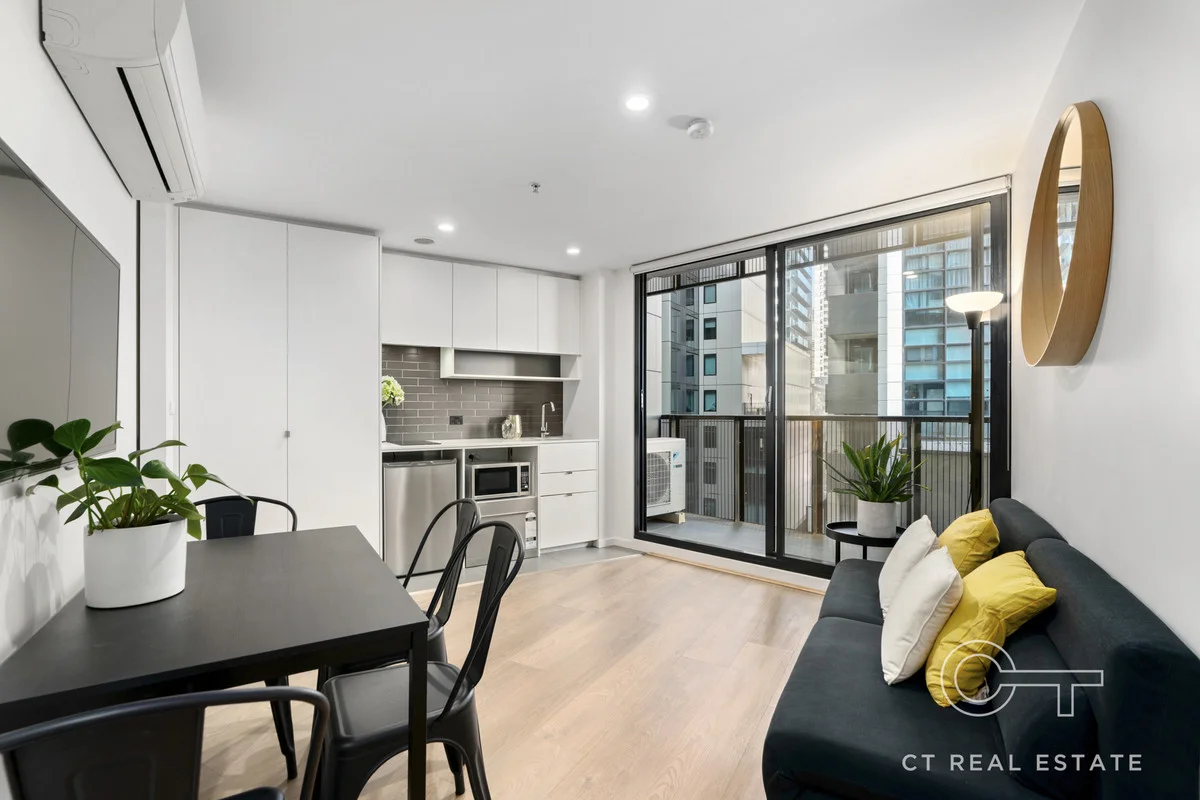 $360,000
Apartment / Unit / Flat
$360,000
Apartment / Unit / Flat
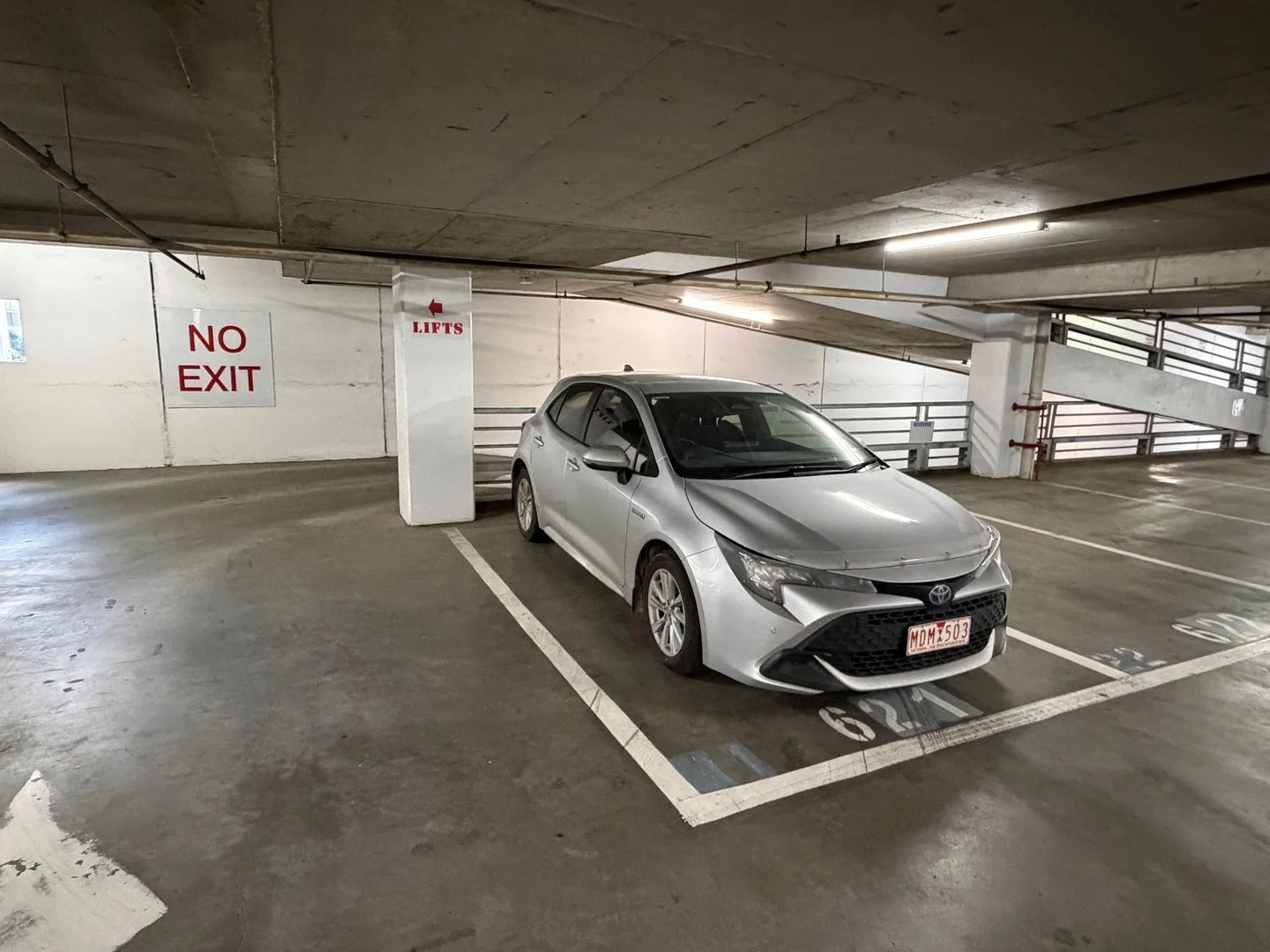 $27,500
propertyType.CAR SPACE
$27,500
propertyType.CAR SPACE
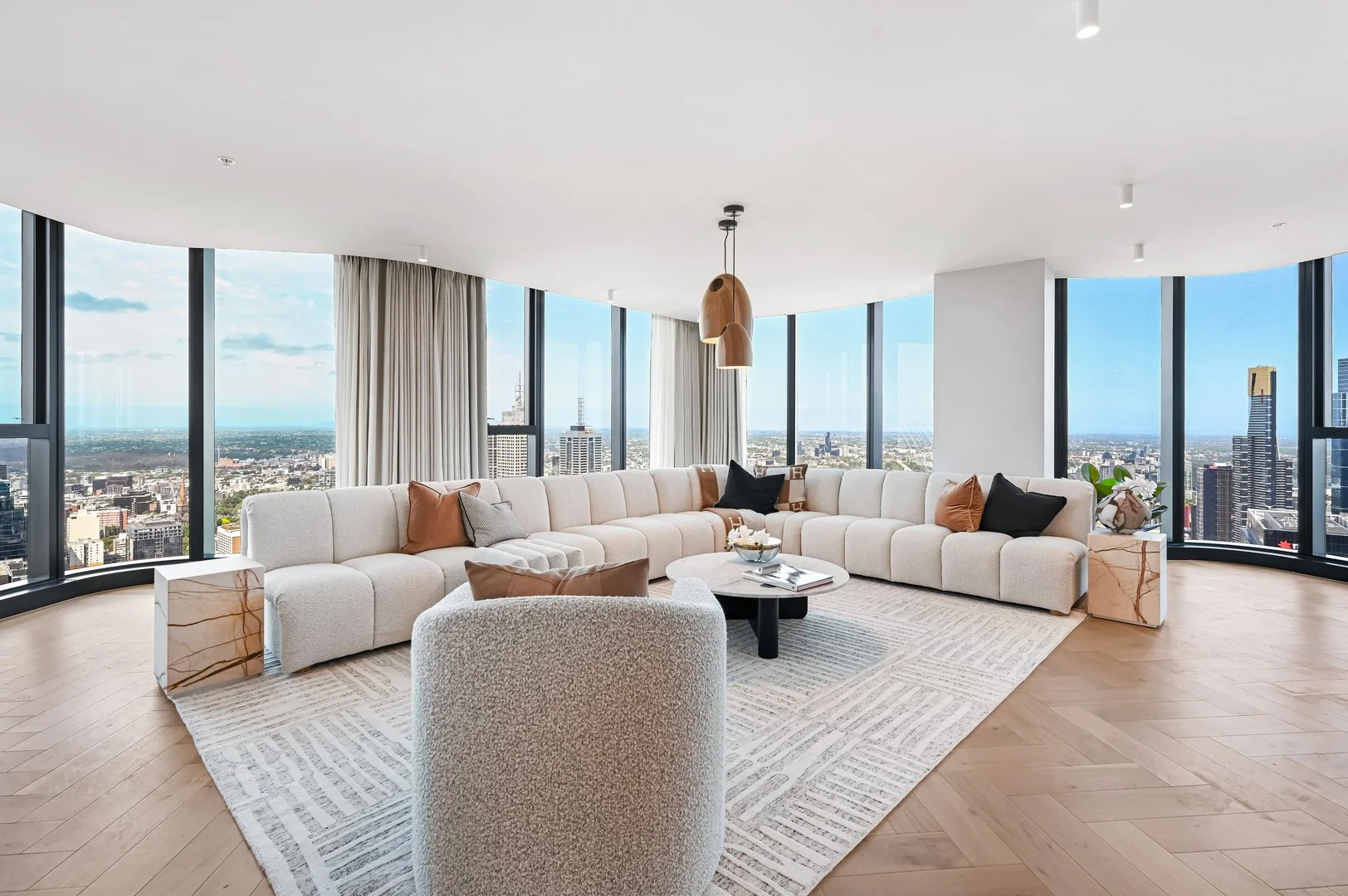 $5,512,000
propertyType.NEW APARTMENTS / OFF THE PLAN
$5,512,000
propertyType.NEW APARTMENTS / OFF THE PLAN
 $2,008,000
propertyType.NEW APARTMENTS / OFF THE PLAN
$2,008,000
propertyType.NEW APARTMENTS / OFF THE PLAN
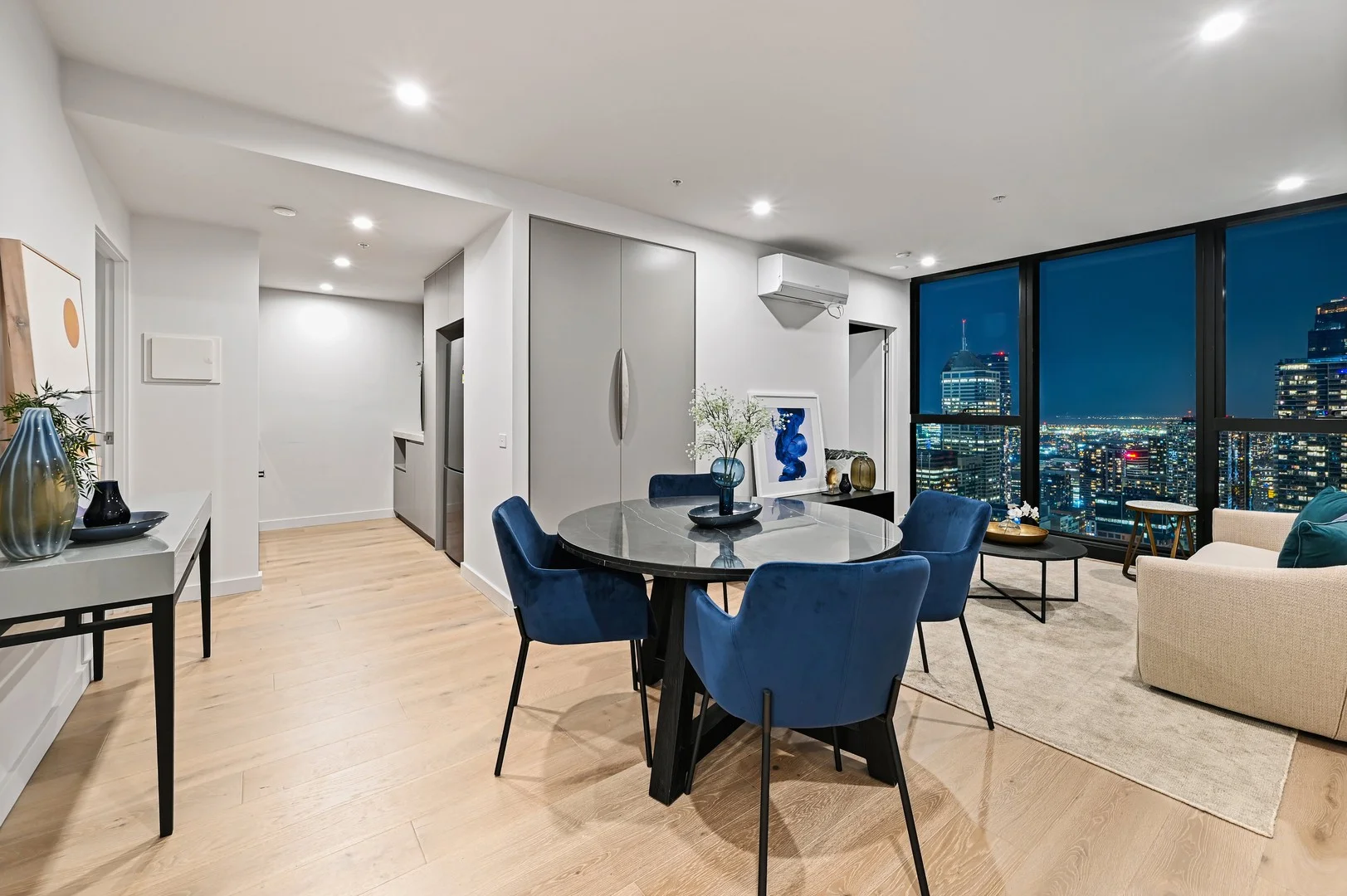 $943,000
propertyType.NEW APARTMENTS / OFF THE PLAN
$943,000
propertyType.NEW APARTMENTS / OFF THE PLAN
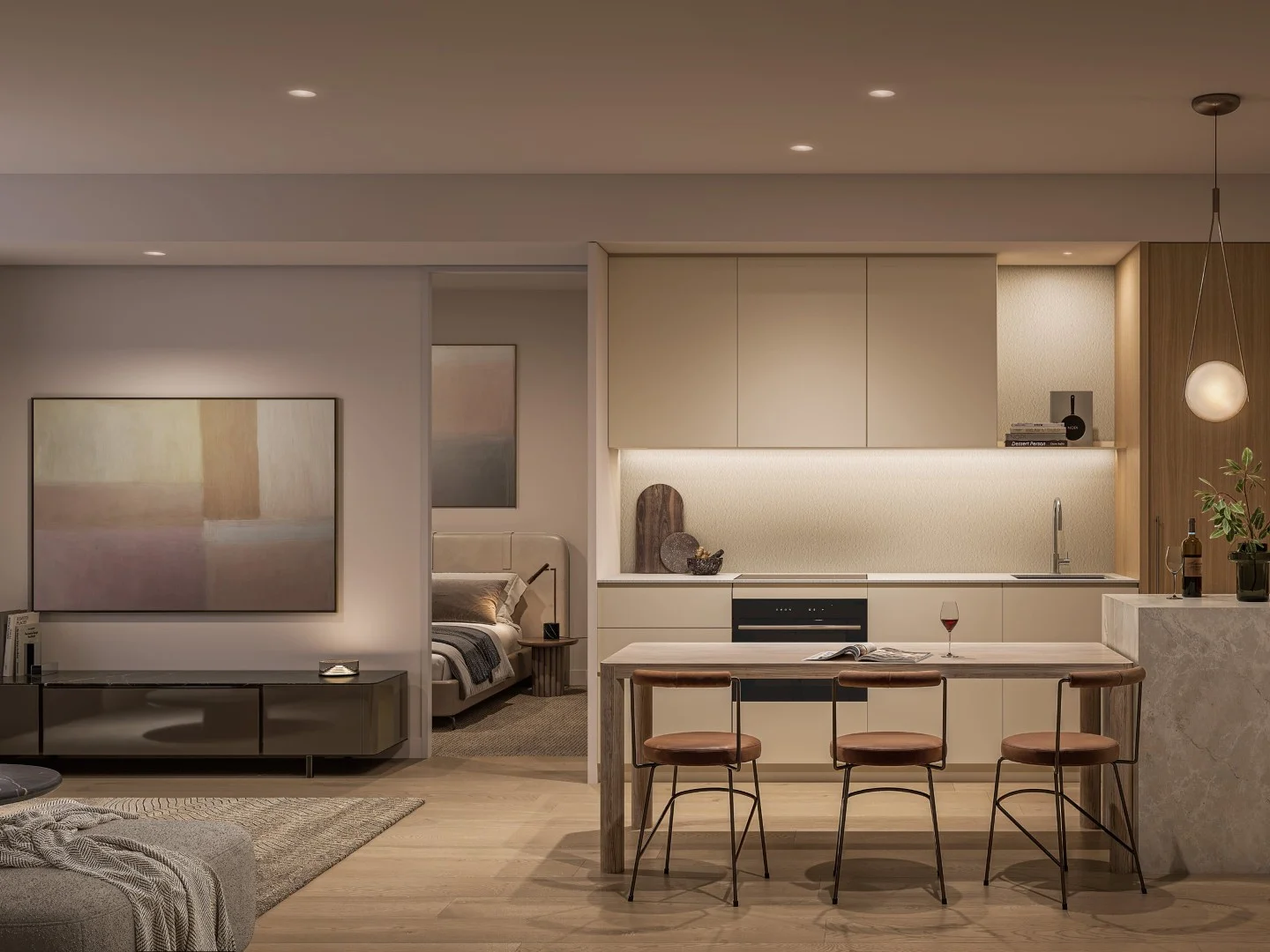 $666,000
Apartment / Unit / Flat
$666,000
Apartment / Unit / Flat
 $2,865,000
Apartment / Unit / Flat
$2,865,000
Apartment / Unit / Flat
 $712,500
Apartment / Unit / Flat
$712,500
Apartment / Unit / Flat
 $1,870,000
propertyType.NEW APARTMENTS / OFF THE PLAN
$1,870,000
propertyType.NEW APARTMENTS / OFF THE PLAN


