## 1. Overview
St Columba's Primary School in Adamstown, NSW is a Catholic, co-educational primary school that emphasises faith-based learning within a supportive, close-knit community. The school tends to be described as small-to-medium in size, offering a caring environment where each student is known by name and encouraged to grow academically, socially and spiritually.
- School type: Catholic
- School size: small-to-medium
- Class size: typically around the low- to mid-20s per class
- Atmosphere/culture: nurturing, inclusive, faith-based
## 2. Academics & Learning
St Columba's focuses on delivering a balanced NSW curriculum with opportunities for students to develop across core subjects and broader learning.
- Academic strengths: strong emphasis on literacy and numeracy foundations; integration of humanities, science and the arts to build well-rounded learners; emphasis on critical thinking and character development.
- Special programs: religious education is central; opportunities for leadership and service; Gifted & Talented pathways may be available through school or regional programs.
- NAPLAN / trends: trends (where available) typically show steady attainment with improvements in key bands over time; exact year-to-year results vary by cohort—best viewed in the latest school annual report.
- Student-teacher ratios: class sizes in the low- to mid-20s; overall ratios designed to support accessible teaching and targeted feedback.
- Support for diverse learners: inclusive approach with EAL and SEN support; access to learning support staff and intervention programs as needed.
## 3. Sports & Extracurricular Strengths
A well-rounded program aimed at fostering physical development, creativity and intellectual curiosity.
- Sports offered: a range of mainstream primary sports (e.g., soccer, rugby-league/netball, cricket, athletics, swimming) with opportunities to participate in inter-school events.
- Strong teams or achievements: active participation in local and diocesan sport competitions; celebrating teamwork, sportsmanship and effort.
- Music, arts, drama programs: choir or vocal programs, school drama and performing arts activities; opportunities for appreciating and showcasing the arts.
- Clubs: robotics, coding, chess, debating and other skill-based clubs are commonly available.
- Partnerships: connections with local community groups, parish activities and regional inter-school competitions through the Catholic Education network.
## 4. Wellbeing & Pastoral Care
Prioritising student wellbeing with a holistic approach to care and transition.
- Anti-bullying approach: clear anti-bullying policies and reporting mechanisms; emphasis on respectful relationships and safe school culture.
- House system: house groups support teamwork, leadership opportunities and school-wide events.
- Counsellors / wellbeing officers: access to wellbeing staff or school counsellors to support students’ mental health and social-emotional development.
- Transition support for new students: orientation programs, buddy systems and gradual integration to help new students settle in.
## 5. Facilities
Facilities are designed to support a diverse learning experience and safe, enjoyable school life.
- Sports grounds
- Libraries
- Science labs
- Music/performing arts centers
- Tech/innovation labs
- Cafeteria
- Updated playgrounds
## 6. School Values & Community Culture
The school fosters a values-based culture aligned with its Catholic ethos and community expectations.
- School values / mission: faith-centered education emphasising compassion, respect, responsibility and service.
- Leadership style: collaborative, child-centered; leaders model inclusion and service while encouraging student voice and leadership.
- Behaviour expectations: clear standards for respectful conduct, responsibility and integrity.
- Community reputation: trusted local Catholic school with family involvement and active community participation.
- Diversity & inclusion: welcoming environment that values inclusivity and supports students from diverse backgrounds.
## 7. School Logistics & Daily Operations
Practical daily operations help families plan around school life.
- School hours: typical school day runs during standard NSW hours; exact times may vary by year group.
- Before/after school care: often available through school-friendly programs or community providers.
- Uniform requirements: formal school uniform with seasonal variations (summer/winter options) and clear dress standards.
- Transport (train/bus routes): students commonly travel by local bus services or walking; specific routes depend on family location.
- Canteen availability: on-site canteen or lunch program offered on most days.
- Fees (low/medium/high ranges): fees generally fall in the mid-range for NSW Catholic primary schools; exact amounts depend on year level and activities; updated fees are provided by the school.
## 8. Enrolment & Admissions
11. What is the enrolment process and timeline?
- Start with an expression of interest or application, followed by documentation (birth certificate, immunisation records, proof of Catholic background if applicable). There may be school-specific timelines for year intake, with priority given according to the school’s enrolment policy and diocesan guidelines. An information night or open day is often offered.
12. Is there a waiting list, and how does it work?
- Many Catholic primary schools use a waiting list when applications exceed available places. The waiting list is typically managed by the school's enrolments office and may consider factors such as parish affiliation, sibling priority, and space availability. Fees or deposits are not usually required to hold a place, but families may be asked to confirm intent once a place becomes available.
13. Are there any entry requirements, tests, or interviews?
- Entry requirements generally include suitability for enrolment within the Catholic education framework; some year levels may involve a short interview or discussion with the family to understand needs and fit. Additional assessments are uncommon for standard primary enrollment but may occur for specific programs or supports.
14. Does the school accept mid-year transfers?
- Mid-year transfers are sometimes possible depending on space and readiness; the school will assess applications on a rolling basis and may require documentation, language/school records, and a placement discussion.
## 9. Frequently Asked Questions
- Why Parents Choose This School?
- A strong Catholic formation within a supportive, welcoming community; focus on values, literacy and numeracy, and holistic development.
- What type of student thrives at this school?
- Students who value faith-based learning, community involvement, and a compassionate, respectful school culture. Curious, engaged learners who respond well to a nurturing environment tend to do well.
- What opportunities are available for students to extend their skills (academics, sports, arts)?
- Access to enhanced literacy and numeracy activities, leadership roles, clubs (robotics, coding, chess, debating), sports teams, performing arts, and opportunities to participate in community service and diocese-supported programs.
- How does the school communicate with parents?
- Through newsletters, email, a parent portal or app, regular parent-teacher conferences, and notices about upcoming events and student progress.
- What is the school’s approach to teaching and learning?
- A NSW curriculum-aligned approach that blends structured instruction with inquiry, collaboration and differentiated support to meet diverse learner needs.
- How does the school support students who need extra academic help?
- Targeted learning support, intervention programs, EAL assistance where needed, and collaboration with families to plan appropriate supports.
- What support is available for academic challenges?
- Additional tutoring or small-group sessions, access to learning support staff, and ongoing progress monitoring.
- How does the school communicate with parents?
- See above: newsletters, portals, emails and regular conferences.
- What are the class sizes and how much individual attention do students receive?
- Class sizes are typically in the low- to mid-20s, with teacher focus and sometimes aide support designed to provide individual feedback and attention.
- What extracurricular and sports opportunities are available?
- A range of sports, arts, and clubs including robotics, coding, chess, debating, music and drama opportunities, and participation in inter-school events.
- What facilities does the school offer (sports, science, arts)?
- Sports grounds, libraries, science labs, music/performing arts facilities, tech/innovation spaces, canteen, and updated playgrounds.
- What is the school’s approach to technology and digital learning?
- Integrated digital literacy across the curriculum, use of interactive tools and resources, and age-appropriate technology for learning and collaboration.
- What transport and accessibility options are available?
- Local bus routes, walking access where feasible, and family-friendly parking/drop-off zones; accessibility considerations are addressed in school communications.
- What are typical school fees or additional costs?
- Fees are generally mid-range for NSW Catholic primary schools; there may be uniform costs, book packs, and occasional excursions or activity costs. Check the current fee schedule with the school for precise amounts.
## 10. Short Pros & Cons list
- Pros
- Strong Catholic ethos and values-based environment
- Nurturing, inclusive culture with a focus on wellbeing
- Solid literacy and numeracy foundations
- Wide range of extracurriculars (sports, arts, clubs)
- Support for diverse learners (SEN, EAL)
- Cons
- As a smaller-to-mid-sized school, options may be fewer than in larger urban schools
- Language offerings may be limited compared with some larger schools
- Enrolment/spot availability can involve a waiting list during high-demand periods
If you’d like, I can tailor this further with any known specifics (current enrolment numbers, exact class sizes, or particular programs) you have from the school or diocesan resources.






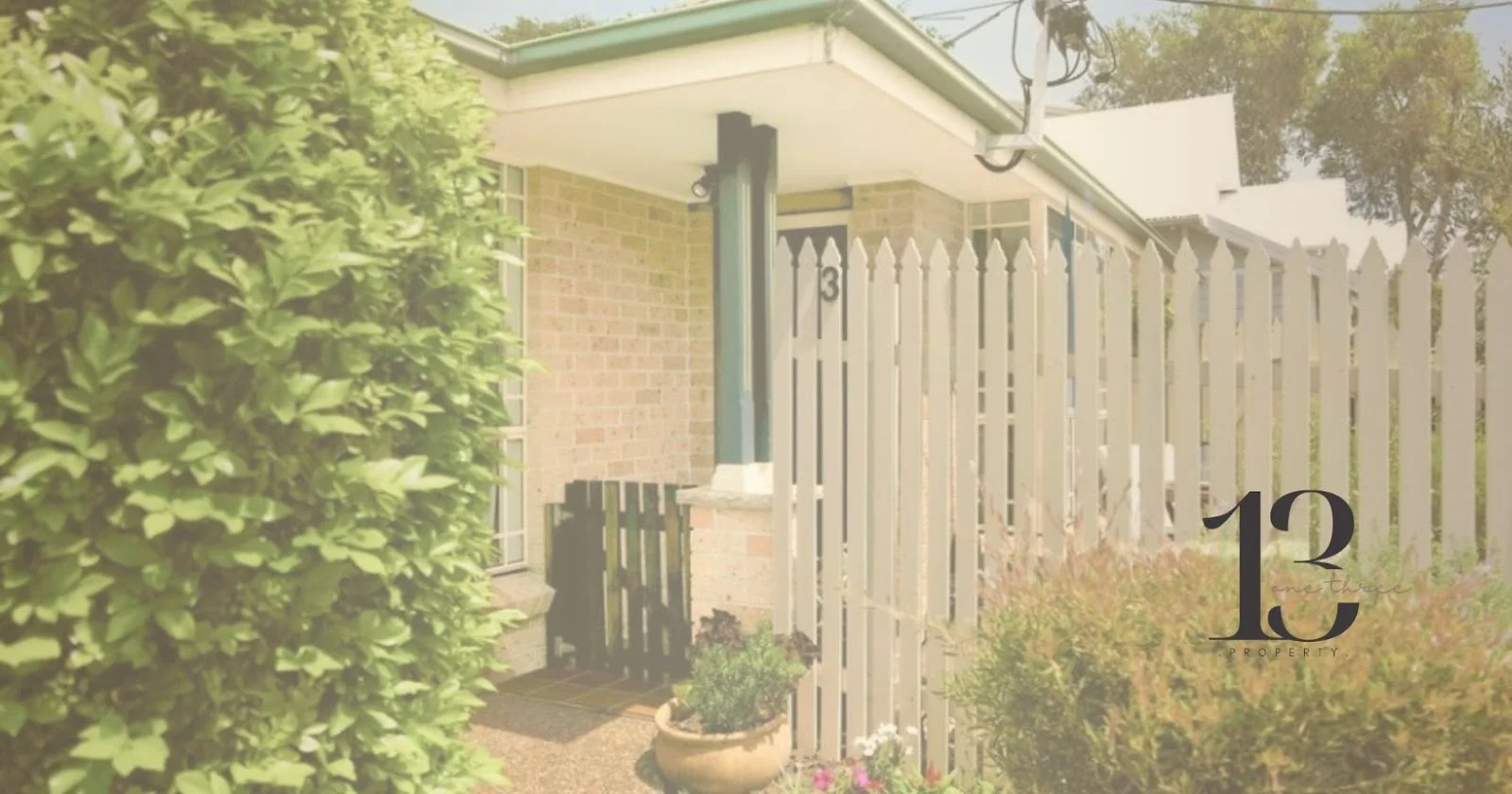 $795,000
Townhouse
$795,000
Townhouse
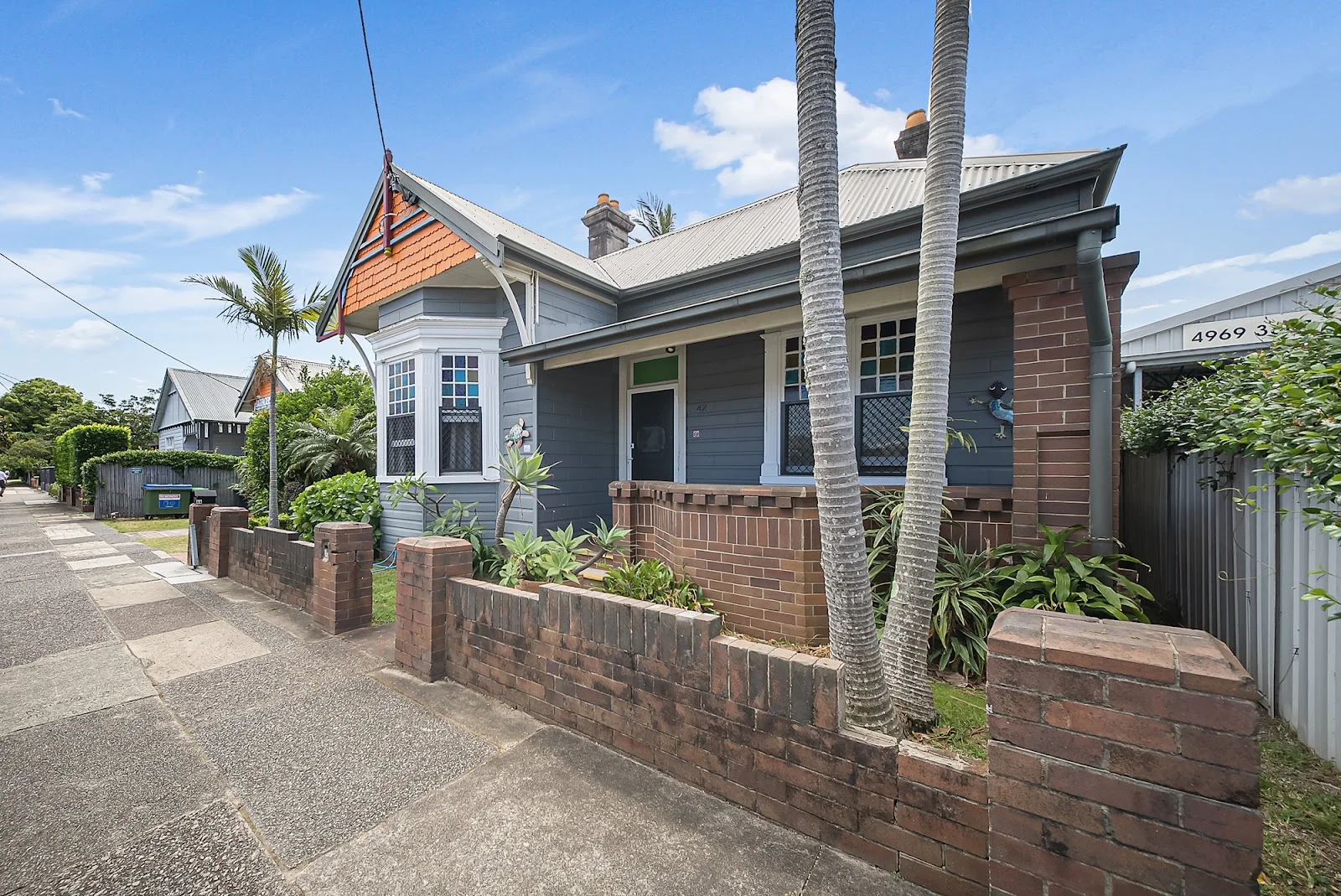 $2,000,000
propertyType.BLOCK OF UNITS
$2,000,000
propertyType.BLOCK OF UNITS
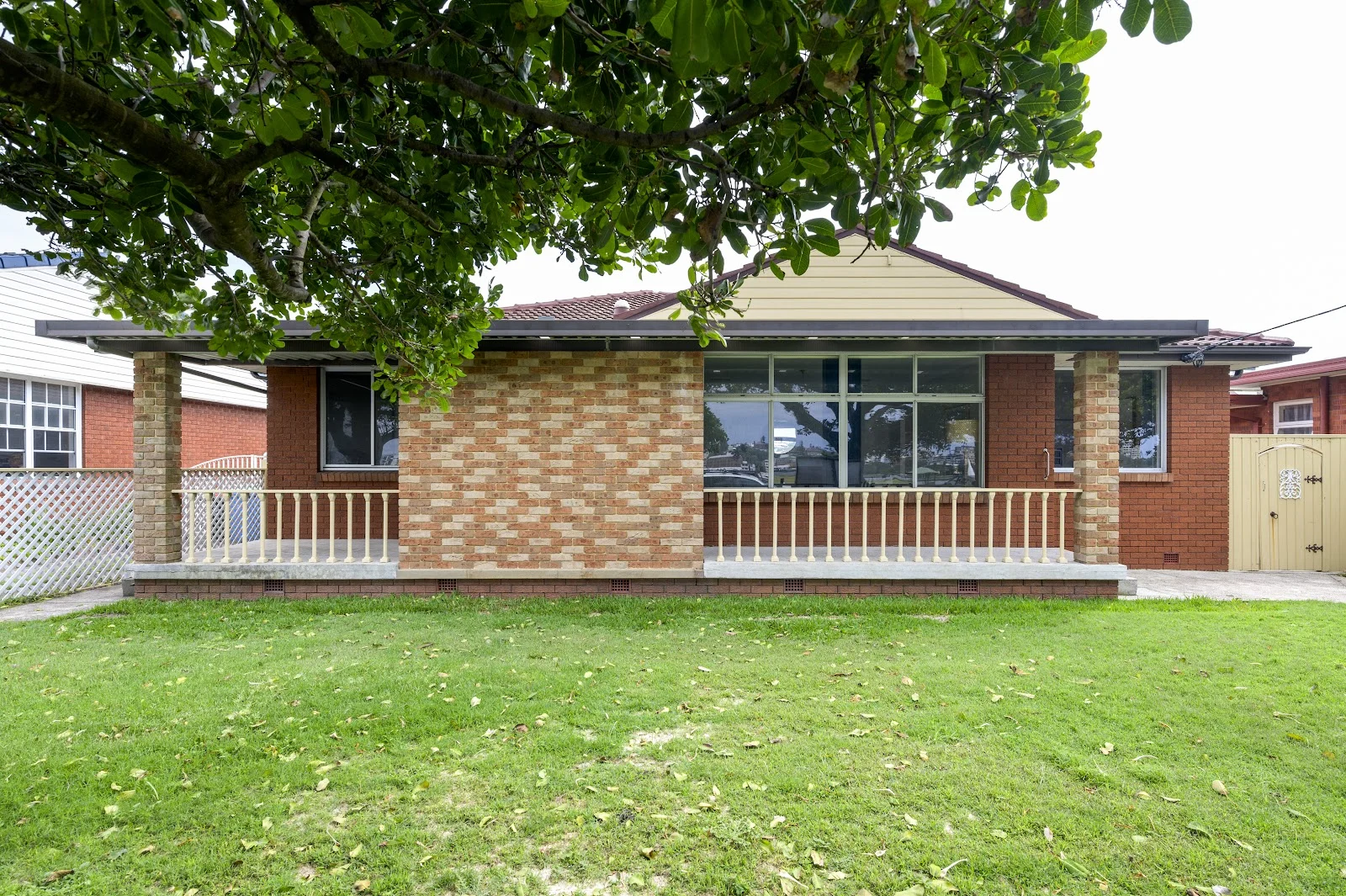 $2,500,000
House
$2,500,000
House
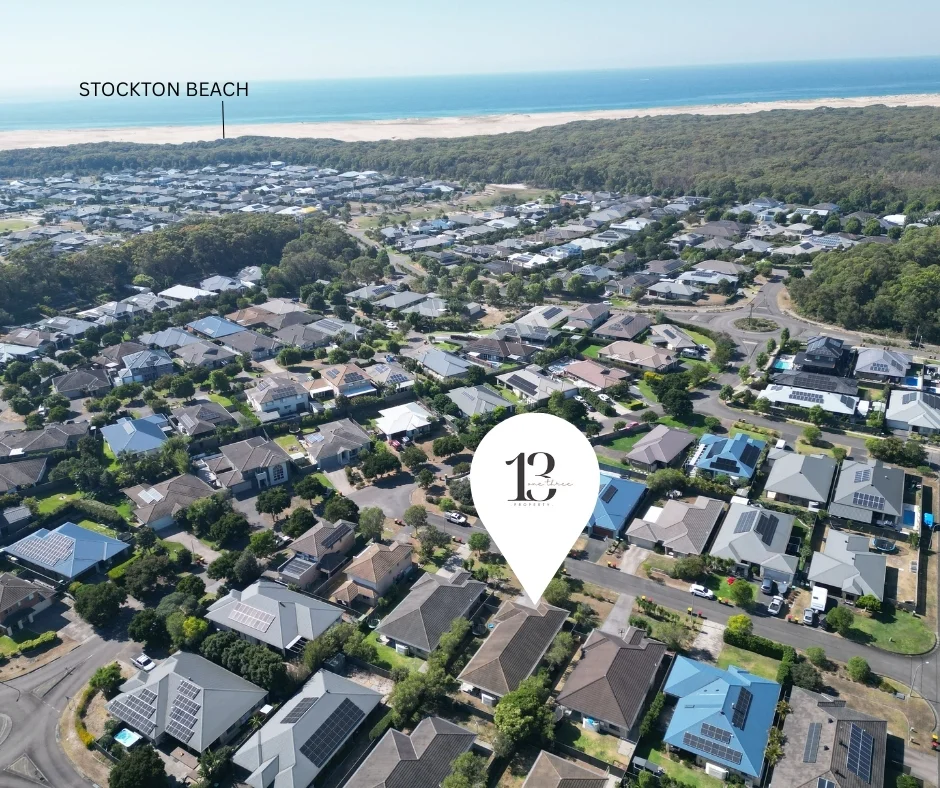 $900,000 - $990,000
House
$900,000 - $990,000
House


