1. Overview
Merewether High School is a public selective high school serving students from the broader Newcastle area. As a government school, entry is through NSW Department of Education’s selective admissions process, which draws academically motivated students from across the region. The campus serves Year 7–12 students and is known for a strong emphasis on academic excellence, well-rounded development, and a supportive learning environment.
The school is large by NSW standards, with class sizes typically smaller than many non-selective public schools, enabling more personalised attention. The atmosphere is focused on high achievement while promoting inclusivity, curiosity, and a collaborative culture that values diversity and personal growth.
⸻
2. Academics & Learning
- Academic strengths: Strong emphasis on STEM disciplines and English, with robust language offerings and humanities programs. The school supports students in developing critical thinking, problem-solving, and communication skills across subjects.
- Special programs: Gifted and Talented/extension opportunities and accelerated learning options are common in NSW selective high schools, helping able students advance at an appropriate pace.
- NAPLAN trends: Historically, selective NSW high schools like Merewether High School demonstrate high performance and positive trends in reading, writing, and numeracy, with results typically above state averages and stable year-to-year improvement.
- Student-teacher ratios: Generally lower than many non-selective public schools, supporting more individualised instruction and classroom engagement. Estimated range often around 1:12 to 1:18.
- Support for diverse learners: Strong support for EAL students and those with SEN, including dedicated learning support staff, targeted literacy/numeracy assistance, and access to appropriate accommodations.
⸻
3. Sports & Extracurricular Strengths
- Sports offered: A broad program typically includes athletics, swimming, cricket, soccer, rugby, netball, basketball, tennis, and other school-level competitive sports, with opportunities to represent the school in regional competitions.
- Strong teams or achievements: Competitive inter-school performance across multiple sports, with chances to qualify for regional or state-level events through school teams.
- Music, arts, drama programs: Active music ensembles, drama productions, and performing arts activities are common, offering opportunities for performance, theatre, and related creative pursuits.
- Clubs: Robotics, chess, coding, debating, and other interests are typically available, encouraging practical problem-solving and teamwork.
- Partnerships: Engagements with local community groups, academies, and regional competitions provide extra avenues for development in sport, STEM, arts, and debate.
⸻
4. Wellbeing & Pastoral Care
- Anti-bullying approach: Clear policies and reporting mechanisms support a safe, respectful learning environment; emphasis on inclusive culture and student wellbeing.
- House system: A house or pastoral grouping structure helps foster belonging, mentorship, and healthy competition among students.
- Counsellors / wellbeing officers: Access to guidance and wellbeing staff to support mental health, transition, and day-to-day pastoral needs.
- Transition support for new students: Orientation programs, buddy systems, and targeted transition activities to help new students settle in quickly and confidently.
⸻
5. Facilities
- Sports grounds: Dedicated outdoor play and sports areas suitable for a range of physical activities.
- Libraries: Well-equipped library spaces supporting study, research, and reading.
- Science labs: Modern science laboratories designed for hands-on experiments and practical science learning.
- Music/performing arts centers: Facilities to support ensembles, rehearsals, and performances.
- Tech/innovation labs: Contemporary ICT and maker-type spaces to support digital learning, coding, and design projects.
- Cafeteria: On-site dining facilities for students and staff.
- Updated playgrounds: Maintained play and social spaces that cater to student wellbeing and recreation.
⸻
6. School Values & Community Culture
- School values / mission: Aims to foster academic excellence, curiosity, integrity, respect, and inclusion within a collaborative community.
- Leadership style: Administrative and teacher leadership paired with student leadership opportunities; emphasis on mentorship and responsible citizenship.
- Behaviour expectations: Clear behavioural expectations centered on respect, responsibility, and effort; consistent application across year groups.
- Community reputation: Known for high academic achievement, a strong culture of achievement, and a supportive environment that celebrates diverse talents.
- Diversity & inclusion: Commitment to an inclusive atmosphere that welcomes students from varied backgrounds, talents, and interests.
⸻
7. School Logistics & Daily Operations
- School hours: Typical day runs approximately from mid-morning to mid-afternoon, aligned with NSW public school schedules; check the current calendar for exact times.
- Before/after school care: Available through external providers or school-arranged services, depending on facilities and partnerships.
- Uniform requirements: Standard NSW public high school uniform policy applies, with gender-neutral and inclusive options as provided by the school.
- Transport (train/bus routes): Accessible via local bus routes and nearby public transport; families should consult Transport for NSW for current routes and schedules.
- Canteen availability: On-site canteen facilities usually available for snacks and meals during the day.
- Fees (low/medium/high ranges): As a public school, there are no tuition fees for standard attendance; families may encounter optional contributions, resource levies, or voluntary charges for certain activities or materials.
⸻
8. Enrolment & Admissions
11. What is the enrolment process and timeline?
- Enrolment for Merewether High School follows the NSW Department of Education’s selective school intake process. Applications are submitted through the department’s system, with screening and placement coordinated on a state level. Offers are typically aligned with the department’s published timelines, and spaces are allocated based on eligibility and availability.
12. Is there a waiting list, and how does it work?
- Yes, there is a waitlist/acceptance pool if spaces are not immediately available. The department maintains the waiting list, and families may move up as spaces become available; stay informed through official notifications.
13. Are there any entry requirements, tests, or interviews?
- Admission to a NSW selective high school generally involves a standardized entrance assessment administered by the Department of Education. The process emphasizes test performance and eligibility; interviews are not typically part of the standard selective admission for most schools, though some schools may have school-based processes in addition to the state test. Check the latest department guidelines for precise requirements and timelines.
14. Does the school accept mid-year transfers?
- Mid-year transfers may be considered if there is space and the student meets the necessary admission requirements. Availability depends on current enrolments and department policies; families should contact the school early to inquire about capacity and the transfer process.
⸻
9. Frequently Ask Questions
- Why Parents Choose This School?
- A strong academic environment with selective entry, rigorous coursework, and opportunities across STEM, languages, arts, and leadership.
- What type of student thrives at this school?
- Motivated, curious learners who respond well to a rigorous curriculum, independent study, and participation in a range of clubs and teams.
- What opportunities are available for students to extend their skills (academics, sports, arts)?
- Extension programs, advanced coursework, STEM and language electives, music and drama ensembles, debating and coding clubs, and competitive sports.
- How does the school communicate with parents?
- Regular updates through newsletters, emails, the school website, and parent-teacher meetings; digital platforms are commonly used to share notices and student progress.
- What is the school’s approach to teaching and learning?
- A rigorous, evidence-based approach with emphasis on critical thinking, problem solving, collaboration, and real-world applications of knowledge.
- How does the school support students who need extra academic help?
- Targeted literacy/numeracy support, learning support staff, EAL/SEN resources, and accommodations within standard classes where appropriate.
- What support is available for academic challenges?
- Access to tutoring, study supports, and guidance from teachers and wellbeing staff; targeted intervention plans for individual learners.
- How does the school communicate with parents? (Repeated)
- See above: multiple channels including digital platforms and scheduled meetings.
- What are the class sizes and how much individual attention do students receive?
- Class sizes are generally smaller than many public schools due to selective intake, enabling more individualized attention. Exact numbers vary by year and subject.
- What extracurricular and sports opportunities are available?
- A broad range of sports, music, drama, and clubs such as robotics, chess, coding, and debating, with opportunities to compete and showcase talents.
- What facilities does the school offer (sports, science, arts)?
- Comprehensive facilities including sports grounds, libraries, science labs, performing arts spaces, tech/innovation labs, a canteen, and well-maintained social spaces.
- What is the school’s approach to technology and digital learning?
- Emphasis on digital literacy, access to computers and technology-enabled learning, and integration of coding and ICT across curricula.
- What transport and accessibility options are available?
- Access via public transport networks (bus/train links) with information coordinated through local transport authorities; school support for mobility and accessibility as needed.
- What are the typical school fees or additional costs?
- As a public school, there are no tuition fees; parents may encounter voluntary contributions and minor course/material charges for some activities or resources.
⸻
10. Short Pros & Cons list
Pros
- Public selective school with a track record of high academic achievement
- Smaller class sizes and personalised attention within a large school
- Strong STEM, languages, and humanities programs
- Broad range of extracurriculars, including sports, arts, and clubs
- Supportive wellbeing, pastoral care, and transition programs
Cons
- Highly competitive entry process; spaces limited
- Time and commitment required to succeed in a selective environment
- reliance on department timelines for enrolment and transfers; planning needed for families
- Costs are largely in the form of voluntary contributions or activity fees (not tuition), which can vary by year
⸻






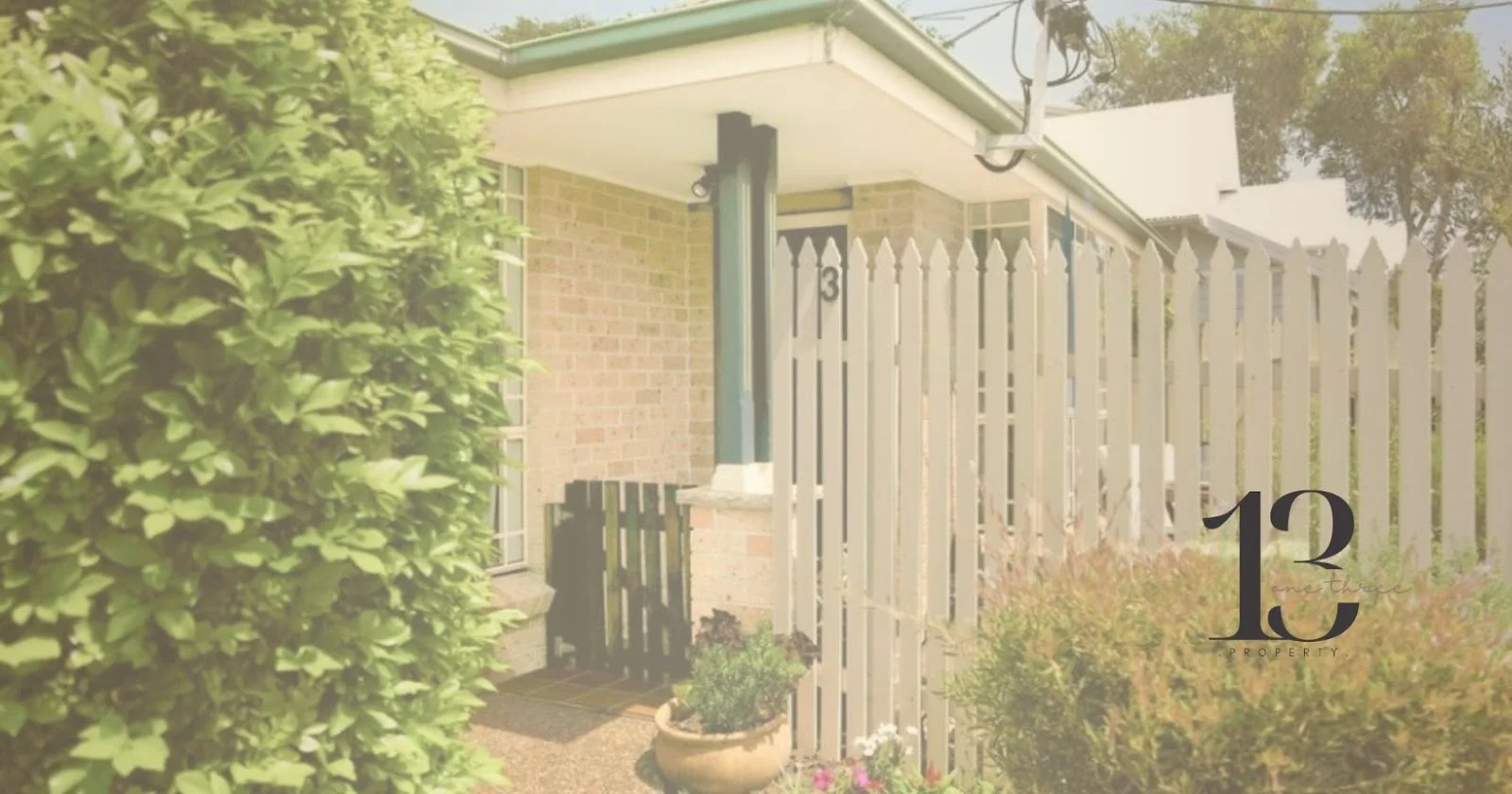 $795,000
Townhouse
$795,000
Townhouse
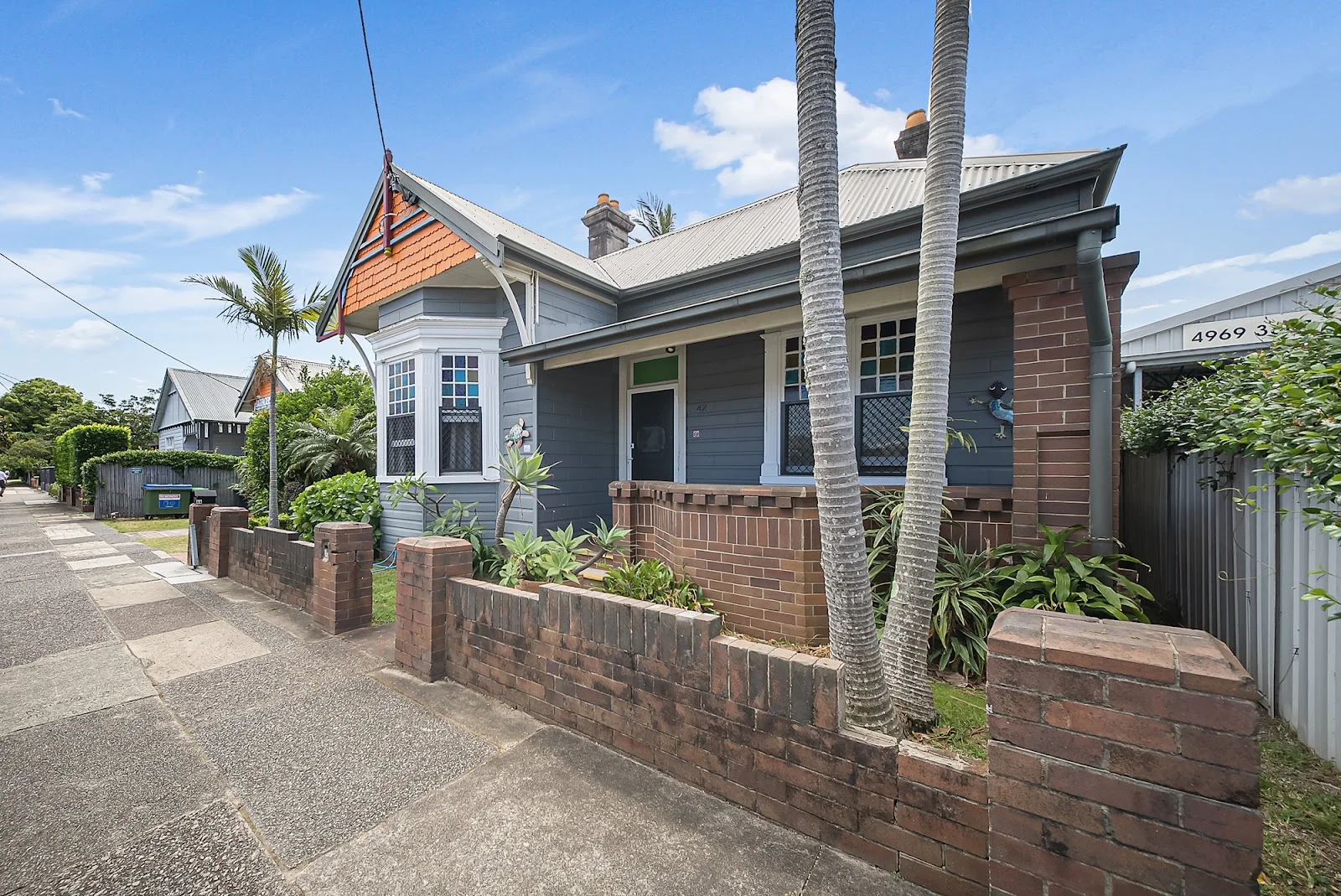 $2,000,000
propertyType.BLOCK OF UNITS
$2,000,000
propertyType.BLOCK OF UNITS
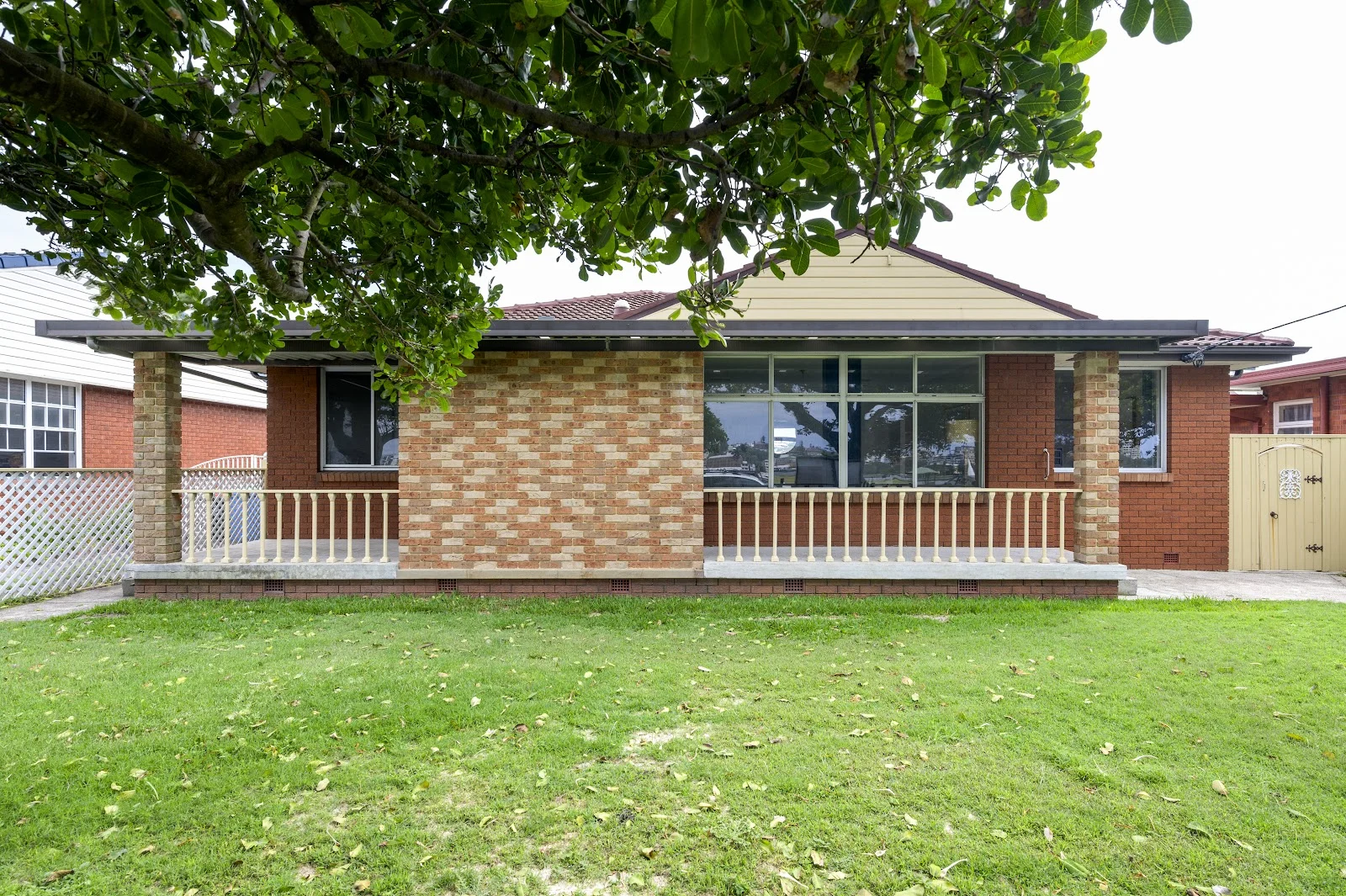 $2,500,000
House
$2,500,000
House
 $900,000 - $990,000
House
$900,000 - $990,000
House


