## Overview
Cottesloe Primary School is a public primary school located in Peppermint Grove, WA, serving students from Kindergarten to Year 6. The school is a medium-sized, community-focused government school that emphasises a well-rounded education and a supportive learning environment. Class sizes are typically in the traditional primary range, with around 20–28 students per class, allowing teachers to know students well and tailor teaching to individual needs. The atmosphere is inclusive and nurturing, with a strong emphasis on academic achievement balanced by wellbeing, participation in sports, arts, and positive student leadership.
Students are encouraged to be curious, respectful and resilient, fostering a culture where strong literacy and numeracy are complemented by opportunities in STEM, the arts, and community involvement. The school aims to partner with families to support each child’s growth and success in a collaborative, welcoming environment.
---
## Academics & Learning
- Academic strengths: Strong emphasis on literacy and numeracy, with a growing focus on STEM, coding and problem-solving skills. The school supports critical thinking, creative writing and clear communication, with opportunities for hands-on inquiry across year levels.
- Special programs: Enrichment and extension opportunities through targeted programs and flexible grouping. Students have access to project-based learning, coding and robotics activities, and arts-based enrichment as part of a balanced curriculum.
- NAPLAN / trends: Public reporting shows trends generally tracking near state averages with areas of improvement in reading and numeracy over recent years. The school uses NAPLAN and other assessments to tailor supports and enrichment for individual learners.
- Student-teacher ratios: Class groups typically run with a student-to-teacher ratio that supports effective teaching and individual attention, with teacher-to-student supports available in targeted sessions and small-group settings.
- Support for diverse learners: The school provides inclusive education supports, including EAL (English as an Additional Language) assistance for new arrivals and targeted SEN (special education needs) support through learning support staff and coordination with specialists as needed.
---
## Sports & Extracurricular Strengths
- Sports offered: A broad range of team and individual sports typical for WA primary schools, including athletics, netball, basketball, football (soccer), cricket and cross-country, with opportunities to participate in interschool events.
- Strong teams or achievements: Active participation in inter-school and district levels; a history of competitive teams and strong sportsmanship across age groups.
- Music, arts, drama programs: Active music and performing arts programs, school productions, instrumental lessons and opportunities to participate in choirs or ensembles.
- Clubs: Robotics, coding, chess, debating and other clubs support curious learners and competitive interests.
- Partnerships: Collaboration with local community clubs and regional competitions to extend opportunities beyond the classroom (e.g., coding competitions, science and maths challenges).
---
## Wellbeing & Pastoral Care
- Anti-bullying approach: Clear anti-bullying policies with prevention programs, positive behaviour supports and peer-led initiatives to foster respectful relationships.
- House system: A house-based structure that encourages leadership, teamwork and school spirit through events and competitions.
- Counsellors / wellbeing officers: Access to dedicated wellbeing staff or school counselors to support emotional wellbeing, resilience and social skills.
- Transition support for new students: Comprehensive induction programs, buddy systems and dedicated staff support to help students settle in smoothly.
---
## Facilities
- Sports grounds: On-site playing fields and courts that support a range of physical education and sport activities.
- Libraries: A well-stocked library that promotes reading for pleasure and research skills.
- Science labs: Up-to-date science learning spaces to support hands-on experiments and inquiry.
- Music/performing arts centers: Facilities for music education, rehearsals and performances.
- Tech/innovation labs: Makerspace or technology-enabled spaces that support coding, digital literacy and creative projects.
- Cafeteria: On-site canteen facilities or arranged meal programs to support daily nutrition.
- Updated playgrounds: Modern, age-appropriate playgrounds and outdoor learning areas.
---
## School Values & Community Culture
- School values / mission: A values-driven culture centred on respect, responsibility, resilience and inclusion; learning is seen as a collaborative journey with the whole community.
- Leadership style: Distributed leadership with opportunities for staff, students and families to contribute to school improvement and student voice.
- Behaviour expectations: Clear behavioural standards and consistent expectations across the school, with recognition of positive conduct and supportive intervention when needed.
- Community reputation: Known for a welcoming, family-friendly environment and strong engagement with parents and local community.
- Diversity & inclusion: Committed to an inclusive culture that welcomes students from diverse backgrounds and supports equitable access to learning opportunities.
---
## School Logistics & Daily Operations
- School hours: Regular school day with start and finish times aligned with WA public primary schedules.
- Before/after school care: OSHC or other after-school care options may be available through school-approved providers.
- Uniform requirements: School uniform policy with guidelines on daily wear and approved items; details available via the school office.
- Transport (train/bus routes): Access based on local transport networks; walking or cycling pathways encouraged where feasible, with bus routes and drop-off zones managed by the school.
- Canteen availability: On-site or partner canteen options for recess and lunch programs.
- Fees (low/medium/high ranges): Public primary schools in WA do not charge tuition fees, but may have voluntary contributions and charges for excursions, camps, materials, or activities. These are typically moderate and communicated in advance.
---
## Enrolment & Admissions
11. What is the enrolment process and timeline?
- Check catchment area and eligibility for enrolment.
- Submit an enrolment application through the WA Department of Education process, with required documents (proof of identity, immunisation records, proof of address, etc.).
- The school will review applications and offer placement based on availability, catchment rules, and enrolment priorities. Offers are typically communicated before the start of the school year, with timelines varying by year and intake.
12. Is there a waiting list, and how does it work?
- Waiting lists can occur, especially for popular intake years or out-of-area requests. Placement is usually determined by catchment rules and availability; families may be placed on a waitlist and offered a position when space becomes available.
13. Are there any entry requirements, tests, or interviews?
- For standard public enrolment, there are generally no entrance exams or selective tests. Some schools may conduct a brief orientation or discussion to support transition or to understand specific learning needs. Entry tests or interviews are typically reserved for specialist programs, not the baseline enrolment.
14. Does the school accept mid-year transfers?
- Yes, mid-year transfers are possible if there is space and appropriate enrolment documentation is provided. Parents should contact the school early to check space and complete the transfer process, including sharing current school records and assessments.
---
## Frequently Asked Questions
- Why Parents Choose This School?
- A welcoming, community-focused environment with a strong emphasis on literacy, numeracy and well-rounded development, plus robust wellbeing supports and a range of extracurricula activities.
- What type of student thrives at this school?
- Curious, respectful learners who enjoy collaboration, participate in a range of activities (academic, sport, arts) and benefit from a supportive, inclusive classroom culture.
- What opportunities are available for students to extend their skills (academics, sports, arts)?
- Enrichment in STEM and coding, arts and drama opportunities, music programs, leadership roles, and a variety of clubs (robotics, chess, debating). Sports programs provide pathways to interschool competition.
- How does the school communicate with parents?
- Regular updates via newsletters, emails, a school app or portal, with parent-teacher meetings and annual reports to keep families informed about student progress and school events.
- What is the school’s approach to teaching and learning?
- A focus on evidence-based teaching, differentiation to meet diverse learning needs, enquiry-driven and hands-on learning experiences, and continuous assessment to guide support and extension.
- How does the school support students who need extra academic help?
- Targeted in-class support, small-group interventions, EAL assistance for language learners, and coordination with learning support staff to plan individualised strategies.
- What support is available for academic challenges?
- Early identification, targeted interventions, collaboration with families, and access to specialist staff as needed to help students stay on track.
- How does the school communicate with parents?
- See above: regular updates, meetings, and a clear channel for ongoing dialogue about progress and concerns.
- What are the class sizes and how much individual attention do students receive?
- Typical class sizes align with WA primary ranges (approximately 20–28 students per class), with teachers providing varied levels of individual attention through targeted support, small-group sessions and personalised feedback.
- What extracurricular and sports opportunities are available?
- A broad range of sports, robotics, coding, chess, debating, music and drama programs, and opportunities to participate in interschool and local competitions.
- What facilities does the school offer (sports, science, arts)?
- Sports grounds, libraries, science labs, music/performing arts spaces, tech/innovation labs, a cafeteria and well-designed outdoor learning areas.
- What is the school’s approach to technology and digital learning?
- Integrated digital literacy across the curriculum, with access to devices and learning platforms to develop responsible and creative use of technology.
- What transport and accessibility options are available?
- Access via local transport networks, walking/cycling routes where feasible, with information on bus routes or public transport options and coordinated drop-off/spaces.
- What are the typical school fees or additional costs?
- There are no tuition fees for public schooling; expect minimal charges for materials, excursions or activities, and optional contributions as applicable.
---
## Short Pros & Cons
- Pros
- Strong sense of community and inclusive culture
- Balanced focus on academics, wellbeing and extracurriculars
- Solid facilities and modern learning spaces
- Wide range of clubs and sports, with opportunities for leadership
- Cons
- As a medium-sized public school, competition for places in popular programs or clubs can occur
- Uniforms and some activity costs are ongoing outlays
- Transport options depend on local arrangements and catchment; out-of-area transfers can be more competitive
- Availability of certain specialist programs may vary year to year based on staffing and funding
If you’d like, I can tailor any section further with a tighter emphasis on a particular program (e.g., STEM, arts, or wellbeing initiatives) or reformat the content to match a specific listing style you’re using on Aroundschools.










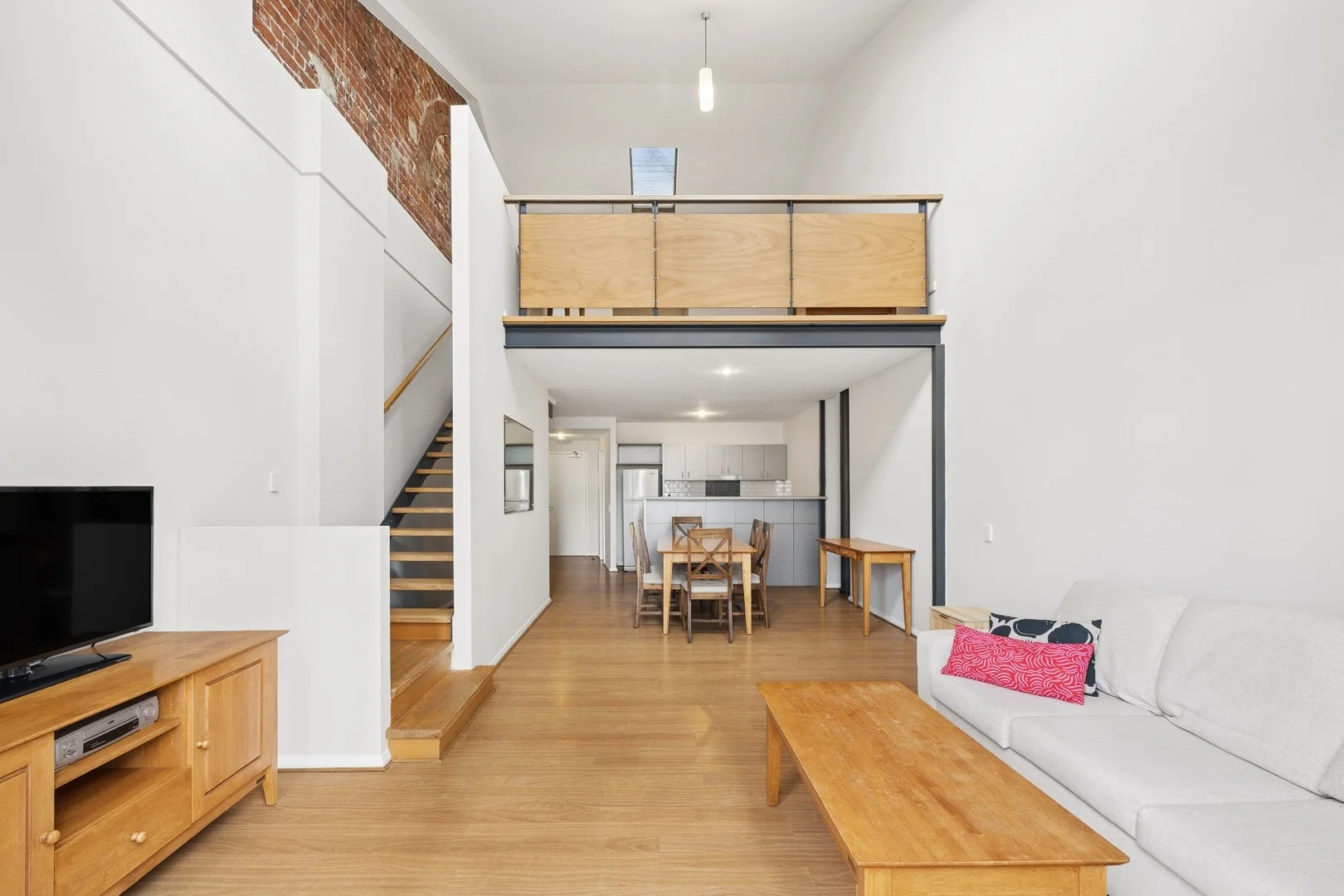 $549,000
Apartment / Unit / Flat
$549,000
Apartment / Unit / Flat
 $580,000
Apartment / Unit / Flat
$580,000
Apartment / Unit / Flat
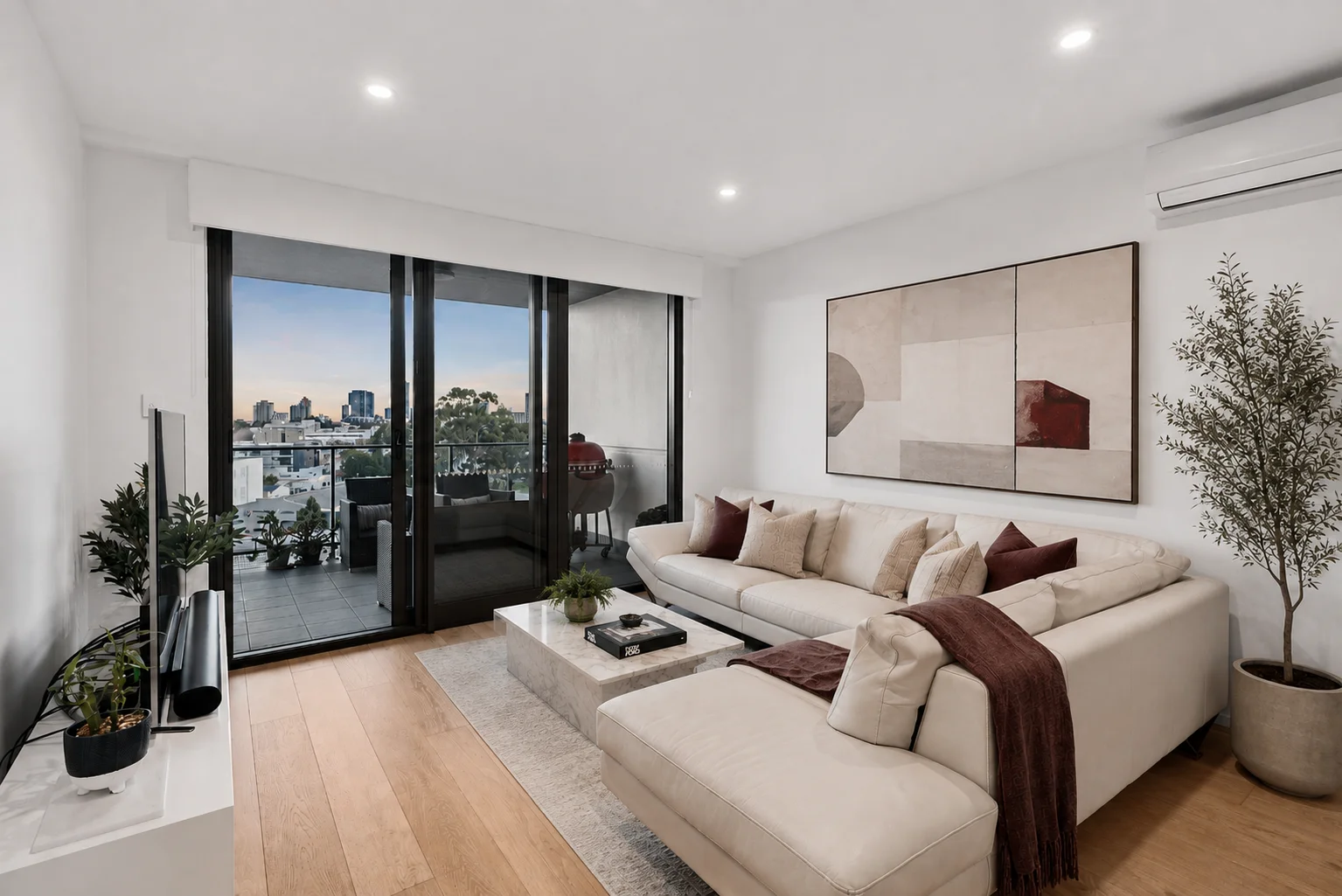 $700,000
Apartment / Unit / Flat
$700,000
Apartment / Unit / Flat