## Overview
Burnside Primary is a public, co-educational primary school serving students in Burnside, South Australia. The school operates with a medium-sized student body and places a strong emphasis on an inclusive, community-focused learning environment where students are supported to grow academically and socially.
- School type: Public
- School size: Medium
- Class size: Typically around 20–25 students per class
- Atmosphere/culture: Inclusive, nurturing, and community-focused
---
## Academics & Learning
- Academic strengths: Strong literacy and numeracy foundations with integration of STEM learning; opportunities for student leadership and voice; LOTE (language) programs common in SA primary settings.
- Special programs: Gifted and Talented education and targeted reading/math support; programs designed to differentiate learning and challenge high-achievers.
- NAPLAN / trends: Regular reporting of year-to-year trends showing steady improvement in key areas such as reading and numeracy, with focus on closing gaps.
- Student-teacher ratios: Approximately 1:20–1:22 in many classes, with additional support staff available for targeted assistance.
- Support for diverse learners: EAL (English as an Additional Language) and SEN (Special Educational Needs) support, inclusive education practices, and tailored interventions where needed.
---
## Sports & Extracurricular Strengths
- Sports offered: Broad primary-school sports program including soccer, netball, cricket, athletics, and general fitness activities; participation in inter-school sport is encouraged.
- Strong teams or achievements: Involvement in school-wide and inter-school competitions with opportunities for pride and achievement in team events.
- Music, arts, drama programs: Active music program, school performances, and opportunities to participate in drama and arts activities.
- Clubs: Robotics, coding, chess, debating, and other science/technology-centered clubs are available to extend interest areas.
- Partnerships: Connections with local community clubs and inter-school contests/competitions to broaden opportunities beyond the classroom.
---
## Wellbeing & Pastoral Care
- Anti-bullying approach: Proactive measures with a whole-school approach to safety, respect, and inclusion.
- House system: House-based activities and competitions to promote belonging and teamwork across year levels.
- Counsellors / wellbeing officers: Access to school wellbeing staff or counsellors to support social-emotional learning and mental health.
- Transition support for new students: Welcome programs, buddy systems, and structured transition activities to support settling in.
---
## Facilities
- Sports grounds: On-site grounds and outdoor spaces for physical activity and events.
- Libraries: School library with resources to support reading and learning across subjects.
- Science labs: Dedicated spaces for hands-on science learning and experiments.
- Music/performing arts centers: Facilities to support music, drama, and performance-based learning.
- Tech/innovation labs: Classrooms and spaces equipped for digital learning, coding, and project-based activities.
- Cafeteria: On-site or nearby canteen facilities to provide meals and snacks.
- Updated playgrounds: Modern, safe outdoor play areas and equipment.
---
## School Values & Community Culture
- School values / mission: A focus on respect, responsibility, and resilience, with an emphasis on inclusive and collaborative learning.
- Leadership style: Collaborative and distributed leadership, with opportunities for student voice and leadership roles.
- Behaviour expectations: Clear positive-behaviour framework that reinforces respectful interactions and responsible conduct.
- Community reputation: Known for a supportive, family-friendly school culture with active family involvement.
- Diversity & inclusion: Welcomes students from diverse backgrounds and strives to create an inclusive learning environment.
---
## School Logistics & Daily Operations
- School hours: Typically around 8:45 am to 3:15 pm, with variations by year level or term.
- Before/after school care: Availability of before/after care arrangements through school or local providers.
- Uniform requirements: School uniform standards in place, with recommended attire for daily wear and events.
- Transport: Local bus routes and walking/cycling options; proximity to public transport may support accessibility.
- Canteen availability: Canteen or canteen services available for lunches and snacks.
- Fees: Public schools in SA have minimal compulsory fees; additional costs may relate to excursions, extra-curricular activities, and some materials or optional programs. Overall, fees are typically low to medium.
---
## Enrolment & Admissions
11. What is the enrolment process and timeline?
- Enrolment generally follows a local catchment approach. Parents apply through the SA Department for Education processes within specified intake periods (often annually for Reception), with timelines published by the school and DET. If applicable, you’ll be guided on documentation, placement timelines, and notification dates.
12. Is there a waiting list, and how does it work?
- Waiting lists can occur when demand exceeds places in a year level or due to catchment constraints. Places are typically offered based on eligibility (catchment status, special program availability) and then processed in order of availability and priority set by the school and education department.
13. Are there any entry requirements, tests, or interviews?
- For most primary years, entry does not involve standard academic testing. Some schools may conduct brief assessments or interviews if a student is applying for a specific program (e.g., Gifted & Talented) or if additional information is needed for support planning. Routine enrolment documents and proof of identity/residency are usually required.
14. Does the school accept mid-year transfers?
- Mid-year transfers are possible if spaces are available and enrolment is approved by the school and relevant education authorities. Availability depends on current class sizes and staffing.
---
## Frequently Ask Questions
- Why Parents Choose This School?
- A public, inclusive environment with strong literacy and numeracy foundations, caring staff, and a sense of community.
- What type of student thrives at this school?
- Students who are curious, collaborative, and values-based; those who benefit from a supportive, inclusive setting with opportunities across academics, sport, and arts.
- What opportunities are available for students to extend their skills (academics, sports, arts)?
- Literacy and numeracy supports, STEM activities, leadership opportunities, gifted and talented pathways, sports teams, music and drama programs, robotics, coding, and debating clubs.
- How does the school communicate with parents?
- Regular newsletters, emails, school apps or portals, parent-teacher meetings, and annual updates on student progress and events.
- What is the school’s approach to teaching and learning?
- Evidence-based, differentiated instruction with a focus on core literacy and numeracy, integrated STEM, and opportunities for hands-on, inquiry-based learning.
- How does the school support students who need extra academic help?
- In-class differentiation, targeted interventions, reading and math support programs, EAL and SEN assistance, and access to wellbeing staff.
- What support is available for academic challenges?
- Specific intervention plans, small-group tutoring, progress monitoring, and collaboration with families to tailor support.
- How does the school communicate with parents?
- See above: newsletters, portals/apps, meetings, and accessible staff for ongoing dialogue.
- What are the class sizes and how much individual attention do students receive?
- Class sizes typically around 20–25 students, with teacher focus on differentiated instruction and opportunities for small-group or one-on-one support as needed.
- What extracurricular and sports opportunities are available?
- A range of sports (soccer, netball, cricket, athletics), music and drama programs, robotics, coding, chess, debating clubs, and inter-school competitions.
- What facilities does the school offer (sports, science, arts)?
- Sports grounds, a library, science labs, music/performing arts facilities, technology/innovation labs, and a canteen, plus updated playgrounds.
- What is the school’s approach to technology and digital learning?
- Integration of ICT into learning, use of digital devices and platforms for coursework, and guidelines for safe and productive use.
- What transport and accessibility options are available?
- Bus routes, walking/cycling options, and general accessibility features; details depend on location and year level.
- What are typical school fees or additional costs?
- As a public school, there is no tuition, with potential small costs for excursions, some activities, and uniform expenses.
---
## Short Pros & Cons list
- Pros
- Public, inclusive environment with a strong literacy and numeracy focus
- Broad range of extracurriculars (sports, arts, clubs)
- Supportive wellbeing and pastoral care
- Diverse facilities supporting STEM, arts, and digital learning
- Community-oriented culture with opportunities for student leadership
- Cons
- Enrolment may be subject to catchment and space availability
- Public-school funding can mean variable fees for activities and materials
- Class size, while typical for primary schools, may limit one-on-one time during busy periods
---
Note: This content is designed to help families understand what to look for when evaluating Burnside Primary. For the most accurate, up-to-date details on enrolment timelines, programs, and facilities, please contact the school directly or refer to the South Australian Department for Education resources.
 $40+
$40+









 $545,000
Apartment / Unit / Flat
$545,000
Apartment / Unit / Flat
 $775,000
House
$775,000
House
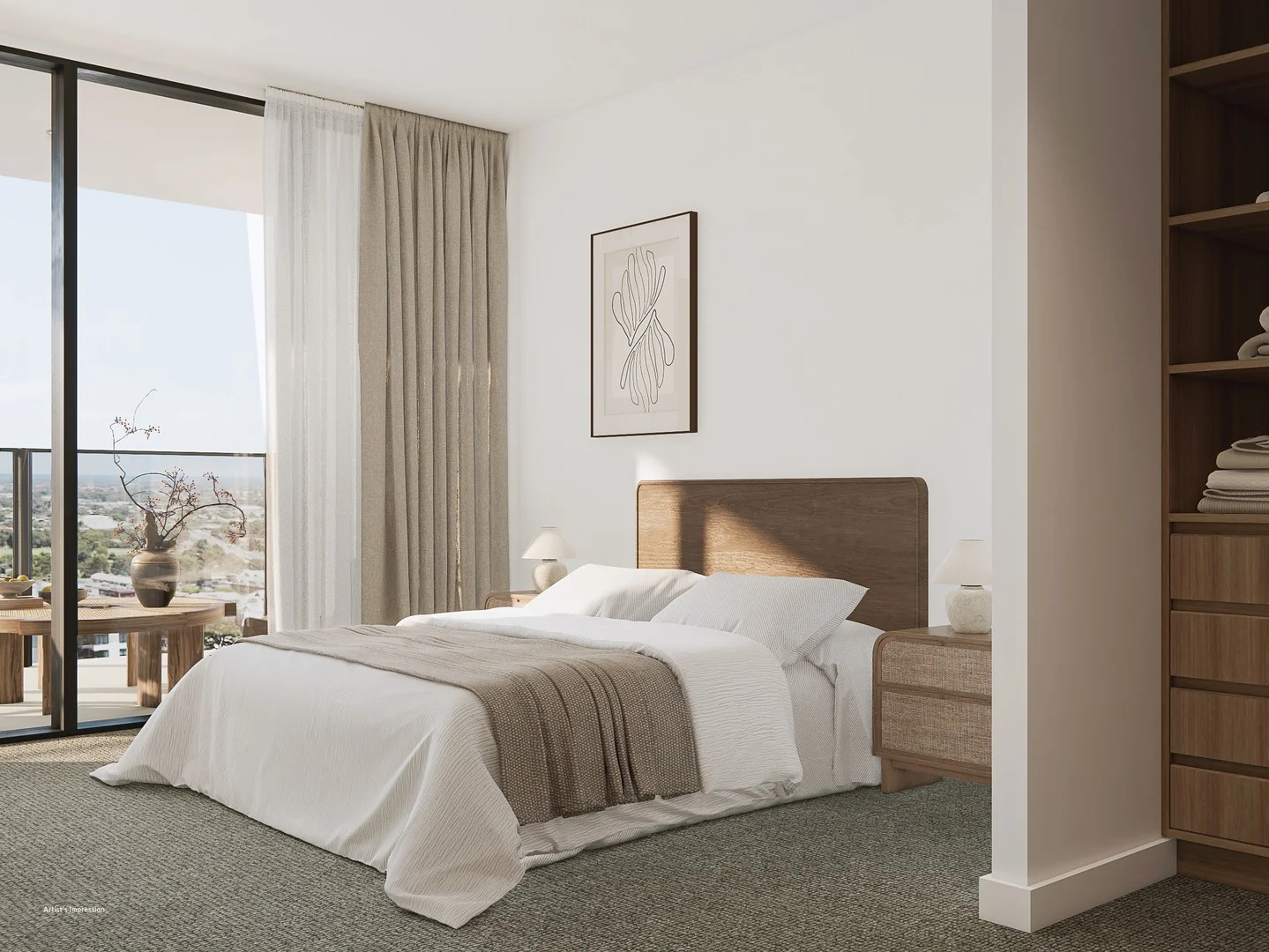 $935,000
Apartment / Unit / Flat
$935,000
Apartment / Unit / Flat
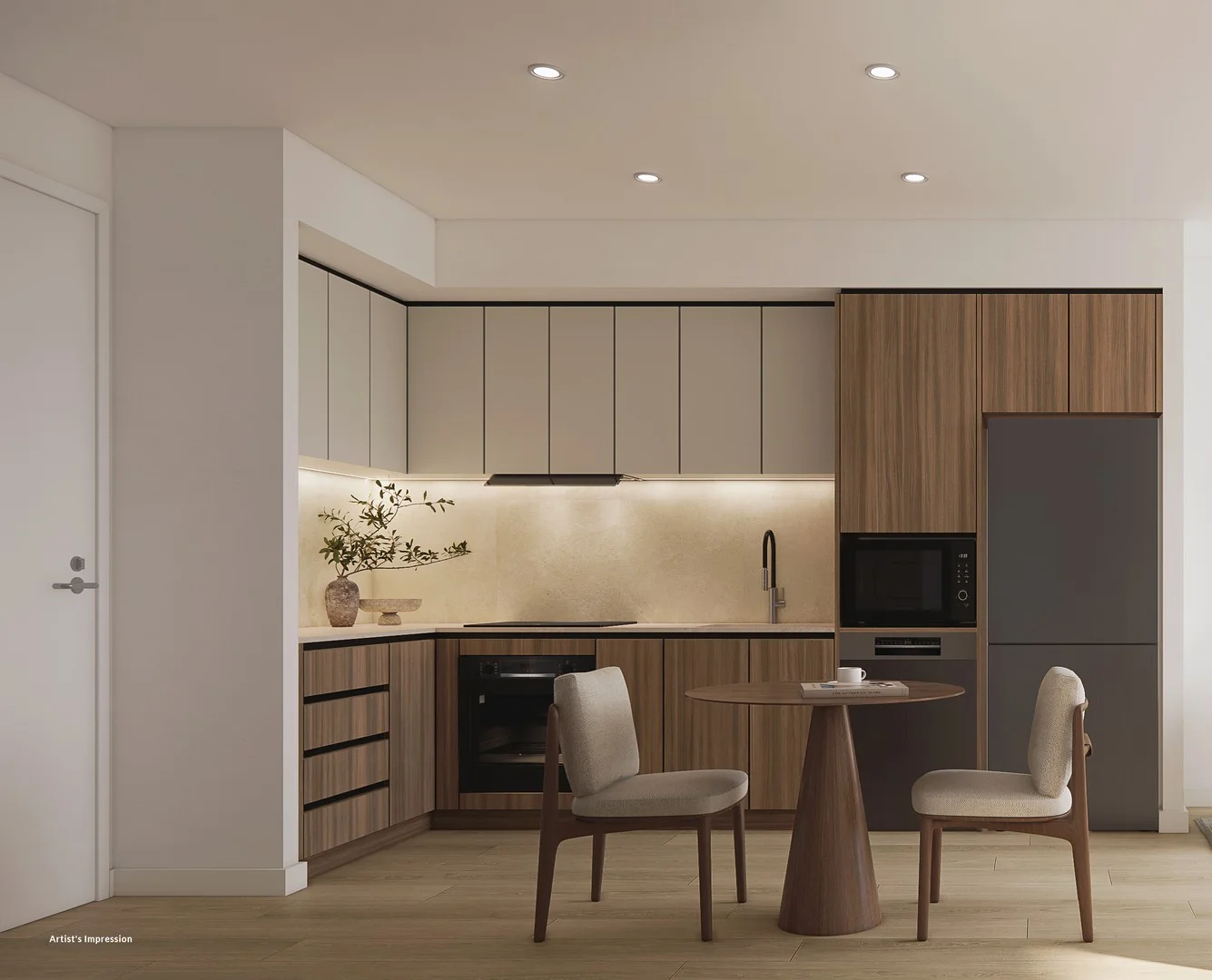 $557,000
Apartment / Unit / Flat
$557,000
Apartment / Unit / Flat
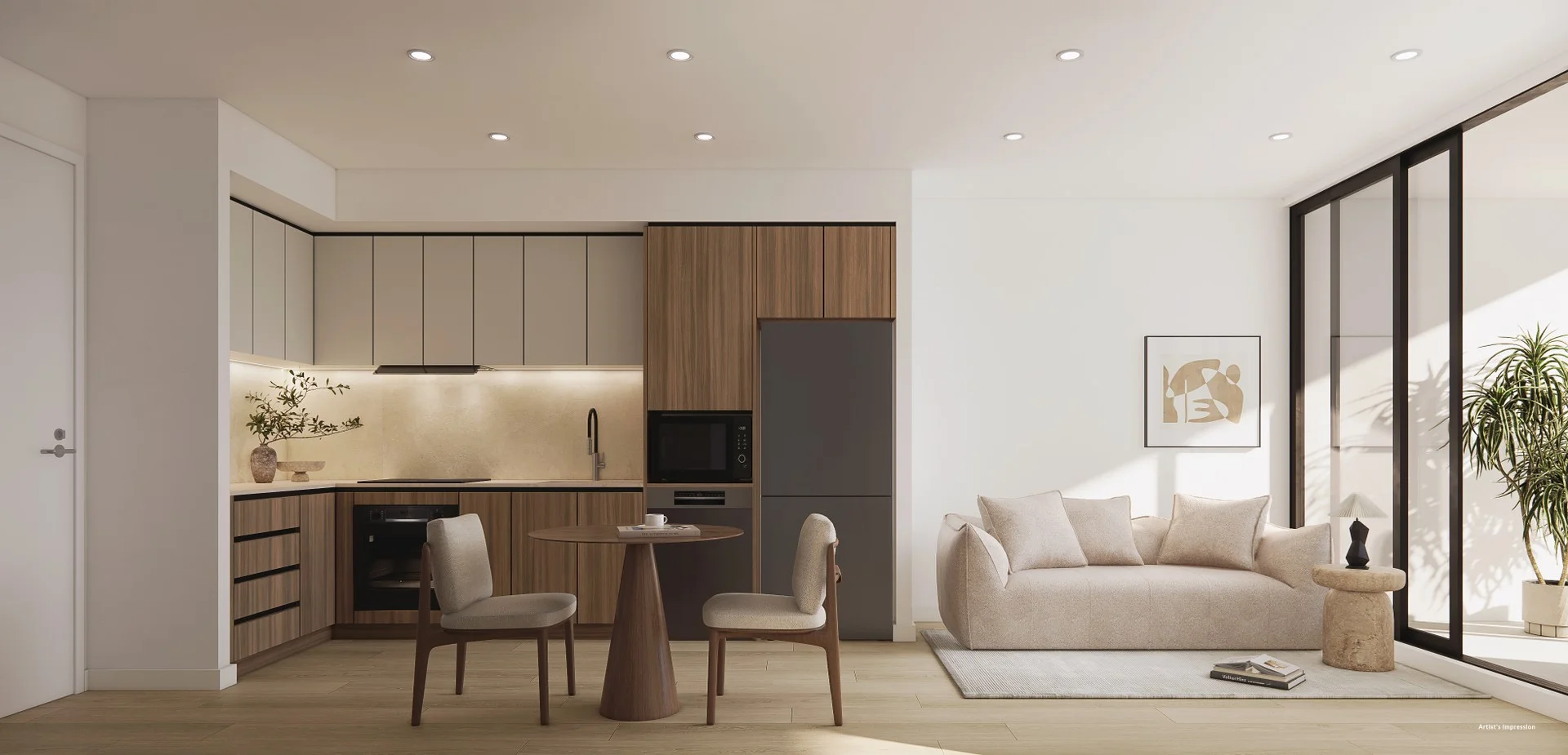 $588,000
Apartment / Unit / Flat
$588,000
Apartment / Unit / Flat
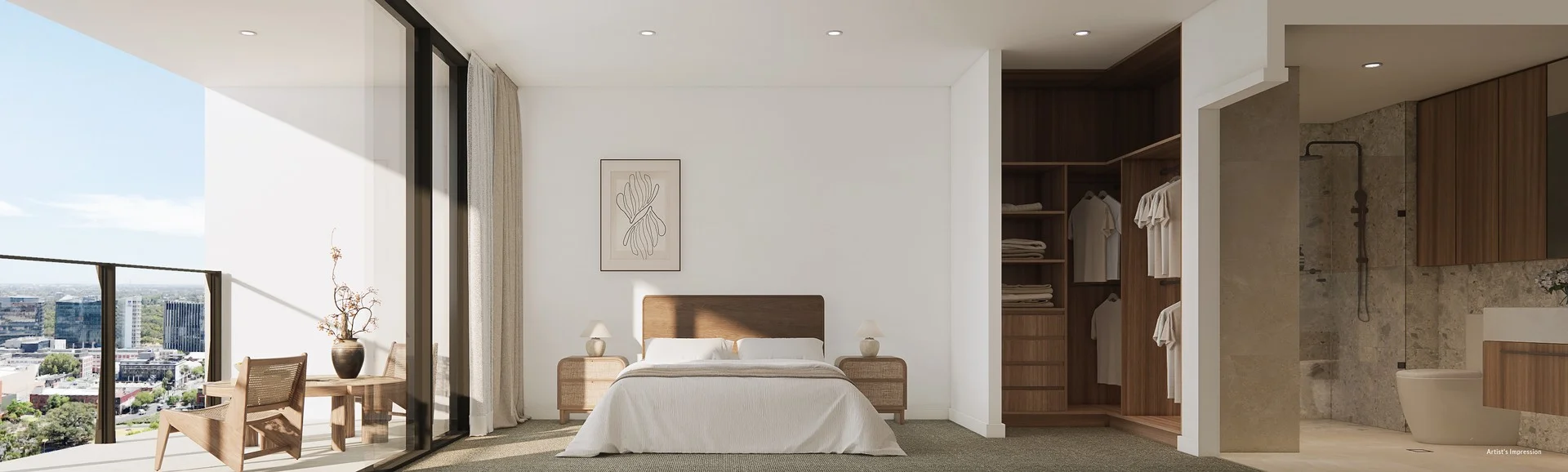 $1,056,000
Apartment / Unit / Flat
$1,056,000
Apartment / Unit / Flat
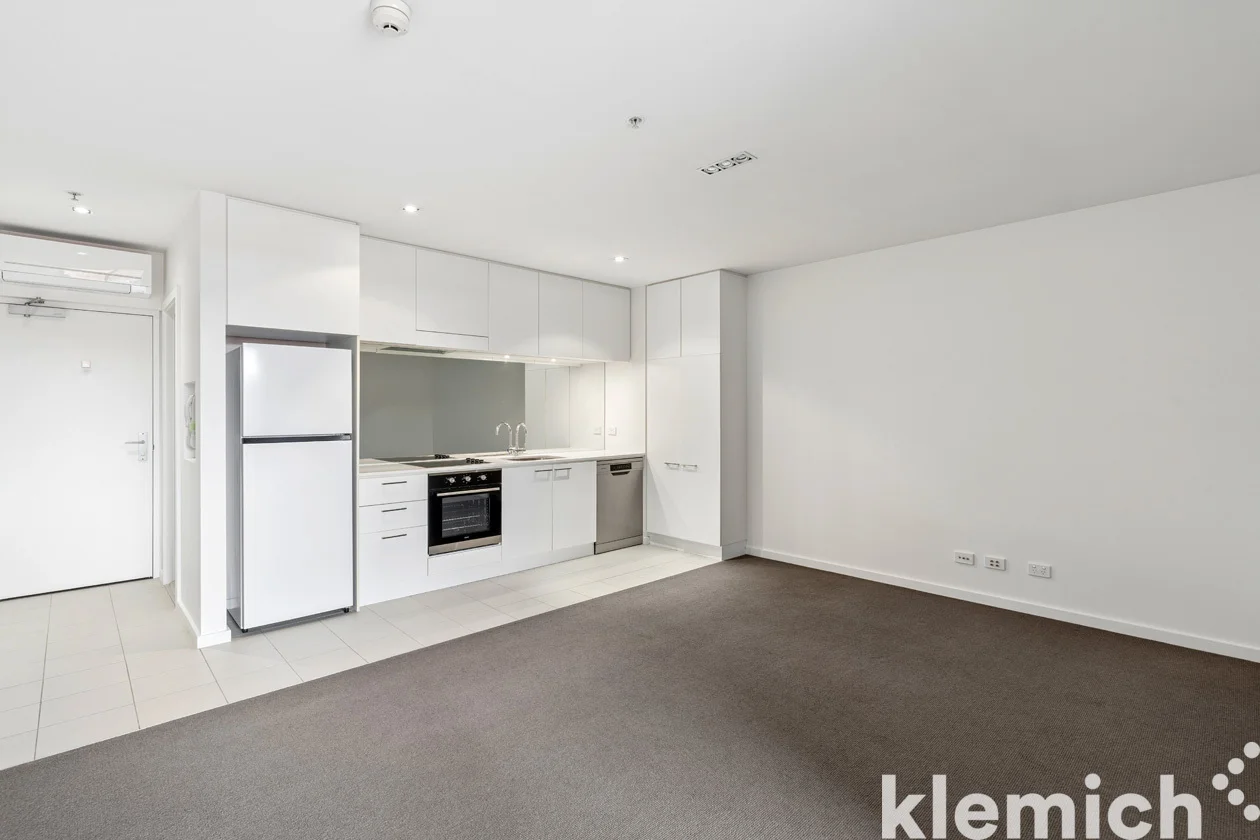 $440,000
Apartment / Unit / Flat
$440,000
Apartment / Unit / Flat
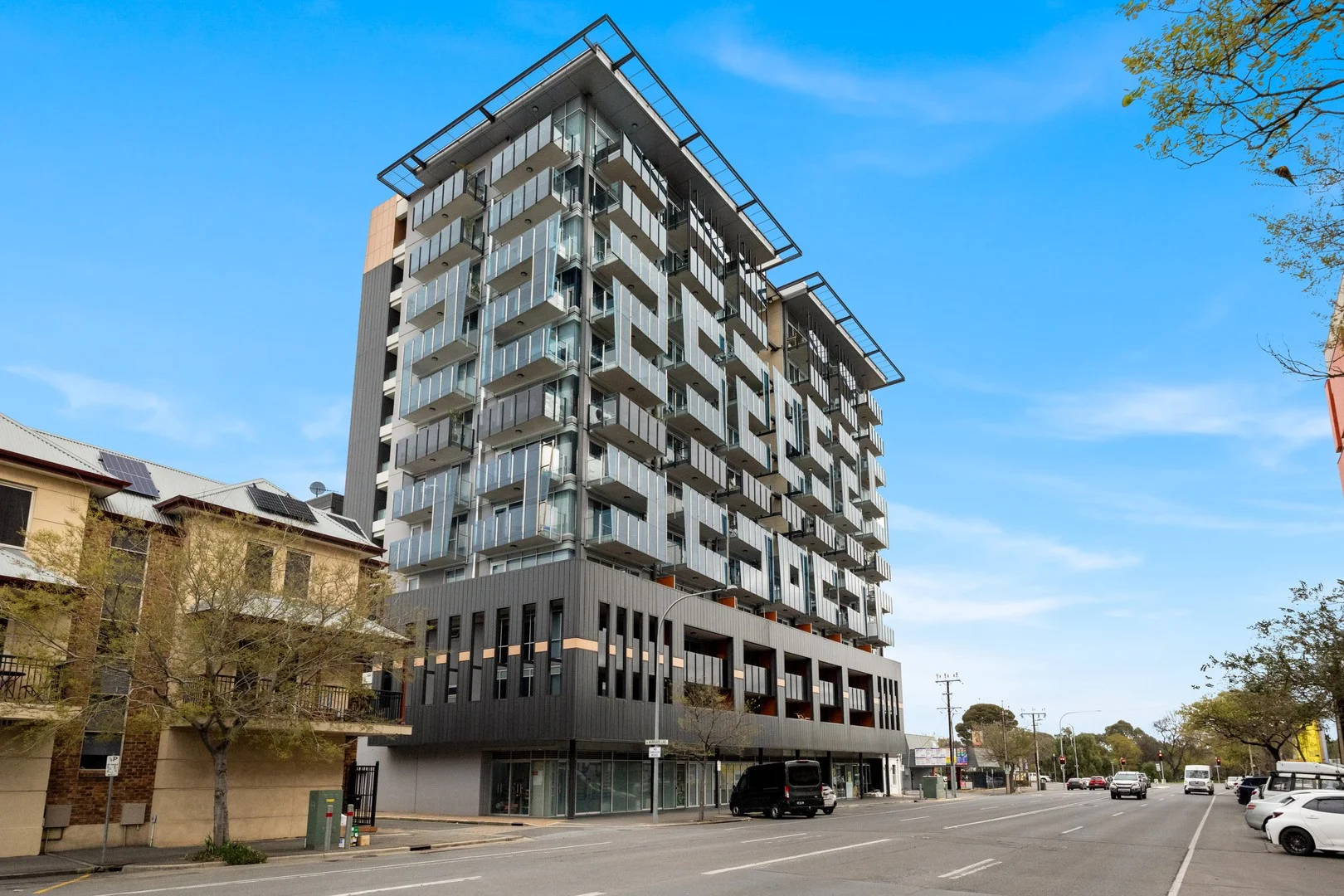 $1,100,000
Apartment / Unit / Flat
$1,100,000
Apartment / Unit / Flat