## 1. Overview
St Peter’s Woodlands SAGlenelg is an independent day school serving primary and secondary-aged students in the Glenelg area. The school pursue a balanced approach that combines strong academics with broad co-curricular opportunities, aiming to nurture well-rounded learners.
Overall, the school tends to be described as medium-sized, with class sizes kept to a manageable level to support individual attention. The atmosphere is typically portrayed as nurturing and inclusive, with a focus on academic achievement alongside values-based education and a supportive community culture.
Note: Values, size and specific program details may vary year to year—please check with the school for the most current information.
---
## 2. Academics & Learning
- Academic strengths: The school emphasises core academic disciplines such as English and mathematics, with pathways and opportunities in STEM and language studies to support a broad academic profile.
- Special programs: Independent schools in this segment commonly offer gifted and talented opportunities, alongside potential accelerated learning options and enrichment activities across different faculties, including arts and technology.
- NAPLAN / trends: Trends reported by similar schools often show stable or improving results over recent years in reading and numeracy, with reporting on progress and relative performance against state benchmarks.
- Student-teacher ratios: Class sizes are typically kept small-to-mid-sized to support individualized attention, with student-teacher ratios commonly around the low-teens to mid-teens in primary and slightly higher in some senior years.
- Support for diverse learners: Expect dedicated support for diverse learners, including English as an Additional Language (EAL) support and learning support staff or coordinators to assist students with additional needs (SEN).
---
## 3. Sports & Extracurricular Strengths
- Sports offered: A broad range of sports commonly available includes basketball, football (soccer and AFL-affiliated options), cricket, netball, tennis, swimming, athletics, and gym/fitness activities.
- Strong teams or achievements: Schools of this type often participate in local and regional leagues and inter-school competitions, with particular strengths in team sports and school-wide participation.
- Music, arts, drama programs: Robust music programs (ensembles and performances) and drama/performing arts opportunities are typically promoted, including school productions and recitals.
- Clubs: Robotics, coding, chess, debating, science/tech clubs and other student-led interest groups are commonly available to broaden learning beyond the classroom.
- Partnerships: The school may partner with local sporting clubs or academies and participate in regional or inter-school competitions to extend opportunities beyond the campus.
---
## 4. Wellbeing & Pastoral Care
- Anti-bullying approach: A clear anti-bullying policy and culture, with wellbeing teams and restorative practices often in place to address issues constructively.
- House system: A house-based pastoral framework is commonly used to foster community, friendly competition, and peer support.
- Counsellors / wellbeing officers: On-site counsellors or wellbeing professionals typically support students’ emotional, social and behavioural wellbeing.
- Transition support for new students: Orientation programs, buddy systems and transition supports help new students settle in and build connections quickly.
---
## 5. Facilities
- Sports grounds: On-site playing fields and courts for a range of sports.
- Libraries: Central library facilities with study spaces and resources.
- Science labs: Modern science laboratories for hands-on experiments and STEM learning.
- Music/performing arts centers: Dedicated spaces for music rehearsal, performance and drama.
- Tech/innovation labs: Technology and innovation spaces to support coding, design and digital learning.
- Cafeteria: On-site dining facilities or canteen services for students.
- Updated playgrounds: Age-appropriate outdoor play areas and recreational spaces.
Visual note: Facilities are designed to support a balanced timetable of academic, arts and sport activities, with emphasis on safe, well-maintained environments.
---
## 6. School Values & Community Culture
- School values / mission: Core values typically include respect, integrity, excellence and inclusion, with a mission to develop capable, responsible individuals.
- Leadership style: Often collaborative and student-centered, encouraging student voice within a supportive staff framework.
- Behaviour expectations: A clear code of conduct and positive behavior expectations, with consistent processes for discipline and restorative approaches when needed.
- Community reputation: The school aims to maintain a positive, engaged community reputation through parent involvement, alumni networks and community partnerships.
- Diversity & inclusion: A commitment to diversity and inclusive practices in student life, staffing, and curricular choices.
---
## 7. School Logistics & Daily Operations
- School hours: Typical start and finish times align with standard school day schedules, with variations by year group.
- Before/after school care: Some form of supervision or care programs may be available before and after school.
- Uniform requirements: Formal or uniform dress is typically required, with details per year level and season.
- Transport: Access to public transport or school-provided transport options (bus routes or proximity to rail/tram networks) is common, with guidance on feasible routes.
- Canteen availability: A canteen or school dining service is usually available, offering daily meals or snacks.
- Fees: School fees fall in a mid-to-upper private-school range relative to the local market; specifics vary by year level and program.
---
## 8. Enrolment & Admissions
11. What is the enrolment process and timeline?
- Prospective families typically begin with an enquiry or application, followed by submission of required documents (academic records, references). This is usually followed by an interview and/or assessment. Offers are made based on vacancy and fit, with a recommended timeline that may include an orientation or enrolment period.
12. Is there a waiting list, and how does it work?
- Many independent schools maintain a waitlist when vacancies are limited. Applicants may be waitlisted after the initial assessment, with offers made as spaces become available. The waitlist process is usually explained by the admissions team and may depend on placement, year level, and priority considerations.
13. Are there any entry requirements, tests, or interviews?
- Entry often involves an interview and may include age-appropriate assessments or tests covering literacy and numeracy, along with a review of supporting documents and previous school reports.
14. Does the school accept mid-year transfers?
- Mid-year transfers are sometimes possible, subject to vacancies and a smooth transition plan. Families should contact the admissions team to discuss availability and required steps.
---
## 9. Frequently Asked Questions
- Why Parents Choose This School?
- Independent setting with a focus on individual attention, values-based education, and a broad curriculum that supports academics, arts and wellbeing.
- What type of student thrives at this school?
- Curious, motivated learners who value community, participation in both academics and extracurriculars, and a respectful, inclusive environment.
- What opportunities are available for students to extend their skills (academics, sports, arts)?
- Extension programs in core subjects, enrichment clubs (robotics, coding, debating), competitive sports, performing arts, and leadership or service opportunities.
- How does the school communicate with parents?
- Through newsletters, a parent portal, emails, parent-teacher conferences, and open days or information evenings.
- What is the school’s approach to teaching and learning?
- A balanced, student-centered approach with an emphasis on literacy, numeracy, critical thinking, collaboration and hands-on learning.
- How does the school support students who need extra academic help?
- Learning support teams, targeted tutoring, EAL and SEN supports, and differentiated instruction within classrooms.
- What support is available for academic challenges?
- Access to learning support staff, counseling and goal-setting plans to address academic progress and wellbeing.
- How does the school communicate with parents? (repeat)
- See above: newsletters, portal, conferences, and timely updates.
- What are the class sizes and how much individual attention do students receive?
- Class sizes are kept in the small-to-mid range to support individual attention, with higher levels of teacher access during instruction and support times.
- What extracurricular and sports opportunities are available?
- A wide range of sports, music/arts programs, and clubs including robotics, coding, chess and debating.
- What facilities does the school offer (sports, science, arts)?
- Comprehensive facilities for sports, science labs, performing arts, music spaces, technology labs and on-site canteen.
- What is the school’s approach to technology and digital learning?
- Integration of digital learning tools, age-appropriate technology use in the curriculum, and opportunities for students to develop coding and digital literacy.
- What transport and accessibility options are available?
- Information on local bus routes or school-provided transport options, plus guidance for accessing station or stop locations.
- What are the typical school fees or additional costs?
- Fees are generally in the mid-to-upper range for private Australian schools; specific charges (materials, activities, camp, uniforms) vary by year level and program.
---
## 10. Short Pros & Cons list
Pros
- Independent school environment with a focus on well-rounded development
- Balanced emphasis on academics, sports, arts and wellbeing
- Small-to-mid class sizes supporting individual attention
- Strong pastoral care, anti-bullying culture and transition support
- Broad facilities including libraries, science labs and performing arts spaces
Cons
- Fees are higher than public options and may require ongoing financial planning
- Availability of places can be limited in peak admission years
- Specific programs or facilities can vary by year; check current offerings
- Transport options may require private arrangements for some families
If you’d like, I can tailor this draft more precisely once you confirm specific details from the school (current enrolment numbers, exact programs, and latest facilities).









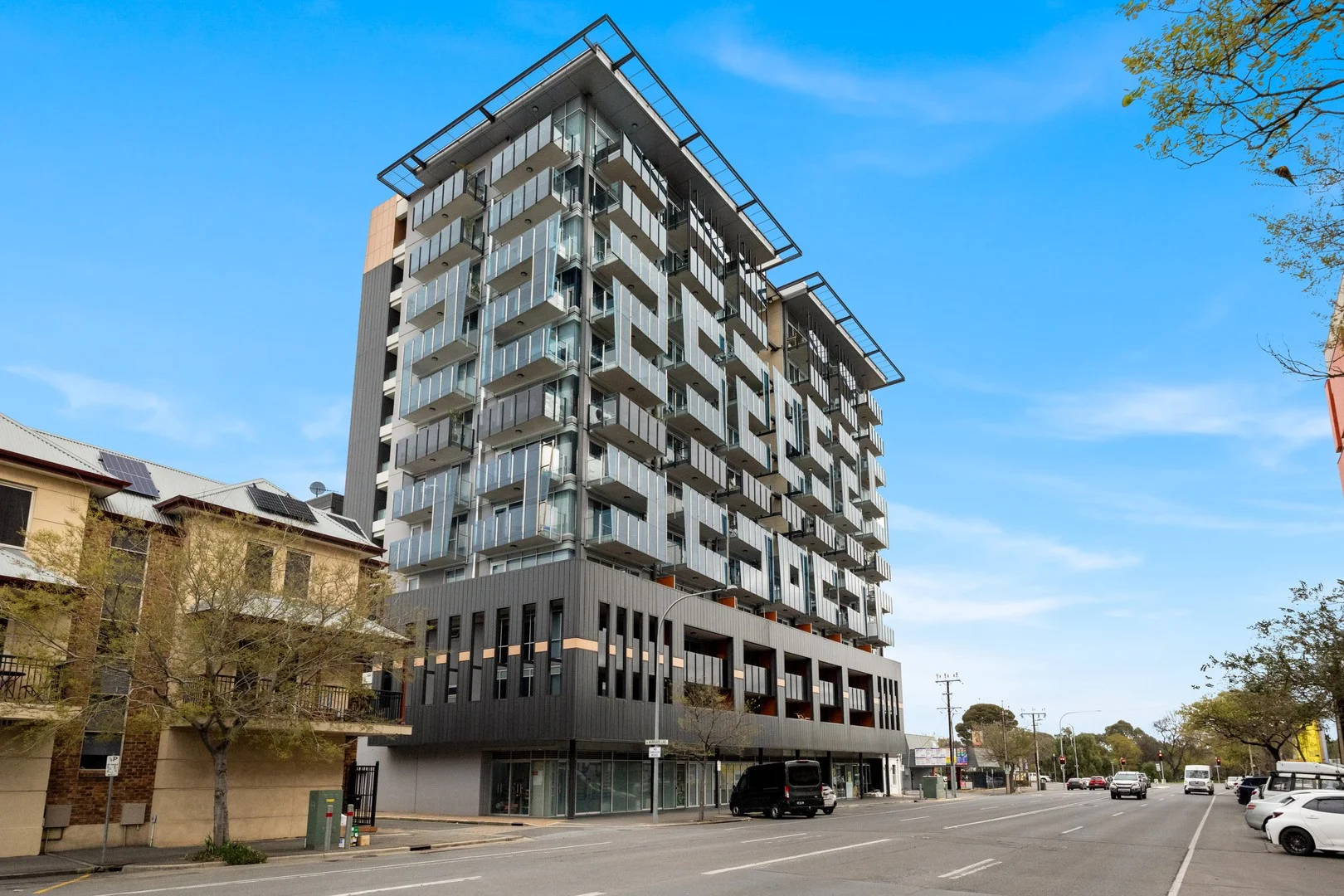 $1,100,000
Apartment / Unit / Flat
$1,100,000
Apartment / Unit / Flat
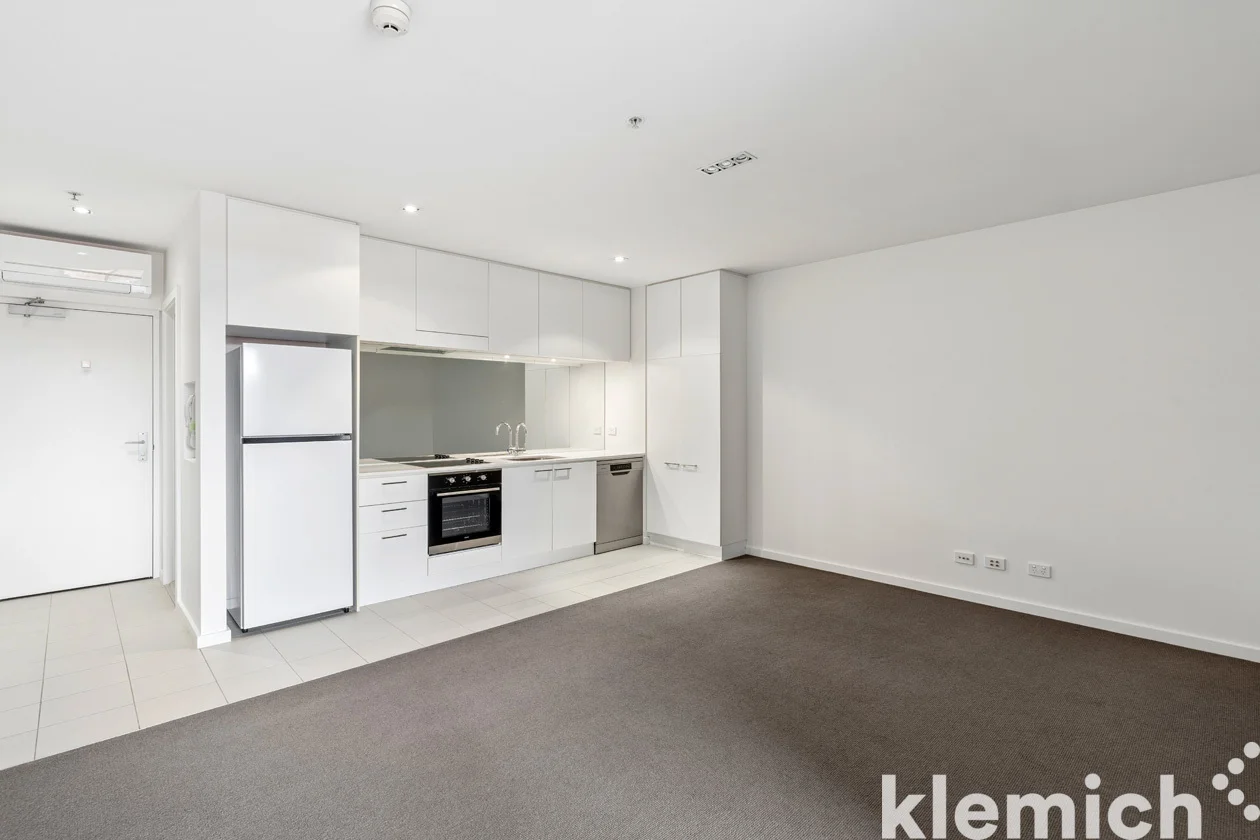 $440,000
Apartment / Unit / Flat
$440,000
Apartment / Unit / Flat
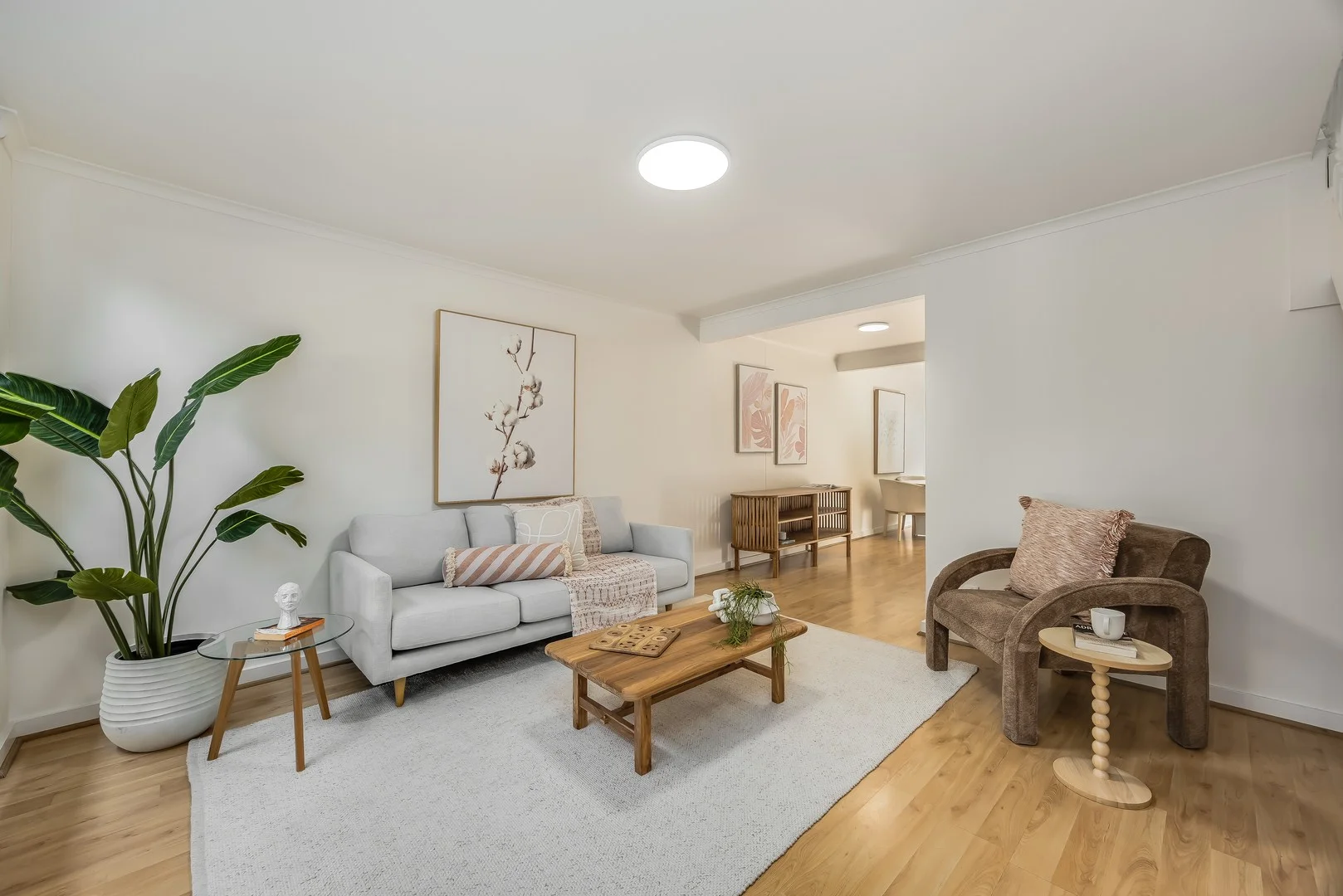 $775,000
House
$775,000
House
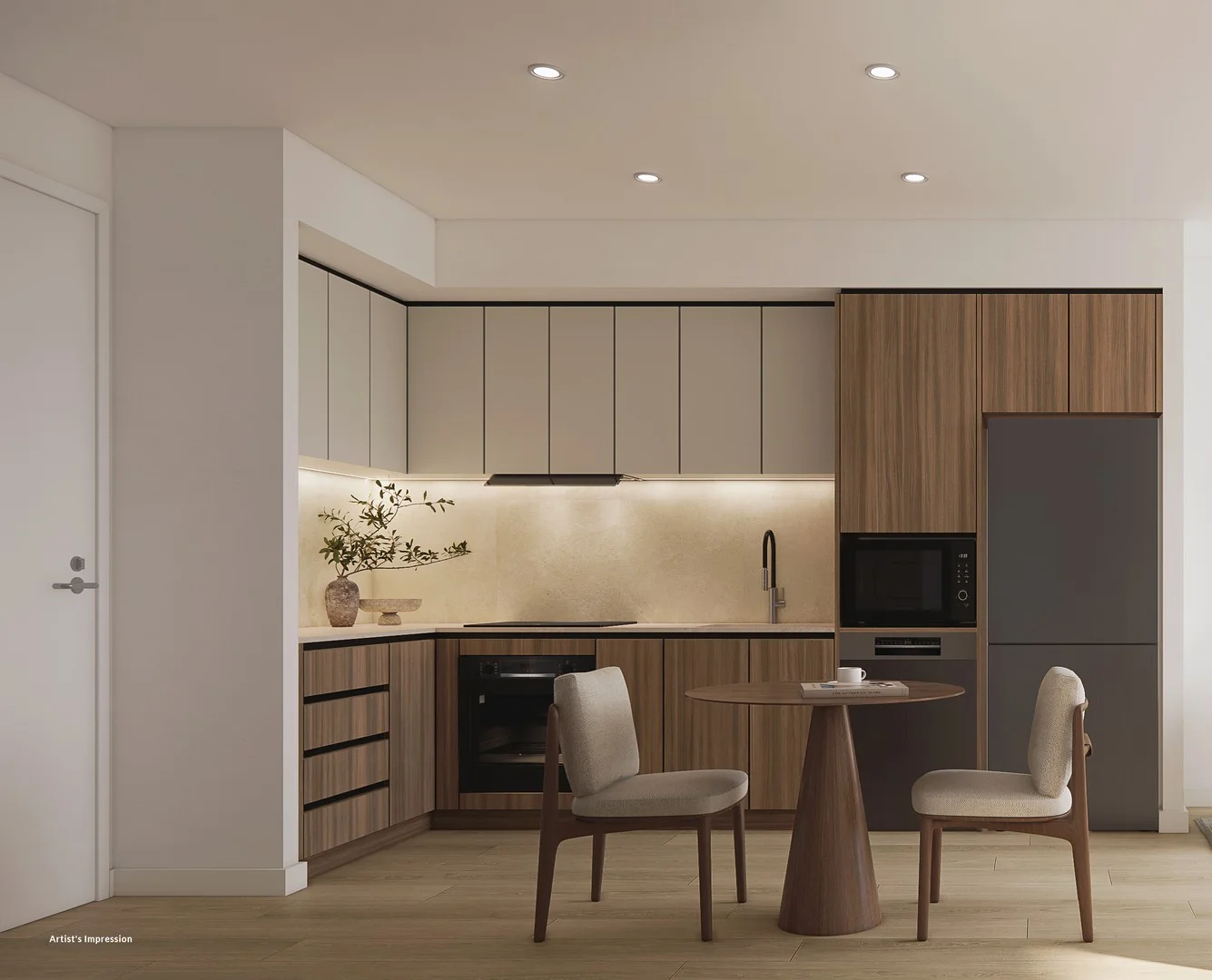 $557,000
Apartment / Unit / Flat
$557,000
Apartment / Unit / Flat
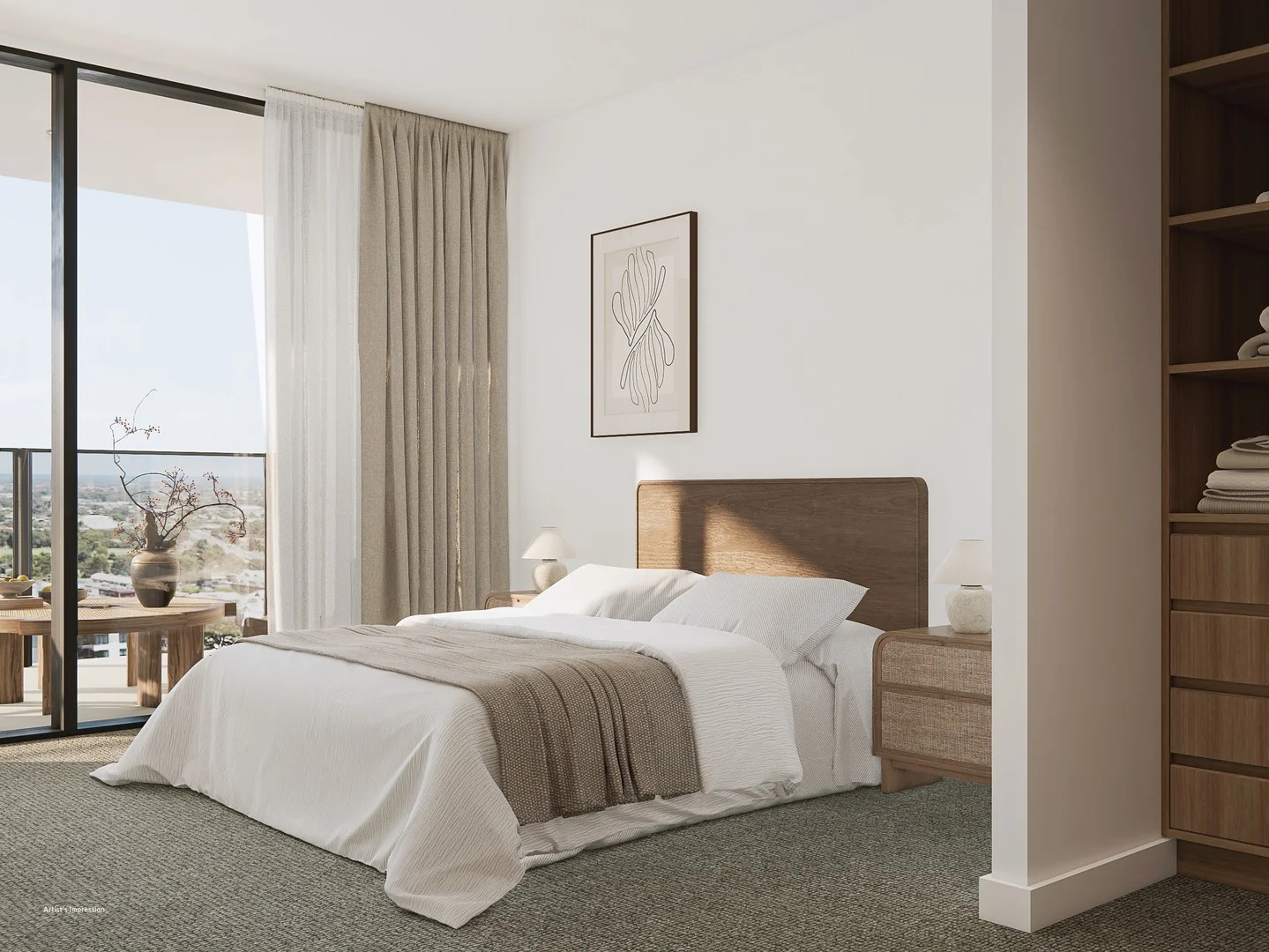 $935,000
Apartment / Unit / Flat
$935,000
Apartment / Unit / Flat
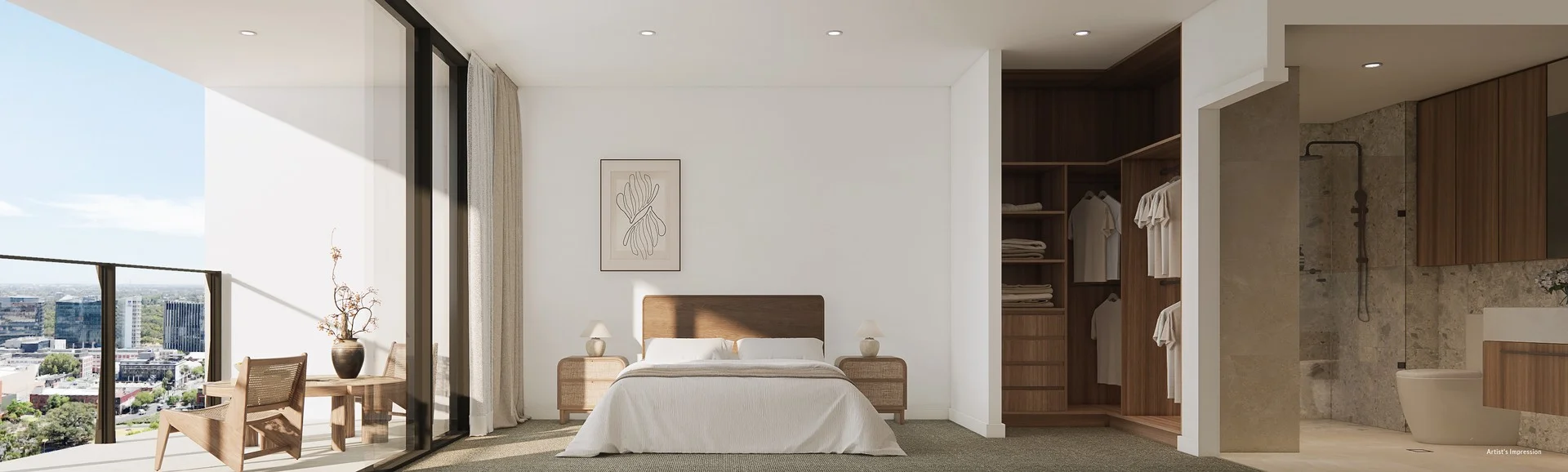 $1,056,000
Apartment / Unit / Flat
$1,056,000
Apartment / Unit / Flat
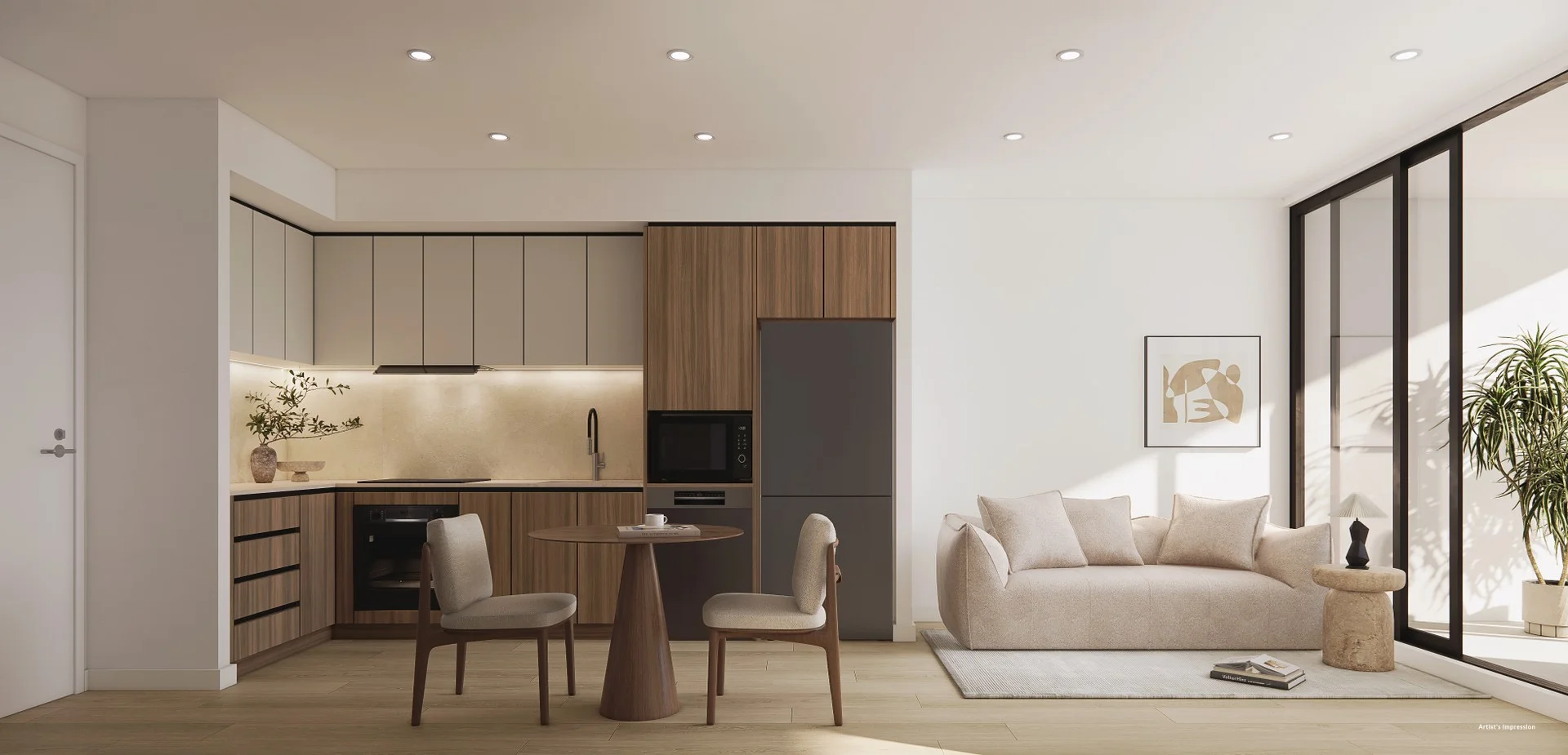 $588,000
Apartment / Unit / Flat
$588,000
Apartment / Unit / Flat
 $545,000
Apartment / Unit / Flat
$545,000
Apartment / Unit / Flat