## 1. Overview
Glenelg Primary School is a public, co-educational primary school located in Glenelg East, South Australia. It serves the local community with a focus on developing confident, curious learners through a well-rounded program that balances academics, wellbeing, and community involvement. The school operates with a medium-sized enrolment and class sizes that typically fall in the low 20s, supporting personalized attention within a collaborative learning environment.
The atmosphere is nurturing and inclusive, with a culture that values students’ diverse backgrounds and strengths. The school aims to foster a positive school life where students feel connected to peers, teachers, and the wider community while working towards academic and personal growth.
## 2. Academics & Learning
- Academic strengths: English literacy and numeracy are foundational priorities, with strong emphasis on STEM concepts, digital technologies, and holistic literacy development. The curriculum integrates inquiry and hands-on learning to build critical thinking and problem-solving skills.
- Special programs: Gifted and Talented (G&T) options and targeted acceleration/extension opportunities are available for identified students, along with robust literacy and numeracy support where needed.
- NAPLAN trends: Over recent years, the school has demonstrated stable to improving performance trends in key areas, with results typically aligning with or above state averages due to strong instruction and targeted supports.
- Student-teacher ratios: Class sizes are in the low-to-mid 20s, with specialist teachers and teacher aides available to support learners as needed to maintain effective small-group and individual learning opportunities.
- Support for diverse learners: Strong inclusion practices support EAL learners and students with additional learning needs (SEN), including dedicated literacy and numeracy interventions, speech and language support, and access to specialist staff as appropriate.
## 3. Sports & Extracurricular Strengths
- Sports offered: Athletics, cricket, soccer, netball, swimming, cross-country, and other team sports suitable for primary-age students.
- Strong teams or achievements: Regular participation in inter-school and district-level events, with opportunities for students to contribute to school-level teams and showcase talents at local competitions.
- Music, arts, drama programs: Active music program, school choir, and performing arts events; opportunities to participate in school productions and concerts.
- Clubs: Robotics, coding, chess, debating, and other interest-based clubs that run during lunch and after-school sessions.
- Partnerships: Local community clubs and associations often partner with the school for extracurricular activities and competitions, enriching opportunities beyond the classroom.
## 4. Wellbeing & Pastoral Care
- Anti-bullying approach: A clear anti-bullying policy and positive behaviour framework guide interactions, with preventative education and timely intervention.
- House system: A house-based structure supports positive competition and strong buddy and leadership opportunities across grades.
- Counsellors / wellbeing officers: Access to school-based wellbeing staff and a counsellor to support student mental health, resilience, and social-emotional learning.
- Transition support for new students: Welcome programs, buddy systems, and orientation activities help new students settle in smoothly and build connections early.
## 5. Facilities
- Sports grounds: On-site playgrounds and outdoor play areas designed for active, inclusive physical activity.
- Libraries: A well-resourced library supporting reading across the curriculum and independent learning.
- Science labs: Dedicated spaces for hands-on science experiments and investigative learning.
- Music/performing arts centers: Facilities to support music education and performing arts events.
- Tech/innovation labs: Resources for digital learning, coding, and technology-assisted projects.
- Cafeteria: On-site canteen offering healthy meal options and snacks.
- Updated playgrounds: Modern, safe outdoor play spaces that encourage physical activity and exploration.
## 6. School Values & Community Culture
- School values / mission: Emphasis on respect, responsibility, resilience, and inclusion as core values guiding day-to-day learning and behavior.
- Leadership style: Student voice is encouraged through student leadership roles and opportunities to contribute to school decisions and events.
- Behaviour expectations: Clear expectations centered on positive behaviour and respectful interactions; consistent systems for rewards and consequences.
- Community reputation: The school is regarded as a supportive, family-friendly environment with active parent involvement and collaboration with local communities.
- Diversity & inclusion: A welcoming culture that values diversity and provides inclusive educational experiences for students from varied backgrounds.
## 7. School Logistics & Daily Operations
- School hours: Typical day runs from around 8:45am to 3:15pm, with variations for specific year levels or activities.
- Before/after school care: OSHC (Outside School Hours Care) or similar programs are available to families.
- Uniform requirements: School uniform is required, with guidelines for daily wear and dress standards.
- Transport (train/bus routes): Access to local public transport options; bus services and convenient drop-off/pick-up arrangements are in place.
- Canteen availability: Canteen services are available, offering healthy meal options and lunch orders where applicable.
- Fees (low/medium/high ranges): Being a public school, there is no tuition; families may incur costs for uniforms, excursions, materials, and optional activities. Overall fees are typically in the low-to-medium range for required items and events.
## 8. Enrolment & Admissions
- 11. What is the enrolment process and timeline?
- Enrolment is typically initiated through the school’s enrolment process, often tied to local catchment boundaries. Families typically submit an application with required documents (proof of identity, immunisation records, proof of address) and may be invited to information sessions or tours. Timelines vary by year and intake, with offers usually made for the upcoming school year after review of applications and available places.
- 12. Is there a waiting list, and how does it work?
- Yes, there can be a waiting list in high-demand periods. Places are offered in line with catchment rules and the school’s enrolment policies. Priority is generally given to local residents, siblings of current students, and those with approved exemptions or special considerations as applicable.
- 13. Are there any entry requirements, tests, or interviews?
- There is typically no general entry exam for standard enrolment. For programs such as Gifted & Talented or specific language or support pathways, there may be intake assessments or eligibility considerations. School tours or information sessions may be offered as part of the process.
- 14. Does the school accept mid-year transfers?
- Yes, subject to space and placement availability. Mid-year transfers are accommodated where possible, with smooth transition supports in place (orientation, buddy system, and necessary documentation).
## 9. Frequently Asked Questions
- Why Parents Choose This School?
- A public, community-focused option with a nurturing environment, strong literacy and numeracy foundations, broad extracurriculars, and dedicated wellbeing supports.
- What type of student thrives at this school?
- Students who are curious, collaborative, and engaged in both academics and activities, and who value a supportive, inclusive community.
- What opportunities are available for students to extend their skills (academics, sports, arts)?
- Gifted and Talented extensions, STE programs, coding and robotics clubs, inter-school sports, music and drama programs, and performance opportunities.
- How does the school communicate with parents?
- Regular newsletters, class updates, parent-teacher interviews, and digital platforms for ongoing communication; events and notices are shared to keep families informed.
- What is the school’s approach to teaching and learning?
- A balanced, evidence-based approach with a focus on literacy, numeracy, and inquiry-based learning, supported by differentiated instruction and technology integration.
- How does the school support students who need extra academic help?
- Targeted interventions in literacy and numeracy, small-group support, EAL and SEN assistance, and access to specialist staff as needed.
- What support is available for academic challenges?
- Additional tutoring, in-class differentiation, progress monitoring, and referrals to specialist services when required.
- How does the school communicate with parents? (Repeated for clarity)
- See above: newsletters, portals, and direct communication from teachers and leadership.
- What are the class sizes and how much individual attention do students receive?
- Typical class sizes are in the low 20s, with teacher-led instruction, small-group work, and access to teacher aides for targeted support.
- What extracurricular and sports opportunities are available?
- A broad range of sports (athletics, cricket, soccer, netball, swimming), arts (music, drama), and clubs (robotics, coding, chess, debating) with opportunities for inter-school participation.
- What facilities does the school offer (sports, science, arts)?
- Modern facilities including sports grounds, a library, science labs, music/performing arts spaces, tech/innovation labs, and a canteen.
- What is the school’s approach to technology and digital learning?
- Integrated digital learning across the curriculum, access to devices and software, and emphasis on digital literacy and safe, responsible use.
- What transport and accessibility options are available?
- Access to local public transport, school drop-off/pick-up arrangements, bike racks or path access, and accessible facilities as needed.
- What are typical school fees or additional costs?
- There is no tuition in public schooling; typical costs arise from uniforms, excursions, materials, and optional activities or camps.
## 10. Short Pros & Cons list
- Pros
- Public, inclusive environment with a focus on literacy, numeracy, and wellbeing
- Medium-sized community offering personalized attention within a nurturing setting
- Broad extracurriculars across sports, arts, and clubs
- Strong support for diverse learners (EAL, SEN) and Gifted & Talented programs
- Active parent/community involvement and clear communication channels
- Cons
- As a public school, spaces can be competitive during peak intake periods; waiting lists may apply
- Class sizes, while typical for the region, may be larger during high-demand years
- Some specialized programs may have eligibility criteria or limited seats
- Transport options depend on local routes and may require planning for families outside the immediate area








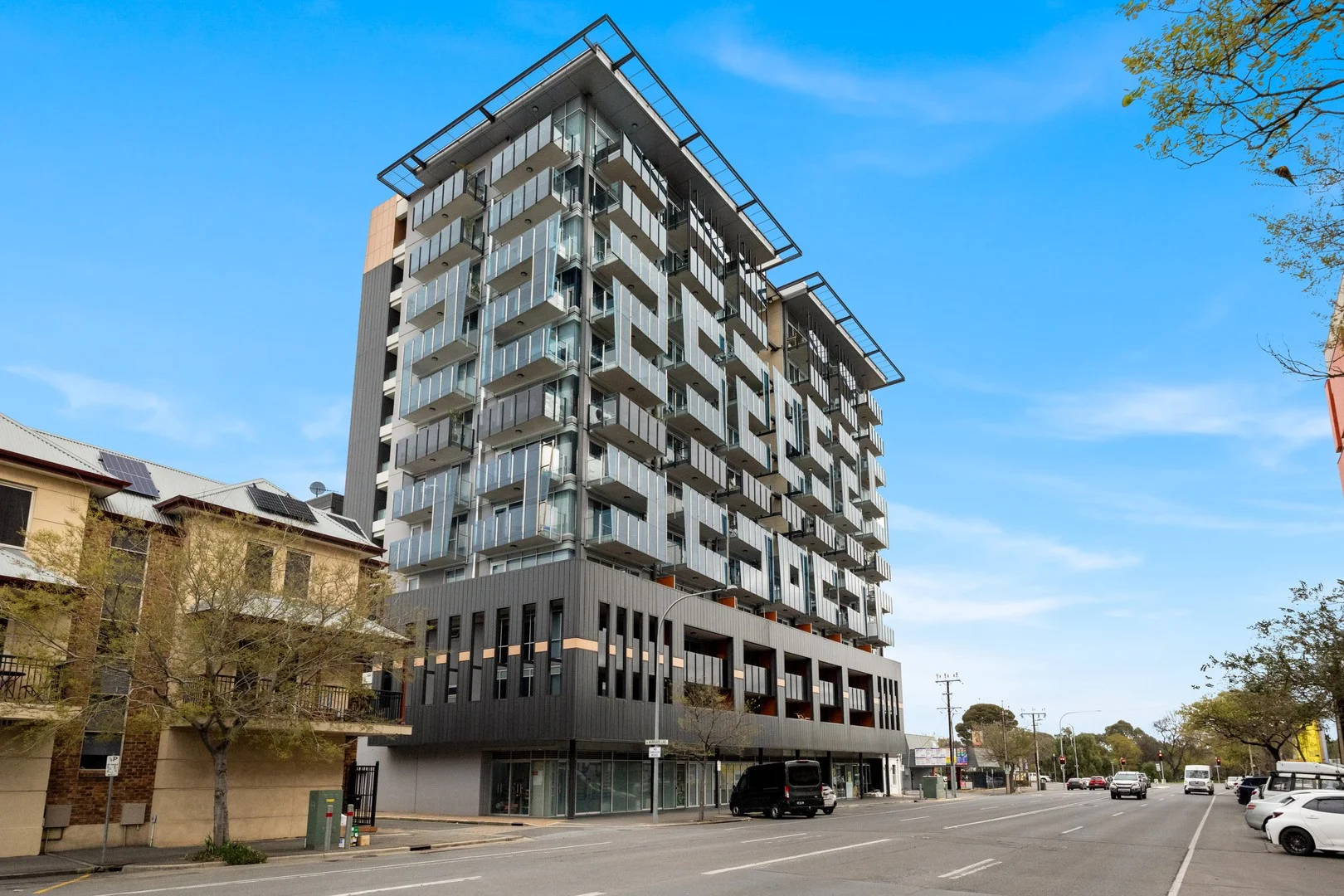 $1,100,000
Apartment / Unit / Flat
$1,100,000
Apartment / Unit / Flat
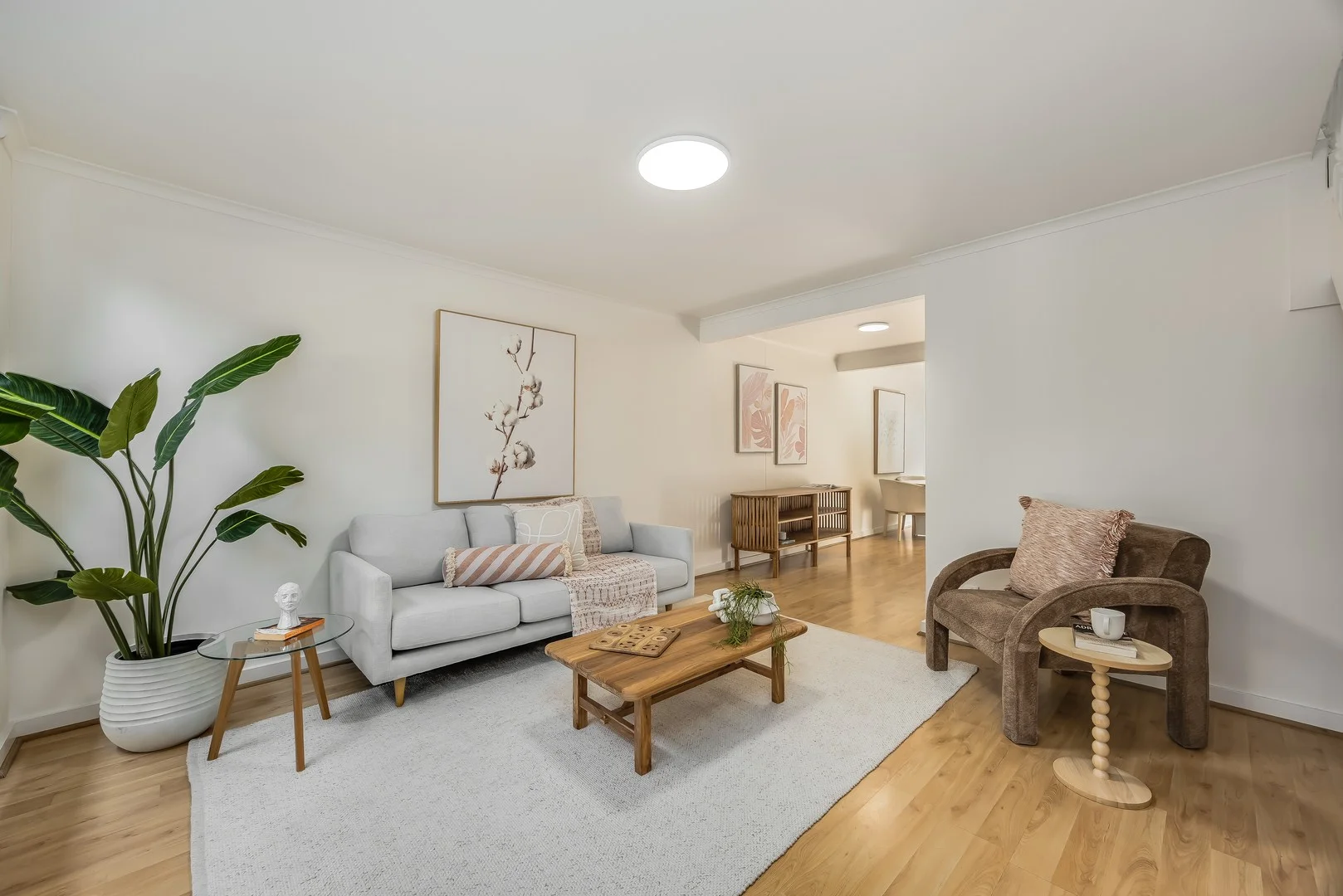 $775,000
House
$775,000
House
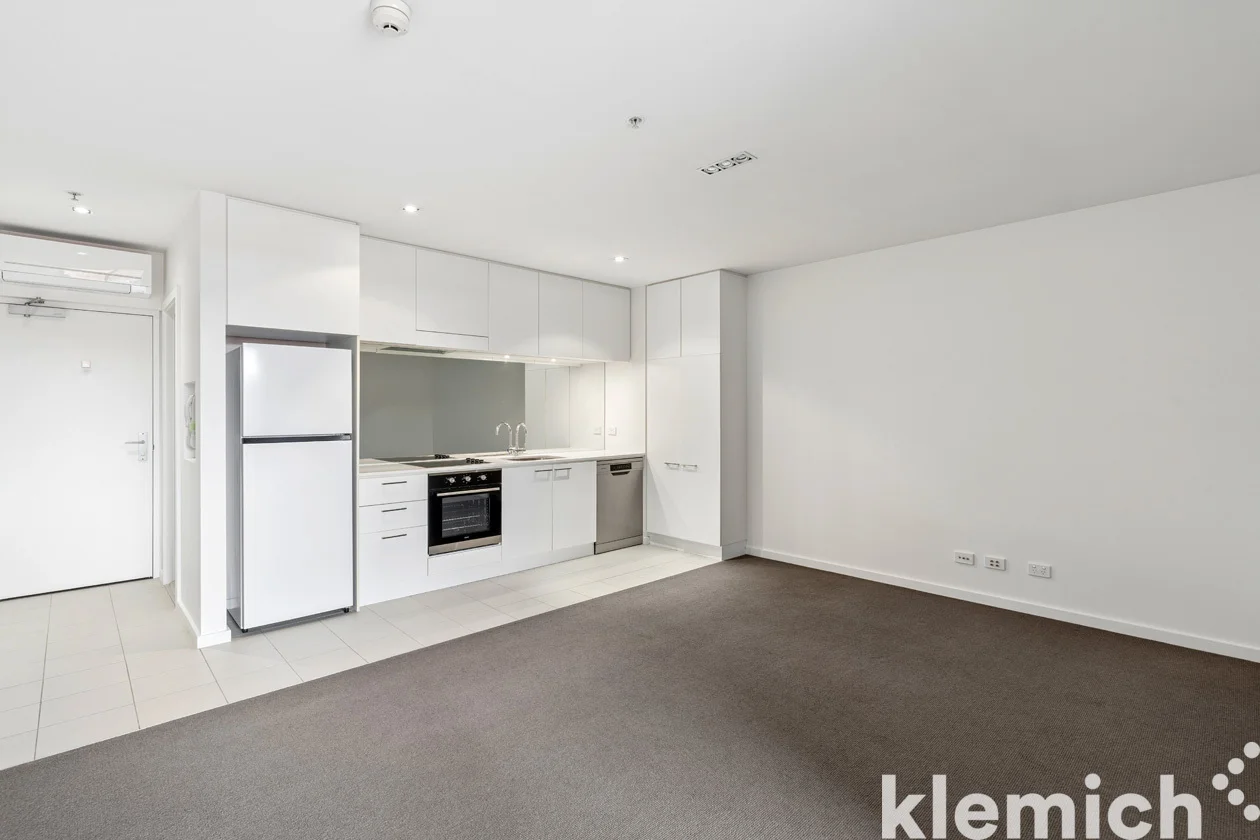 $440,000
Apartment / Unit / Flat
$440,000
Apartment / Unit / Flat
 $588,000
Apartment / Unit / Flat
$588,000
Apartment / Unit / Flat
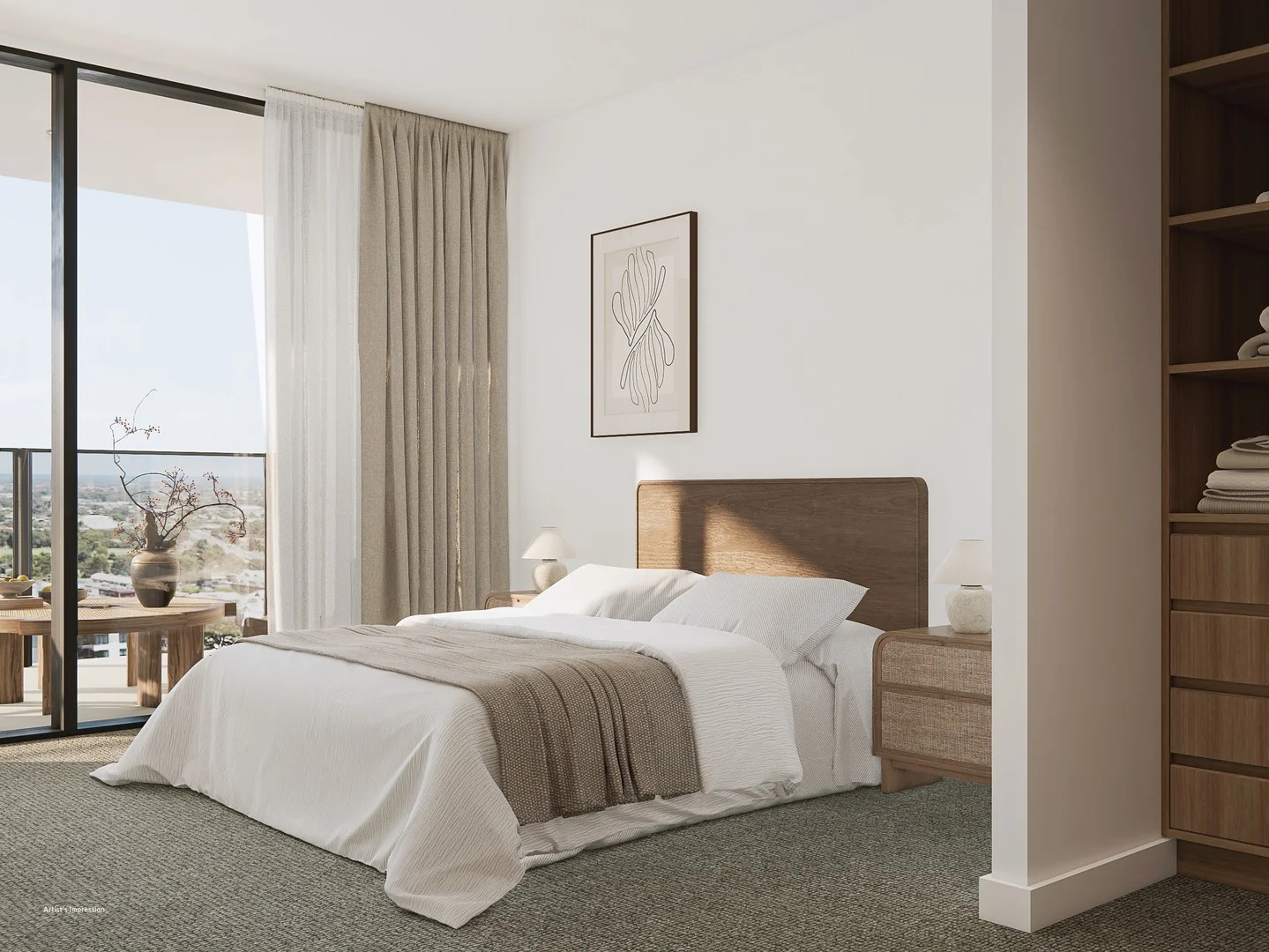 $935,000
Apartment / Unit / Flat
$935,000
Apartment / Unit / Flat
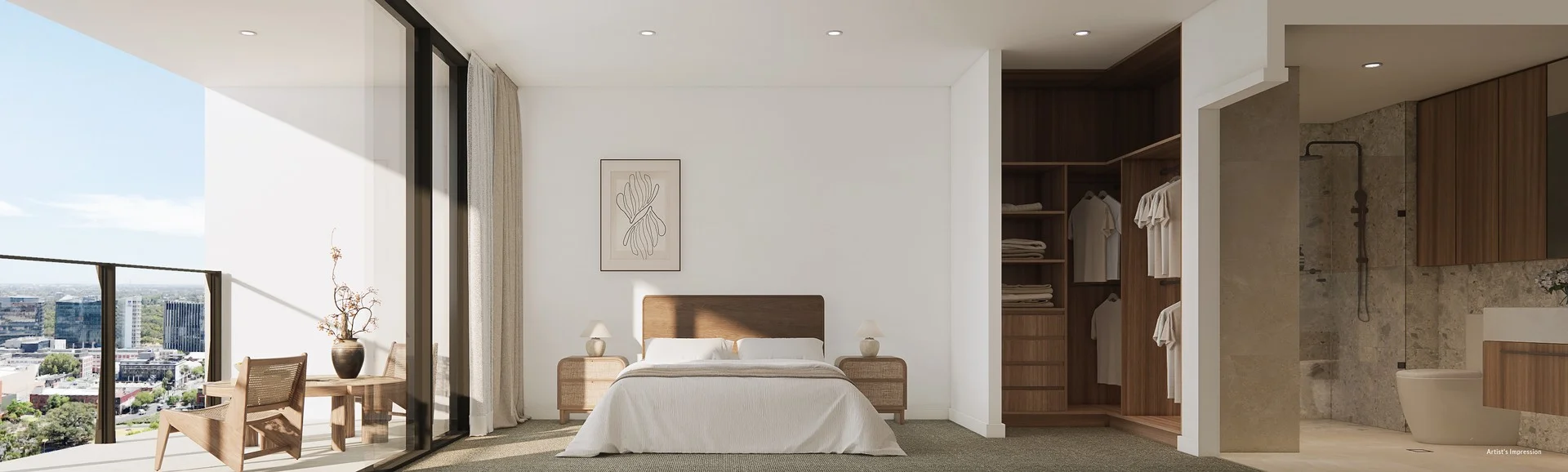 $1,056,000
Apartment / Unit / Flat
$1,056,000
Apartment / Unit / Flat
 $557,000
Apartment / Unit / Flat
$557,000
Apartment / Unit / Flat
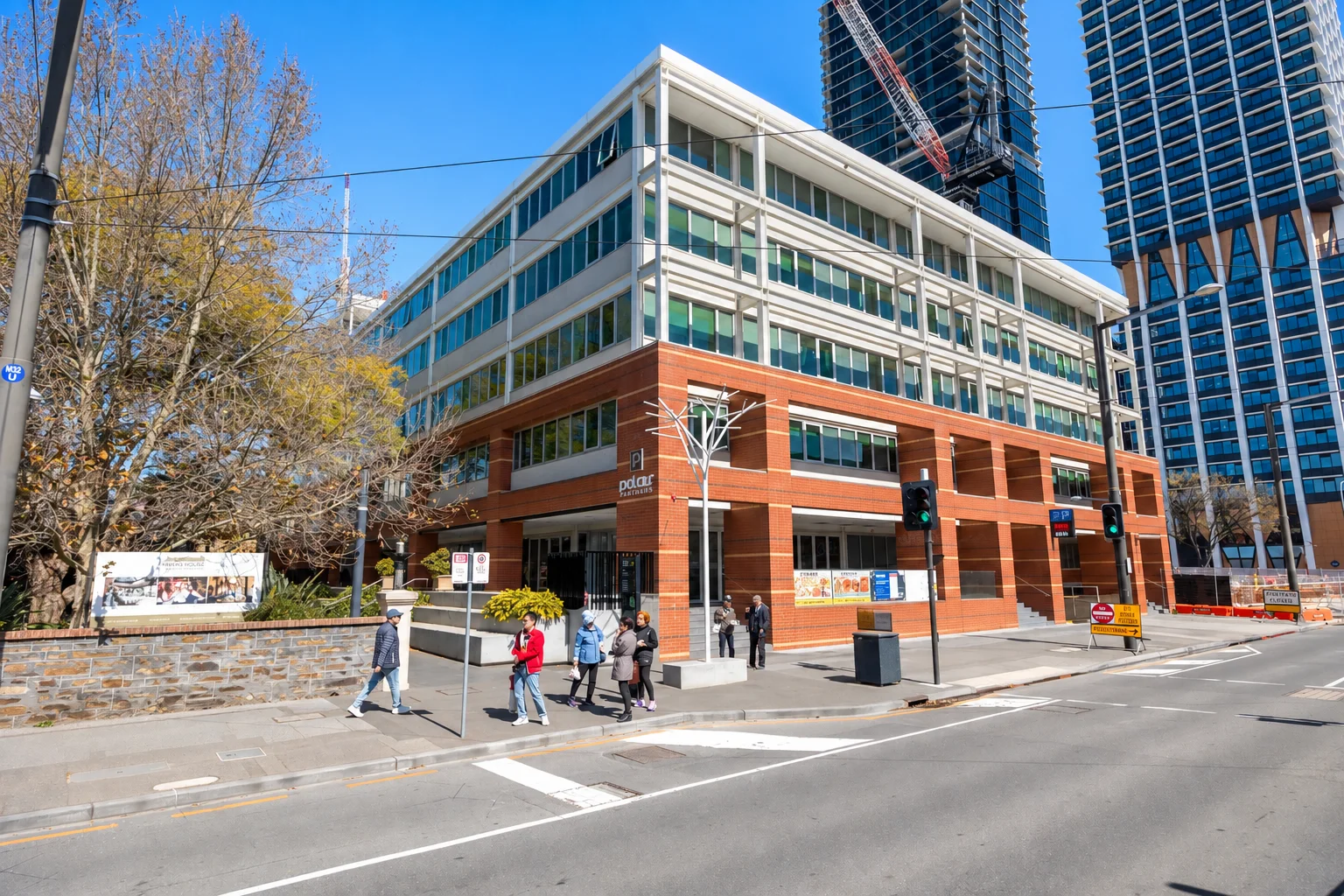 $545,000
Apartment / Unit / Flat
$545,000
Apartment / Unit / Flat