## 1. Overview
Vermont Primary School is a public, co-educational primary school serving families in the eastern suburbs of Melbourne. It emphasises a welcoming, community-focused environment where students are supported to develop academically while growing as responsible, confident individuals. The school aims to balance strong learning with well-being and inclusive participation across activities.
- School type: Public
- School size: Medium
- Class size: Approximately 23–25 students per class
- Atmosphere/culture: Inclusive, nurturing, academically oriented with a supportive sense of community and a focus on sport and whole-child development
⸻
## 2. Academics & Learning
Vermont Primary School prioritises foundational literacy and numeracy while providing opportunities in STEM, the arts, and physical education. The school supports students to develop critical thinking, creativity, and collaboration through a range of engaging learning experiences.
- Academic strengths: English/literacy, numeracy, STEM, visual arts and music; emphasis on literacy and thinking skills
- Special programs: Gifted and talented pathways, targeted intervention and support for varied learning needs, opportunities for accelerated learning where appropriate
- NAPLAN trends: Steady improvement and solid performance in reading and numeracy with consistent year-to-year progress; focus on closing learning gaps
- Student-teacher ratios: Moderate ratios that allow for targeted instruction; class sizes around 23–25 with support staff as needed
- Support for diverse learners: EAL support, learning support teams, SEN coordination, inclusive education strategies, access to allied services
⸻
## 3. Sports & Extracurricular Strengths
Extracurriculars at Vermont Primary School support a well-rounded development and are popular with families.
- Sports offered: Athletics, basketball, netball, cricket, soccer, cross-country, swimming
- Strong teams or achievements: Active participation in inter-school events and district-level competitions; emphasis on sport as part of a healthy, team-based culture
- Music, arts, drama programs: Regular music sessions, choir, school concerts, and drama activities
- Clubs: Robotics, coding, chess, debating, and other extension clubs
- Partnerships: Connections with local clubs and community organisations for competitions and enrichment
⸻
## 4. Wellbeing & Pastoral Care
Wellbeing and supportive relationships are central to daily life at Vermont Primary School.
- Anti-bullying approach: Positive behaviour framework and clear anti-bullying policies; emphasis on respectful relationships
- House system: House-based activities that foster belonging and healthy competition
- Counsellors / wellbeing officers: Dedicated wellbeing staff and access to counselling as part of student support
- Transition support for new students: Buddy programs, orientation activities, and transition arrangements to ease starting at the school
⸻
## 5. Facilities
The school facilities support a broad curriculum and active learning.
- Sports grounds: Outdoor fields and courts for a range of activities
- Libraries: Welcoming library spaces that support reading and research
- Science labs: Engaging science spaces for hands-on learning
- Music/performing arts centers: Dedicated spaces for music and drama
- Tech/innovation labs: ICT and fabrication-related spaces to support digital learning
- Cafeteria: On-site dining and healthy meal options
- Updated playgrounds: Well-maintained play areas and equipment
⸻
## 6. School Values & Community Culture
Vermont Primary School emphasises values-based education within a inclusive community culture.
- School values / mission: Respect, responsibility, resilience, and inclusion underpin day-to-day learning
- Leadership style: Collaborative leadership with strong student voice and active parent involvement
- Behaviour expectations: Clear codes of conduct and restorative practices to address issues constructively
- Community reputation: Known for a welcoming, supportive, and active school community
- Diversity & inclusion: Accessible to families from diverse backgrounds with programs and practices supporting inclusion
⸻
## 7. School Logistics & Daily Operations
Practical information helps families plan around the school day.
- School hours: Typical school day with start and finish times aligned to the state timetable
- Before/after school care: OSHC or similar programs available on-site or nearby
- Uniform requirements: Standard school uniform; practical guidelines and purchasing information provided
- Transport (train/bus routes): Bus routes and public transport access nearby; car drop-off zones and parking managed on site
- Canteen availability: Canteen service with healthy options on selected days
- Fees (low/medium/high ranges): Generally low to moderate for a government primary school; minimal charges for excursions and activities
⸻
## 8. Enrolment & Admissions
11. What is the enrolment process and timeline?
- Enrolment is typically handled through the local district process. Parents submit an application via the designated regional authority, provide required documentation (proof of age, immunisation records, residency details), and participate in any school or district timetables for offers. Intake timelines usually align with the school year, with offers communicated within the district’s published timetable.
12. Is there a waiting list, and how does it work?
- Yes, demand can exceed places at times. The school/district manages a waitlist based on catchment and placement priorities. Families can join the waitlist if a place isn’t immediately available; movement is typically driven by new enrolments or transfers.
13. Are there any entry requirements, tests, or interviews?
- Generally, there are no entrance tests for public primary schools. Admissions focus on eligibility (age, residency/catchment) and immunisation status. Some schools may have informal orientation or information sessions but exams or formal interviews are uncommon for a primary entry.
14. Does the school accept mid-year transfers?
- Mid-year transfers are possible if a place is available. Families should contact the school promptly, provide supporting records (past report cards, immunisation details, and enrolment documents), and follow the district’s transfer process.
⸻
## 9. Frequently Asked Questions
- Why Parents Choose This School?
- A welcoming, inclusive culture with strong wellbeing support, solid literacy and numeracy programs, and active family engagement.
- What type of student thrives at this school?
- Curious, respectful, and motivated students who value community, collaboration, and a balanced approach to academics, sport, and arts.
- What opportunities are available for students to extend their skills (academics, sports, arts)?
- Extended literacy/numeracy supports, gifted and talented pathways, STEM and coding clubs, arts and drama programs, and a range of sporting opportunities and inter-school events.
- How does the school communicate with parents?
- Regular newsletters, classroom updates, parent-teacher interviews, and online platforms used for announcements and student progress.
- What is the school’s approach to teaching and learning?
- Student-centered, curriculum-aligned learning with emphasis on literacy, numeracy, inquiry, and digital literacy; inclusive practices to support all learners.
- How does the school support students who need extra academic help?
- Targeted intervention groups, learning support staffing, EAL and SEN supports, and small-group instruction.
- What support is available for academic challenges?
- Access to tutoring-like supports within the school, adjustments and accommodations where needed, and collaboration with families to monitor progress.
- How does the school communicate with parents?
- (See above) Regular updates and open channels for feedback and involvement.
- What are the class sizes and how much individual attention do students receive?
- Class sizes are around 23–25 students, with teachers able to provide targeted support within the school day and through small-group work.
- What extracurricular and sports opportunities are available?
- A range of sports (athletics, netball, cricket, soccer, etc.), plus clubs such as robotics, coding, chess, debating, and arts programs.
- What facilities does the school offer (sports, science, arts)?
- On-site sports grounds, libraries, science labs, music/drama spaces, and tech/innovation labs, plus a cafeteria and updated play spaces.
- What is the school’s approach to technology and digital learning?
- Integration of ICT tools across lessons, use of interactive whiteboards, and access to appropriate devices and software to support digital literacy.
- What transport and accessibility options are available?
- Bus routes and public transport options nearby; car drop-off zones and accessible facilities; clear communication about travel plans.
- What are the typical school fees or additional costs?
- Generally low to moderate for a government primary school; some costs for excursions, camps, or optional activities.
⸻
## 10. Short Pros & Cons
Pros
- Strong sense of community and supportive staff
- Good focus on wellbeing and student welfare
- Solid core academics with opportunities in STEM, arts, and sport
- Broad range of extracurricular activities and clubs
- Accessible facilities and welcoming environment
Cons
- Demand can lead to waiting lists or competitive placement in some intake years
- Private or specialist programs may offer additional options outside the public system
- Transport logistics may vary for families outside immediate catchment
⸻

 $22+
$22+











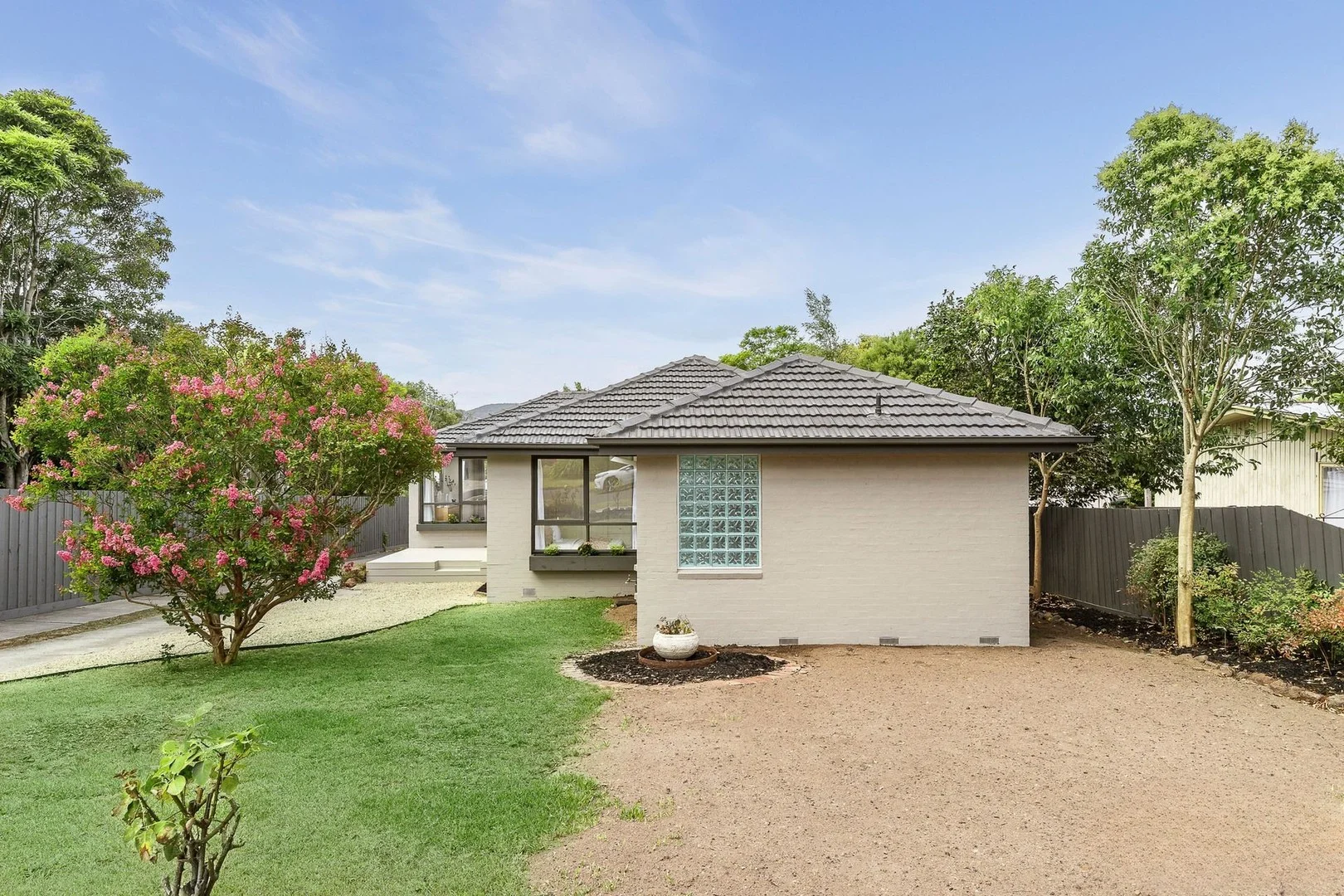 $700
Apartment / Unit / Flat
$700
Apartment / Unit / Flat
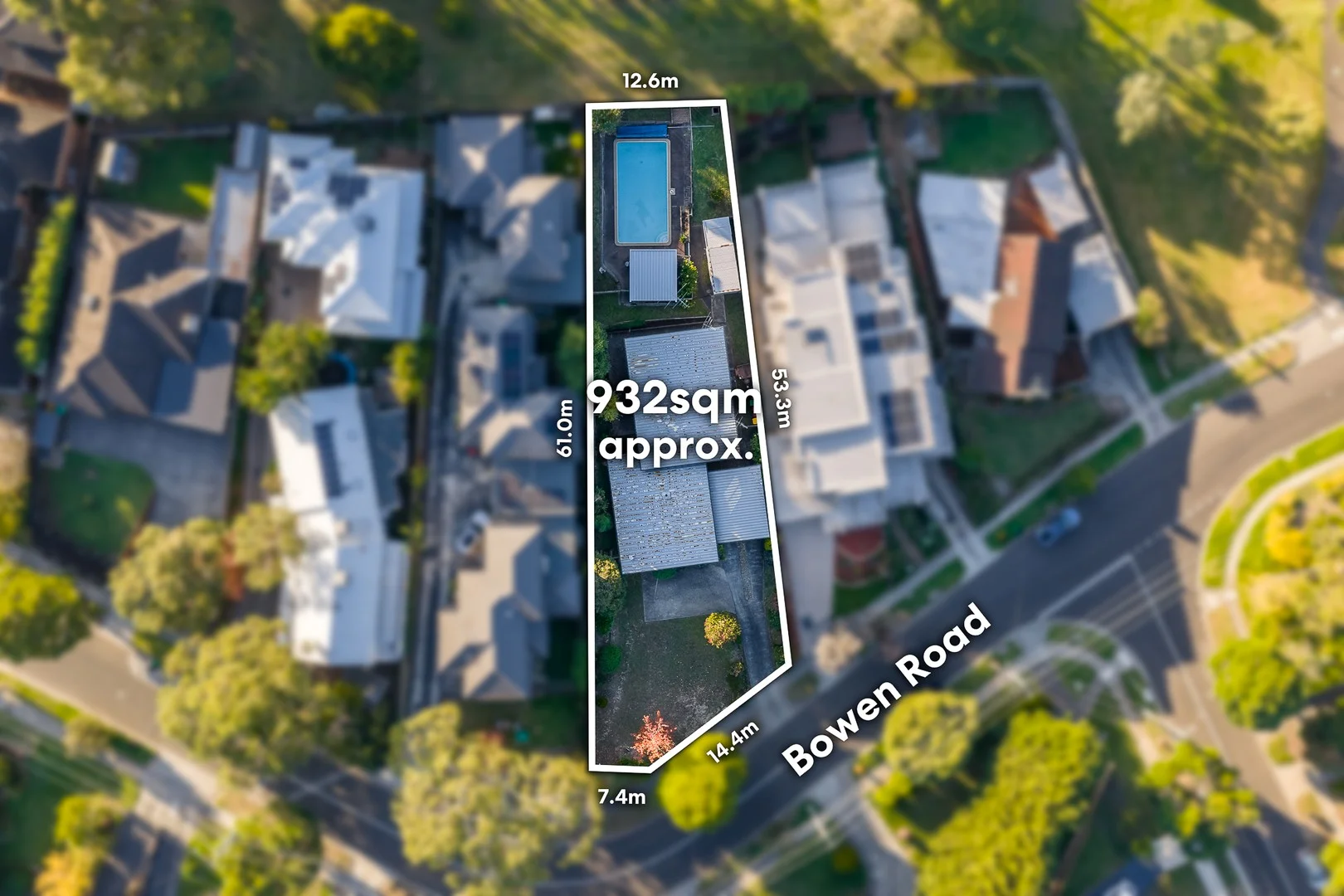 $1,300,000 - $1,400,000
House
$1,300,000 - $1,400,000
House
 $1,300,000
House
$1,300,000
House
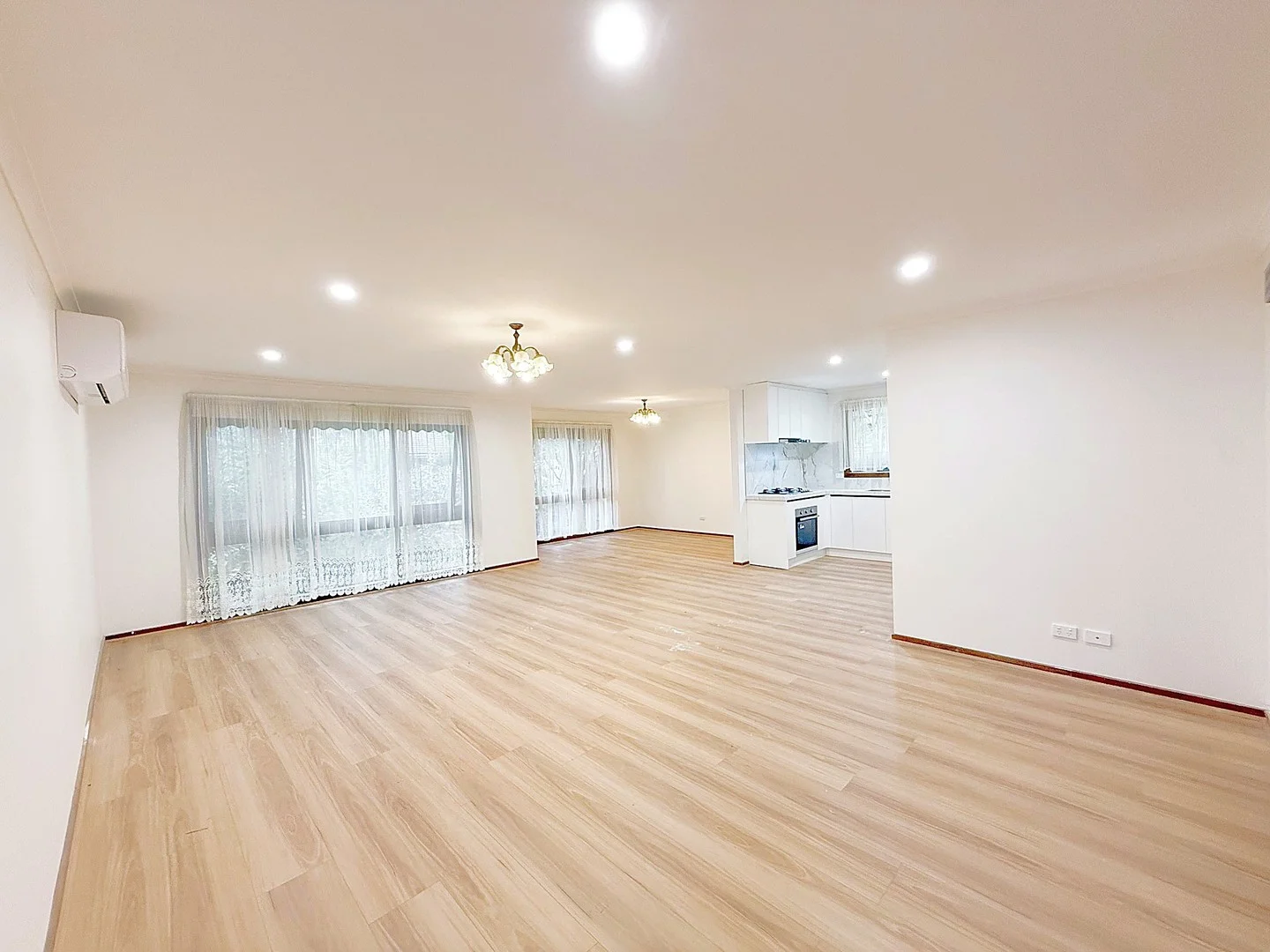 $1,100
House
$1,100
House
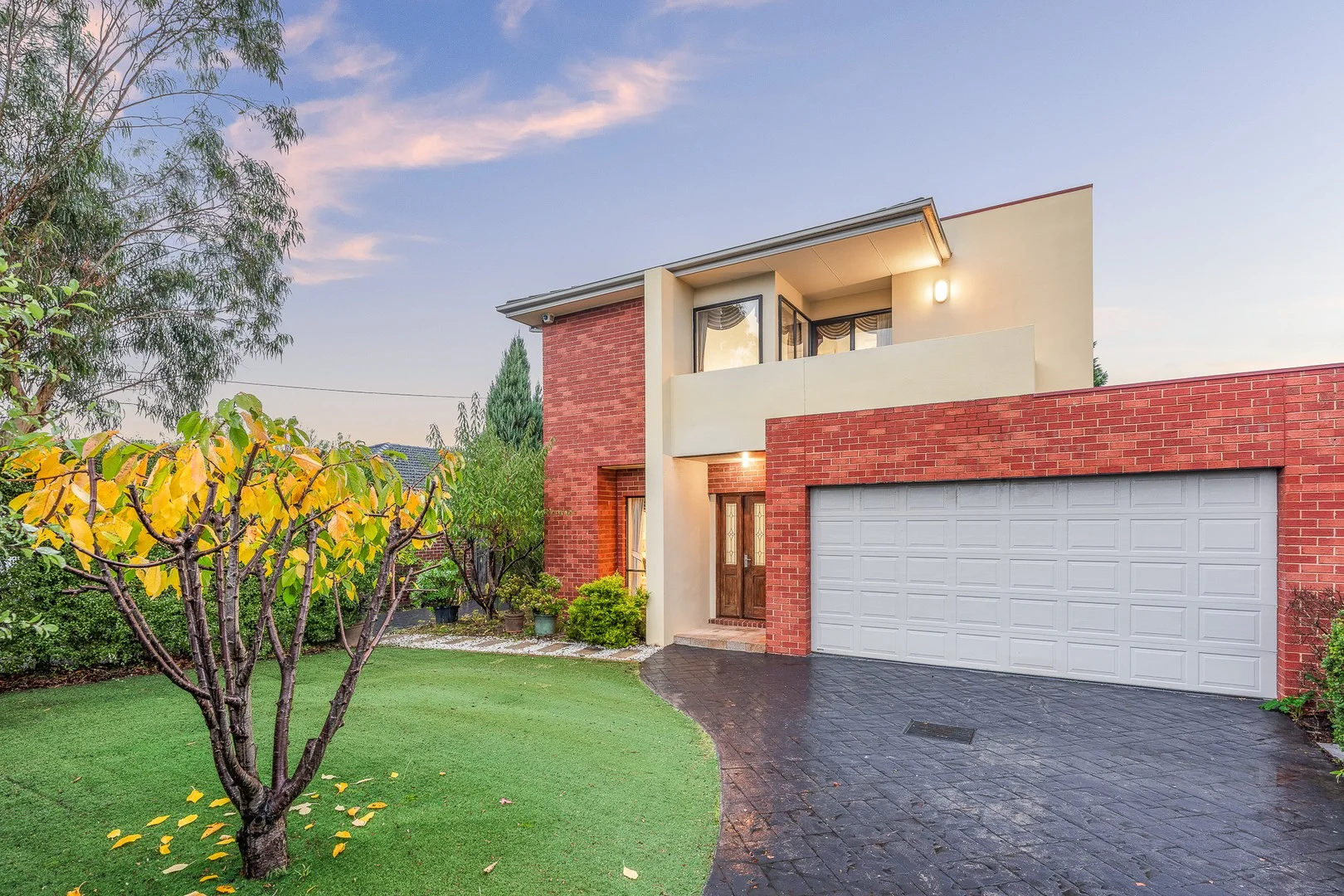 $1,150,000 - $1,250,000
Townhouse
$1,150,000 - $1,250,000
Townhouse
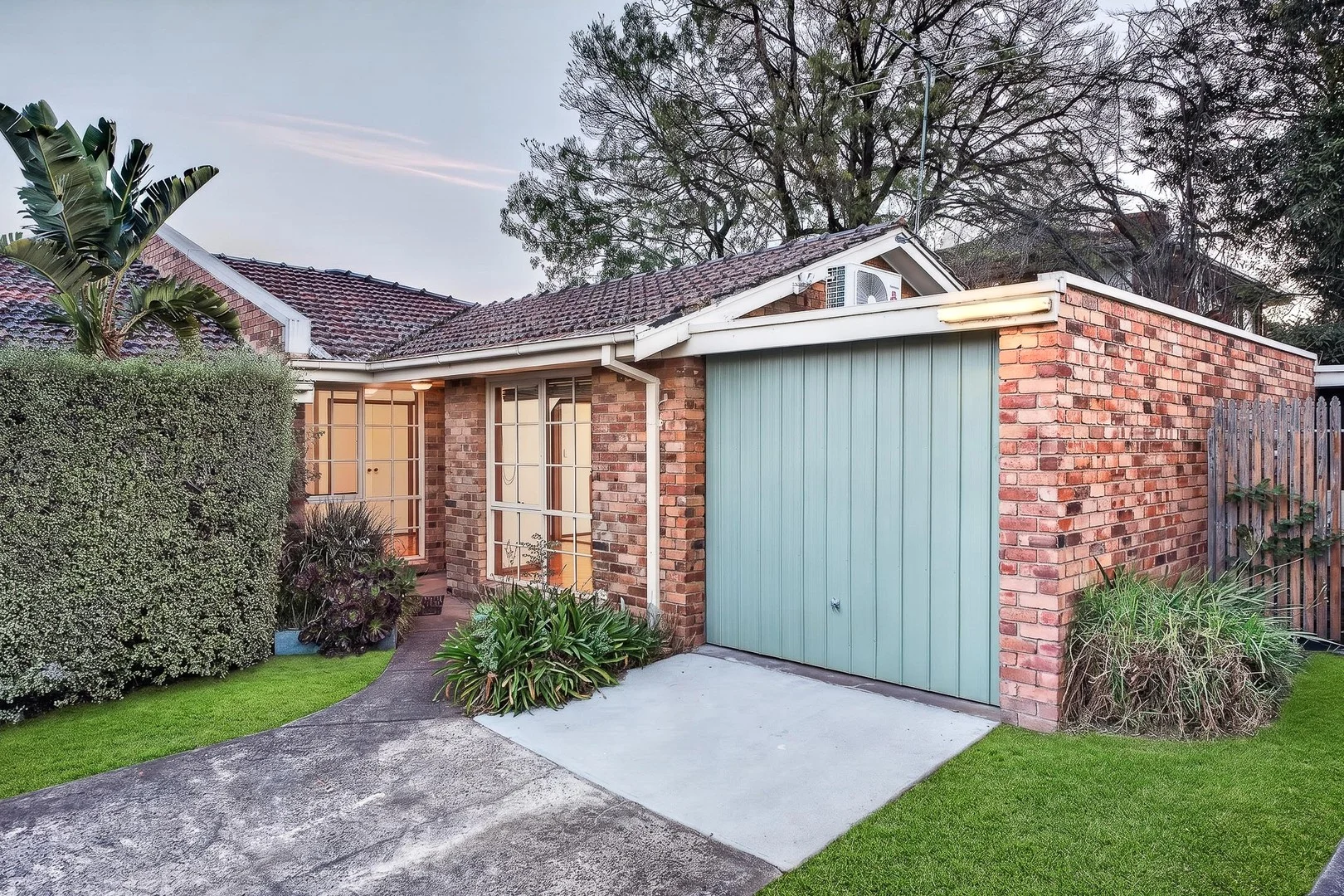 $765,000 - $825,000
Apartment / Unit / Flat
$765,000 - $825,000
Apartment / Unit / Flat
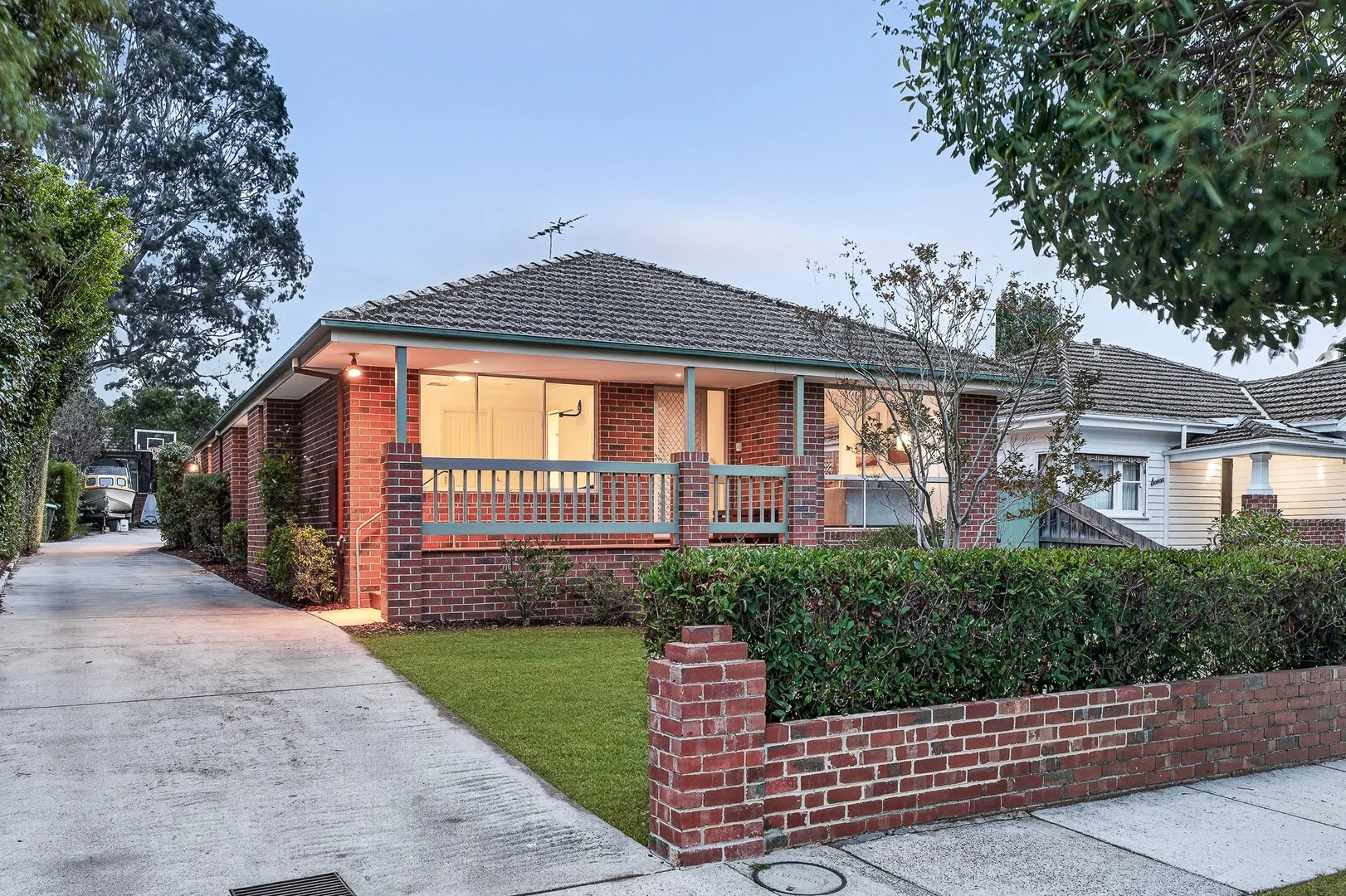 $1,200,000 - $1,300,000
House
$1,200,000 - $1,300,000
House
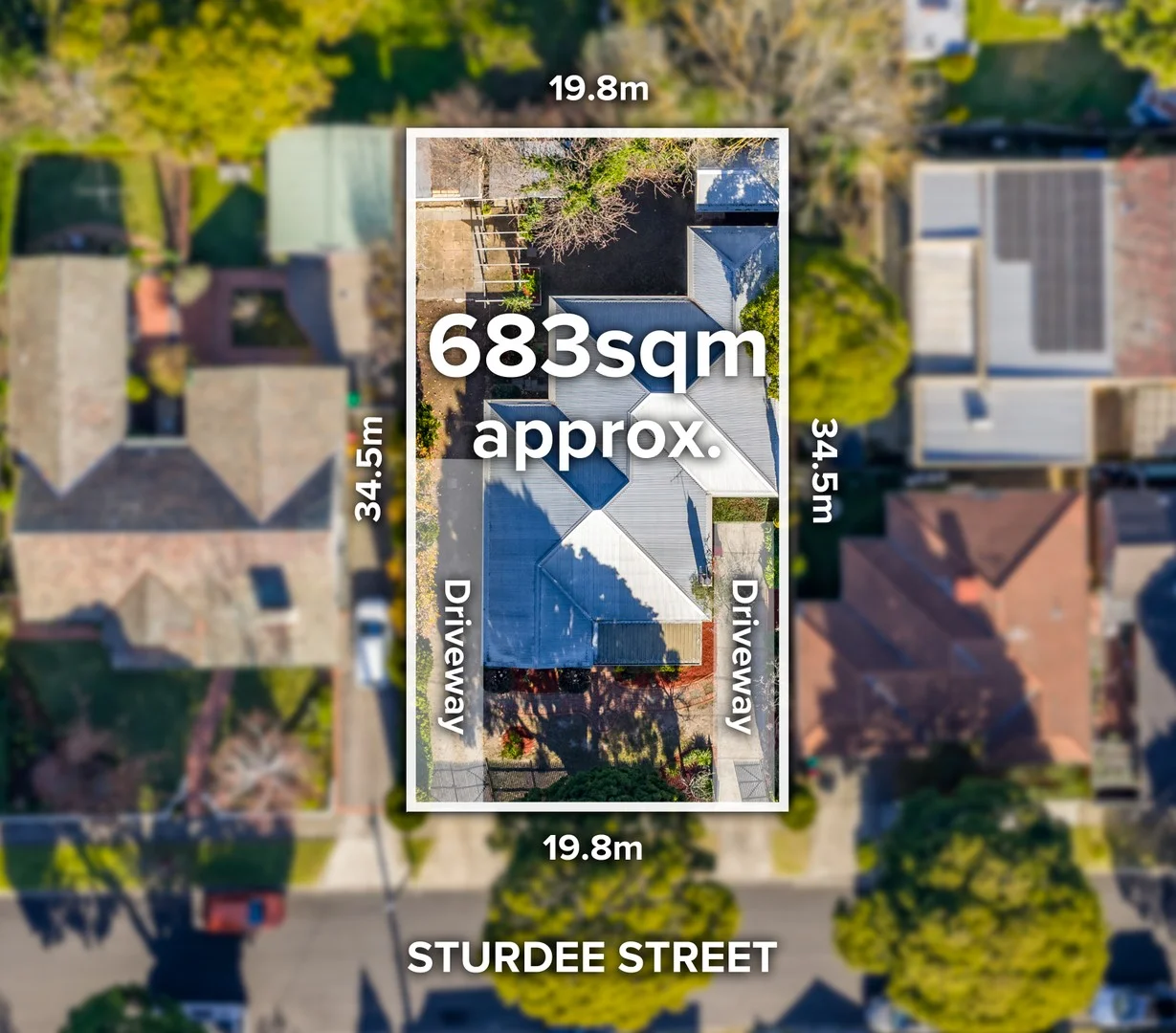 $2,000,000
House
$2,000,000
House
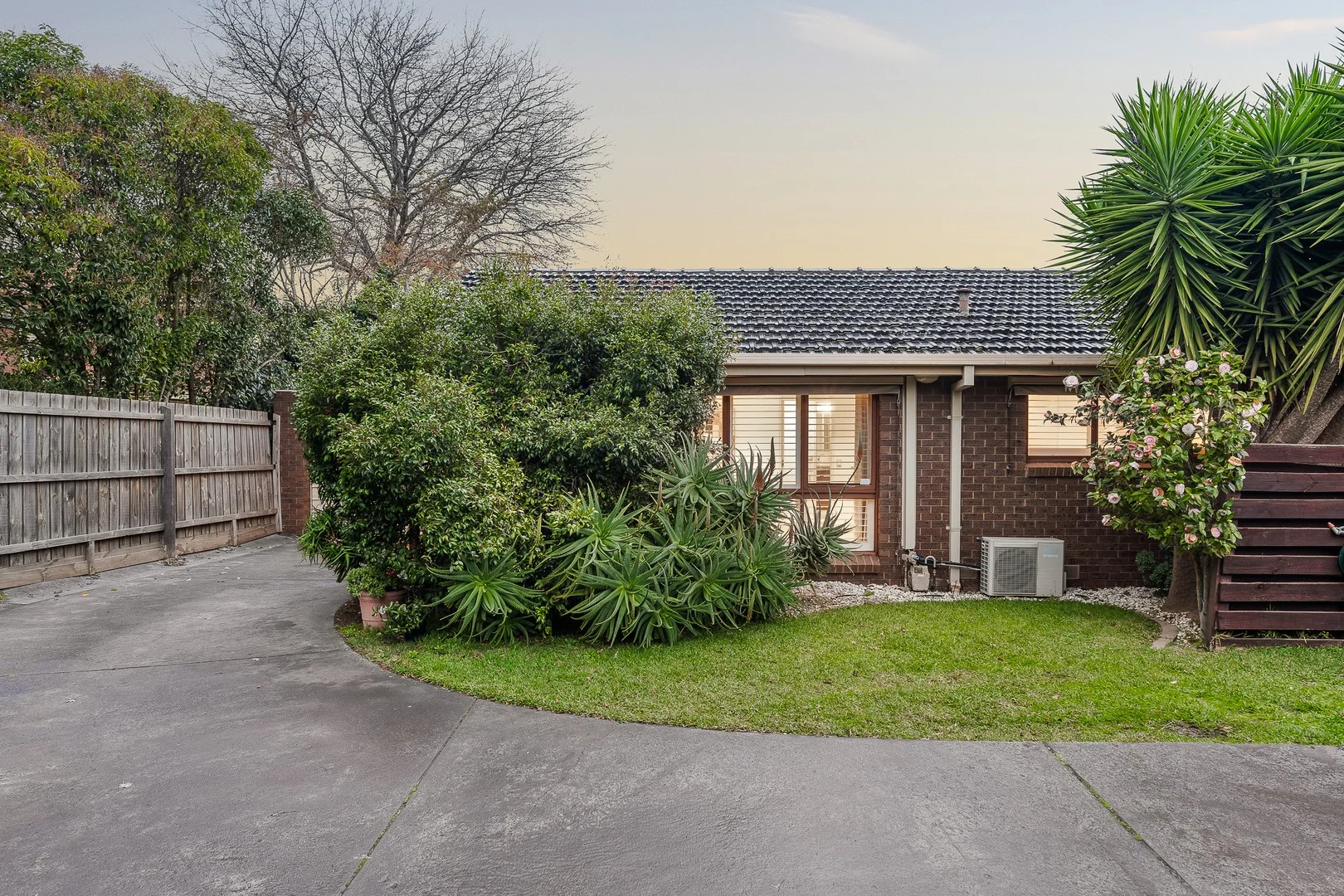 $770,000 - $820,000
Apartment / Unit / Flat
$770,000 - $820,000
Apartment / Unit / Flat


