## 1. Overview
Cowandilla Primary School is a public, co-educational primary school serving students in the Cowandilla area (postcode 5033). The school operates as a mid-sized campus within the Adelaide metropolitan area, with class sizes typically around 20–25 students to support individualized attention while keeping a dynamic classroom atmosphere. The school emphasizes a nurturing, inclusive culture where curiosity, collaboration and respect are encouraged.
The atmosphere is family-like and community-focused, with a strong emphasis on student well-being, teamwork and positive relationships among staff, students and families.
⸻
## 2. Academics & Learning
Cowandilla Primary School prioritizes literacy and numeracy, with students developing strong foundational skills in English and mathematics. There are deliberate opportunities to engage with science, technology, engineering and maths (STEM) through hands-on activities and integrated learning. Digital learning is embedded to build 21st-century competencies, and students are given opportunities to develop leadership and communication skills through classroom roles and school initiatives.
Special programs may include differentiated learning pathways and opportunities for students to engage in accelerated or gifted/talented activities as part of school-based planning. NAPLAN trends for public primary schools in similar settings typically show steady progress and performance close to state averages, with the school focusing on targeted growth in reading and numeracy across year levels. Student-teacher ratios are structured to support individualized learning, with classrooms commonly around 1:15–1:20 in the early years and similar scales across the school. The school provides robust support for diverse learners, including EAL support and targeted intervention for students with SEN.
⸻
## 3. Sports & Extracurricular Strengths
- Sports offered: soccer, netball, AFL-inspired activities, cricket, athletics, cross-country, and general fitness/relief activities.
- Strong teams or achievements: involvement in inter-school and district events with opportunities to qualify for regional competitions; emphasis on teamwork and sportsmanship.
- Music, arts, drama programs: choir, school concerts, possible instrumental programs, and performing arts opportunities.
- Clubs: robotics, coding, chess, debating and other enrichment clubs are available or periodically offered.
- Partnerships: connections with local clubs and regional competitions to provide additional opportunities and exposure.
Many families look for active sports and broad extracurriculars, and the school aims to offer options that appeal to both boys and girls aged 10–14 and beyond.
⸻
## 4. Wellbeing & Pastoral Care
- Anti-bullying approach: explicit anti-bullying policies, clear reporting pathways, prevention programs and a positive-behavior framework to foster a safe school climate.
- House system: a house or team structure to promote belonging, healthy competition and cross-age mentoring.
- Counsellors / wellbeing officers: access to school wellbeing staff or counselors to support student health, resilience and emotional learning.
- Transition support for new students: orientation activities, buddy programs and transition planning to help students settle in smoothly.
This section is designed to build trust with families by showing a proactive, caring approach to student welfare and belonging.
⸻
## 5. Facilities
- Sports grounds: on-site fields or play areas suitable for PE and team sports.
- Libraries: a dedicated library space for reading, research and quiet study.
- Science labs: equipped spaces to support hands-on science learning.
- Music/performing arts centers: spaces for music, drama and performances.
- Tech/innovation labs: makerspace or digital learning labs to explore coding and design.
- Cafeteria: on-site canteen or lunch facilities offering healthy options.
- Updated playgrounds: modern, age-appropriate play spaces and outdoor learning areas.
The facilities are presented in a visually engaging, simple format to help parents picture daily student life.
⸻
## 6. School Values & Community Culture
- School values / mission: a focus on respect, responsibility, resilience, curiosity and kindness; a mission centered on well-being, inclusion and lifelong learning.
- Leadership style: collaborative and distributed leadership that encourages student voice and teacher collaboration; leadership opportunities for older students.
- Behaviour expectations: clear codes of conduct and restorative practices to address conflicts and support positive behavior.
- Community reputation: a respectful and inclusive community with active engagement from families and local stakeholders.
- Diversity & inclusion: commitment to welcoming students from diverse backgrounds and providing inclusive education practices.
This section helps parents understand the kind of student who thrives at the school and the community atmosphere they can expect.
⸻
## 7. School Logistics & Daily Operations
- School hours: typical school day runs during the standard primary-school window (e.g., around 8:45/9:00am start to 3:15pm finish, with variations by year level).
- Before/after school care: OSHC or other after-care options may be available on-site or nearby, with supervision outside school hours.
- Uniform requirements: school uniform policy (e.g., polo shirt or school polo with logo, navy shorts/skirt, appropriate footwear; summer/winter options as per policy).
- Transport (train/bus routes): local bus routes and public transport access; families encouraged to check current transport options with local services.
- Canteen availability: canteen operates on specific days with healthy options; payment and ordering arrangements typically in place.
- Fees (low/medium/high ranges): as a public school, base education is funded; families may incur voluntary contributions, activity charges, excursions and uniform costs.
The daily operations section provides a concise snapshot of what families need to plan for day-to-day life at the school.
⸻
## 8. Enrolment & Admissions
11. What is the enrolment process and timeline?
- Enrolment typically involves submitting an application within the school’s enrolment period, followed by confirmation of placement subject to available places. The timeline usually includes an offer or notification window for the upcoming school year, with procedures coordinated through the school and local education authority.
12. Is there a waiting list, and how does it work?
- Waiting lists may apply if year levels reach capacity. Allocation follows enrolment priority rules (e.g., local catchment first) and availability in the requested year level.
13. Are there any entry requirements, tests, or interviews?
- In most cases, there are no formal entrance examinations. Some schools may conduct a brief interview or initial meeting with families to discuss needs and to confirm enrolment details and transition plans.
14. Does the school accept mid-year transfers?
- Mid-year transfers are considered if places are available. Families should contact the school to discuss timelines, enrolment documentation and transition supports.
⸻
## 9. Frequently Asked Questions
- Why Parents Choose This School?
- A supportive, inclusive culture with strong focus on well-being, small to mid-sized classes and a broad range of learning and enrichment opportunities.
- What type of student thrives at this school?
- Curious, respectful, collaborative learners who enjoy participating in a range of academic, sport and arts activities and who respond well to a supportive, community-minded environment.
- What opportunities are available for students to extend their skills (academics, sports, arts)?
- Enrichment through differentiated learning, STEM activities, coding and robotics clubs, music and drama programs, sports teams and inter-school competitions.
- How does the school communicate with parents?
- Regular updates via newsletters, emails, school apps or portals, and scheduled parent-teacher meetings; open channels for feedback and inquiries.
- What is the school’s approach to teaching and learning?
- Evidence-informed, student-centered instruction with explicit teaching, differentiation, and opportunities for hands-on, inquiry-based learning and digital literacy.
- How does the school support students who need extra academic help?
- Targeted interventions, reading and numeracy supports, EAL assistance, SEN support and small-group or one-to-one coaching where required.
- What support is available for academic challenges?
- Diagnostic review, tailored learning goals, progress monitoring and adjustments to teaching strategies and resources.
- How does the school communicate with parents? (duplicate)
- See above.
- What are the class sizes and how much individual attention do students receive?
- Class sizes are typically around 20–25 students, with differentiated instruction and targeted support to balance group learning with individual attention.
- What extracurricular and sports opportunities are available?
- A range of sports, clubs and arts options, including robotics, coding, chess and debating, with opportunities to participate in inter-school events.
- What facilities does the school offer (sports, science, arts)?
- Sports grounds, library, science labs, music/performing arts spaces, tech/innovation labs, canteen and updated playgrounds.
- What is the school’s approach to technology and digital learning?
- Integration of digital tools and devices to support learning, with safe, age-appropriate use and emphasis on digital literacy and responsible use.
- What transport and accessibility options are available?
- Access to local bus routes and public transport; information on travel options typically provided by the school or local transport authority.
- What are the typical school fees or additional costs?
- Public school tuition is funded; families may encounter voluntary contributions, excursions, camps and uniform costs.
⸻
## 10. Short Pros & Cons list
- Pros
- Public, community-focused environment with a nurturing culture
- Medium-sized classes that balance support with opportunities for peer interaction
- Broad range of academics, sports, arts and clubs
- Clear wellbeing framework and strong transition support
- Modern facilities including science, tech and performing arts spaces
- Cons
- As a public school, programs and resources may be distributed across the year; some enrichment opportunities may have enrollment limits
- Availability of mid-year transfers depends on capacity
- Uniform and occasional charges may be required for excursions and activities
⸻








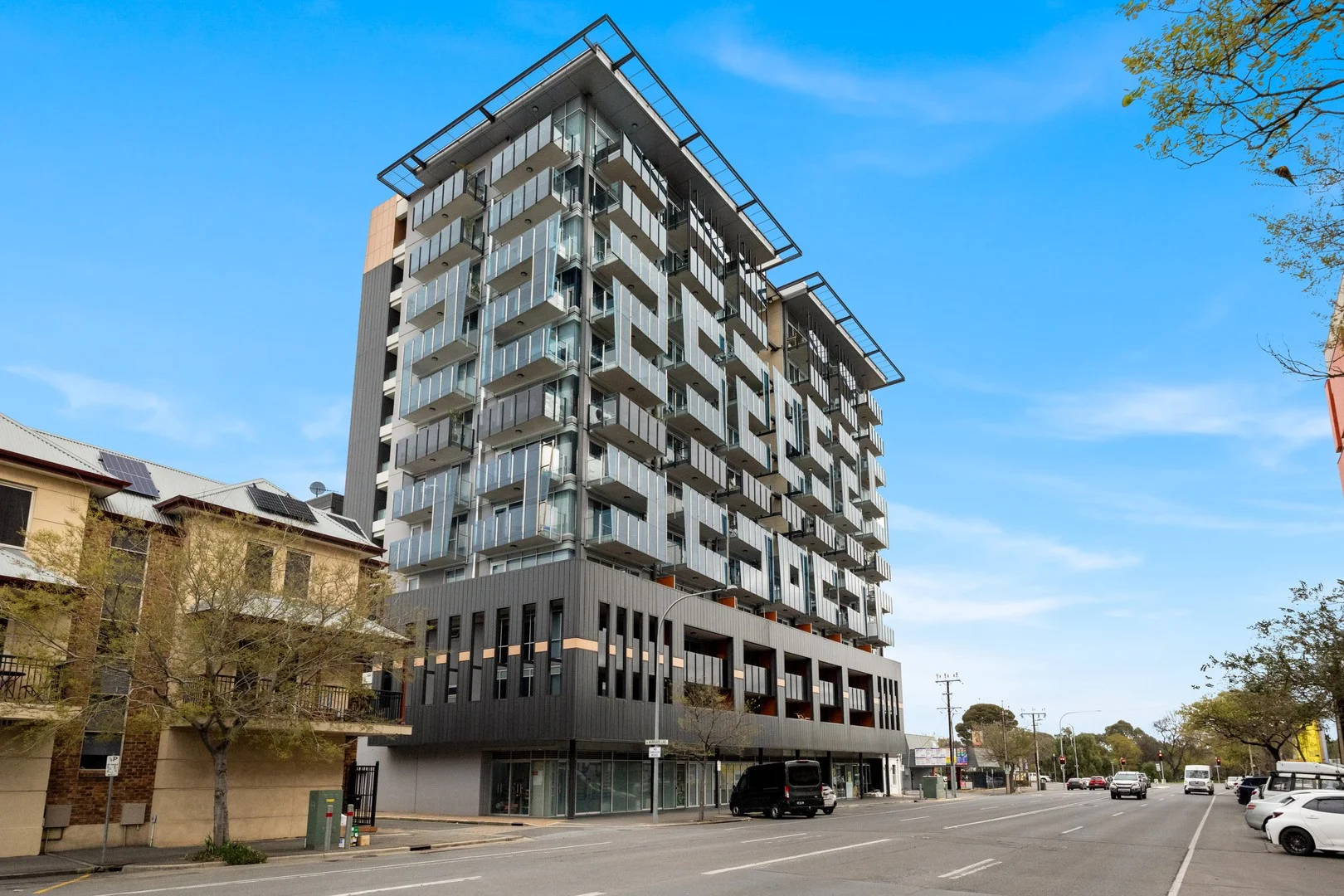 $1,100,000
Apartment / Unit / Flat
$1,100,000
Apartment / Unit / Flat
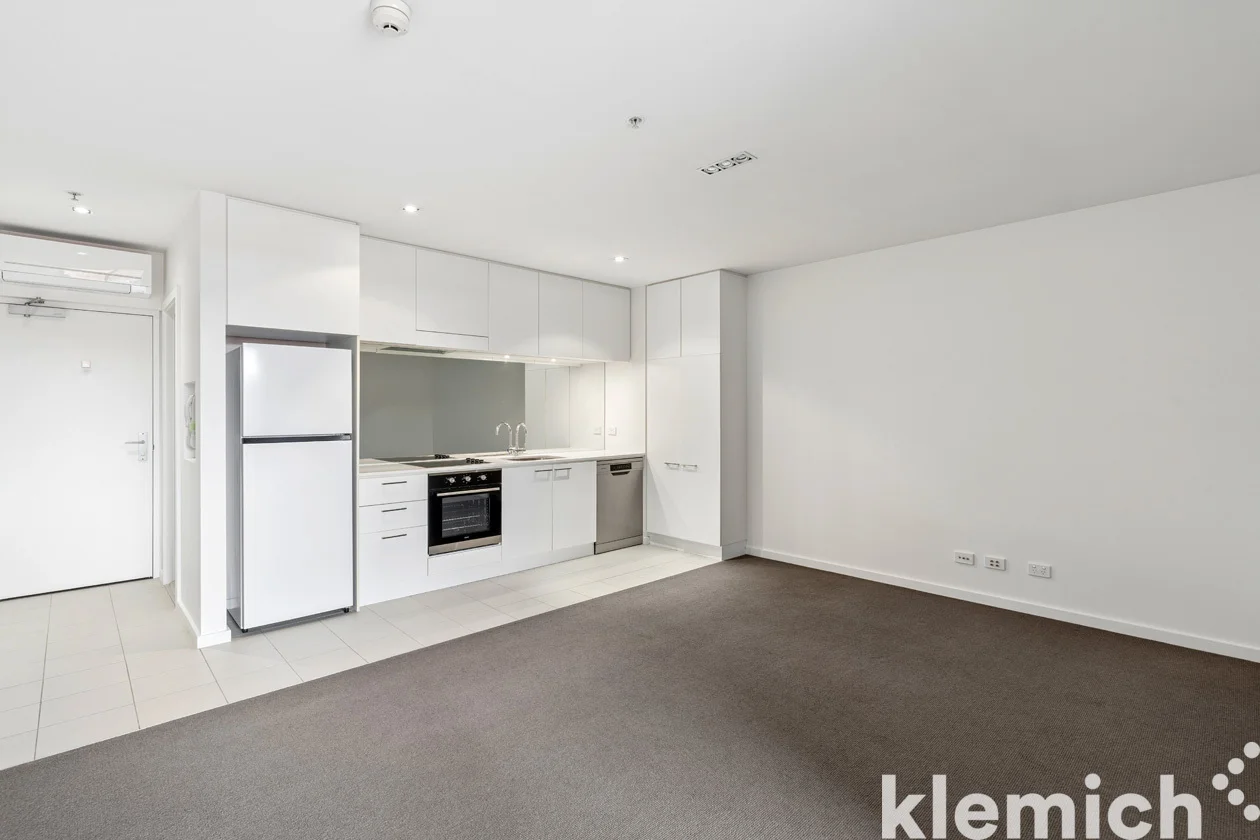 $440,000
Apartment / Unit / Flat
$440,000
Apartment / Unit / Flat
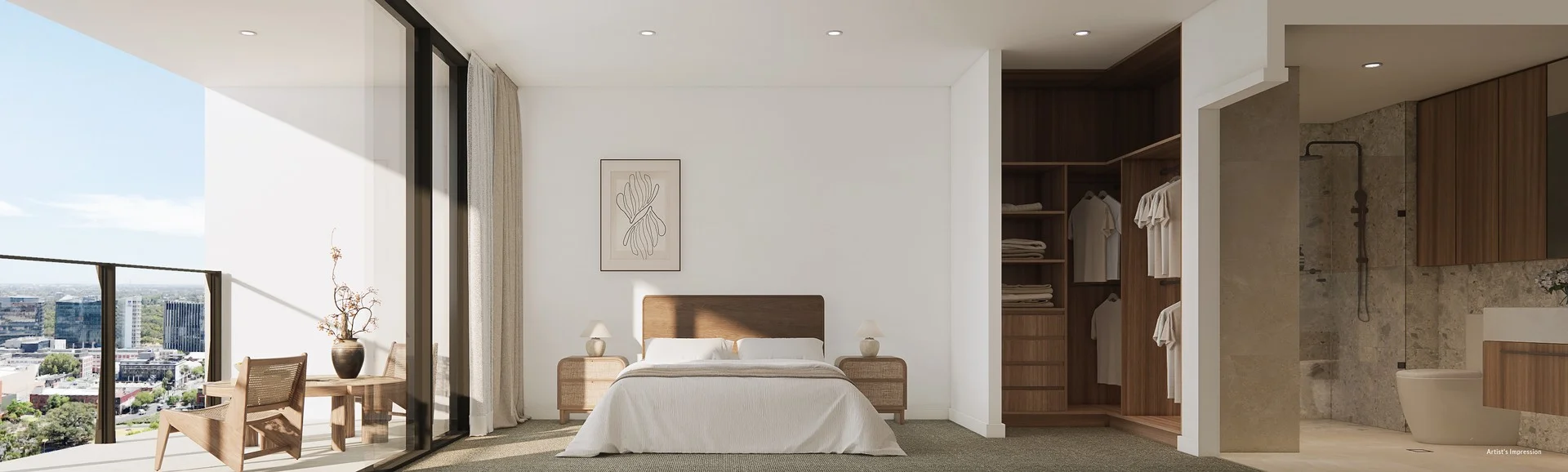 $1,056,000
Apartment / Unit / Flat
$1,056,000
Apartment / Unit / Flat
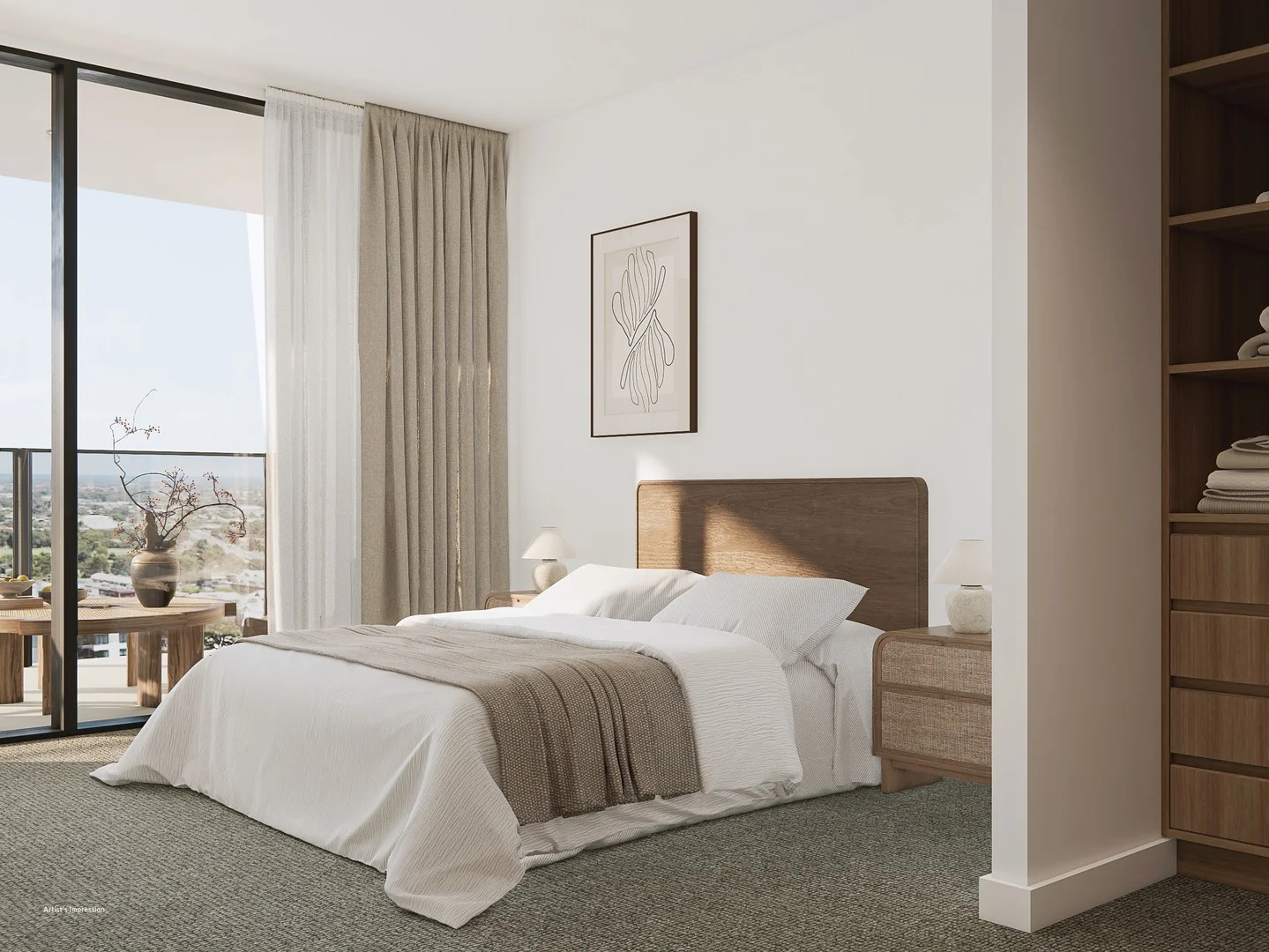 $935,000
Apartment / Unit / Flat
$935,000
Apartment / Unit / Flat
 $557,000
Apartment / Unit / Flat
$557,000
Apartment / Unit / Flat
 $588,000
Apartment / Unit / Flat
$588,000
Apartment / Unit / Flat
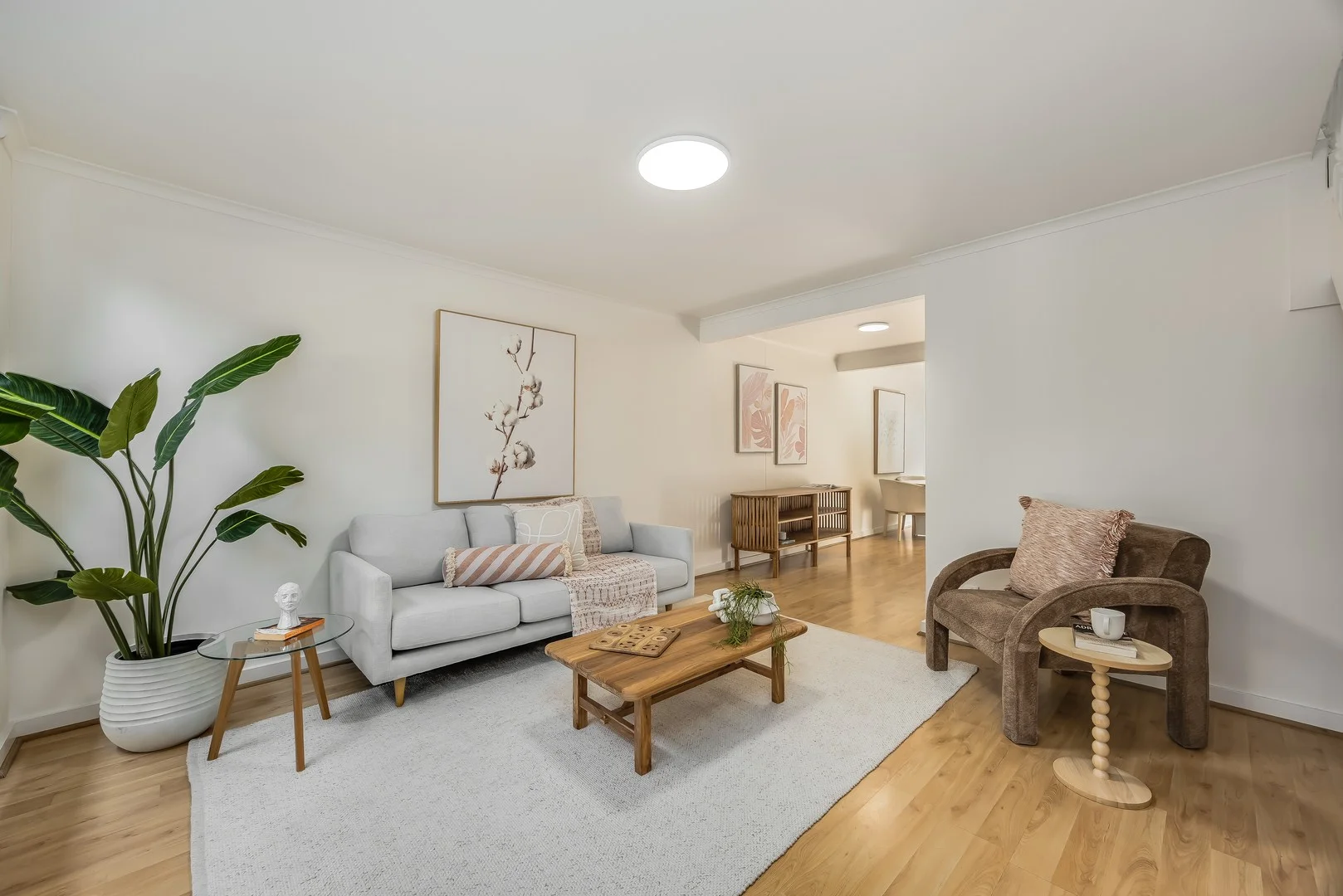 $775,000
House
$775,000
House
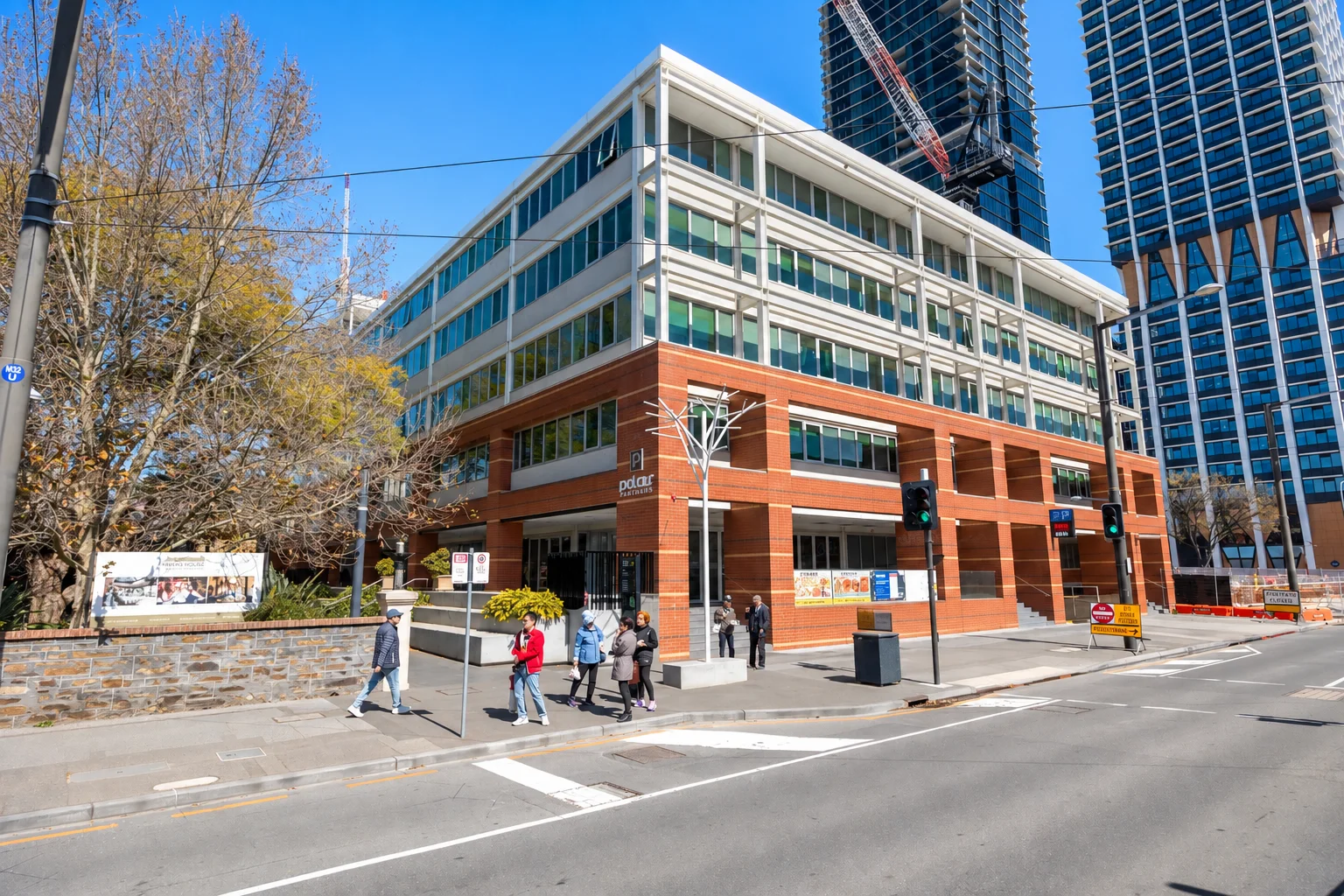 $545,000
Apartment / Unit / Flat
$545,000
Apartment / Unit / Flat