1. Overview
Sturt Street Community School is a public, co-educational school serving families in the Adelaide area. The school aims to provide an inclusive, welcoming learning environment with a strong sense of community involvement and student wellbeing.
Size is medium, with class sizes typically around 20–25 students. The atmosphere is nurturing and inclusive, emphasizing a supportive culture where students, families and staff work together to build resilience and achievement.
⸻
2. Academics & Learning
- Academic strengths: focuses on solid literacy and numeracy foundations, with integrated learning across science and the humanities. The school encourages inquiry-based approaches to deepen understanding and develop critical thinking, alongside opportunities in the arts and STEM-related activities.
- Special programs: offers extension and enrichment opportunities, with supports for gifted and talented learners where available, plus targeted support for students needing additional help. EAL and SEN support are provided to promote inclusive learning.
- NAPLAN / trends: trends show steady progress over recent years, with improvements in key areas such as writing and numeracy and ongoing emphasis on quality teaching practices.
- Student-teacher ratios: typical ratios are in the low-to-mid 20s or better depending on year level and staffing; teaching teams aim to provide visible, approachable support throughout the day.
- Support for diverse learners: strong emphasis on inclusion with EAL support, learning support plans, and targeted interventions to assist students with diverse learning needs.
⸻
3. Sports & Extracurricular Strengths
- Sports offered: a broad range including basketball, soccer, netball, AFL, cricket and athletics, with opportunities to participate in inter-school events.
- Strong teams or achievements: students regularly participate in inter-school competitions and district-level events, with opportunities to represent the school in various sports.
- Music, arts, drama programs: active music program featuring ensembles and performances; involvement in drama/theatre and school productions.
- Clubs: robotics, coding, chess, debating and other interest-based clubs support student engagement and skill-building.
- Partnerships: connections with local clubs and community organizations, and participation in school-based and inter-school competitions.
⸻
4. Wellbeing & Pastoral Care
- Anti-bullying approach: proactive policies and practices focused on creating a safe, respectful school climate; regular wellbeing activities and clear reporting channels.
- House system: house groups contribute to a sense of belonging and healthy competition, supporting pastoral care and community connections.
- Counsellors / wellbeing officers: on-site wellbeing staff or access to school counsellors for student support and guidance.
- Transition support for new students: orientation programs, buddy systems and transitional supports to help new students settle in smoothly.
⸻
5. Facilities
- Sports grounds: accessible outdoor spaces for PE and sport.
- Libraries: a library that supports reading and research across year levels.
- Science labs: dedicated science facilities for practical investigations.
- Music/performing arts centers: spaces for music, drama and performances.
- Tech/innovation labs: rooms or zones for ICT, coding and hands-on tech activities.
- Cafeteria: on-site canteen/cafeteria providing healthy meal options.
- Updated playgrounds: modern, safe play areas for break and physical activity.
⸻
6. School Values & Community Culture
- School values / mission: emphasis on respect, responsibility, resilience and collaboration; a focus on active student voice and community involvement.
- Leadership style: student voice and leadership opportunities through committees and roles; collaborative professional practice among staff.
- Behaviour expectations: clear codes of conduct with consistent expectations and positive reinforcement.
- Community reputation: seen as a supportive, approachable school with strong ties to families and local groups.
- Diversity & inclusion: committed to creating an inclusive environment that respects diverse backgrounds and needs.
⸻
7. School Logistics & Daily Operations
- School hours: typical school day runs from morning to mid-afternoon (e.g., around 8:30am–3:15pm; exact times may vary by year).
- Before/after school care: after-school care options are available, often through affiliated programs.
- Uniform requirements: school uniform policy in place; details provided by the school.
- Transport (train/bus routes): accessible by public transport with local bus routes; school may have arrangements for drop-off/pick-up on busy city routes.
- Canteen availability: canteen or snack services available for students.
- Fees (low/medium/high ranges): as a public school, funding is government-based; costs beyond basic fees are generally modest and relate to activities, excursions or voluntary contributions.
⸻
8. Enrolment & Admissions
11. What is the enrolment process and timeline?
- Submit an enrolment form along with required documents (birth certificate, immunisation records, proof of address, and any other items requested).
- Check catchment eligibility and any year-specific requirements.
- Attend an information session or open day if offered; complete necessary steps to secure a place; timelines vary by intake period (start of year typical, with occasional mid-year openings).
12. Is there a waiting list, and how does it work?
- Waiting lists can apply, particularly for non-local (out-of-catchment) enrolments or limited-year placements.
- Priorities typically include in-catchment applicants and siblings, with place allocation based on space and policy guidance.
13. Are there any entry requirements, tests, or interviews?
- For most public enrolments, there are no entrance exams or selection tests.
- Senior or out-of-area applications may involve interview or documentation checks, though this varies by year and policy.
14. Does the school accept mid-year transfers?
- Yes, mid-year transfers are possible subject to space and the school’s availability; coordinating with administration is required to arrange transcripts and records.
⸻
9. Frequently Asked Questions
- Why Parents Choose This School?
- A welcoming, inclusive public school with a strong sense of community, focus on wellbeing and a balanced program across academics, arts and sport.
- What type of student thrives at this school?
- Students who are collaborative, motivated to learn, and benefit from a medium-sized, supportive environment with access to a range of programs.
- What opportunities are available for students to extend their skills (academics, sports, arts)?
- Opportunities span core academics, STEM activities, arts programs (music, drama), sport, leadership pathways and various clubs (robotics, coding, debating).
- How does the school communicate with parents?
- Regular newsletters, emails, a parent portal or communication app, and scheduled parent-teacher conferences.
- What is the school’s approach to teaching and learning?
- A mix of explicit instruction and inquiry-based learning, with differentiation to meet diverse needs and ongoing assessment for progress.
- How does the school support students who need extra academic help?
- Targeted in-class supports, additional tutoring or small-group interventions, and access to learning support staff.
- What support is available for academic challenges?
- Individualized or small-group interventions, IEPs or learning plans where appropriate, and referrals to specialist services as needed.
- How does the school communicate with parents?
- See above; ongoing, open channels for updates and feedback.
- What are the class sizes and how much individual attention do students receive?
- Typical class sizes are around 20–25 students; teachers aim to provide regular, targeted support within and beyond class time.
- What extracurricular and sports opportunities are available?
- A broad range of sports and many clubs, plus music, drama and inter-school activities.
- What facilities does the school offer (sports, science, arts)?
- Well-equipped facilities including sports grounds, library, science labs, music/performing arts spaces, technology labs and a canteen.
- What is the school’s approach to technology and digital learning?
- Use of digital tools in classrooms, access to devices or BYOD options as appropriate, with coding and IT activities integrated into learning.
- What transport and accessibility options are available?
- Access via public transport with local bus routes; arrangements for drop-off/pick-up as per school policy; accessibility considerations addressed where possible.
- What are the typical school fees or additional costs?
- Being a public school, the core costs are funded by the government; additional costs relate to activities, excursions or voluntary contributions.
⸻
10. Short Pros & Cons list
Pros
- Medium-size, close-knit and supportive community
- Strong focus on wellbeing and inclusive learning
- Broad offerings across academics, arts and sport
- Active student voice and opportunities for leadership
Cons
- Enrolment often depends on catchment; potential waitlists for some programs
- Facilities are solid but may not match larger independent schools in all areas
- Public funding dynamics can influence the scope of some resources; some costs are ancillary (excursions, activities)
⸻








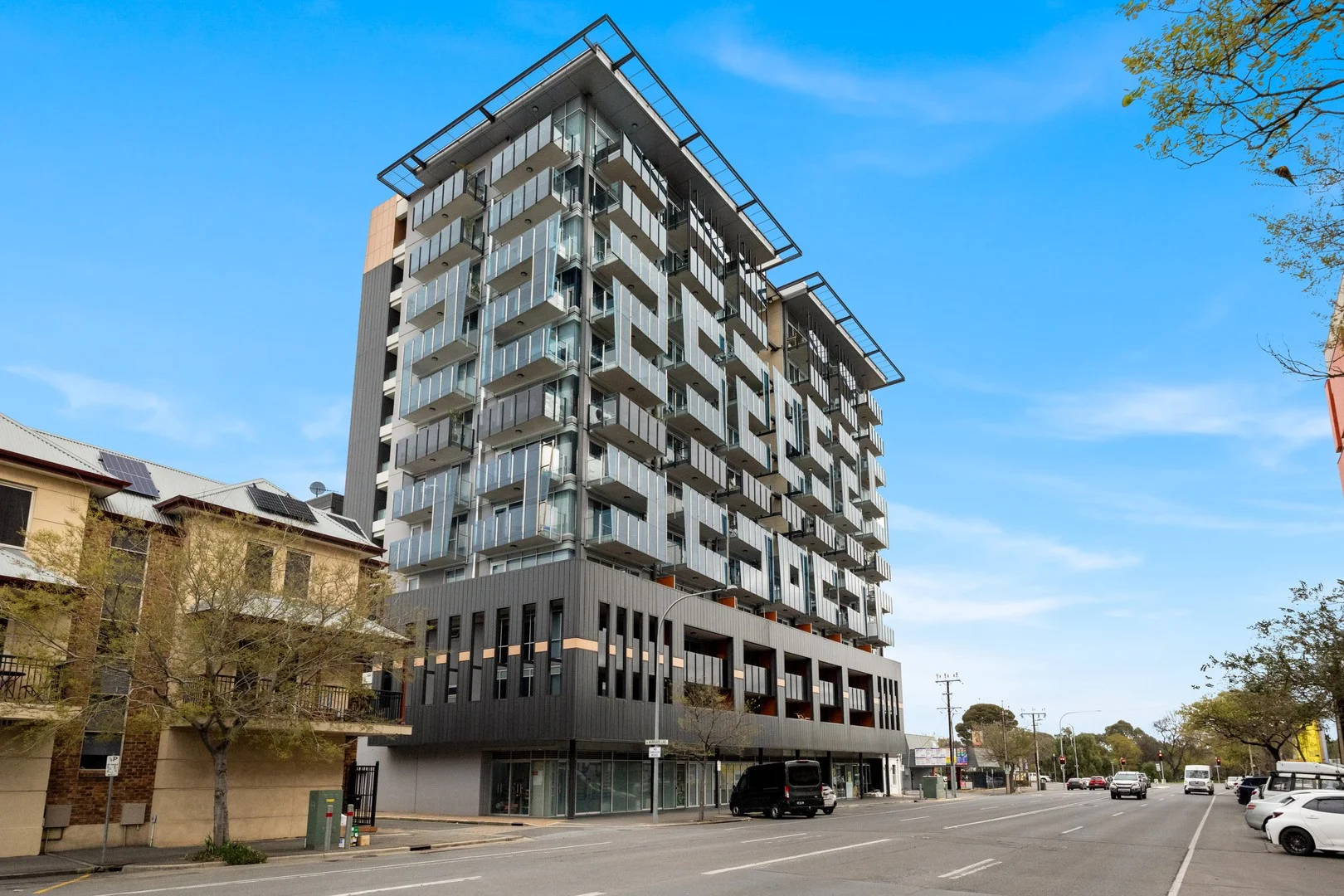 $1,100,000
Apartment / Unit / Flat
$1,100,000
Apartment / Unit / Flat
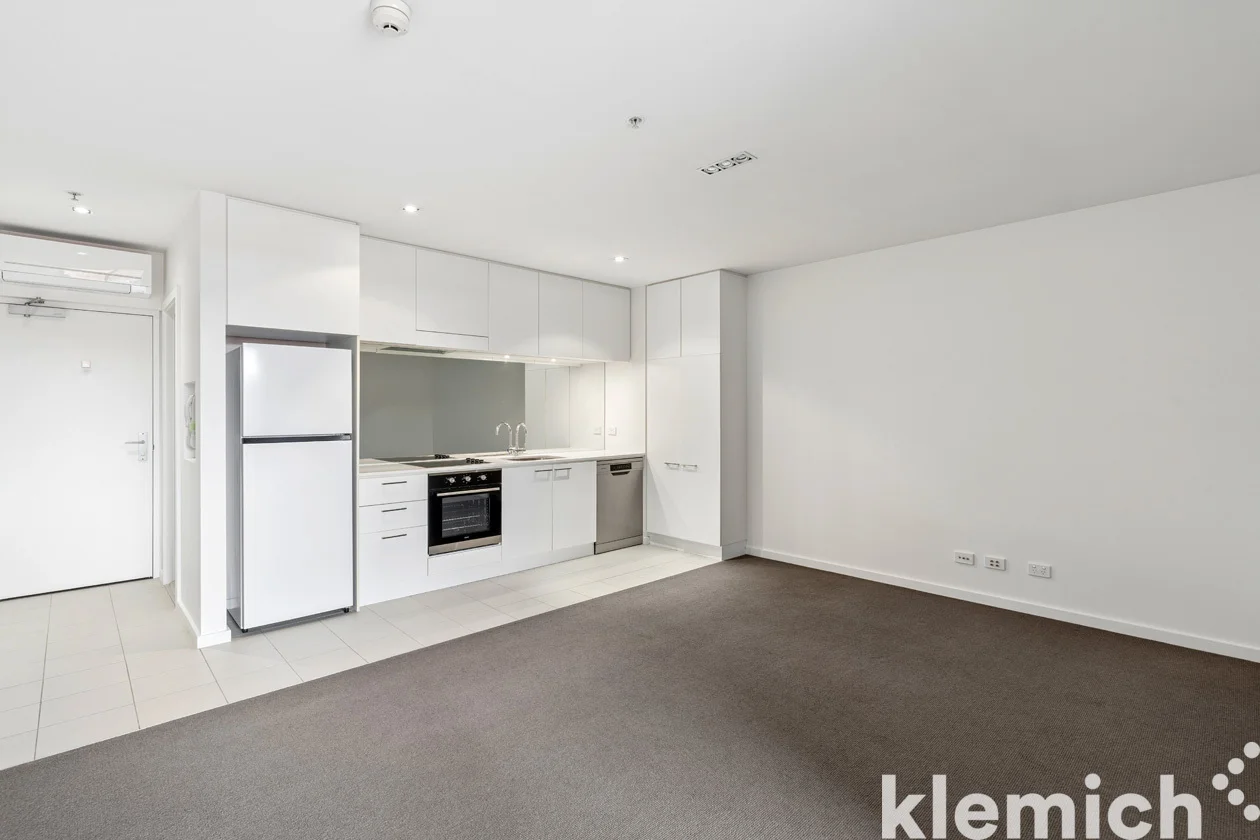 $440,000
Apartment / Unit / Flat
$440,000
Apartment / Unit / Flat
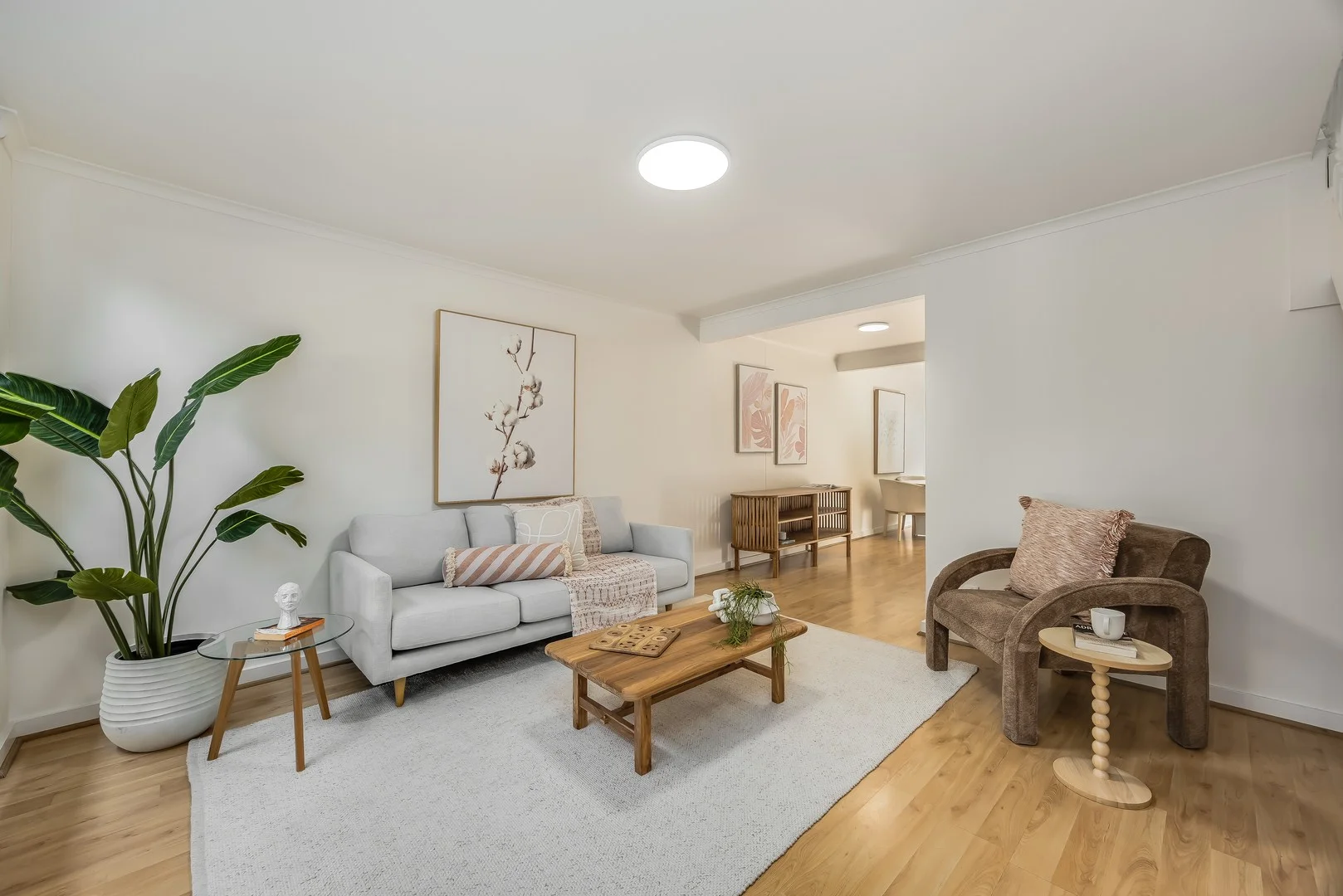 $775,000
House
$775,000
House
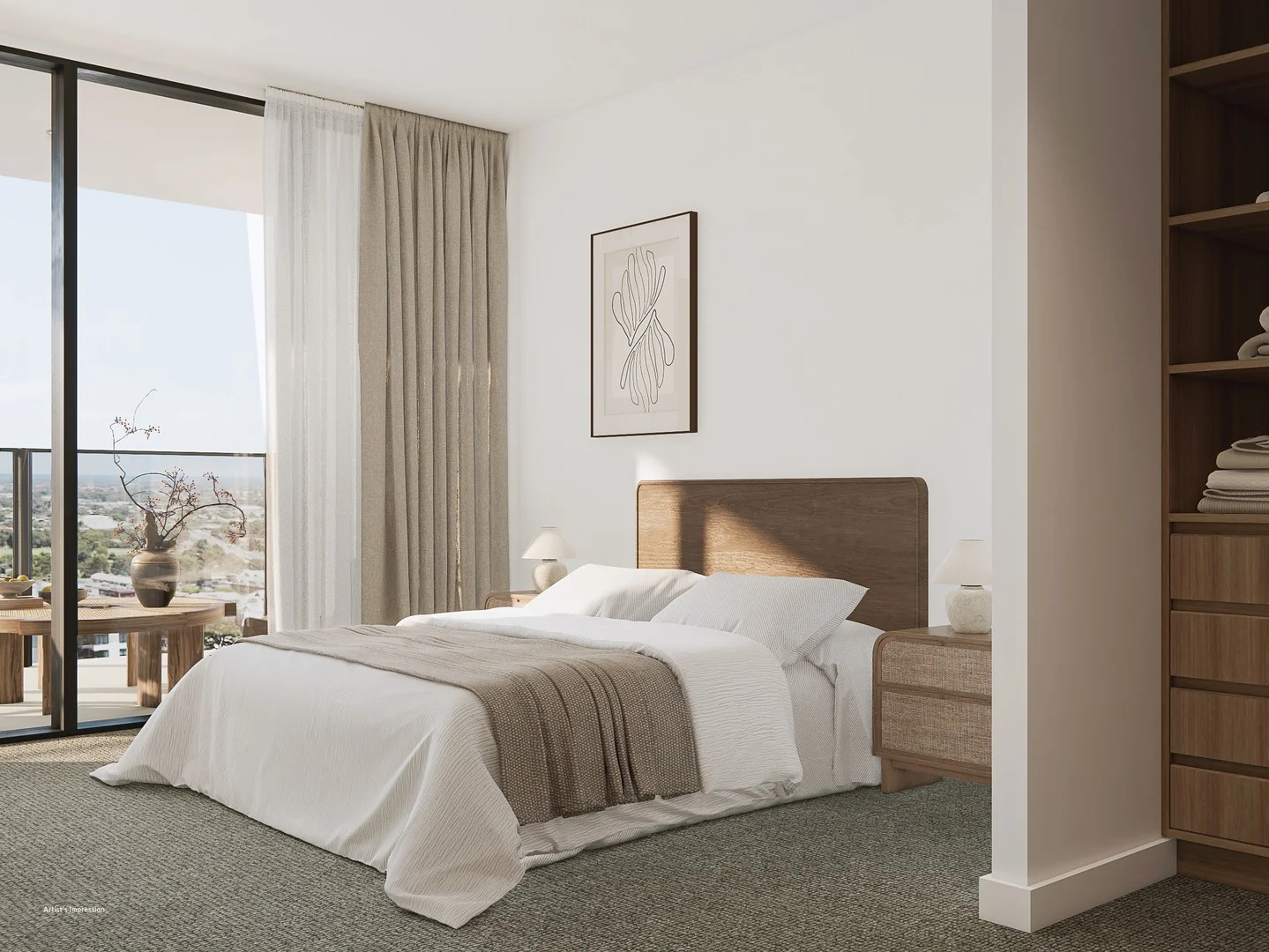 $935,000
Apartment / Unit / Flat
$935,000
Apartment / Unit / Flat
 $557,000
Apartment / Unit / Flat
$557,000
Apartment / Unit / Flat
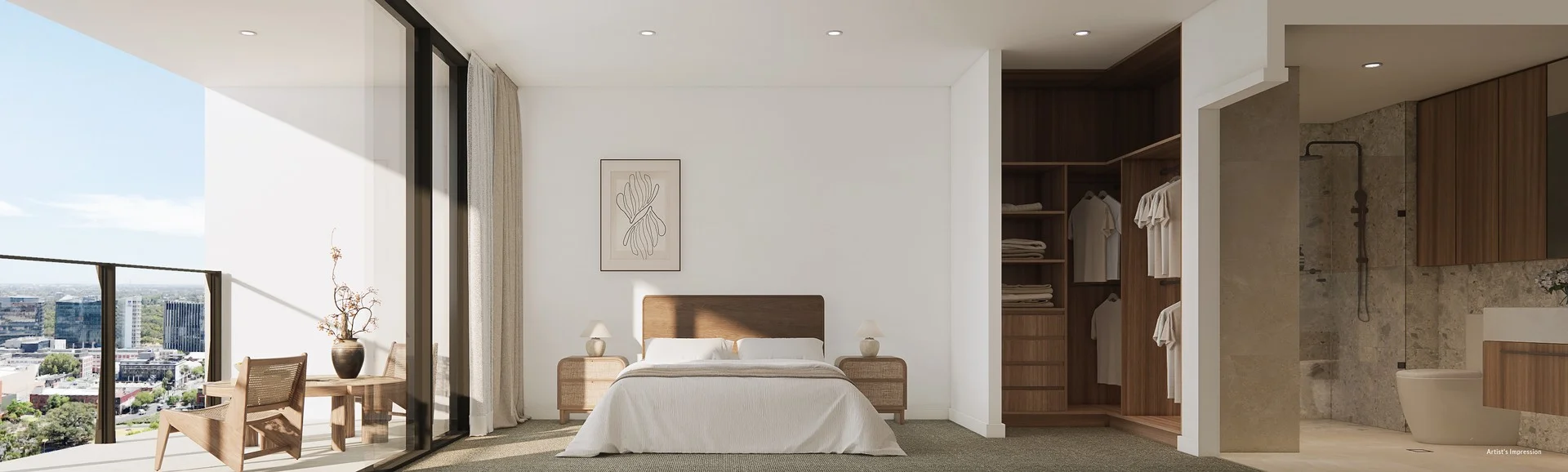 $1,056,000
Apartment / Unit / Flat
$1,056,000
Apartment / Unit / Flat
 $588,000
Apartment / Unit / Flat
$588,000
Apartment / Unit / Flat
 $545,000
Apartment / Unit / Flat
$545,000
Apartment / Unit / Flat