1. Overview
- School type: Catholic
- School size: Medium
- Class size: Around 20–25 students per class
- Atmosphere/culture: Nurturing, inclusive, faith-based learning community with emphasis on student well-being and respectful relationships
2. Academics & Learning
- Academic strengths: Strong focus on literacy and numeracy, with engaging STEM investigations and robust English programs. Emphasis on critical thinking, problem-solving and real-world learning.
- Special programs: Gifted & Talented options and accelerated learning opportunities where appropriate; LOTE (languages) offerings as part of a well-rounded curriculum; opportunities for leadership development and student agency.
- NAPLAN / trends: Consistent progress in key areas (reading, writing and numeracy) over recent years with steady year-to-year improvement patterns and strong relative performance among peers.
- Student-teacher ratios: Generally around 1:18 to 1:23, enabling meaningful student engagement and assessment.
- Support for diverse learners: Strong EAL/SEN support with Learning Support Teachers, targeted intervention programs and inclusive education practices to help diverse learners access the curriculum.
3. Sports & Extracurricular Strengths
- Sports offered: Football (soccer), netball, basketball, cricket, Athletics, and general physical education programs; opportunities for interschool sports and fixtures.
- Strong teams or achievements: Participation in interschool events with emphasis on teamwork, sportsmanship and development rather than only results.
- Music, arts, drama programs: School choir and occasional theatre/drama productions; opportunities to participate in music ensembles and performance arts activities.
- Clubs: Robotics, chess, coding, debating and other ICT/STEAM clubs; additional clubs aligned to student interests as staffing allows.
- Partnerships: Connections with local community sports clubs and cultural groups for fixtures, events and extended learning experiences.
4. Wellbeing & Pastoral Care
- Anti-bullying approach: Whole-school positive behaviour framework, clear anti-bullying policies, student-led reconciliation practices and adult support available.
- House system: House-based activities and competitions to foster belonging, teamwork and leadership.
- Counsellors / wellbeing officers: Access to school counsellors or wellbeing staff for student support, with confidential pathways for students and families.
- Transition support for new students: Structured orientation, buddy programs and ongoing mentorship to help new students settle in smoothly.
5. Facilities
- Sports grounds: Sized fields and courts suitable for PE and school sport.
- Libraries: Welcoming library with print and digital resources.
- Science labs: Specialist spaces for hands-on experiments and STEM learning.
- Music/performing arts centers: Spaces for music practice, rehearsals and small-scale performances.
- Tech/innovation labs: Computing/ICT facilities and maker spaces to support coding and STEM projects.
- Cafeteria: On-site canteen or snack facilities supporting healthy lunch options.
- Updated playgrounds: Safe, accessible outdoor play areas with modern equipment.
6. School Values & Community Culture
- School values / mission: Commitment to faith-filled learning, respect, responsibility, empathy and service to the community.
- Leadership style: Student voice and leadership opportunities supported by staff; collaborative decision-making in appropriate forums.
- Behaviour expectations: Clear expectations aligned with the school values; restorative practices to support positive behaviour.
- Community reputation: Recognised locally as a welcoming Catholic community with a focus on holistic development and family partnership.
- Diversity & inclusion: Inclusive culture welcoming students from varied backgrounds and abilities; active steps to promote equity and belonging.
7. School Logistics & Daily Operations
- School hours: Typical day begins mid-morning and ends mid-afternoon with a standard daily timetable; slightly varies by year level.
- Before/after school care: Availability of before and after school care or supervision, subject to enrolment and program scheduling.
- Uniform requirements: School uniform with specified items (logo polo/shirt, shorts/skirt, correct footwear); details provided by the school.
- Transport: Access to student transport options and participation in local bus routes or arrangements; proximity considerations for families.
- Canteen availability: Canteen or lunch facilities operating on select days; healthy meal options available.
- Fees: Fees fall in the low-to-mid range for this sector; details vary annually and by program; information provided at enrolment and on the school website.
8. Enrolment & Admissions
11. What is the enrolment process and timeline?
- Submit an application through the school or Catholic Education SA portal.
- Required documents typically include evidence of identity, immunisation status (as applicable), and birth certificate.
- Open days or information sessions are often offered; an initial interview or family information session is common.
- Timeline varies by intake year; early applications are encouraged to secure a place.
12. Is there a waiting list, and how does it work?
- Yes, a waiting list may apply when the year level is full.
- Priorities often include siblings of current students, proximity/distance considerations, and the date of application.
- The school will notify families of their position and any next steps when a place becomes available.
13. Are there any entry requirements, tests, or interviews?
- Typically, an enrolment interview or information session for families.
- No standardized testing is generally required for primary entry beyond the interview and documentation review.
- Admission mainly considers fit with the school’s values and available spaces; certain programs may have eligibility criteria.
14. Does the school accept mid-year transfers?
- Mid-year transfers may be possible depending on space and alignment with the curriculum.
- Availability is assessed case-by-case; families should contact the enrolments team to discuss options and timing.
9. Frequently Asked Questions
- Why Parents Choose This School?
- A faith-based, values-driven education with a focus on caring community, strong academics and supportive wellbeing programs.
- What type of student thrives at this school?
- Students who value inclusive community, enjoy collaborative learning, and respond well to a faith-informed environment with a balance of academics, sport and the arts.
- What opportunities are available for students to extend their skills (academics, sports, arts)?
- Access to gifted/talented pathways, leadership opportunities, STEM/ICT clubs, sports programs, arts activities and performance opportunities, plus interschool events.
- How does the school communicate with parents?
- Regular updates through newsletters, parent portals, email notices, parent-teacher conferences and information evenings.
- What is the school’s approach to teaching and learning?
- A balanced, child-centred approach with emphasis on literacy and numeracy, critical thinking, hands-on learning, and faith-integrated values.
- How does the school support students who need extra academic help?
- Targeted intervention within classroom support, Learning Support staff, and access to EAL/SEN programs as needed.
- What support is available for academic challenges?
- Individual or small-group interventions, progress monitoring, and collaboration with families to adjust learning plans.
- How does the school communicate with parents? (Repeated for emphasis)
- See above: regular communications via multiple channels to keep families informed and engaged.
- What are the class sizes and how much individual attention do students receive?
- Class sizes are designed to be manageable (roughly 20–25 students per class) to allow teacher attention and differentiation.
- What extracurricular and sports opportunities are available?
- A range of sports and physical activities, plus clubs in robotics, chess, coding and debating; music and drama opportunities are available as part of the arts program.
- What facilities does the school offer (sports, science, arts)?
- Modern facilities including sports grounds, library, science labs, music/performing arts spaces, tech/innovation labs, canteen and updated play areas.
- What is the school’s approach to technology and digital learning?
- Integrated ICT across the curriculum, with age-appropriate devices and digital literacy education as part of the learning program.
- What transport and accessibility options are available?
- Proximity-based transport options and school routes; details provided by the school’s enrolments team.
- What are the typical school fees or additional costs?
- Fees are in the low-to-mid range for Catholic primary education; a breakdown is provided at enrolment and on the school website.
10. Short Pros & Cons list
- Pros
- Catholic, values-based education with a nurturing community
- Medium-sized school with opportunities for leadership and involvement
- Strong focus on literacy, numeracy and wellbeing
- Wide range of co-curriculars (sports, arts, ICT clubs)
- Support for diverse learners and inclusive practices
- Cons
- Mid-sized enrolment means spaces can fill quickly during peak intake years
- Some programs or clubs may operate on a term-by-term basis depending on staffing
- Uniforms and ancillary costs are an ongoing consideration for families
Note: This profile provides a general, school-type overview suitable for families evaluating Catholic primary options in the area. For exact current details (enrolment timelines, fees, current programs, and facilities), please contact the school's enrolments office or check the official communications from the school.









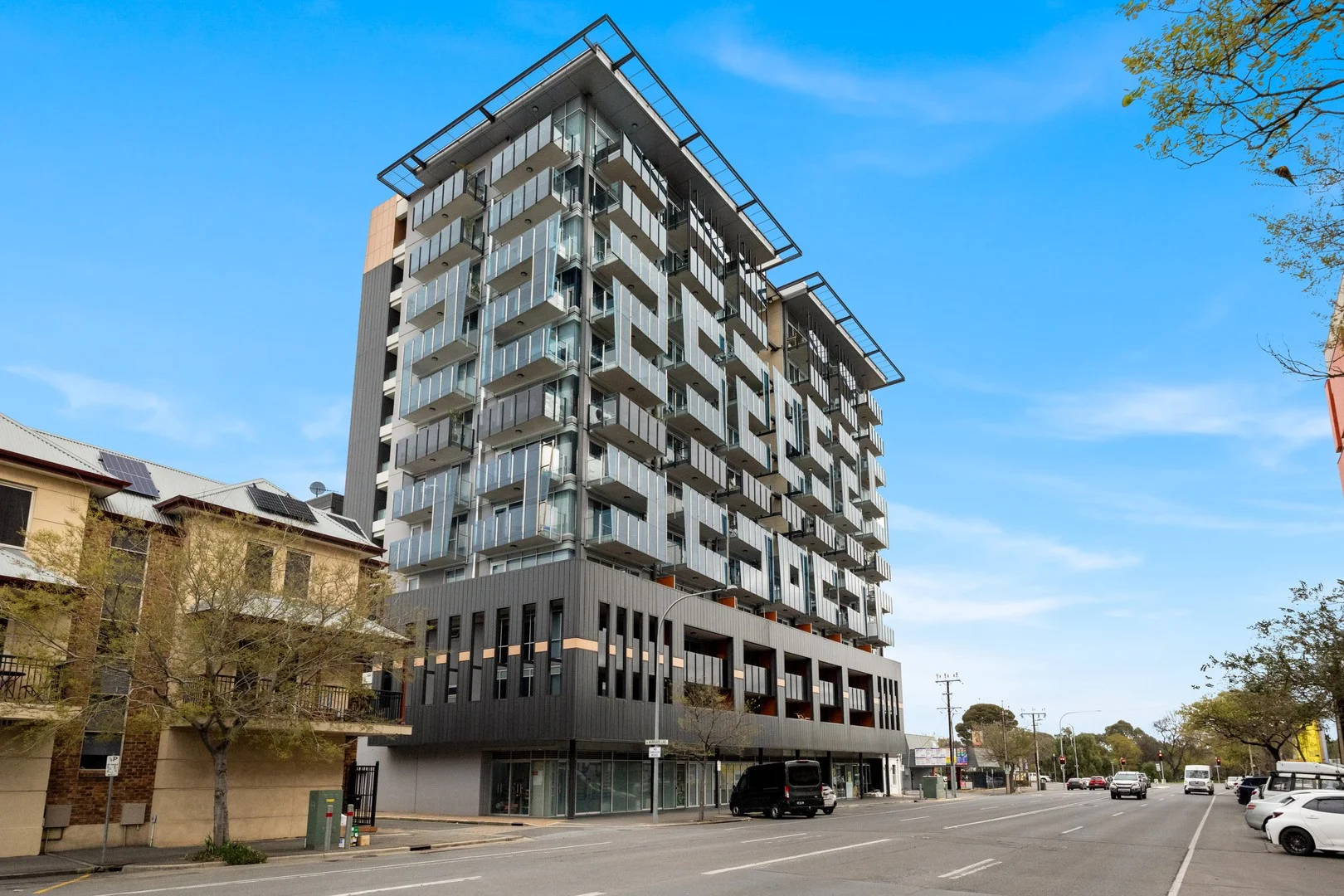 $1,100,000
Apartment / Unit / Flat
$1,100,000
Apartment / Unit / Flat
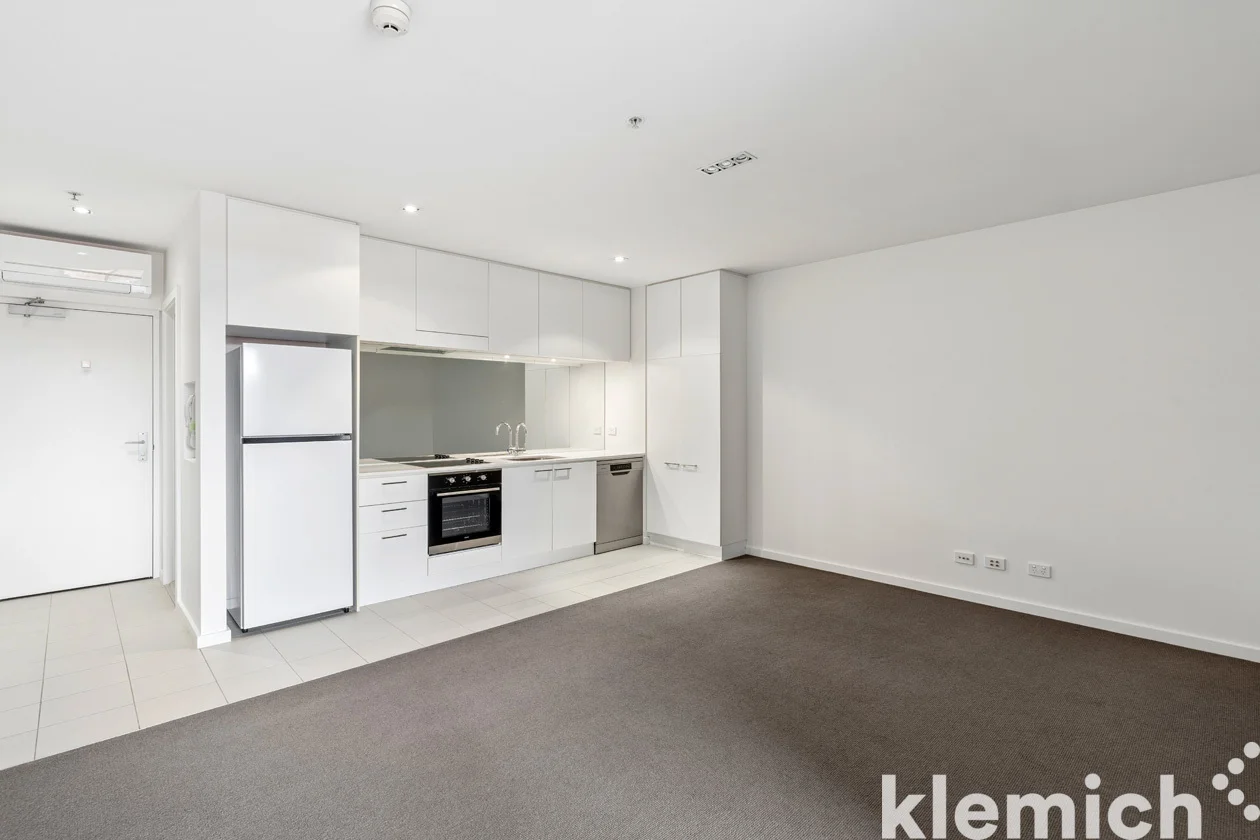 $440,000
Apartment / Unit / Flat
$440,000
Apartment / Unit / Flat
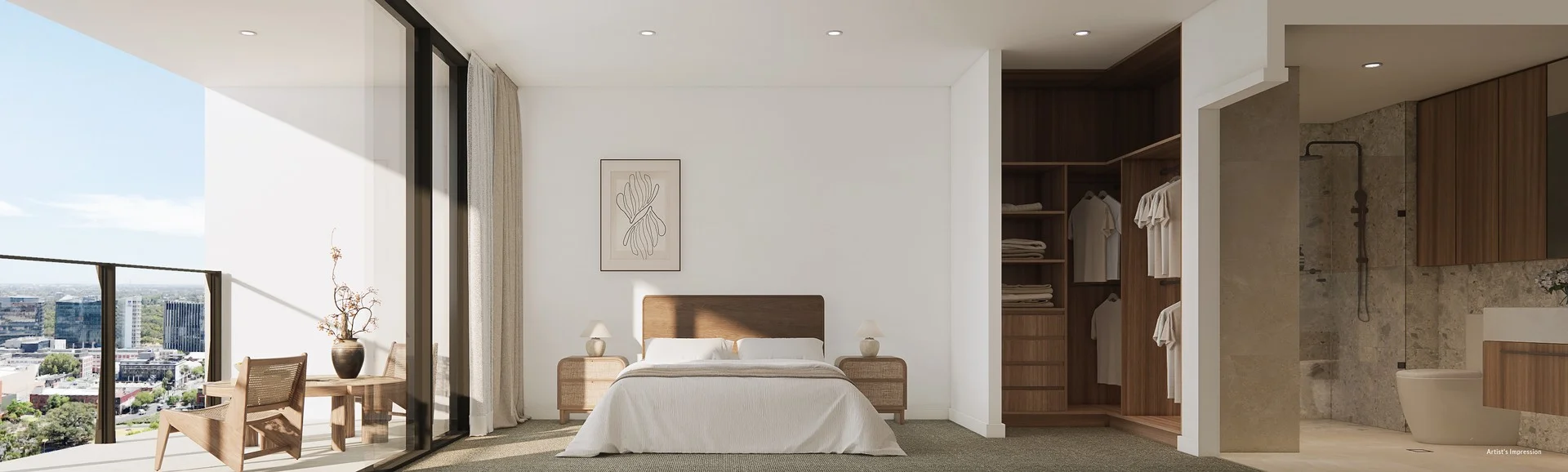 $1,056,000
Apartment / Unit / Flat
$1,056,000
Apartment / Unit / Flat
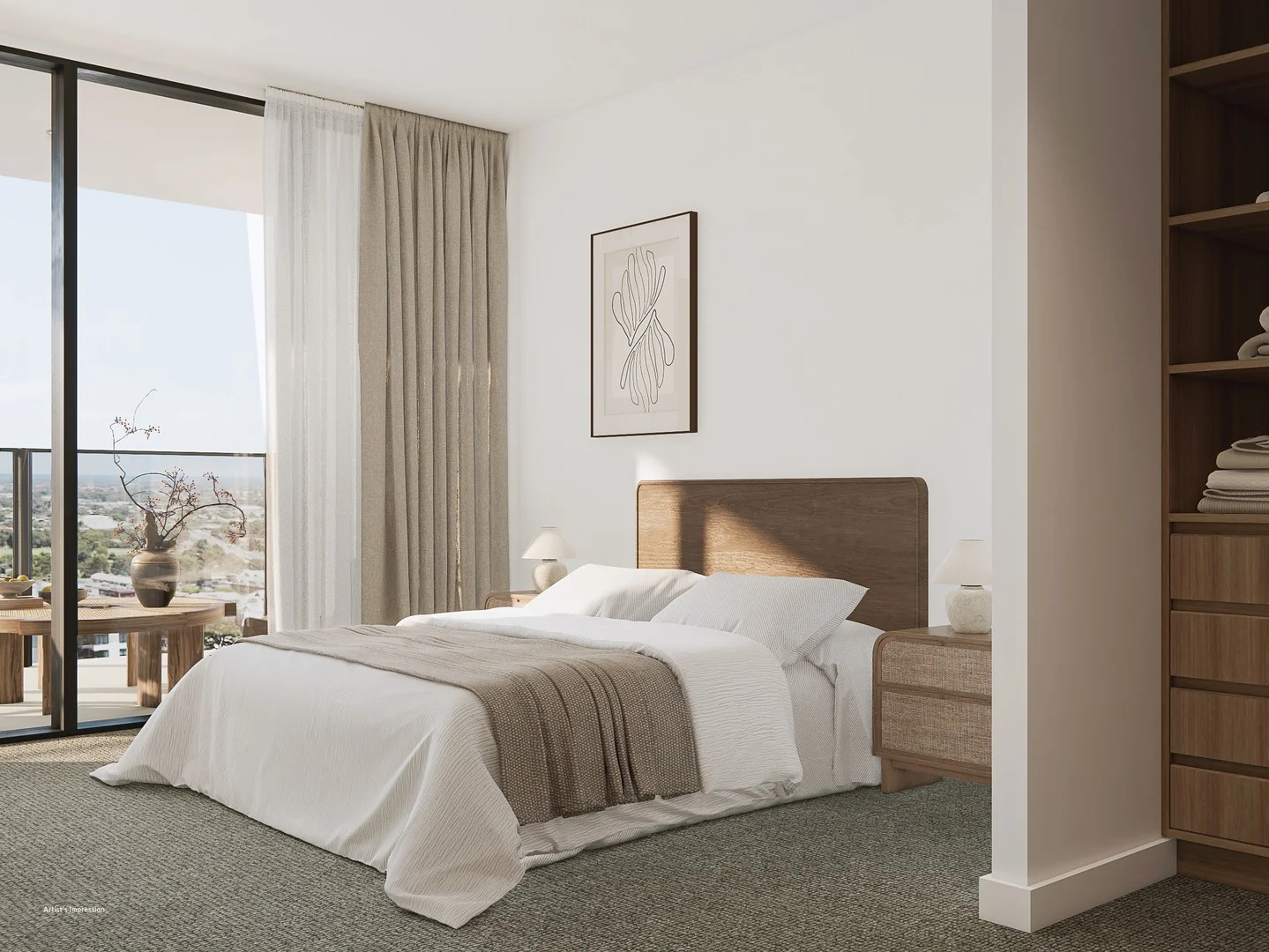 $935,000
Apartment / Unit / Flat
$935,000
Apartment / Unit / Flat
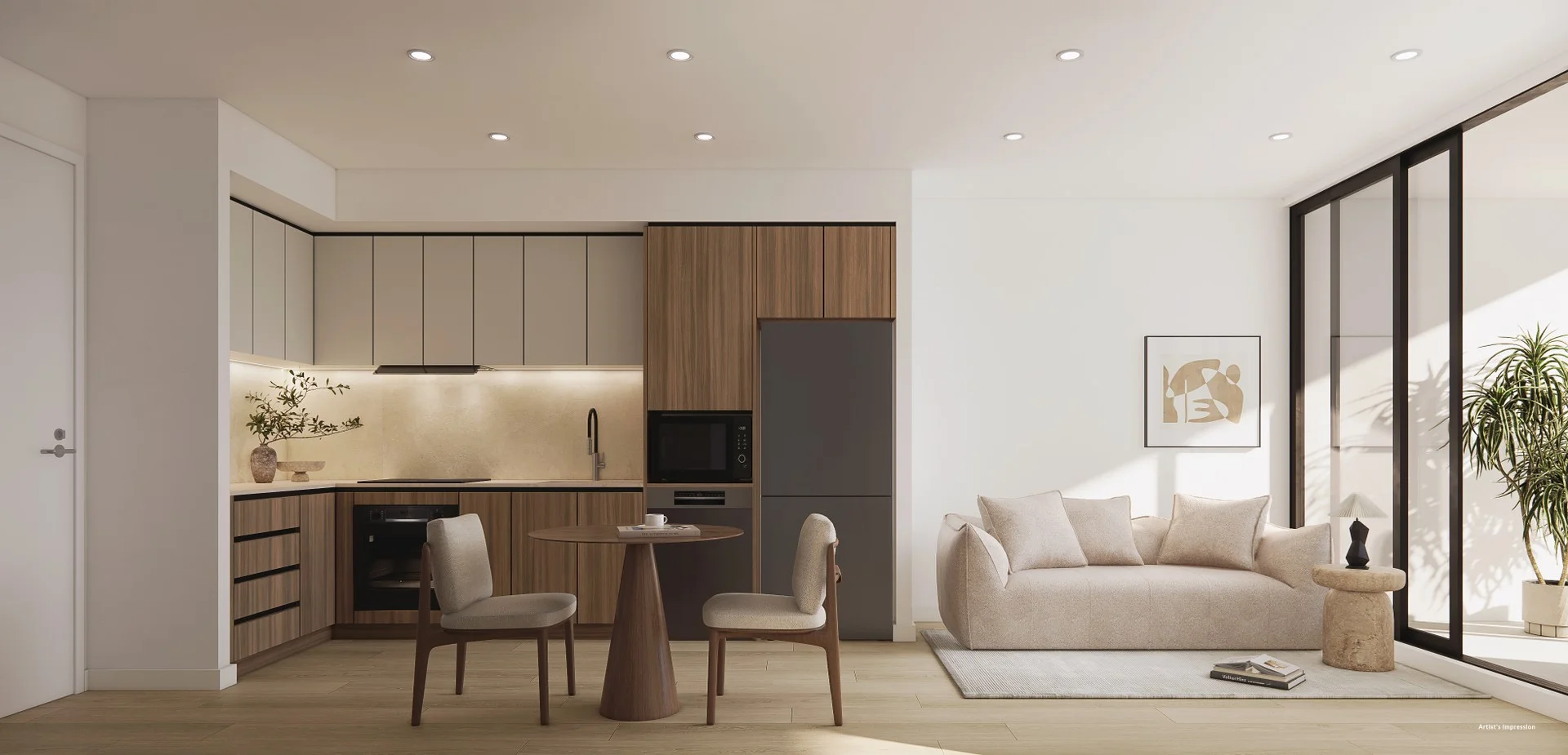 $588,000
Apartment / Unit / Flat
$588,000
Apartment / Unit / Flat
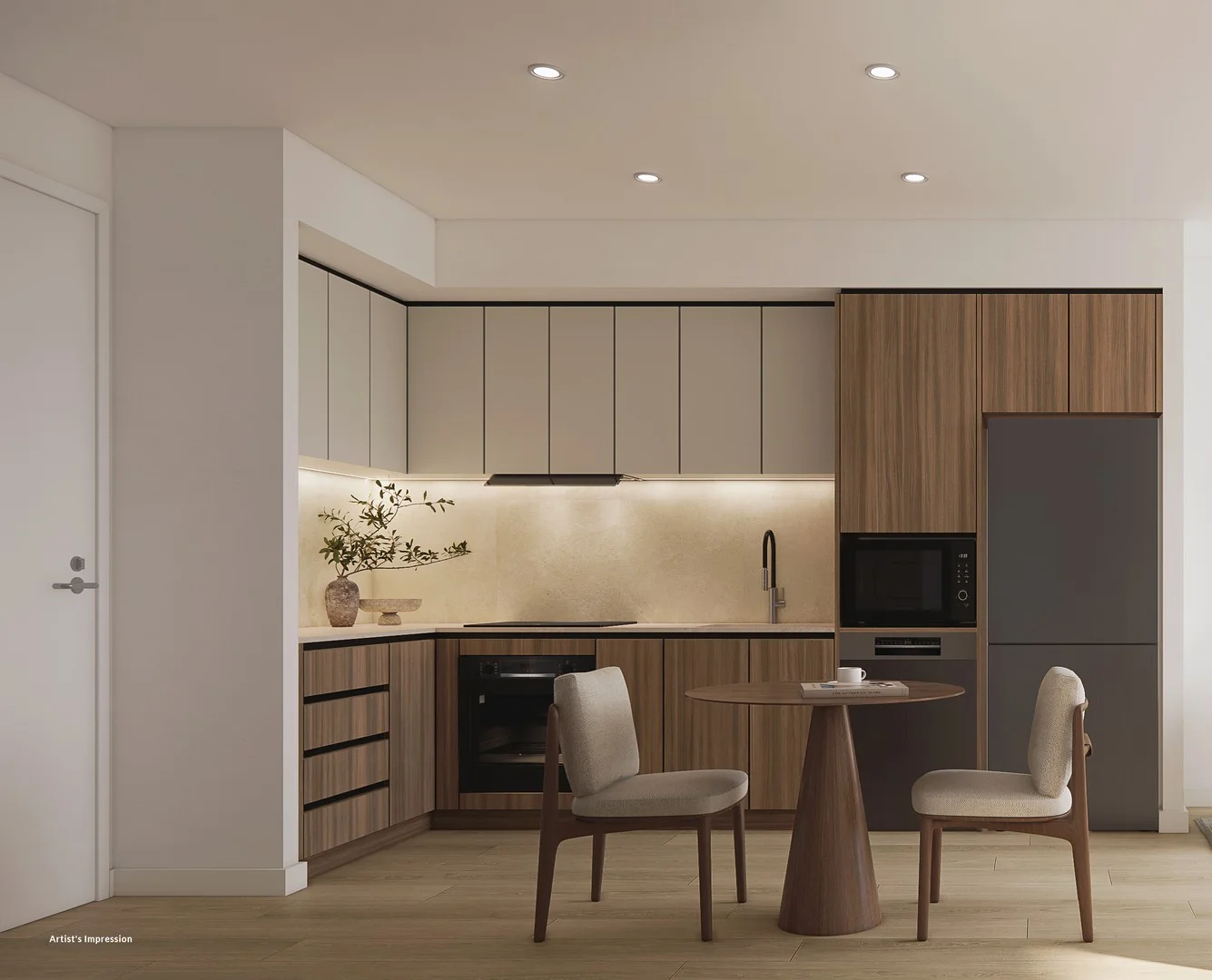 $557,000
Apartment / Unit / Flat
$557,000
Apartment / Unit / Flat
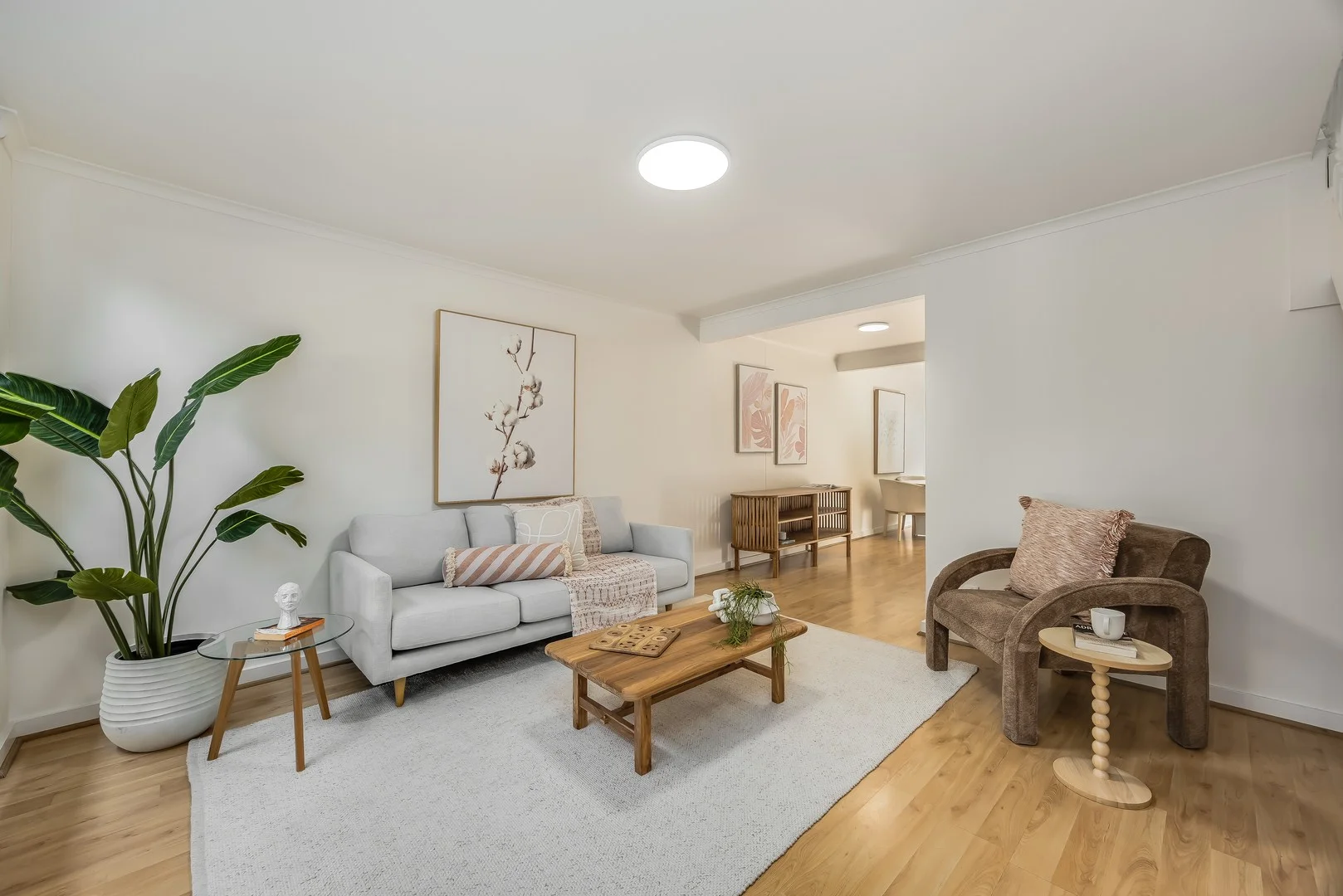 $775,000
House
$775,000
House
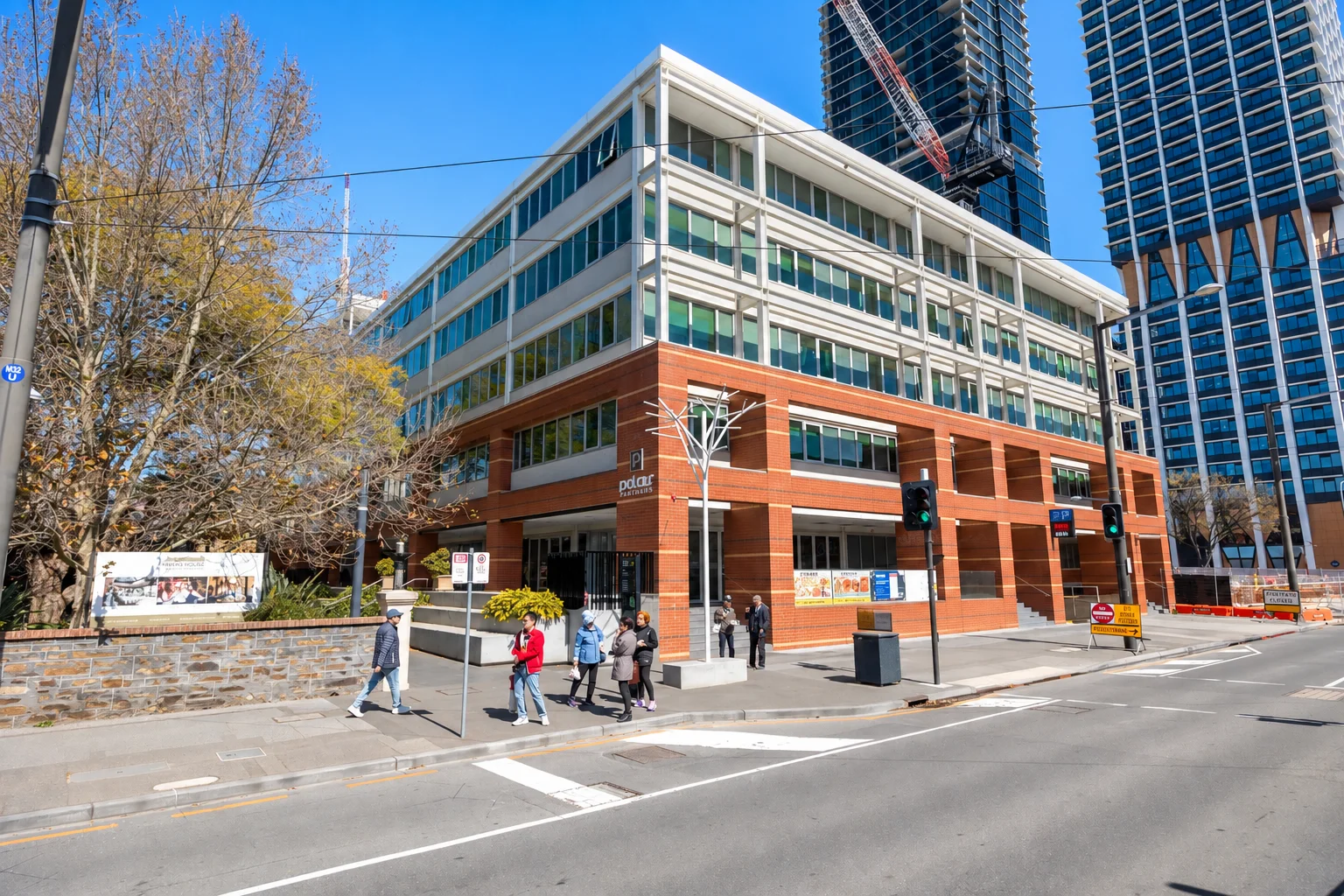 $545,000
Apartment / Unit / Flat
$545,000
Apartment / Unit / Flat