1. Overview
Rosalie Primary School is a public primary school serving the local community with a focus on building a supportive and inclusive learning environment. The school typically operates as a medium-sized primary, with class sizes that aim to keep cohorts manageable for effective teaching and student engagement. Class sizes are typically in the low-to-mid 20s, supporting valuable teacher-student interaction and personalized feedback.
Atmosphere matters: the school prioritizes a nurturing, inclusive culture where students feel safe to take risks, collaborate, and develop resilience. The emphasis is on strong wellbeing supports and fostering a sense of belonging for students and families.
2. Academics & Learning
Strengths and core focus areas often highlighted include strong literacy and numeracy foundations, with opportunities to engage in STEM activities, leadership experiences, and exposure to arts and language programs. The school typically offers a curriculum aligned with state requirements, with dedicated time for inquiry-based learning and hands-on activities.
Special programs may include gifted and talented options or acceleration pathways where available, alongside targeted support for students who need extra help. NAPLAN trends (not scores) are usually tracked and shared through annual reporting or school communications to monitor progress over time. Student-teacher ratios are managed to facilitate effective instruction, with differentiated teaching to meet diverse learner needs. The school supports diverse learners through EAL (English as an Additional Language) programs and SEN (Special Education Needs) support where appropriate.
3. Sports & Extracurricular Strengths
Sports and physical activity are a key part of student life. The school typically offers a range of sports such as athletics, team games (e.g., netball, soccer, basketball), and cricket or other local activities depending on the season and resources. There are often strong student teams and participation in local competitions or inter-school events.
In addition to sport, students can access music, performing arts, and arts programs, with opportunities to participate in choir, music ensembles, drama productions, and visual arts showcases. Extracurricular offerings commonly include clubs such as robotics, coding, chess, debating, and other inquiry-based or STEM-related activities. The school sometimes develops partnerships with local community groups, clubs, or academies to provide additional pathways for competitions and enrichment.
4. Wellbeing & Pastoral Care
Wellbeing is a top priority, with programs and policies to promote safe, respectful, and inclusive environments. The anti-bullying approach emphasizes prevention, rapid response, and ongoing education around respectful relationships. If a house system is used, it helps foster belonging and healthy competition across year levels.
Counsellors or wellbeing staff are available to support students, families, and transitions between year levels. Transition support for new students includes orientation activities, buddy programs, and collaboration with families to ease social and academic onboarding.
5. Facilities
Rosalie Primary School typically features a range of facilities designed to support learning across disciplines, including:
- Sports grounds or outdoor recreation spaces
- A library or learning commons
- Science labs or dedicated science spaces
- Music and performing arts spaces (rehearsal rooms or a dedicated venue)
- Tech/innovation labs or digital learning spaces
- A cafeteria or canteen facilities
- Updated playgrounds and outdoor learning areas
The visuals are designed to be welcoming and easy to navigate, with spaces arranged to support collaborative, hands-on learning.
6. School Values & Community Culture
School values and a clear mission guide daily life and decision-making. Leadership tends to be student-inclusive and staff-supported, with a focus on positive behaviour, mutual respect, and responsibility. Behaviour expectations are typically aligned with a code of conduct that emphasizes safety, fairness, and inclusivity.
Community reputation tends to reflect a welcoming, family-friendly environment where families feel informed and engaged. The school emphasizes diversity and inclusion, ensuring every student has access to opportunities to participate and succeed.
7. School Logistics & Daily Operations
Key logistics commonly include:
- School hours: Days run during standard daytime hours with a traditional school timetable.
- Before/after school care: OSHC (out-of-hours care) or similar programs may be available.
- Uniform requirements: A school uniform is typically required, with approved items specified by the school.
- Transport: Availability of bus routes or proximity to public transport; safe drop-off/pick-up arrangements.
- Canteen: On-site canteen or snack facilities offering simple meals and beverages.
- Fees: Public primary schools generally have no tuition fees; there may be voluntary contributions, materials charges, or activity costs. Uniform and some extracurricular activities may incur costs; specifics vary by school and year.
8. Enrolment & Admissions
The enrolment process for a WA public primary school generally involves the following steps (verify specifics with the school):
- What is the enrolment process and timeline?
- Check catchment eligibility and required documents, then submit an enrolment application within the school’s stated window. Timelines vary by year and intake.
- Is there a waiting list, and how does it work?
- If the school receives more applications than places, a waiting list may be used. Spots are typically allocated based on catchment proximity and availability.
- Are there any entry requirements, tests, or interviews?
- Most enrolments are based on catchment eligibility and may require submission of documents (birth certificate, immunisation records, proof of address). Some year levels or programs may have additional assessments or interviews; confirm with the school.
- Does the school accept mid-year transfers?
- Mid-year transfers are possible where places exist, subject to the school’s enrolment policies and capacity.
Note: Enrolment details, timelines, and any entry requirements can change. Please confirm the exact process and dates with Rosalie Primary School during the application period.
9. Frequently Asked Questions
- Why Parents Choose This School?
- Parents often value a welcoming, inclusive community with strong support for learning, a focus on wellbeing, and opportunities for growth across academics, arts, and sport.
- What type of student thrives at this school?
- Students who are curious, collaborative, and resilient tend to flourish, particularly those who engage with teachers, peers, and a broad range of learning opportunities.
- What opportunities are available for students to extend their skills (academics, sports, arts)?
- Extended opportunities typically include enhanced literacy/numeracy activities, STEM and coding clubs, arts programs, music ensembles, sports teams, and inter-school competitions or performances.
- How does the school communicate with parents?
- Common channels include newsletters, emails, school apps or portals, parent-teacher interviews, and formal term reports. Regular updates help families stay connected with their child’s progress.
- What is the school’s approach to teaching and learning?
- The approach is generally student-centered and differentiated, with explicit instruction, inquiry-based learning, and ongoing assessment to tailor supports and extensions.
- How does the school support students who need extra academic help?
- Support may include classroom differentiation, targeted interventions, small-group teaching, reading or numeracy support programs, and access to specialists (SEN or EAL).
- What support is available for academic challenges?
- Additional tutoring, learning support plans, and collaboration with families to implement individualized strategies are common components.
- How does the school communicate with parents? (Duplicate)
- See above: newsletters, emails, apps, and meetings.
- What are the class sizes and how much individual attention do students receive?
- Class sizes are typically in the low-to-mid 20s, with teachers providing targeted feedback and differentiated instruction to meet individual needs.
- What extracurricular and sports opportunities are available?
- A range of sports and physical activities, plus clubs in robotics, coding, chess, debating, and arts; opportunities to participate in community competitions and performances.
- What facilities does the school offer (sports, science, arts)?
- Facilities commonly include sports grounds, a library, science spaces, music/arts facilities, tech/innovation spaces, a canteen, and well-equipped playgrounds.
- What is the school’s approach to technology and digital learning?
- Technology is integrated into learning through digital devices, interactive learning spaces, and classroom technologies to support inquiry, collaboration, and digital literacy.
- What transport and accessibility options are available?
- Transport options typically include school bus routes and proximity to public transport; safe drop-off/pick-up arrangements are prioritized.
- What are the typical school fees or additional costs?
- Public schools do not charge tuition, but there may be voluntary contributions, uniform costs, and fees for specific activities or camps. Confirm current costs with the school.
10. Short Pros & Cons list
Pros
- Nurturing, inclusive learning environment
- Strong emphasis on wellbeing and student support
- Broad range of academic, arts, and sports opportunities
- Diverse extracurricular clubs (e.g., robotics, coding, chess, debating)
- Modern facilities that support STEM, arts, and digital learning
Cons (potential considerations)
- As a public school, eligibility and waiting lists may apply for specific intake periods
- Availability of certain programs or clubs may vary by year and student demand
- Fees for uniforms and optional activities, while typical, can add to costs for families
Note: This profile is a general draft intended to help families understand what to look for. Specific details about Rosalie Primary School should be confirmed with the school directly, including enrolment timelines, exact facilities, current programs, and any updated policies.
![Storytime at Cambridge Library [Every Thursdays]](https://image.aroundschools.com.au/[object Object]) Free
Free








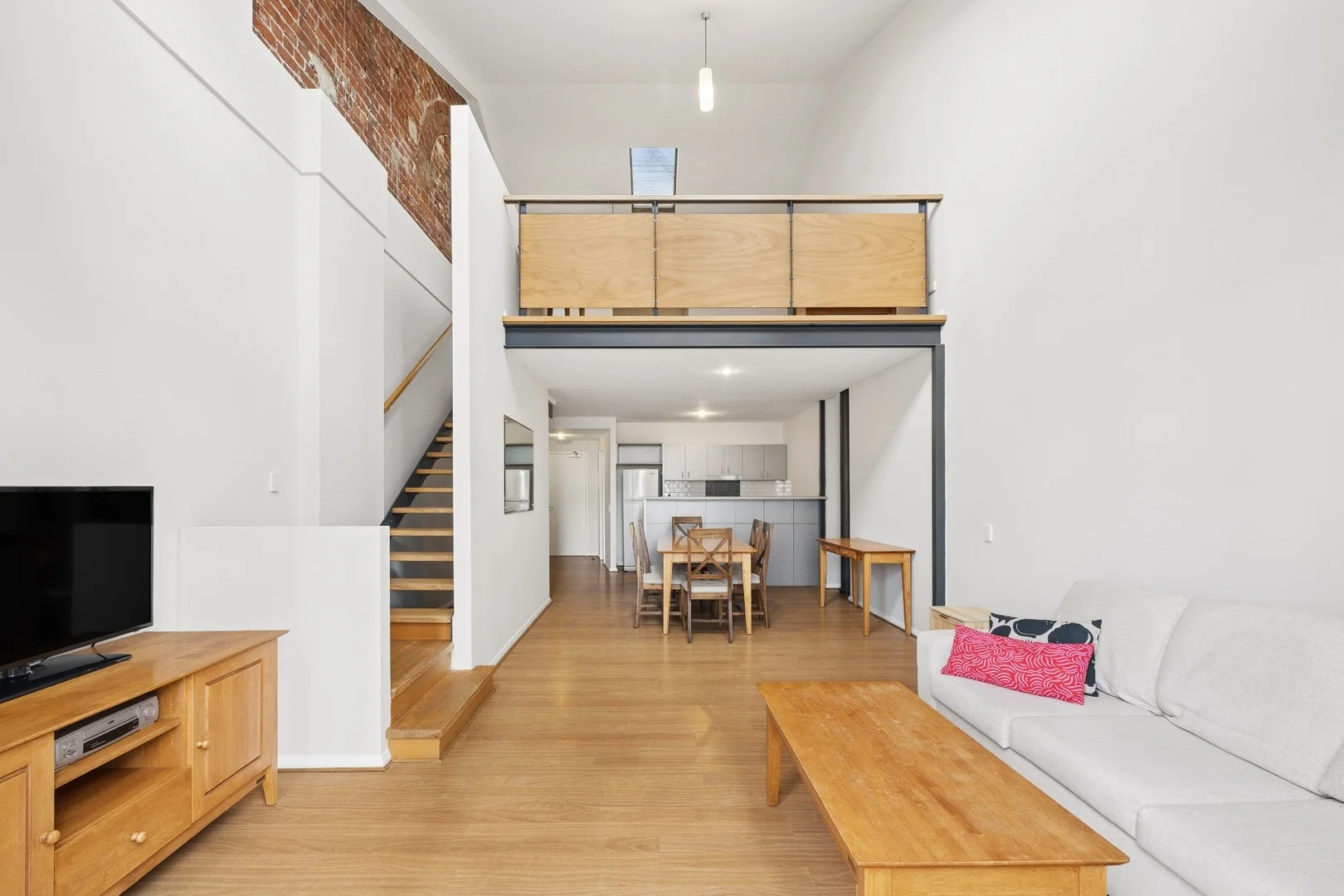 $549,000
Apartment / Unit / Flat
$549,000
Apartment / Unit / Flat
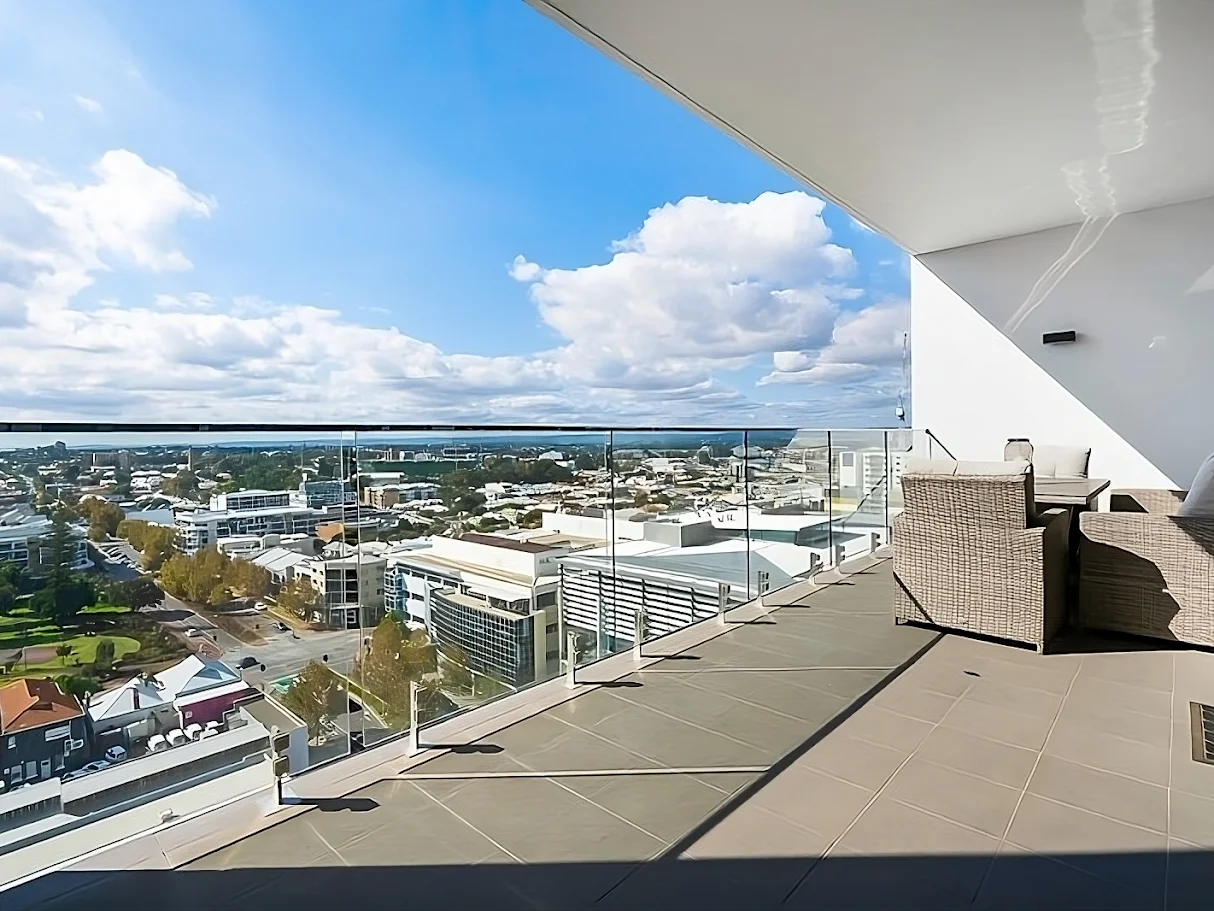 $580,000
Apartment / Unit / Flat
$580,000
Apartment / Unit / Flat
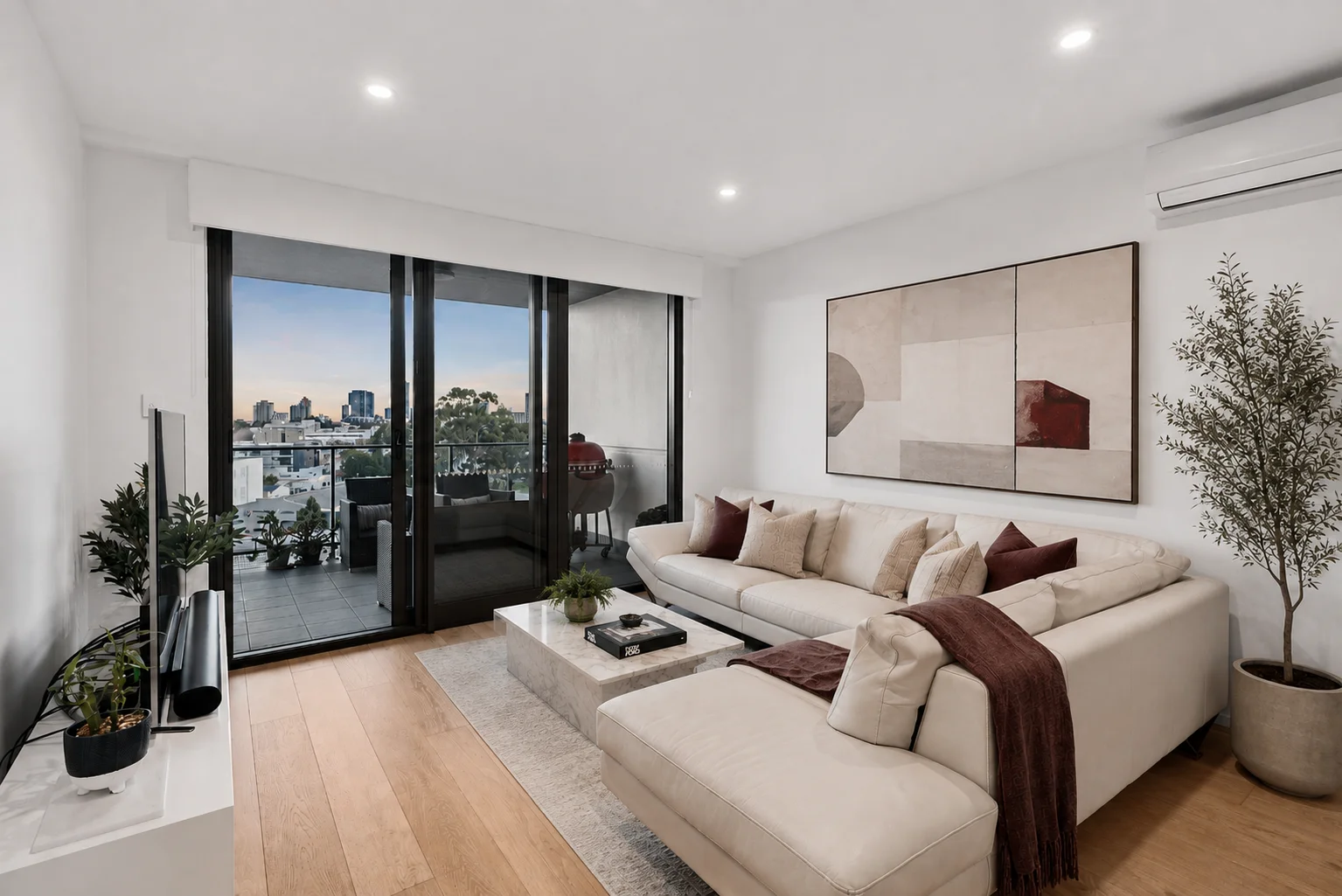 $700,000
Apartment / Unit / Flat
$700,000
Apartment / Unit / Flat


