## 1. Overview
The Quintilian School in Mount Claremont is an independent/private school offering a holistic, language- and humanities-focused education for school-aged children. The school emphasizes a nurturing, inclusive environment with a strong emphasis on character, critical thinking and communication skills.
- School type: Independent/private
- School size: Small to medium
- Class size: Small classes
- Atmosphere/culture: Nurturing, academically focused, inclusive
---
## 2. Academics & Learning
The school aims to build strong foundations across literacy, language development and critical thinking, with opportunities to engage deeply in humanities and public speaking.
- Academic strengths: Language-rich literacy, humanities, critical thinking and communication; emphasis on structured inquiry and thoughtful debate
- Special programs: Classical education framework and opportunities for enriched learning in languages, rhetoric and public speaking
- NAPLAN / Ofsted trends: Positive or improving literacy and numeracy outcomes over time, reflecting ongoing program effectiveness
- Student-teacher ratios: Low ratios supporting individualized attention (typical ranges around 1:8 to 1:12)
- Support for diverse learners: Available EAL and SEN support with targeted assistance and planning
---
## 3. Sports & Extracurricular Strengths
A key area for many families, with multiple options to complement academic study and personal interests.
- Sports offered: Soccer, basketball, cricket, swimming, athletics, and other community-friendly activities
- Strong teams or achievements: Participation in inter-school competitions and regular performance in regional events
- Music, arts, drama programs: Active music program and performing arts opportunities including drama productions
- Clubs: Robotics, chess, coding, debating and other interest-based clubs
- Partnerships: Connections with local academies and competitions to broaden opportunities beyond the classroom
---
## 4. Wellbeing & Pastoral Care
A core focus for student success, with systems to support mental wellbeing, belonging and smooth transitions.
- Anti-bullying approach: Proactive anti-bullying policies and programs with clear reporting pathways
- House system: House-based activities to foster belonging, leadership and teamwork
- Counsellors / wellbeing officers: Access to school counselors or wellbeing staff for personal and social support
- Transition support for new students: Orientation, buddy programs and dedicated staff support to ease transitions
---
## 5. Facilities
Facilities are designed to support a dynamic, modern learning environment with spaces for academics, arts and physical activity.
- Sports grounds: Sizable outdoor spaces for games and training
- Libraries: Well-stocked library with study spaces
- Science labs: Dedicated science labs for practical learning
- Music/performing arts centers: Dedicated spaces for music, drama and performances
- Tech/innovation labs: Modern classrooms and tech-enabled learning spaces
- Cafeteria: On-site eating facilities or canteen services
- Updated playgrounds: Safe, well-maintained outdoor play areas
---
## 6. School Values & Community Culture
Families look for schools with clear values and a supportive community culture.
- School values / mission: Emphasis on respect, integrity, curiosity and service
- Leadership style: Student-centered, inclusive leadership with opportunities for student voice
- Behaviour expectations: Clear conduct expectations and consistent guidance
- Community reputation: Positive standing within the local community and parent networks
- Diversity & inclusion: Commitment to an inclusive environment welcoming diverse backgrounds
---
## 7. School Logistics & Daily Operations
Practical details that help families plan around school life.
- School hours: Typical day begins in the morning and ends in the mid-afternoon; variations may occur by cohort
- Before/after school care: Available or available by arrangement
- Uniform requirements: Standard uniform policy
- Transport (train/bus routes): Access via local transport options; school may provide or coordinate bus routes
- Canteen availability: Canteen or lunch options available
- Fees (low/medium/high ranges): Fees generally in the medium to high range for independent/private schooling
---
## 8. Enrolment & Admissions
Key steps and timelines to help families understand the process.
11. What is the enrolment process and timeline?
- Inquiries → completed application → required documentation → assessment/interview (if applicable) → offer → enrolment confirmation
- Timelines vary; early applications are typically encouraged to secure a place
12. Is there a waiting list, and how does it work?
- Waiting lists may apply; priority often given to siblings or existing families in some cases
- Process usually includes application review and periodic updates on waitlist status
13. Are there any entry requirements, tests, or interviews?
- Entry may involve academic assessments, language checks or interviews to gauge fit with the program and culture
- Some programs may require demonstrations of language or literacy readiness
14. Does the school accept mid-year transfers?
- Mid-year transfers may be considered depending on space and alignment with the program
- Transfers typically require meeting current term requirements and timely documentation
---
## 9. Frequently Asked Questions
- Why Parents Choose This School?
- A holistic, language- and inquiry-driven program with small class sizes and a supportive community that values character and leadership.
- What type of student thrives at this school?
- Curious, motivated learners who enjoy humanities, languages, debate, arts and sports, and who benefit from close teacher attention.
- What opportunities are available for students to extend their skills (academics, sports, arts)?
- Enriched learning in languages and humanities, public speaking and debate, arts and music programs, and various clubs (robotics, coding, chess).
- How does the school communicate with parents?
- Regular newsletters, parent portals or emails, parent-teacher meetings and annual reporting.
- What is the school’s approach to teaching and learning?
- Student-centered, inquiry-based learning that develops critical thinking, communication and collaboration.
- How does the school support students who need extra academic help?
- Targeted tutoring, EAL/SEN support and small-group interventions as needed.
- What support is available for academic challenges?
- Access to learning support staff, individualized plans and monitoring of progress.
- How does the school communicate with parents?
- See above: regular updates through multiple channels and scheduled meetings.
- What are the class sizes and how much individual attention do students receive?
- Class sizes are small, with a focus on giving students substantial individual attention through favorable student-teacher ratios.
- What extracurricular and sports opportunities are available?
- A range of sports (team and individual), music and arts programs, and clubs such as robotics, chess, coding and debating.
- What facilities does the school offer (sports, science, arts)?
- Sports grounds, libraries, science labs, music/performing arts spaces, tech/innovation labs and a canteen.
- What is the school’s approach to technology and digital learning?
- Integrated technology in learning with digital literacy, device-enabled classrooms and appropriate online learning tools.
- What transport and accessibility options are available?
- Access to local transport and potential bus routes or arrangements; accessible facilities and services as needed.
- What are the typical school fees or additional costs?
- Fees fall in the medium to high range for independent/private schooling, with possible additional costs for uniforms, trips and activities.
---
## 10. Short Pros & Cons list
- Pros
- Small to medium size with small class advantages
- Language-rich, humanities- and debate-focused curriculum
- Strong pastoral care and supportive community
- Broad extracurriculars including sports, arts and clubs
- Inclusive environment with EAL/SEN support
- Cons
- Fees sit in the higher range for private schooling
- Smaller student body may mean a narrower selection of specialized programs than larger schools
- Mid-year transfer opportunities depend on space and alignment with program
- Some external partnerships and opportunities may be contingent on community access and capacity










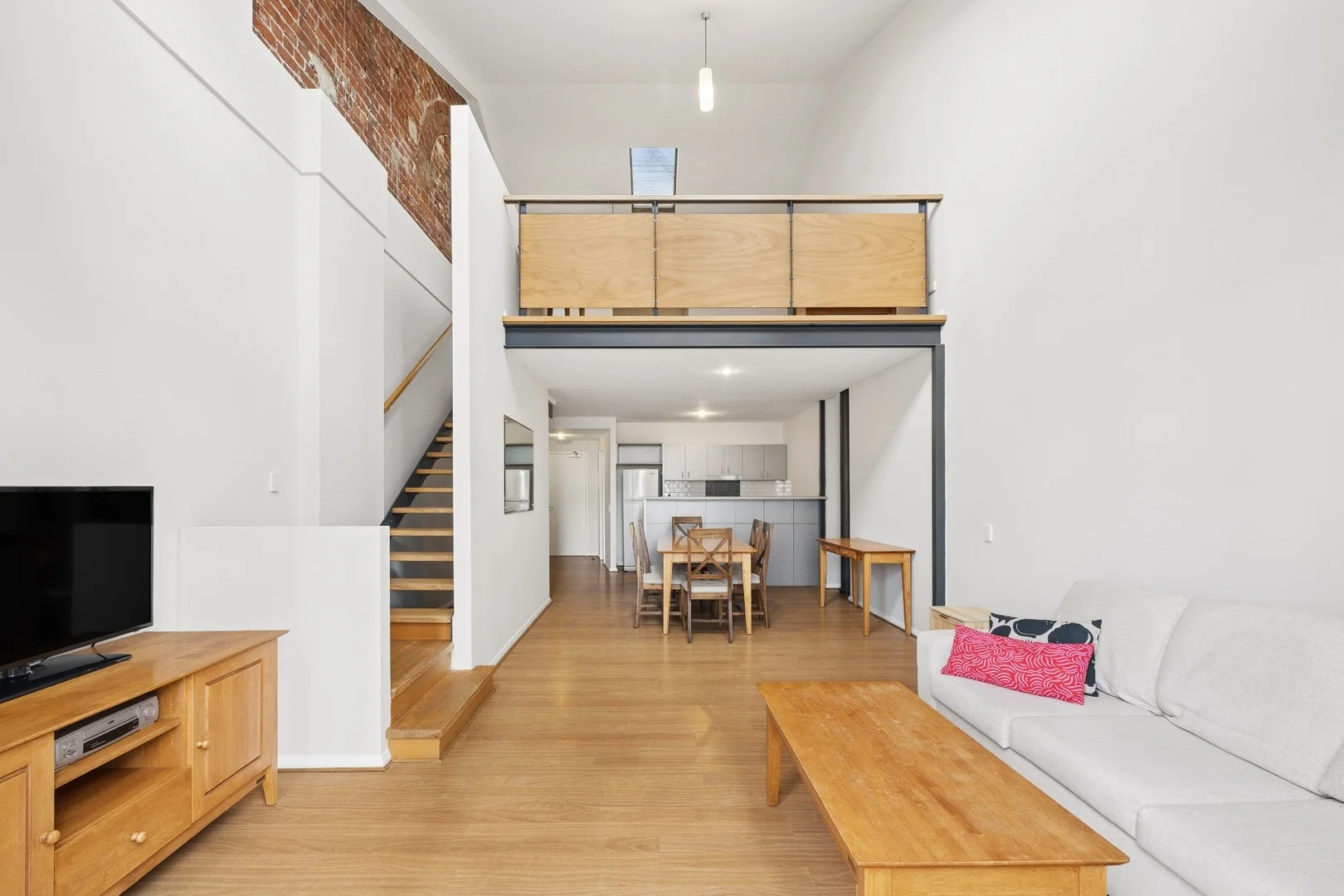 $549,000
Apartment / Unit / Flat
$549,000
Apartment / Unit / Flat
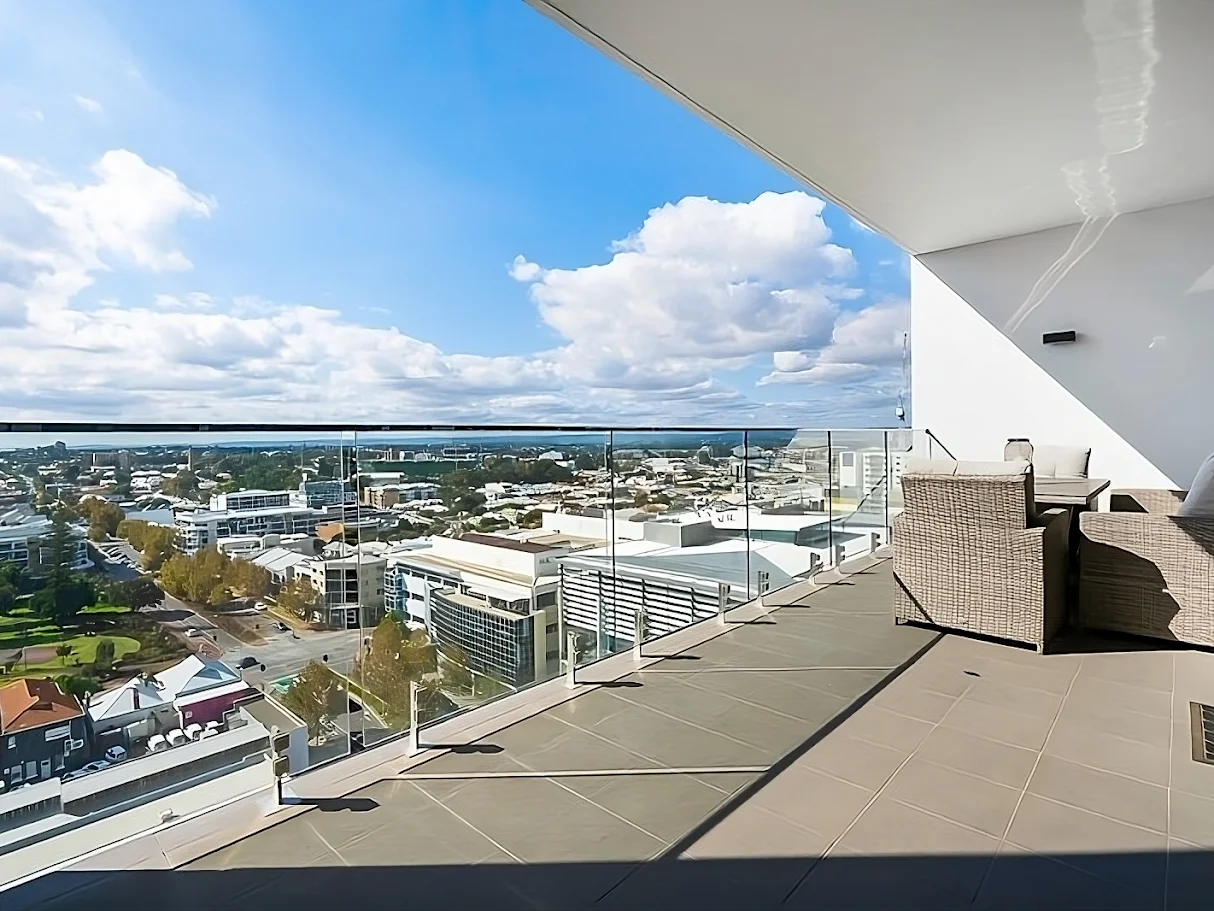 $580,000
Apartment / Unit / Flat
$580,000
Apartment / Unit / Flat
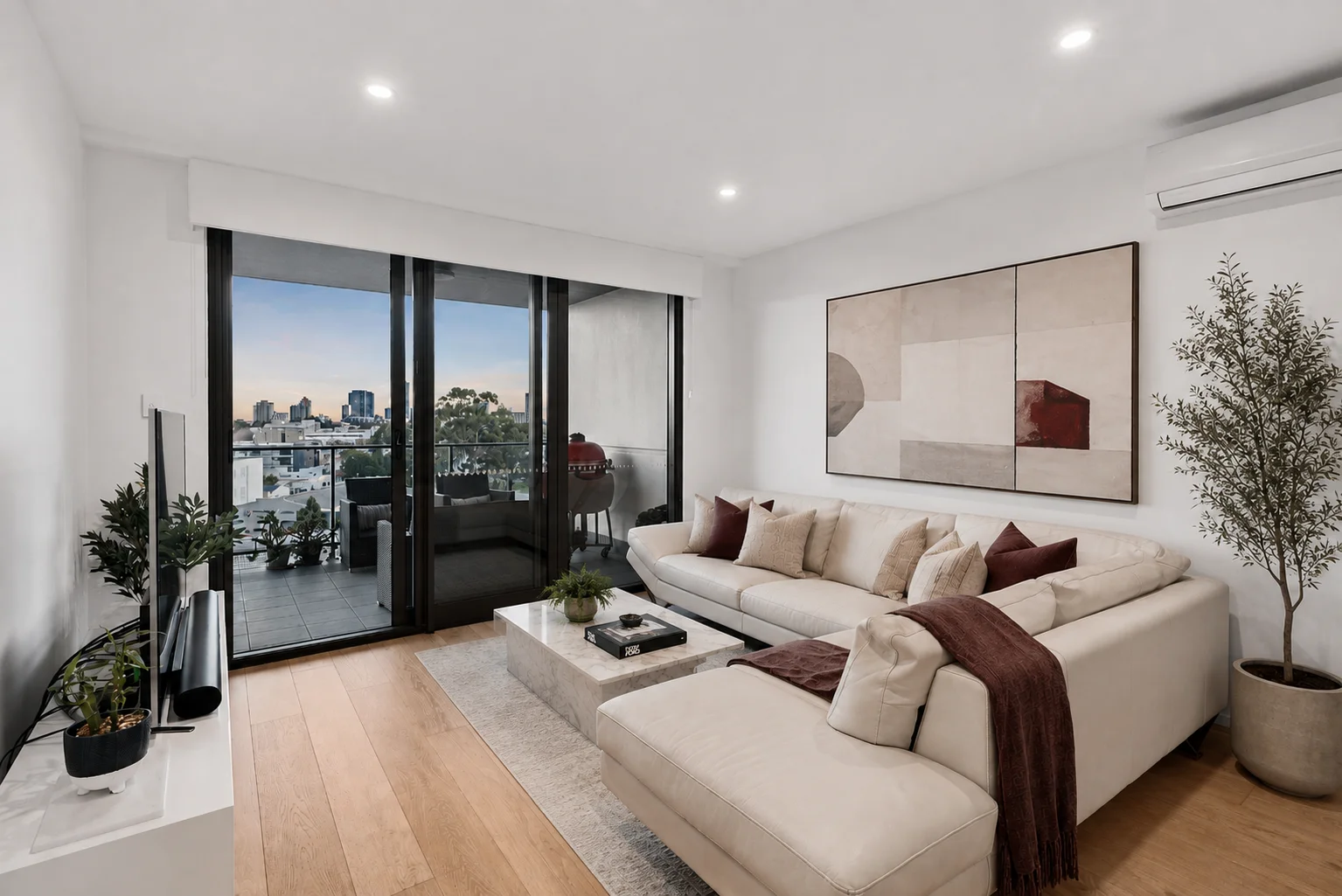 $700,000
Apartment / Unit / Flat
$700,000
Apartment / Unit / Flat