1. Overview
- School type: Public high school (government)
- School size: Medium to large
- Class size: Approximately 20–28 students per class
- Atmosphere/culture: Inclusive, academically focused, diverse, and supportive
2. Academics & Learning
- Academic strengths: English, STEM, languages, and student leadership development
- Special programs: ATAR/academic pathway options, accelerated learning opportunities, gifted & talented initiatives, and vocational/industry-connected pathways
- NAPLAN trends: Steady positive trends in reading and numeracy over recent years, with strong improvement in senior years
- Student-teacher ratios: Roughly 1:22 to 1:26
- Support for diverse learners: EAL support, SEN/staffed learning support, and inclusive education programs to accommodate diverse learning needs
3. Sports & Extracurricular Strengths
- Sports offered: Basketball, Netball, Soccer, Australian Rules Football, Athletics, Cricket, Tennis, swimming and other school-sponsored activities
- Strong teams or achievements: Competitive inter-school teams with regional representation and ongoing development programs
- Music, arts, drama programs: Robust music ensembles, choir, orchestras, school productions, and performing arts opportunities
- Clubs: Robotics, chess, coding, debating, and a range of student-led interests
- Partnerships: Collaborations with local sports clubs, regional competitions, and community arts/tech programs
4. Wellbeing & Pastoral Care
- Anti-bullying approach: Proactive anti-bullying policies, student wellbeing education, and clear reporting pathways
- House system: House/vertical groups to promote belonging, teamwork, and positive competition
- Counsellors / wellbeing officers: Access to school counsellors and wellbeing staff for personal, social, and academic support
- Transition support for new students: Orientation programs, buddy systems, and targeted support to help new students settle in
5. Facilities
- Sports grounds: On-site sports fields and courts
- Libraries: Well-resourced library with study spaces
- Science labs: Modern science laboratories for practical work
- Music/performing arts centers: On-site facilities for music and drama programs
- Tech/innovation labs: Computer/tech labs and makerspaces for coding and design
- Cafeteria: On-site canteen with healthy options
- Updated playgrounds: Well-maintained outdoor areas and recreation spaces
6. School Values & Community Culture
- School values / mission: Emphasis on respect, excellence, integrity and inclusion
- Leadership style: Collaborative, with student voice and staff mentoring
- Behaviour expectations: Clear behavioural codes and consistent expectations across the school
- Community reputation: Positive, family-friendly reputation within the local community
- Diversity & inclusion: Strong focus on diversity, inclusion, and equal opportunity for all students
7. School Logistics & Daily Operations
- School hours: Typical day from around 8:30am to 3:15pm (supervision available earlier)
- Before/after school care: After-school care options may be available through OSHC or local providers
- Uniform requirements: Uniforms are required (seasonal options available)
- Transport (train/bus routes): Accessible via local bus/train routes with school pickup/drops; central city connections nearby
- Canteen availability: On-site canteen offering a range of meal and snack options
- Fees (low/medium/high ranges): Public school fees are generally low to moderate; compulsory materials charges and optional costs for activities/excursions may apply
8. Enrolment & Admissions
11. What is the enrolment process and timeline?
- Applications typically go through the Western Australian Department of Education process; intake timelines usually occur for Year 7 entry with offers made in the lead-up to the new school year; parents submit application, attend interviews if required, receive offers, and complete enrolment documentation prior to the start of term.
12. Is there a waiting list, and how does it work?
- Waiting lists may apply for popular year levels or programs; processing is done by application date with priorities for siblings or specific program placements where applicable; space permitting, offers are extended accordingly.
13. Are there any entry requirements, tests, or interviews?
- Generally, there are no entrance exams for standard enrolment; some programs or entry into specific pathways may involve short interviews, EAL/SEN assessments, or simply meeting local intake eligibility. Space and program availability can influence eligibility.
14. Does the school accept mid-year transfers?
- Yes, subject to space and administrative processes; mid-year transfers are considered when vacancies exist and appropriate documentation is provided.
9. Frequently Ask Questions
- Why Parents Choose This School?
- A strong academic program, inclusive culture, supportive wellbeing services, modern facilities, and active student life with opportunities across academics, arts, and sport.
- What type of student thrives at this school?
- Motivated, curious, collaborative students who engage in academics, sports, arts, and community activities; those who value a supportive, respectful school environment.
- What opportunities are available for students to extend their skills (academics, sports, arts)?
- Advanced coursework and ATAR pathways, STEM and language programs, leadership opportunities, competitive sports, music ensembles, drama productions, robotics, coding, debating, and other clubs.
- How does the school communicate with parents?
- Regular newsletters and emails, parent portals, phone messages, and scheduled parent-teacher interviews; information about events and student progress is shared widely.
- What is the school’s approach to teaching and learning?
- Student-centered and differentiated instruction with a mix of in-class and practical learning, supported by technology and real-world applications.
- How does the school support students who need extra academic help?
- Targeted learning support, EAL and SEN services, small-group tutoring, and referrals to specialists as needed.
- What support is available for academic challenges?
- Access to counsellors, learning support staff, extended time accommodations where appropriate, and tailored intervention plans.
- How does the school communicate with parents? (duplicate)
- See above: newsletters, portals, emails, and interviews to keep families informed and engaged.
- What are the class sizes and how much individual attention do students receive?
- Class sizes typically range from about 20–28 students; teachers provide instruction with opportunities for small-group work and targeted support.
- What extracurricular and sports opportunities are available?
- A broad mix of sports teams, music ensembles, drama, robotics, chess, coding clubs, debating, and other student clubs; regular inter-school and community partnerships.
- What facilities does the school offer (sports, science, arts)?
- Comprehensive facilities including sports grounds, libraries, science labs, performing arts spaces, tech/innovation labs, a canteen, and well-maintained outdoor areas.
- What is the school’s approach to technology and digital learning?
- Integrated technology in teaching, computer labs and maker spaces, coding and digital literacy across subjects, and responsible use policies for safe online learning.
- What transport and accessibility options are available?
- Access via public transport routes and local school transport; considerations for accessibility and parking; proximity to bus/train services.
- What are the typical school fees or additional costs?
- As a public school, tuition is not charged; there are usually low material/voluntary contribution charges and optional costs for excursions or extra activities.
10. Short Pros & Cons list
- Pros:
- Strong academic pathway options and support for diverse learners
- Active wellbeing and pastoral care with supportive staff
- Broad extracurriculars including sports, arts, and clubs
- Modern facilities and a welcoming, inclusive culture
- Good communication with families and a collaborative school community
- Cons:
- Class sizes can vary; some years may have larger classes during peak intake
- Availability of certain programs can depend on year level and space
- Public transport and commute considerations may vary by residence
- Some optional activities carry additional costs for families on a tight budget
- Demand for popular programs may lead to waiting lists for entry in certain years or pathways

![Baby Rhymetime at Cambridge Library [Fridays]](https://image.aroundschools.com.au/[object Object]) Free
Free









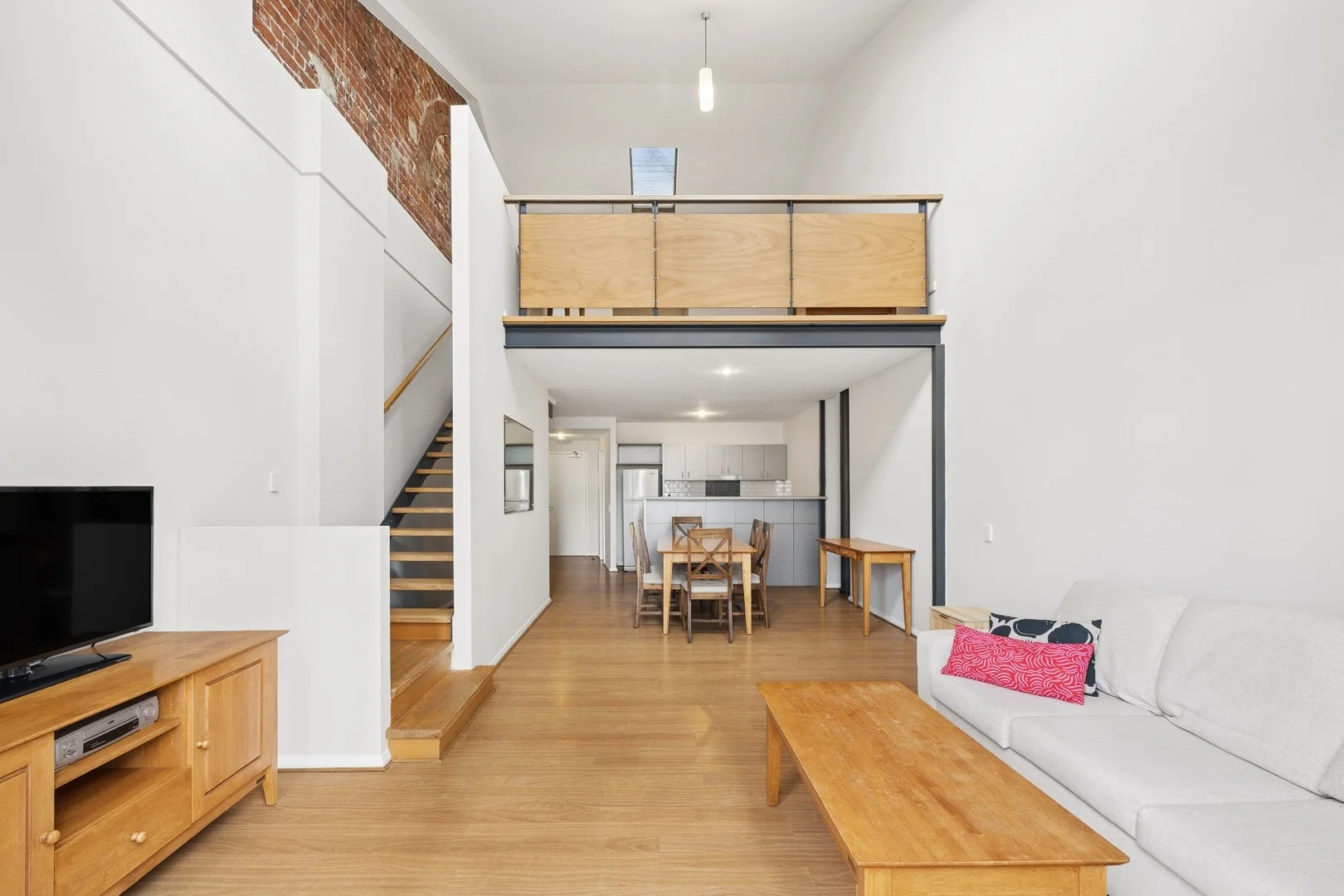 $549,000
Apartment / Unit / Flat
$549,000
Apartment / Unit / Flat
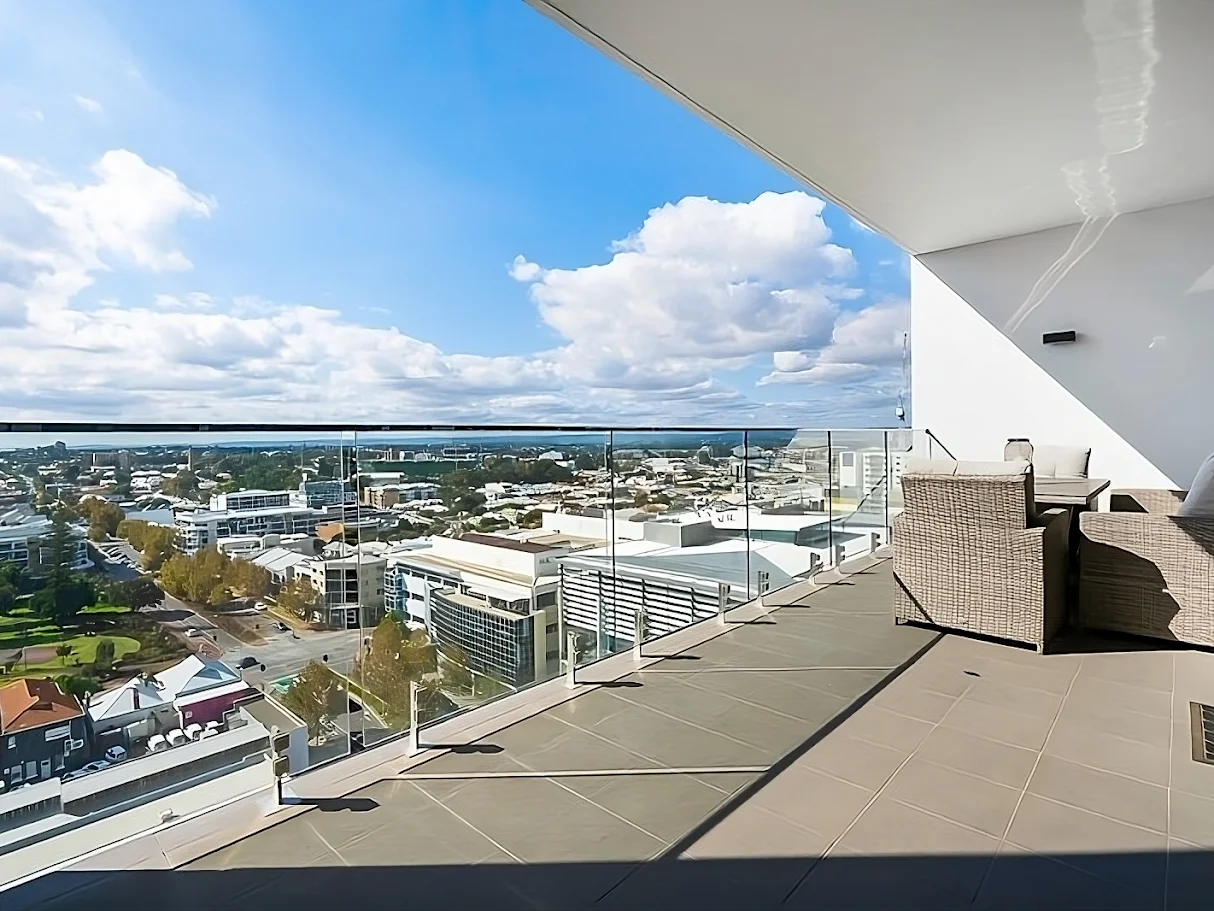 $580,000
Apartment / Unit / Flat
$580,000
Apartment / Unit / Flat
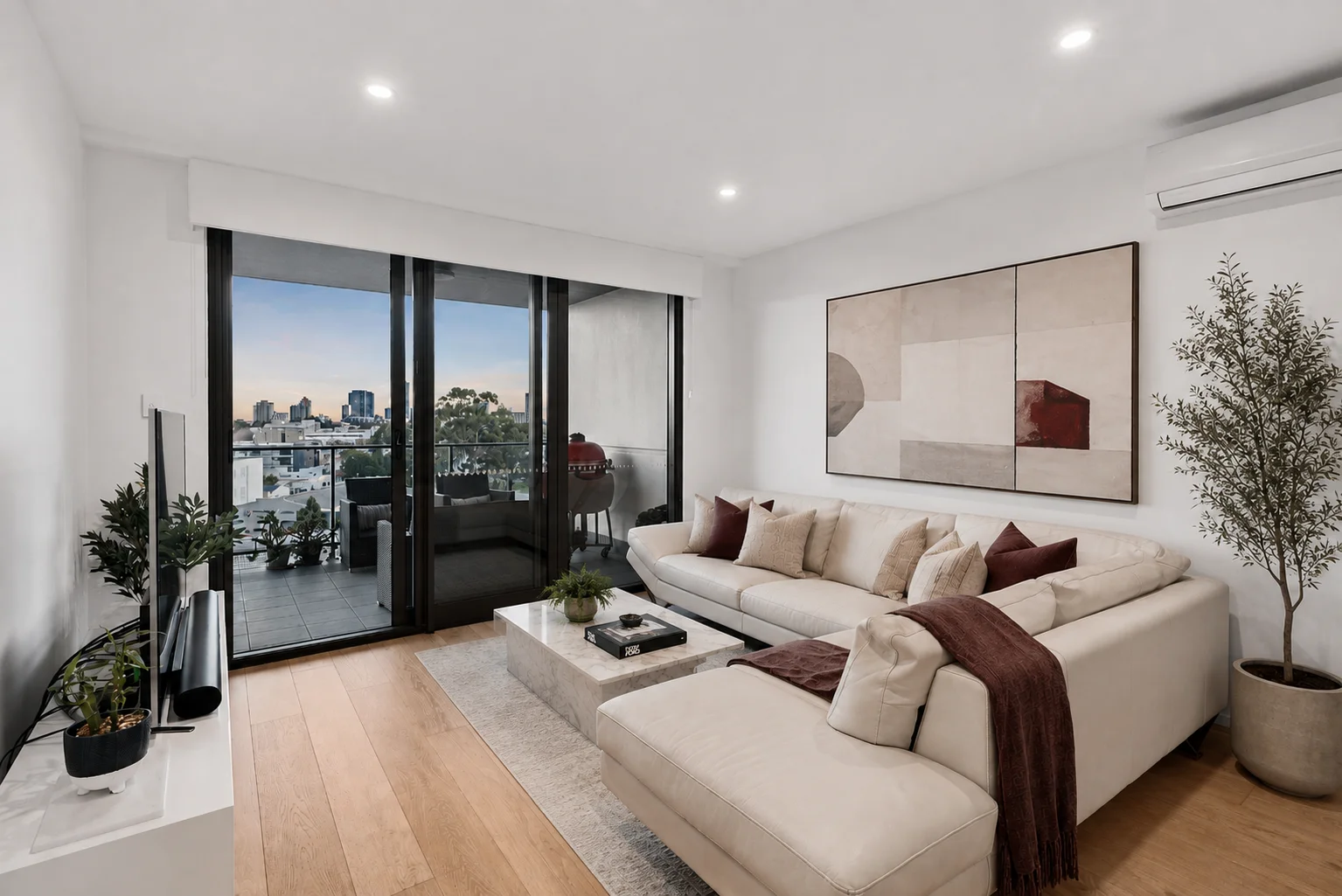 $700,000
Apartment / Unit / Flat
$700,000
Apartment / Unit / Flat


