## 1. Overview
Hollywood Primary School Nedlands is a public, coeducational primary school serving students from Kindergarten to Year 6. The school is medium-sized, with around 400–450 students across a mix of multi-age and single-year classes. Class sizes are typically in the mid-20s, allowing for ensure personalized attention while maintaining a strong classroom dynamic. The atmosphere is inclusive and nurturing, with a focus on academic engagement, community involvement, and student wellbeing.
The school emphasises a supportive, collaborative culture where students feel safe to take risks, ask questions, and work together. Parents often describe the environment as welcoming and student-centred, with a clear commitment to inclusion and high expectations across academic and social development.
⸻
## 2. Academics & Learning
Hollywood Primary School Nedlands prioritises a well-rounded curriculum aligned to the Australian Curriculum. Academic strengths include solid literacy and numeracy foundations, robust STEM activities, and language learning opportunities. The school runs targeted programs to develop critical thinking, problem-solving, and creative expression across year levels.
Special programs include Gifted and Talented options and opportunities for accelerated learning where appropriate. NAPLAN trends over recent years show steady growth in reading and numeracy, with continued focus on improving writing outcomes. The student-teacher ratio sits around 1:22, supporting meaningful classroom interaction and feedback. Support for diverse learners is strong, with EAL (English as an Additional Language) support and a dedicated learning support team to assist students with additional learning needs (SEN).
⸻
## 3. Sports & Extracurricular Strengths
Sports offered include soccer, netball, basketball, cricket, and athletics, with opportunities to represent the school in inter-school events. The school has competitive teams in regional competitions and a record of achievement in athletics and team sports. In addition to sport, there are robust music, arts, and drama programs, including choir and music ensembles, as well as visual arts opportunities.
Clubs available include robotics, coding, chess, and debating, supporting students to explore interests beyond the classroom. The school partners with local community clubs and regional competitions to provide broader experiences in sport, coding, and STEM activities, helping students develop teamwork and real-world skills.
⸻
## 4. Wellbeing & Pastoral Care
Wellbeing is a top priority, with a proactive anti-bullying approach built on a Positive Behaviour Framework and restorative practices. The school uses a house system to foster belonging, healthy competition, and peer support. Counsellors or wellbeing officers are available to support students with emotional and social needs, and a structured transition program assists new students adjusting to the school and community. Ongoing communication with families supports a holistic approach to student wellbeing and resilience.
⸻
## 5. Facilities
- Sports grounds and playing fields
- Modern library
- Science laboratories
- Music and performing arts centre
- Tech/innovation makerspace and computer labs
- Canteen offering healthy meal options
- Updated playgrounds and outdoor learning spaces
The campus is designed to be visually engaging and easy to navigate, with flexible learning spaces to support collaborative projects, hands-on activities, and quiet study areas.
⸻
## 6. School Values & Community Culture
The school’s values focus on respect, responsibility, curiosity, and resilience. Leadership is collaborative, with opportunities for student voice and leadership roles within classroom and school-wide initiatives. Behaviour expectations center on a positive, respectful culture and consistent routines that support a safe learning environment. The school has a strong community reputation for inclusivity, parent involvement, and local partnerships that enhance learning experiences. Diversity and inclusion are celebrated, with support structures in place for students from diverse backgrounds and language communities.
⸻
## 7. School Logistics & Daily Operations
- School hours: typical instructional day runs from morning to mid-afternoon.
- Before/after school care: available through approved providers or school program.
- Uniform requirements: standard uniform policy with clear guidelines for everyday wear and sport days.
- Transport: access to regional bus routes; details provided by the school and local transport authorities.
- Canteen: available with a range of healthy options and catering for special dietary needs.
- Fees: for a public school, core tuition is not charged; there are modest costs for materials, excursions, and some activities.
⸻
## 8. Enrolment & Admissions
11. What is the enrolment process and timeline?
- Submit the enrolment form within the published window for the relevant intake year.
- Provide required documentation (proof of residence, immunisation records, birth certificate or passport, and any relevant custody or guardianship information).
- Complete any school-specific onboarding steps and attend any information sessions or orientation days as offered.
- Timeline varies by year level and term openings; new families are advised to apply early to secure placement.
12. Is there a waiting list, and how does it work?
- If year levels are full, a waiting list may be established. Priority is typically given based on date of application and in-district residency. The school communicates waitlist status and expected timelines when applicable.
13. Are there any entry requirements, tests, or interviews?
- For a public primary school, entry tests are generally not required. Some programs (e.g., gifted and talented or language support pathways) may have specific eligibility considerations, but most enrolments are based on standard application and residency requirements. Interviews are not routine for standard enrolments.
14. Does the school accept mid-year transfers?
- Mid-year transfers are considered based on space and availability. Families seeking mid-year enrolment should contact the school promptly to discuss options and required documentation (transcripts, immunisation records, current school reports).
⸻
## 9. Frequently Asked Questions
- Why Parents Choose This School?
- A welcoming, inclusive community with strong academics, supportive wellbeing programs, and balanced focus on sport, arts, and STEM.
- What type of student thrives at this school?
- Curious, cooperative learners who engage across disciplines, participate in clubs, and value collaboration and resilience.
- What opportunities are available for students to extend their skills (academics, sports, arts)?
- Gifted and Talented pathways, accelerated options where appropriate, a range of sports teams, robotics, coding, chess, debating, and music/theatre programs.
- How does the school communicate with parents?
- Regular newsletters, parent-teacher conferences, a digital learning portal, and open-door communication with teachers and administration.
- What is the school’s approach to teaching and learning?
- Student-centred, cohort-based learning with a mix of direct instruction, collaborative projects, and inquiry-based activities aligned to the Australian Curriculum.
- How does the school support students who need extra academic help?
- Dedicated learning support staff, EAL assistance, targeted interventions in literacy and numeracy, and targeted small-group instruction.
- What support is available for academic challenges?
- Early identification through assessments and ongoing monitoring, with tailored strategies and progress reviews.
- How does the school communicate with parents? (Repeated)
- See above; includes multiple channels and regular updates.
- What are the class sizes and how much individual attention do students receive?
- Class sizes typically mid-20s, with teacher planning time and targeted small-group instruction to support individual needs.
- What extracurricular and sports opportunities are available?
- A wide range of sports (soccer, netball, basketball, cricket, athletics), plus robotics, coding, chess, debating, and performing arts clubs.
- What facilities does the school offer (sports, science, arts)?
- Sports grounds, libraries, science labs, music/performing arts centre, tech labs, and arts spaces.
- What is the school’s approach to technology and digital learning?
- Integration of digital tools across the curriculum, supported by computer labs and a makerspace to foster coding, problem-solving, and responsible use of technology.
- What transport and accessibility options are available?
- Access to bus routes and reasonable transport options; details provided by the school and local authorities.
- What are the typical school fees or additional costs?
- Core tuition is not charged at a public school; modest costs cover materials, excursions, and optional activities.
⸻
## 10. Short Pros & Cons list
- Pros
- Inclusive, nurturing learning environment
- Strong academic foundations with targeted supports
- Broad range of extracurriculars (sports, arts, STEM)
- Active wellbeing and pastoral care
- Modern facilities and well-maintained campus
- Transparent communication with families
- Cons
- Class sizes mid-20s may feel crowded for some families
- Waiting lists can occur in popular year levels
- Public school context means some programs are limited by district resources and schedules
- Uniform requirements and coordinated transport may add planning for families
⸻









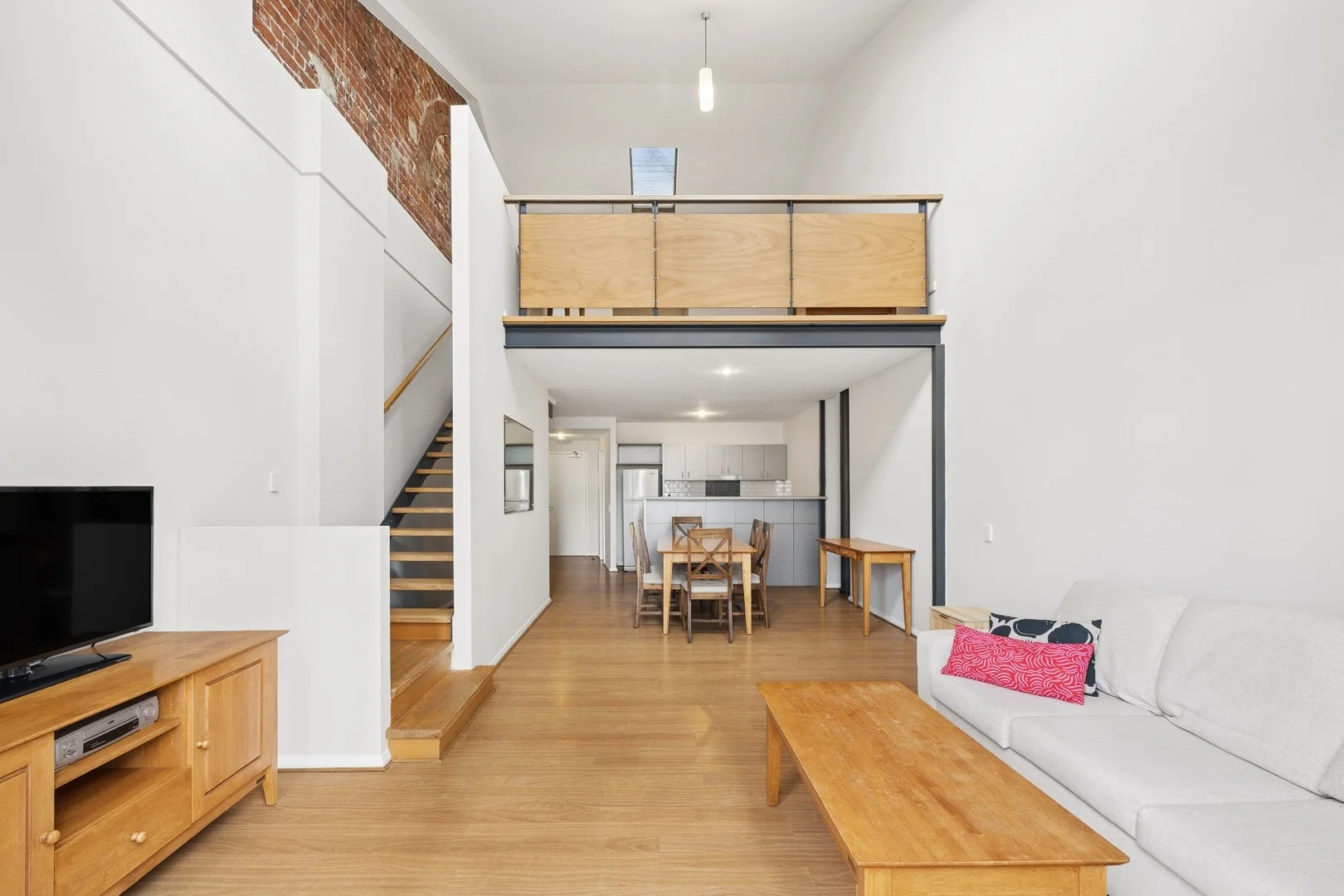 $549,000
Apartment / Unit / Flat
$549,000
Apartment / Unit / Flat
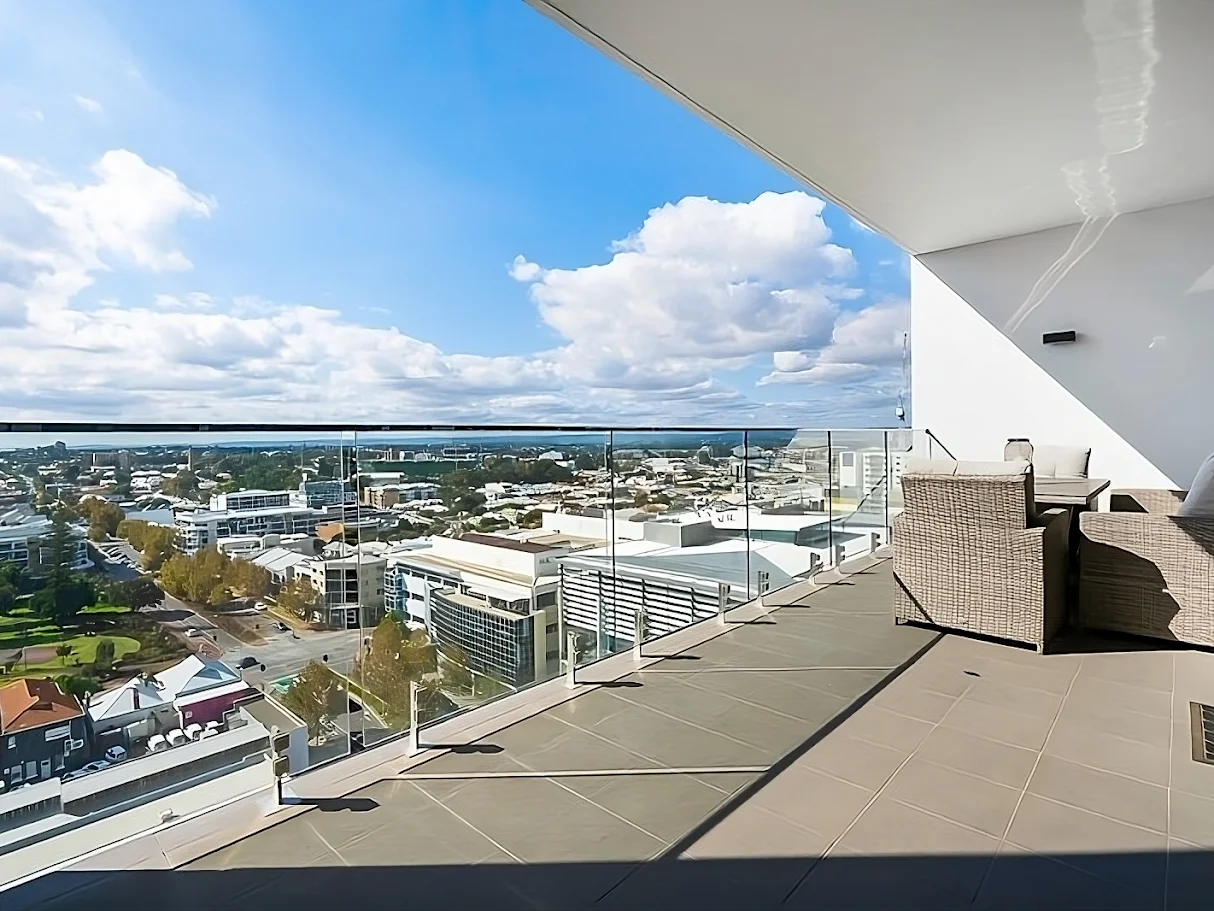 $580,000
Apartment / Unit / Flat
$580,000
Apartment / Unit / Flat
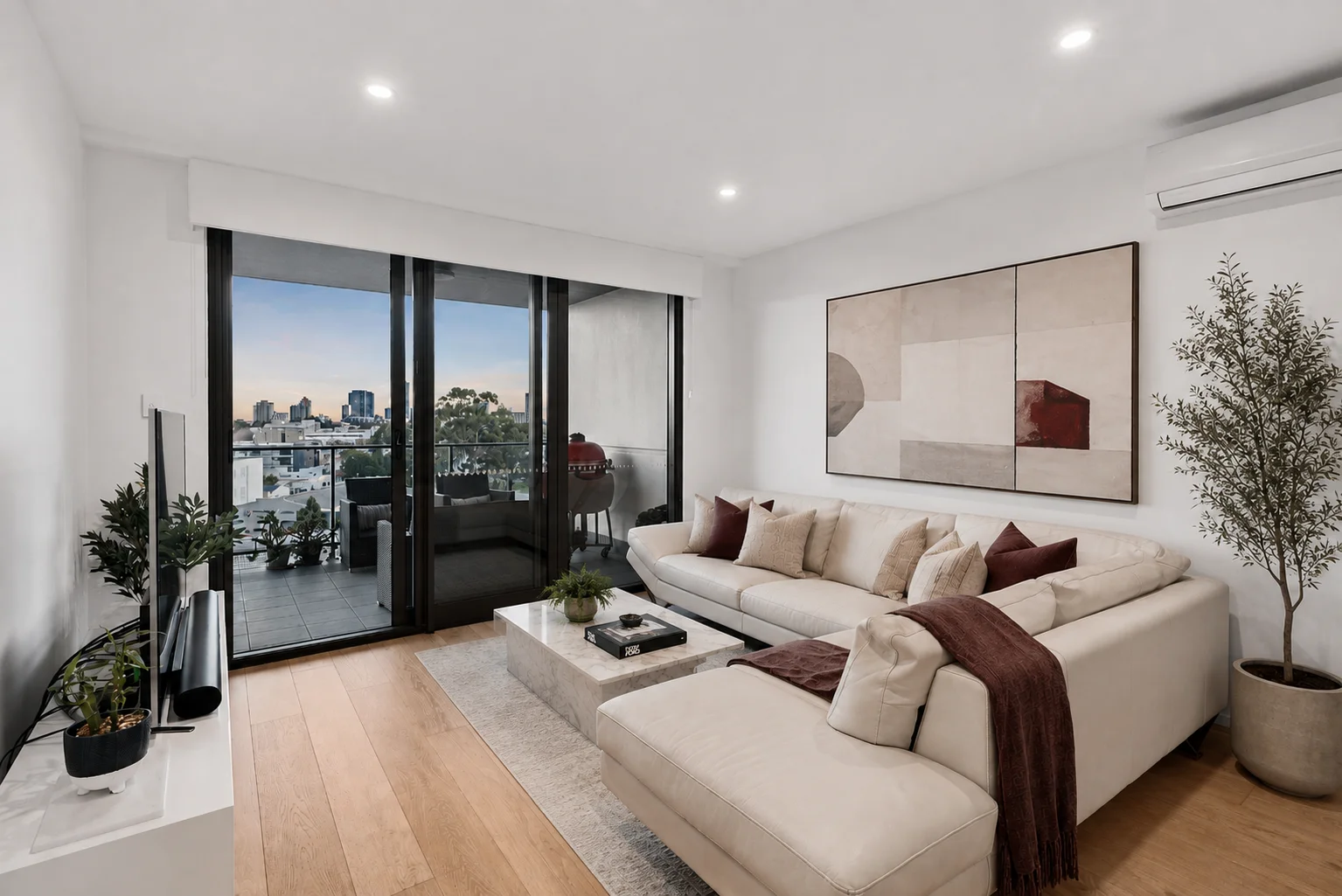 $700,000
Apartment / Unit / Flat
$700,000
Apartment / Unit / Flat