1. Overview (1–2 paragraphs max)
Swanbourne Primary School is a public, co-educational primary school serving students from Kindergarten to Year 6. Located in Swanbourne, Western Australia, the school focuses on creating a welcoming, inclusive learning environment that supports academic growth and social development.
Key details:
- School type: Public
- School size: Medium
- Class size: Approximately 22–28 students per class
- Atmosphere/culture: Nurturing, inclusive, academically focused, and community-minded
⸻
2. Academics & Learning
Swanbourne Primary School emphasises strong literacy and numeracy foundations, with additional strengths in STEM and languages. The school supports a well-rounded curriculum that encourages inquiry, critical thinking and collaborative learning.
Key details:
- Academic strengths: English/literacy, numeracy, STEM, and language learning
- Special programs: Gifted and Talented/extension opportunities; integrated digital technologies and coding experiences
- NAPLAN trends: Steady year-on-year improvement with performance typically on par with WA averages
- Student-teacher ratios: Around 1:22–1:25
- Support for diverse learners: EAL support, SEN support, inclusive education programs, and access to specialist staff as needed
⸻
3. Sports & Extracurricular Strengths
This section highlights opportunities that many Australian families look for, including team sports, arts, and clubs that build skills beyond the classroom.
Key details:
- Sports offered: Soccer, AFL, netball, cricket, athletics, swimming, and school events
- Strong teams or achievements: Active participation in inter-school events with representation across teams and age groups
- Music, arts, drama programs: Music program, school choir, annual drama and performing arts activities
- Clubs: Robotics, coding, chess, debating, and other enrichment clubs
- Partnerships: Local clubs and community programs for sport, coding, and competitions
⸻
4. Wellbeing & Pastoral Care
A strong wellbeing framework helps families feel secure about their child’s safety and social development.
Key details:
- Anti-bullying approach: Whole-school anti-bullying policy, proactive awareness, and inclusive practices
- House system: House groups to foster belonging, teamwork, and leadership opportunities
- Counsellors / wellbeing officers: Access to school-based wellbeing staff to support students and families
- Transition support for new students: Orientation activities, buddy programs, and targeted transition support
⸻
5. Facilities
Facilities are a important factor for parents, presented in a clear and visual way.
Key details:
- Sports grounds
- Libraries
- Science labs
- Music/performing arts centers
- Tech/innovation labs
- Cafeteria
- Updated playgrounds
⸻
6. School Values & Community Culture
Parents want to know the ethos and everyday climate of the school.
Key details:
- School values / mission: Respect, Responsibility, Collaboration, and Integrity with a focus on growth and inclusivity
- Leadership style: Student voice and leadership opportunities; collaborative decision-making with staff and families
- Behaviour expectations: Clear codes of conduct and positive behavior support
- Community reputation: Strong parent and local community involvement; supportive network for students and families
- Diversity & inclusion: Commitment to an inclusive environment that celebrates diverse backgrounds and abilities
⸻
7. School Logistics & Daily Operations
Quick, practical details to help families plan.
Key details:
- School hours: Typically around 8:30 am – 3:00 pm (school days may vary; check with the school)
- Before/after school care: Available through external providers or school-supported programs
- Uniform requirements: School uniform required; details provided by the school
- Transport (train/bus routes): Public transport options nearby; school bus routes may be available depending on catchment
- Canteen availability: Canteen or canteen services available
- Fees (low/medium/high ranges): Low to moderate contributions typical for public primary schools; additional costs may apply for excursions and activities
⸻
8. Enrolment & Admissions
11. What is the enrolment process and timeline?
12. Is there a waiting list, and how does it work?
13. Are there any entry requirements, tests, or interviews?
14. Does the school accept mid-year transfers?
Enrolment for public primary schools generally follows the Department of Education process. Applications are typically submitted through the local intake area, with timelines guiding when placements are allocated. Families should confirm catchment eligibility and required documents (e.g., proof of residency, immunisation records) with the school or the Department of Education. Open enrolment periods and orientation events help new families engage with the school community.
Waiting lists can occur if applications exceed available spots, especially within popular intake periods. Priority for enrolment is often given to students residing within the school’s catchment area, followed by transfer requests based on space availability.
Entry requirements usually do not include entrance tests for primary years; interviews are uncommon unless specifically requested for certain programs. Mid-year transfers are possible when spaces permit, subject to school approvals and alignment with year level capacity.
⸻
9. Frequently Asked Questions
- Why Parents Choose This School?
- A welcoming, inclusive community with strong literacy and numeracy foundations, a broad extracurricular program, and supportive wellbeing services.
- What type of student thrives at this school?
- Curious, respectful, collaborative learners who engage across academics, sport, arts, and community activities.
- What opportunities are available for students to extend their skills (academics, sports, arts)?
- Gifted and Talented extensions, STEM and coding experiences, inter-school sports, music and drama programs, and clubs such as robotics, chess, and debating.
- How does the school communicate with parents?
- Regular newsletters, email updates, parent-teacher meetings, and digital platforms to share news and student progress.
- What is the school’s approach to teaching and learning?
- Learner-centered, inclusive, with a mix of explicit instruction, inquiry-based learning, and integration of digital technologies.
- How does the school support students who need extra academic help?
- Targeted interventions through the Learning Support team, EAL and SEN support, and access to specialists where needed.
- What support is available for academic challenges?
- Small-group or in-class assistance, targeted tutoring, and ongoing progress monitoring to adjust supports.
- How does the school communicate with parents?
- See above: multiple channels including newsletters, app notifications, and meetings.
- What are the class sizes and how much individual attention do students receive?
- Typical class sizes around 22–28 students; individual attention supported by teacher–student ratios and targeted supports.
- What extracurricular and sports opportunities are available?
- A range of sports (soccer, AFL, netball, cricket, athletics, swimming), music and drama, and clubs (robotics, coding, chess, debating).
- What facilities does the school offer (sports, science, arts)?
- Sports grounds, libraries, science labs, music/performing arts spaces, tech/innovation labs, cafeteria, and modern playgrounds.
- What is the school’s approach to technology and digital learning?
- Integrated digital technologies, coding and robotics programs, and access to devices and interactive learning tools.
- What transport and accessibility options are available?
- Public transport accessibility is available; school bus routes depend on catchment and space; walking and cycling options may be encouraged.
- What are typical school fees or additional costs?
- Generally low to moderate; costs mainly involve uniforms, excursions, and optional activities, with government-provided funding supporting core education.
⸻
10. Short Pros & Cons list
Pros:
- Public school with a nurturing, inclusive culture
- Strong literacy, numeracy, and STEM foundations
- Broad extracurriculars including sports, arts, and clubs
- Supportive wellbeing services and transition programs
- Modern facilities and dedicated spaces for learning and creativity
Cons:
- Class sizes, while typical for public schools, may vary by year and cohort
- Transport options depend on catchment and local routing
- Some activities may involve voluntary contributions or extra costs for excursions
⸻











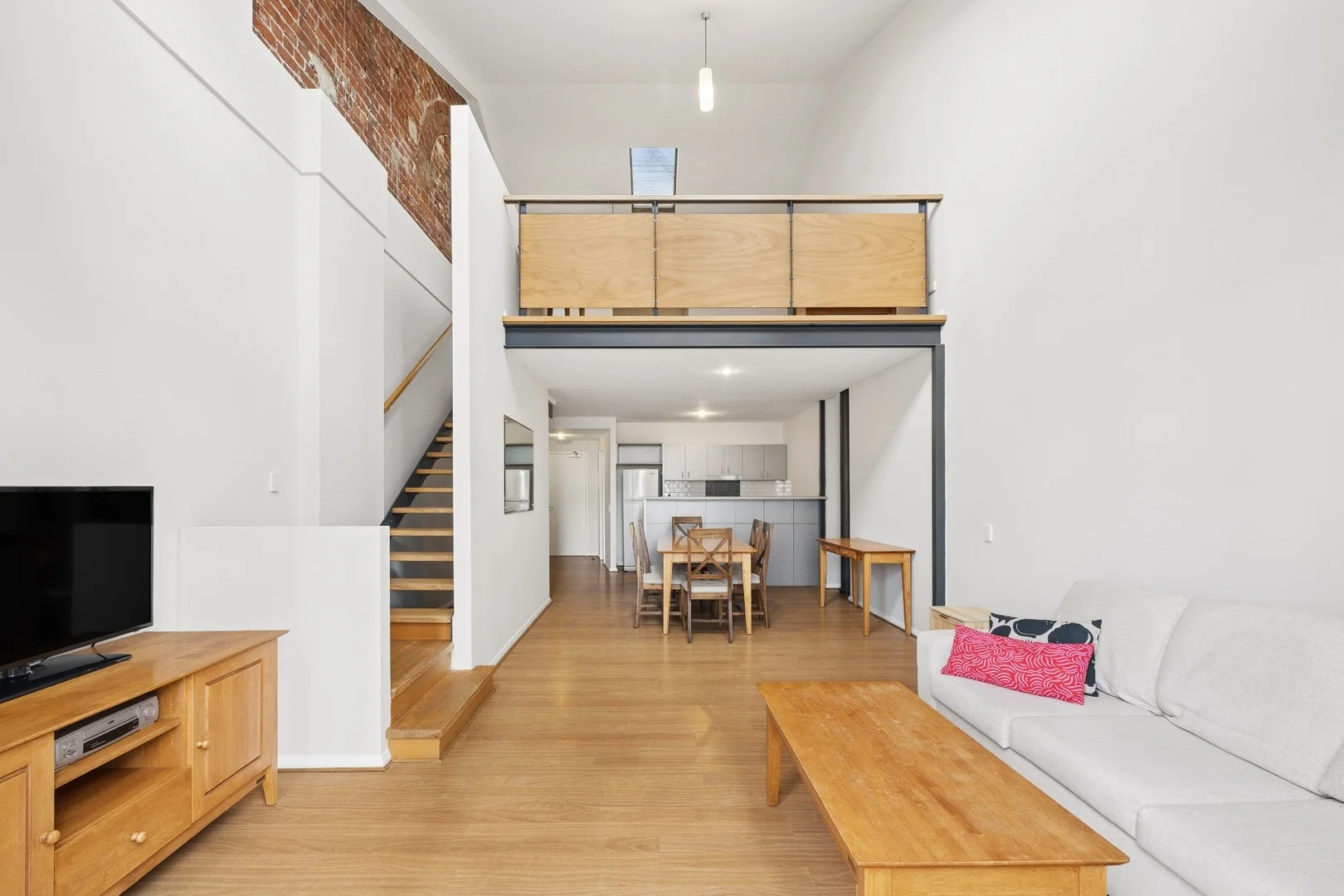 $549,000
Apartment / Unit / Flat
$549,000
Apartment / Unit / Flat
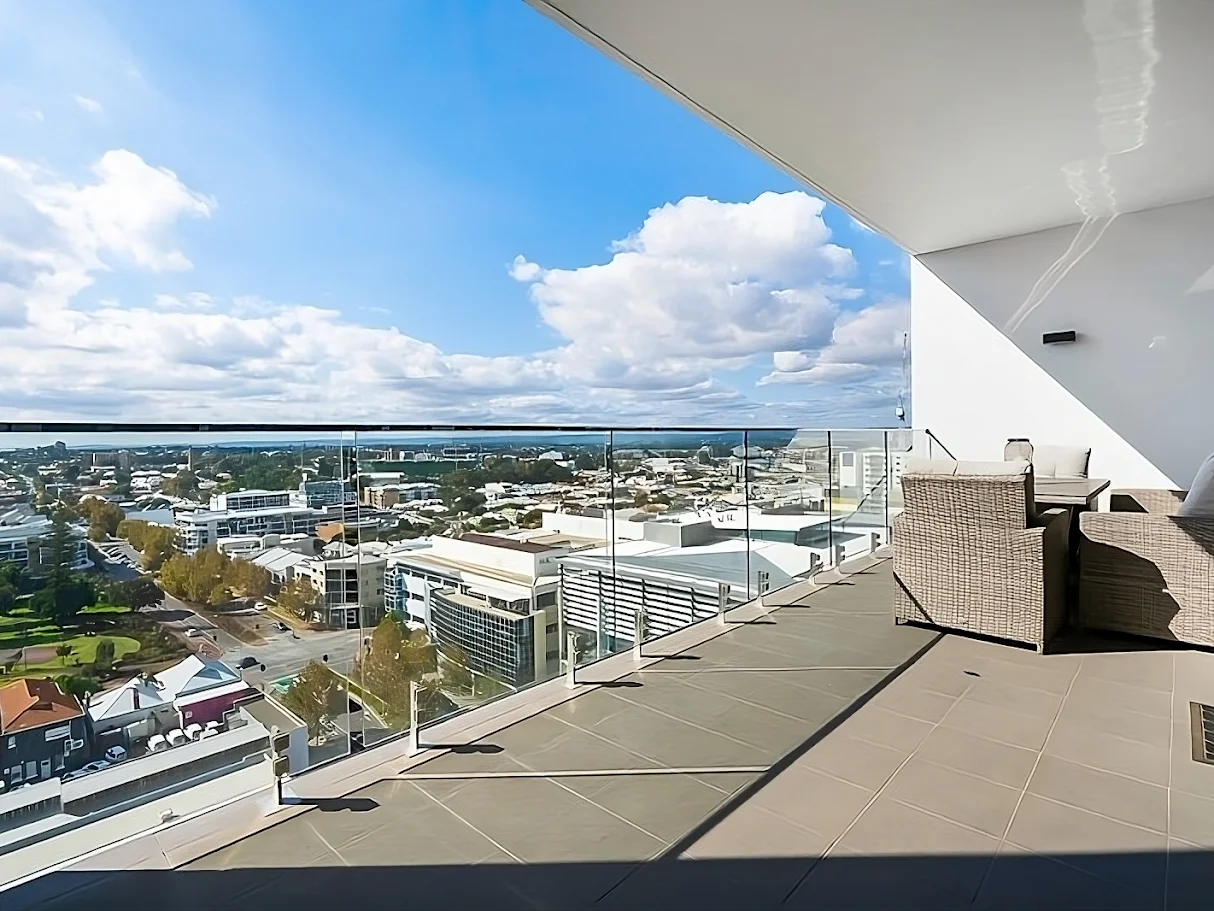 $580,000
Apartment / Unit / Flat
$580,000
Apartment / Unit / Flat
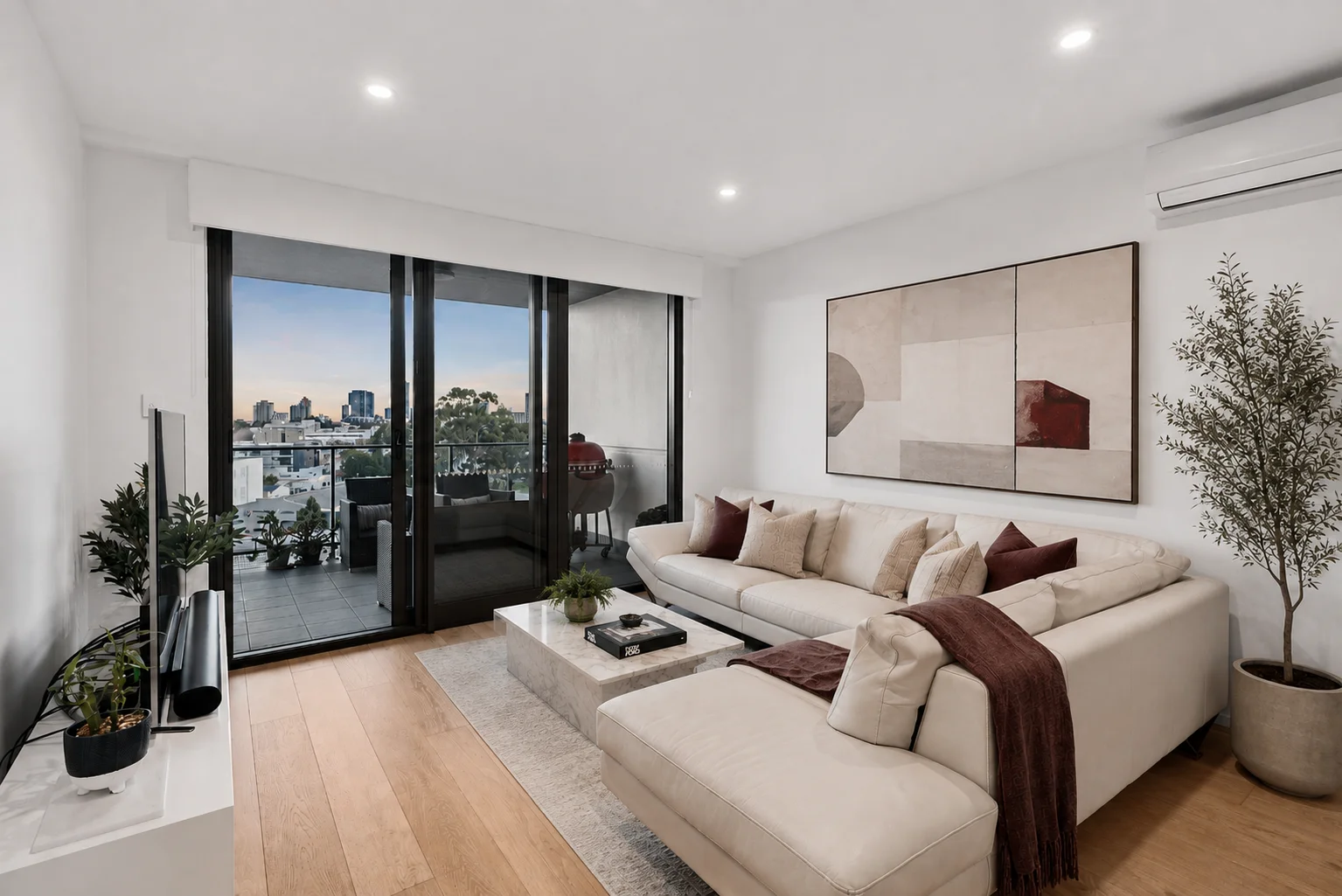 $700,000
Apartment / Unit / Flat
$700,000
Apartment / Unit / Flat