1. Overview
St Aloysius’ College Milsons Point is an independent Catholic boys’ school rooted in the Jesuit educational tradition. It offers a holistic form of education that emphasises academic excellence, character development, and service to others. The school sits in a medium-sized community that values a respectful, inclusive culture where students are encouraged to strive for personal best.
Class sizes are typically in the low-to-mid 20s, supporting individual attention within a supportive, learning-focused atmosphere. The overall environment combines academic rigour with opportunities for leadership, community involvement, and participation in a broad range of co-curricular activities.
⸻
2. Academics & Learning
- Academic strengths: strong emphasis on English and literacy, STEM foundations, leadership development, and language study; a balanced curriculum designed to develop critical thinking and communication skills.
- Special programs: opportunities for accelerated or extension learning and gifted/talented pathways; leadership programs integrated into the school experience; a focus on holistic development in keeping with Ignatian principles.
- NAPLAN / trends: consistent demonstration of solid literacy and numeracy performance with a trend toward steady improvement and strong results relative to state benchmarks.
- Student-teacher ratios: typically low-to-mid range (roughly 1:12 to 1:15), enabling regular teacher access and targeted support.
- Support for diverse learners: dedicated learning support, EAL assistance where needed, and inclusive education practices to help students achieve their potential.
⸻
3. Sports & Extracurricular Strengths
- Sports offered: broad program including rugby, cricket, basketball, football (soccer), athletics, and swimming; strong participation in inter-school competitions.
- Strong teams or achievements: notable participation in local and state competitions with competitive teams across multiple sports.
- Music, arts, drama programs: active music and performing arts offerings, school productions, ensembles, and choirs that complement academic life.
- Clubs: robotics, chess, coding, debating, public speaking, and other enrichment clubs to broaden skills beyond the classroom.
- Partnerships: collaborations with local clubs, academies, and competitions to extend opportunities in sport, science, and the arts.
⸻
4. Wellbeing & Pastoral Care
- Anti-bullying approach: clear policies and programs to promote respectful behaviour, with student-led initiatives and a focus on inclusive culture.
- House system: house-based structure that supports pastoral care, mentoring, and friendly competition across activities.
- Counselors / wellbeing officers: on-site support from school counselors or wellbeing staff to assist with social-emotional learning and transitions.
- Transition support for new students: orientation programs, buddy systems, and targeted transition support to help newcomers settle in smoothly.
⸻
5. Facilities
- Sports grounds: on-site facilities to support rugby, cricket, football, athletics, and general fitness.
- Libraries: well-stocked library resources with study and quiet learning spaces.
- Science labs: modern laboratories for biology, chemistry, and physics.
- Music/performing arts centers: spaces for rehearsals, ensembles, and performances.
- Tech/innovation labs: dedicated spaces for technology, coding, and creative projects.
- Cafeteria: on-site food services with a variety of healthy options.
- Updated playgrounds: modern, well-maintained play and activity areas.
⸻
6. School Values & Community Culture
- School values / mission: founded on Ignatian/Jesuit values—excellence, integrity, service, and care for others.
- Leadership style: participatory and student-centered, with opportunities for student leadership and involvement in decision-making processes.
- Behaviour expectations: clear codes of conduct that promote respect, responsibility, and positive conduct within the school community.
- Community reputation: well-regarded within the Catholic independent school sector on Sydney’s North Shore, with a supportive alumni and parent community.
- Diversity & inclusion: commitment to a welcoming environment for students from diverse backgrounds and made-to-fit supports for individual needs.
⸻
7. School Logistics & Daily Operations
- School hours: typical day runs through a standard school timetable (commonly starting mid-morning and finishing mid-afternoon).
- Before/after school care: available, with programs designed to support families with earlier starts or later pick-ups.
- Uniform requirements: standard school uniform with summer and winter options; neat, presentable dress is emphasised.
- Transport (train/bus routes): accessible by public transport (notably nearby Milsons Point station) with available school bus options and guidance on routes.
- Canteen availability: on-site canteen or snack facilities offering daily meals and snacks.
- Fees (low/medium/high ranges): fees are in the higher range relative to many mainstream NSW schools, reflecting its independent Catholic status; there are likely occasional additional costs for camps, excursions, and elective activities.
⸻
8. Enrolment & Admissions
11. What is the enrolment process and timeline?
- Inquiry and information gathering, followed by an application submission, with timelines varying by year level. Applicants may be asked to participate in indicative activities or interviews, and to provide necessary documentation.
12. Is there a waiting list, and how does it work?
- Yes, waiting lists typically exist. Priority may be given to siblings and to families aligned with the school’s enrolment criteria; spots become available as vacancies arise.
13. Are there any entry requirements, tests, or interviews?
- Expect an admissions interview for both student and family, and may include academic or capability discussions. Some year levels or programs may require assessments or documentation; Catholic identity considerations may be part of the process.
14. Does the school accept mid-year transfers?
- Mid-year transfers are possible subject to vacancies and the admissions process; families should contact the admissions office to explore current availability and requirements.
⸻
9. Frequently Asked Questions
- Why Parents Choose This School?
- A strong Jesuit/Catholic identity, a balanced focus on academics, character, and service, plus a welcoming community and solid co-curricular options.
- What type of student thrives at this school?
- Students who are curious, motivated, and engaged in both academics and extra-curriculars; those who respond well to a collaborative, values-driven environment.
- What opportunities are available for students to extend their skills (academics, sports, arts)?
- Extension or accelerated learning options, leadership programs, a wide range of sports, music and drama programs, robotics and debating clubs, and competitive teams.
- How does the school communicate with parents?
- Regular emails, newsletters, a parent portal, and scheduled parent-teacher interviews; timely updates on events and student progress.
- What is the school’s approach to teaching and learning?
- Rigorous, inquiry-based learning with interdisciplinary connections and integrated technology.
- How does the school support students who need extra academic help?
- Targeted learning support, access to tutors or specialists, EAL assistance where needed, and academic advisory supports.
- What support is available for academic challenges?
- Individualized plans, counselling/advisory services, and targeted interventions to help students stay on track.
- How does the school communicate with parents?
- See above; multiple channels to keep families informed and engaged.
- What are the class sizes and how much individual attention do students receive?
- Class sizes are in the low-to-mid 20s, with teachers providing regular individual encouragement and targeted support.
- What extracurricular and sports opportunities are available?
- A broad menu including rugby, cricket, basketball, soccer, athletics, swimming, music, drama, robotics, chess, coding, debating, and more.
- What facilities does the school offer (sports, science, arts)?
- Comprehensive facilities for sport, science labs, a library, performing arts spaces, and technology/innovation labs.
- What is the school’s approach to technology and digital learning?
- Integrated digital tools and platforms, with opportunities to develop ICT skills across the curriculum.
- What transport and accessibility options are available?
- Access via local public transport (Milsons Point area) with guidance on routes and optional bus services; accessible facilities.
- What are the typical school fees or additional costs?
- Fees reflect the school’s independent Catholic status, with standard tuition plus potential extra costs for camps, activities, uniforms, and some elective programs.
⸻
10. Short Pros & Cons list
Pros
- Strong Jesuit/Ignatian values with an emphasis on service and leadership
- Balanced focus on academics, arts, and sports
- Supportive, inclusive culture with dedicated wellbeing and transition support
- Broad range of co-curricular options and clubs
- Central North Shore location with good transport access
Cons
- As an independent school, fees are higher than many public options
- Competitive environment may feel intensive for some students
- Class sizes in the low-to-mid 20s may be larger than tiny-cohort schools depending on year level
⸻










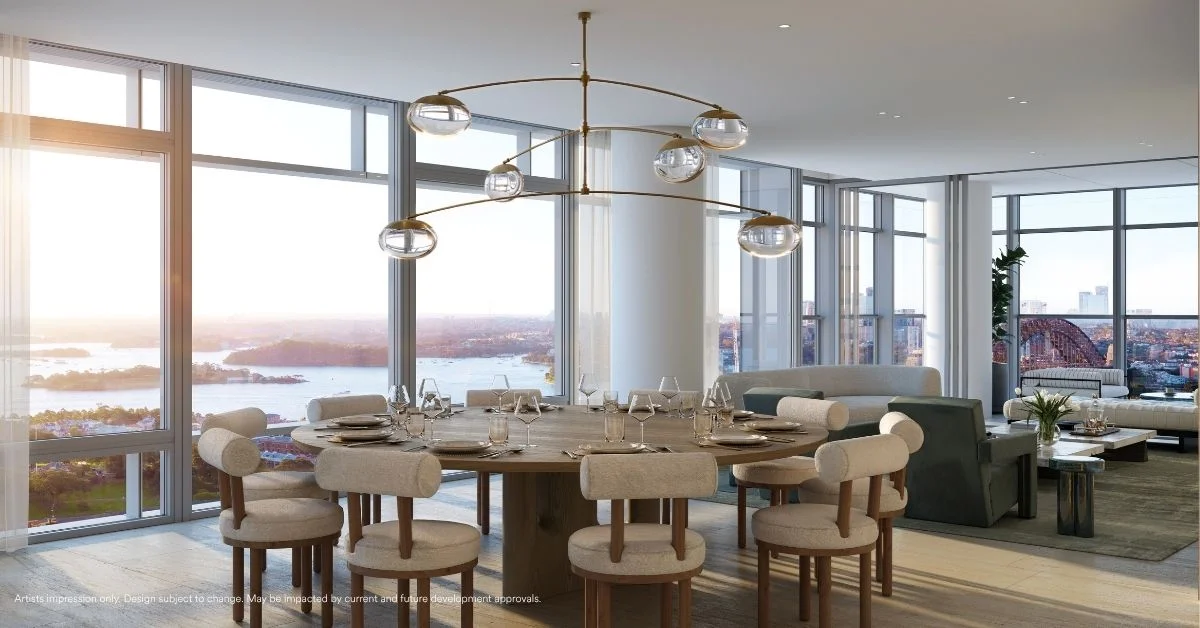 $26,550,000
propertyType.NEW APARTMENTS / OFF THE PLAN
$26,550,000
propertyType.NEW APARTMENTS / OFF THE PLAN
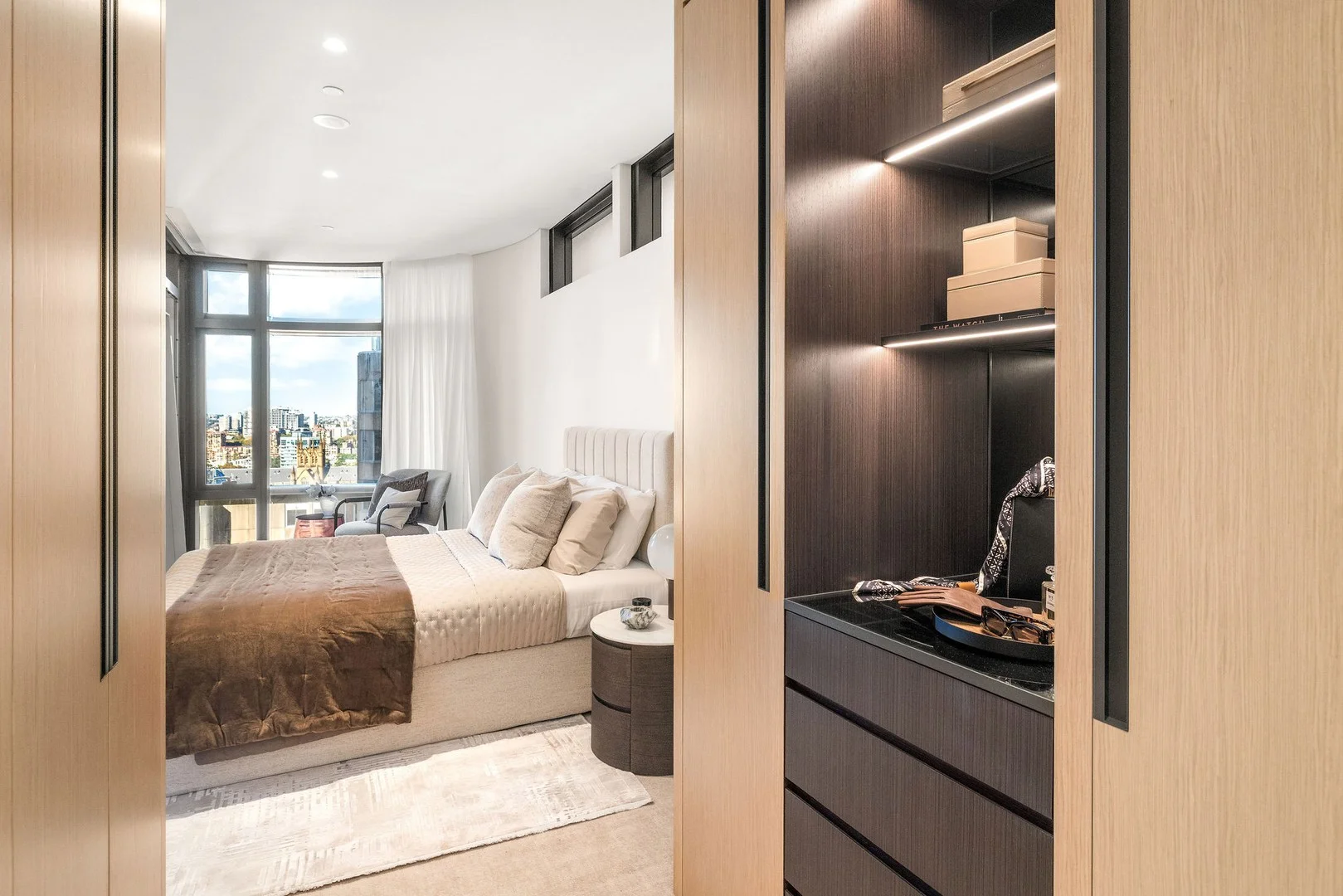 $2,745,000
propertyType.NEW APARTMENTS / OFF THE PLAN
$2,745,000
propertyType.NEW APARTMENTS / OFF THE PLAN
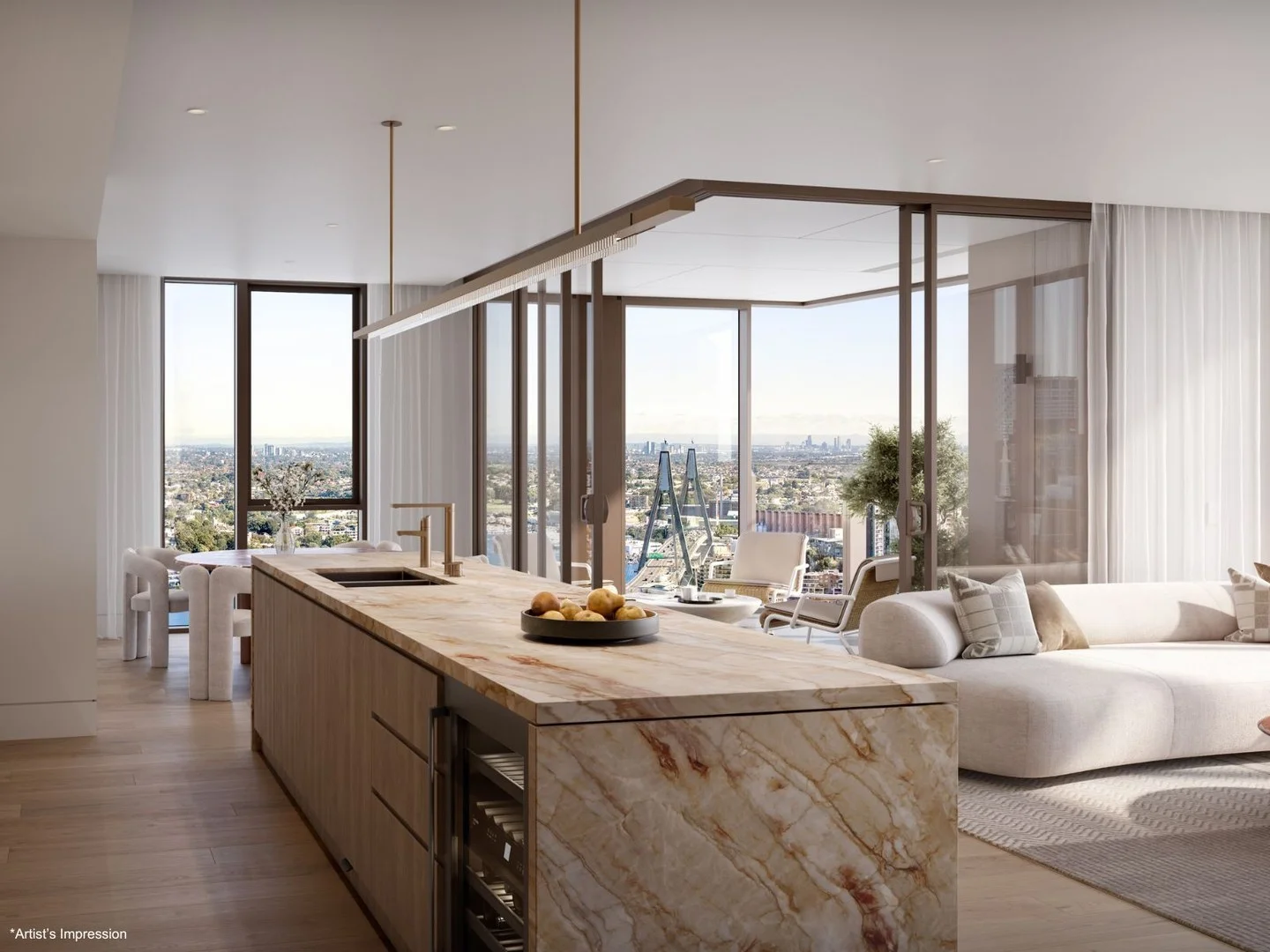 $9,020,000
propertyType.NEW APARTMENTS / OFF THE PLAN
$9,020,000
propertyType.NEW APARTMENTS / OFF THE PLAN
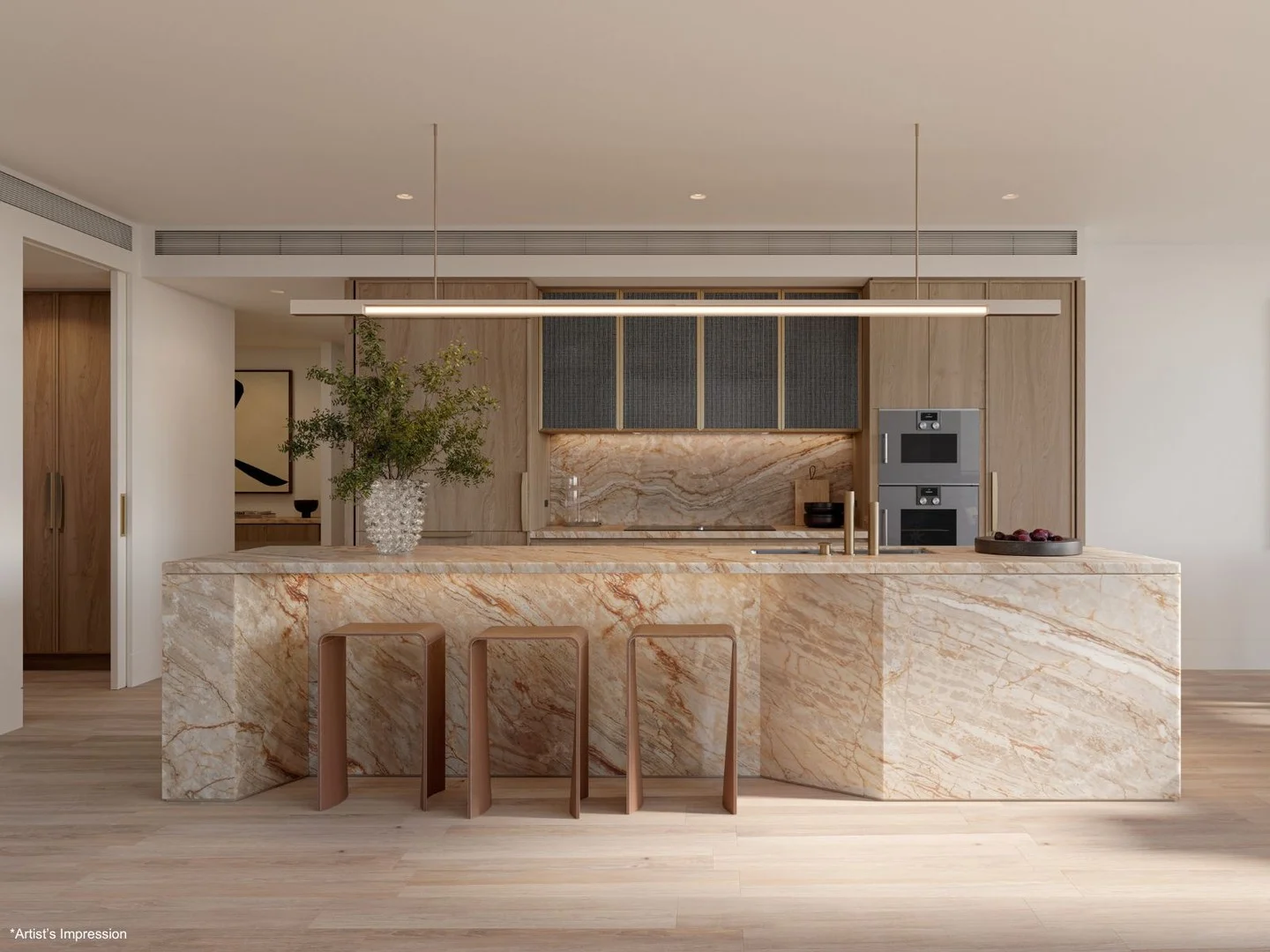 $6,225,000
propertyType.NEW APARTMENTS / OFF THE PLAN
$6,225,000
propertyType.NEW APARTMENTS / OFF THE PLAN
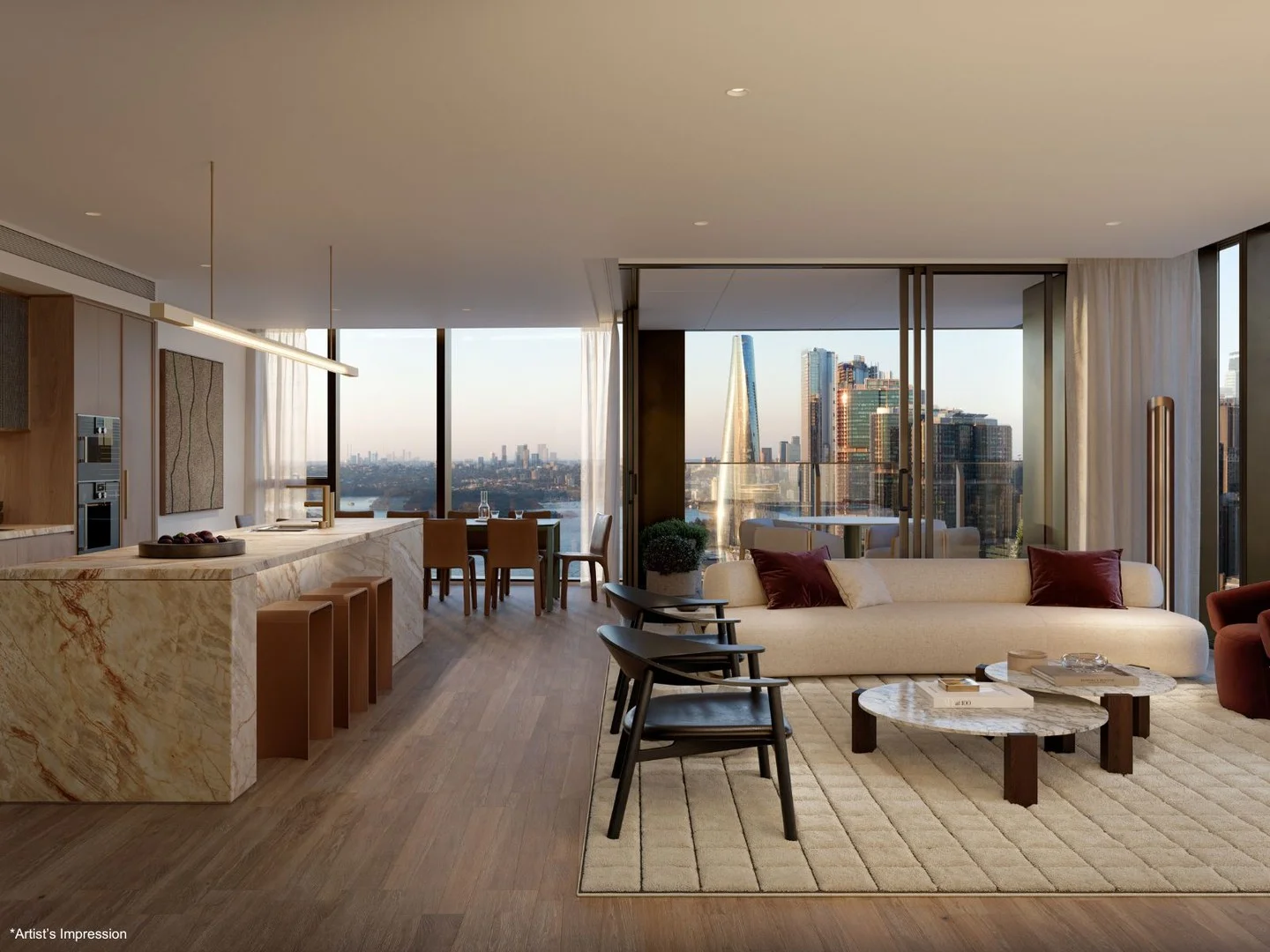 $12,980,000
propertyType.NEW APARTMENTS / OFF THE PLAN
$12,980,000
propertyType.NEW APARTMENTS / OFF THE PLAN
 $8,630,000
propertyType.NEW APARTMENTS / OFF THE PLAN
$8,630,000
propertyType.NEW APARTMENTS / OFF THE PLAN
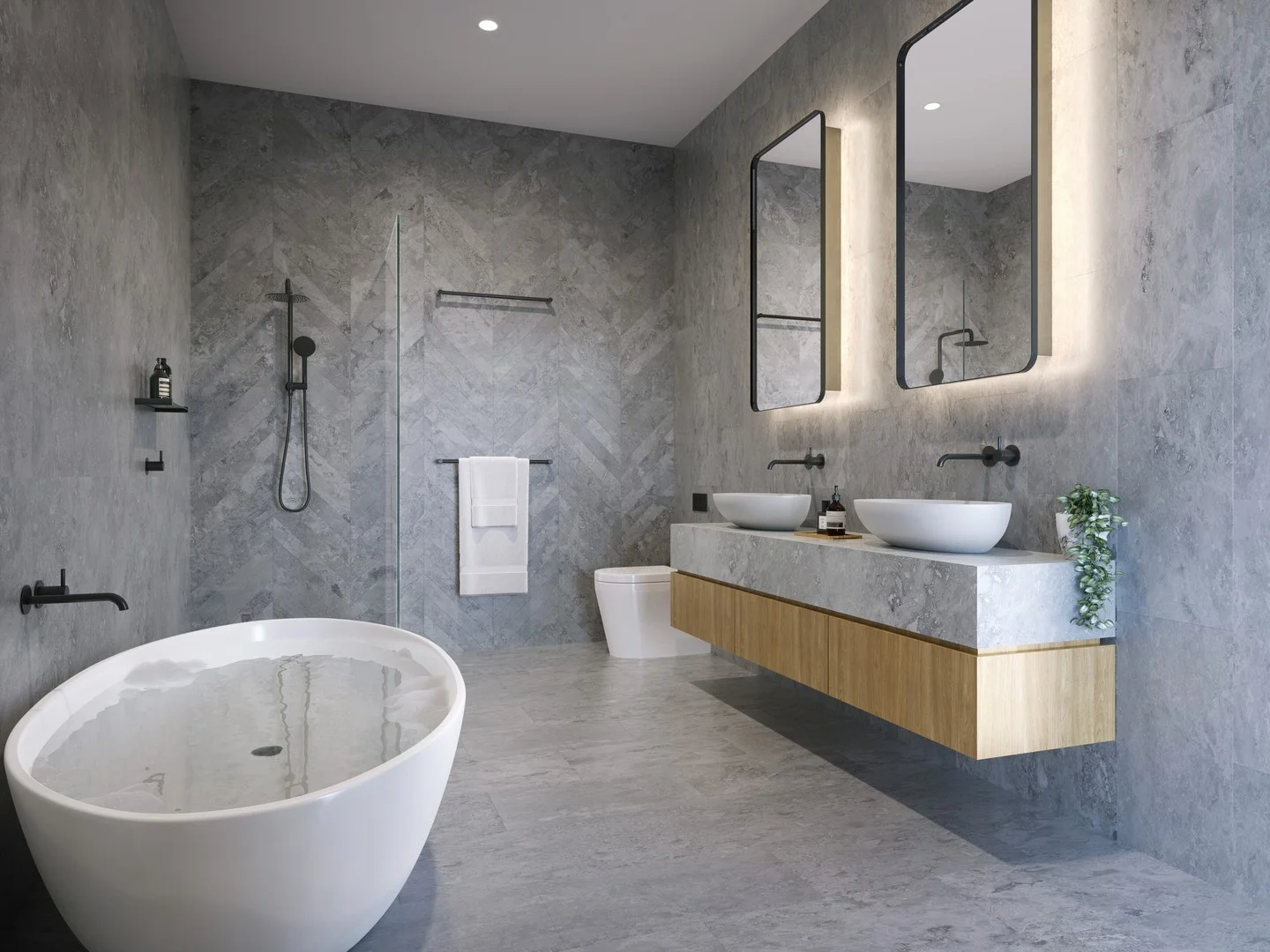 $2,824,000
Apartment / Unit / Flat
$2,824,000
Apartment / Unit / Flat
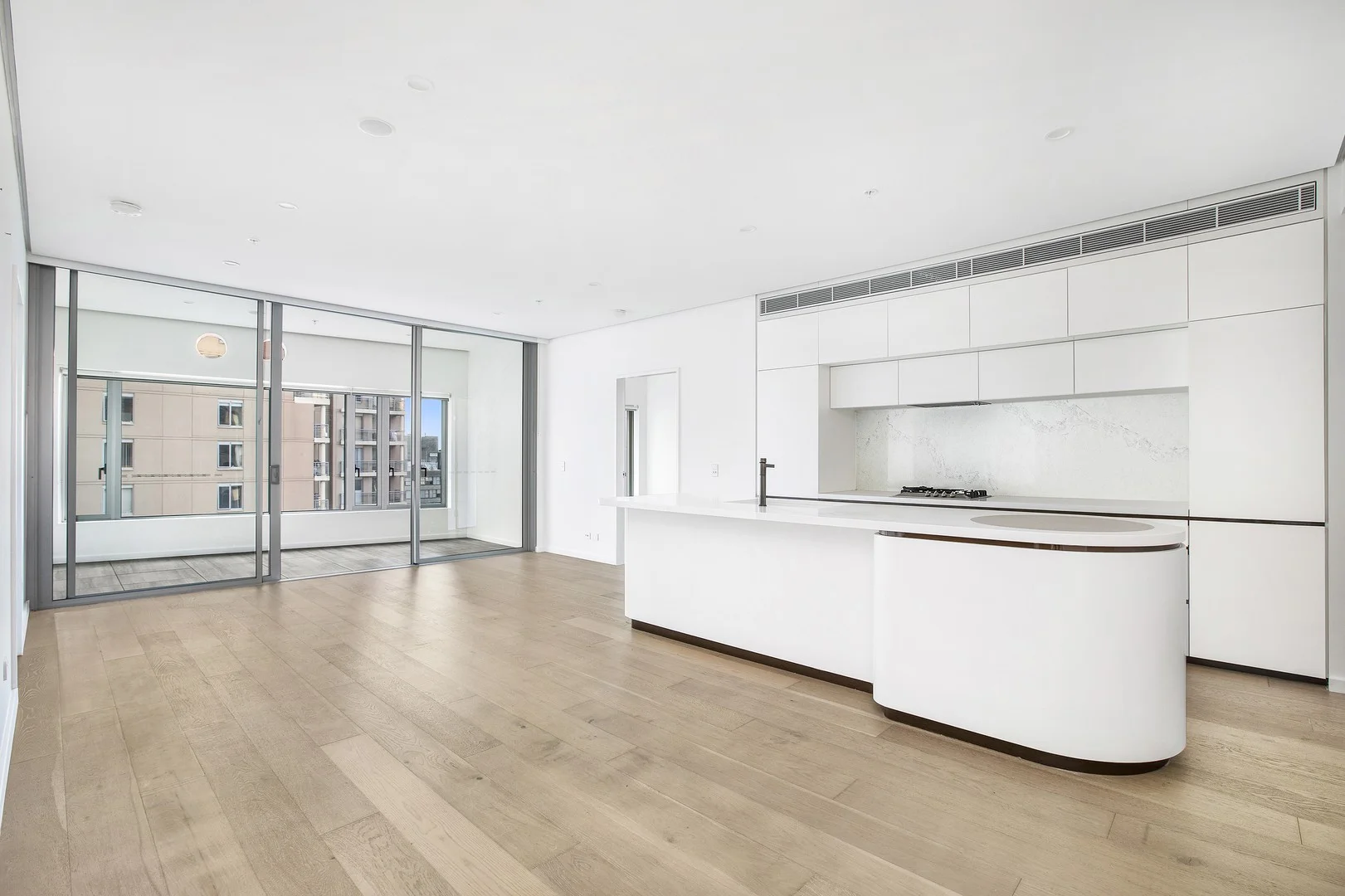 $2,250,000
Apartment / Unit / Flat
$2,250,000
Apartment / Unit / Flat
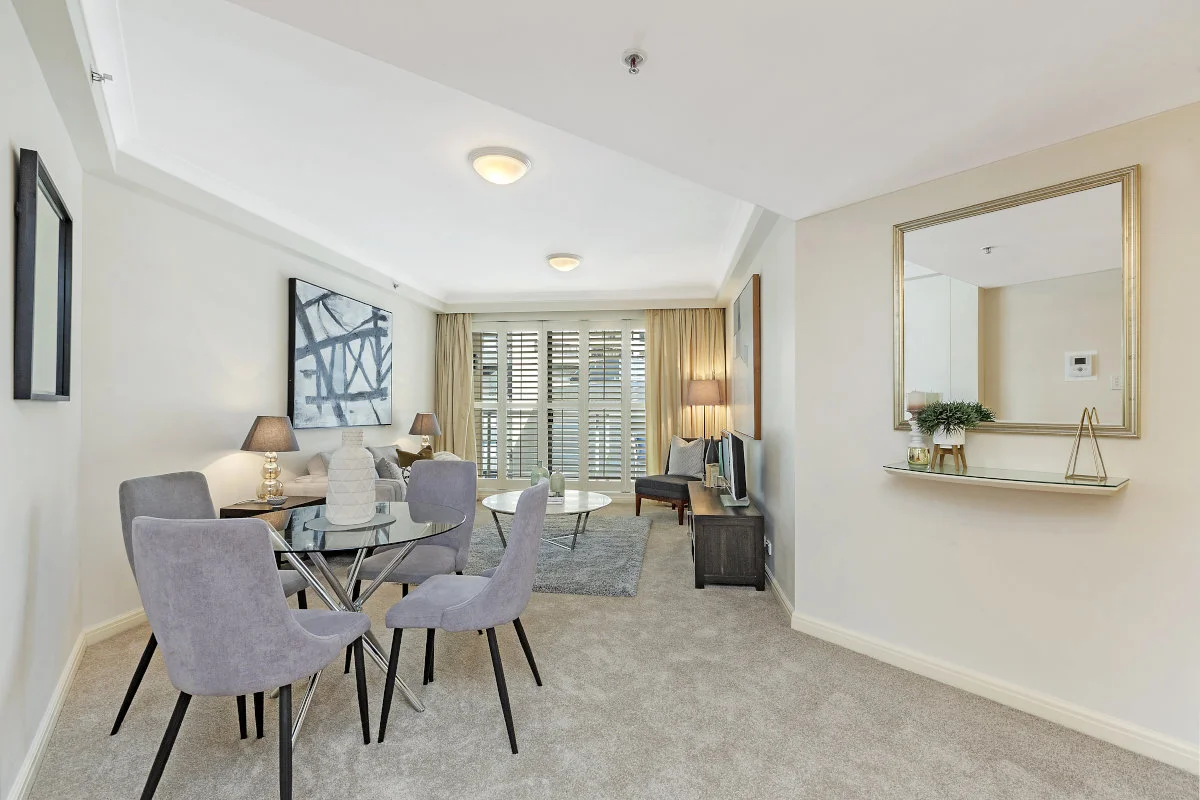 $660,000 - $725,000
Apartment / Unit / Flat
$660,000 - $725,000
Apartment / Unit / Flat


