## 1. Overview
St George College is a Catholic independent school located in Mile End, SA, offering a co-educational environment for students across junior to senior years. The school is typically described as medium-sized, with class sizes designed to support individual attention while fostering collaboration among peers. The atmosphere tends to be nurturing and inclusive, with a balanced emphasis on academic achievement, wellbeing, and community involvement.
The college places importance on a holistic education that blends strong academic programs with pastoral care, leadership development, and opportunities in sport, arts, and clubs. Parents often value the sense of belonging and the clear expectations around conduct, responsibility, and service to others.
---
## 2. Academics & Learning
- Academic strengths: Core literacy and numeracy, STEM emphasis, English mastery, and opportunities to develop leadership and communication skills. Languages and humanities are supported as part of a well-rounded curriculum.
- Special programs: Gifted and Talented pathways and opportunities for accelerated learning may be available; leadership and service programs are typically integrated across year levels.
- NAPLAN trends: Consistent performance with a focus on continual improvement in literacy and numeracy, and steady progression across year levels.
- Student-teacher ratios: Typically favourable ratios that support small-group work, individualized feedback, and teacher accessibility.
- Support for diverse learners: Dedicated support for EAL (English as an Additional Language), SEN (Special Educational Needs), and learning support through a collaborative student services team.
---
## 3. Sports & Extracurricular Strengths
- Sports offered: A range of team and individual sports such as football (soccer), basketball, netball, cricket, athletics, swimming, and potentially cross-country.
- Strong teams or achievements: School-level and regional participation with competitive teams across many sports; achievements highlighted in school communications and local events.
- Music, arts, drama programs: Active music ensembles, choir, and drama productions; opportunities to participate in performing arts showcases.
- Clubs: Robotics, chess, coding, debating, and other interest-based clubs to extend learning beyond the classroom.
- Partnerships: Engagement with local clubs, community academies, and inter-school competitions to broaden exposure and experience.
---
## 4. Wellbeing & Pastoral Care
- Anti-bullying approach: Whole-school policies and programs focusing on respectful behaviour, clear reporting channels, and proactive education.
- House system: A house structure that fosters teamwork, sense of belonging, healthy competition, and regular events.
- Counsellors / wellbeing officers: Access to school counsellors or wellbeing staff to support academic and personal development.
- Transition support for new students: Orientation programs, buddy systems, and targeted support to help new students settle in smoothly.
---
## 5. Facilities
- Sports grounds: On-site fields or courts suitable for a range of sports.
- Libraries: Well-equipped libraries with seating and study spaces.
- Science labs: Modern laboratories to support practical experiments across science disciplines.
- Music/performing arts centers: Facilities for music practice, ensembles, and drama activities.
- Tech/innovation labs: Dedicated spaces for digital learning, coding, and project work.
- Cafeteria: On-site dining facilities or a canteen area.
- Updated playgrounds: Safe, age-appropriate play and outdoor learning spaces.
---
## 6. School Values & Community Culture
- School values / mission: A clear emphasis on respect, responsibility, service, and academic excellence within a Catholic ethos.
- Leadership style: Student leadership opportunities and teacher facilitation that encourages initiative, collaboration, and ethical decision-making.
- Behaviour expectations: Consistent codes of conduct centered on respect for self, others, and the learning environment.
- Community reputation: A family-like school culture with emphasis on inclusivity, involvement, and community engagement.
- Diversity & inclusion: Commitment to welcoming diverse backgrounds and supporting students to participate meaningfully in school life.
---
## 7. School Logistics & Daily Operations
- School hours: Typically aligned with standard school day hours, with potential early start/finish variations by year level.
- Before/after school care: Availability of supervision or care programs outside regular hours.
- Uniform requirements: Clear uniform expectations, with details provided by the school to ensure consistency.
- Transport (train/bus routes): Access to public transport options or school-facilitated transport arrangements; routes and schedules usually published by the school.
- Canteen availability: On-site canteen or food service for students during the day.
- Fees (low/medium/high ranges): Fee structures typically published publicly; families can expect a range that reflects independent school pricing.
---
## 8. Enrolment & Admissions
11. What is the enrolment process and timeline?
- Submit an application form with required documents (birth certificate, previous school reports, proof of identity, etc.).
- Complete any school-specific assessments or interviews if required.
- Receive an offer subject to space and eligibility.
- Accept the offer, complete enrolment paperwork, and arrange payment of fees and prerequisites.
- Timeline varies by year and availability; early applications are usually recommended.
12. Is there a waiting list, and how does it work?
- Many independent schools maintain a waiting list. Allocation often prioritizes siblings, then local catchment or enrollment preferences, and finally space availability.
- Families may be asked to re-confirm interest periodically while on the waiting list.
13. Are there any entry requirements, tests, or interviews?
- Entry may include an interview and, depending on the grade level, a cognitive or readiness assessment.
- Schools often review academic results, attendance records, and behaviour history as part of the intake process.
14. Does the school accept mid-year transfers?
- Mid-year transfers can be possible if there is available space and the student meets entry requirements; timing and placement depend on current class composition and staffing.
---
## 9. Frequently Ask Questions
- Why Parents Choose This School?
- Families often cite a supportive learning environment, strong pastoral care, values-based education, and a balance between academics, sport, and arts.
- What type of student thrives at this school?
- Students who respond well to a community-focused, values-driven setting with opportunities to participate in a range of activities and receive individualized support.
- What opportunities are available for students to extend their skills (academics, sports, arts)?
- Access to advanced or accelerated learning options, leadership opportunities, competitive sports teams, robust arts programs, and clubs such as robotics, coding, debating.
- How does the school communicate with parents?
- Regular updates through newsletters, emails, phone calls, parent-teacher meetings, and digital portals or learning management systems.
- What is the school’s approach to teaching and learning?
- A mix of core literacy and numeracy focus, inquiry-based learning in science and humanities, and differentiated instruction to meet diverse needs.
- How does the school support students who need extra academic help?
- Dedicated learning support teams, targeted interventions, tutoring programs, and access to counsellors or learning support staff.
- What support is available for academic challenges?
- Additional tutoring, study skills coaching, in-class accommodations, and collaboration with families to set progress goals.
- How does the school communicate with parents? (Repeated topic)
- See above: ongoing, transparent communication through multiple channels and feedback opportunities.
- What are the class sizes and how much individual attention do students receive?
- Class sizes are kept small to medium with a focus on regular teacher feedback, targeted small-group work, and accessible teachers.
- What extracurricular and sports opportunities are available?
- A broad menu including team and individual sports, music and drama programs, and clubs such as robotics, chess, coding, and debating.
- What facilities does the school offer (sports, science, arts)?
- Sports grounds, libraries, science labs, music/performing arts spaces, technology and innovation labs, and a canteen.
- What is the school’s approach to technology and digital learning?
- Integration of technology across curriculum, access to devices or labs, and emphasis on digital literacy and responsible use.
- What transport and accessibility options are available?
- Transport options typically include local bus routes and proximity to public transport; campus accessibility aligned with safety standards.
- What are the typical school fees or additional costs?
- Fee ranges are published by the school; families should review the fee schedule and any additional costs for activities, camps, or materials.
---
## 10. Short Pros & Cons list
- Pros
- Values-based education with a nurturing, inclusive culture
- Balanced focus on academics, wellbeing, sport, and arts
- Small to medium class sizes supporting individual attention
- Strong pastoral care, counselling, and transition support
- Wide range of extracurriculars and clubs, with partnerships and competitions
- Cons
- Independent/private school fees may be higher than public options
- Space for enrolment can be limited; waiting lists may apply
- Location may require travel for some families depending on catchment and transport options










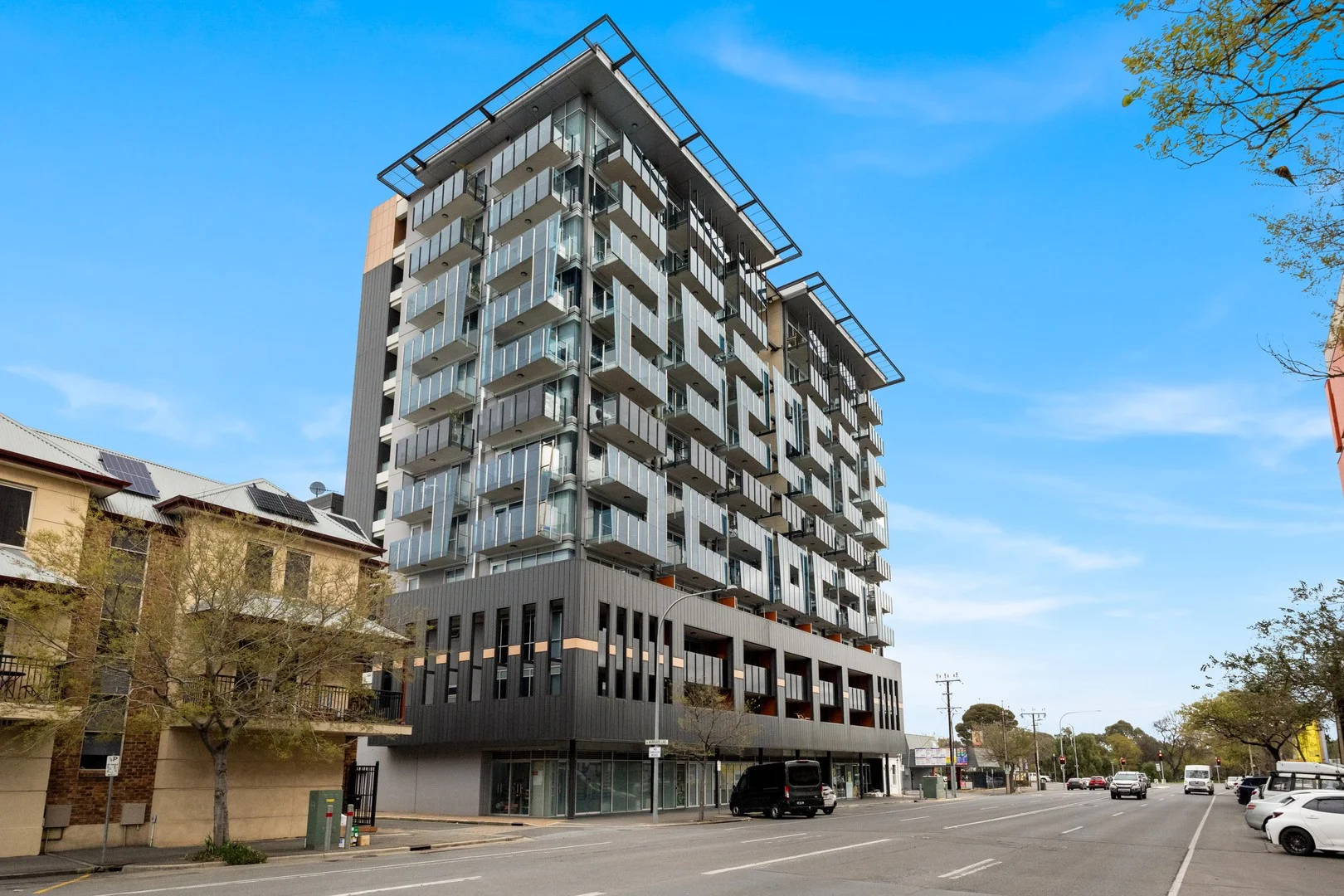 $1,100,000
Apartment / Unit / Flat
$1,100,000
Apartment / Unit / Flat
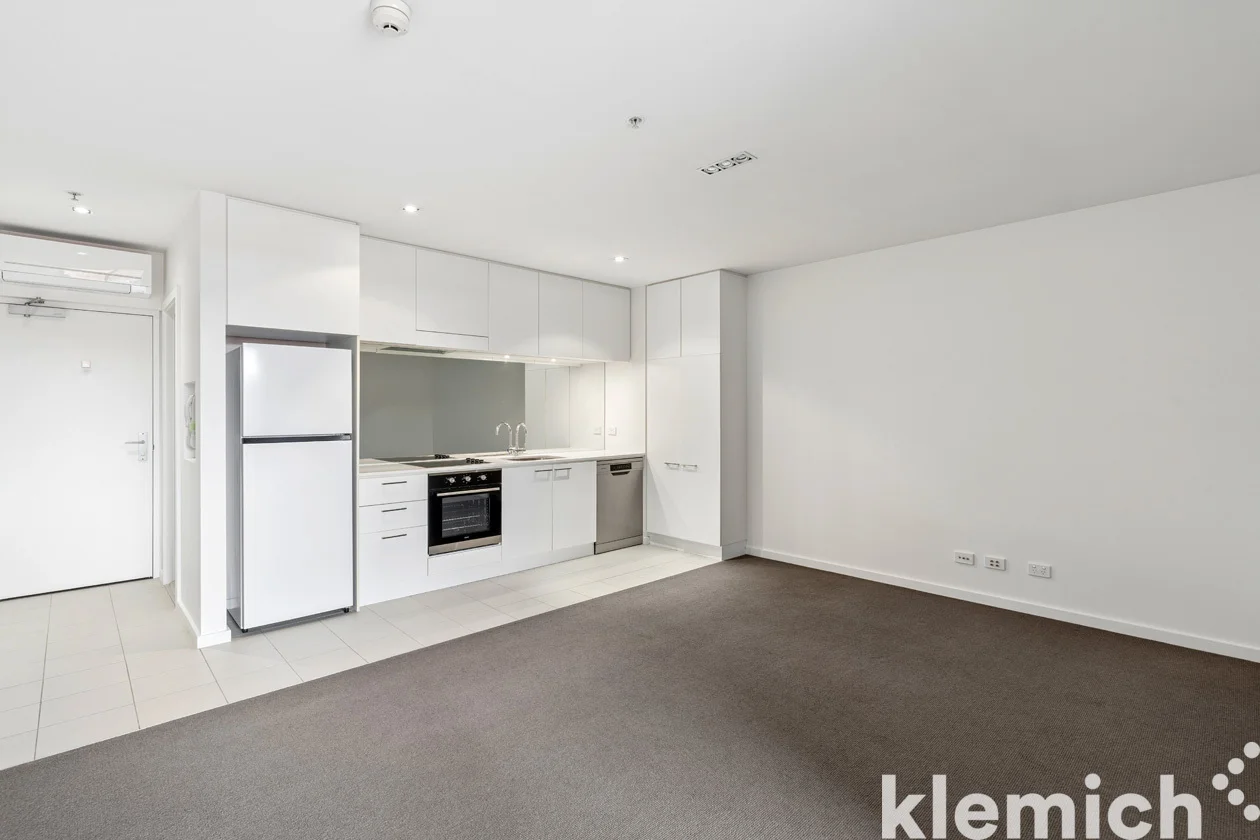 $440,000
Apartment / Unit / Flat
$440,000
Apartment / Unit / Flat
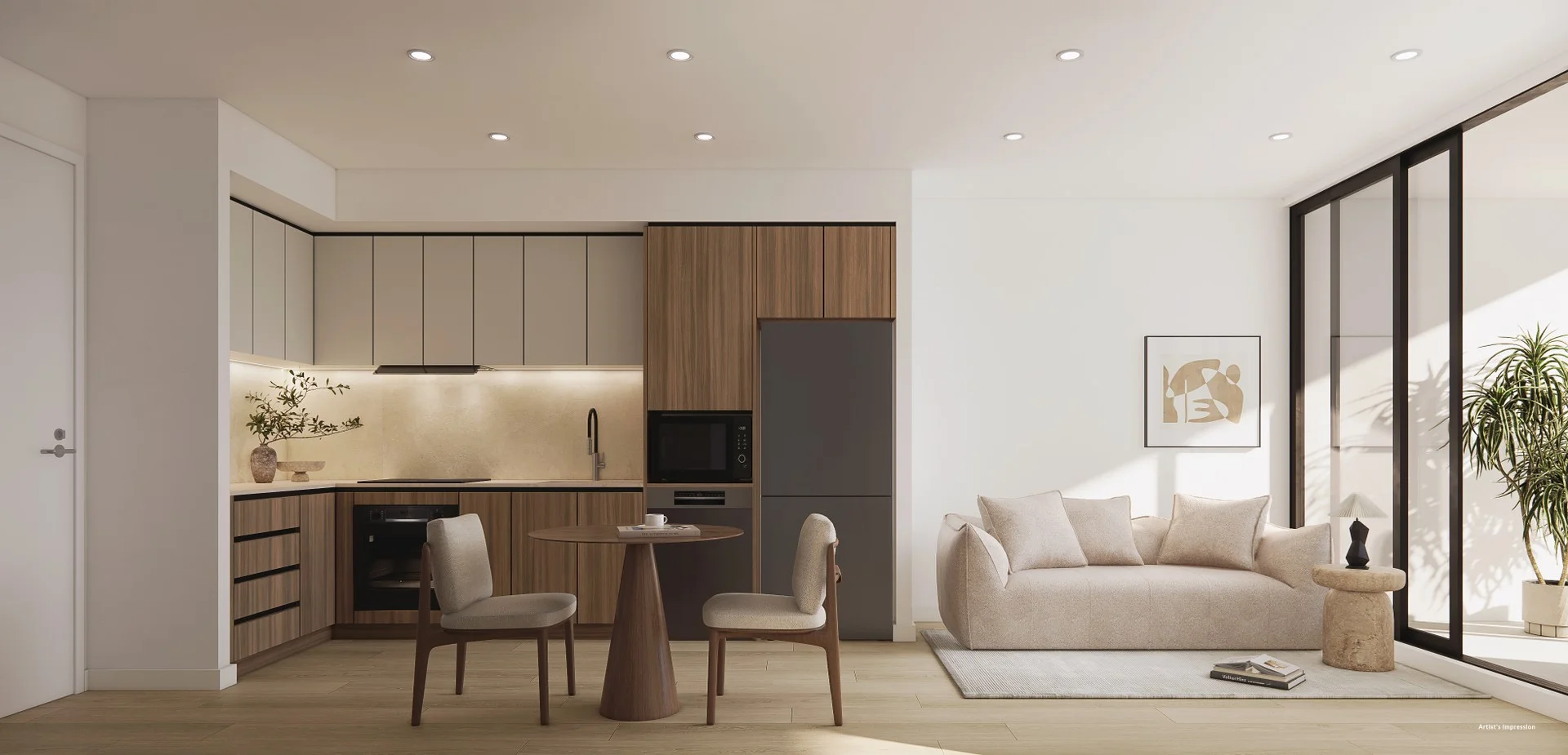 $588,000
Apartment / Unit / Flat
$588,000
Apartment / Unit / Flat
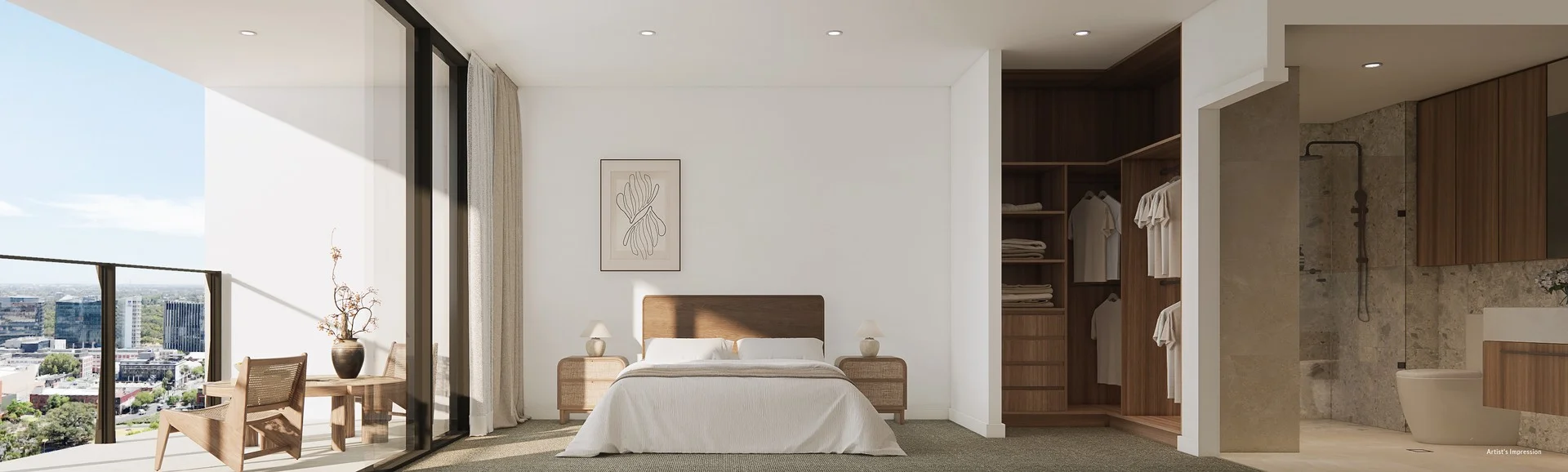 $1,056,000
Apartment / Unit / Flat
$1,056,000
Apartment / Unit / Flat
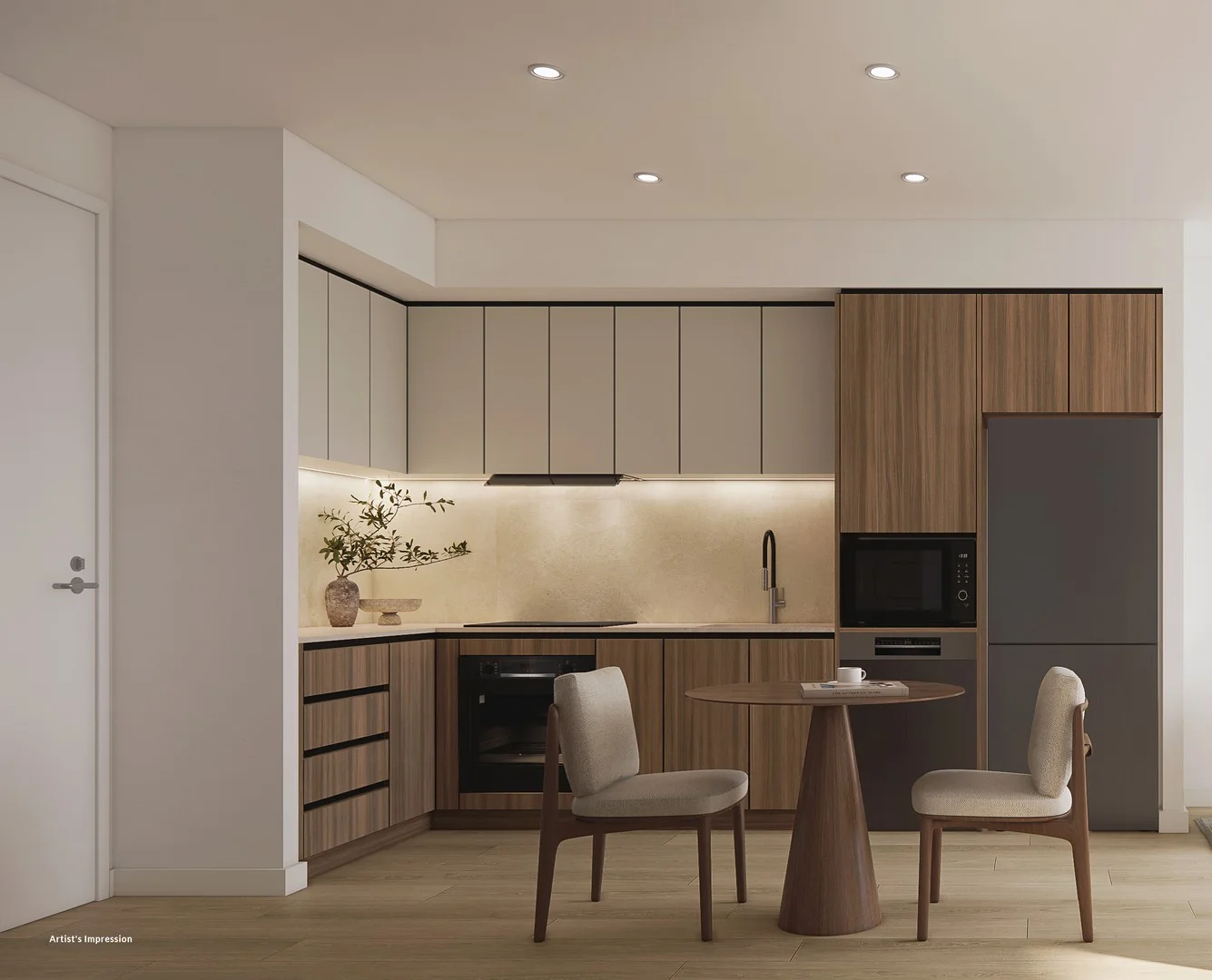 $557,000
Apartment / Unit / Flat
$557,000
Apartment / Unit / Flat
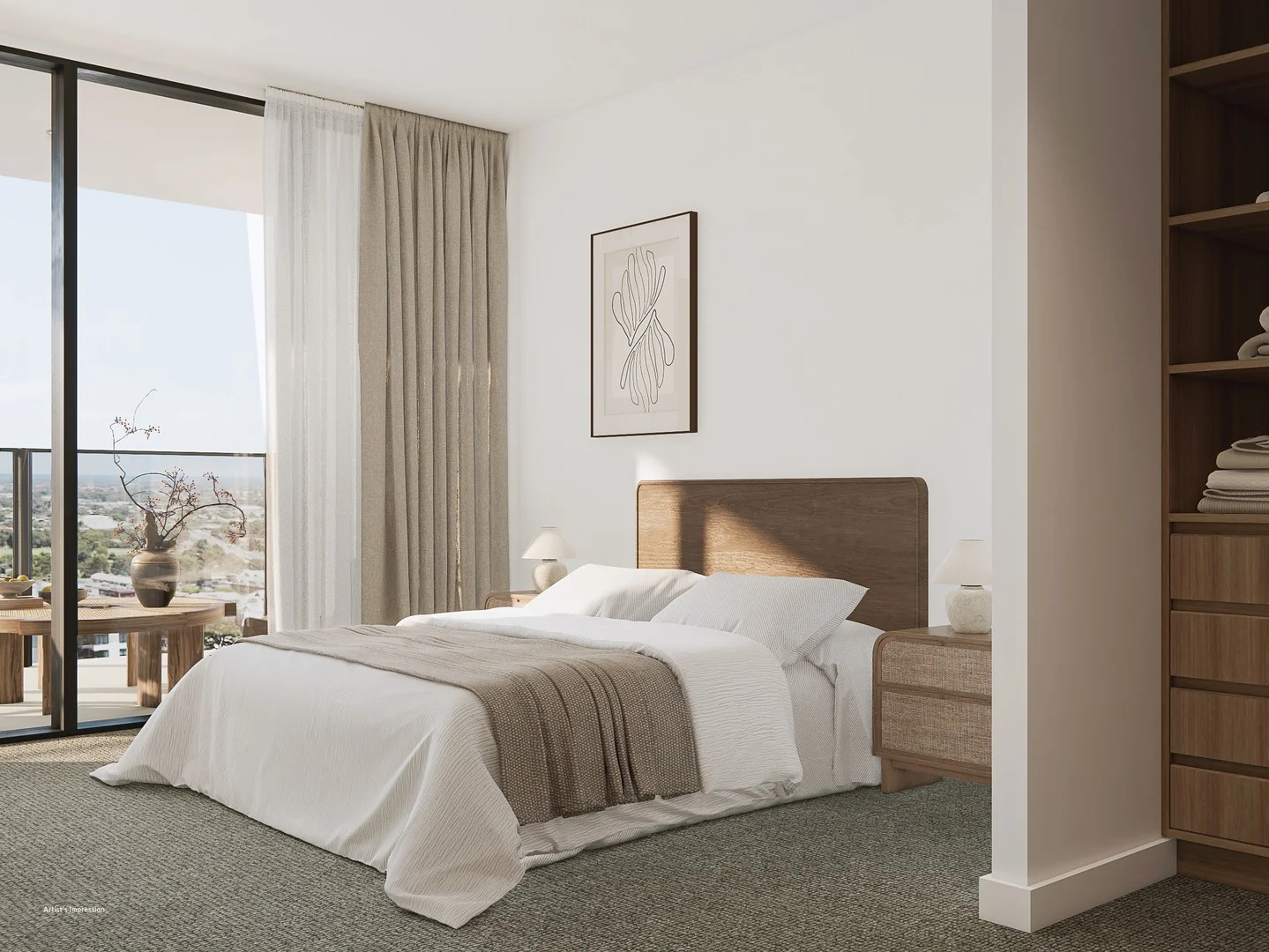 $935,000
Apartment / Unit / Flat
$935,000
Apartment / Unit / Flat
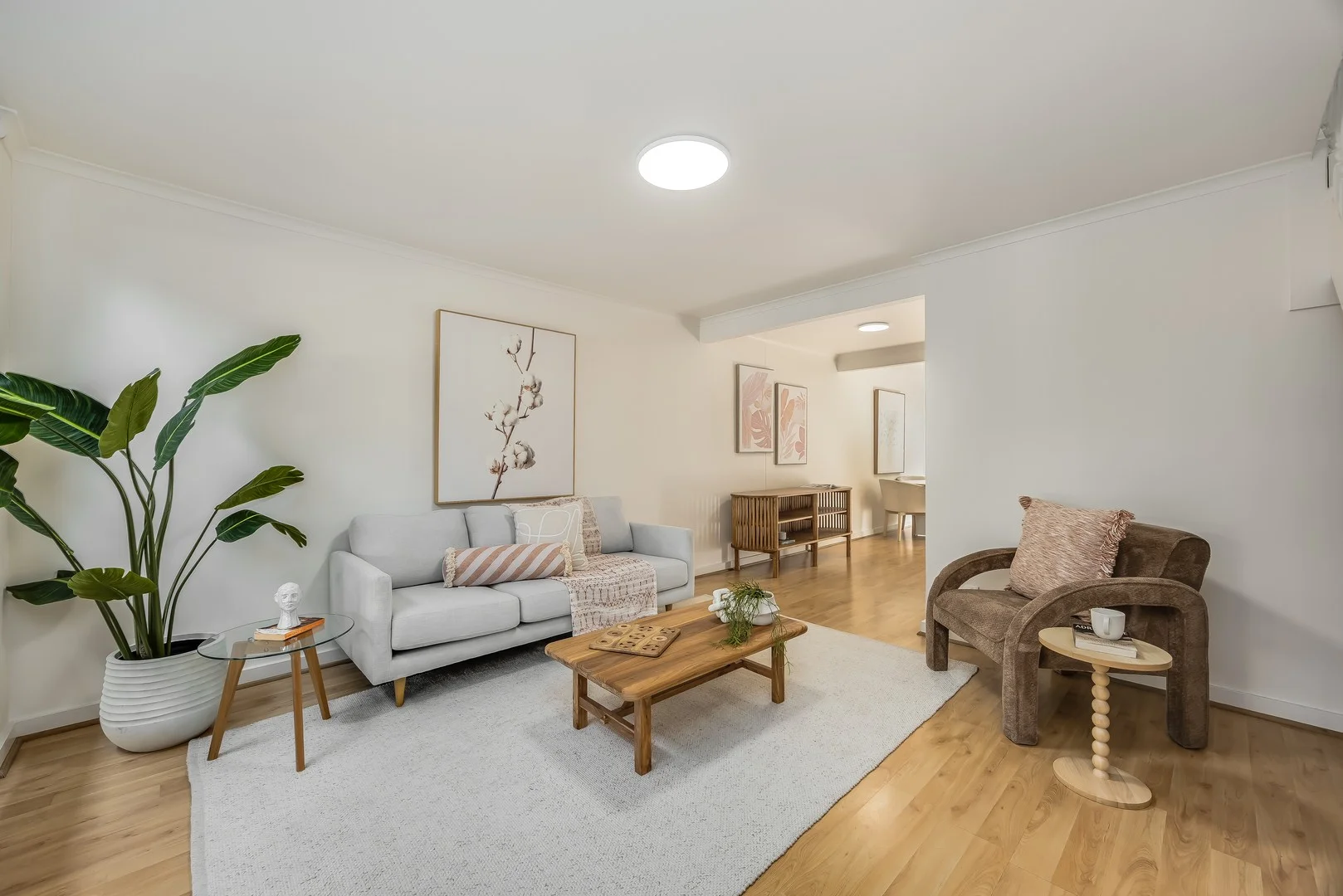 $775,000
House
$775,000
House
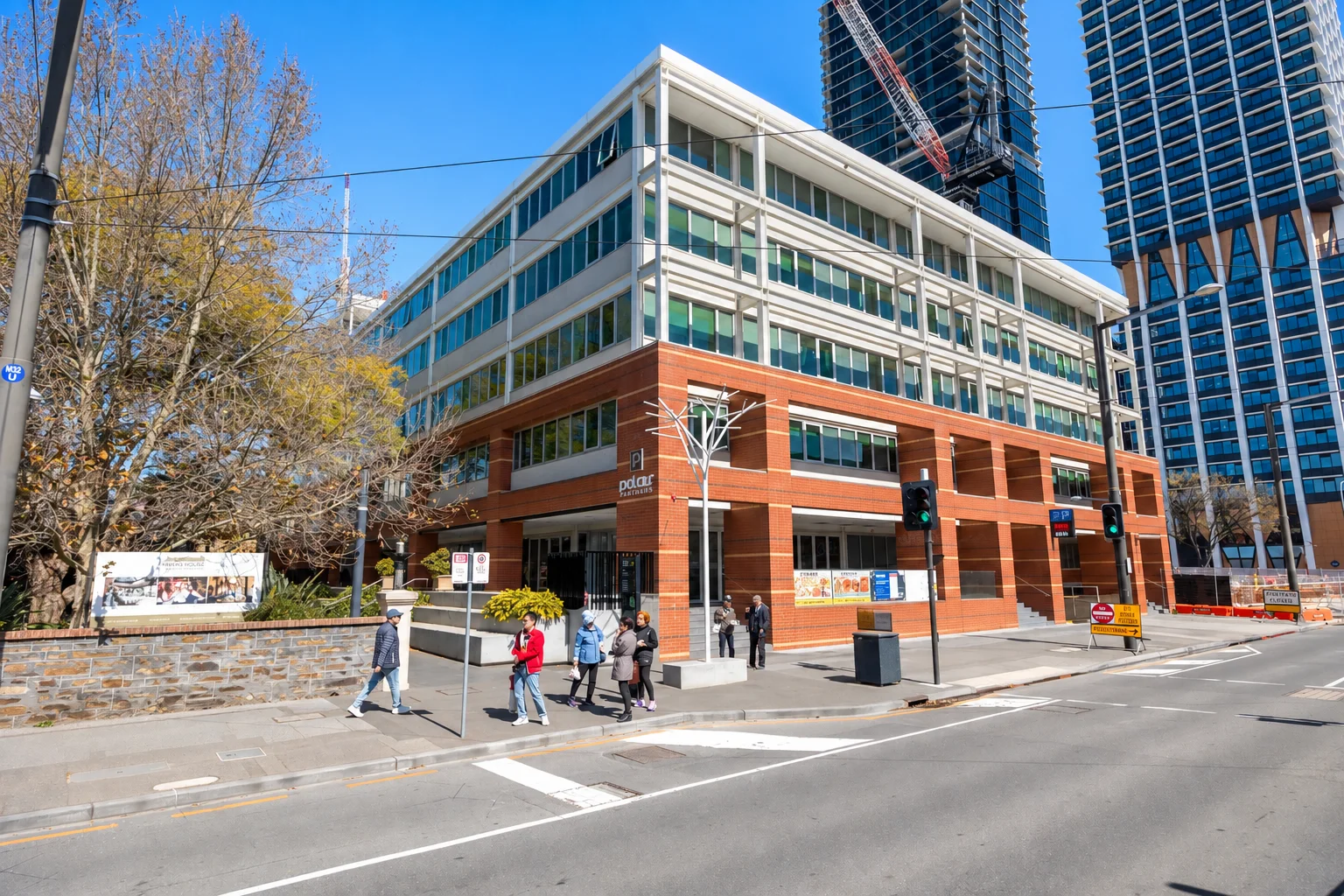 $545,000
Apartment / Unit / Flat
$545,000
Apartment / Unit / Flat