## 1. Overview
Thebarton Senior College is a public senior secondary college in the western suburbs of Adelaide (South Australia), providing flexible learning for Years 10–12. The school focuses on practical, real-world pathways that lead toward further study, apprenticeships and employment, with strong links to local industry and community partners.
School type: public
School size: medium
Class size: small to medium
Atmosphere/culture: inclusive, supportive and focused on equity, with an emphasis on personalised learning and positive outcomes for each student.
---
## 2. Academics & Learning
- Academic strengths: English, Mathematics, Science and Humanities are taught with a focus on SACE progression; there are opportunities to develop leadership skills and language studies through tailored programs and electives.
- Special programs: flexible and blended learning options, VET/career-training pathways, bridging and transition programs to support students returning to study or preparing for work.
- NAPLAN / Ofsted trends (not scores — trends): NAPLAN data is not the focus for senior colleges; the school tracks progress toward SACE milestones, completion rates and post-school destinations, with emphasis on improving attainment and pathways into most suitable futures.
- Student-teacher ratios: class sizes are generally small to medium, supporting more individualized attention (typical ratios around 1:10 to 1:15, depending on year level and subject).
- Support for diverse learners: strong support for EAL learners and students with additional learning needs, including targeted tutoring, mentoring and access to learning support staff.
---
## 3. Sports & Extracurricular Strengths
- Sports offered: a broad program including basketball, soccer (football), netball and other local team-based activities through school and community partnerships.
- Strong teams or achievements: competitive participation in local leagues and inter-school events; emphasis on teamwork, resilience and personal development.
- Music, arts, drama programs: active performing arts offerings, school productions, music opportunities and ensemble participation.
- Clubs: robotics, coding, chess, debating, and other student-led or staff-supported clubs; leadership opportunities and project-based clubs are encouraged.
- Partnerships: connections with local community clubs, academies and industry partners to support events, competitions and work-based learning experiences.
---
## 4. Wellbeing & Pastoral Care
- Anti-bullying approach: clear anti-bullying policies and a supportive school culture with active monitoring and reporting processes.
- House system: a house-based structure to foster belonging, healthy competition and peer mentoring.
- Counsellors / wellbeing officers: access to dedicated wellbeing staff and guidance counsellors to support mental health, study planning and personal development.
- Transition support for new students: orientation programs, peer mentoring and targeted transition assistance to help new students settle in smoothly.
---
## 5. Facilities
- Sports grounds: available for gym, field activities and outdoor recreation.
- Libraries: on-site library with study spaces and resources.
- Science labs: dedicated laboratories for practical experiments and hands-on learning.
- Music/performing arts centers: spaces for music rehearsal, theatre and performances.
- Tech/innovation labs: practical rooms for ICT, design, digital media and fabrication activities.
- Cafeteria: on-site canteen or café-style options for students.
- Updated playgrounds: modern and safe outdoor spaces for breaks and socialising.
---
## 6. School Values & Community Culture
- School values / mission: student-centred education with a commitment to equity, employability and pathways to further study; emphasis on respectful, responsible and resilient learners.
- Leadership style: collaborative and inclusive, with opportunities for student voice in learning choices and school initiatives.
- Behaviour expectations: clear codes of conduct emphasizing respect, integrity and accountability.
- Community reputation: generally viewed as a welcoming, student-focused environment that supports diverse learners and practical pathways.
- Diversity & inclusion: strong focus on inclusion, cultural respect and providing access to opportunities for all students.
---
## 7. School Logistics & Daily Operations
- School hours: typical day runs during standard school hours; specific start/end times are set term-to-term.
- Before/after school care: some levels of after-school academic support or supervision available; check local arrangements for tutoring or extension programs.
- Uniform requirements: uniforms are typically required in SA public schools; details and suppliers provided by the school.
- Transport (train/bus routes): well-served by public transport; school community resources can help families plan routes.
- Canteen availability: on-site canteen or food options available for students.
- Fees (low/medium/high ranges): as a public school, fees are generally low, with potential charges for materials, activities or elective programs; family concession options may apply.
---
## 8. Enrolment & Admissions
11. What is the enrolment process and timeline?
- Submit an expression of interest or formal application when applications open.
- Attend information session or meet with staff to discuss pathways and options.
- Complete any required assessments or discussions focused on learning needs and goals.
- Receive an offer of placement if spaces are available; confirmation of enrolment; orientation for new students.
- Timeline varies by intake period (Year 10–12 entries) and term.
12. Is there a waiting list, and how does it work?
- If the college is at capacity, a waiting list may operate. Offers are prioritised based on available spaces, educational needs, and cohort balance.
13. Are there any entry requirements, tests, or interviews?
- Eligibility typically includes enrolment in Year 10–12, residency/attendance considerations, and submission of prior school records. Some electives or pathways may require short discussions or interviews to tailor learning plans.
14. Does the school accept mid-year transfers?
- Yes, mid-year transfers are possible if there is space and a suitable learning plan can be accommodated; families should contact the school to discuss options and timelines.
---
## 9. Frequently Asked Questions
- Why Parents Choose This School?
- Flexible, student-centred learning paths, strong pathways to vocational and TAFE options, and supportive pastoral care in a public school setting.
- What type of student thrives at this school?
- Students seeking practical, flexible learning options, strong support services, and clear pathways to further study, training or employment.
- What opportunities are available for students to extend their skills (academics, sports, arts)?
- SACE subject offerings, VET and career-training options, clubs in robotics/coding/debating, music and drama programs, leadership roles and sport opportunities.
- How does the school communicate with parents?
- Newsletters, emails, school portal or app, parent-teacher conferences and regular updates from key staff.
- What is the school’s approach to teaching and learning?
- Student-centred, project- or task-based learning with a focus on real-world applications; flexible timetabling and personalised learning plans.
- How does the school support students who need extra academic help?
- Targeted tutoring, learning support staff, EAL support, access to counsellors and transition programs.
- What support is available for academic challenges?
- Dedicated learning support, mentoring, subject-specific assistance and referral pathways to specialist services.
- How does the school communicate with parents? (Duplicate question)
- See above: regular updates, portals, meetings and direct outreach from teachers and counsellors.
- What are the class sizes and how much individual attention do students receive?
- Class sizes are small to medium, enabling more individual attention from teachers and more tailored feedback.
- What extracurricular and sports opportunities are available?
- A range of sports (basketball, soccer, netball, etc.), plus clubs in robotics, coding, chess and debating, plus music and drama.
- What facilities does the school offer (sports, science, arts)?
- Sports grounds, library, science labs, performing arts/music spaces, tech/innovation labs and a canteen.
- What is the school’s approach to technology and digital learning?
- Integration of ICT and digital learning into the curriculum, with access to computer labs and supported by school-wide platforms.
- What transport and accessibility options are available?
- Access via public transport with local bus routes; information is provided to help families plan journeys.
- What are the typical school fees or additional costs?
- Public schooling generally incurs low fees, with possible charges for materials, activities or elective programs; financial support options may be available.
---
## 10. Short Pros & Cons list
- Pros
- Small to medium class sizes enabling more individual attention
- Flexible learning paths tailored to student goals
- Strong wellbeing and pastoral support
- Clear pathways to SACE completion and VET/work opportunities
- Broad range of clubs, sports, arts and tech activities
- Cons
- May have fewer large-scale, highly resourced facilities compared with larger schools
- Mid-year transfer availability depends on space
- Uniform requirements and some material costs apply (as with many public schools)
- Summary
- Thebarton Senior College offers a supportive, inclusive public schooling option focused on flexible senior learning, practical pathways and strong student support — a good fit for students seeking personalised attention and clear routes to further study or work.









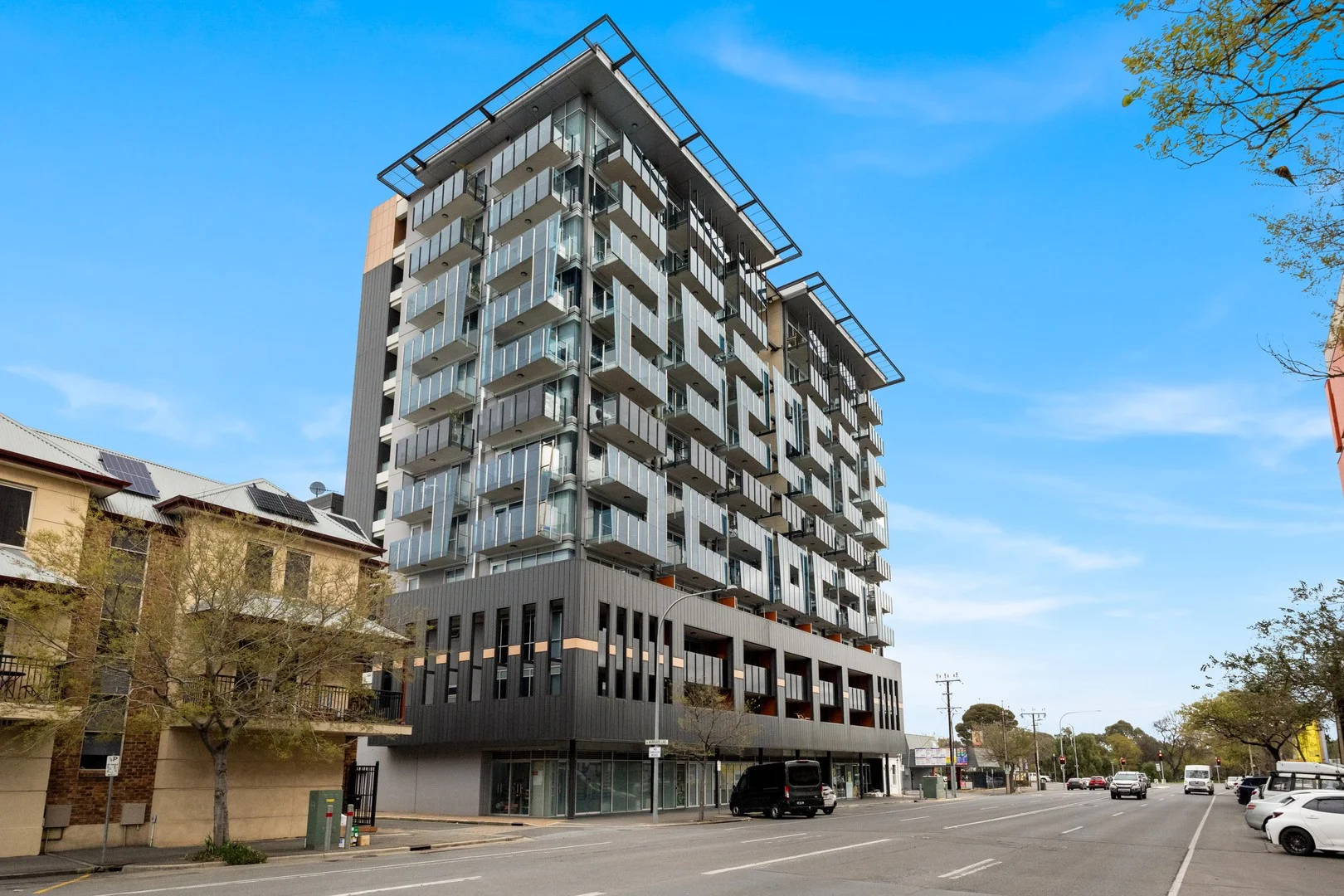 $1,100,000
Apartment / Unit / Flat
$1,100,000
Apartment / Unit / Flat
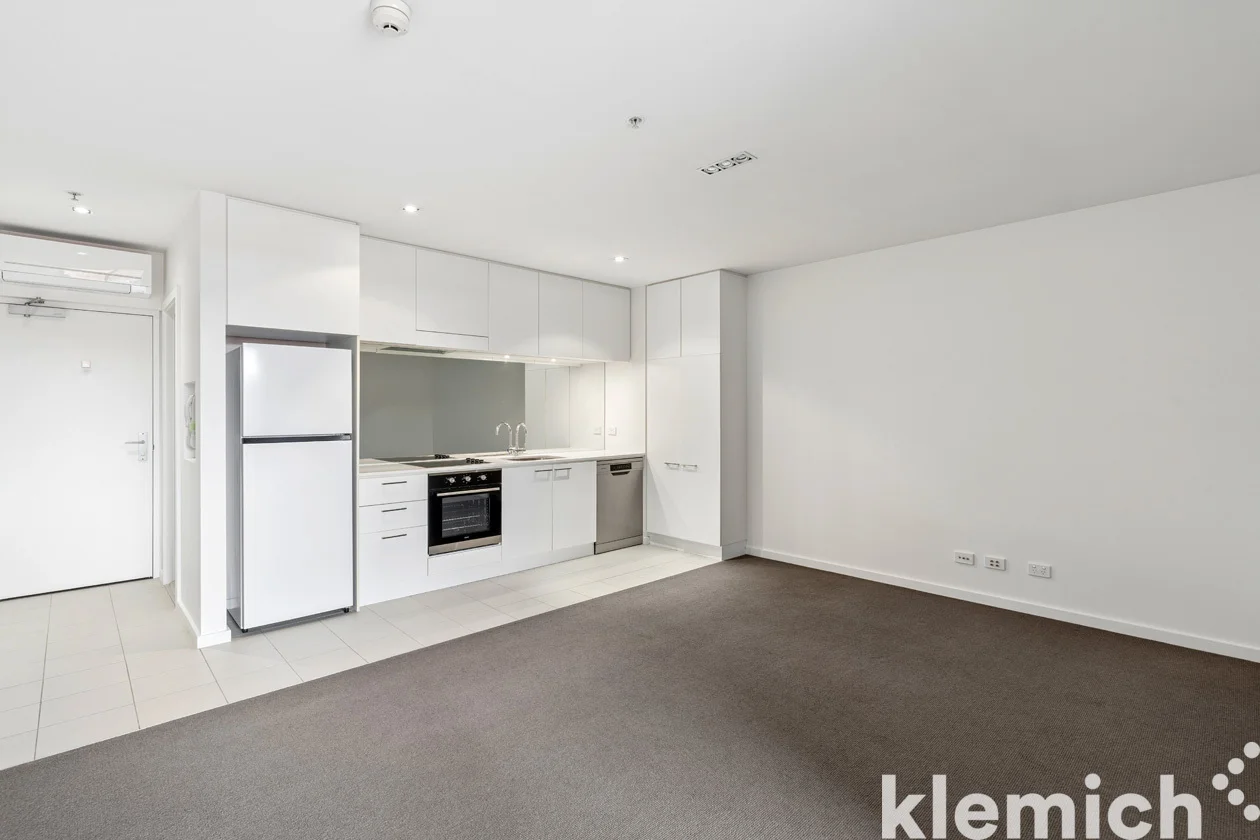 $440,000
Apartment / Unit / Flat
$440,000
Apartment / Unit / Flat
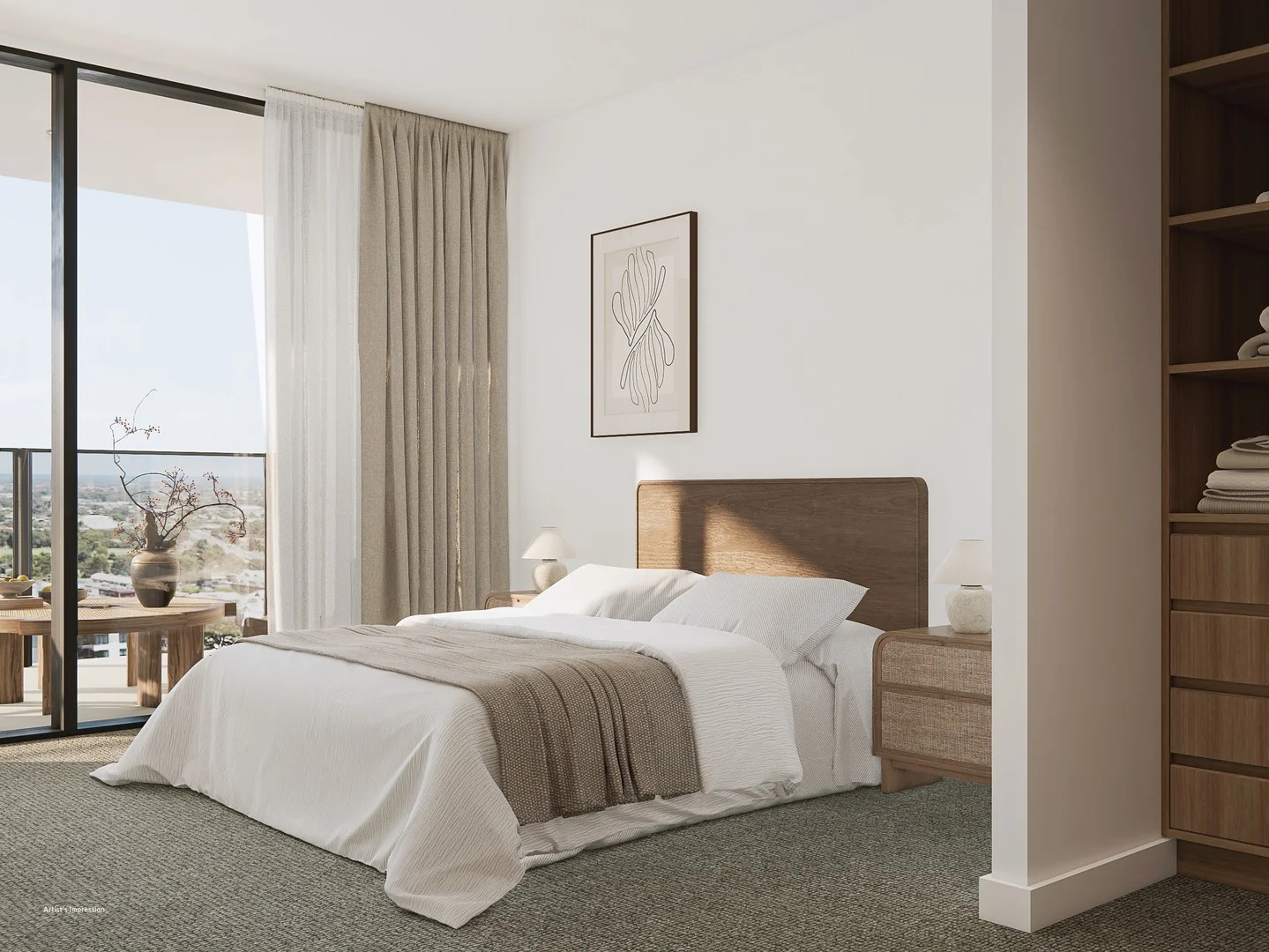 $935,000
Apartment / Unit / Flat
$935,000
Apartment / Unit / Flat
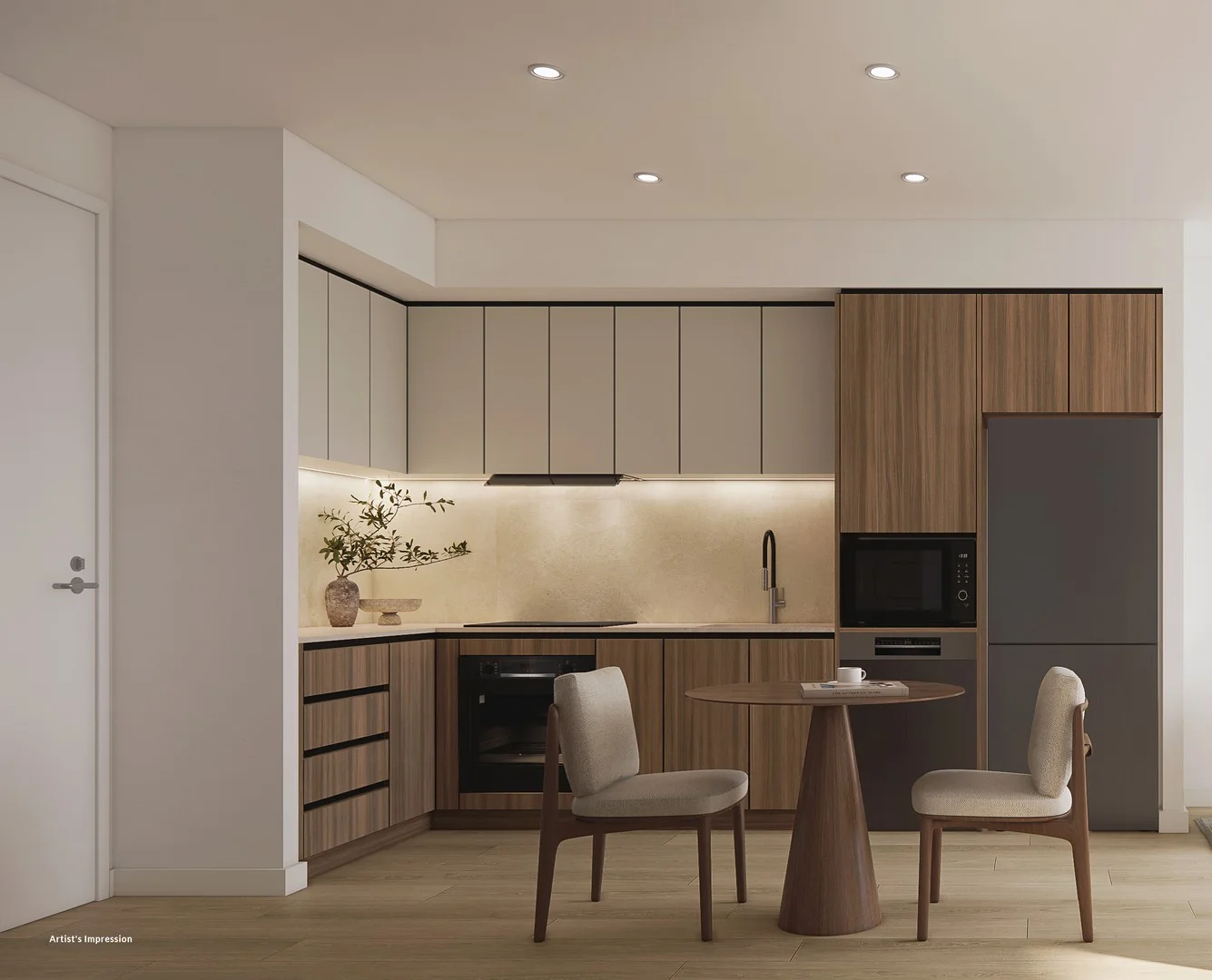 $557,000
Apartment / Unit / Flat
$557,000
Apartment / Unit / Flat
 $588,000
Apartment / Unit / Flat
$588,000
Apartment / Unit / Flat
 $1,056,000
Apartment / Unit / Flat
$1,056,000
Apartment / Unit / Flat
 $775,000
House
$775,000
House
 $545,000
Apartment / Unit / Flat
$545,000
Apartment / Unit / Flat


