## 1. Overview
St Mary’s College is a Catholic independent secondary school in Adelaide, SA. It offers a faith-based education within a welcoming, values-driven community. The college prides itself on a balanced approach that combines solid academics with pastoral care, faith formation, and opportunities for leadership, service, and personal growth.
As a medium-sized school, it fosters a close-knit atmosphere where students are known and supported. Class sizes are typically structured to enable individual attention and active participation, helping to create an inclusive and nurturing culture that emphasises academic achievement, character development, and community involvement.
---
## 2. Academics & Learning
- Academic strengths: The college focuses on core disciplines such as English, Mathematics, Science, Humanities, and Languages, with additional emphasis on literacy and numeracy development, critical thinking, and effective communication.
- Special programs: Leadership development, service learning, and a strong Religious Education program are central. There are pathways for accelerated or advanced learning where appropriate, along with support for gifted and talented students.
- NAPLAN trends: Over recent years, the school has tracked positive trends in literacy and numeracy, with ongoing emphasis on improving student growth and outcomes across year levels.
- Student-teacher ratios: Typical ratios are in the vicinity of 1:18 to 1:22, enabling accessible teacher support and active student engagement.
- Support for diverse learners: EAL (English as an Additional Language) support and SEN (Special Educational Needs) assistance are available, with dedicated learning support staff and inclusive education practices.
---
## 3. Sports & Extracurricular Strengths
- Sports offered: The college provides a range of sports including netball, basketball, soccer, cricket, athletics, tennis, and other inter-school program activities.
- Strong teams or achievements: There is a tradition of competitive teams in inter-school competitions, with emphasis on teamwork, discipline, and sportsmanship.
- Music, arts, drama programs: Music programs (instrumental ensembles and choir) and drama productions are part of the co-curricular offering, supporting creative talents and performance opportunities.
- Clubs: Robotics, coding, chess, debating, and other interest clubs help students explore passions beyond the classroom.
- Partnerships: The school maintains connections with local community and diocesan activities, regional competitions, and collaborative programs with other schools and community groups.
---
## 4. Wellbeing & Pastoral Care
- Anti-bullying approach: A proactive, values-based framework emphasises respectful relationships, restorative practices, and online/offline safety.
- House system: The college operates a House system to promote belonging, healthy rivalry, and peer support across year levels.
- Counsellors / wellbeing officers: On-site counsellors and wellbeing staff provide confidential support for students and families.
- Transition support for new students: Orientation programs, buddy systems, and targeted transition activities help new students settle in smoothly.
---
## 5. Facilities
- Sports grounds: Access to athletic facilities and dedicated playing areas for physical education and sport.
- Libraries: A library or learning commons supports reading, research, and quiet study.
- Science labs: Modern science laboratories for practical experiments and investigations.
- Music/performing arts centers: Facilities for music ensembles and drama performances.
- Tech/innovation labs: Dedicated spaces for digital learning, coding, and technology-rich projects.
- Cafeteria: On-site dining facilities or canteen offering meals and snacks.
- Updated playgrounds: External spaces designed for recreation and social interaction during breaks.
---
## 6. School Values & Community Culture
- School values / mission: Catholic faith, service to others, integrity, compassion, and community involvement underpin daily life and decision-making.
- Leadership style: A collaborative, student-voice approach supported by staff mentorship and active student leadership opportunities.
- Behaviour expectations: Clear expectations around respect, responsibility, resilience, and safe, inclusive conduct.
- Community reputation: Recognised for fostering a caring, faith-based community with strong parental and parish involvement.
- Diversity & inclusion: A commitment to an inclusive environment that welcomes students from diverse backgrounds and abilities.
---
## 7. School Logistics & Daily Operations
- School hours: The day typically runs with start and finish times aligned to secondary school schedules, with class periods and breaks structured for learning and wellbeing.
- Before/after school care: After-school supervision or care arrangements are often available to support families.
- Uniform requirements: A formal uniform is standard, with guidance on daily wear, accessories, and appearance.
- Transport (train/bus routes): Public transport options and school-provided bus routes may be available to support access to the college.
- Canteen availability: On-site canteen or catering services provide meals and snacks during the school day.
- Fees (low/medium/high ranges): Fee levels align with typical private Catholic schooling in the region; exact costs vary by year level and program, so please check the current schedule with the school.
---
## 8. Enrolment & Admissions
- 11. What is the enrolment process and timeline?
- Inquiries typically begin with an information session or open day, followed by submission of an application form and supporting documents. The school may request interviews or placement discussions, and families are advised on timelines for placement offers, acceptance, and enrolment confirmation. The process often spans several months, with Year 7 entry commonly prioritised ahead of the new school year, though spaces may exist for other year levels.
- 12. Is there a waiting list, and how does it work?
- Yes, there may be a waiting list when intake capacity is reached. Placement on the list is usually determined by a combination of factors, including enrolment demand, space availability, and school priorities (e.g., siblings of current students, parish affiliation). Families are kept informed about their position and expected timelines.
- 13. Are there any entry requirements, tests, or interviews?
- Entry can involve an interview or meeting with families, and may include discussions about faith alignment and student needs. Some programs or year levels may require additional documentation or screening, while others may focus on a general assessment of fit and readiness.
- 14. Does the school accept mid-year transfers?
- Mid-year transfers are considered subject to space and a smooth transition plan for the student. Families should contact enrolments to discuss availability, transfer procedures, and required documentation.
---
## 9. Frequently Asked Questions
- Why Parents Choose This School?
- A values-based Catholic education, supportive pastoral care, and a balanced focus on academics, sport, and character development.
- What type of student thrives at this school?
- Students who value community, faith-based education, collaborative learning, and opportunities to contribute to service and school life.
- What opportunities are available for students to extend their skills (academics, sports, arts)?
- Academic enrichment through leadership, service programs, accelerated pathways where offered; competitive sports teams; music and drama productions; robotics, coding, chess, debating clubs.
- How does the school communicate with parents?
- Regular newsletters, emails, parent portals, diplomas/ reports, and scheduled meetings (parent-teacher interviews) to share progress and events.
- What is the school’s approach to teaching and learning?
- A student-centred, evidence-informed approach that combines strong core academics with faith formation, collaboration, and real-world applications.
- How does the school support students who need extra academic help?
- Learning support services, targeted interventions, SEN and EAL accommodations, and access to coordinators for tailored plans.
- What support is available for academic challenges?
- Additional tutoring, differentiated instruction, and early identification of needs with referrals to specialist staff where required.
- How does the school communicate with parents? (Repeats earlier question; see above for typical channels.)
- What are the class sizes and how much individual attention do students receive?
- Class sizes are designed to enable participation and teacher access, with student-teacher ratios generally in the near 1:18 to 1:22 range, depending on year level and subject.
- What extracurricular and sports opportunities are available?
- A broad program including netball, basketball, soccer, cricket, athletics, tennis, music ensembles, drama, robotics, coding, chess, and debating.
- What facilities does the school offer (sports, science, arts)?
- Sports grounds, libraries/learning commons, science labs, music/performing arts spaces, tech/innovation labs, canteen, and well-maintained outdoor play spaces.
- What is the school’s approach to technology and digital learning?
- Integration of digital tools to support learning, research, collaboration, and responsible use of technology across subjects.
- What transport and accessibility options are available?
- Public transport supports and potential school-provided or partner transport options; accessibility considerations are addressed to support student participation.
- What are the typical school fees or additional costs?
- Fees fall within the typical range for private Catholic secondary education in the region; exact amounts depend on year level and programs; confirm with the school for current figures.
---
## 10. Short Pros & Cons list
- Pros
- Catholic values-based education with strong pastoral care
- Balanced focus on academics, sport, arts, and service
- Support for diverse learners and inclusive practices
- Moderate class sizes enabling individual attention
- Active co-curricular program (sports, music, clubs)
- Cons
- Fees are applicable as a private school
- Competition for popular year levels or programs may mean waiting lists
- Some programs or facilities may vary by year or cohort; confirm current details with the school
 Free
Free








 $1,100,000
Apartment / Unit / Flat
$1,100,000
Apartment / Unit / Flat
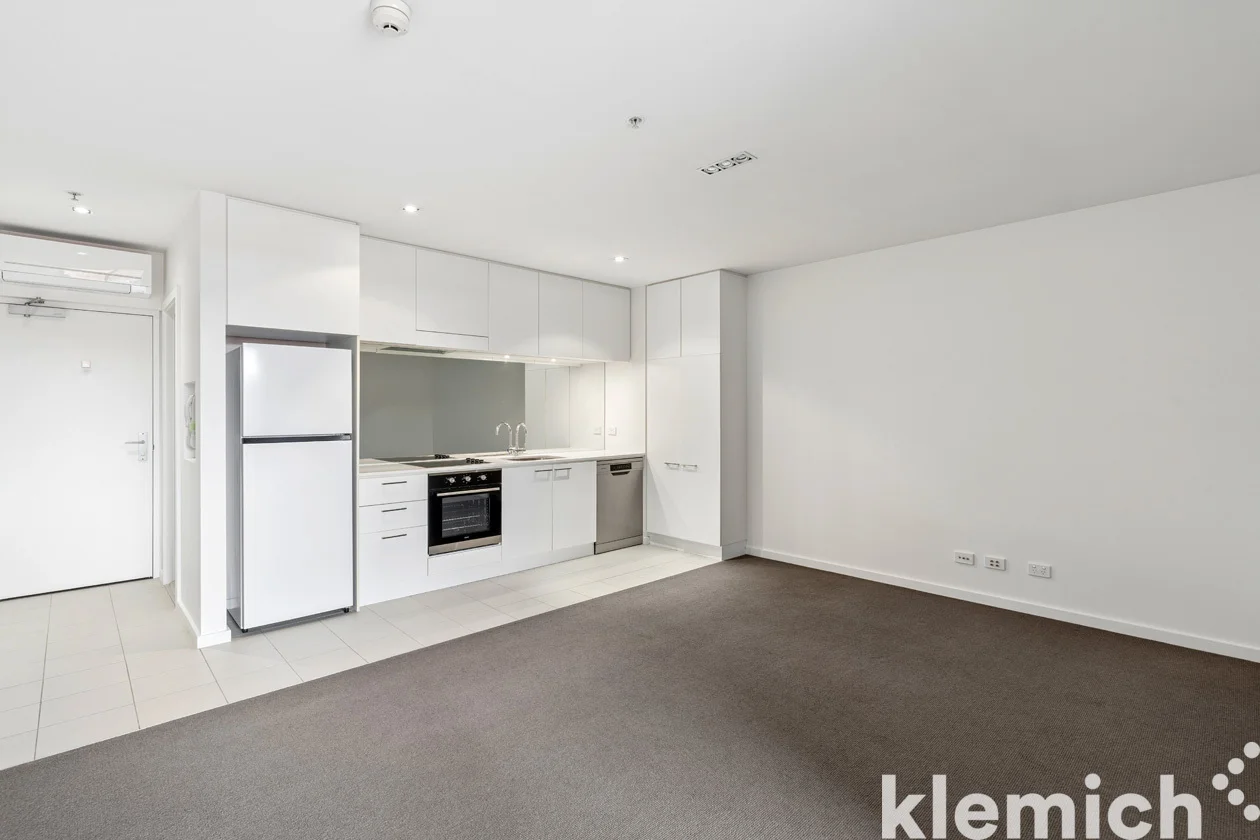 $440,000
Apartment / Unit / Flat
$440,000
Apartment / Unit / Flat
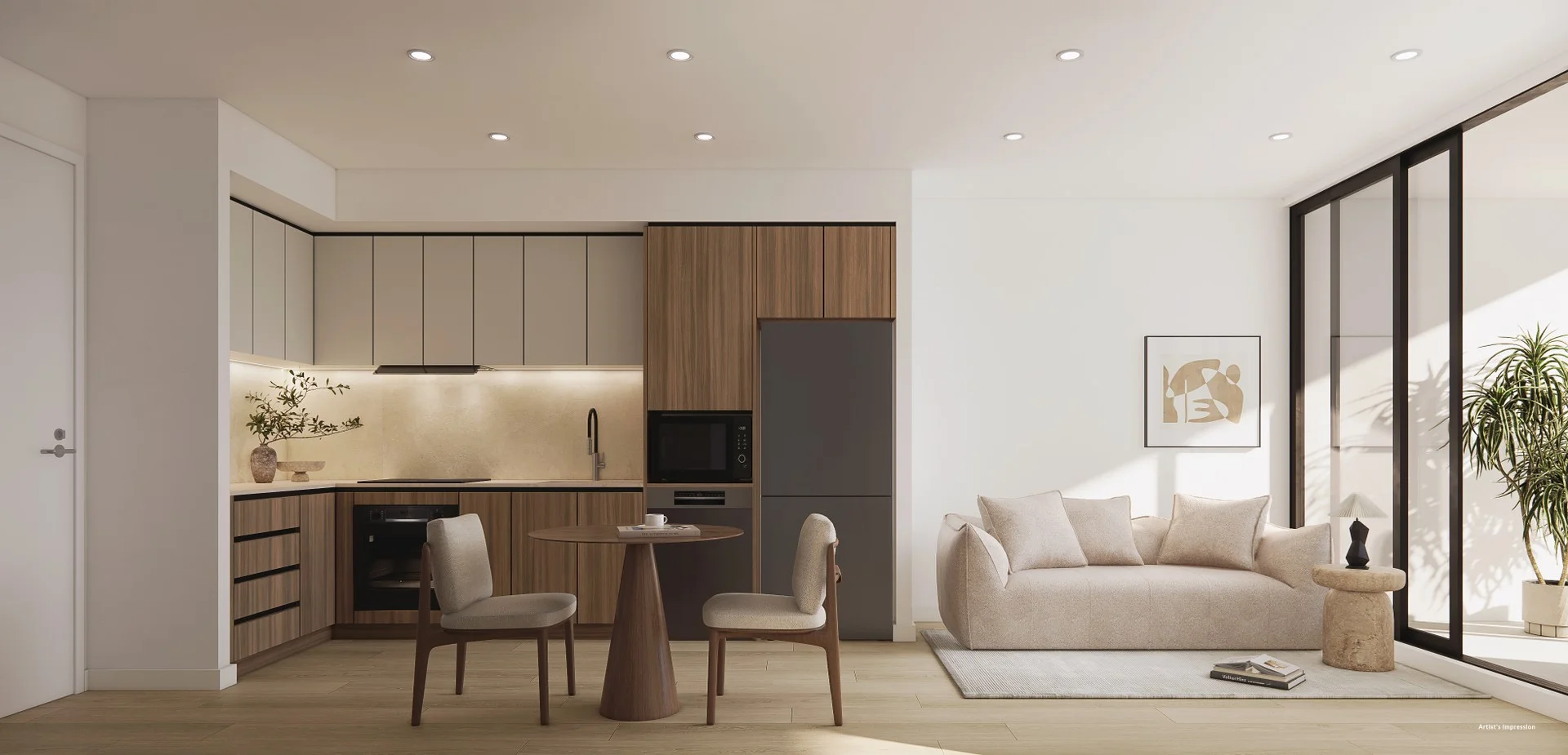 $588,000
Apartment / Unit / Flat
$588,000
Apartment / Unit / Flat
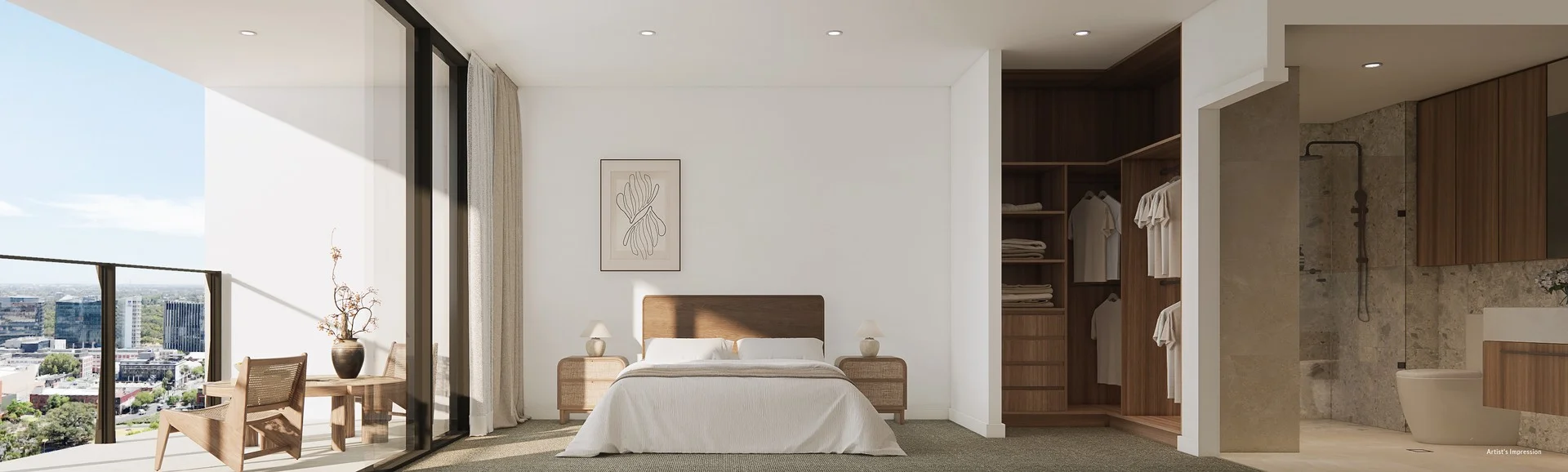 $1,056,000
Apartment / Unit / Flat
$1,056,000
Apartment / Unit / Flat
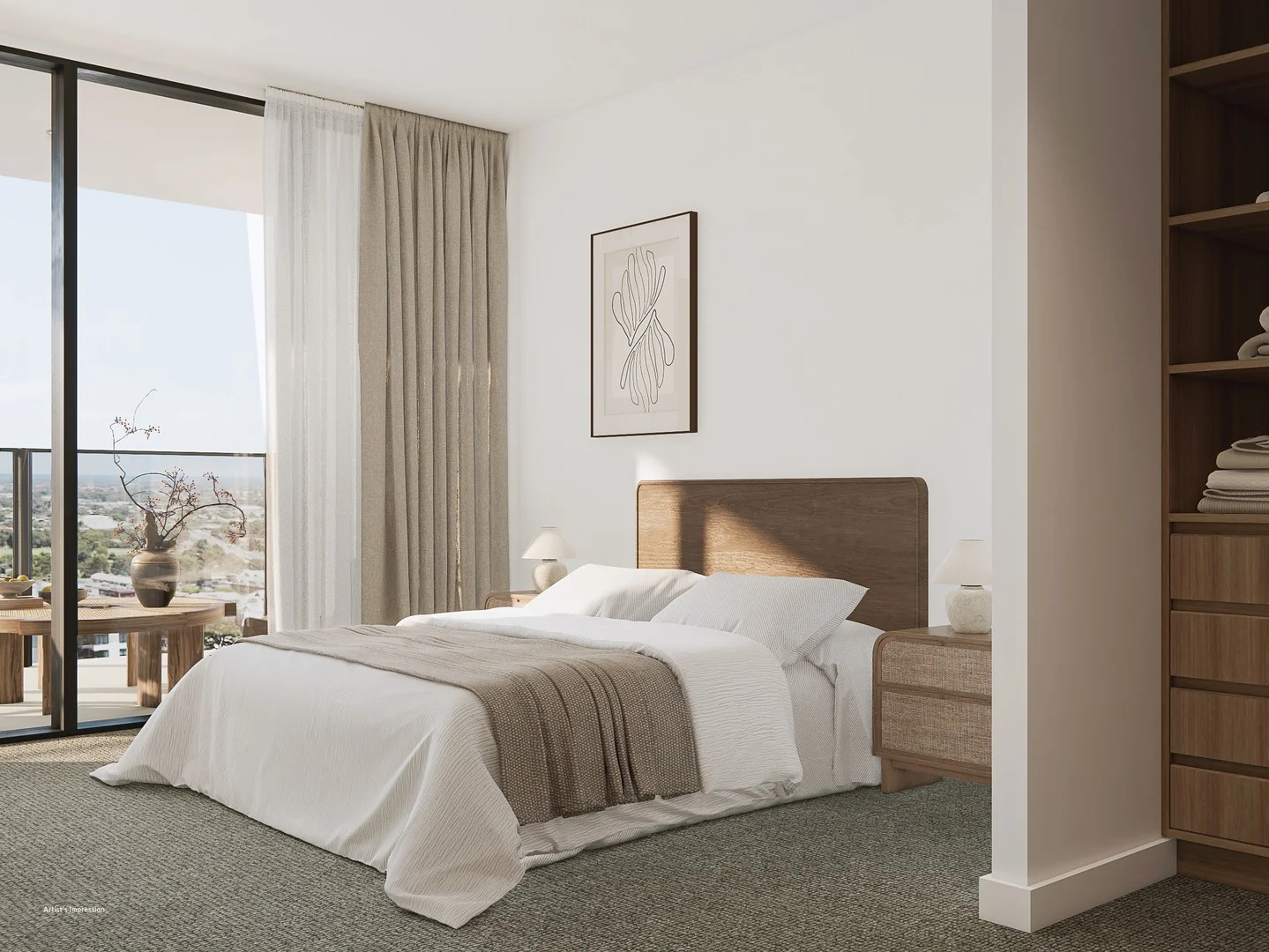 $935,000
Apartment / Unit / Flat
$935,000
Apartment / Unit / Flat
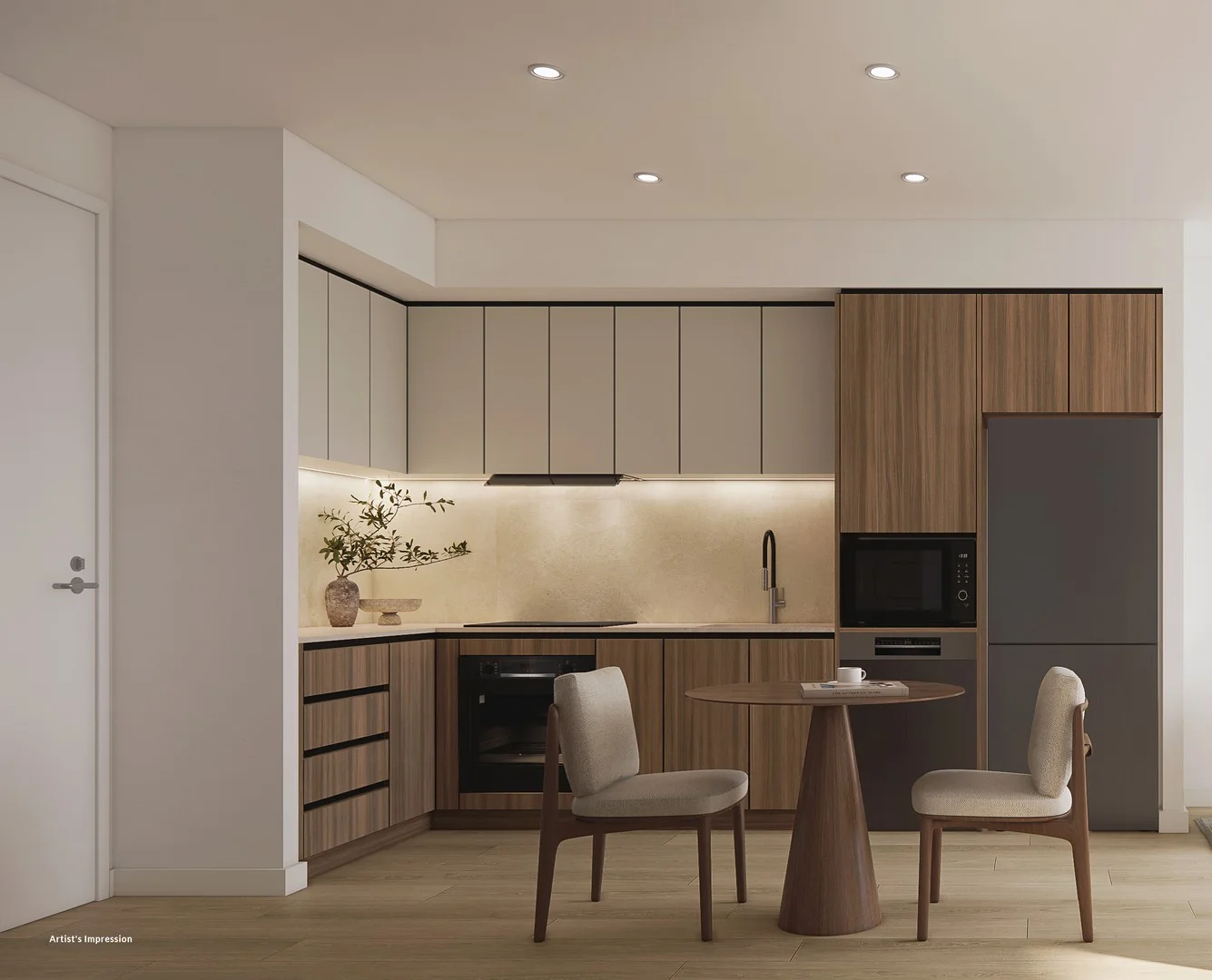 $557,000
Apartment / Unit / Flat
$557,000
Apartment / Unit / Flat
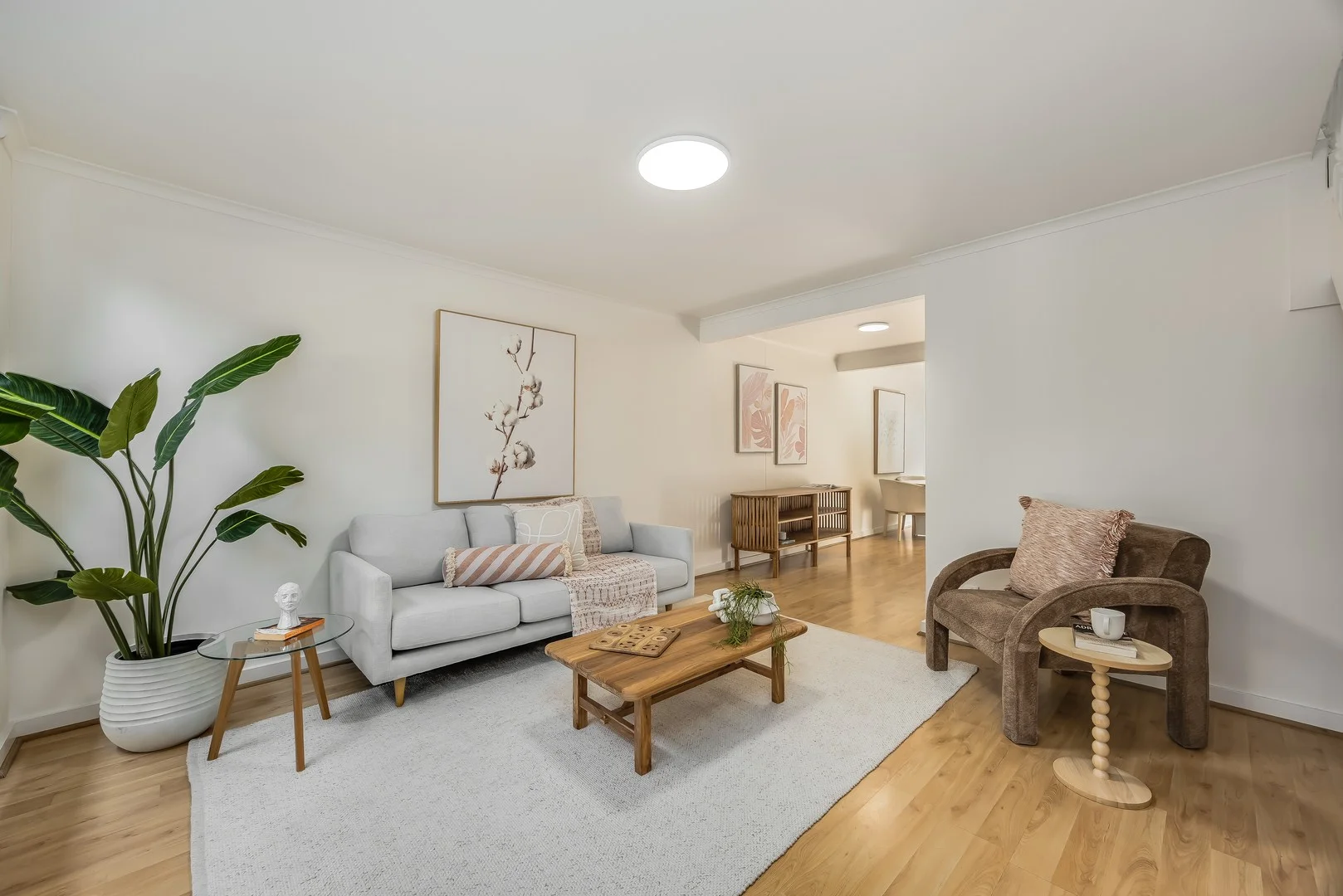 $775,000
House
$775,000
House
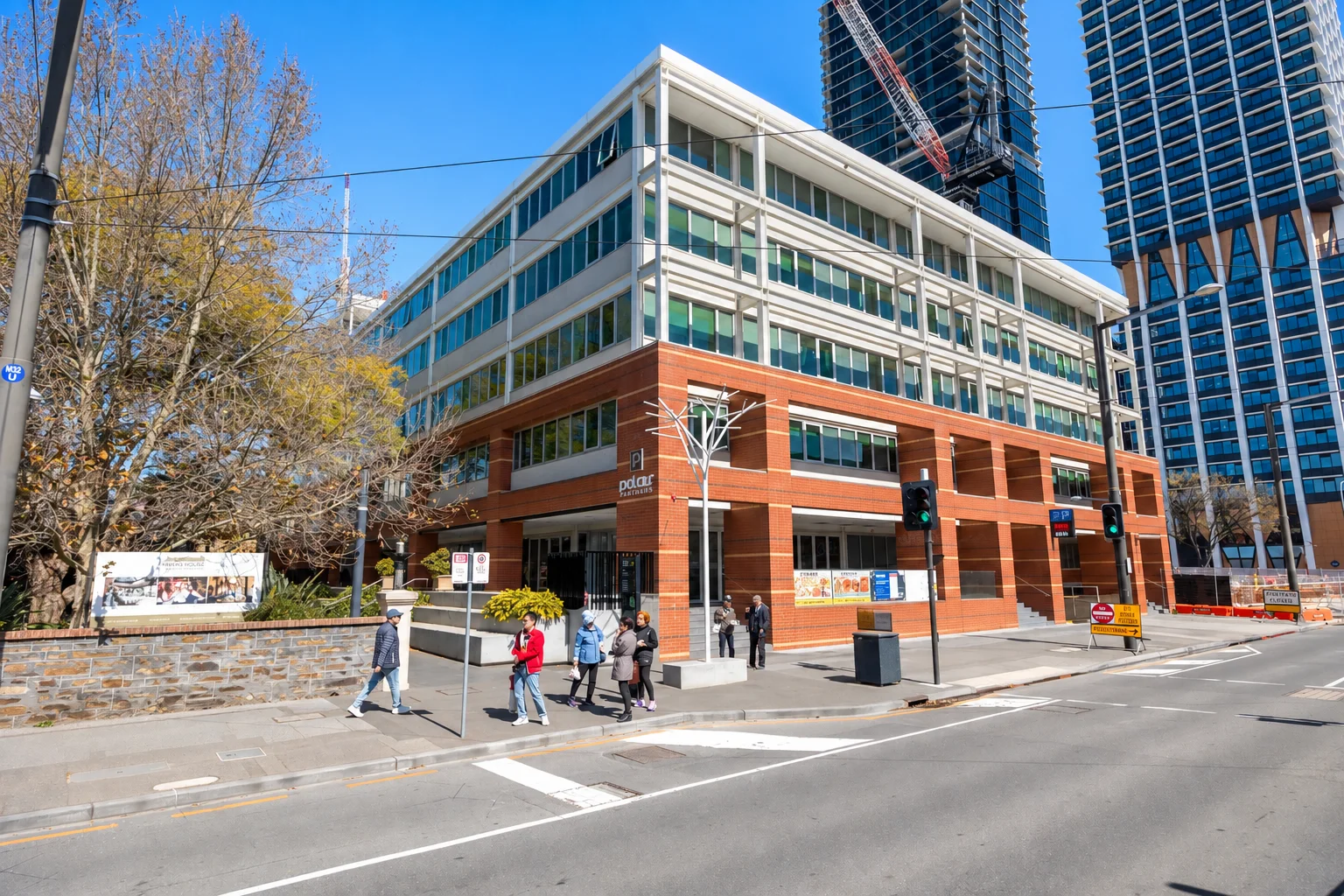 $545,000
Apartment / Unit / Flat
$545,000
Apartment / Unit / Flat