# 1. Overview
St James Primary School Vermont is a Catholic, co-educational primary school serving the local community with a focus on strong academic growth within a faith-informed environment. The school aims to nurture not only scholastic achievement but also character, compassion and responsible citizenship.
- School type: Catholic
- School size: Medium
- Class size: Typically around 20–24 students per class
- Atmosphere/culture: Nurturing, inclusive, faith-based
# 2. Academics & Learning
St James Vermont emphasizes solid literacy and numeracy foundations, integrated with faith-based values and real-world learning. The school supports a well-rounded curriculum that encourages curiosity, critical thinking and collaboration.
- Academic strengths: English/ literacy and Mathematics, with emphasis on reading comprehension, writing, and numeracy fluency; emphasis on inquiry-based learning and concept understanding
- Special programs: Religious education and faith formation; opportunities for enrichment and extension where available; integration of STEAM activities
- NAPLAN / Ofsted trends: Public trend data is not provided here; schools commonly monitor literacy & numeracy progress over time and adapt programs accordingly — check the school’s annual reports for specific trends
- Student-teacher ratios: Typical primary ratios around 1:12 to 1:22, depending on year level and class
- Support for diverse learners: EAL (English as an Additional Language) support, targeted learning support and SEN (Special Education Needs) pathways, with inclusive education practices
# 3. Sports & Extracurricular Strengths
A strong focus on physical education and a broad array of clubs help students develop teamwork, resilience and varied talents.
- Sports offered: Basketball, Netball, Football (Soccer), Athletics, Cricket, and general PE programs
- Strong teams or achievements: Involvement in inter-school competitions; strengths often shown in consistent participation and teamwork rather than year-by-year results
- Music, arts, drama programs: School choir, school concerts, and opportunities in drama and performing arts
- Clubs: Robotics, coding, chess, debating and other age-appropriate clubs that rotate by year
- Partnerships: Connections with local community groups and participation in regional inter-school events
# 4. Wellbeing & Pastoral Care
Wellbeing is a high priority, with structures in place to support every student’s emotional and social development.
- Anti-bullying approach: Whole-school anti-bullying program with restorative practices and targeted wellbeing initiatives
- House system: Yes, with house-based events and competitions to build community and belonging
- Counsellors / wellbeing officers: Access to a school counsellor or wellbeing staff for student support
- Transition support for new students: Orientation programs, buddy systems and gradual integration supports
# 5. Facilities
Facilities are designed to support a balanced, engaging learning environment with spaces for study, creativity and physical activity.
- Sports grounds
- Libraries
- Science labs
- Music/performing arts centers
- Tech/innovation labs
- Cafeteria
- Updated playgrounds
# 6. School Values & Community Culture
The school aims to cultivate values-led leadership and a welcoming, respectful school culture.
- School values / mission: Catholic faith values such as respect, responsibility, compassion and service
- Leadership style: Collaborative and student-centered, with opportunities for student voice
- Behaviour expectations: Clear code of conduct and positive behavior support
- Community reputation: Strong ties with the parish and an active parent community
- Diversity & inclusion: Commitment to an inclusive environment that welcomes diverse families and needs
# 7. School Logistics & Daily Operations
Practical information to help families plan around school life.
- School hours: Typically a daytime schedule aligned with local school hours (e.g., roughly 9:00 am–3:30 pm)
- Before/after school care: After-school care options available through school-based or external providers
- Uniform requirements: School uniform with standard dress code as set by the school
- Transport (train/bus routes): Local bus routes and proximity to public transport; families often use a combination of walking, bus, or train to travel to/from school
- Canteen availability: Canteen facilities or lunch-order options available
- Fees (low/medium/high ranges): Fees are in the medium range for primary Catholic schools in the area; exact amounts depend on year level and programs
# 8. Enrolment & Admissions
Key steps and timelines families typically follow when applying to the school.
11. What is the enrolment process and timeline?
- Submit an application by the school’s stated closing date
- Provide required documents (birth certificate, immunisation status, family details)
- Attend any required information sessions or interviews; gather any requested supporting materials
- Offers are issued according to the school’s admissions policy and timeline; binding timelines vary by year level
12. Is there a waiting list, and how does it work?
- Waiting lists may apply when demand exceeds intake capacity
- Placement on the list is typically determined by the school’s policy, which may consider factors such as community ties and sibling priority
13. Are there any entry requirements, tests, or interviews?
- Most Catholic primary schools conduct interviews or information sessions for families; formal entry tests are not always required, but some years or circumstances may include a brief assessment or discussion of needs
14. Does the school accept mid-year transfers?
- Mid-year transfers are sometimes accommodated, subject to space and policy; families should contact the enrolment office promptly to discuss availability and requirements
# 9. Frequently Asked Questions
- “Why Parents Choose This School?”
- A welcoming Catholic community with strong values, supportive staff, and a focus on both academic growth and personal development.
- “What type of student thrives at this school?”
- Students who are engaged in learning, value community, and respond well to a faith-based, inclusive environment with opportunities across academics, sport and the arts.
- “What opportunities are available for students to extend their skills (academics, sports, arts)?”
- Rigorous literacy and numeracy programs, enrichment opportunities, sport teams, music and performing arts, and clubs such as robotics, coding, chess and debating.
- “How does the school communicate with parents?”
- Regular newsletters, emails, parent portals, and scheduled meetings; open channels for contact with teachers and leadership.
- “What is the school’s approach to teaching and learning?”
- Student-centered and differentiated instruction, with a mix of direct teaching, inquiry-based learning and faith-informed education.
- “How does the school support students who need extra academic help?”
- Targeted learning support, EAL and SEN services, and access to supplementary interventions and resources.
- “What support is available for academic challenges?”
- Early identification, individualized support plans, and collaboration with families and specialists as needed.
- “What are the class sizes and how much individual attention do students receive?”
- Class sizes typically around 20–24 students; teacher-to-student contact is maintained through small-group instruction and targeted support.
- “What extracurricular and sports opportunities are available?”
- A range of sports, arts, music programs and clubs such as robotics, coding, chess and debating; participation in inter-school activities.
- “What facilities does the school offer (sports, science, arts)?”
- Sports grounds, library, science labs, music/performing arts spaces, technology labs, canteen and updated playgrounds.
- “What is the school’s approach to technology and digital learning?”
- Integrated digital literacy through classroom devices and software; emphasis on safe and responsible use of technology.
- “What transport and accessibility options are available?”
- Access via local bus routes and nearby public transport; family-arranged travel is common.
- “What are the typical school fees or additional costs?”
- Fees are in the medium range for the area; additional costs may arise from uniform, excursions and certain activities.
# 10. Short Pros & Cons list
- Pros
- Catholic, values-based education with a nurturing community
- Medium-sized setting with manageable class sizes
- Broad program offering across academics, sport, arts and clubs
- Support for diverse learners and inclusive culture
- Active parental and parish connections
- Cons
- Fees fall within a medium range; ongoing costs for uniforms, activities and excursions
- Year-to-year program offerings may vary; specific clubs and activities can depend on staffing
- Availability of some specialty programs may be limited by enrollment numbers or year level
If you’d like, I can tailor this draft further with verified, school-specific details (such as exact enrolment dates, current student-teacher ratios, or confirmed facilities and programs) once you provide the latest figures or grant permission to pull up-to-date information.
 $22+
$22+












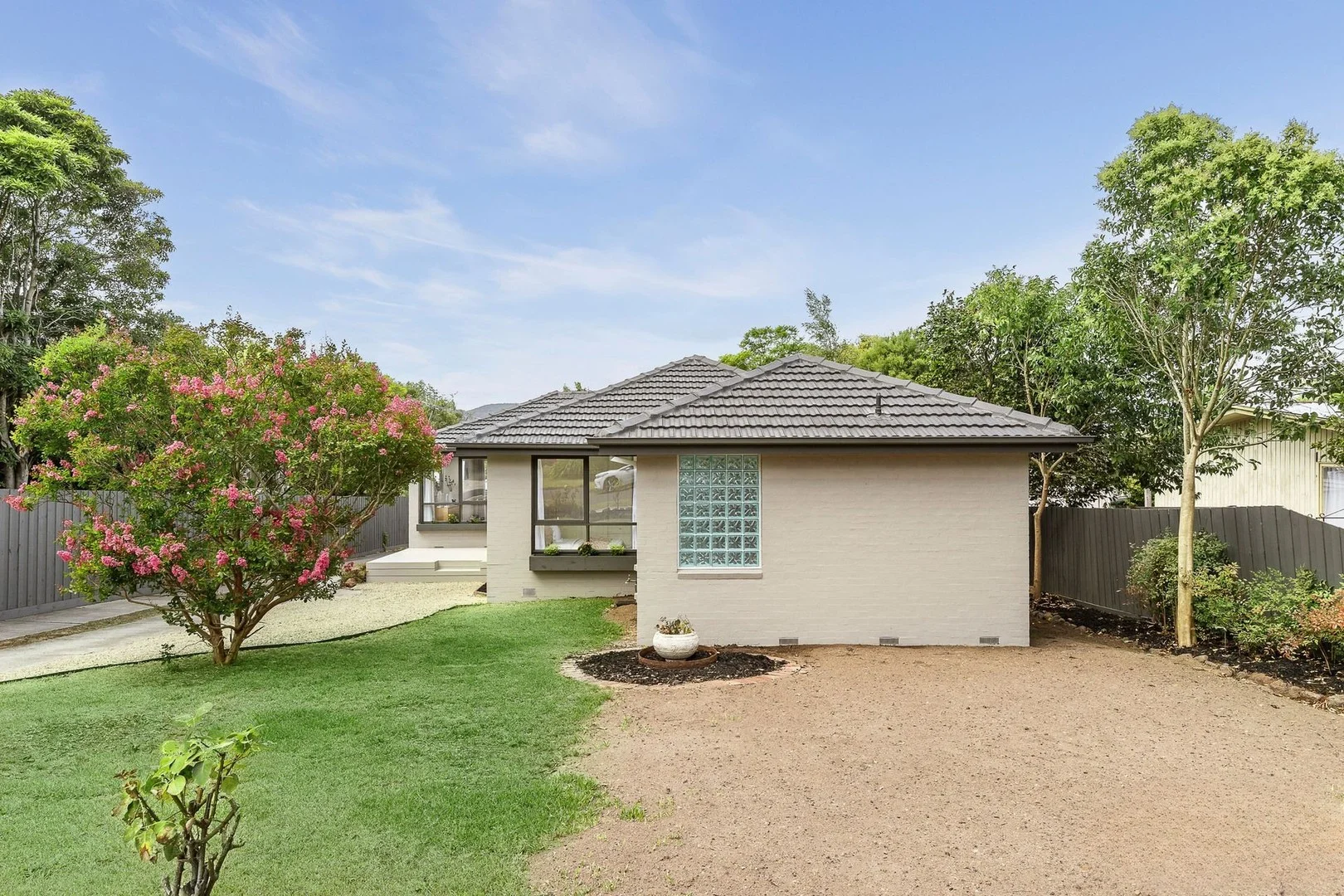 $700
Apartment / Unit / Flat
$700
Apartment / Unit / Flat
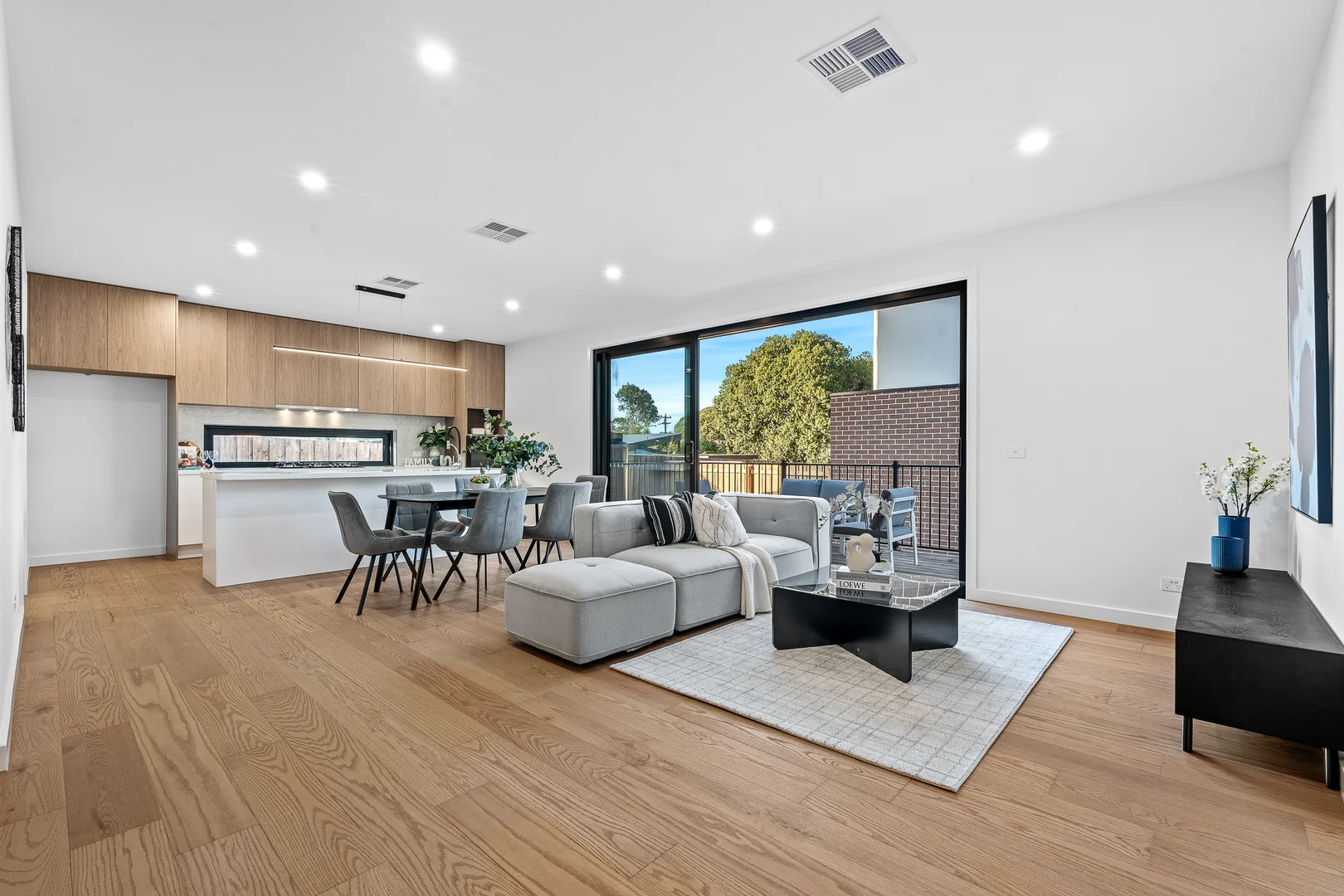 $990,000 - $1,080,000
Townhouse
$990,000 - $1,080,000
Townhouse
 $1,300,000
House
$1,300,000
House
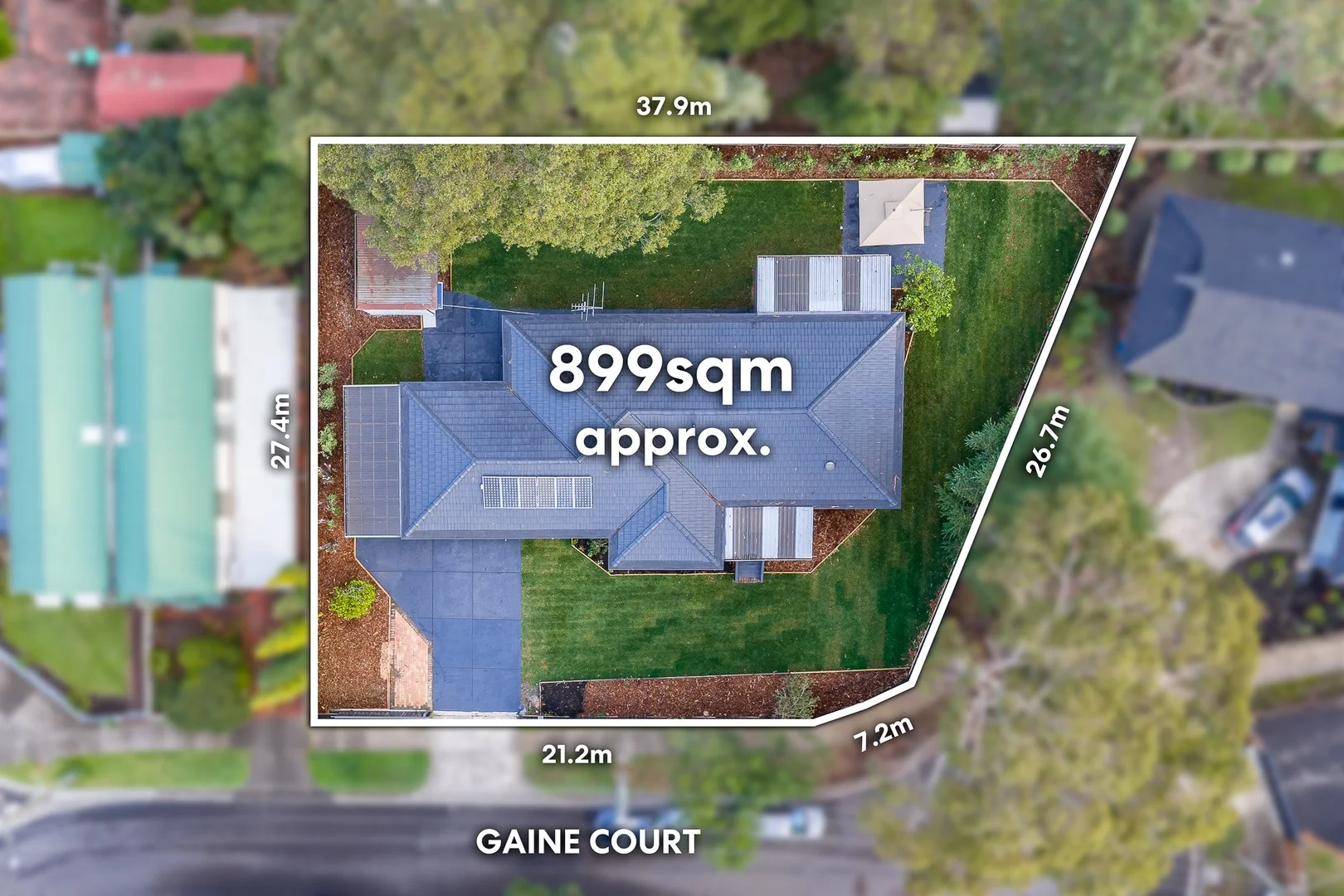 $990,000 - $1,080,000
House
$990,000 - $1,080,000
House
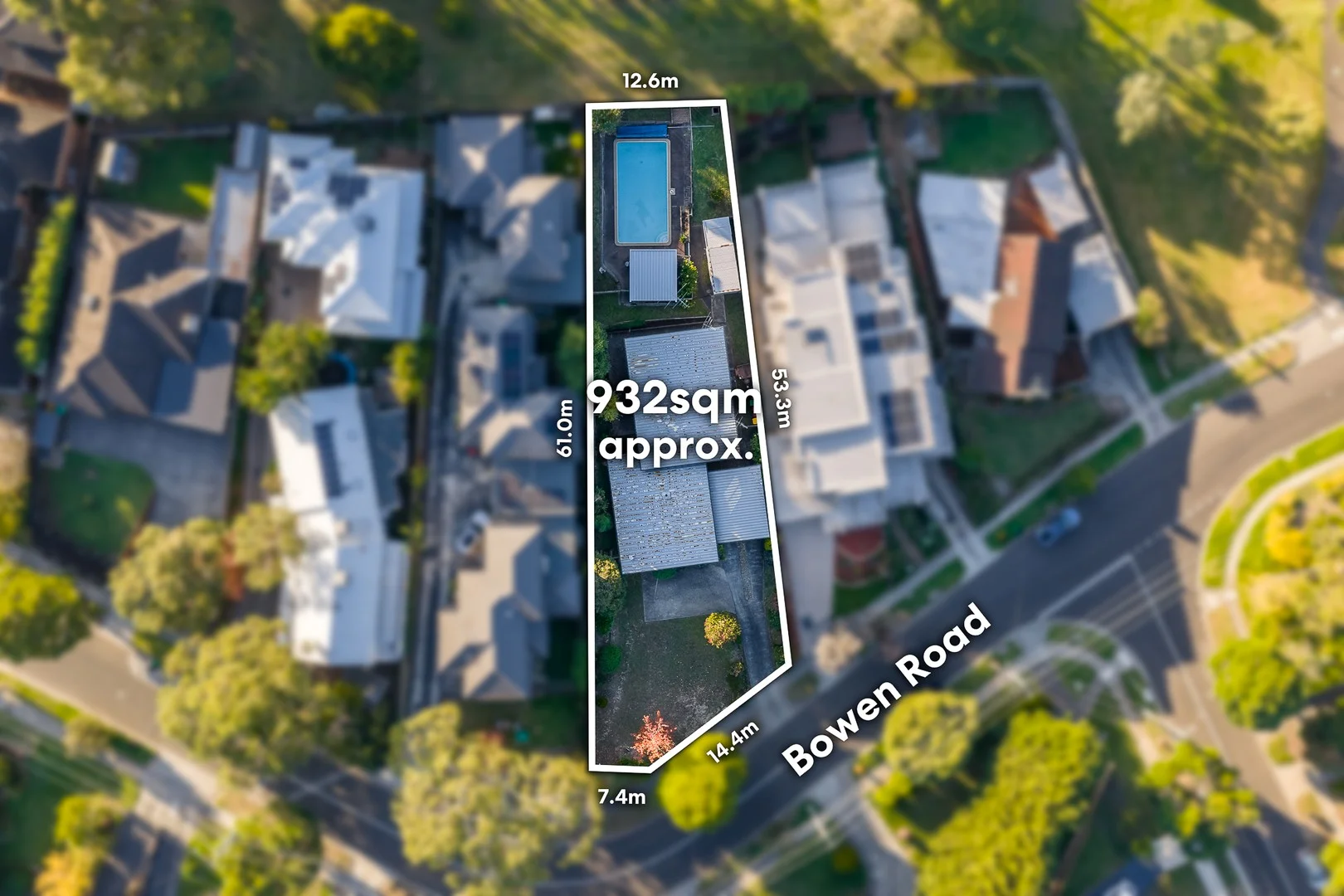 $1,300,000 - $1,400,000
House
$1,300,000 - $1,400,000
House
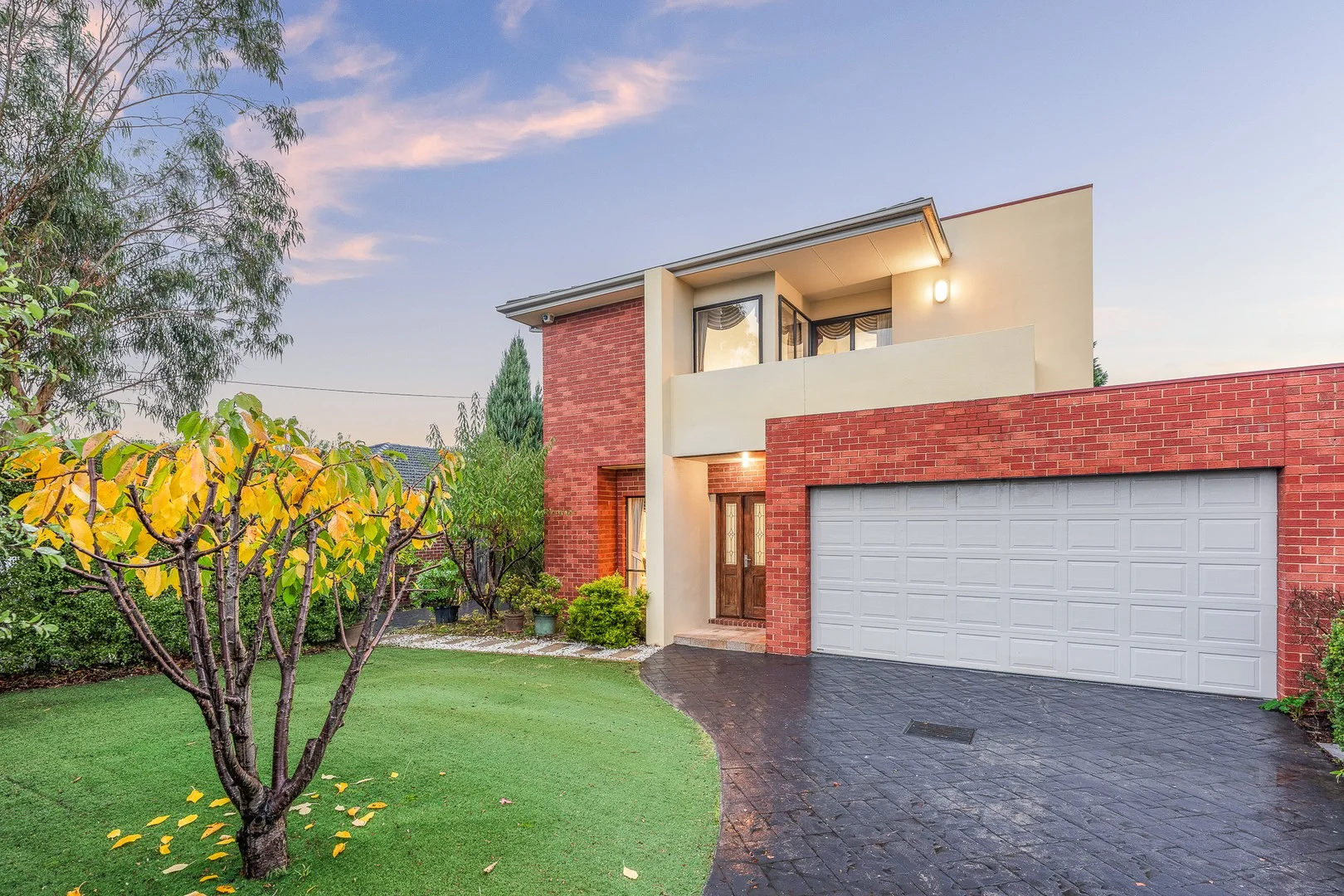 $1,150,000 - $1,250,000
Townhouse
$1,150,000 - $1,250,000
Townhouse
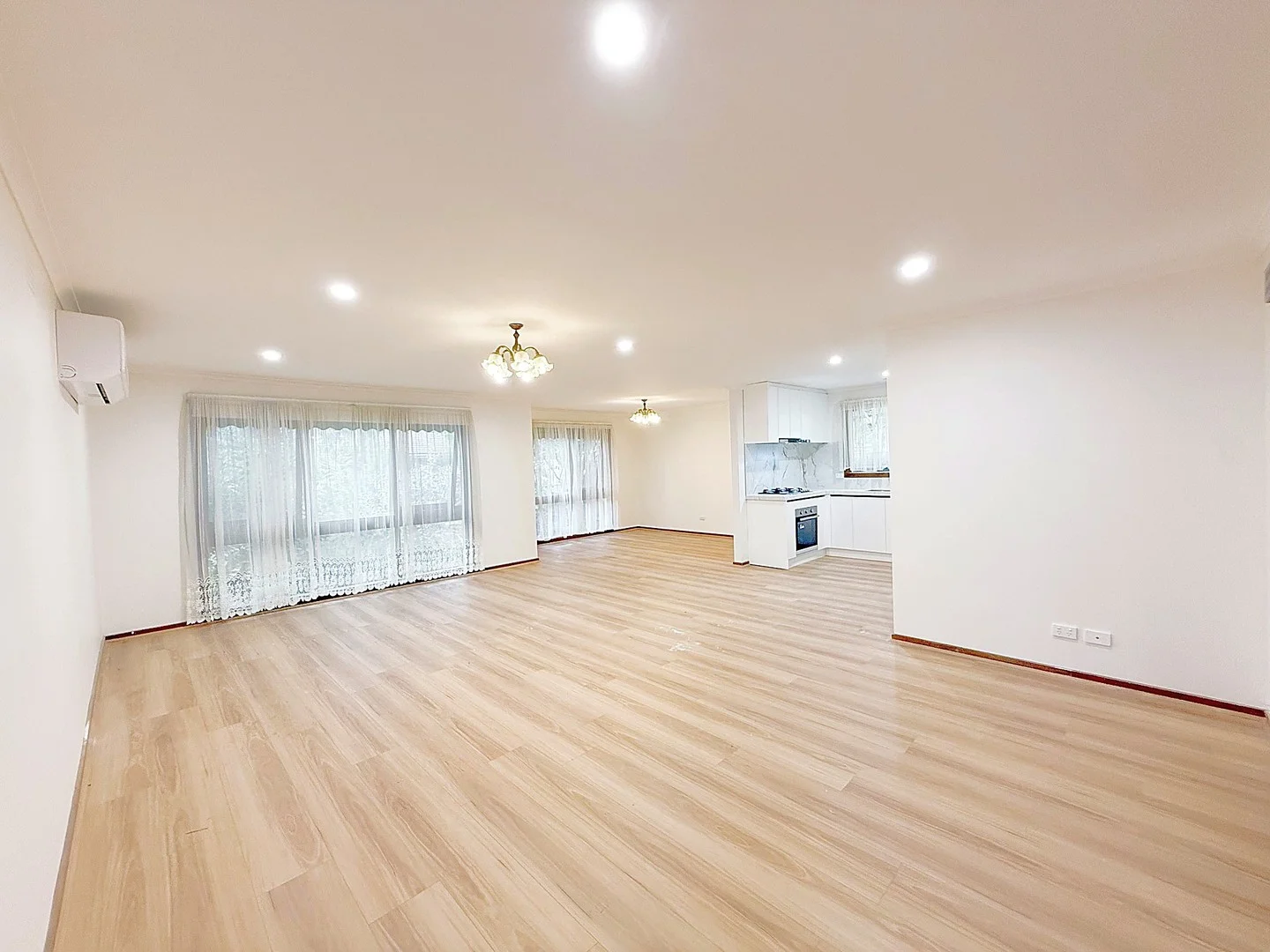 $1,100
House
$1,100
House
 $1,500,000
House
$1,500,000
House
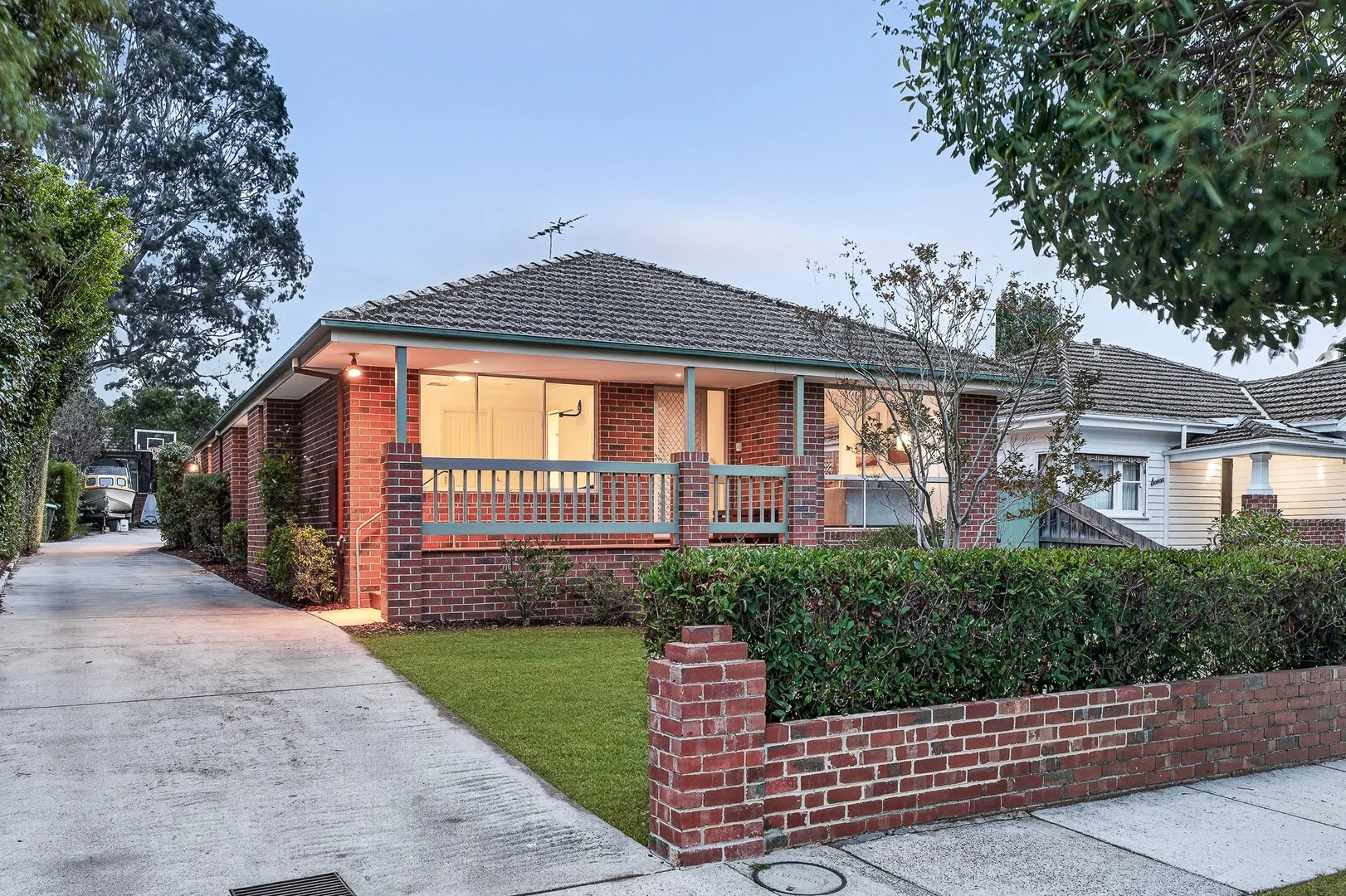 $1,200,000 - $1,300,000
House
$1,200,000 - $1,300,000
House


