Overview
Vermont Secondary College is a public, co-educational high school serving the eastern suburbs of Melbourne. The college aims to provide a broad, quality education for students from Year 7 to Year 12, with pathways to the Victorian Certificate of Education (VCE) and vocational opportunities. The environment is generally welcoming and inclusive, with a focus on balanced academic growth, wellbeing, and student involvement.
School size is typically described as medium-to-large, offering a diverse range of subjects and activities. Class sizes are commonly in the mid-20s, supporting active participation and teacher support. The atmosphere tends to be nurturing and academically oriented, while also encouraging student involvement in wellbeing, sport, arts, and community life.
⸻
Academics & Learning
Academic strengths
- Core subjects with emphasis on literacy, numeracy, science, and STEM pathways
- Strong English and mathematics programs, with opportunities across science and technology subjects
- Broad language and humanities options to support well-rounded learning
Special programs
- VCE pathways and subject selections for Year 11–12
- Vocational Education and Training (VET) opportunities to gain industry-relevant skills
- Gifted and talented opportunities and enrichment where available
- Pathways and career guidance to support post-school options
NAPLAN / trends
- NAPLAN trends typically show steady or improving performance in key areas such as reading and numeracy; focus on literacy and numeracy support to close gaps
- The school uses data to inform targeted intervention and tracking of student progress over time
Student-teacher ratios
- Class sizes commonly in the low-to-mid 20s
- Student-teacher ratios typically around 1:14 to 1:20, depending on subject and year level
Support for diverse learners
- EAL (English as an Additional Language) support
- Special Education needs (SEN) support with a coordinated learning support team
- Individual Education Plans (IEPs) and targeted small-group or in-class assistance as needed
⸻
Sports & Extracurricular Strengths
Sports offered
- basketball, netball, football (Australian rules), soccer, cricket, athletics, swimming, and other school sports through interschool programs
Strong teams or achievements
- Active participation in regional competitions with competitive school teams
- Consistent emphasis on teamwork, skill development, and sportsmanship
Music, arts, drama programs
- School ensembles, choirs, and performance opportunities
- Regular drama productions and artistic events, with opportunities to participate or contribute
Clubs
- Robotics, chess, coding, debating, and other student-led clubs
- Diverse activities to suit a range of interests and talents
Partnerships
- Local community partnerships and participation in district-level competitions and events
- Opportunities for collaborative projects with local clubs and organizations
⸻
Wellbeing & Pastoral Care
Anti-bullying approach
- Clear anti-bullying policies and reporting pathways
- Programs to promote positive bystander behavior, awareness, and safe school culture
House system
- House-based activities and events to foster belonging, leadership, and peer connections
Counsellors / wellbeing officers
- Dedicated wellbeing team, including school counsellors or wellbeing staff
- Access to mentoring, stress management, and mental health support
Transition support for new students
- Orientation and transition programs for Year 7 and other new entrants
- Support networks to help students settle in and build connections quickly
⸻
Facilities
- Sports grounds and gym facilities
- Libraries and study spaces
- Science laboratories for biology, chemistry, physics, and related disciplines
- Music and performing arts centers for concerts and drama
- Tech/innovation labs and makerspaces supporting STEM learning
- Canteen with healthy meal options and daily service
- Updated playgrounds and outdoor learning spaces
⸻
School Values & Community Culture
- School values and mission focused on respect, inclusion, resilience, and excellence
- Leadership style that encourages student voice and opportunities to lead through student councils and clubs
- Clear behaviour expectations and a positive Behaviour for Learning framework
- Community reputation built on supportive relationships among staff, students, and families
- Emphasis on diversity and inclusion, with supports for students from various backgrounds
⸻
School Logistics & Daily Operations
- School hours: typical daytime schedule with start and finish times aligned to the Victorian school calendar (exact times may vary year to year)
- Before/after school care: availability may be through the school or local providers; check current offerings
- Uniform requirements: school uniform expected; details provided by the school
- Transport: bus routes and public transport options serving the area; information on accessibility and parking
- Canteen availability: on-site canteen or snack facilities
- Fees: as a public (government) school, tuition is not charged; there may be voluntary contributions and costs for materials, excursions, or activities
⸻
Enrolment & Admissions
11. What is the enrolment process and timeline?
- Applications generally follow the Victorian public-school process. Start with submitting an enrolment form through the school, with required documentation (proof of identity, residency, immunization records, etc.). Timelines vary by year level; Year 7 entry periods are commonly established annually, with timeframes advised by the school.
12. Is there a waiting list, and how does it work?
- Waiting lists can occur if the school is oversubscribed. Waiting lists are typically ordered by application date and eligibility factors (such as catchment status) and updated periodically. In-demand years or programs may have longer wait times.
13. Are there any entry requirements, tests, or interviews?
- For most public enrolments, there are no entrance exams. Schools may request basic information and prior school records. Interviews are not common for standard enrolments but may occur for out-of-area applications or specific programs; requirements vary by year and case.
14. Does the school accept mid-year transfers?
- Yes, subject to available places. Mid-year transfers are possible if the school has space and can accommodate new students; contact the admissions team to discuss timelines and required documentation.
⸻
Frequently Asked Questions
- Why Parents Choose This School?
Public, inclusive setting with a broad curriculum, strong wellbeing supports, and opportunities across academics, sports, arts, and community involvement.
- What type of student thrives at this school?
Students who engage across a range of subjects and activities, value inclusive communities, and participate in wellbeing and leadership opportunities.
- What opportunities are available for students to extend their skills (academics, sports, arts)?
VCE and subject-pathways, VET options, enrichment programs, sports teams, arts productions, music ensembles, and a variety of clubs.
- How does the school communicate with parents?
Regular newsletters, email communications, school portal or learning management system updates, and notices about events and assemblies.
- What is the school’s approach to teaching and learning?
Student-centered and evidence-based approaches, with a mix of teacher-led instruction, inquiry-based learning, differentiation, and collaboration.
- How does the school support students who need extra academic help?
Learning Support, EAL and SEN programs, targeted tutoring, in-class adjustments, and small-group interventions.
- What support is available for academic challenges?
Dedicated wellbeing and learning support staff, access to counselling referrals, and academic coaching as needed.
- How does the school communicate with parents? (Repeated)
See above; typical channels include newsletters, emails, and the school portal.
- What are the class sizes and how much individual attention do students receive?
Class sizes commonly in the low-to-mid 20s; teacher attention tailored through small-group work, in-class support, and targeted interventions.
- What extracurricular and sports opportunities are available?
A broad range of sports, music, drama, arts, and numerous clubs such as robotics, chess, coding, and debating.
- What facilities does the school offer (sports, science, arts)?
Comprehensive facilities including sports grounds, libraries, science labs, performing arts spaces, tech/innovation labs, canteen, and outdoor learning areas.
- What is the school’s approach to technology and digital learning?
Integrated digital learning with computer labs, interactive tools, and online resources to support coursework and collaboration.
- What transport and accessibility options are available?
Public transport connections and local bus routes; accessibility considerations and parking details typically provided by the school.
- What are the typical school fees or additional costs?
As a public school, tuition is not charged; there may be voluntary contributions and costs for materials, excursions, and optional activities.
⸻
Short Pros & Cons list
Pros
- Public, inclusive environment with a broad curriculum
- Strong wellbeing and student-support structures
- Wide range of academics, sports, arts, and clubs
- Solid facilities across science, tech, and performing arts
- Active community involvement and opportunities for leadership
Cons
- Large school with many programs; some students may prefer smaller settings
- Some programs or activities may have wait lists or require advance planning
- Transport times can be longer for students living farther from the campus
If you’d like, I can tailor this content further with up-to-date, school-specific details.

 $22+
$22+











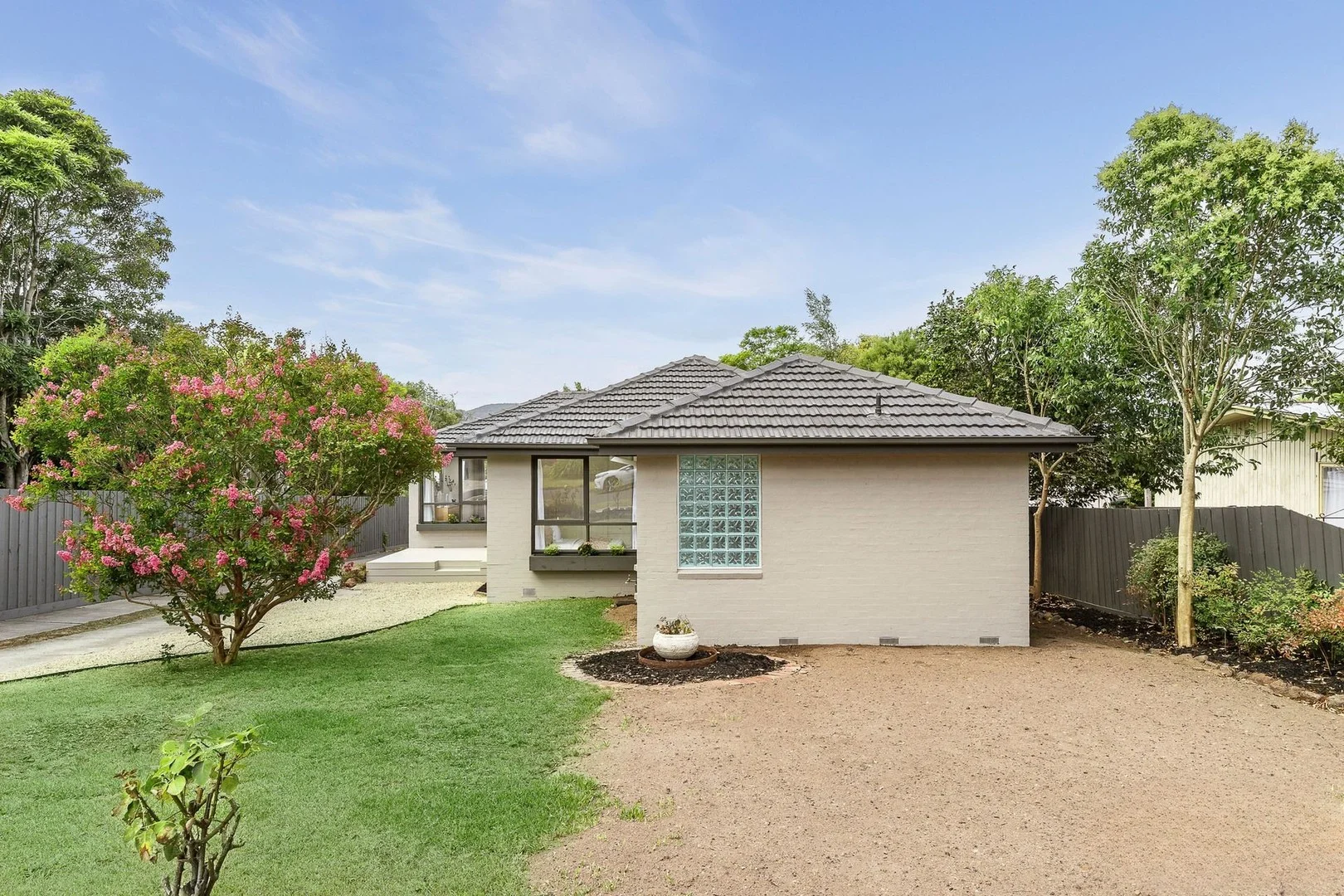 $700
Apartment / Unit / Flat
$700
Apartment / Unit / Flat
 $1,300,000
House
$1,300,000
House
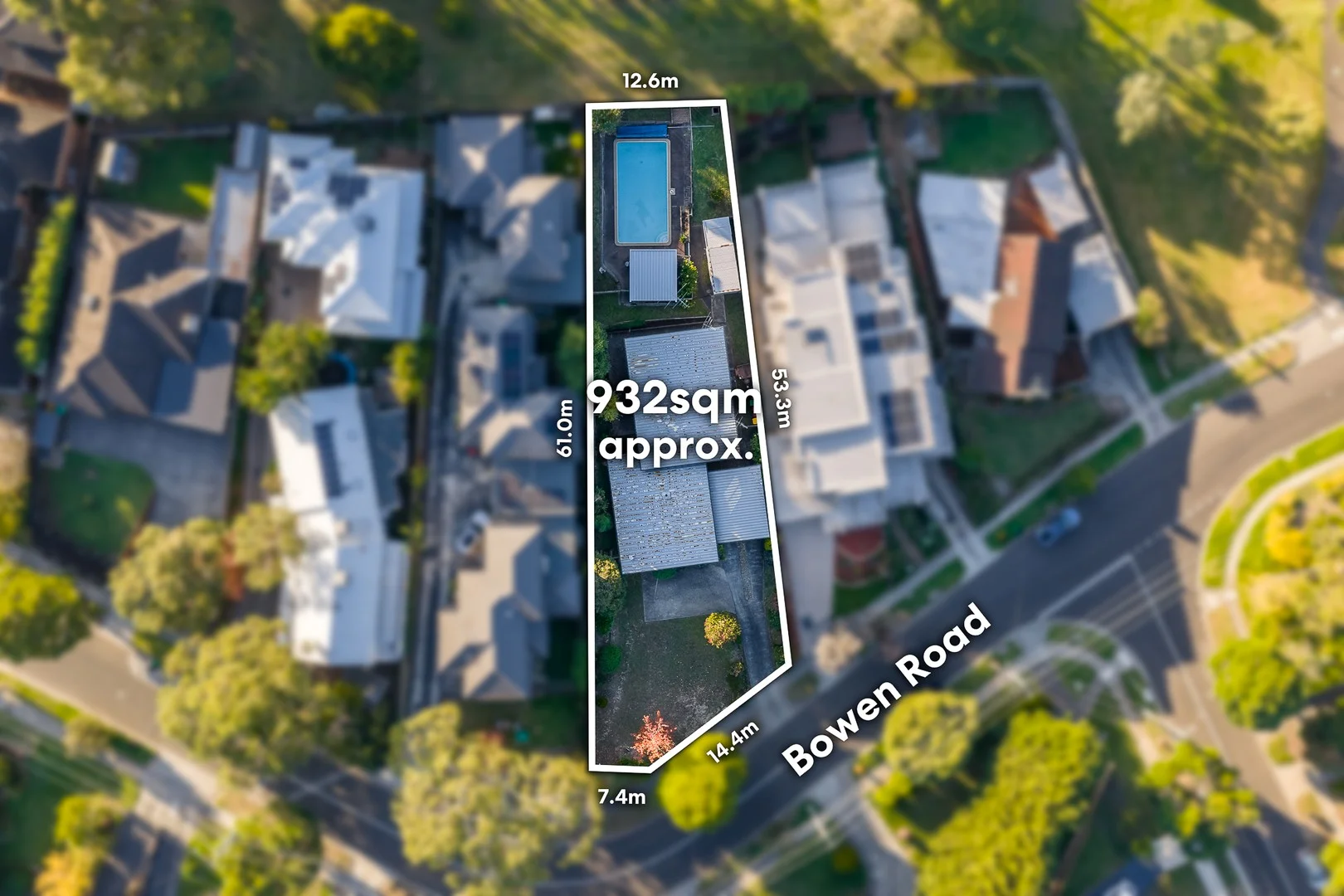 $1,300,000 - $1,400,000
House
$1,300,000 - $1,400,000
House
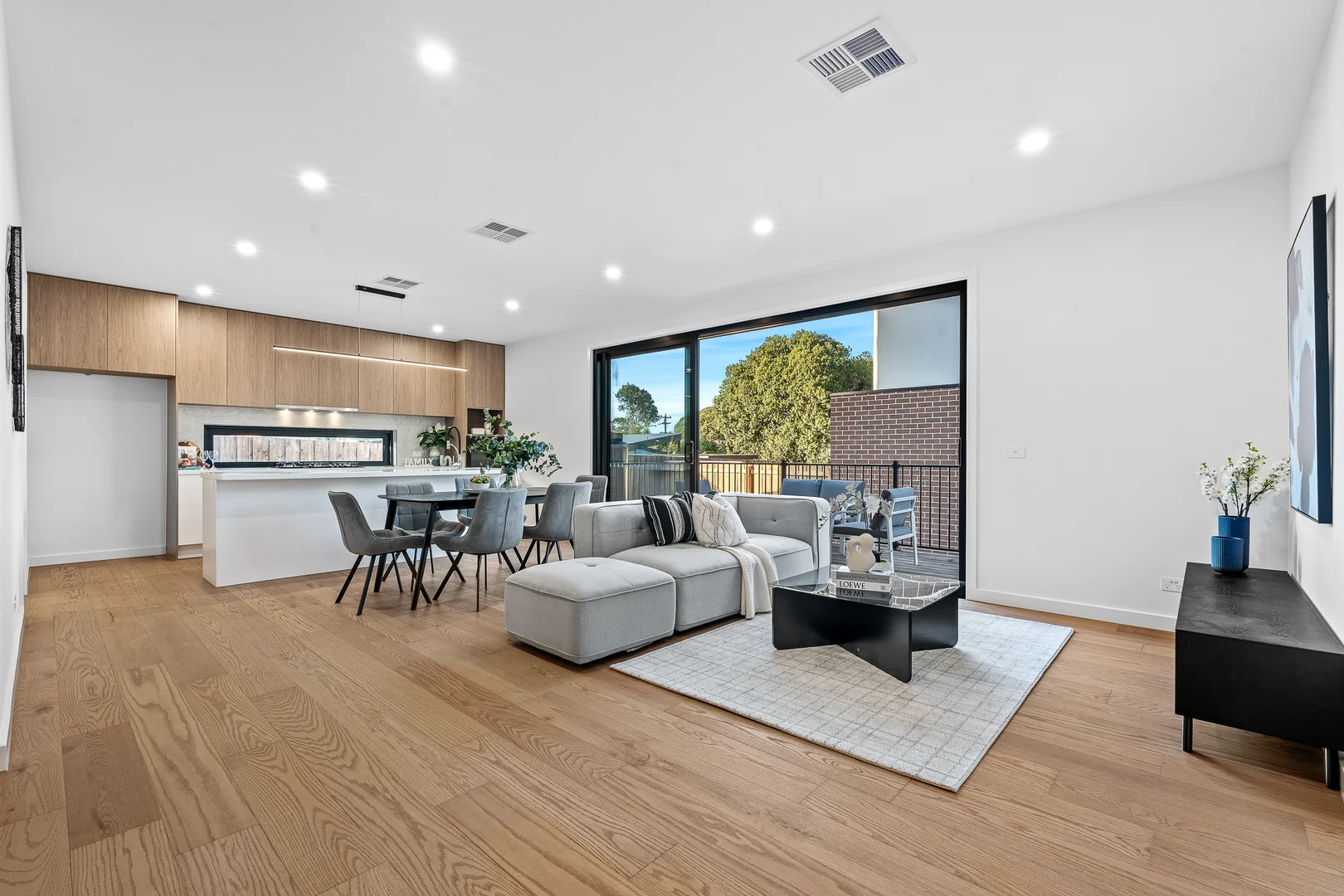 $990,000 - $1,080,000
Townhouse
$990,000 - $1,080,000
Townhouse
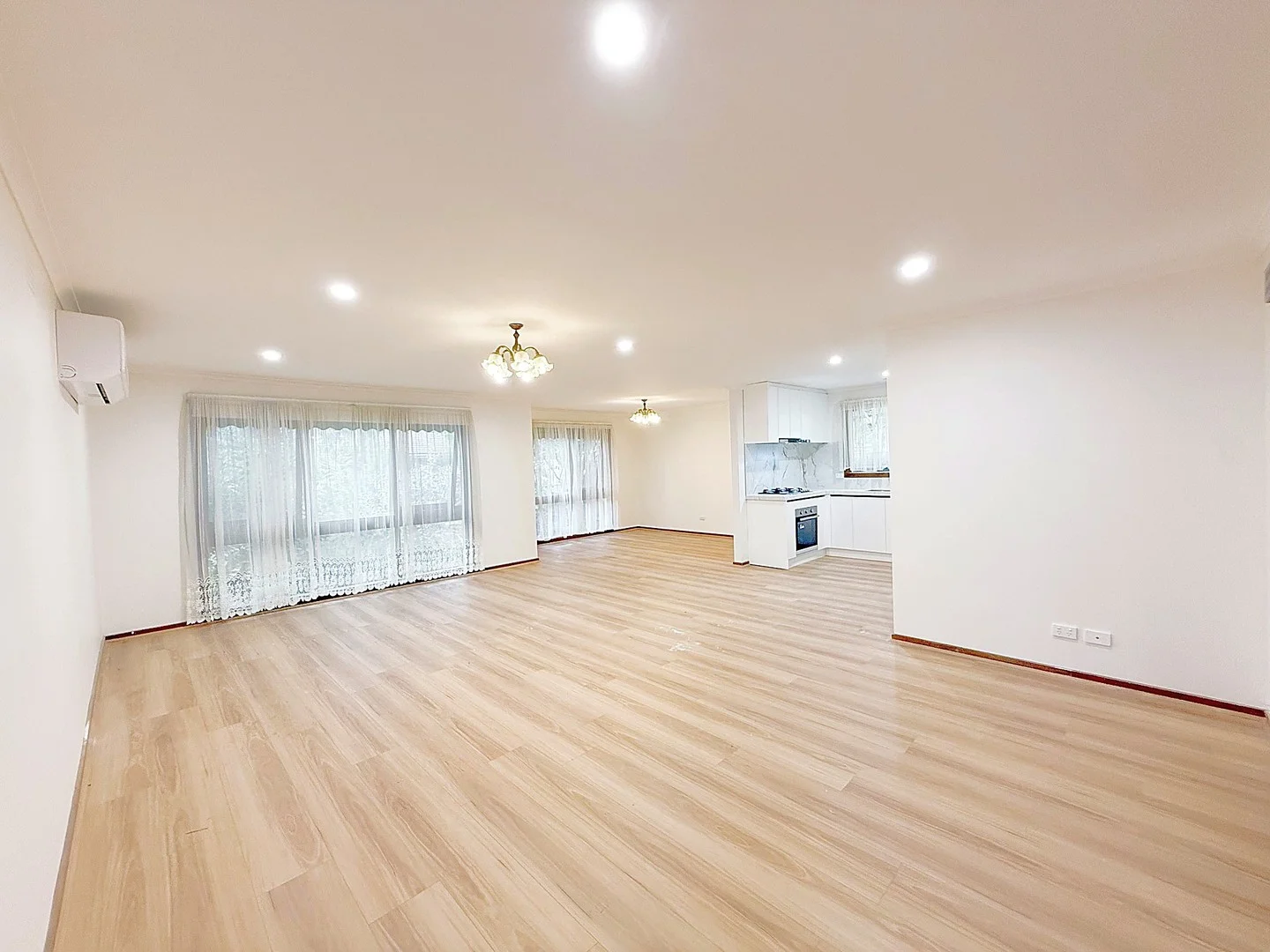 $1,100
House
$1,100
House
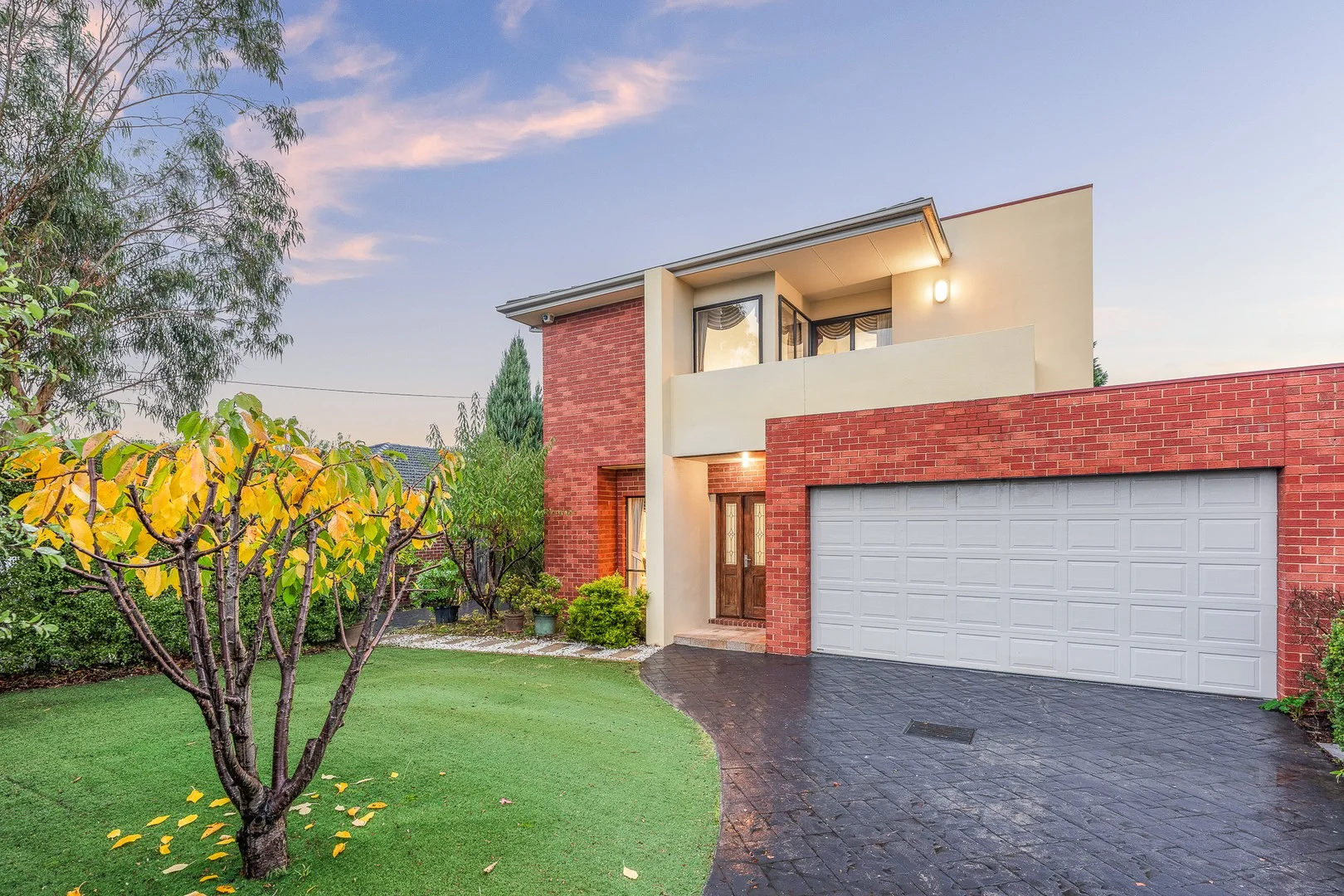 $1,150,000 - $1,250,000
Townhouse
$1,150,000 - $1,250,000
Townhouse
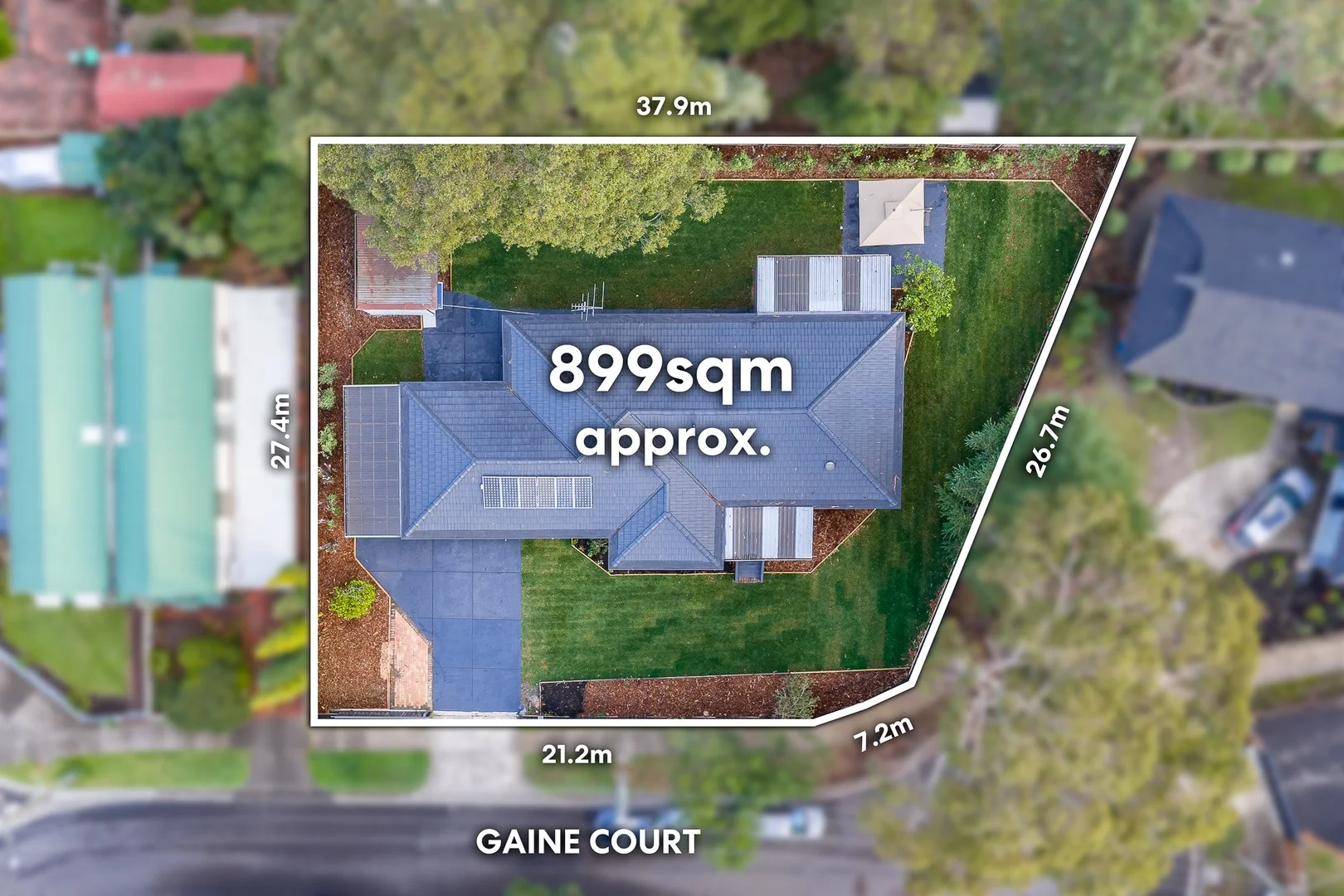 $990,000 - $1,080,000
House
$990,000 - $1,080,000
House
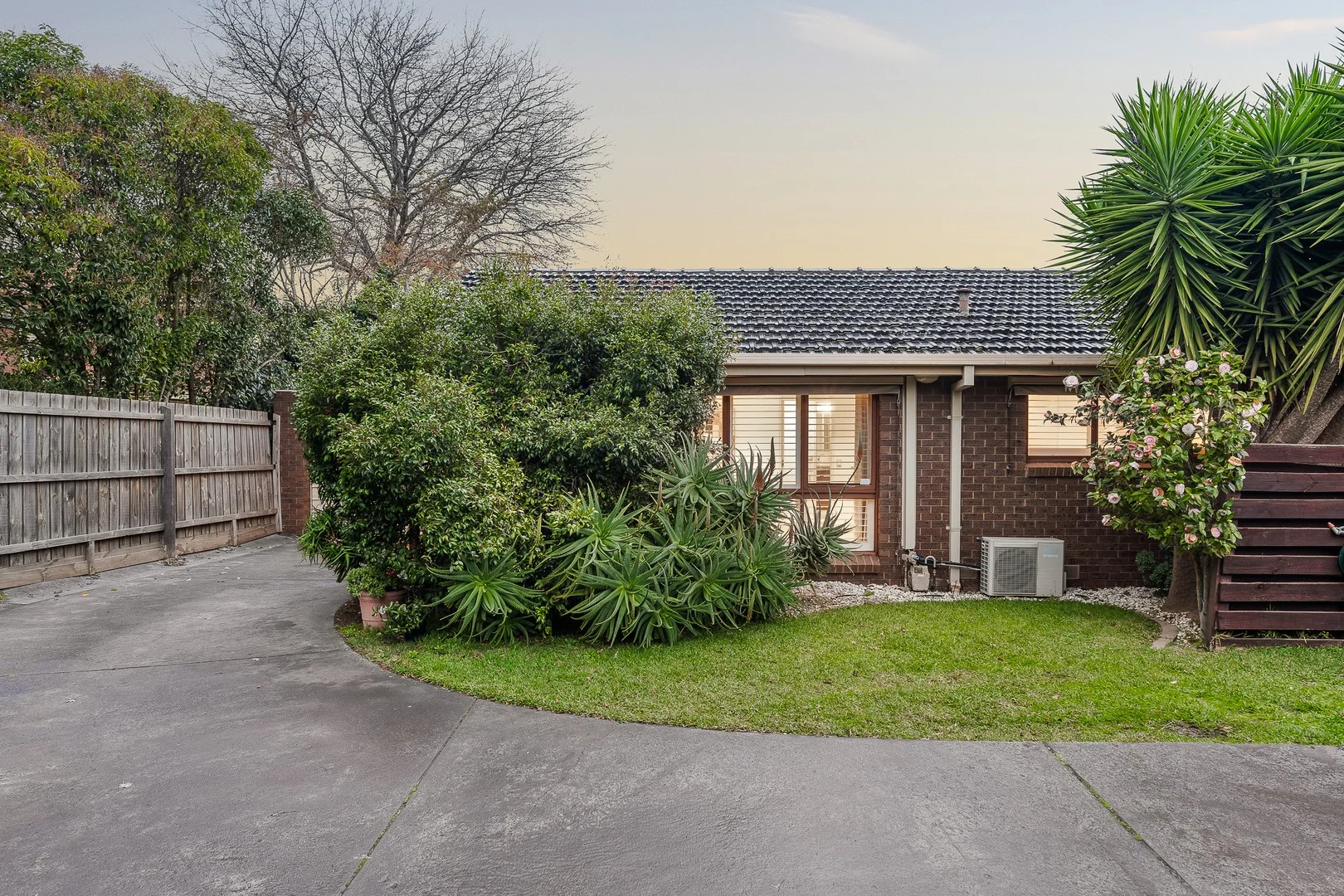 $770,000 - $820,000
Apartment / Unit / Flat
$770,000 - $820,000
Apartment / Unit / Flat
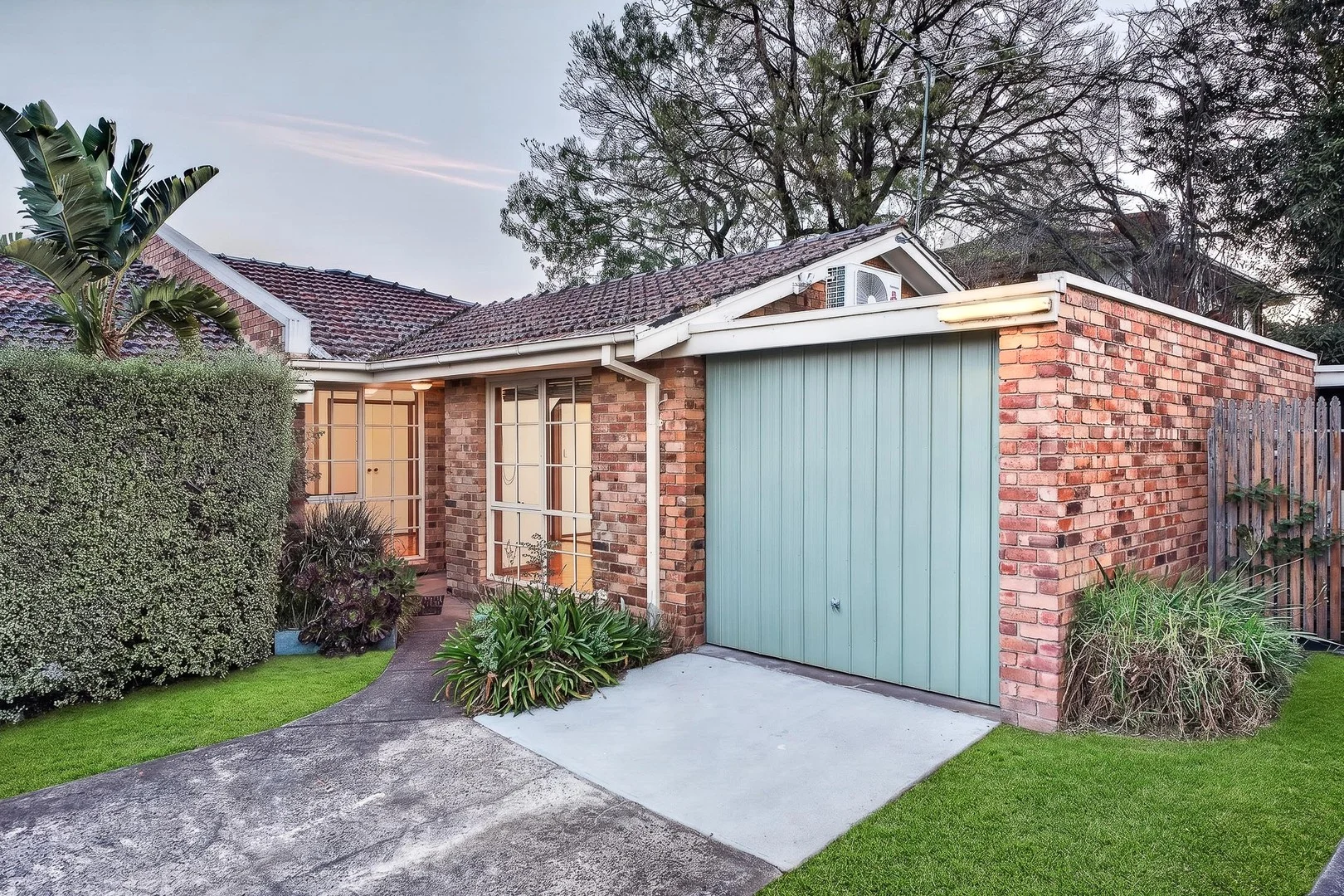 $765,000 - $825,000
Apartment / Unit / Flat
$765,000 - $825,000
Apartment / Unit / Flat


