# Overview
Waratah Public School is a public primary school serving families in Waratah, NSW. It supports an inclusive, student-centered learning culture with a focus on helping students develop confidence, curiosity and resilience. Typical class sizes are in the mid-20s, and the school balances a calm, welcoming atmosphere with a clear focus on achieving solid learning outcomes.
The school operates as a medium-sized community with a strong emphasis on nurturing relationships, teamwork and participation across academics, sport and the arts. It aims to create a respectful, diverse and supportive environment where students feel safe to take learning risks and celebrate achievements together.
# Academics & Learning
- Academic strengths: English/literacy and numeracy foundations are emphasised, with STEM-integrated learning and leadership opportunities woven through the curriculum. There is a focus on developing strong reading, writing and mathematical thinking from early years onward, along with opportunities to explore languages and creative thinking.
- Special programs: Gifted and Talent programs or extensions may be available, along with STEAM-inspired activities and opportunities for accelerated learning where appropriate.
- NAPLAN trends: Over recent years, trends typically show steady performance with gradual improvements in reading and numeracy, and some year-to-year variation depending on cohort. The school emphasises targeted literacy and numeracy support where needed.
- Student-teacher ratios: Generally around 1:22 to 1:28 in primary classes, with additional staffing in some year levels to support targeted interventions.
- Support for diverse learners: Strong support structures for EAL/D learners and students with additional needs, including a Learning and Support Team, Individual Education Plans (IEPs), and differentiated instruction to meet a range of learning needs.
# Sports & Extracurricular Strengths
- Sports offered: Soccer, netball, rugby league, basketball, athletics, swimming and cross-country are commonly available, with opportunities to participate in inter-school and district events.
- Strong teams or achievements: Active participation in inter-school and district competitions; emphasis on teamwork, sportsmanship andongoing skill development across age groups.
- Music, arts, drama programs: School ensembles, choir or band, school productions and performances help students develop confidence in the performing arts.
- Clubs: Robotics, chess, coding, debating and other STEM/technology and academic clubs support varied interests.
- Partnerships: Connections with local clubs and community competitions provide additional opportunities for extended learning and competition, helping students engage with the broader community.
# Wellbeing & Pastoral Care
- Anti-bullying approach: A whole-school wellbeing framework with clear anti-bullying policies and proactive teacher training to promote respectful interactions and a safe environment.
- House system: A house structure fosters belonging, leadership opportunities and friendly competition through events and activities.
- Counsellors / wellbeing officers: Access to a school wellbeing team or counsellor to support student emotional health, resilience and social skills.
- Transition support for new students: Orientation activities, buddy systems, and targeted support for new arrivals or students transferring from another school help ease transitions and build a sense of belonging.
# Facilities
- Sports grounds: On-site sports fields and courts to support PE, sports clubs and inter-school competitions.
- Libraries: A library with a range of books and digital resources to support reading and research.
- Science labs: Dedicated spaces for practical science learning and experiments.
- Music/performing arts centers: Facilities to support music education, rehearsals and performances.
- Tech/innovation labs: Learning spaces that promote digital literacy, coding and hands-on projects.
- Cafeteria: On-site canteen offering healthy meal options and snacks.
- Updated playgrounds: Modern playgrounds and outdoor learning spaces that support active play and exploration.
# School Values & Community Culture
- School values / mission: A focus on respect, responsibility, learning, and inclusion to guide student behavior and decision-making.
- Leadership style: Collaborative leadership with student voice incorporated through councils or student ambassador roles.
- Behaviour expectations: Clear expectations aligned with Positive Behaviour for Learning or similar frameworks, emphasising consistent, respectful conduct.
- Community reputation: Known for a welcoming, engaged and supportive school community with active parental involvement.
- Diversity & inclusion: Strong emphasis on inclusivity, celebrating diverse backgrounds and providing equitable access to learning opportunities.
# School Logistics & Daily Operations
- School hours: Generally a day from around 9:00 am to 3:00 pm (with variation by year group and occasional school events).
- Before/after school care: Available through approved providers to support families (e.g., before/after school programs).
- Uniform requirements: School uniform required, with approved sports uniform for physical education and games; hats and sun protection commonly encouraged for outdoor activities.
- Transport (train/bus routes): Bus and public transport options serve many families, with walking and cycling paths encouraged where feasible.
- Canteen availability: Canteen operates daily, offering a range of healthy food options.
- Fees (low/medium/high ranges): Fees are generally in the low to medium range for a public school, including voluntary contributions and costs for excursions, with additional costs for uniforms and optional activities.
# Enrolment & Admissions
11. What is the enrolment process and timeline?
- Check catchment eligibility and school boundaries, submit the NSW Department of Education enrolment application, provide required documentation (birth certificate, immunisation records, proof of address), and complete any school-level forms. Enrollment timelines typically align with the start of the school year, with spaces allocated based on catchment availability and cohort size.
12. Is there a waiting list, and how does it work?
- Waiting lists may apply if year-level vacancies are limited. Priority is usually given to in-catchment students, siblings, and then others as spaces become available. The school or NSW Department of Education will advise on waitlist status and next steps.
13. Are there any entry requirements, tests, or interviews?
- For public primary schools, there is typically no entrance exam or selective testing. Documentation and eligibility (especially catchment) are the main requirements. Some assessments or conversations may occur for EAL or students with specific learning needs, but these are not standard entry tests.
14. Does the school accept mid-year transfers?
- Yes, subject to space availability and alignment with the current year’s curriculum. Parents should contact the school admin to discuss vacancies, transfer timelines, and required documentation from the previous school.
# Frequently Asked Questions
- Why Parents Choose This School?
- A strong sense of community, supportive staff, a focus on wellbeing and inclusive education, and a balanced emphasis on academics, sport and the arts.
- What type of student thrives at this school?
- Students who value a nurturing, inclusive environment, active participation in class and school life, and opportunities to participate in sports, arts and clubs.
- What opportunities are available for students to extend their skills (academics, sports, arts)?
- Extension and enrichment in literacy and numeracy, STEM/STEAM activities, gifted/talented options where available, inter-school sport, performing arts, and clubs such as robotics, chess, coding and debating.
- How does the school communicate with parents?
- Regular newsletters, a school app or portal, emails, parent-teacher meetings and open days. Clear channels exist for timely updates on events and student progress.
- What is the school’s approach to teaching and learning?
- Student-centered, differentiated instruction that supports a range of learning needs, with a strong emphasis on literacy, numeracy and practical hands-on learning.
- How does the school support students who need extra academic help?
- Targeted interventions through the Learning and Support Team, small-group or one-to-one support, EAL/D assistance and tailored plans to help students catch up or advance.
- What support is available for academic challenges?
- Additional tutoring or intervention programs, progress monitoring, and individualized strategies to address gaps in understanding or skills.
- How does the school communicate with parents?
- See above: newsletters, portals/apps, meetings and direct contact with teachers and administration.
- What are the class sizes and how much individual attention do students receive?
- Class sizes are typically in the mid-20s, with teacher-focused teaching and additional support staff or aides where needed to provide individual or small-group attention.
- What extracurricular and sports opportunities are available?
- A variety of sports (e.g., soccer, netball, basketball, athletics, swimming), as well as clubs in robotics, chess, coding and debating, plus music and arts programs.
- What facilities does the school offer (sports, science, arts)?
- Sports grounds, a library, science labs, music/performing arts spaces, tech/innovation labs, a cafeteria and updated outdoor play areas.
- What is the school’s approach to technology and digital learning?
- Integrated digital learning across the curriculum, with access to devices and tech resources, and a focus on developing digital literacy and responsible use.
- What transport and accessibility options are available?
- Local bus routes and walking/cycling options supported by school policies and infrastructure; contact the school for specific route information.
- What are the typical school fees or additional costs?
- Voluntary contributions and costs for excursions or activities; uniforms and some optional items may incur additional costs. Overall, costs are generally in the low to medium range for a public primary school.
# Short Pros & Cons list
- Pros
- Nurturing, inclusive learning environment with strong wellbeing support.
- Balanced focus on academics, sport and the arts.
- Active community involvement and clear channels of communication.
- Good facilities for learning and student engagement (library, science labs, tech spaces, performance spaces).
- Cons
- Possible waiting lists for certain year levels depending on space and demand.
- Transport and traffic around peak times can be busy in the local area.
- Some costs for uniforms, excursions and optional activities; ongoing family contributions may be expected.




 $795,000
Townhouse
$795,000
Townhouse
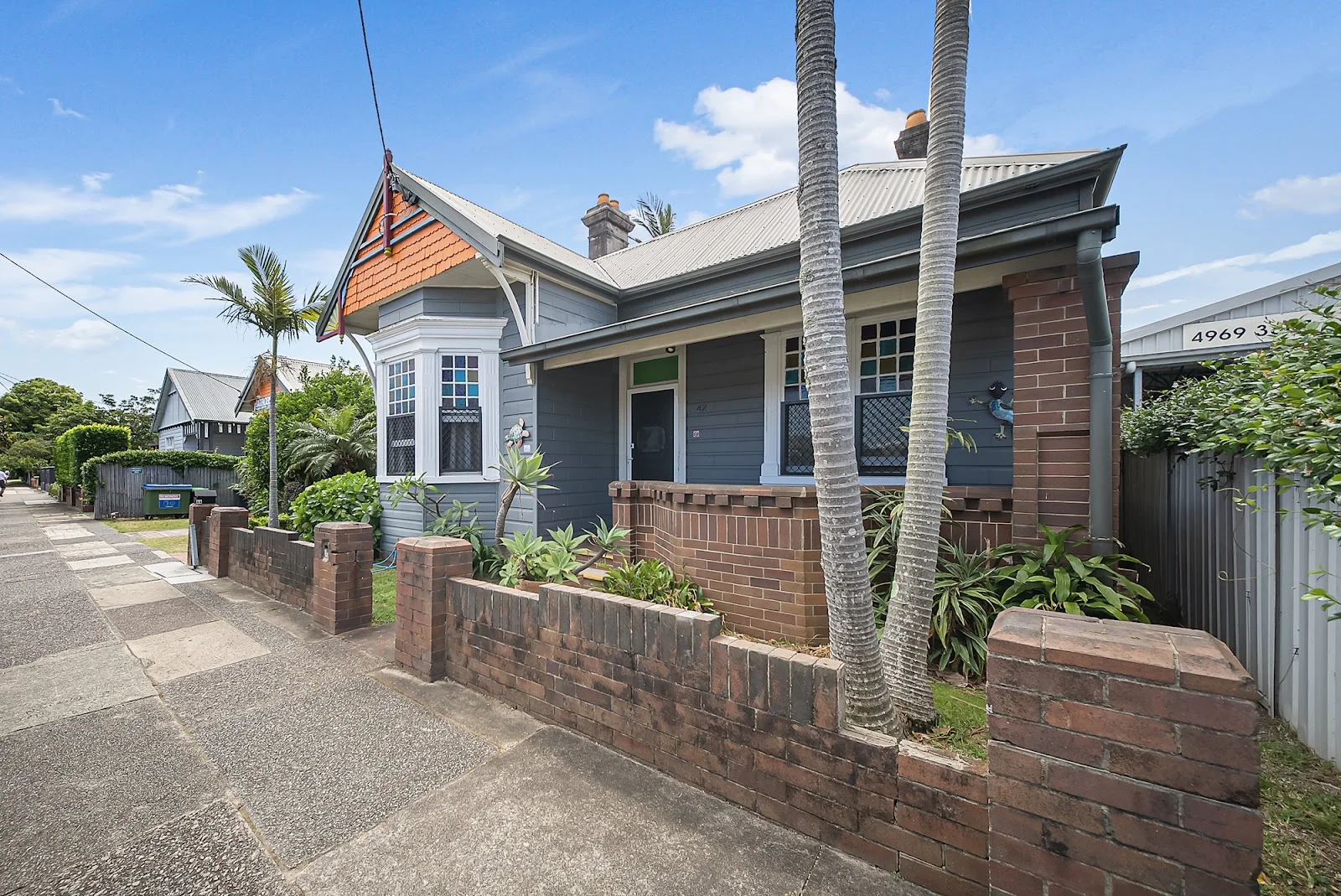 $2,000,000
propertyType.BLOCK OF UNITS
$2,000,000
propertyType.BLOCK OF UNITS
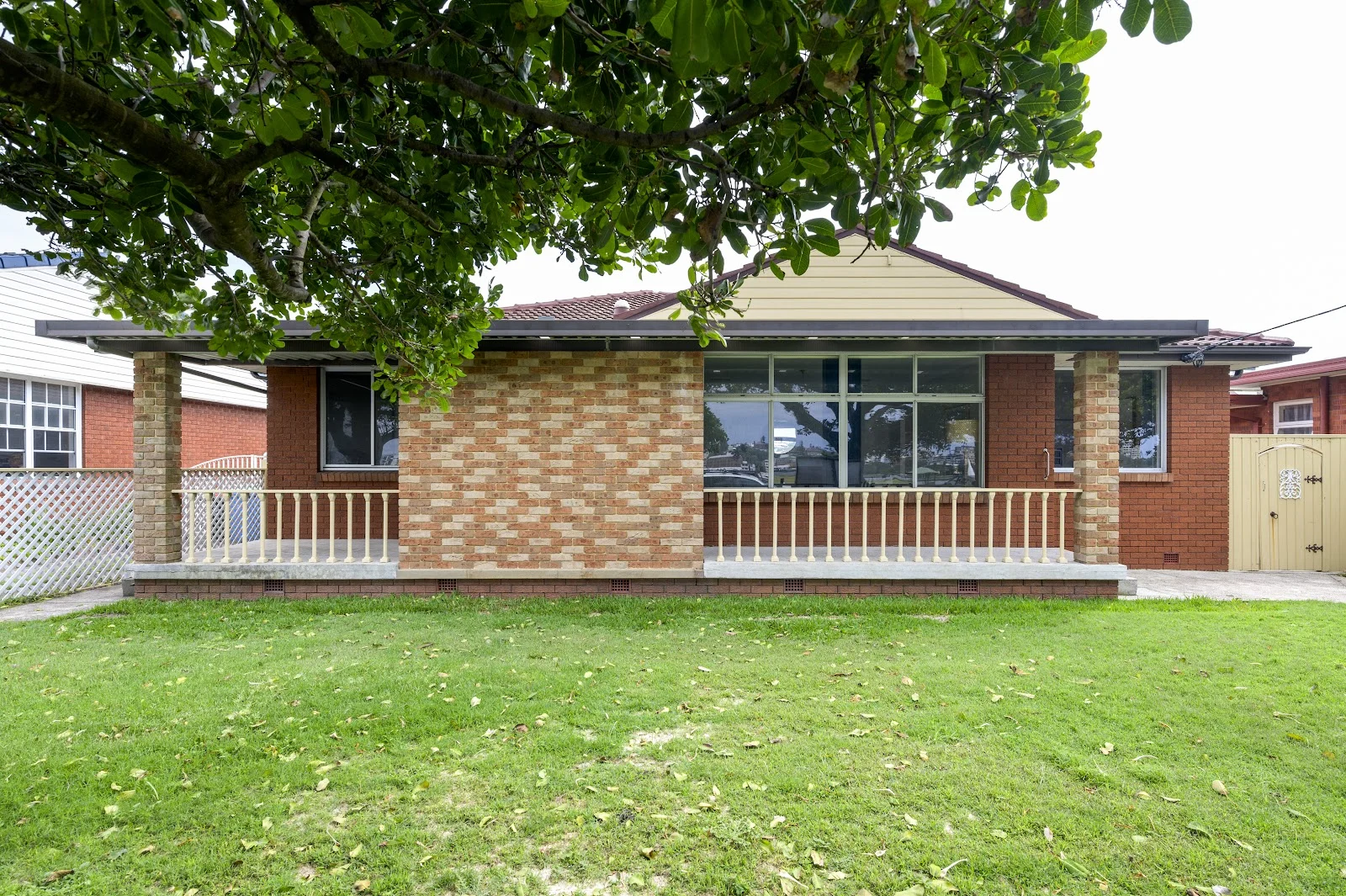 $2,500,000
House
$2,500,000
House
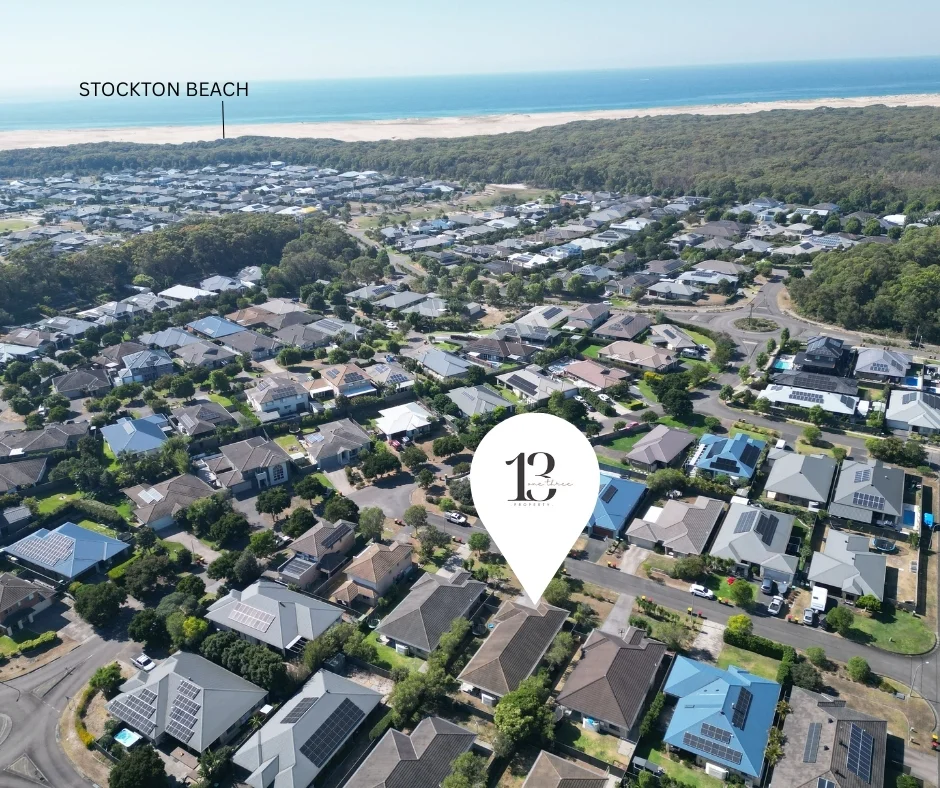 $900,000 - $990,000
House
$900,000 - $990,000
House


