## 1. Overview
Lambton High School is a public, co-educational high school serving years 7–12. Known for its supportive culture and focus on both academics and student wellbeing, the school offers a balanced learning environment where students are encouraged to strive for personal and academic growth.
With a medium-sized campus and a typical class size in the low-to-mid 20s, Lambton High School provides an inclusive atmosphere that emphasises belonging, resilience, and achievement. The school aims to combine rigorous learning with a welcoming, community-oriented vibe so students feel valued and motivated to reach their potential.
⸻
## 2. Academics & Learning
- Academic strengths: The school emphasises STEM and English, with a pathway to strong literacy, numeracy, and problem-solving skills. Leadership development and opportunities to engage in language learning are also encouraged.
- Special programs: Gifted & Talented programs and accelerated learning options are available, along with targeted support to help students maximise their achievement across subjects.
- NAPLAN trends: Trends over recent years show steady progress in reading and numeracy, with consistent performance in writing and overall growth aligned with state patterns.
- Student-teacher ratios: Typical ratio is around 1:15–1:20, supporting accessible teacher support and feedback.
- Support for diverse learners: EAL/D support, dedicated SEN/learning support services, and a Learning Support Team help students who need extra assistance.
⸻
## 3. Sports & Extracurricular Strengths
- Sports offered: Rugby league, soccer, basketball, cricket, netball, athletics, tennis, hockey, swimming, cross‑country, and more.
- Strong teams or achievements: Active participation in district and regional competitions with teams that consistently represent the school and achieve notable results.
- Music, arts, drama programs: Robust music program, school choir/bands, and drama productions that provide performance opportunities for students.
- Clubs: Robotics, chess, coding, debating, design and technology clubs, and other interest-based groups.
- Partnerships: Collaborations with local clubs and regional competitions to widen opportunities in sport, music, and STEM activities.
⸻
## 4. Wellbeing & Pastoral Care
- Anti-bullying approach: Clear anti-bullying policies, positive behaviour for learning frameworks, and ongoing wellbeing education.
- House system: A house or pastoral care structure fosters belonging, friendly competition, and leadership opportunities.
- Counsellors / wellbeing officers: Access to school counsellors and wellbeing staff to support social, emotional, and academic needs.
- Transition support for new students: Induction activities, buddy programs, and targeted transition support to help new students settle in smoothly.
⸻
## 5. Facilities
- Sports grounds: On-site sports fields and courts for a range of activities.
- Libraries: A well-equipped library/library-learning hub for study and research.
- Science labs: Modern science laboratories for physics, chemistry, biology, and related subjects.
- Music/performing arts centers: Dedicated spaces for music practice, rehearsals, and performances.
- Tech/innovation labs: Practical spaces for coding, robotics, and technology projects.
- Cafeteria: On-site canteen offering a variety of lunch options.
- Updated playgrounds: Well-maintained outdoor spaces and areas for recreation and socialising.
⸻
## 6. School Values & Community Culture
- School values / mission: Aims to cultivate respect, responsibility, resilience, and collaboration, with a focus on student-centred learning and community wellbeing.
- Leadership style: Distributed leadership with teacher and student input; opportunities for student leadership and voice.
- Behaviour expectations: Clear codes of conduct and positive behaviour expectations across the school community.
- Community reputation: Strong local reputation for a caring, inclusive environment and a commitment to student success.
- Diversity & inclusion: A welcoming setting that values diversity and equitable access to opportunities for all students.
⸻
## 7. School Logistics & Daily Operations
- School hours: Typical school day runs from about 9:00 am to 3:00 pm, with potential after-school activities and programs.
- Before/after school care: OSHC or similar arrangements may be available for families requiring after-hours care.
- Uniform requirements: Public school uniform policy with standard navy/green tones and appropriate dress for the season; uniform is required.
- Transport (train/bus routes): Access via local bus routes and nearby public transport; the school is well-connected to surrounding suburbs.
- Canteen availability: On-site canteen or snack facilities open during the day.
- Fees (low/medium/high ranges): Public schools typically have minimal tuition; there are voluntary contributions and costs for certain activities or excursions; overall, costs are modest relative to private options.
⸻
## 8. Enrolment & Admissions
11. What is the enrolment process and timeline?
- Enrolment is handled in line with NSW Department of Education processes. Start by checking catchment eligibility, then complete the school’s enrolment form and provide required documents (proof of address, birth certificate, immunisation records, etc.). Open days and information sessions are usually offered to help families understand the process. Processing times vary, so it’s best to initiate in advance of the desired start term.
12. Is there a waiting list, and how does it work?
- If demand exceeds spaces, a waiting list may operate. Priority generally reflects catchment status and availability; the school will communicate next steps and expected timelines if you’re waiting.
13. Are there any entry requirements, tests, or interviews?
- Typically there are no entrance exams or interviews for standard enrolments at a public high school. Documentation confirming eligibility and student readiness is required, with any assessments guided by the NSW Department of Education.
14. Does the school accept mid-year transfers?
- Mid-year transfers are possible if vacancies exist. Parents should contact the school as early as possible to discuss spaces, documentation, and transition arrangements.
⸻
## 9. Frequently Asked Questions
- Why Parents Choose This School?
- A caring, inclusive culture with strong wellbeing support, balanced academics, and a broad range of extracurricular options.
- What type of student thrives at this school?
- Motivated students who value community, collaboration, and opportunities to explore academics, sport, and the arts in a supportive environment.
- What opportunities are available for students to extend their skills (academics, sports, arts)?
- Accelerated or Gifted & Talented pathways, leadership roles, STEM and language options, sports teams, music and drama programs, robotics, coding, debating, and visiting competitions.
- How does the school communicate with parents?
- Regular updates via newsletters, emails, SMS alerts, a school app or portal, and parent-teacher interviews; timely responses from staff.
- What is the school’s approach to teaching and learning?
- Student-centred, differentiated instruction, strong literacy and numeracy focus, and evidence-based practices that support diverse learners.
- How does the school support students who need extra academic help?
- Learning Support Team, EAL/D assistance, targeted interventions, tutoring, and SLSO support as needed.
- What support is available for academic challenges?
- Access to counsellors, study skills guidance, tutoring options, and ongoing teacher facilitation of personalised plans.
- What are the class sizes and how much individual attention do students receive?
- Typical class sizes are in the low-to-mid 20s, with teachers providing regular feedback and opportunities for small-group assistance.
- What extracurricular and sports opportunities are available?
- A wide range of sports (team and individual), music and drama programs, robotics, coding, chess, debating, and other clubs.
- What facilities does the school offer (sports, science, arts)?
- Sports facilities, libraries, science labs, music/performing arts spaces, tech/innovation labs, and a canteen.
- What is the school’s approach to technology and digital learning?
- Technology-enabled learning with access to computer labs, interactive tools, and opportunities for coding and digital projects.
- What transport and accessibility options are available?
- Nearby bus routes and public transport access, with provisions for accessibility and safe routes to school.
- What are typical school fees or additional costs?
- Overall costs are modest for a public school, with voluntary contributions and potential costs for trips, specific activities, or uniforms.
⸻
## 10. Short Pros & Cons list
- Pros
- Supportive, inclusive culture with strong wellbeing and pastoral care.
- Balanced focus on academics, sport, and the arts.
- Broad range of extracurriculars and clubs.
- Relatively small to medium class sizes that aid teacher accessibility.
- Modern facilities and dedicated learning spaces.
- Cons
- As a public school, space can be competitive during peak intake periods.
- Some specialist programs or pathways may require flexibility depending on demand.
- Transport options depend on local routes; families may need to plan for travel times.
⸻







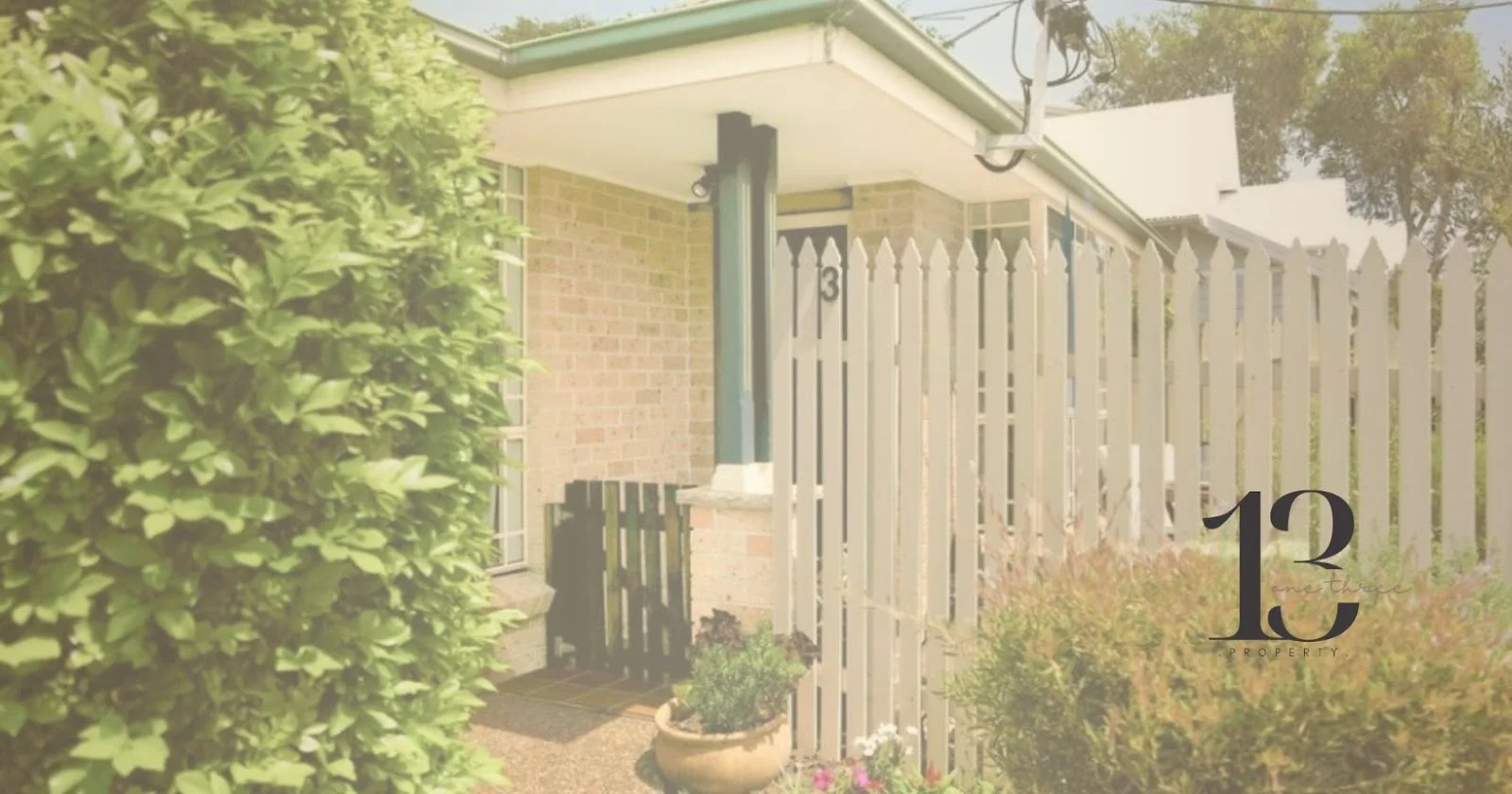 $795,000
Townhouse
$795,000
Townhouse
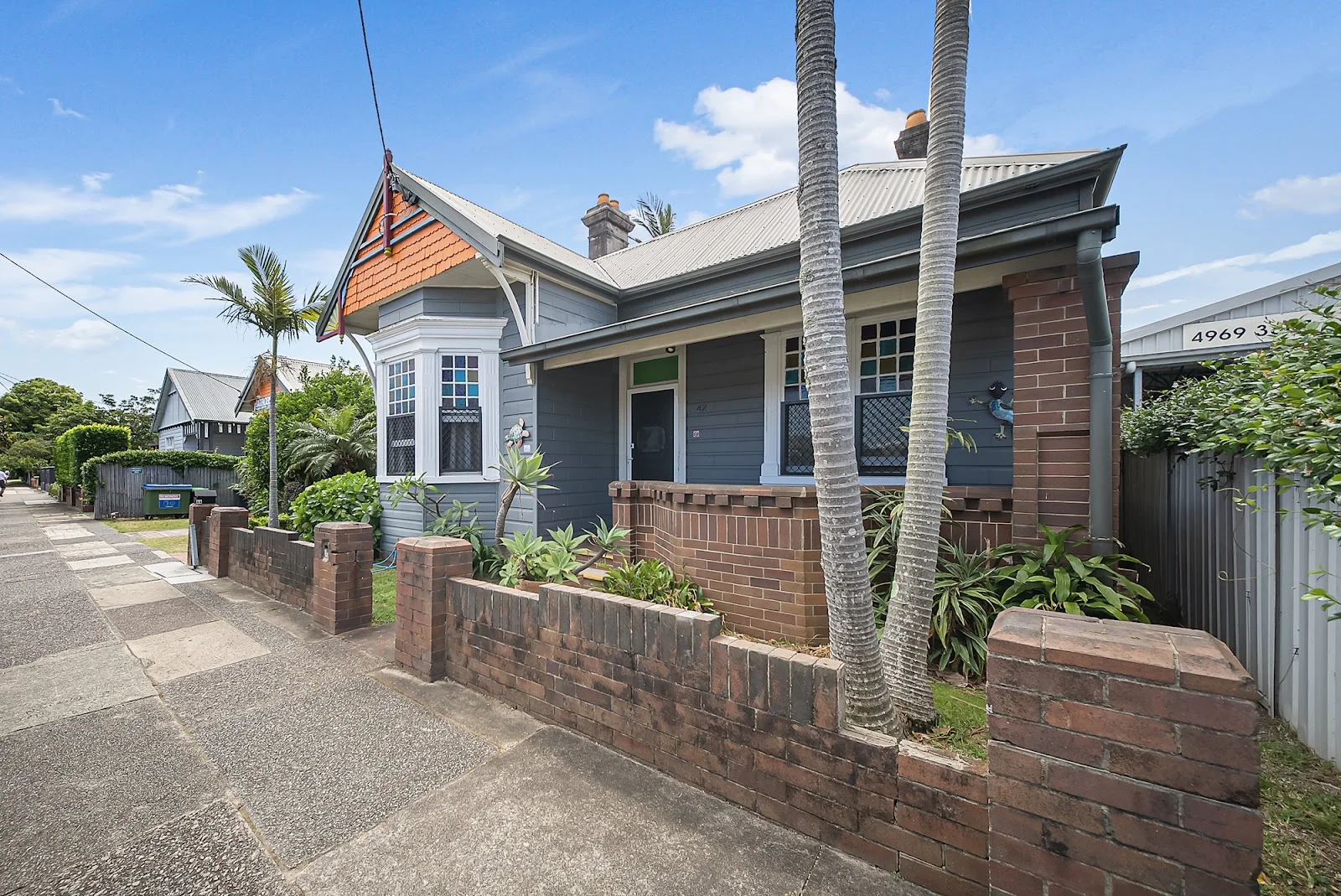 $2,000,000
propertyType.BLOCK OF UNITS
$2,000,000
propertyType.BLOCK OF UNITS
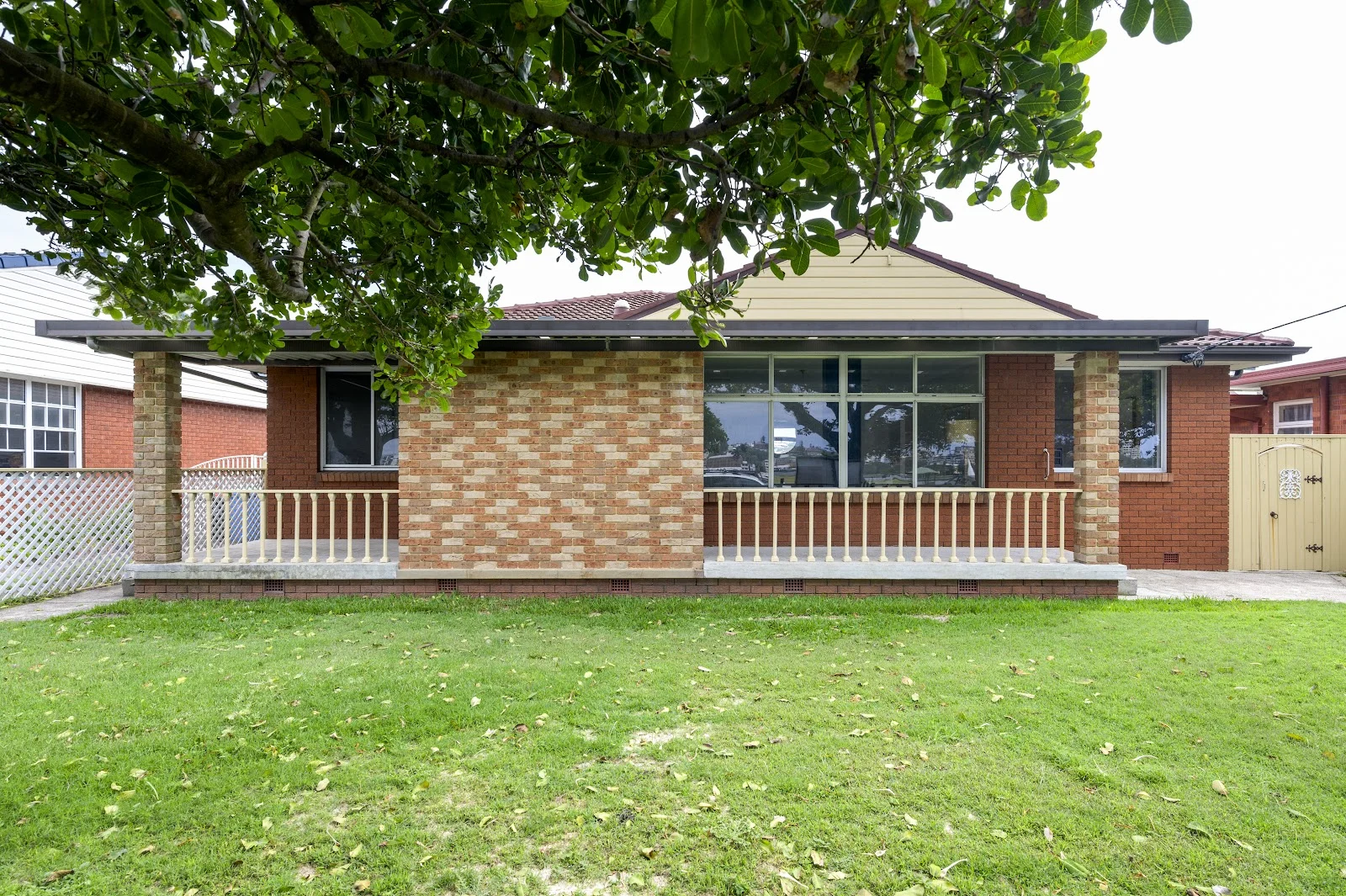 $2,500,000
House
$2,500,000
House
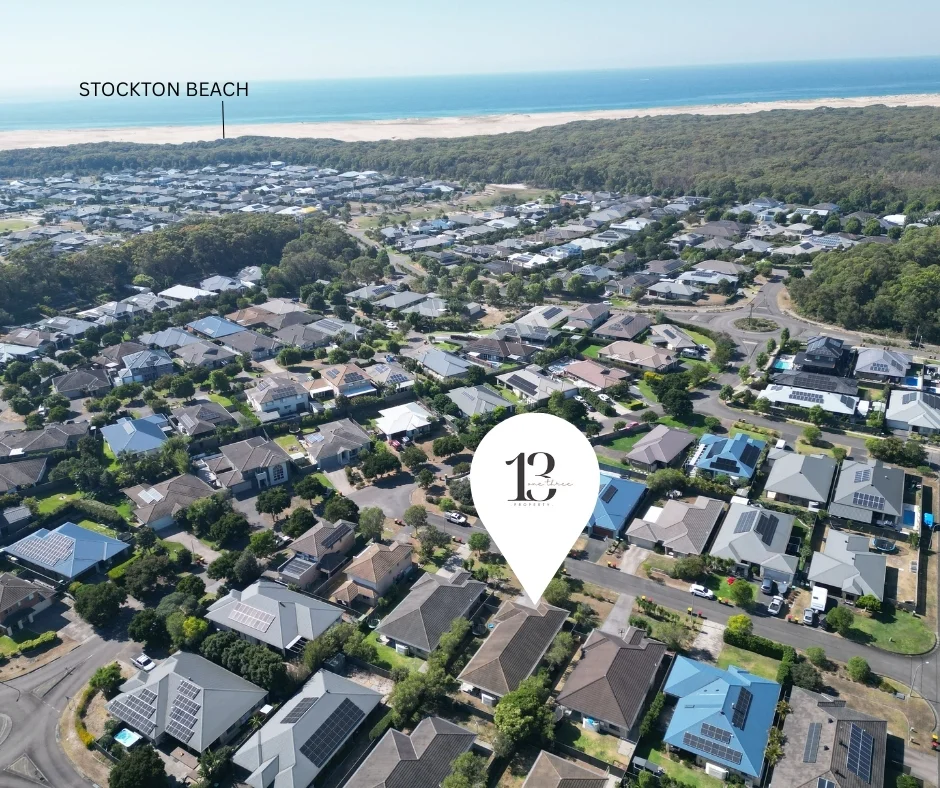 $900,000 - $990,000
House
$900,000 - $990,000
House


