## 1. Overview
St Philip's Christian College Newcastle Campus (Waratah) is an independent Christian school serving families in the Newcastle area. As part of a network of St Philip’s campuses, it combines a faith-based ethos with a broad academic program and a wide range of co-curricular activities. The NSW campus aims to nurture curious, capable, and compassionate learners who are prepared for the next steps in life and study.
The school tends to run as a medium-to-large community with class sizes designed to balance support and challenge. Typical class sizes are in the mid- range, with opportunities for personalised attention and strong student–teacher relationships. Atmosphere is often described as nurturing, inclusive, and values-driven, with a focus on academic effort, sports, and community service.
⸻
## 2. Academics & Learning
- Academic strengths: Core strengths include English literacy and mathematics, with a clear emphasis on STEM, humanities, and developing leadership capabilities. The curriculum supports critical thinking, problem-solving, and real-world application across year levels.
- Special programs: Access to gifted/talented pathways, accelerated or advanced learning options where appropriate, and practical programs in robotics, coding, and other STEM-related activities. Leadership development and community service initiatives are encouraged.
- NAPLAN / trends: Public data and the school’s reporting typically reflect steady or improving literacy and numeracy outcomes over recent years, with targeted interventions to support learners at various levels.
- Student–teacher ratios: Generally designed to be conducive to support and engagement, with a focus on small-to-medium class environments (roughly in the 1:10 to 1:15 range in many year groups, though exact ratios vary by year level).
- Support for diverse learners: EAL support and SEN coordination are available, along with learning support staff and referral pathways to assist students with diverse learning needs. Inclusive education practices underpin the school’s approach.
⸻
## 3. Sports & Extracurricular Strengths
- Sports offered: A broad program typically includes rugby/football, basketball, netball, cricket, soccer, swimming, and athletics, with pathways for competitive and recreational participation.
- Strong teams or achievements: The school participates in regional inter-school competitions and leagues, with notable achievements at various age levels across seasons. Ongoing development of athletic talent is supported through coaching and team programs.
- Music, arts, drama programs: Active music ensembles, choir, and performing arts opportunities, along with regular drama productions and theatre involvement.
- Clubs: Robotics, chess, coding, debating, and other STEM or humanities clubs are commonly available to extend learning beyond the classroom.
- Partnerships: Connections with local clubs, community organisations, and regional inter-school competitions help extend opportunities in sport, music, and the arts.
⸻
## 4. Wellbeing & Pastoral Care
- Anti-bullying approach: Clear policies and reporting processes underpin a proactive anti-bullying approach, with education and support designed to foster respectful relationships.
- House system: A house-based structure supports friendship, healthy competition, and peer mentoring across year levels.
- Counsellors / wellbeing officers: Access to school counsellors and wellbeing staff supports student mental health, resilience, and personal development.
- Transition support for new students: Orientation programs, buddy systems, and targeted transition support help new students settle in and feel part of the school community.
⸻
## 5. Facilities
- Sports grounds: On-site playing fields and courts for a range of sports and outdoor activities.
- Libraries: Well-equipped library spaces that support reading, research, and study.
- Science labs: Modern laboratories for chemistry, biology, physics, and hands-on experiments.
- Music/performing arts centers: Dedicated spaces for music ensembles, drama, and performances.
- Tech/innovation labs: Dedicated spaces for technology, coding, and design/innovation projects.
- Cafeteria: On-site canteen facilities offering everyday meals and snacks.
- Updated playgrounds: Attractive outdoor play and learning spaces that support active break times.
⸻
## 6. School Values & Community Culture
- School values / mission: A clearly Christian ethos underpins the mission, with core values such as compassion, integrity, service, and respect.
- Leadership style: student voice and leadership opportunities are encouraged, with staff and leaders modelling servant leadership and collaborative decision-making.
- Behaviour expectations: Clear code of conduct and expectations around respect, responsibility, and accountability.
- Community reputation: A supportive, faith-based community that emphasises character, service, and academic effort.
- Diversity & inclusion: Inclusive environment with attention to diversity within the school community and a welcoming approach for families from different backgrounds within the Christian context.
⸻
## 7. School Logistics & Daily Operations
- School hours: Typical school day starts in the morning and finishes in the mid-afternoon; exact times vary by year level and campus schedule.
- Before/after school care: After-school care and some supervision options are typically available to families.
- Uniform requirements: A school uniform policy applies, with designated days for sports and formal wear per campus guidelines.
- Transport (train/bus routes): School transport options include local bus services and connections to nearby suburbs; details depend on year level and residence.
- Canteen availability: On-site canteen or lunch facilities offering daily meals and snacks.
- Fees: Fees are in the mid-to-high range relative to NSW private education; exact figures depend on year level and program selections, with additional costs for uniforms, excursions, and certain activities.
⸻
## 8. Enrolment & Admissions
### 11. What is the enrolment process and timeline?
- Expression of interest and initial inquiry.
- Application form submission with required documentation (birth certificate, immunisation records, previous school reports, etc.).
- Family interview or information session; assessment tasks may be requested for certain year levels.
- Offer of placement (or waitlist considerations if capacity is reached).
- Enrolment acceptance, payment of deposits/fees, and orientation/transition planning.
### 12. Is there a waiting list, and how does it work?
- Waiting lists may apply when year levels reach capacity. Priority often given to existing siblings of current students and then to applicants based on date of application and campus vacancies.
### 13. Are there any entry requirements, tests, or interviews?
- Entry typically involves an interview and may include assessments or tasks for certain year levels to determine readiness and fit with the school’s programs and values.
### 14. Does the school accept mid-year transfers?
- Mid-year transfers are possible where there are vacancies and appropriate documentation from the student’s current school is provided. Transfer timing and placement decisions are coordinated with the campus leadership team.
⸻
## 9. Frequently Asked Questions
- Why Parents Choose This School?
- Families often cite the combination of a strong Christian ethos, supportive pastoral care, solid academics, and opportunities in sport, music, and the arts as key reasons for choosing the school.
- What type of student thrives at this school?
- Students who value a faith-based community, are motivated to engage in academics, sport, and clubs, and who respond well to a structured environment with clear expectations and support.
- What opportunities are available for students to extend their skills (academics, sports, arts)?
- A range of advanced or gifted pathways, STEM and coding clubs, leadership programs, strong sport teams, music ensembles, drama productions, and debating clubs.
- How does the school communicate with parents?
- Regular updates through newsletters, parent portals, reporting cycles, email communications, and scheduled parent-teacher conferences.
- What is the school’s approach to teaching and learning?
- A values-driven, evidence-informed approach that emphasises literacy, numeracy, critical thinking, and practical application, with differentiated support to meet diverse learner needs.
- How does the school support students who need extra academic help?
- Targeted literacy and numeracy support, learning support staff, EAL services, and access to counsellors and wellbeing staff to address holistic needs.
- What support is available for academic challenges?
- Intervention plans, small-group tutoring, accommodation adjustments where appropriate, and collaboration with parents to track progress.
- How does the school communicate with parents? (Repeated)
- See above: regular updates via portal, newsletters, conferences, and direct communication from teachers and leadership.
- What are the class sizes and how much individual attention do students receive?
- Class sizes are designed to be small-to-medium to support engagement and teacher accessibility, with opportunities for individualized feedback and support.
- What extracurricular and sports opportunities are available?
- A broad program across sports, music, drama, robotics, chess, coding, debating, and other clubs to extend learning beyond the classroom.
- What facilities does the school offer (sports, science, arts)?
- Sports grounds, libraries, science labs, music/performing arts spaces, tech/innovation labs, and on-site canteen facilities.
- What is the school’s approach to technology and digital learning?
- Integration of digital tools and technology across the curriculum to enhance learning, with appropriate safety, digital citizenship, and aged-appropriate use.
- What transport and accessibility options are available?
- Local bus services and transport links supporting access from surrounding areas, with campus arrangements for student drop-off/pick-up.
- What are the typical school fees or additional costs?
- Fees are in the private school range, with additional costs for uniforms, excursions, and specific programs. Families should check the latest published fee schedule for exact amounts.
⸻
## 10. Short Pros & Cons list
- Pros
- Clear Christian values and supportive, inclusive community
- Balanced focus on academics, sport, and the arts
- Structured wellbeing and pastoral care
- Range of co-curricular clubs and leadership opportunities
- Moderate class sizes and attention to individual progress
- Cons
- As an independent/private school, fees are higher than public options
- Availability may be limited in some year levels due to capacity
- Transport options depend on location and may require planning around bus routes
- Some specialised programs may have additional costs or eligibility criteria
⸻
If you’d like, I can tailor this content further with any specific details you provide (such as exact campus facilities, current program names, or recent performance trends) or adjust the tone to be more formal or more school-visitor friendly.




 $795,000
Townhouse
$795,000
Townhouse
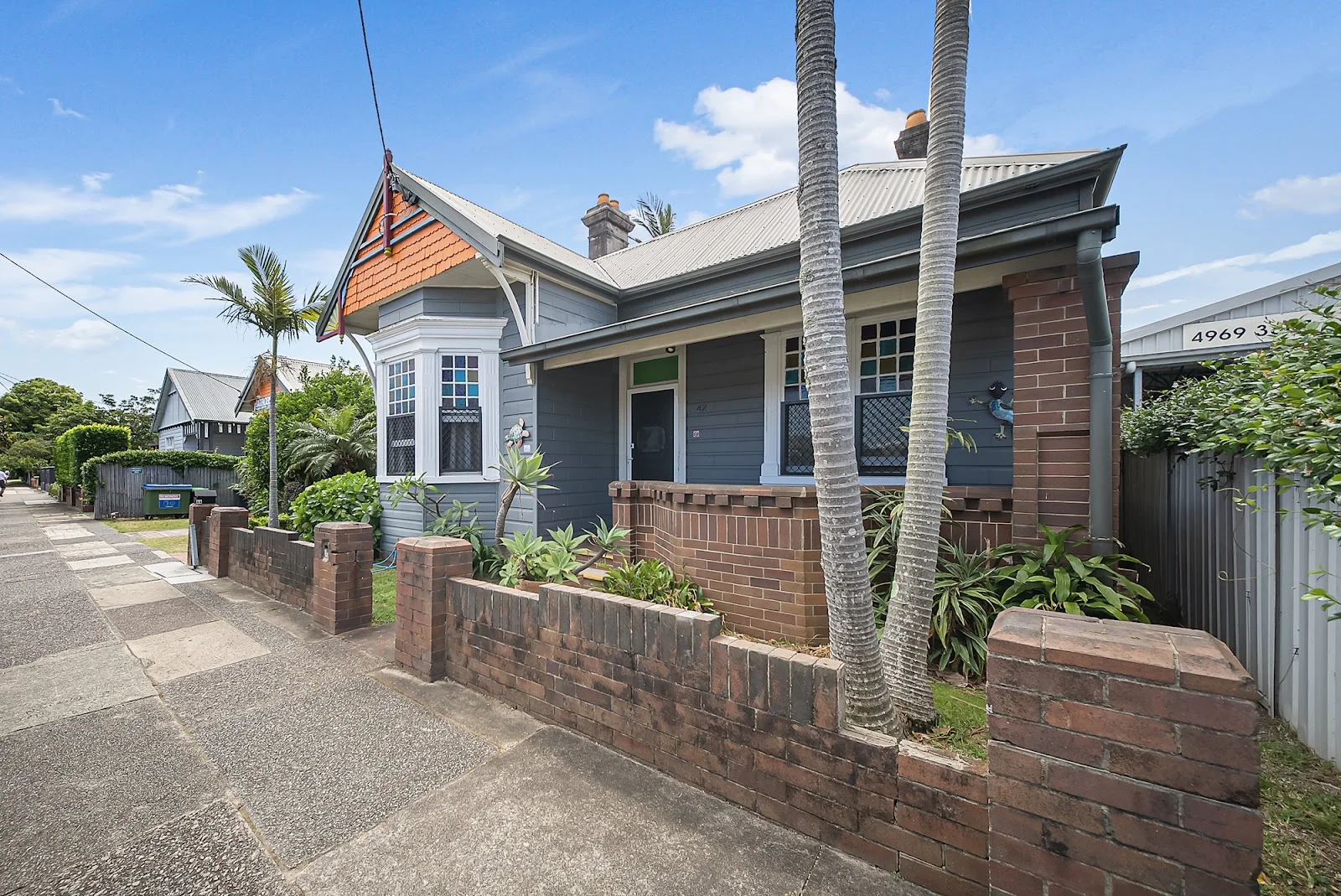 $2,000,000
propertyType.BLOCK OF UNITS
$2,000,000
propertyType.BLOCK OF UNITS
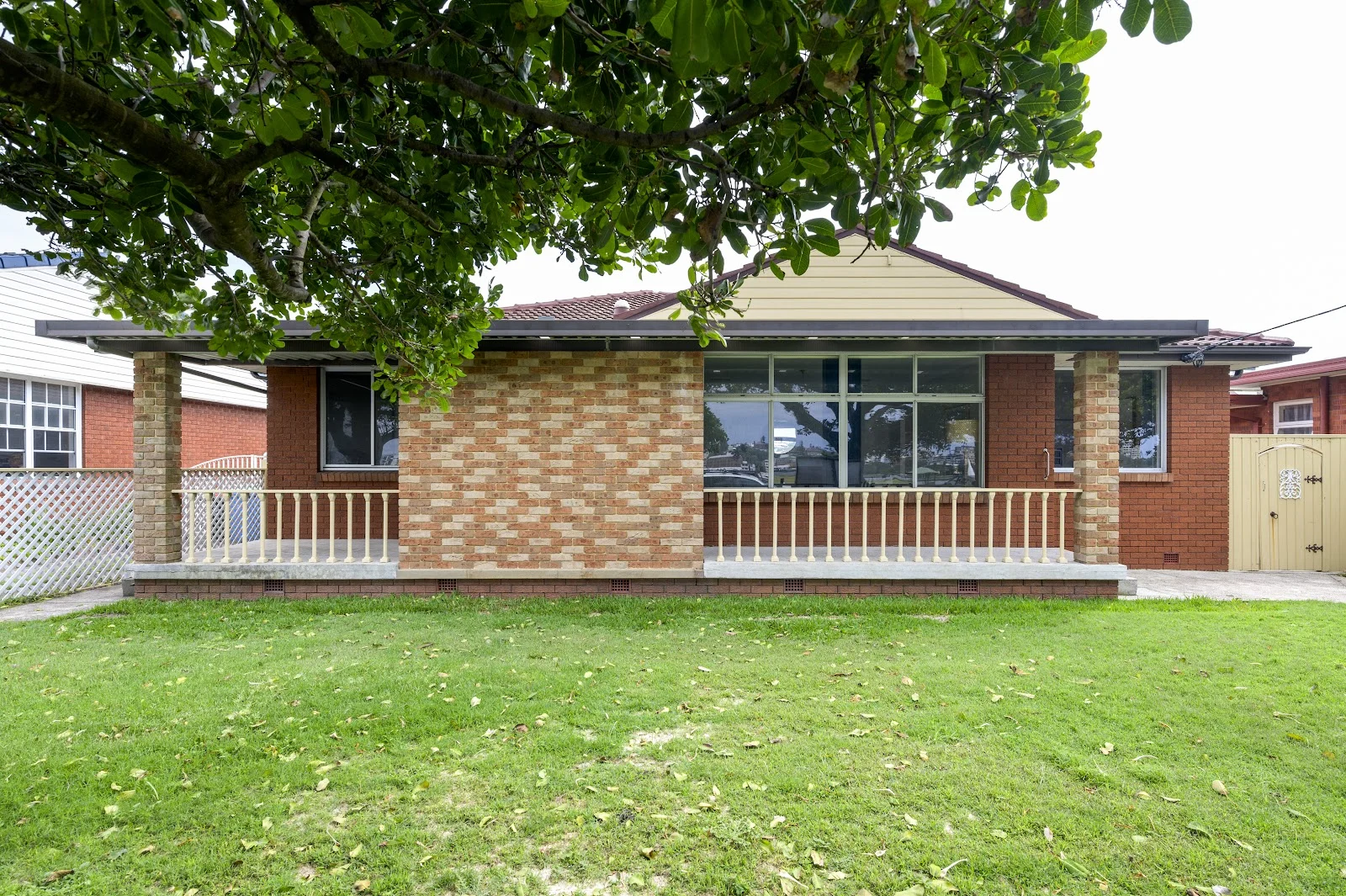 $2,500,000
House
$2,500,000
House
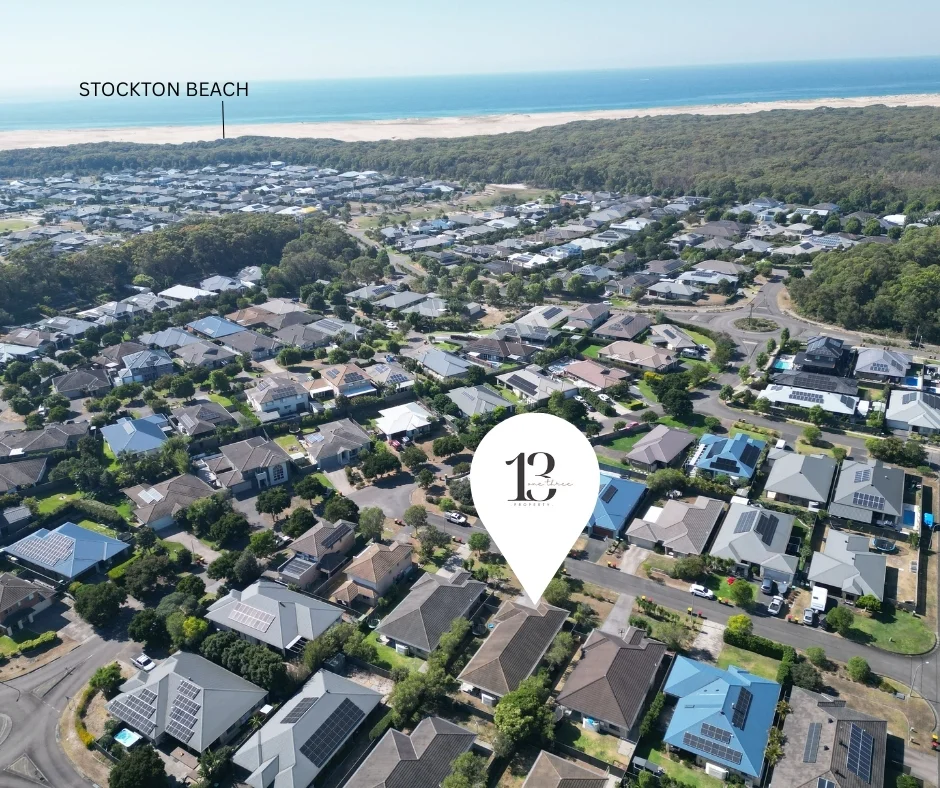 $900,000 - $990,000
House
$900,000 - $990,000
House


