Overview
# 1. Overview
Windsor Primary School is a public primary school serving families in and around Windsor. The school emphasises a community-focused approach to education, with a strong commitment to inclusion and student wellbeing. As a government primary school, it aims to provide a supportive learning environment where students are encouraged to develop confidence, curiosity and a love of learning.
The school is medium-sized, with class sizes typically in the low-to-mid range for primary settings. The atmosphere is inclusive and nurturing, with a culture that prioritises student wellbeing, collaboration and a balanced focus on academic achievement, creativity and sport.
⸻
# 2. Academics & Learning
- Academic strengths: Focus on literacy and numeracy foundations, with emphasis on English and Maths. Strong support for reading, writing and comprehension across year levels, plus opportunities to develop early STEM thinking through hands-on activities.
- Special programs: Engagement with differentiated learning approaches and opportunities for enrichment in areas like technology, visual and performing arts, and STEAM-related activities.
- NAPLAN / trends: School performance generally reflects steady progress in learning growth year to year, with emphasis on improving reading and numeracy outcomes and supporting students across ability levels.
- Student-teacher ratios: Classrooms supported by dedicated teaching staff; teacher-to-student ratios align with typical primary-school ranges, enabling differentiated instruction and targeted support.
- Support for diverse learners: Strong focus on inclusive education with supports for EAL (English as an Additional Language) learners and students with additional learning needs, including access to student support personnel and targeted intervention where required.
⸻
# 3. Sports & Extracurricular Strengths
- Sports offered: A range of team and individual sports typical for primary schools, including basketball, netball, football (soccer), athletics, cricket and swimming programs during the year.
- Strong teams or achievements: Opportunities to participate in inter-school and local competitions; school teams and junior clubs build teamwork and sportsmanship.
- Music, arts, drama programs: Active arts program with opportunities to participate in music and drama, school performances and showcases.
- Clubs: Robotics, coding, chess, debating and other clubs run to complement in-class learning and develop problem-solving and collaboration skills.
- Partnerships: Connections with local community clubs and regional competitions to extend opportunities beyond the classroom.
⸻
# 4. Wellbeing & Pastoral Care
- Anti-bullying approach: Clear policies and ongoing programs that promote respectful relationships, safe behaviour and a supportive peer culture.
- House system: A house-based structure to foster teamwork, belonging and healthy competition (across grades and activities).
- Counsellors / wellbeing officers: Access to school wellbeing staff who support social-emotional learning, resilience and student welfare.
- Transition support for new students: Structured orientation and buddy systems to help new students settle in smoothly and build connections.
⸻
# 5. Facilities
- Sports grounds: Outdoor spaces designed for active play, physical education and team sports.
- Libraries: Well-stocked library supporting independent reading and research activities.
- Science labs: Practical learning spaces for science activities and experiments.
- Music/performing arts centers: Dedicated spaces for music, drama and performances.
- Tech/innovation labs: Access to computers and coding activities that support digital literacy and hands-on learning.
- Cafeteria: On-site food services or canteen facilities for student lunches and snacks.
- Updated playgrounds: Modern, safe play areas to encourage physical activity and imaginative play.
⸻
# 6. School Values & Community Culture
- School values / mission: Clear values around respect, responsibility, inclusivity and collaboration; a mission to nurture well-rounded learners who contribute positively to the school and wider community.
- Leadership style: Leadership aimed at distributed roles, student voice where appropriate, and strong collaboration among staff, families and the local community.
- Behaviour expectations: Positive behaviour framework emphasising courteous conduct, growth mindset and accountability.
- Community reputation: Known for a welcoming, family-friendly atmosphere and active family involvement through events, volunteering and partnerships.
- Diversity & inclusion: Commitment to an inclusive environment that welcomes students from diverse backgrounds and supports equitable access to opportunities.
⸻
# 7. School Logistics & Daily Operations
- School hours: Typically a morning start and mid-afternoon finish; daily timetable structured to balance core learning, break times and specialist subjects.
- Before/after school care: Availability of supervised programs or activities before and after school through in-school or community providers.
- Uniform requirements: A school uniform policy, with approved attire for daily wear and specific options for excursions or events.
- Transport (train/bus routes): Access to local public transport options and school-provided or recommended travel routes; drop-off and pickup arrangements in place to support safe arrival and departure.
- Canteen availability: On-site or nearby canteen options for students to purchase meals and snacks.
- Fees (low/medium/high ranges): As a public school, standard instructional fees are minimal; there may be voluntary contributions or charges for optional activities, excursions or materials.
⸻
# 8. Enrolment & Admissions
11. What is the enrolment process and timeline?
- Check eligibility: Confirm you live in the school’s intake area or understand out-of-area application options.
- Gather documents: Proof of identity, proof of address, immunisation records, birth certificate, and other required documentation.
- Submit enrolment form: Complete the school’s official enrolment form and attach supporting documents.
- Allocation and transition: If in-zone, enrolment is typically confirmed first; for out-of-zone applicants, enrollment may depend on vacancies and is often subject to a ballot or priority criteria. You may be invited to a transition meeting or orientation.
12. Is there a waiting list, and how does it work?
- Waiting lists may apply for out-of-area requests or for popular entry years; placement depends on available vacancies and school priorities (in-zone demand, cohort balance, etc.). Families are usually informed if a place becomes available and a timeline is provided for an offer.
13. Are there any entry requirements, tests, or interviews?
- Generally, state primary schools do not require entrance tests. Admissions focus on eligibility (in-zone/out-of-zone), age-appropriate enrolment, immunisation requirements, and any necessary information about the child’s needs. Some programs or transition steps may involve brief orientation or discussions, but formal interviews are uncommon.
14. Does the school accept mid-year transfers?
- Yes, subject to vacancies and capacity. Prospective mid-year movers should contact the school early, provide appropriate documentation, and participate in any required transition activities to help the student settle in.
⸻
# 9. Frequently Asked Questions
- Why Parents Choose This School?
- A welcoming, inclusive environment with strong community involvement, a focus on wellbeing and a balanced approach to academics, arts and sport.
- What type of student thrives at this school?
- Curious, collaborative, and engaged learners who value teamwork, active participation and a growth mindset.
- What opportunities are available for students to extend their skills (academics, sports, arts)?
- Extended literacy and numeracy support, enrichment activities, clubs (robotics, coding, chess, debating), competitive sports, music and drama performances, and exposure to STEAM-related activities.
- How does the school communicate with parents?
- Regular newsletters, emails, a school app or portal, and scheduled parent-teacher meetings. Updates are provided about events, assessments and student wellbeing.
- What is the school’s approach to teaching and learning?
- A balanced, evidence-based approach with explicit instruction, differentiated tasks, inquiry and hands-on learning, and integration of technology to support understanding.
- How does the school support students who need extra academic help?
- In-class differentiation, targeted small-group instruction, EAL and SEN support, access to learning support staff and referrals to external services if needed.
- What support is available for academic challenges?
- Early identification of learning needs, ongoing monitoring, individualized or small-group interventions, and collaboration with families to plan next steps.
- How does the school communicate with parents? (Repeated)
- See above: newsletters, emails, school app/portal, and parent-teacher meetings; clear channels for feedback and questions.
- What are the class sizes and how much individual attention do students receive?
- Class sizes are designed to be conducive to learning, with teachers providing differentiated instruction and regular opportunities for individual feedback and support.
- What extracurricular and sports opportunities are available?
- A range of sports teams and physical activities, plus clubs like robotics, coding, chess and debating, along with music and drama programs and occasional performances.
- What facilities does the school offer (sports, science, arts)?
- Well-equipped sports grounds, library, science labs, music/performing arts spaces, technology and innovation facilities, canteen, and modern playgrounds.
- What is the school’s approach to technology and digital learning?
- Integration of tablets/computers, interactive whiteboards and coding activities, with guidance on safe and responsible use of technology.
- What transport and accessibility options are available?
- Access to local public transport routes, school-run or recommended drop-off/pick-up arrangements, and facilities to support inclusive access for students with mobility needs.
- What are the typical school fees or additional costs?
- Tuition is not charged for standard instruction in a public primary school; there may be voluntary contributions and costs associated with optional activities, excursions or materials.
⸻
# 10. Short Pros & Cons list
- Pros
- Public, inclusive environment with a focus on wellbeing and community involvement.
- Balanced emphasis on academics, arts and sports with opportunities for enrichment.
- Structured transition and strong support for diverse learners.
- Cons
- As a medium-sized public school, some popular programs or specific electives may have limited capacity or require waitlists.
- Out-of-zone transfers may be subject to vacancies and ballot processes.
- Some costs may apply for excursions or optional activities beyond standard curriculum.
⸻











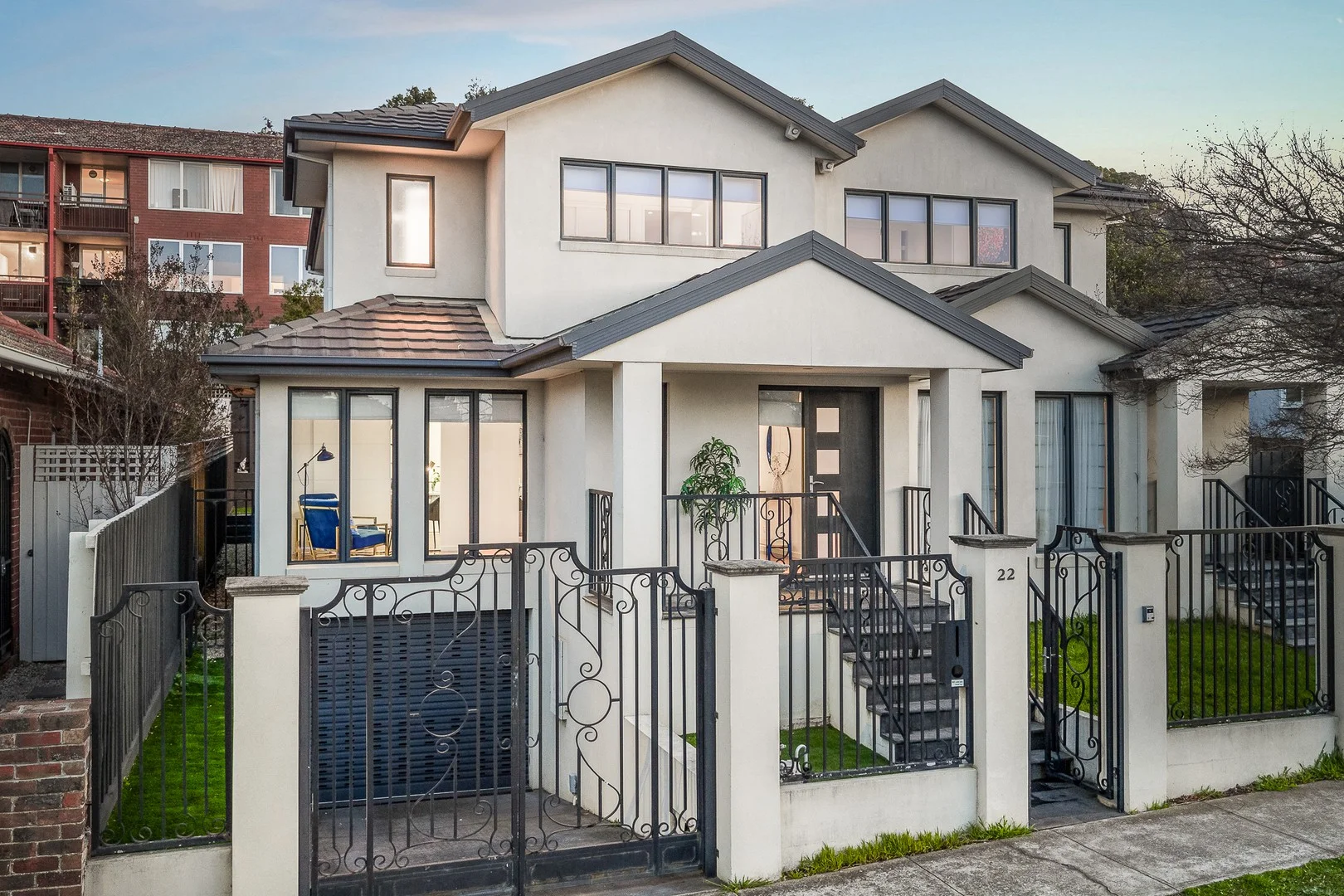 $2,390,000
Townhouse
$2,390,000
Townhouse
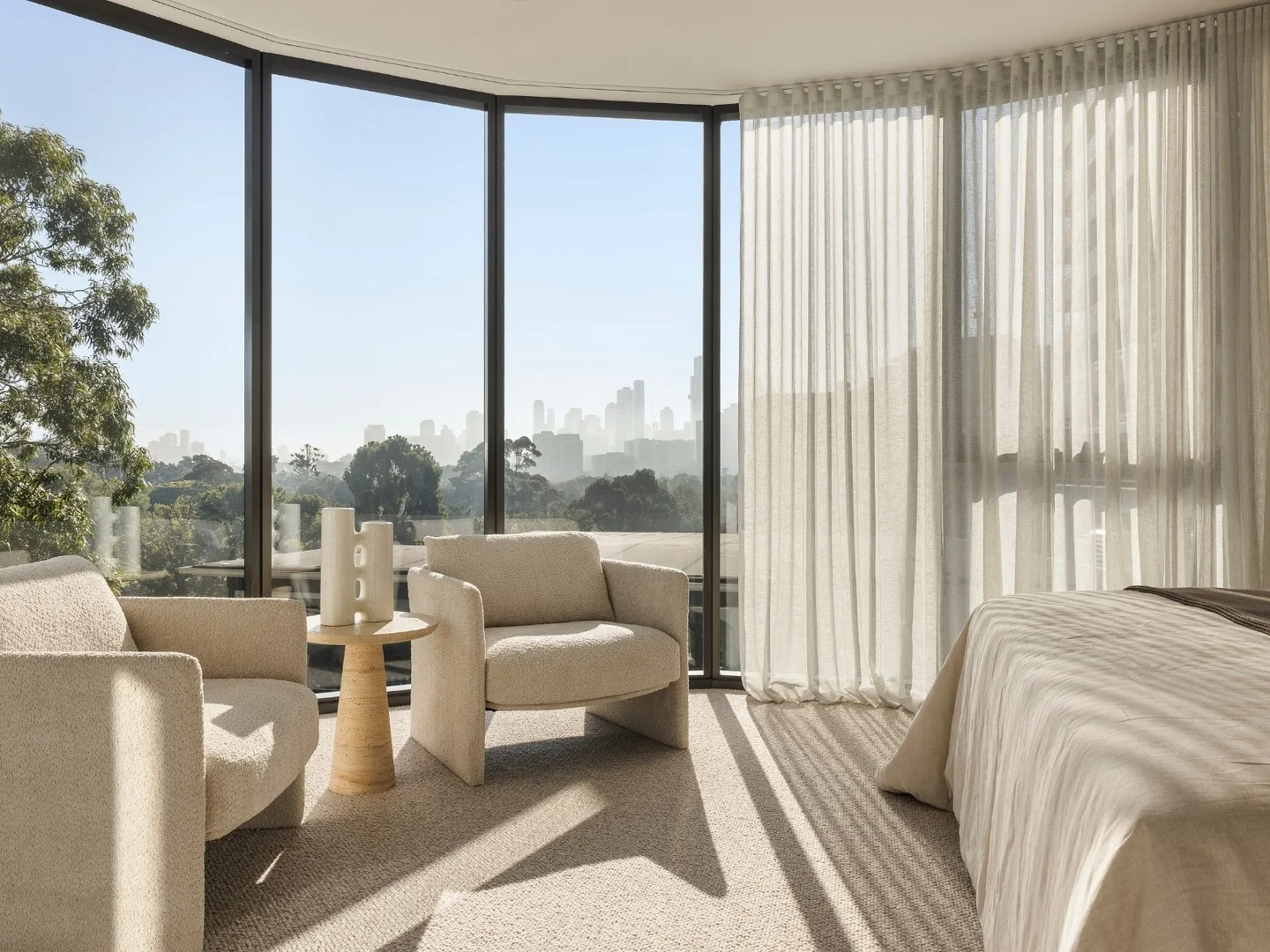 $2,750,000
Apartment / Unit / Flat
$2,750,000
Apartment / Unit / Flat
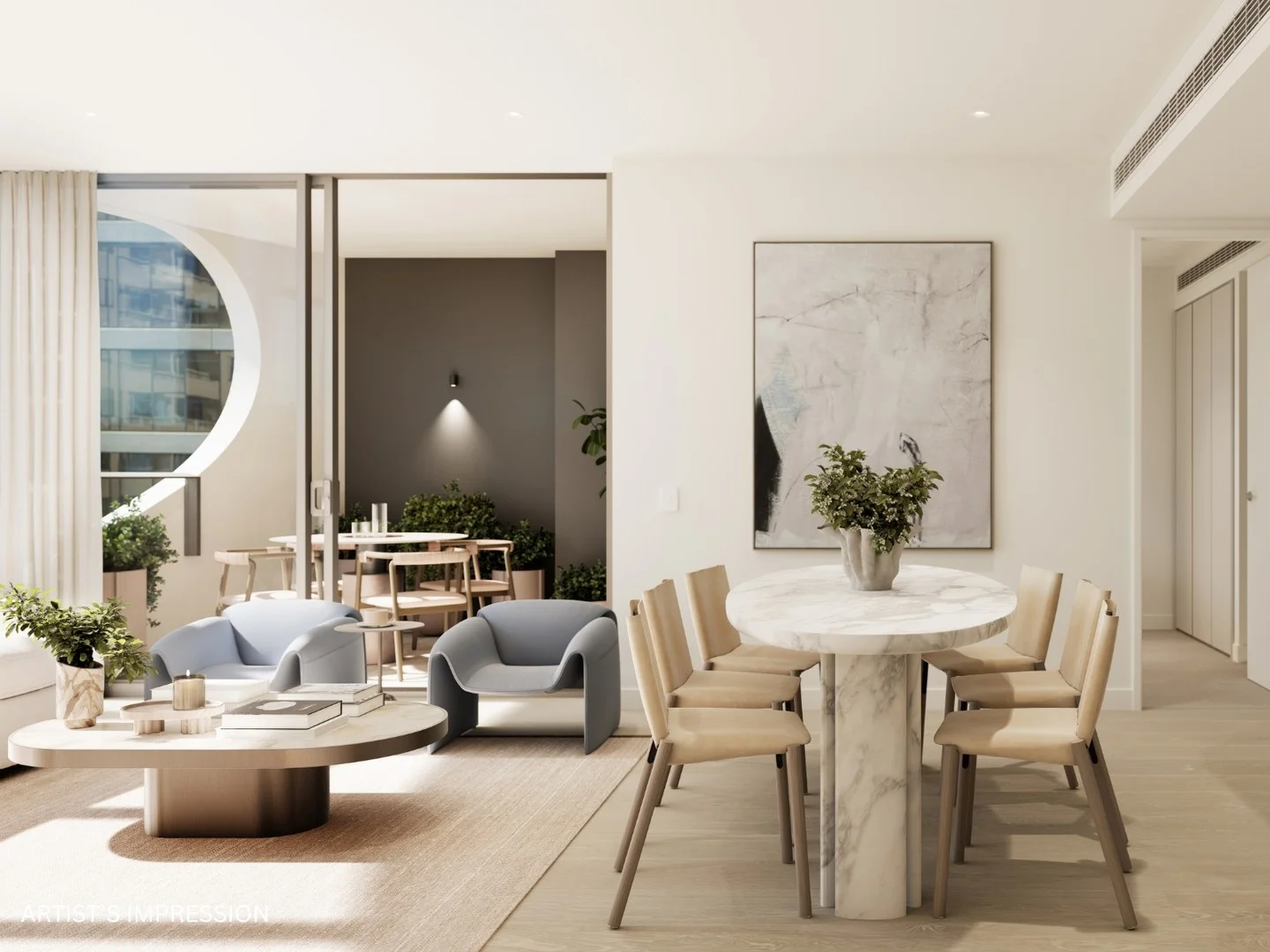 $1,640,000
Apartment / Unit / Flat
$1,640,000
Apartment / Unit / Flat
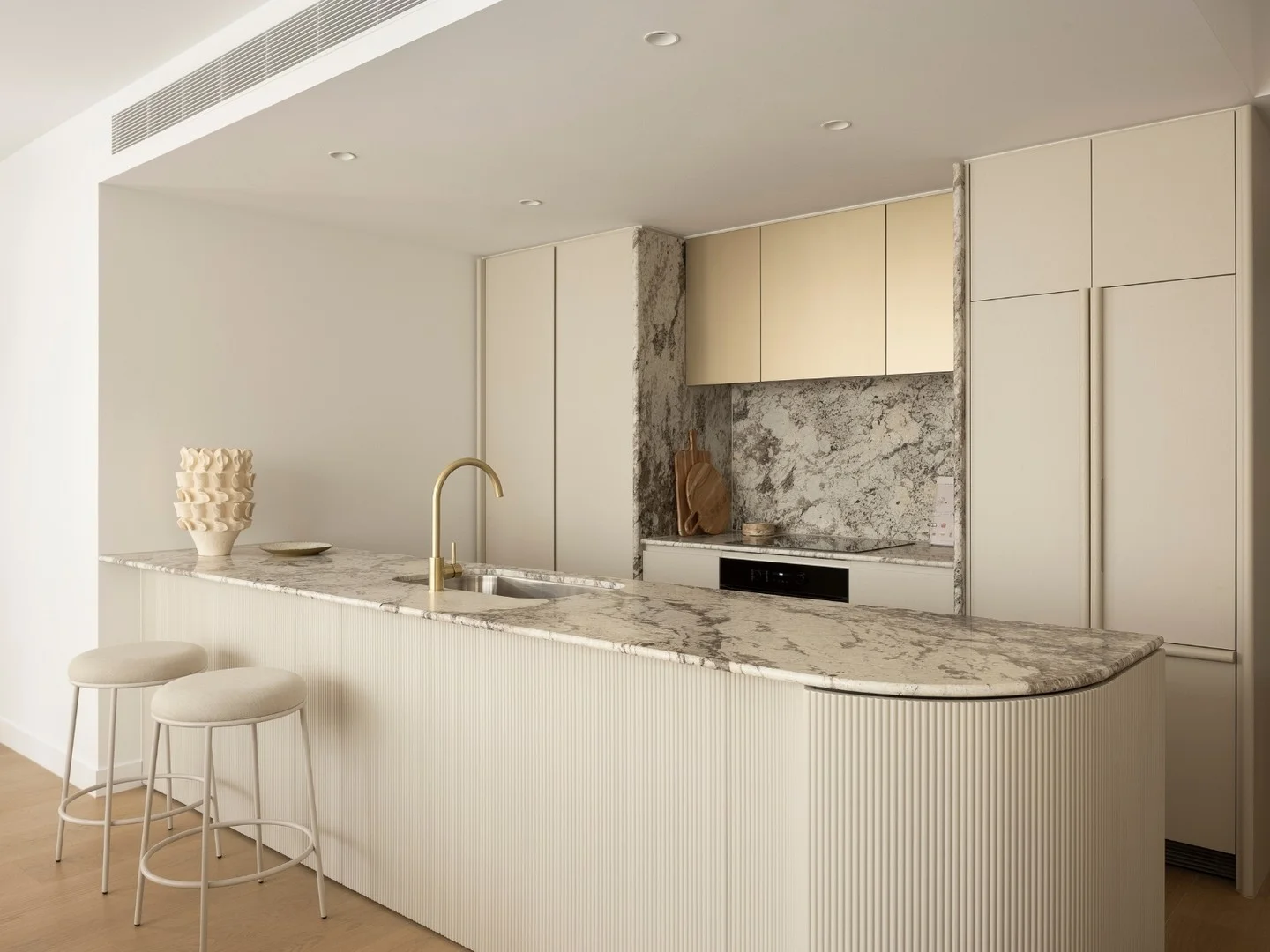 $1,345,000
Apartment / Unit / Flat
$1,345,000
Apartment / Unit / Flat
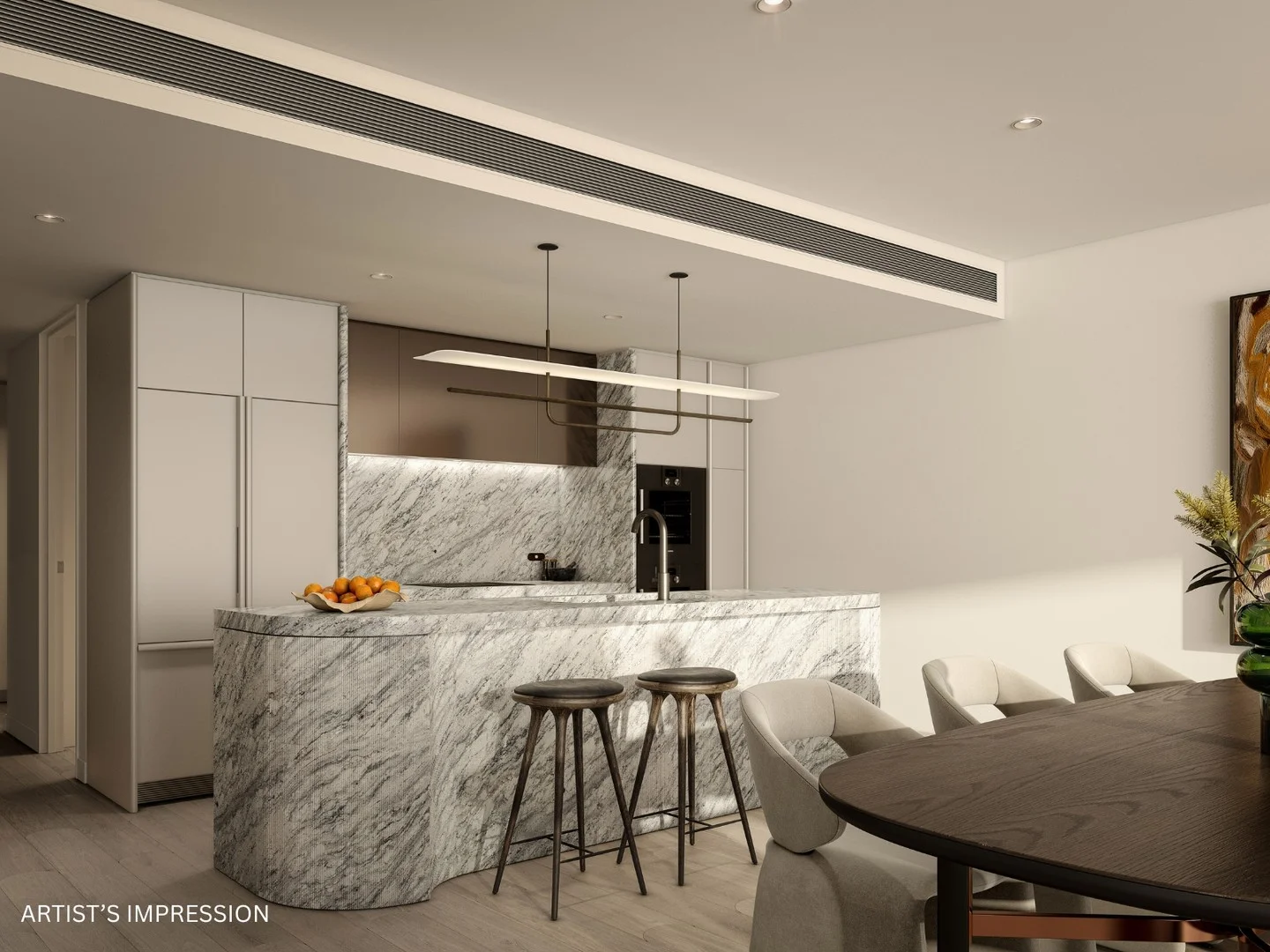 $2,900,000
Apartment / Unit / Flat
$2,900,000
Apartment / Unit / Flat
 $1,770,000
propertyType.NEW APARTMENTS / OFF THE PLAN
$1,770,000
propertyType.NEW APARTMENTS / OFF THE PLAN
 $820,000
propertyType.NEW APARTMENTS / OFF THE PLAN
$820,000
propertyType.NEW APARTMENTS / OFF THE PLAN
 $1,760,000
propertyType.NEW APARTMENTS / OFF THE PLAN
$1,760,000
propertyType.NEW APARTMENTS / OFF THE PLAN
 $3,700,000
propertyType.NEW APARTMENTS / OFF THE PLAN
$3,700,000
propertyType.NEW APARTMENTS / OFF THE PLAN