## 1. Overview
Wesley College is a private, independent school in Melbourne with a proud Anglican heritage. It is a co-educational, multi-campus institution that serves students across preparatory to senior years, emphasising both strong academic outcomes and broad personal development. The school tends to have a medium-to-large student body, with class sizes designed to support individual attention and collaborative learning.
The atmosphere is generally described as inclusive and academically rigorous, with a culture that values leadership, service and global-mindedness. Students are encouraged to participate in a wide range of activities—from academics and sport to arts and community initiatives—creating a well-rounded, supportive environment.
---
## 2. Academics & Learning
- Academic strengths: Strong focus on STEM, English and humanities, with opportunities to develop language skills and leadership capabilities.
- Special programs: Gifted and Talented pathways, accelerated learning options and leadership development programs. The senior years typically include a robust pathway toward VCE completion and university preparation.
- NAPLAN trends: Consistently positive trends over time, with steady performance in reading and numeracy relative to state benchmarks.
- Student-teacher ratios: Generally around 12:1 to 15:1, supporting more individualized feedback and teacher support.
- Support for diverse learners: Comprehensive EAL support and targeted SEN assistance, with access to learning support staff and tailored learning plans.
---
## 3. Sports & Extracurricular Strengths
- Sports offered: AFL-style football, cricket, basketball, soccer, tennis, swimming, athletics, and other team and individual sports.
- Strong teams or achievements: Regular participation in inter-school competitions with notable results and premiership opportunities across age groups.
- Music, arts, drama programs: Active music ensembles, choir and drama productions; opportunities to perform in school productions and concerts.
- Clubs: Robotics, chess, coding, debating and other academic or interest-based clubs.
- Partnerships: Connections with local clubs and external competitions to broaden experience (e.g., inter-school leagues and regional/national events).
Most parents of boys aged 10–14 will notice a strong emphasis on both competitive sport and creative arts alongside academics, with clubs and teams forming a central part of the school life.
---
## 4. Wellbeing & Pastoral Care
- Anti-bullying approach: Clear anti-bullying policies with restorative practices and ongoing wellbeing education.
- House system: A house structure with regular inter-house events that build community, camaraderie and healthy competition.
- Counsellors / wellbeing officers: On-site counsellors and wellbeing staff who support mental health, resilience and transition periods.
- Transition support for new students: Orientation programs, buddy systems and targeted induction to help new students settle in.
---
## 5. Facilities
- Sports grounds: Well-maintained playing fields and courts for a range of sports.
- Libraries: Well-stocked libraries with study spaces and digital resources.
- Science labs: Modern, well-equipped science laboratories for biology, chemistry and physics.
- Music/performing arts centers: Dedicated spaces for music and drama performances.
- Tech/innovation labs: Contemporary spaces for coding, robotics and STEM projects.
- Cafeteria: On-site canteen with healthy meal options.
- Updated playgrounds: Modern, safe playground and recreational spaces for younger students.
---
## 6. School Values & Community Culture
- School values / mission: A values-driven environment emphasising integrity, service, leadership and academic excellence.
- Leadership style: Collaborative and student-centered, with opportunities for student voice in committees and projects.
- Behaviour expectations: Clear codes of conduct emphasizing respect, responsibility and teamwork.
- Community reputation: Known for a supportive, engaged parent and alum community and strong school spirit.
- Diversity & inclusion: Commitment to a diverse, inclusive environment with programs that support students from different backgrounds.
---
## 7. School Logistics & Daily Operations
- School hours: Typical day runs through morning to afternoon with variations by year level; start/end times align with secondary school norms.
- Before/after school care: Available to support working families.
- Uniform requirements: Uniforms required during school terms, with seasonal variations.
- Transport (train/bus routes): Accessible via local public transport options and school-provided or partner transport arrangements where available.
- Canteen availability: Canteen or lunch program offering healthy options.
- Fees (low/medium/high ranges): Fees fall into the mid-to-high range for independent schools, with additional costs for trips, camps and activities.
---
## 8. Enrolment & Admissions
### 11. What is the enrolment process and timeline?
- Applications are typically submitted online through the school's admissions portal. The process often includes documentation submission (birth certificate, prior school reports), an information interview, and where appropriate, assessments or auditions for certain year groups or programs. The timeline varies by year level but generally includes an application window, shortlisting, interviews, and a decision period.
### 12. Is there a waiting list, and how does it work?
- There is sometimes a waiting list for popular year levels. If offered a place on the waitlist, families may be contacted in the order of priority as vacancies arise. The waitlist process often involves updates from the admissions team and consideration of available spaces.
### 13. Are there any entry requirements, tests, or interviews?
- Entry typically includes an interview and may include assessments or tests relevant to the year level and program (e.g., general ability, literacy/numeracy benchmarks, or language assessments for EAL students). Some years or special programs may require additional steps.
### 14. Does the school accept mid-year transfers?
- Mid-year transfers may be possible, subject to space and alignment with the school’s year-level requirements. Prospective families should contact the admissions team to discuss available vacancies and transfer timelines.
---
## 9. Frequently Asked Questions
- Why Parents Choose This School?
- A balanced emphasis on academics, wellbeing and holistic development within a supportive community and strong sense of values.
- What type of student thrives at this school?
- Students who are motivated to engage in academics, sports, arts and service, and who respond well to a collaborative, inclusive culture.
- What opportunities are available for students to extend their skills (academics, sports, arts)?
- Enrichment in STEM and languages, leadership programs, accelerated or gifted pathways, competitive sport teams, music ensembles and drama productions, plus clubs like robotics, coding and debating.
- How does the school communicate with parents?
- Regular newsletters, parent portals, calendars and scheduled meetings; open channels through year coordinators, teachers and the wellbeing team.
- What is the school’s approach to teaching and learning?
- Student-centered learning with high expectations, opportunities for collaboration, critical thinking and hands-on learning experiences.
- How does the school support students who need extra academic help?
- Targeted learning support, EAL services, SEN assistance and tailored plans, with access to tutors or specialist staff as needed.
- What support is available for academic challenges?
- Individualized support plans, regular progress checks and adjustments to learning approaches to help students stay on track.
- How does the school communicate with parents? (Repeated)
- See above: multiple channels including portals, emails, meetings and updates from teachers and coordinators.
- What are the class sizes and how much individual attention do students receive?
- Class sizes are designed to support engagement and feedback, typically in the range of around 12–25 students, with teacher support and small-group sessions as needed.
- What extracurricular and sports opportunities are available?
- A broad mix of sports (team and individual), music ensembles, theatre, debates, robotics, coding and other clubs.
- What facilities does the school offer (sports, science, arts)?
- Comprehensive facilities including sports grounds, modern science labs, libraries, music/performing arts spaces and tech/innovation labs.
- What is the school’s approach to technology and digital learning?
- Integrated technology across the curriculum, with digital literacy, coding and responsible use embedded in learning experiences.
- What transport and accessibility options are available?
- Access via public transport and family-friendly transport options; school offices can provide guidance on routes and supports.
- What are the typical school fees or additional costs?
- Fees are in the mid-to-high range for private schools, with potential extra costs for camps, trips and some elective programs.
---
## 10. Short Pros & Cons list
- Pros
- Strong academic program with supportive learning environment
- Comprehensive wellbeing and pastoral care
- Broad range of extracurriculars (sport, arts, clubs)
- Inclusive community with emphasis on leadership and service
- Solid facilities across sports, science, music and tech
- Cons
- Higher fee level relative to public options
- Large school environment may mean fewer ultra-personalized experiences in some programs
- Transport and parking can be challenging in peak times depending on location and campus
- Competitive entry may mean a waiting list for popular year levels

 $57+
$57+










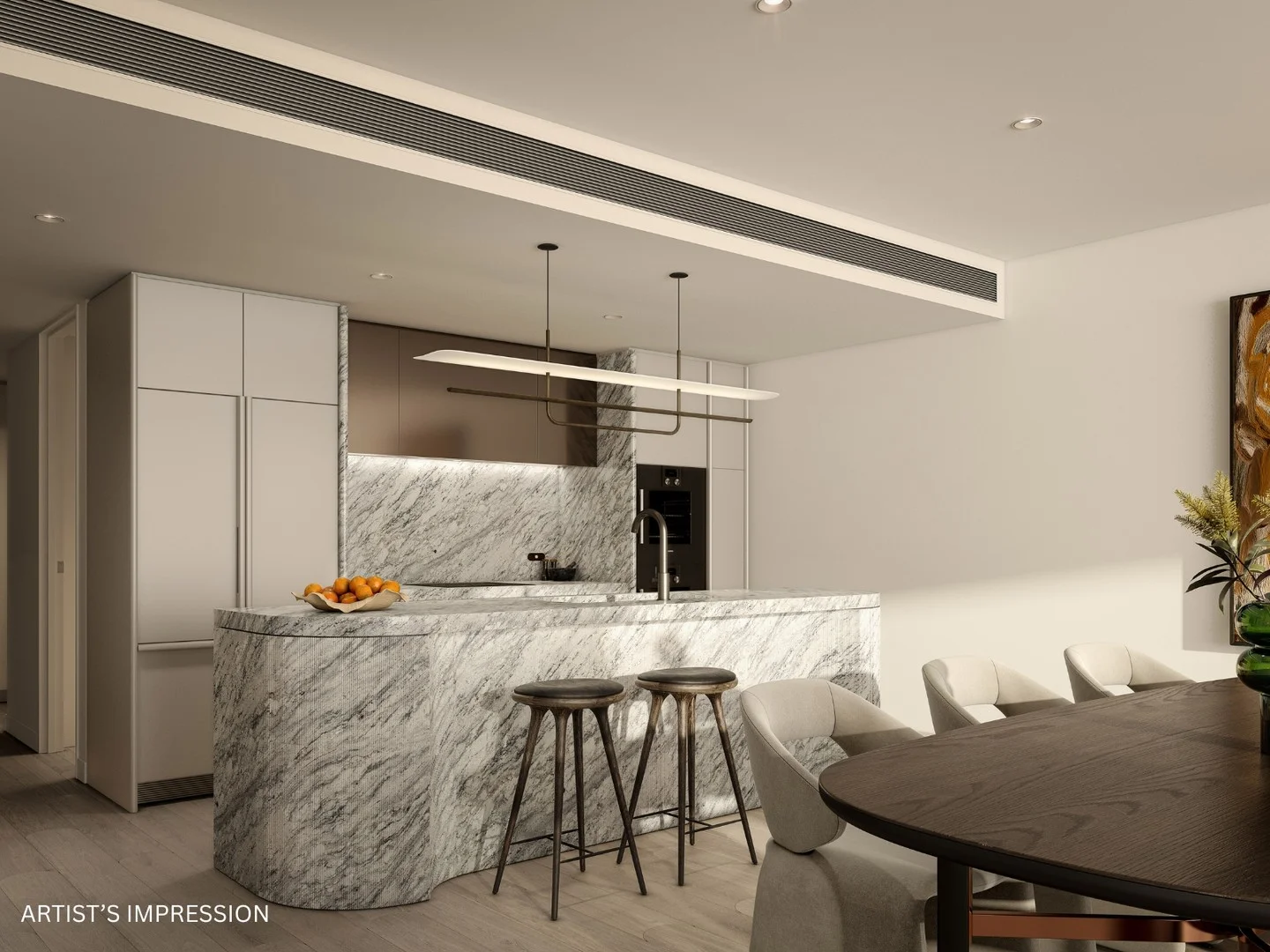 $2,900,000
Apartment / Unit / Flat
$2,900,000
Apartment / Unit / Flat
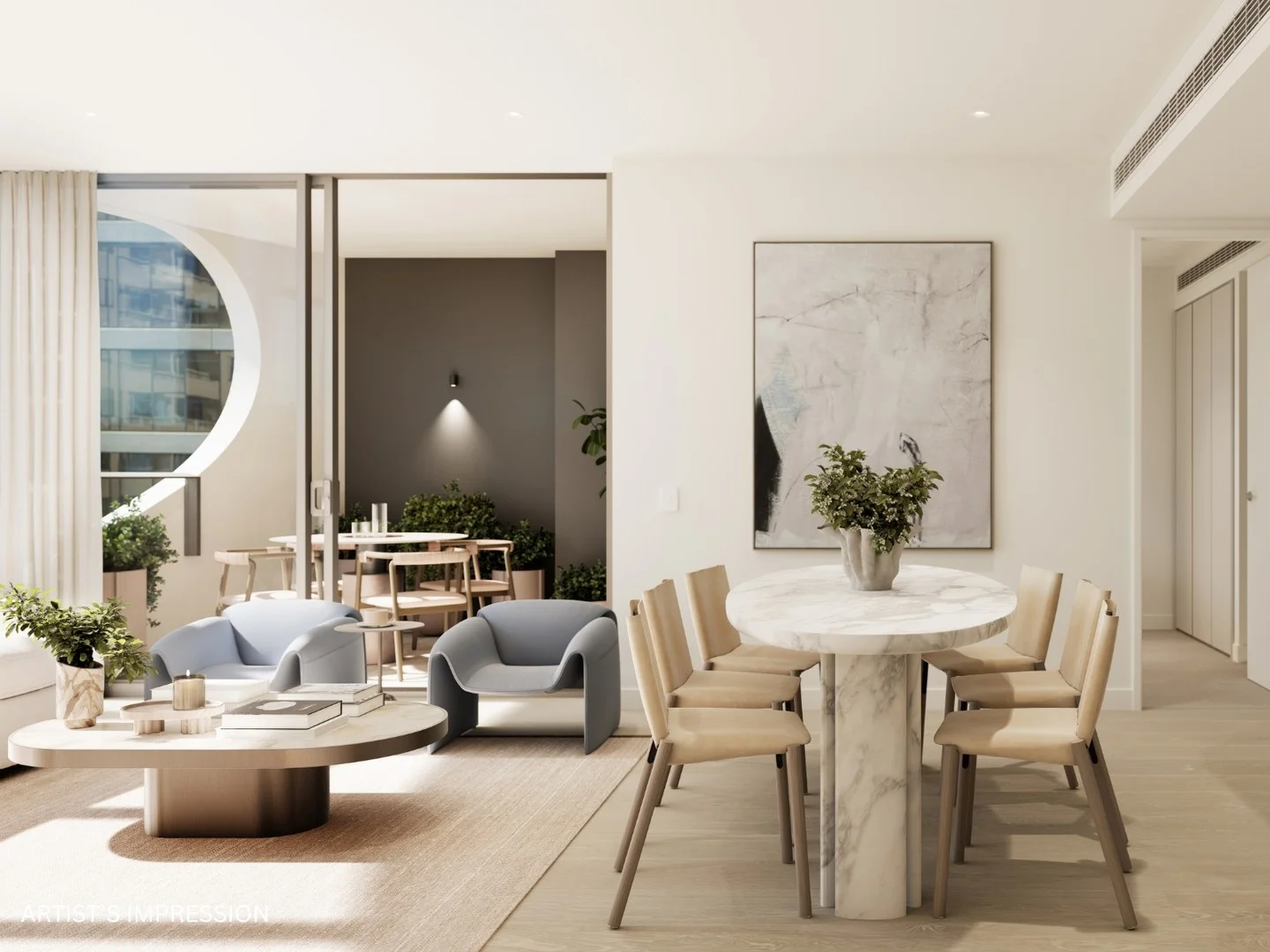 $1,640,000
Apartment / Unit / Flat
$1,640,000
Apartment / Unit / Flat
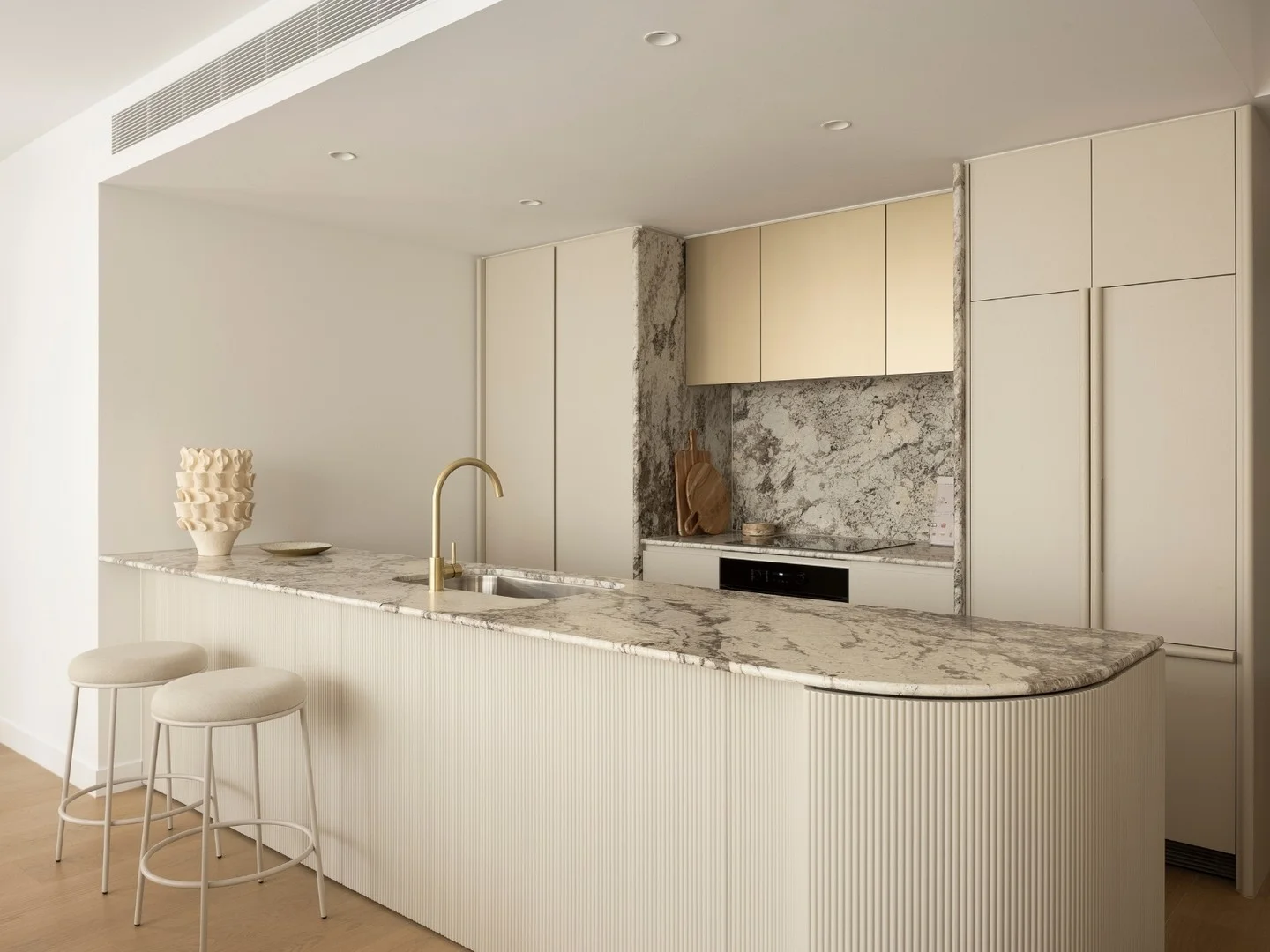 $1,345,000
Apartment / Unit / Flat
$1,345,000
Apartment / Unit / Flat
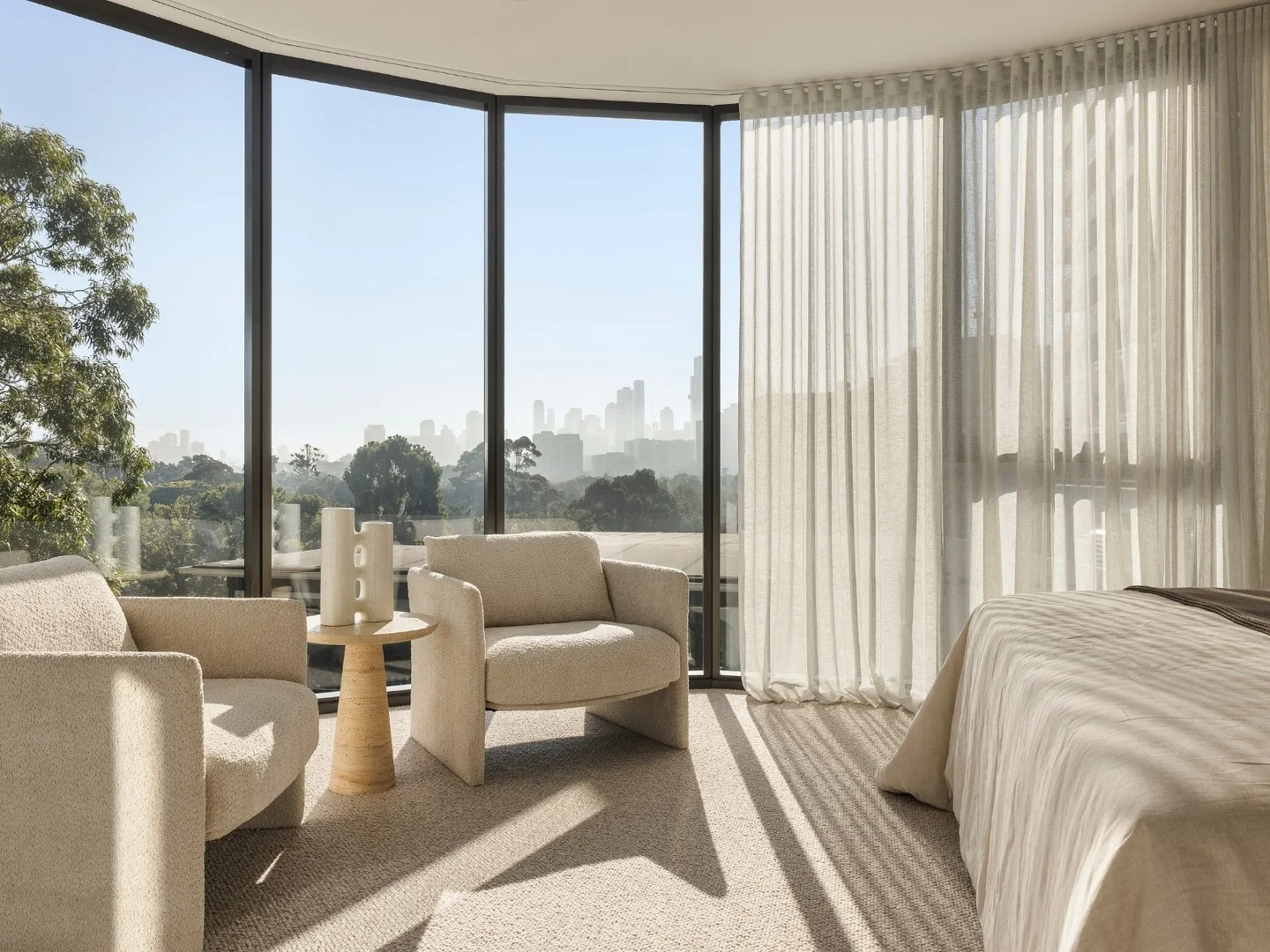 $2,750,000
Apartment / Unit / Flat
$2,750,000
Apartment / Unit / Flat
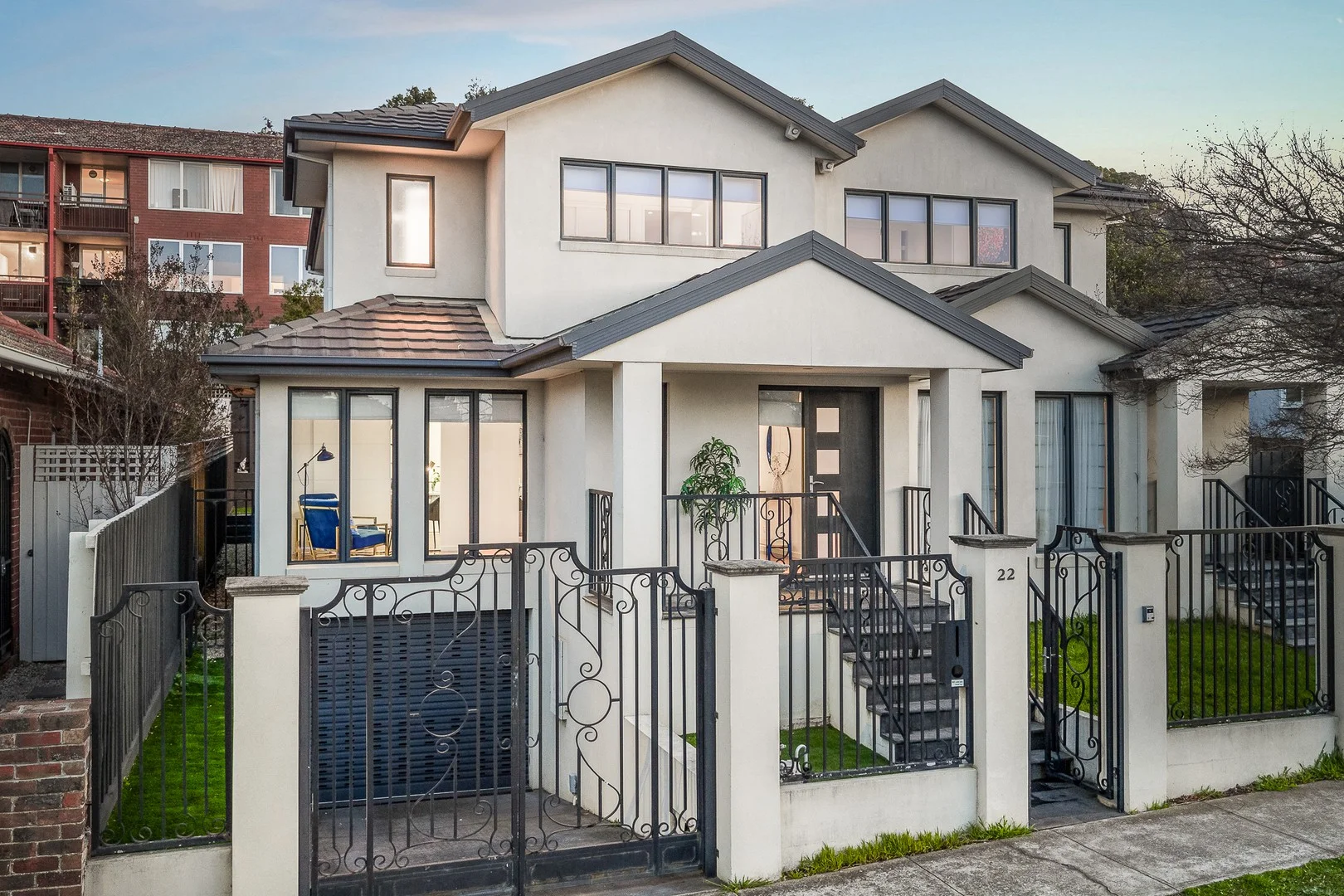 $2,100,000
Townhouse
$2,100,000
Townhouse
 $820,000
propertyType.NEW APARTMENTS / OFF THE PLAN
$820,000
propertyType.NEW APARTMENTS / OFF THE PLAN
 $1,770,000
propertyType.NEW APARTMENTS / OFF THE PLAN
$1,770,000
propertyType.NEW APARTMENTS / OFF THE PLAN
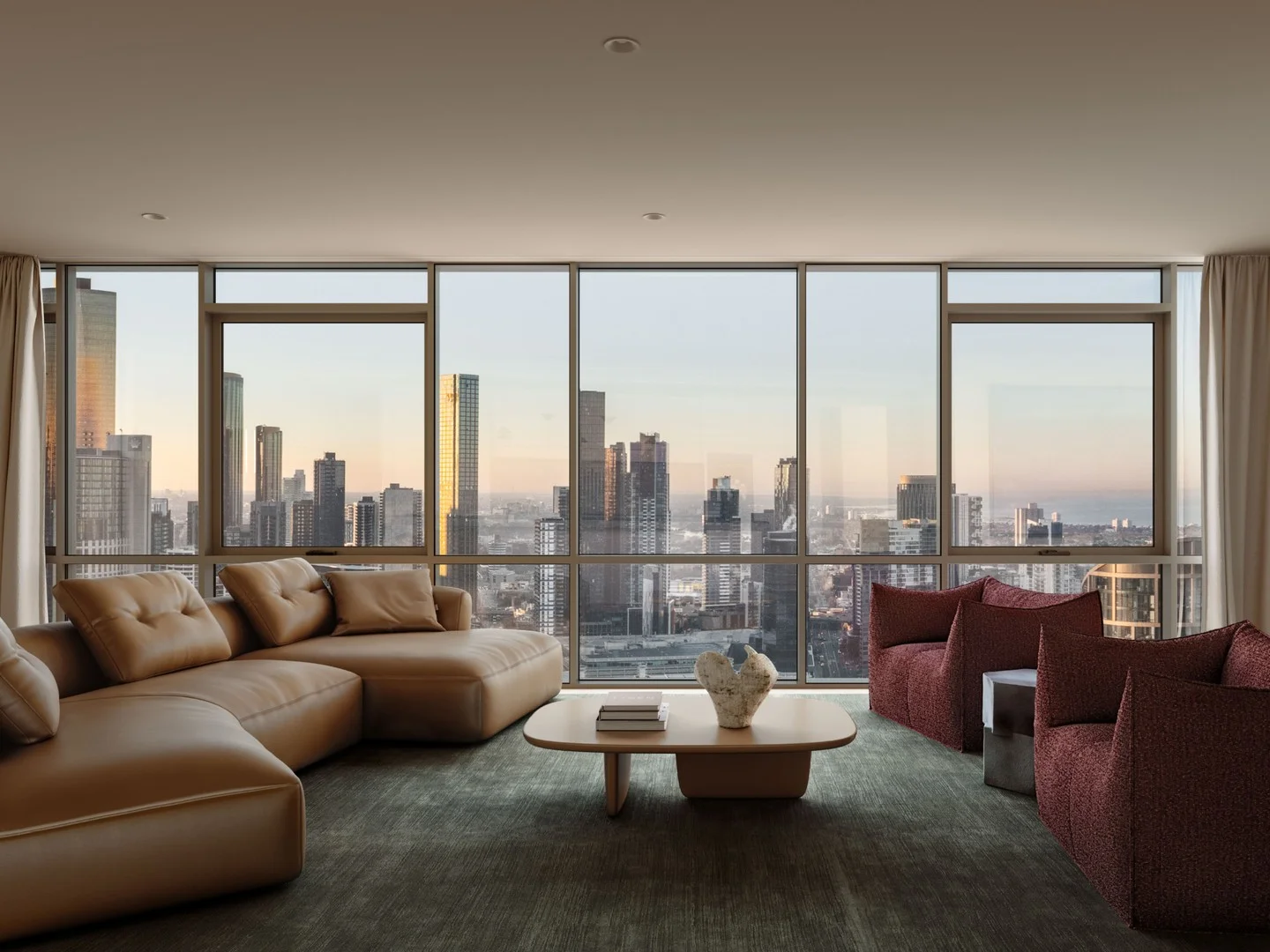 $3,700,000
propertyType.NEW APARTMENTS / OFF THE PLAN
$3,700,000
propertyType.NEW APARTMENTS / OFF THE PLAN
 $1,760,000
propertyType.NEW APARTMENTS / OFF THE PLAN
$1,760,000
propertyType.NEW APARTMENTS / OFF THE PLAN