1. Overview
St Michael's Grammar School is an independent, co-educational day school in St Kilda, Melbourne, offering education from Prep to Year 12 with an Anglican tradition. The school focuses on a balanced, rigorous curriculum that develops academic growth alongside character, wellbeing and leadership.
As a medium-sized, community-focused school, St Michael's aims to create a nurturing yet academically aspirational atmosphere. Class sizes are designed to support individual attention and collaborative learning, fostering a diverse and inclusive culture where students are encouraged to pursue their interests across academics, arts, and sport.
2. Academics & Learning
- Academic strengths: Strong English/literacy foundations, robust STEM learning, and emphasis on languages and leadership development; opportunities for enrichment across key subjects.
- Special programs: Access to accelerated learning and gifted/talented pathways; personalised learning plans to support high-achievers and students needing extra challenge.
- NAPLAN trends: The school has shown consistent improvement and positive trends in NAPLAN results across multiple year levels over recent years, reflecting ongoing curriculum alignment and targeted support.
- Student-teacher ratios: Typical ratios in the lower to middle years around 1:9 to 1:14, with similar ranges in senior years, varying by cohort and subject.
- Support for diverse learners: Dedicated EAL and SEN support, with specialist staff and targeted interventions to assist students with diverse learning needs.
3. Sports & Extracurricular Strengths
- Sports offered: A broad range including team and individual disciplines such as football (soccer/Australian rules football), netball, basketball, cricket, swimming, athletics, tennis and more, with opportunities across junior and senior levels.
- Strong teams or achievements: Active participation in inter-school competitions with established programs for competitive teams; emphasis on teamwork, discipline and personal development.
- Music, arts, drama programs: Comprehensive arts offerings alongside a strong music program and performance opportunities throughout the year.
- Clubs: Robotics, chess, coding, debating and other academic/creative clubs to extend learning beyond the classroom.
- Partnerships: Involvement with local clubs, academies and competitions to broaden access to external opportunities and events.
4. Wellbeing & Pastoral Care
- Anti-bullying approach: Clear policies and proactive programs focused on safeguarding, respect, and positive school culture.
- House system: House-based activities and competitions to foster belonging, leadership, and peer mentoring.
- Counsellors / wellbeing officers: Access to school psychologists, counsellors and wellbeing staff to support social-emotional learning and mental health.
- Transition support: Structured induction for new students, buddy programs and pathways to help students adapt to school life and new environments.
5. Facilities
- Sports grounds: Extensive sports facilities and playing fields suitable for a range of activities.
- Libraries: Well-equipped library resources for study and research.
- Science labs: Modern science laboratories to support practical experiments and inquiry-based learning.
- Music/performing arts centers: Dedicated spaces for music and drama with performance opportunities.
- Tech/innovation labs: Contemporary spaces for technology, coding and innovation projects.
- Cafeteria: On-site dining facilities supporting healthy food options.
- Updated playgrounds: Modern outdoor play spaces aligned with curriculum and wellness programs.
6. School Values & Community Culture
- School values / mission: A focus on respect, integrity, courage, and service, guiding student behaviour and leadership development.
- Leadership style: Collaborative and student-centred, with a range of leadership opportunities across year levels.
- Behaviour expectations: Clear codes of conduct emphasizing respect, responsibility and resilience.
- Community reputation: Strong sense of community within St Kilda and the wider Melbourne independent school network; emphasis on inclusivity and positive school spirit.
- Diversity & inclusion: Commitment to a diverse student body and inclusive practices across curricula, activities and support services.
7. School Logistics & Daily Operations
- School hours: Typical day starts in the morning with early learning to Year 12 routines; precise times vary by year level.
- Before/after school care: Availability of supervised programs outside normal hours.
- Uniform requirements: Formal school uniform with specific dress standards for different year levels (and occasional casual or event-specific wear).
- Transport (train/bus routes): Access to public transport options and school-organised or recommended bus routes in the surrounding area.
- Canteen availability: On-site canteen or cafe providing meals and snacks.
- Fees (low/medium/high ranges): Generally positioned in the medium-to-high range for independent schools, with potential variations by year level and family circumstances.
8. Enrolment & Admissions
11. What is the enrolment process and timeline?
- Prospective families typically submit an online expression of interest or application, providing required documents (birth certificate, academic records, etc.). The school may outline a timeline for application, assessment, interviews and offer periods, with steps varying by year level and intake.
12. Is there a waiting list, and how does it work?
- There is often a waitlist for popular year groups. Placement on the list is usually subject to availability, with priority considerations such as sibling applicants and date of application.
13. Are there any entry requirements, tests, or interviews?
- Entry generally involves an interview process for students and parents, plus age-appropriate assessments or tests to gauge readiness and match to the program. Some year levels may require additional evaluation or reference checks.
14. Does the school accept mid-year transfers?
- Mid-year transfers are considered if vacancies exist. Applicants typically undergo a standard admissions process and orientation to ensure a smooth transition.
9. Frequently Asked Questions
- Why Parents Choose This School?
- A nurturing yet academically rigorous environment, strong pastoral care, broad co-curricular opportunities, and a sense of community that supports individual growth.
- What type of student thrives at this school?
- Students who are curious, motivated, collaborative and values-driven; those who seek a balanced program of academics, arts, sport and service.
- What opportunities are available for students to extend their skills (academics, sports, arts)?
- Enrichment programs, accelerated learning options, language studies, leadership roles, high-level sports pathways, performing arts productions, and clubs such as robotics, chess and debating.
- How does the school communicate with parents?
- Regular updates via newsletters, parent portals, emails, and parent-teacher interviews; detailed annual reports and progress feedback.
- What is the school’s approach to teaching and learning?
- Differentiated instruction, inquiry-based learning, and a focus on critical thinking, problem solving and collaboration across the curriculum.
- How does the school support students who need extra academic help?
- Targeted learning support, EAL assistance, access to specialist tutors and intervention programs, and ongoing progress monitoring.
- What support is available for academic challenges?
- Structured support plans, study skills coaching, time management guidance, and referrals to additional resources as needed.
- How does the school communicate with parents? (Repeated)
- See above: newsletters, portals, meetings, and official reports.
- What are the class sizes and how much individual attention do students receive?
- Class sizes are designed to be small-to-medium, with teachers able to provide tailored feedback, differentiated tasks, and regular check-ins.
- What extracurricular and sports opportunities are available?
- A wide range of sports and arts activities, plus clubs such as robotics, chess, coding and debating; opportunities for inter-school competition and performance.
- What facilities does the school offer (sports, science, arts)?
- Modern sports facilities, comprehensive libraries, science laboratories, music/performing arts spaces, technology/innovation labs, and dining/canteen amenities.
- What is the school’s approach to technology and digital learning?
- Integration of digital literacy across the curriculum, accessible devices or BYOD programs, and education on safe and responsible technology use.
- What transport and accessibility options are available?
- Access to local bus routes and public transport; consideration of accessibility in campus facilities; parking and drop-off arrangements as appropriate.
- What are the typical school fees or additional costs?
- Fees fall in the medium-to-high range for independent schools, with potential extra costs for uniforms, excursions, activities and devices; families may be eligible for discounts or assistance programs.
10. Short Pros & Cons list
Pros
- Independent, well-rounded education with strong academics and wellbeing support
- Broad co-curriculars across sports, arts, and clubs
- Supportive community and personalised approach to learning
- Accessible facilities and modern learning environments
Cons
- Tuition and associated costs can be high compared with public options
- Competition for places and potential waitlists in popular year groups
- Travel considerations for families living farther from St Kilda

 Free
Free








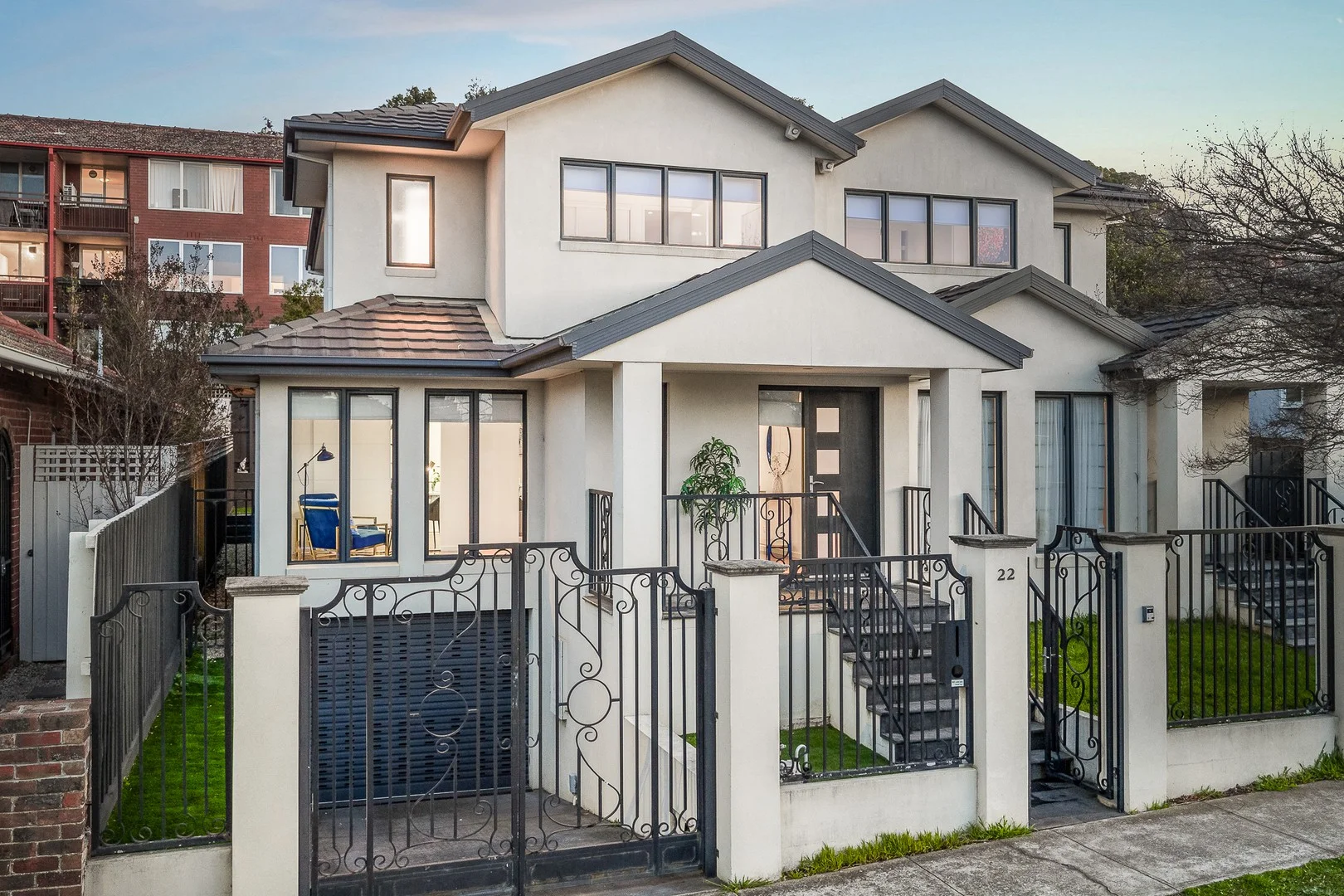 $2,390,000
Townhouse
$2,390,000
Townhouse
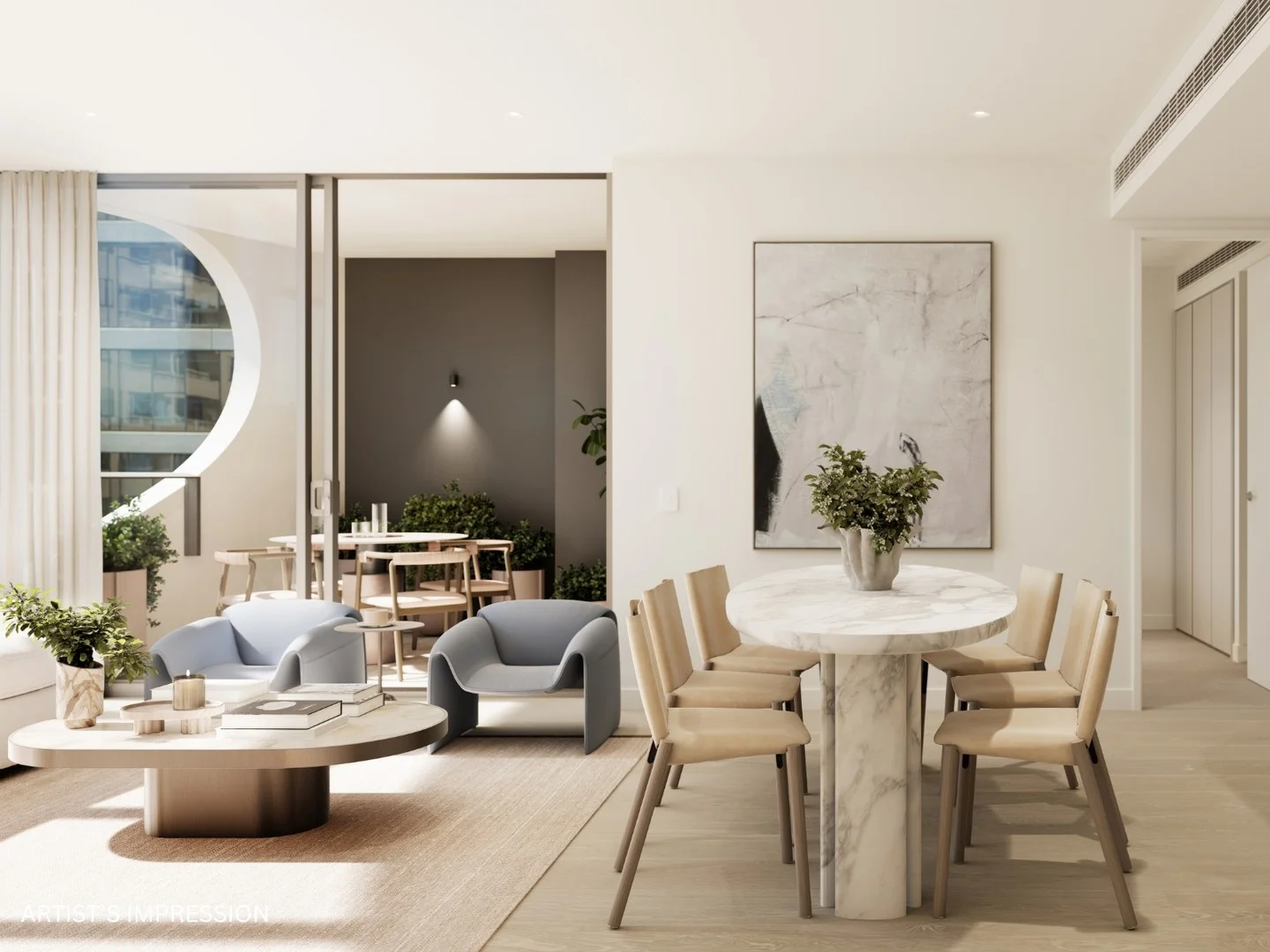 $1,640,000
Apartment / Unit / Flat
$1,640,000
Apartment / Unit / Flat
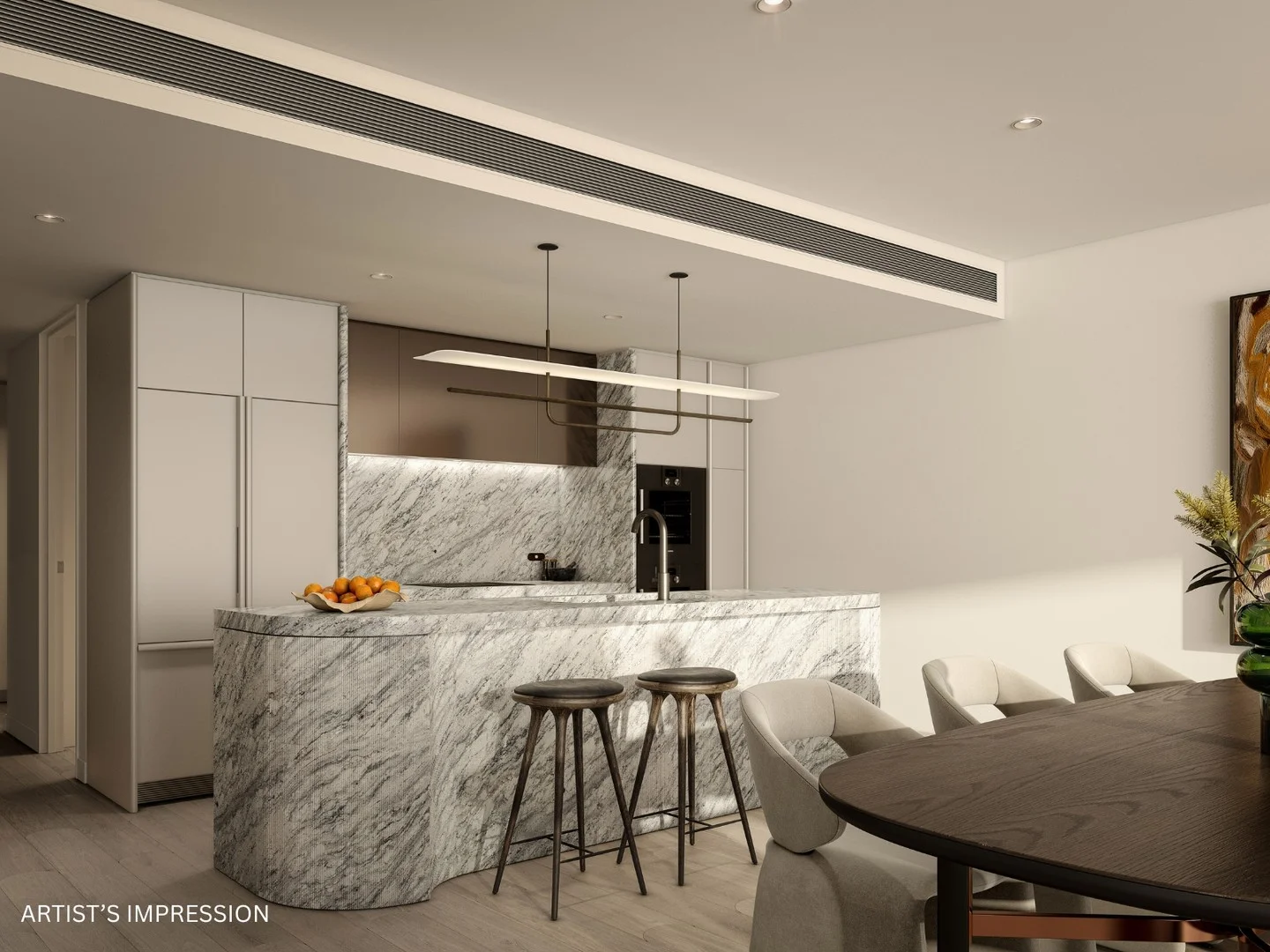 $2,900,000
Apartment / Unit / Flat
$2,900,000
Apartment / Unit / Flat
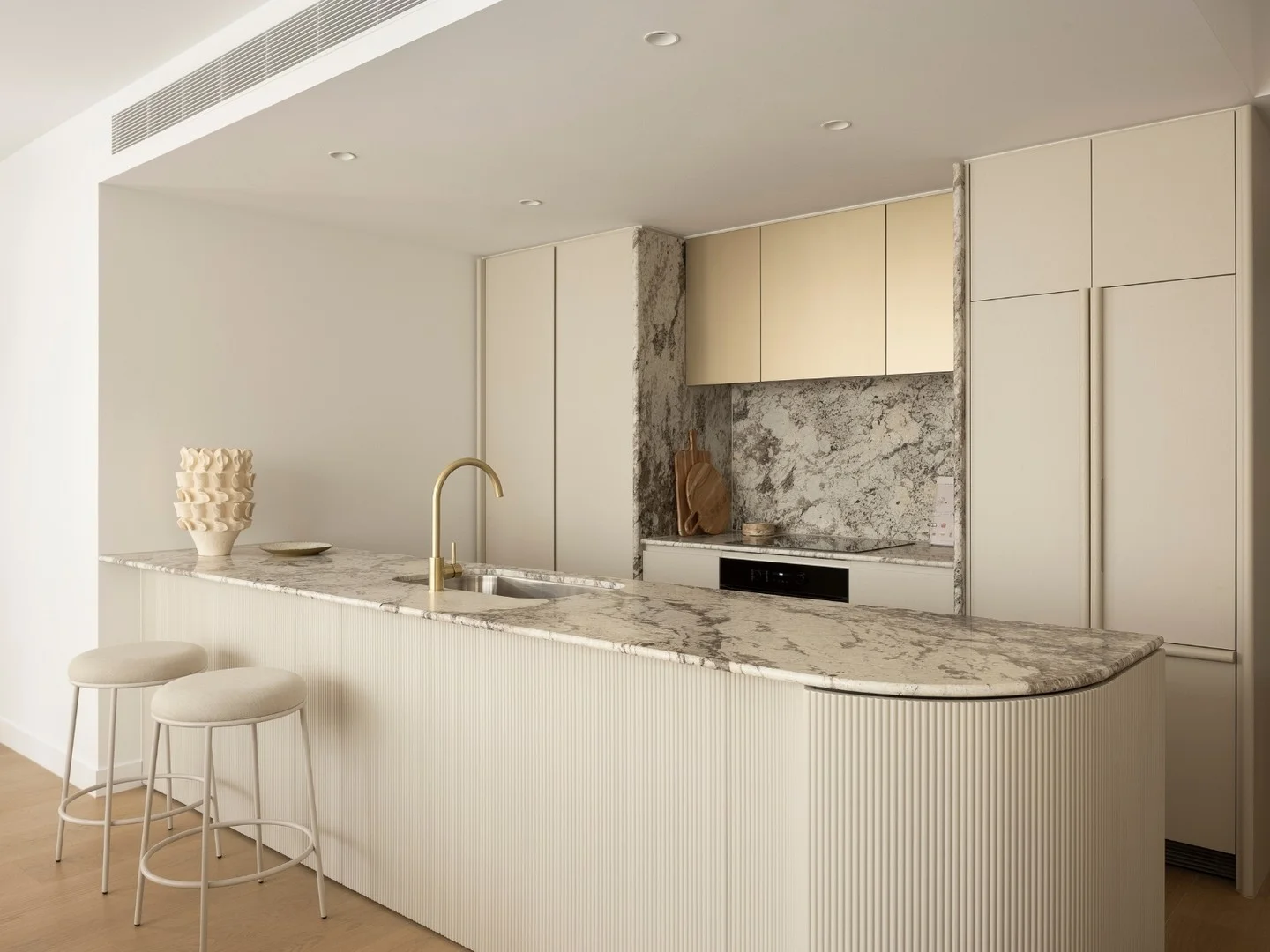 $1,345,000
Apartment / Unit / Flat
$1,345,000
Apartment / Unit / Flat
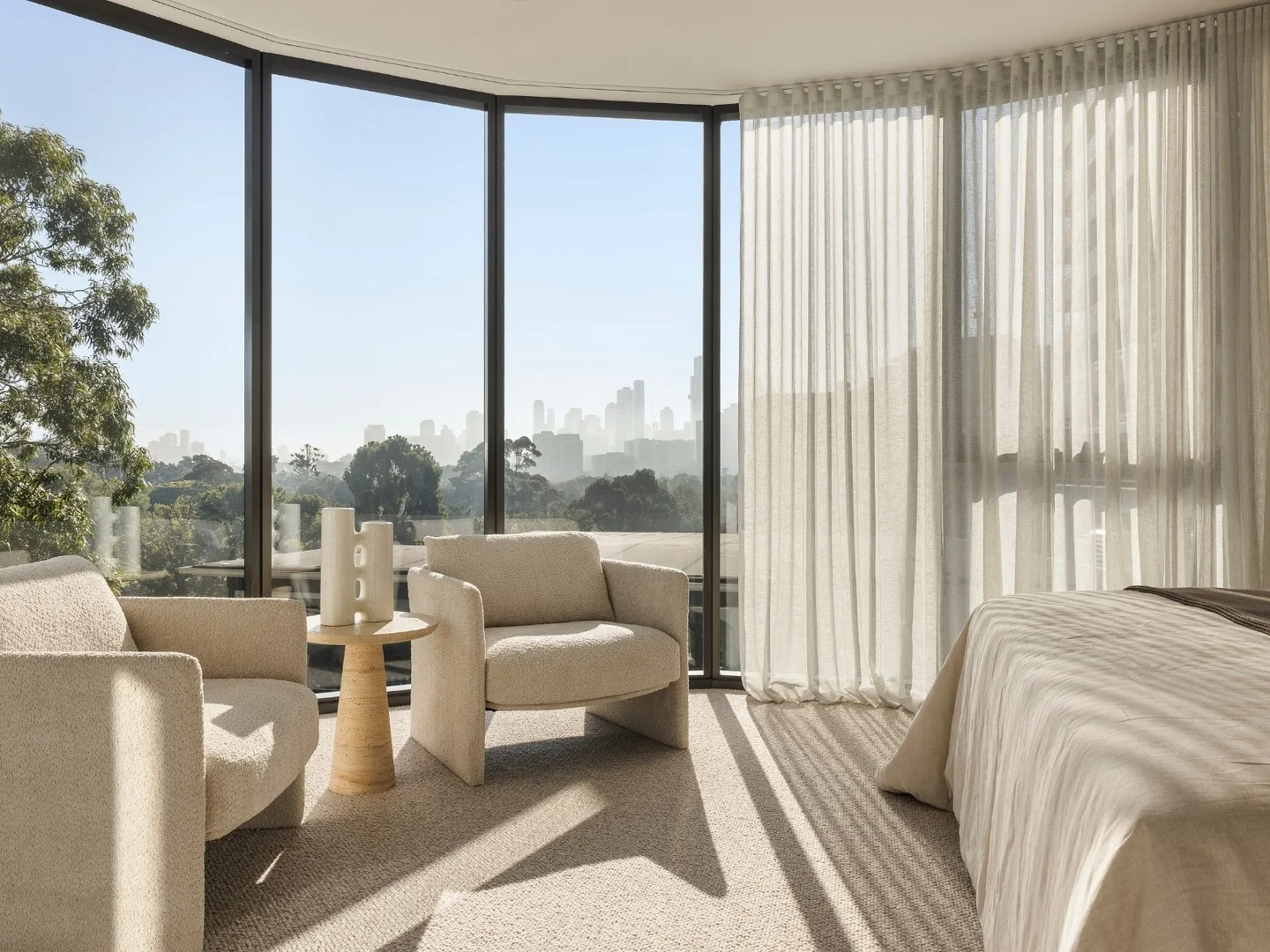 $2,750,000
Apartment / Unit / Flat
$2,750,000
Apartment / Unit / Flat
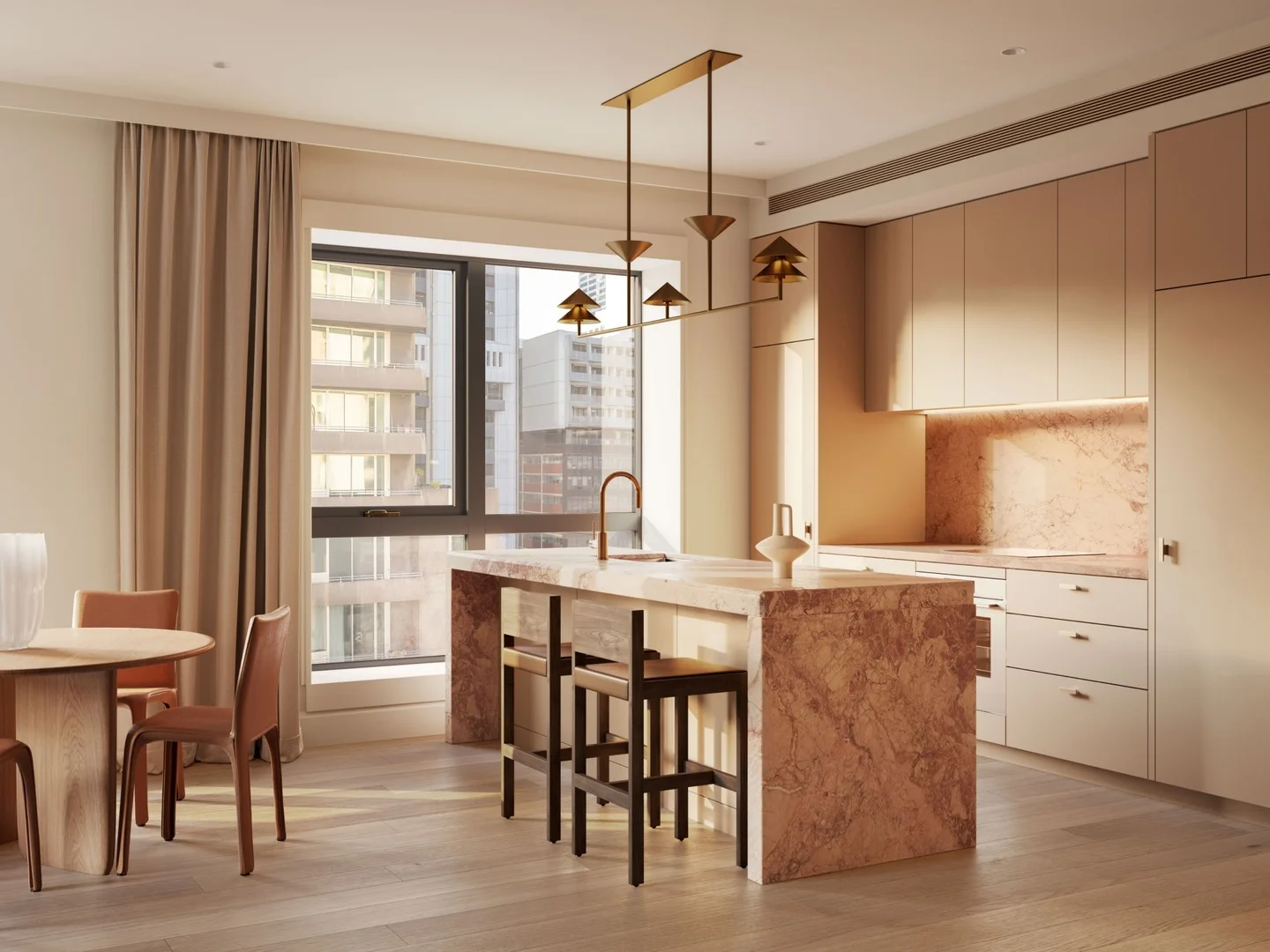 $1,760,000
propertyType.NEW APARTMENTS / OFF THE PLAN
$1,760,000
propertyType.NEW APARTMENTS / OFF THE PLAN
 $1,770,000
propertyType.NEW APARTMENTS / OFF THE PLAN
$1,770,000
propertyType.NEW APARTMENTS / OFF THE PLAN
 $820,000
propertyType.NEW APARTMENTS / OFF THE PLAN
$820,000
propertyType.NEW APARTMENTS / OFF THE PLAN
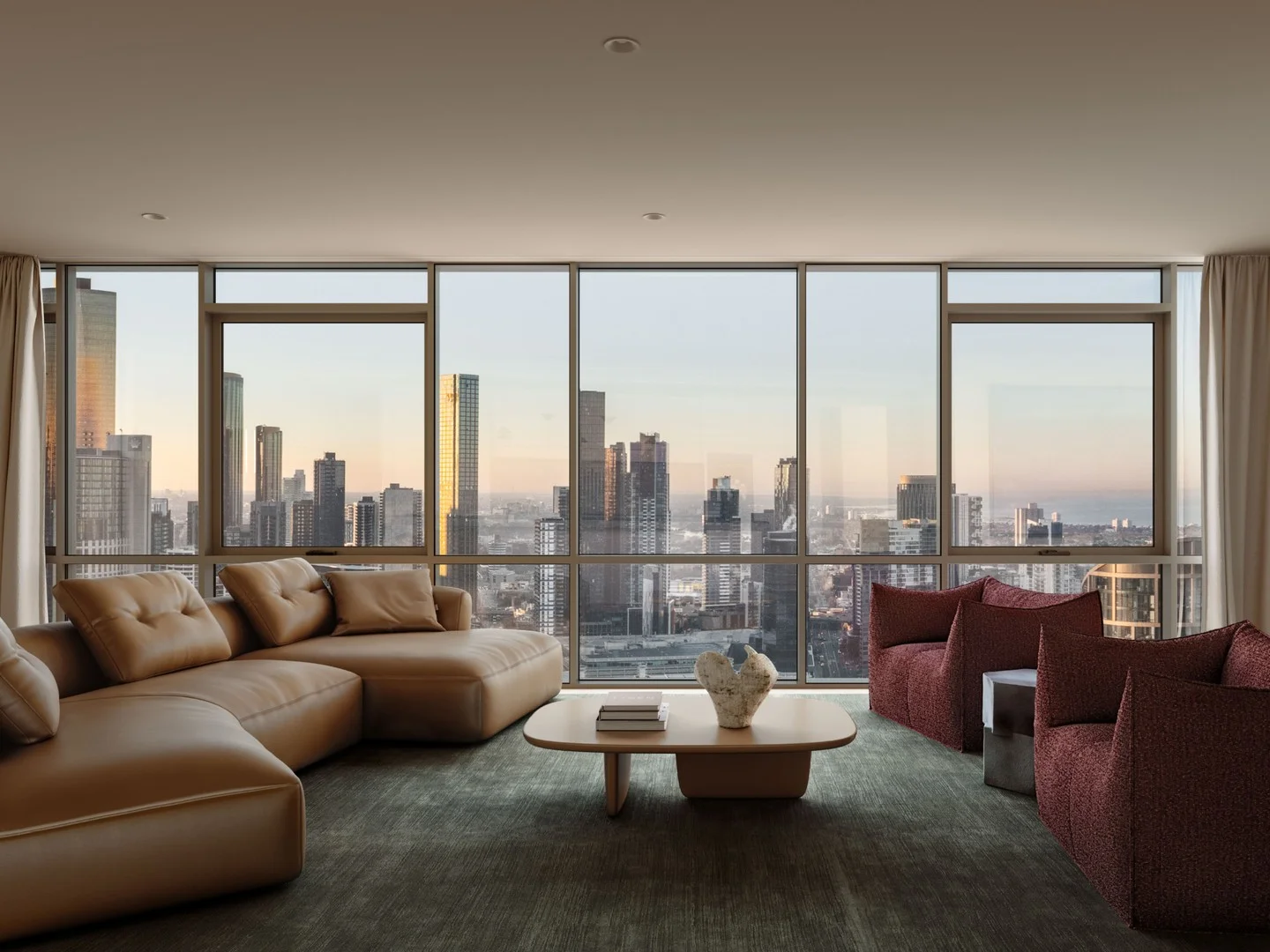 $3,700,000
propertyType.NEW APARTMENTS / OFF THE PLAN
$3,700,000
propertyType.NEW APARTMENTS / OFF THE PLAN


