## 1. Overview
Prahran High School is a public, co-educational secondary school serving Melbourne’s inner city community. The school emphasises an inclusive, broad-based education with a welcoming, supportive atmosphere that balances academic effort with student wellbeing. It is a medium-sized campus, typically enrolling a diverse student body across Years 7–12, with class sizes generally in the low- to mid-20s, enabling strong student–teacher engagement. The school culture blends academic focus with nurturing, collaborative learning and opportunities for sport, arts, and leadership.
⸻
## 2. Academics & Learning
- Academic strengths: Core strengths across English, mathematics, science, and the humanities, with a clear emphasis on STEM, languages, and creative subjects to support well-rounded learning.
- Special programs: Comprehensive VCE preparation, exposure to VET options where available, and pathways planning to support diverse post-school goals.
- NAPLAN trends: Steady, year-to-year improvements in key areas such as reading and numeracy, with continued focus on closing gaps and raising overall achievement.
- Student-teacher ratios: Generally around 1:12 to 1:16 in core classes, supporting accessible instruction and timely feedback.
- Support for diverse learners: Strong EAL support and targeted SEN/learning support programs to help students achieve their personal best.
⸻
## 3. Sports & Extracurricular Strengths
- Sports offered: Basketball, soccer/football, netball, cricket, athletics, swimming, and other team or individual sports depending on the season.
- Strong teams or achievements: Active participation in local/inter-school competitions with consistent representation across sports; opportunities to contribute to school pride through team involvement.
- Music, arts, drama programs: School ensembles and choirs, regular drama productions and music events, plus opportunities in theatre tech and performance.
- Clubs: Robotics, coding, chess, debating, and other interest-based clubs that foster teamwork and critical thinking.
- Partnerships: Connections with local clubs and regional competitions to broaden experiences beyond the classroom.
⸻
## 4. Wellbeing & Pastoral Care
- Anti-bullying approach: Clear anti-bullying policies, incident reporting, and student education to promote respectful behaviour and safe school environments.
- House system: House groups create belonging, friendly competition, and leadership opportunities for students.
- Counsellors / wellbeing officers: Access to student wellbeing staff, including school counsellors and wellbeing coordinators for academic and personal support.
- Transition support for new students: Orientation programs, buddy systems, and targeted support to help new students settle in smoothly.
⸻
## 5. Facilities
- Sports grounds: On-site spaces for football, athletics, and other sports.
- Libraries: Welcoming library with study spaces and resources.
- Science labs: Well-equipped laboratories for biology, chemistry, physics, and experiments.
- Music/performing arts centers: Facilities to support music ensembles, drama, and performance activities.
- Tech/innovation labs: Dedicated spaces for digital learning, design, and technology projects.
- Cafeteria: On-site canteen providing meals and snacks.
- Updated playgrounds: Modern student spaces and outdoor areas for recreation and socialising.
⸻
## 6. School Values & Community Culture
- School values / mission: Emphasis on respect, inclusivity, resilience, and academic curiosity as guiding principles.
- Leadership style: Distributed leadership with student voice through councils and committees; staff collaboration to support student success.
- Behaviour expectations: Clear expectations around conduct, responsibility, and respectful interactions.
- Community reputation: Known for an inclusive, supportive culture that values diversity and student welfare.
- Diversity & inclusion: Active programs and policies to welcome and support students from different backgrounds and abilities.
⸻
## 7. School Logistics & Daily Operations
- School hours: Typical school day aligns with Victorian public school schedules, with start and finish times to match the standard term calendar.
- Before/after school care: Availability of before/after school programs via on-site or partner providers.
- Uniform requirements: School uniform required, with details provided in the uniform policy.
- Transport (train/bus routes): Access via public transport options common to inner-city Melbourne suburbs; multiple bus/tram routes and nearby train stations may serve the area.
- Canteen availability: Canteen or food service available on most school days.
- Fees (low/medium/high ranges): Fees are generally low to moderate, covering essential resources and materials; some subject levies or optional costs may apply.
⸻
## 8. Enrolment & Admissions
- 11. What is the enrolment process and timeline?
Families typically apply through the school's enrolment process, with placements allocated for the start of the school year. Early application is recommended, and timelines are guided by the Victorian Department of Education and local enrolment procedures.
- 12. Is there a waiting list, and how does it work?
There can be a waiting list, particularly for out-of-area applicants. In-area (catchment) applicants generally receive priority, and wait times vary by year and available places.
- 13. Are there any entry requirements, tests, or interviews?
Most enrolments do not require entry tests; some programs or out-of-area considerations may involve brief interviews or additional information, but this varies by year and policy.
- 14. Does the school accept mid-year transfers?
Yes, mid-year transfers may be possible if places are available. Parents should contact the enrolment office, provide current transcripts or reports, and complete the standard transfer process.
⸻
## 9. Frequently Asked Questions
- Why Parents Choose This School?
A public, inclusive environment with strong academics, broad extracurriculars, supportive wellbeing and a central inner-city location.
- What type of student thrives at this school?
Students who are motivated to engage across academics, arts, sport and community activities; those who value inclusivity and supportive peer and staff networks.
- What opportunities are available for students to extend their skills (academics, sports, arts)?
Access to a robust core curriculum, VCE pathways, STEM or language options, arts and drama programs, sports teams, and various clubs and competitions.
- How does the school communicate with parents?
Regular newsletters, parent portals or apps, parent-teacher interviews, and timely notices about events and student progress.
- What is the school’s approach to teaching and learning?
Student-centred, differentiated instruction that uses technology tools and practical experiences to build understanding and skills.
- How does the school support students who need extra academic help?
Targeted interventions, tutoring and accommodation plans, EAL/SEN support, and small-group or in-class differentiation.
- What support is available for academic challenges?
Access to learning support staff, counsellors, and specialist programs to help students catch up and stay engaged.
- How does the school communicate with parents?
See above; ongoing, transparent, and proactive communications are prioritised.
- What are the class sizes and how much individual attention do students receive?
Class sizes are typically in the low-to-mid 20s, with teachers able to provide regular individual feedback and support.
- What extracurricular and sports opportunities are available?
A range of sports, music/arts programs, and clubs such as robotics, coding, chess, and debating.
- What facilities does the school offer (sports, science, arts)?
Modern sports spaces, libraries, science labs, performing arts facilities, and technology/innovation labs.
- What is the school’s approach to technology and digital learning?
Integrated digital learning across subjects with opportunities to use devices for research, collaboration, and project work.
- What transport and accessibility options are available?
Easy access to public transport options common to Melbourne’s inner suburbs, with typical accessibility features and routes.
- What are the typical school fees or additional costs?
In general, low to moderate fees with essential materials and activities sometimes requiring additional costs.
⸻
## 10. Short Pros & Cons
- Pros
- Public, inclusive environment with strong student welfare
- Medium-sized, approachable class sizes that support individual attention
- Broad academics with STEM/language emphasis and diverse electives
- Wide range of extracurriculars (sport, arts, clubs)
- Central inner-city location with good transport options
- Cons
- High demand in popular urban area can lead to wait times for out-of-area applicants
- Urban setting may mean busier campuses and busier traffic around drop-off/pick-up times
- Some costs for uniform, activities, and optional resources
- As a public school, resources and program availability can vary by year and year level
 $57+
$57+











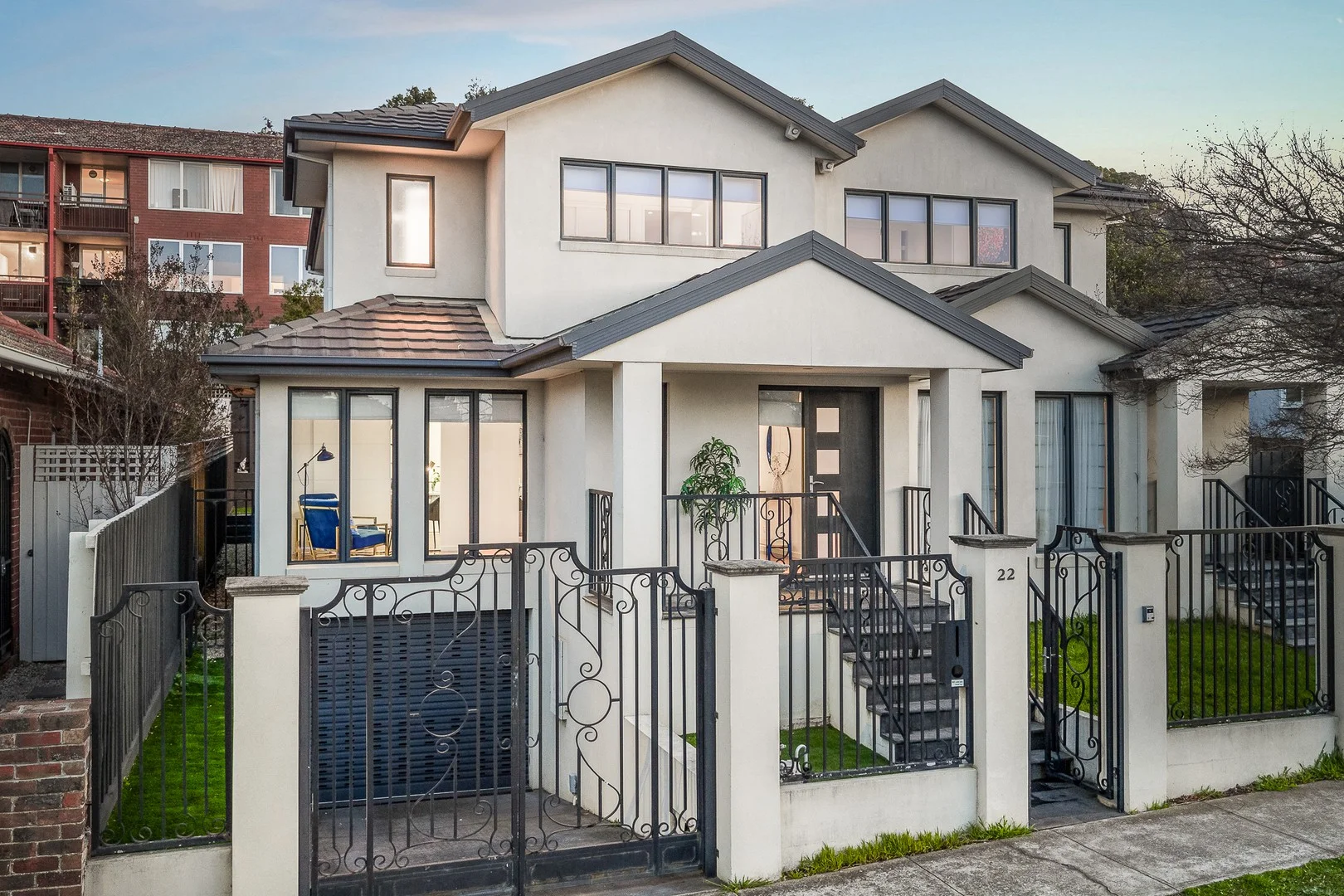 $2,100,000
Townhouse
$2,100,000
Townhouse
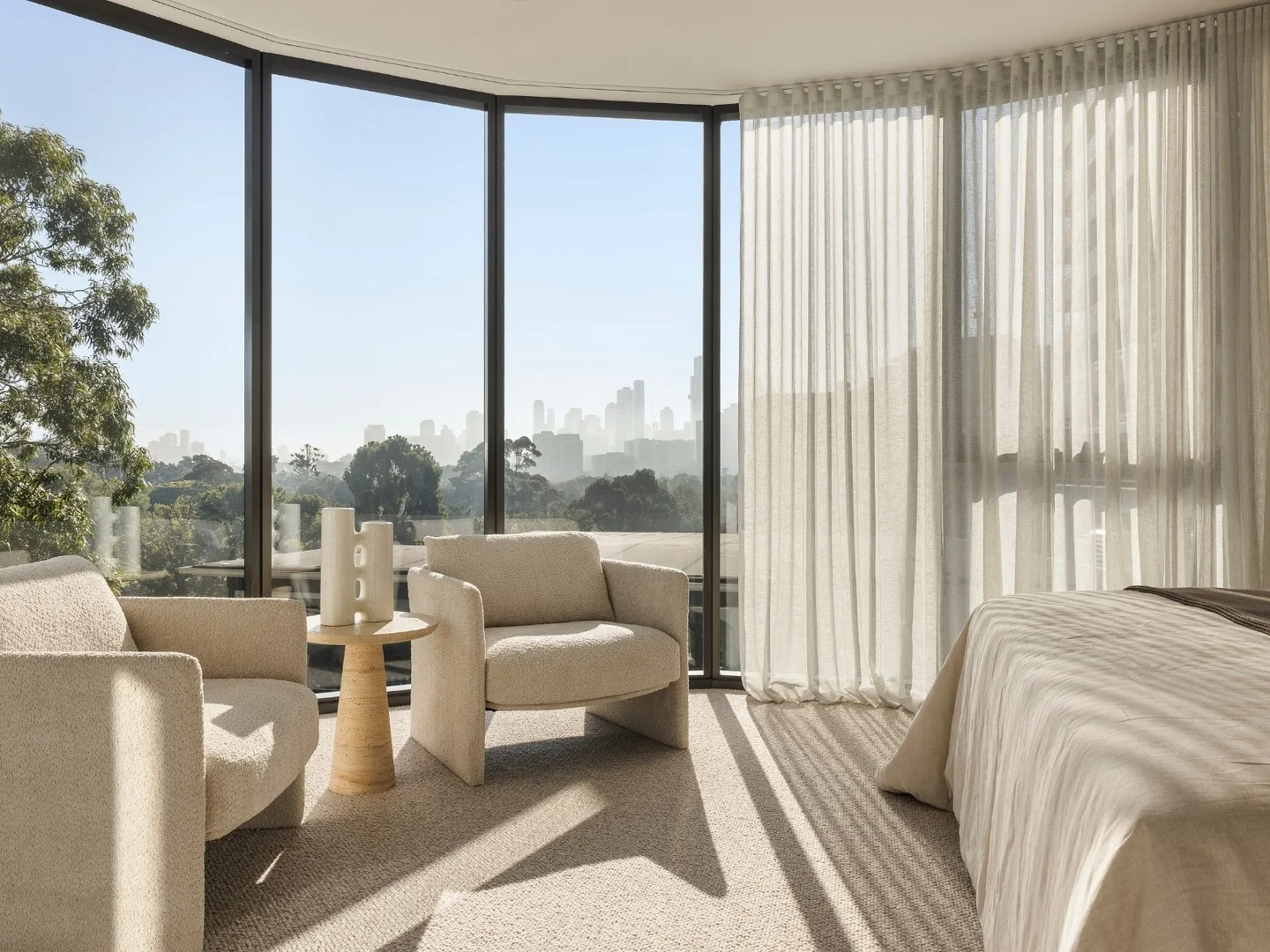 $2,750,000
Apartment / Unit / Flat
$2,750,000
Apartment / Unit / Flat
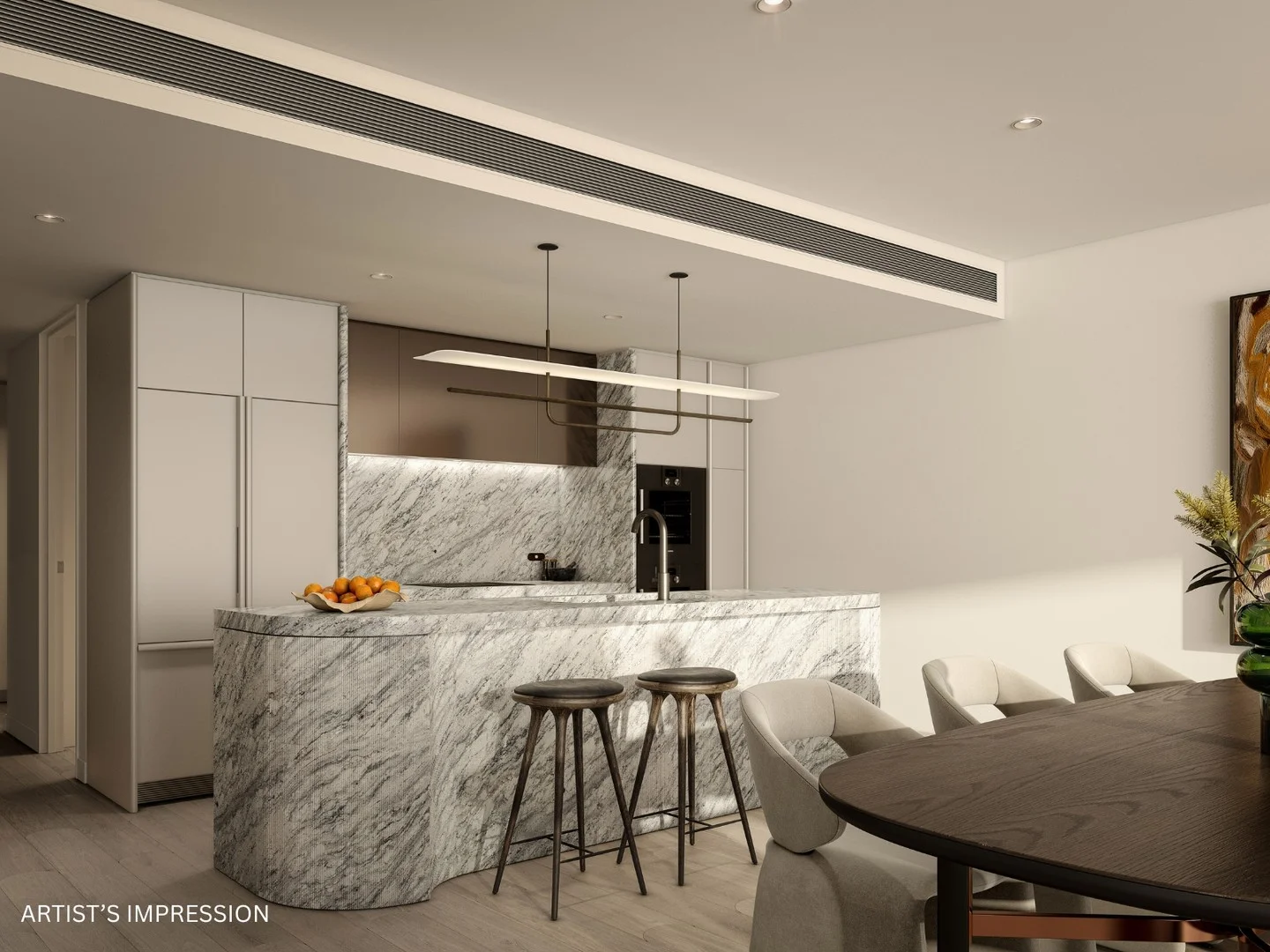 $2,900,000
Apartment / Unit / Flat
$2,900,000
Apartment / Unit / Flat
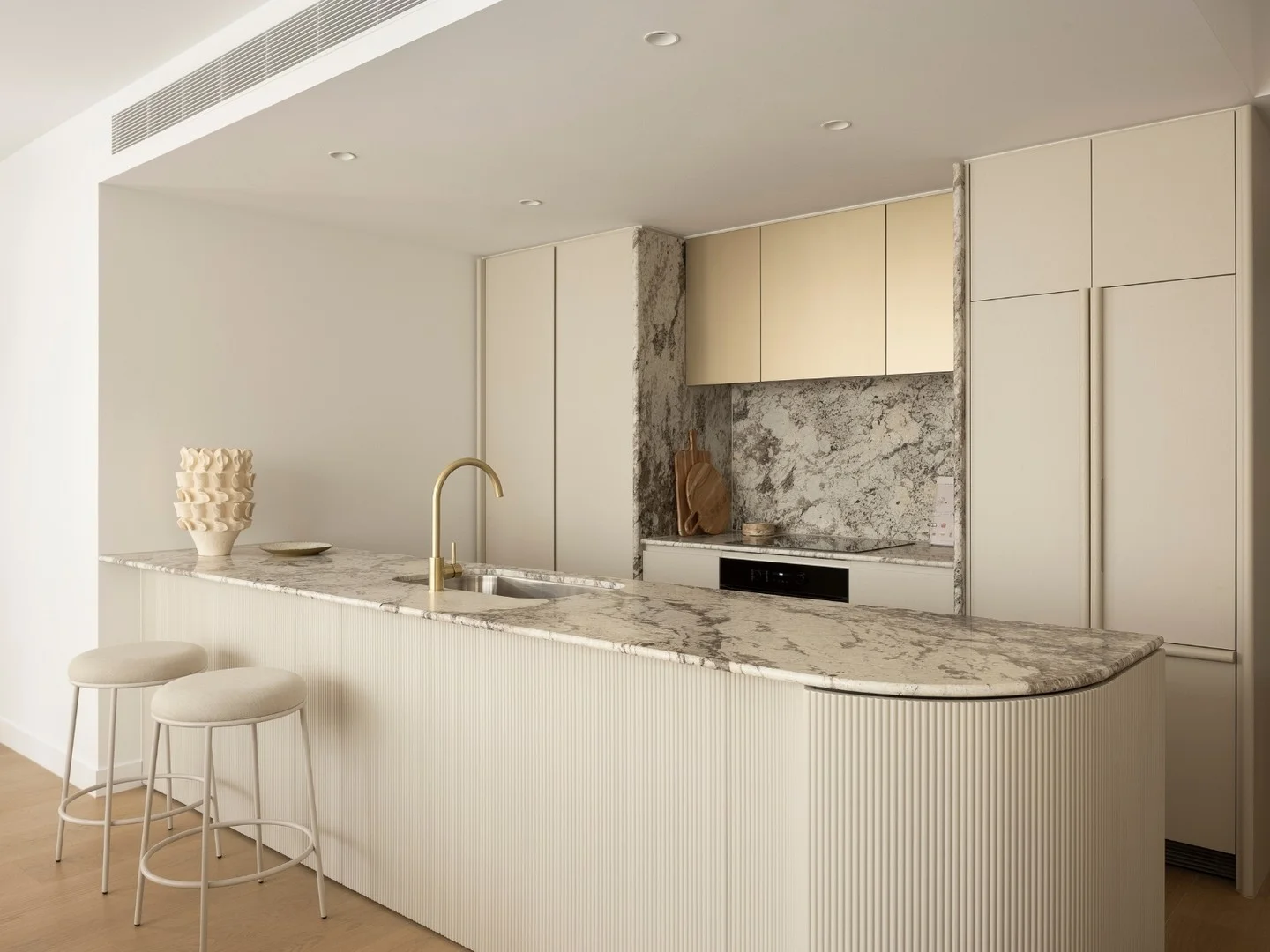 $1,345,000
Apartment / Unit / Flat
$1,345,000
Apartment / Unit / Flat
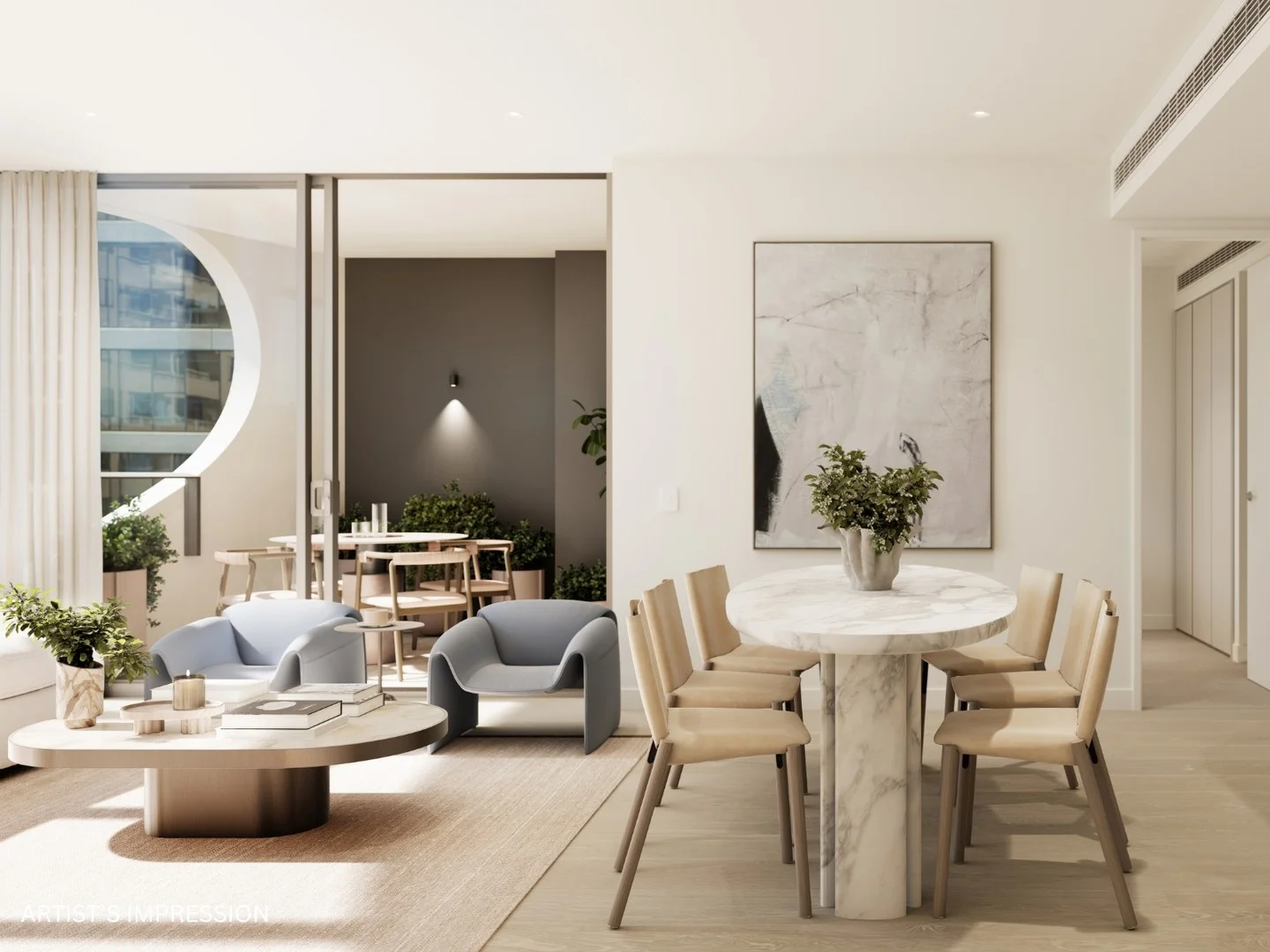 $1,640,000
Apartment / Unit / Flat
$1,640,000
Apartment / Unit / Flat
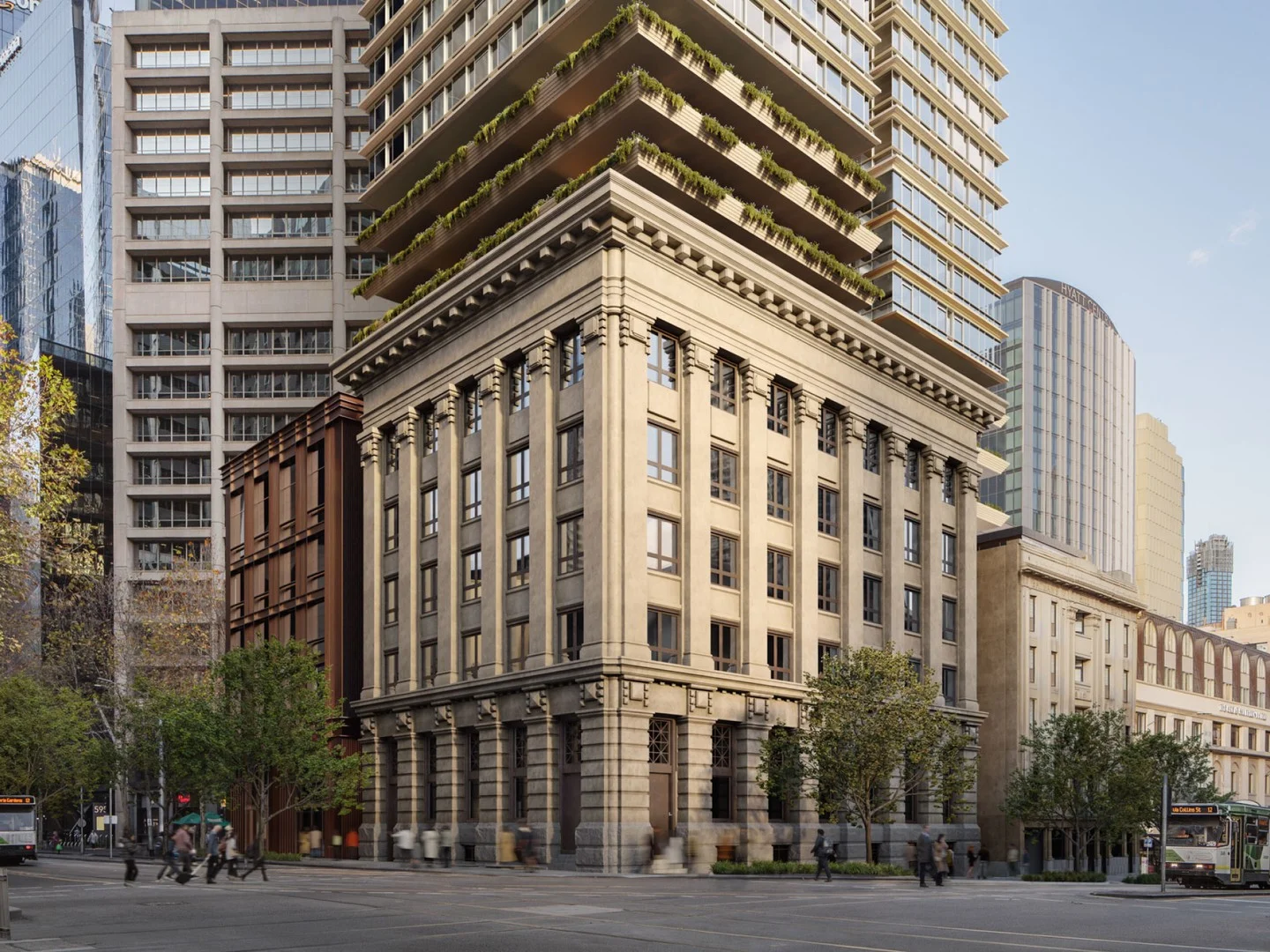 $1,770,000
propertyType.NEW APARTMENTS / OFF THE PLAN
$1,770,000
propertyType.NEW APARTMENTS / OFF THE PLAN
 $820,000
propertyType.NEW APARTMENTS / OFF THE PLAN
$820,000
propertyType.NEW APARTMENTS / OFF THE PLAN
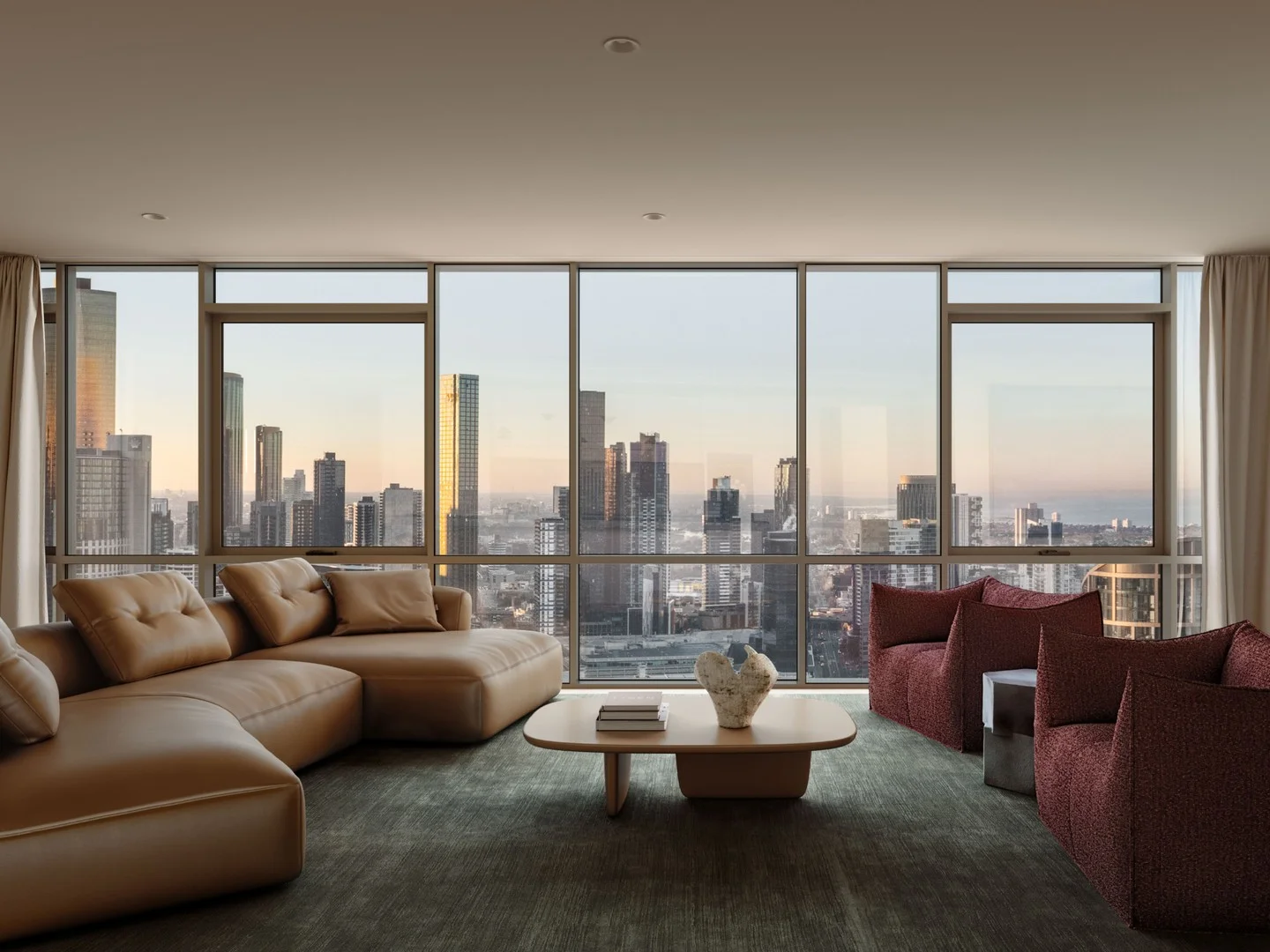 $3,700,000
propertyType.NEW APARTMENTS / OFF THE PLAN
$3,700,000
propertyType.NEW APARTMENTS / OFF THE PLAN
 $1,760,000
propertyType.NEW APARTMENTS / OFF THE PLAN
$1,760,000
propertyType.NEW APARTMENTS / OFF THE PLAN


