## 1. Overview
St Mary MacKillop Primary School is a Catholic, co-educational primary school serving families in Keilor Downs and surrounding areas. As a Catholic school, it emphasises faith formation, values-based learning, and a strong sense of community.
The school offers a medium-sized campus with classrooms designed to support personalized learning. Class sizes are typically in the low-to-mid 20s, fostering close relationships between students and teachers. The atmosphere is generally nurturing, inclusive, and focused on developing well-rounded students who contribute to their communities.
- School type: Catholic
- School size: Medium
- Class size: Approximately 20–24 students per class
- Atmosphere/culture: Nurturing, inclusive, community-focused
---
## 2. Academics & Learning
St Mary MacKillop Primary School aims to build strong literacy and numeracy foundations while offering opportunities for growth across STEM, creative arts, and leadership.
- Academic strengths: Literacy and numeracy are core priorities, with emphasis on critical thinking, inquiry-based learning, and digital literacy. English/language arts, mathematics, and religious education are integrated to support holistic development.
- Special programs: Religious education and faith formation, along with opportunities for gifted and talented pathways or accelerated learning where appropriate. Access to programs designed to support leadership and personal growth.
- NAPLAN / trends: The school tracks progress over time to monitor growth in key areas (reading, writing, numeracy) and aims for steady year-to-year improvement. Data use focuses on identifying growth opportunities rather than just scores.
- Student-teacher ratios: Typical class configurations are designed to balance instruction and individual support, with student-teacher ratios aligned to state guidelines and school policies.
- Support for diverse learners: Inclusive education with targeted supports for EAL (English as an Additional Language) learners and students with additional needs, including in-class support and tailored intervention where required.
---
## 3. Sports & Extracurricular Strengths
Extracurriculars and sport are an important part of the school experience, helping students build teamwork, resilience, and a love of learning beyond the classroom.
- Sports offered: A range of traditional and team sports, including Australian rules football, soccer, basketball, cricket, athletics, and swimming programs.
- Strong teams or achievements: Regular participation in inter-school and district competitions with opportunities for students to contribute to successful teams.
- Music, arts, drama programs: Active arts culture with opportunities such as school choir, performing arts, and school productions.
- Clubs: Robotics, coding, chess, debating, and other curiosity-driven clubs to develop problem-solving and communication skills.
- Partnerships: Collaboration with local clubs and community organizations for competitions and development opportunities, supporting pathways in sport, arts, and STEM.
---
## 4. Wellbeing & Pastoral Care
Wellbeing is a central focus to help students feel safe, supported, and ready to learn.
- Anti-bullying approach: Proactive anti-bullying strategies and programs that promote respectful relationships and inclusive behaviour.
- House system: A house structure that fosters belonging, healthy competition, and leadership opportunities.
- Counsellors / wellbeing officers: Access to school-based wellbeing staff to support social-emotional development and address student needs.
- Transition support for new students: Structured orientation and buddy programs to help new students settle in and connect with peers and staff.
---
## 5. Facilities
Facilities are designed to support a varied and engaging learning environment.
- Sports grounds: Outdoor spaces suitable for physical education and various sports.
- Libraries: A dedicated library for reading, research, and digital learning.
- Science labs: Facilities to support hands-on science and STEAM activities.
- Music/performing arts centers: Spaces for music lessons, rehearsals, and performances.
- Tech/innovation labs: Areas equipped for coding, robotics, and digital creation.
- Cafeteria: On-site canteen or meal provisions to support healthy eating.
- Updated playgrounds: Safe, well-maintained playgrounds and outdoor learning areas.
---
## 6. School Values & Community Culture
The school's culture reflects its Catholic identity and commitment to a respectful, inclusive community.
- School values / mission: A clear set of values aligned with faith, service, integrity, and community.
- Leadership style: Collaborative leadership that encourages student voice, staff teamwork, and family involvement.
- Behaviour expectations: Clear expectations around respect, responsibility, and compassion in daily life.
- Community reputation: A supportive, family-friendly atmosphere with active engagement from parents and carers.
- Diversity & inclusion: Commitment to welcoming diverse backgrounds and abilities, with steps to ensure every student can participate and thrive.
---
## 7. School Logistics & Daily Operations
Practical information to help families plan around school life.
- School hours: Typical start and finish times for the primary years, with consistency across year levels.
- Before/after school care: Availability of supervision or care programs outside regular hours.
- Uniform requirements: School uniform policy with details on daily wear and any seasonal adjustments.
- Transport (train/bus routes): Information on walking routes, bus services, and public transport options where applicable.
- Canteen availability: Access to a canteen or lunch program, including meal options and price ranges.
- Fees (low/medium/high ranges): General overview of annual tuition or levies, with clarification that exact figures vary by year level and family circumstances.
---
## 8. Enrolment & Admissions
11. What is the enrolment process and timeline?
- Parents typically complete an enrolment application, submit required documents, and participate in any school-specific transition activities. Prep intake periods often have a defined timeline, with timelines varying by year and year level.
12. Is there a waiting list, and how does it work?
- Waiting lists are common for popular intake periods. The process usually involves placing the family on a list, with priority given based on factors such as siblings, parish affiliation, and space availability. Timelines depend on enrolment capacity.
13. Are there any entry requirements, tests, or interviews?
- Some schools include informal or formal assessments, interviews, or information sessions as part of the process to understand the student’s needs and fit with the school environment. For Catholic schools, a faith formation or profile discussion may also be part of the process.
14. Does the school accept mid-year transfers?
- Mid-year transfers are sometimes possible if there is space and alignment with the school’s programs. Availability varies by term and year level, so it’s best to confirm with the school directly.
---
## 9. Frequently Asked Questions
- Why Parents Choose This School?
- A values-based Catholic education that emphasises faith, community, and holistic development within a supportive environment.
- What type of student thrives at this school?
- Students who respond well to a nurturing, inclusive community, with interest in academics, sport, arts, and service.
- What opportunities are available for students to extend their skills (academics, sports, arts)?
- A mix of strong literacy and numeracy programs, STEM and digital learning, arts and music programs, and competitive sports, plus clubs like robotics, coding, and debating.
- How does the school communicate with parents?
- Regular updates through newsletters, emails, parent-teacher conferences, and digital platforms to share learning progress and events.
- What is the school’s approach to teaching and learning?
- A student-centred, inquiry-based approach that supports collaboration, critical thinking, and faith-informed reflection.
- How does the school support students who need extra academic help?
- In-class supports, targeted interventions, EAL and SEN programs, and access to wellbeing staff as part of a holistic approach.
- What support is available for academic challenges?
- Early identification, personalised learning plans, and targeted coaching or small-group instruction where needed.
- How does the school communicate with parents? (Repeated)
- See above: newsletters, meetings, and digital platforms for ongoing dialogue.
- What are the class sizes and how much individual attention do students receive?
- Class sizes are designed to balance personalized instruction with collaborative learning, typically in the low-to-mid 20s, with teacher-led and small-group support as needed.
- What extracurricular and sports opportunities are available?
- A wide range of sports, performing arts, and clubs (robotics, coding, chess, debating) plus inter-school and district competitions.
- What facilities does the school offer (sports, science, arts)?
- Sports grounds, libraries, science labs, music/performing arts spaces, technology/innovation labs, and a canteen.
- What is the school’s approach to technology and digital learning?
- Emphasis on digital literacy, coding, and safe technology use integrated across the curriculum.
- What transport and accessibility options are available?
- Information on local transport arrangements, bus routes, and safe access for students.
- What are the typical school fees or additional costs?
- Fees vary by year level and family circumstances; the school provides a breakdown of tuition, levies, and any additional costs.
---
## 10. Short Pros & Cons list
- Pros
- Strong values-based education in a Catholic environment
- Supportive, inclusive community with a focus on well-being
- Balanced emphasis on academics, sport, arts, and leadership
- Range of extracurricular clubs and partnerships
- Transparent communication and active parent involvement
- Cons
- Enrolment may be competitive in popular intake periods
- Class sizes, while manageable, may be larger than some private or independent schools
- Catholic schools may have fixed schedules aligned with parish activities and religious education components
- Fees and levies are a consideration for some families, as with most non-government schools
If you’d like, I can tailor the content with more precise details once you provide official figures or allow me to reference the school’s published materials.
 Free
Free












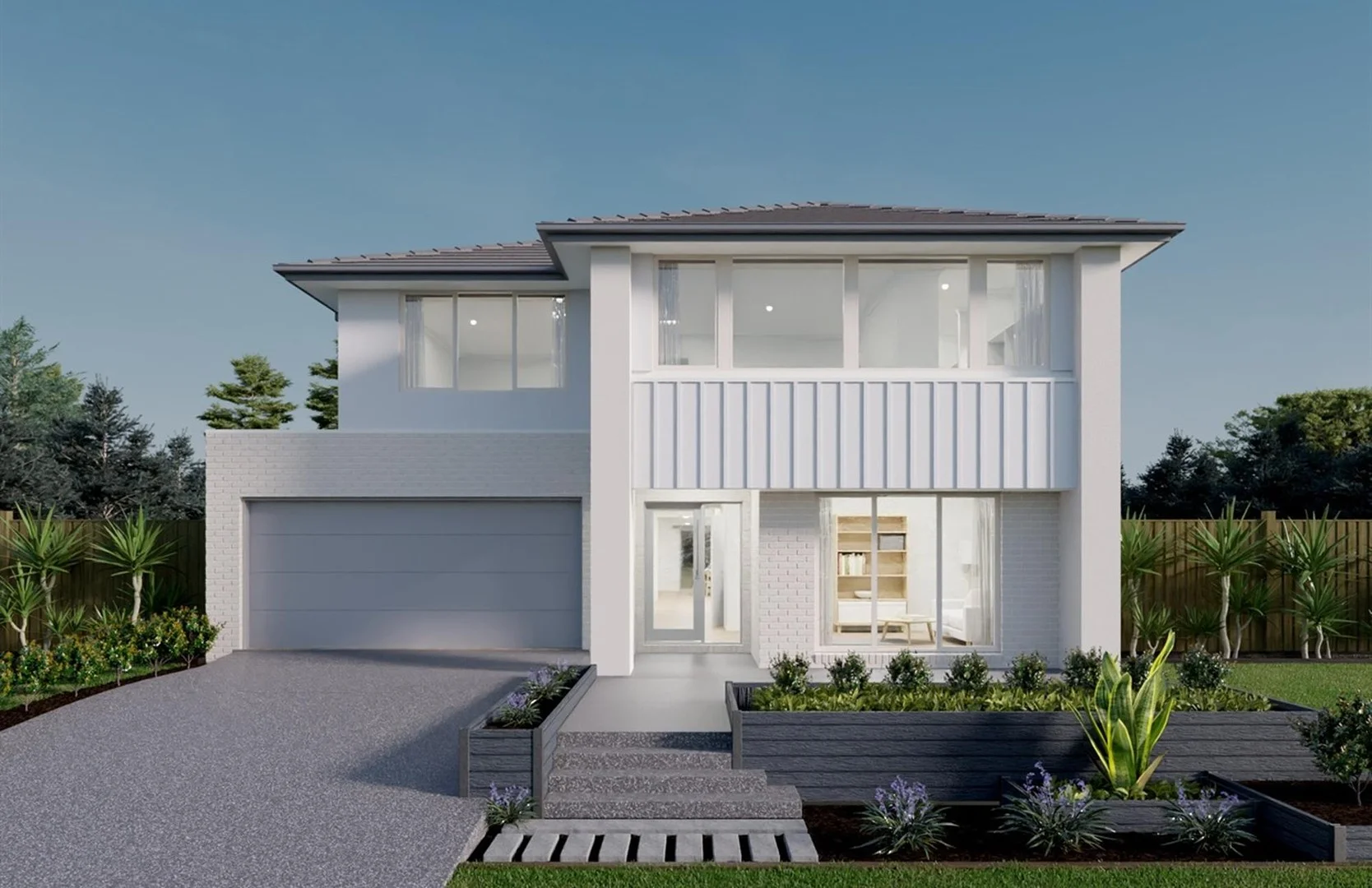 $980,500
propertyType.NEW HOUSE & LAND
$980,500
propertyType.NEW HOUSE & LAND
 $866,400
propertyType.NEW HOUSE & LAND
$866,400
propertyType.NEW HOUSE & LAND
 $1,019,100
propertyType.NEW HOUSE & LAND
$1,019,100
propertyType.NEW HOUSE & LAND
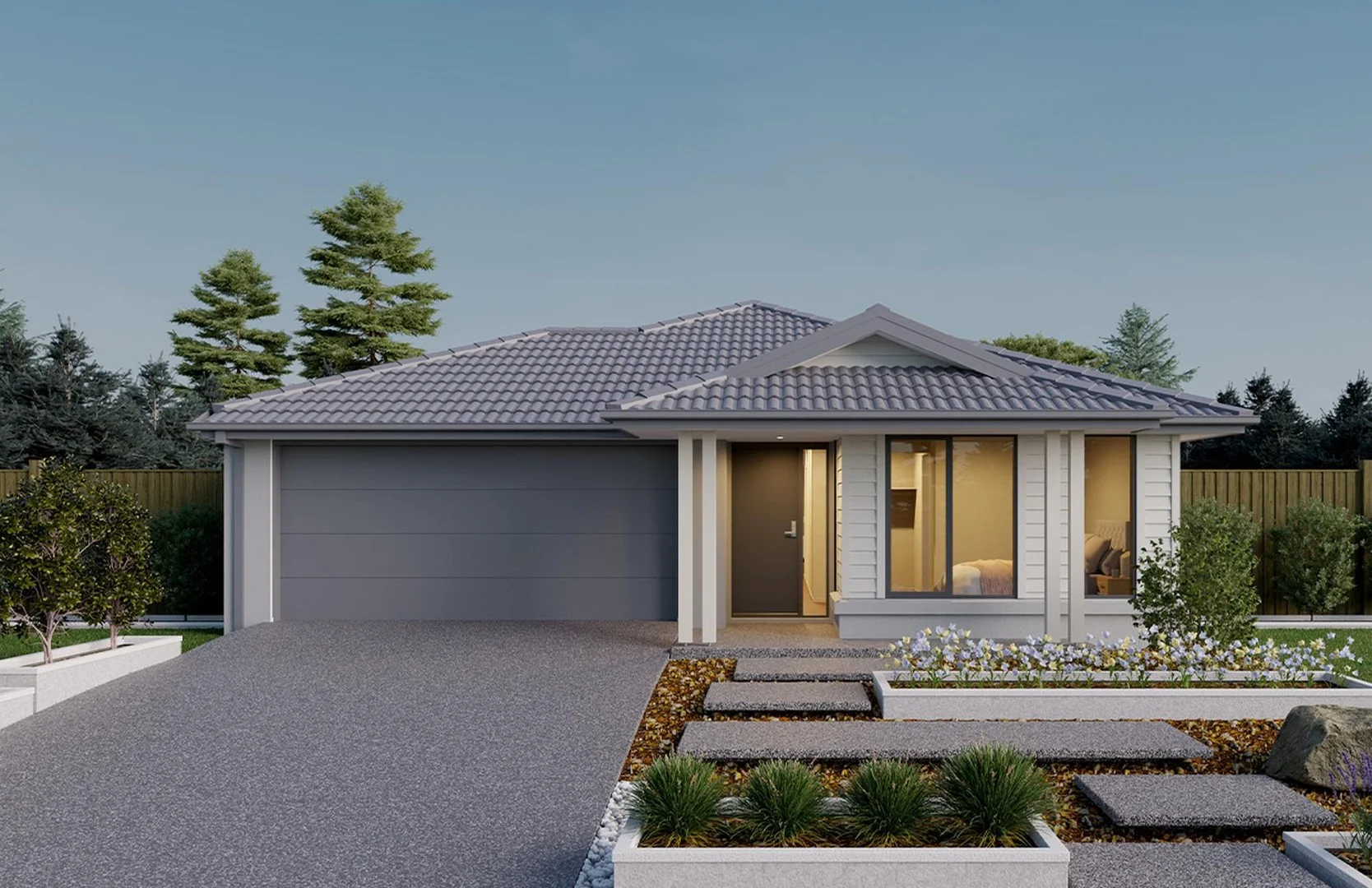 $688,800
propertyType.NEW HOUSE & LAND
$688,800
propertyType.NEW HOUSE & LAND
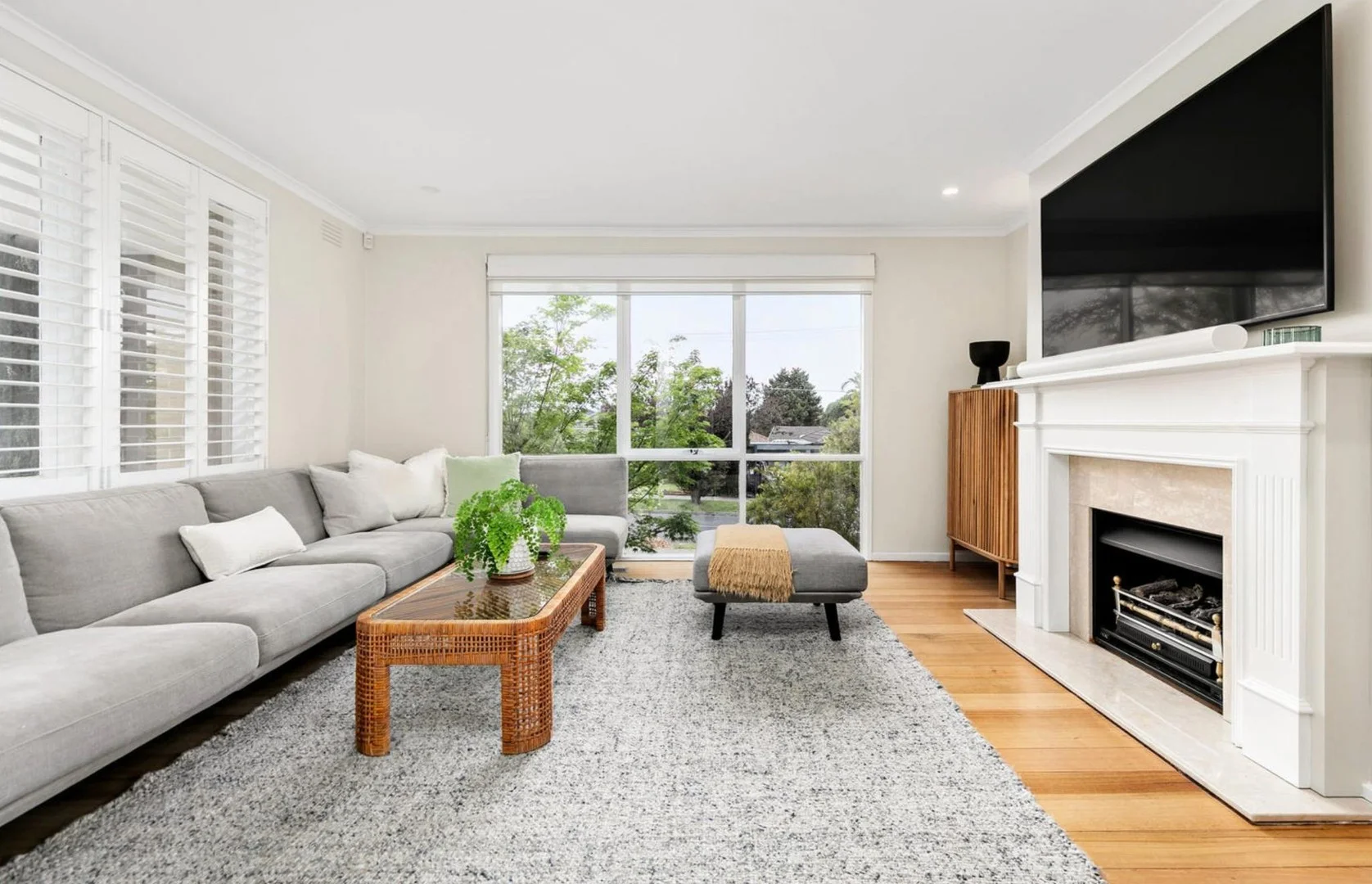 $750
House
$750
House
 $730,500
propertyType.NEW HOUSE & LAND
$730,500
propertyType.NEW HOUSE & LAND
 $870,800
propertyType.NEW HOUSE & LAND
$870,800
propertyType.NEW HOUSE & LAND
 $918,000
propertyType.NEW HOUSE & LAND
$918,000
propertyType.NEW HOUSE & LAND
 $739,100
propertyType.NEW HOUSE & LAND
$739,100
propertyType.NEW HOUSE & LAND


