## 1. Overview
St Augustine’s Primary School, Keilor (Catholic) is a faith-based community-focused school designed to nurture students academically, socially and spiritually. The school emphasises values-driven learning within a supportive, inclusive environment that welcomes families from the local area.
- School type: Catholic primary school
- School size: Small to medium
- Class size: Typically around 20–25 students per class
- Atmosphere/culture: Nurturing, inclusive, faith-centered, community-focused
⸻
## 2. Academics & Learning
St Augustine’s aims to build solid literacy and numeracy foundations while integrating faith-informed learning across the curriculum. The school typically supports holistic development through a combination of classroom best-practice and value-driven education.
- Academic strengths: English and literacy, numeracy, science, and inquiry-based learning; leadership opportunities and a focus on developing critical thinking and communication
- Special programs: Religious education and faith formation are central; schools often offer targeted extension or enrichment opportunities and technology-integrated learning
- NAPLAN trends: In general, schools report year-to-year progress and trends in reading, writing, and numeracy; specific trends depend on cohort and year
- Student-teacher ratios: Common primary-school ranges; often around 1:12 to 1:22 depending on year level and staffing
- Support for diverse learners: EAL (English as an Additional Language) support and SEN (special educational needs) programs are typically available, with additional learning support as needed
⸻
## 3. Sports & Extracurricular Strengths
Active participation in sports and a broad range of extracurricular activities are common features. This supports physical development, teamwork and school spirit.
- Sports offered: Soccer, AFL-inspired football, cricket, netball, basketball, athletics; opportunities to participate in inter-school events
- Strong teams or achievements: Participation in local inter-school competitions and district-level teams is typical
- Music, arts, drama programs: School choirs or bands, performing arts opportunities, school productions and general arts programs
- Clubs: Robotics, chess, coding, debating, and other interest-based clubs are commonly available
- Partnerships: Local community clubs, sporting associations and inter-school competitions often provide additional pathways and events
⸻
## 4. Wellbeing & Pastoral Care
Wellbeing is a central focus to support students’ social-emotional development and safe, respectful learning.
- Anti-bullying approach: Clear policies, restorative practices and wellbeing lessons are standard components
- House system: A house structure is often used to foster belonging, teamwork and healthy competition
- Counsellors / wellbeing officers: On-site or visiting staff may provide counselling and wellbeing support
- Transition support for new students: Orientation programs, buddy systems and transition planning help new students settle in
⸻
## 5. Facilities
Facilities are a key consideration for many families, and schools typically showcase a mix of spaces that support learning and student life.
- Sports grounds
- Libraries
- Science labs
- Music/performing arts centers
- Tech/innovation labs
- Cafeteria
- Updated playgrounds
⸻
## 6. School Values & Community Culture
Community culture and shared values help shape the student experience and the school’s reputation.
- School values / mission: Catholic faith, service, respect, responsibility and community spirit guide daily life and learning
- Leadership style: Collaborative and value-driven, with opportunities for student voice and leadership
- Behaviour expectations: Clear codes of conduct emphasizing respect, safety and inclusion
- Community reputation: Generally viewed as a family-oriented, faith-based school with active parental involvement
- Diversity & inclusion: Focus on creating an inclusive environment that welcomes families from diverse backgrounds and supports different learner needs
⸻
## 7. School Logistics & Daily Operations
Practical information helps families plan around school life.
- School hours: Typical school day with start around 9:00 am and finish around 3:30 pm (varies by term and year level)
- Before/after school care: Often available via OSHC or in-school arrangements
- Uniform requirements: Standard uniform with seasonal options; sport uniform for physical education or inter-school events
- Transport (train/bus routes): Access to local bus routes and proximity to public transport; car drop-off/pick-up arrangements commonly in place
- Canteen availability: On-site or school-based canteen offering lunch orders and snacks
- Fees (low/medium/high ranges): Fees and levies apply; exact costs vary by year level and activity; families should verify current fee structure with the school
⸻
## 8. Enrolment & Admissions
11. What is the enrolment process and timeline?
- Typical process involves submitting an application, providing required documents, and attending any information sessions or interviews as arranged by the school. Timelines usually begin months before the start of the school year, with notification of offers coordinated around enrolment periods.
12. Is there a waiting list, and how does it work?
- Many Catholic primary schools maintain a waiting list when capacity is reached. Priority for places is often given to siblings and families connected to the parish, with other applicants placed on a waitlist and offered positions as spaces become available.
13. Are there any entry requirements, tests, or interviews?
- Entry usually does not require standard academic tests for primary-aged students, but there may be an information session, an interview with families, and documentation review. Some schools may request a parish reference or confirmation of Catholic practice as part of the enrolment process.
14. Does the school accept mid-year transfers?
- Mid-year transfers are sometimes possible if space is available. The process typically includes completing enrolment paperwork, arranging visits or transitions, and coordinating with the school to ensure a smooth onboarding for the student.
⸻
## 9. Frequently Asked Questions
- Why Parents Choose This School?
- A values-based Catholic education, supportive staff, small class sizes, and a strong sense of community often attract families seeking a nurturing environment.
- What type of student thrives at this school?
- Students who respond well to a faith-informed, inclusive, community-driven setting; those who benefit from close teacher attention and a focus on both academics and character development.
- What opportunities are available for students to extend their skills (academics, sports, arts)?
- Extension or enrichment within core subjects, leadership and service opportunities, a broad sports program, music and performing arts, and clubs such as robotics, coding or debating.
- How does the school communicate with parents?
- Regular newsletters, parent portals or apps, email updates, parent-teacher interviews, and open days or information sessions.
- What is the school’s approach to teaching and learning?
- A holistic, student-centered approach with a mix of explicit instruction, inquiry-based learning, differentiation for diverse learners, and strong emphasis on values and faith integration.
- How does the school support students who need extra academic help?
- Access to learning support staff, targeted interventions, EAL or SEN programs, and appropriate referrals or partnerships with specialists as required.
- What support is available for academic challenges?
- Individual or small-group support, catch-up programs, personalised learning plans, and ongoing monitoring of progress.
- How does the school communicate with parents?
- See above: regular updates, digital platforms, and open channels with teachers and leadership.
- What are the class sizes and how much individual attention do students receive?
- Class sizes typically around 20–25 students, with a focus on giving students opportunities for teacher feedback and support.
- What extracurricular and sports opportunities are available?
- A broad range of sports (e.g., soccer, football, netball, cricket, basketball), music and performing arts, and clubs such as robotics, coding, chess and debating.
- What facilities does the school offer (sports, science, arts)?
- Sports grounds, library, science labs, performing arts spaces, technology labs, a canteen, and modern playgrounds.
- What is the school’s approach to technology and digital learning?
- Integration of ICT across the curriculum, use of digital learning tools, and emphasis on cyber safety and responsible use of technology.
- What transport and accessibility options are available?
- Local bus routes and proximity to public transport, with car drop-off/pick-up arrangements; accessibility features where applicable.
- What are the typical school fees or additional costs?
- Fees and levies apply; there may be uniform costs, excursions, and activity charges. Exact figures vary by year level and program.
⸻
## 10. Short Pros & Cons list
- Pros
- Catholic, values-driven environment
- Supportive, community-focused culture
- Small to medium class sizes enabling more individual attention
- Broad range of extracurriculars (sports, arts, clubs)
- Opportunities for student leadership and service
- Cons
- Tuition/fees are an ongoing consideration for families
- Availability of places can be limited; waitlists may apply
- Mid-year transfer space depends on capacity and timing
- Specific programs and facilities may vary by year and campus; verify current offerings
⸻

 Free
Free












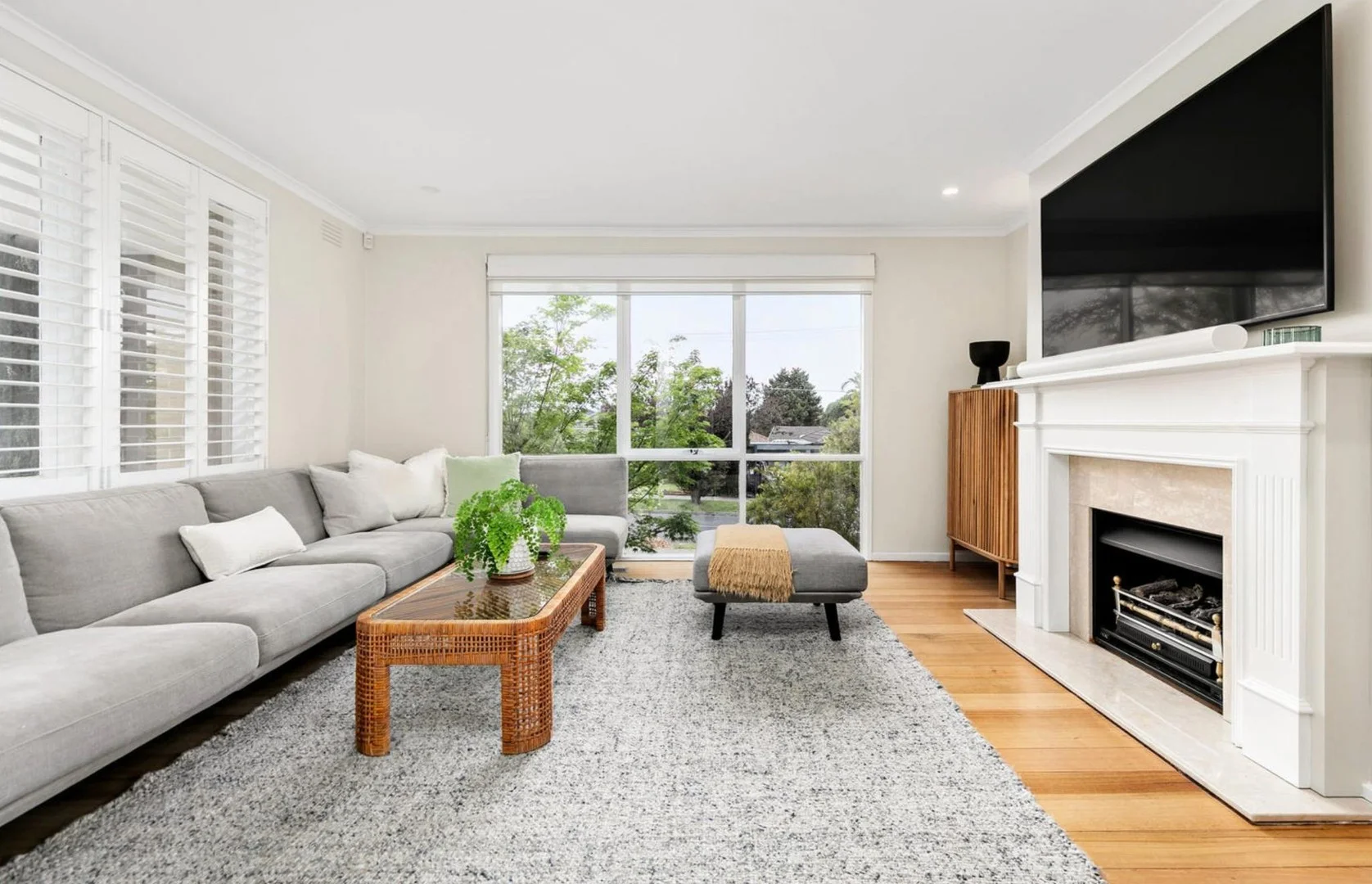 $750
House
$750
House
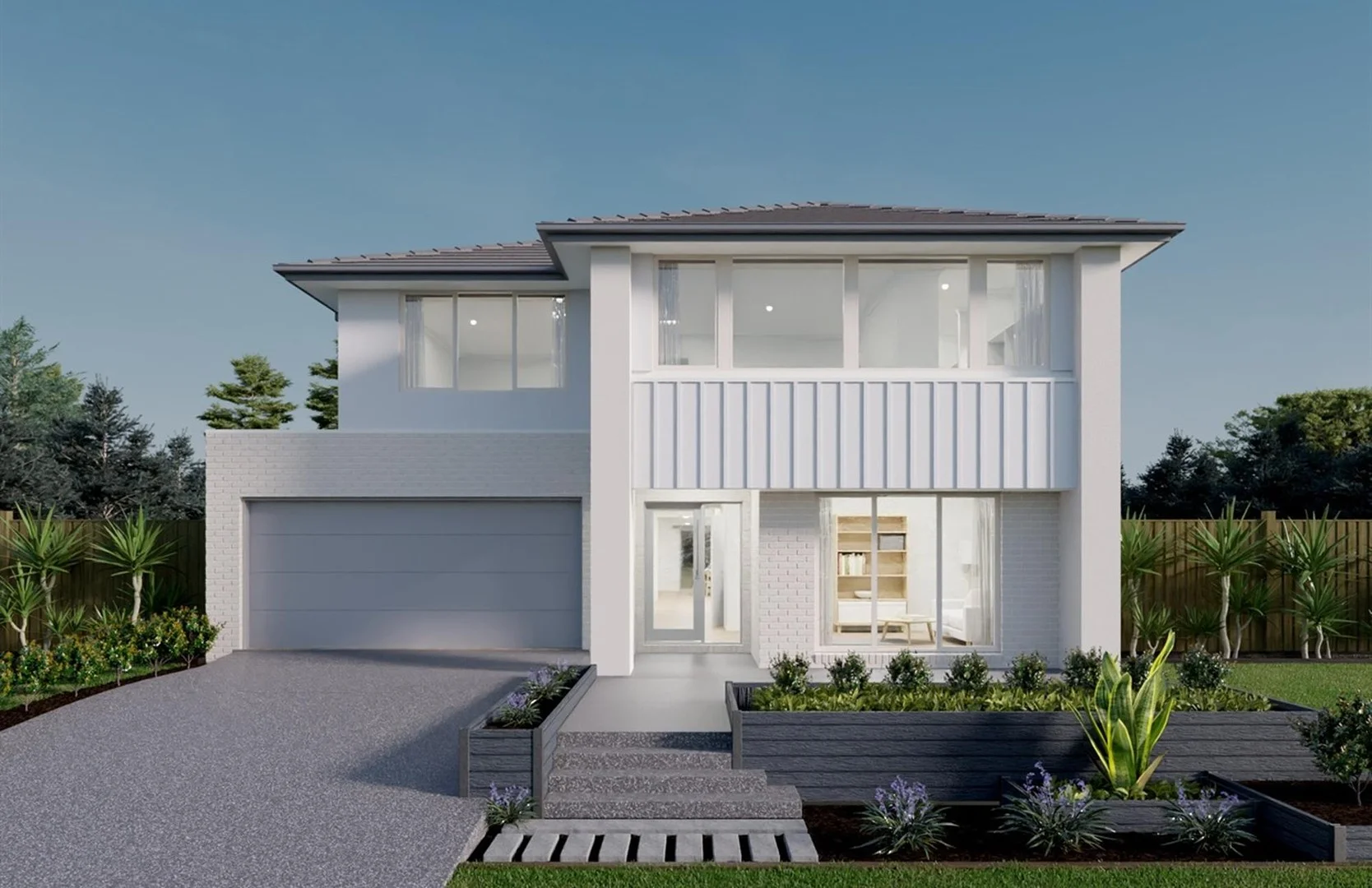 $980,500
propertyType.NEW HOUSE & LAND
$980,500
propertyType.NEW HOUSE & LAND
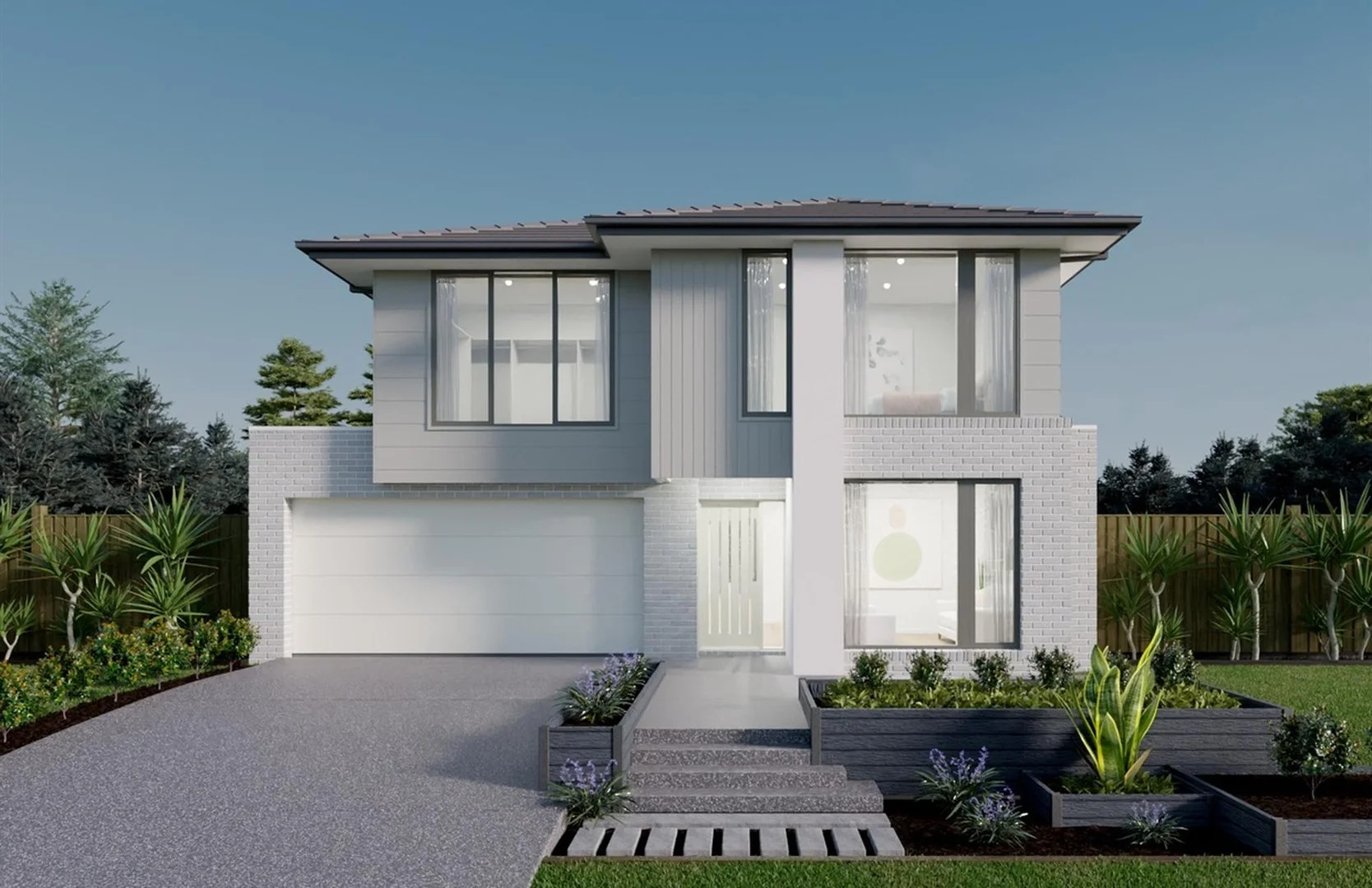 $866,400
propertyType.NEW HOUSE & LAND
$866,400
propertyType.NEW HOUSE & LAND
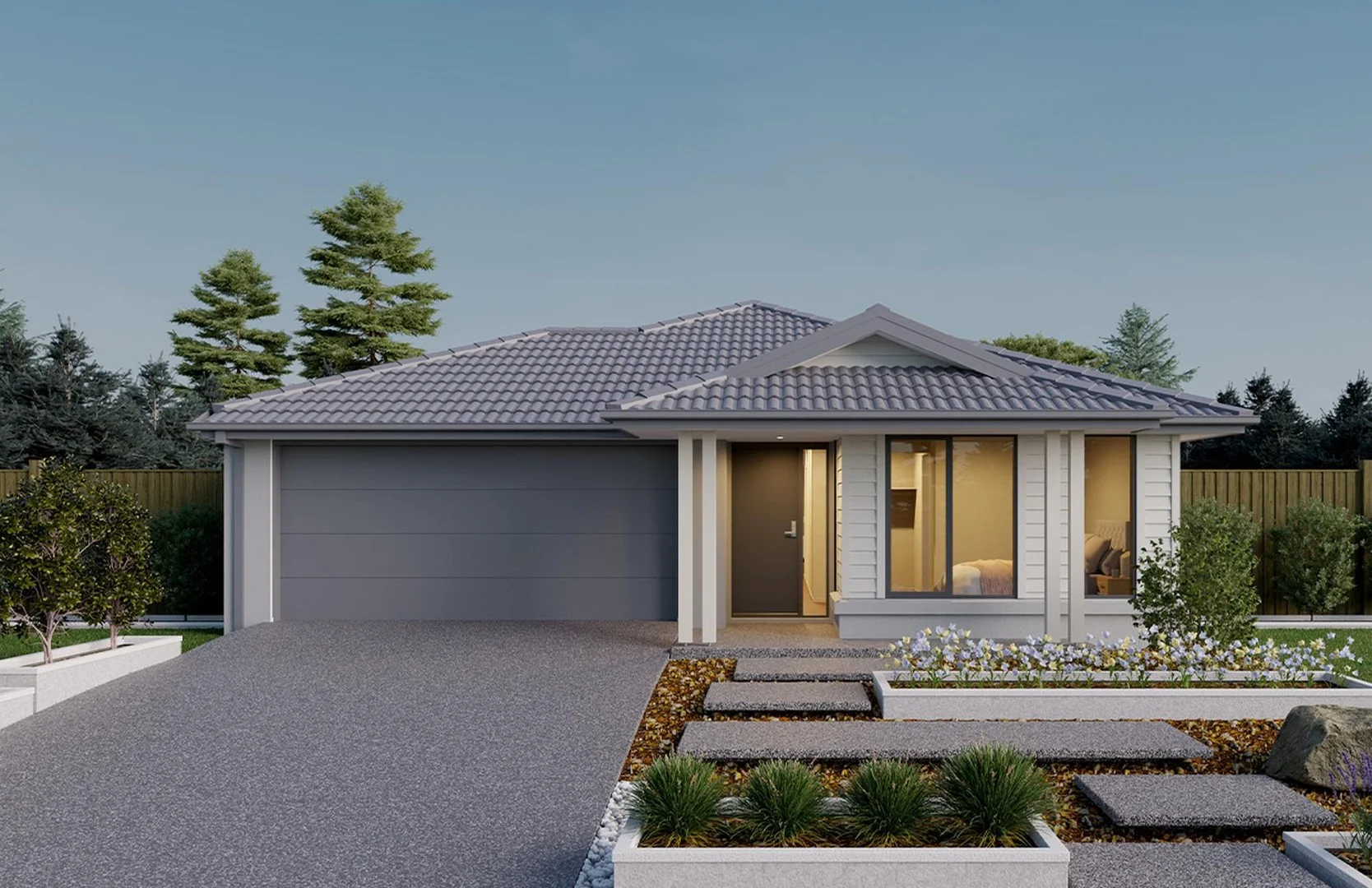 $688,800
propertyType.NEW HOUSE & LAND
$688,800
propertyType.NEW HOUSE & LAND
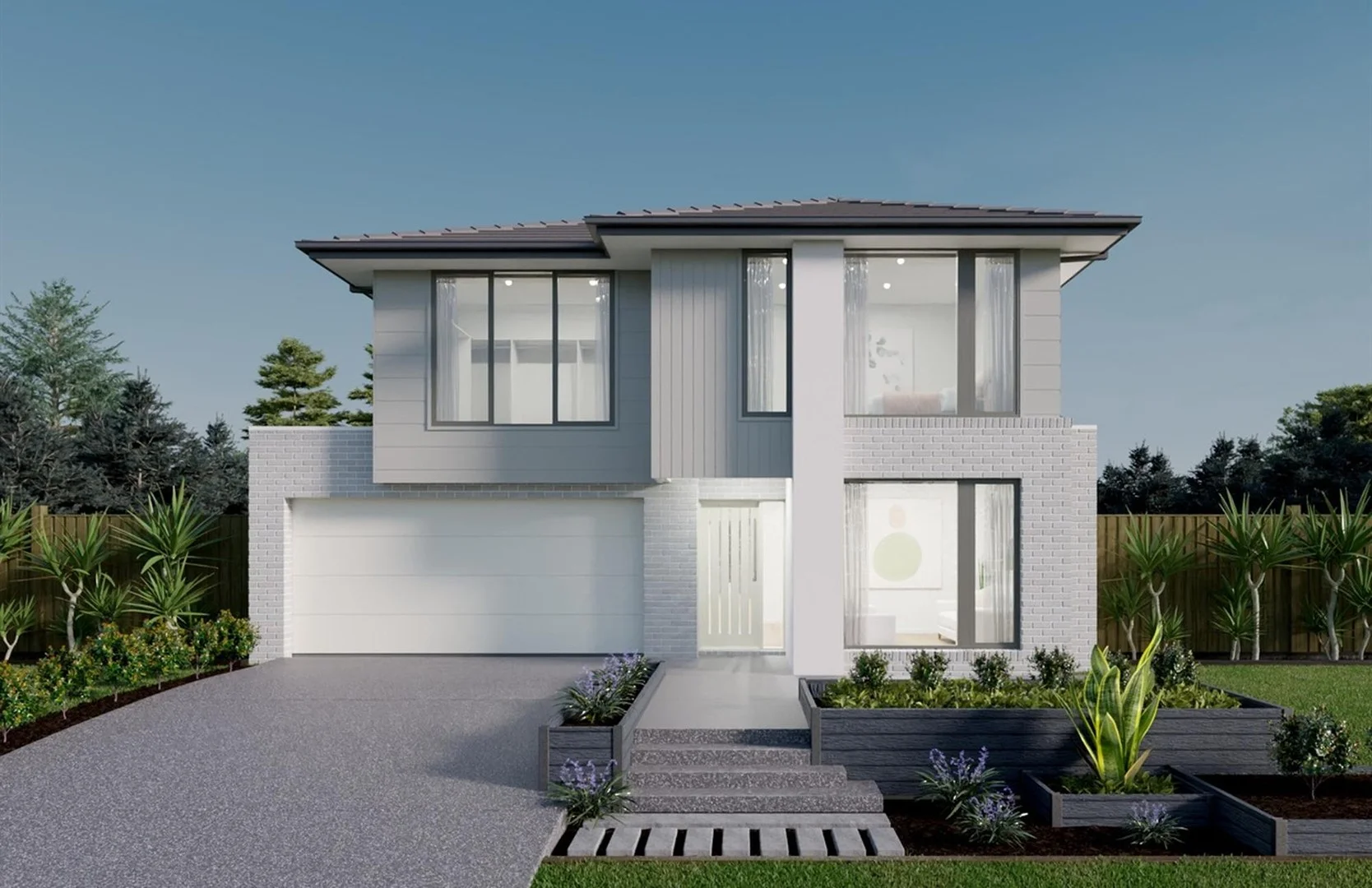 $1,019,100
propertyType.NEW HOUSE & LAND
$1,019,100
propertyType.NEW HOUSE & LAND
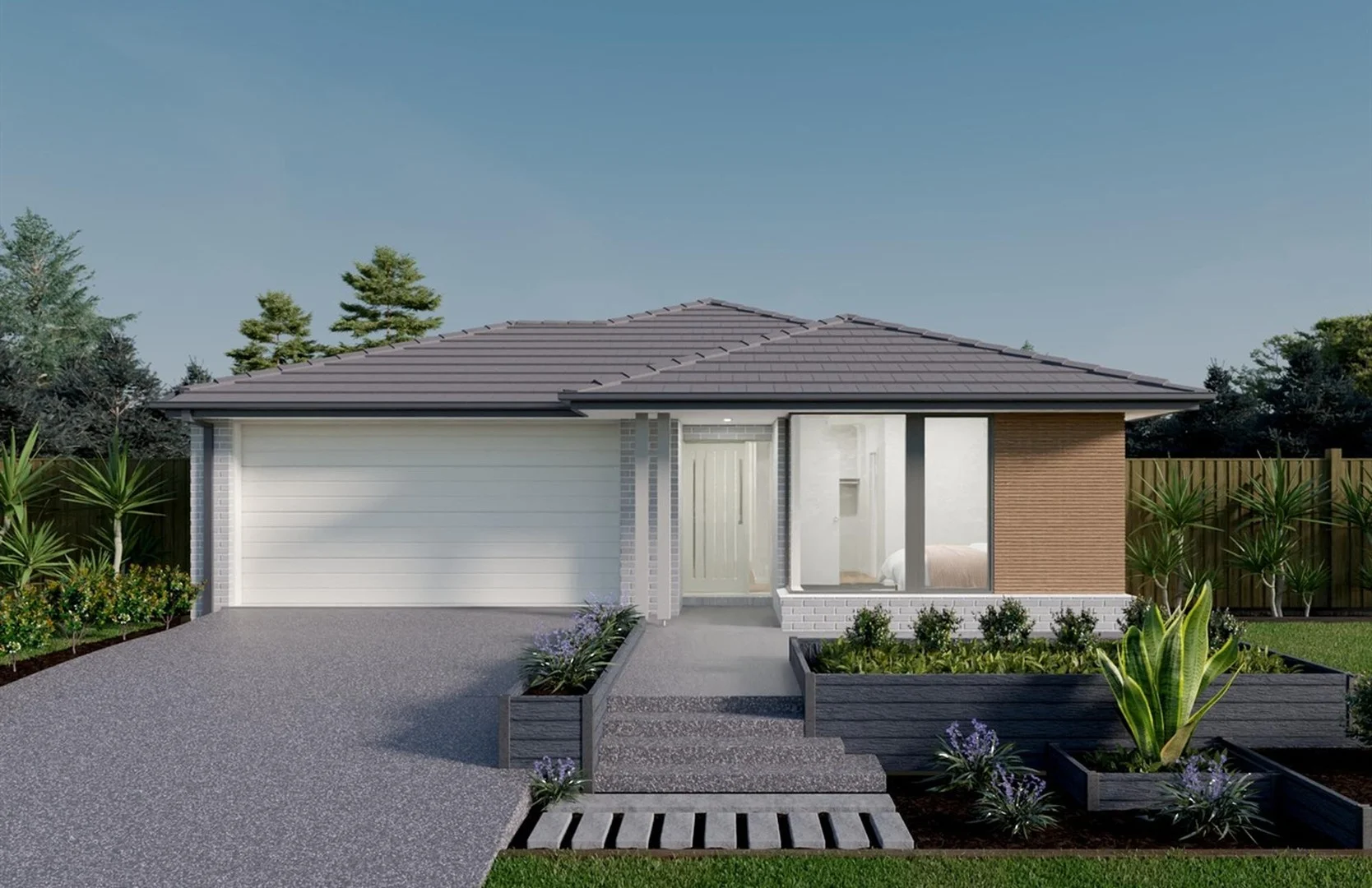 $730,500
propertyType.NEW HOUSE & LAND
$730,500
propertyType.NEW HOUSE & LAND
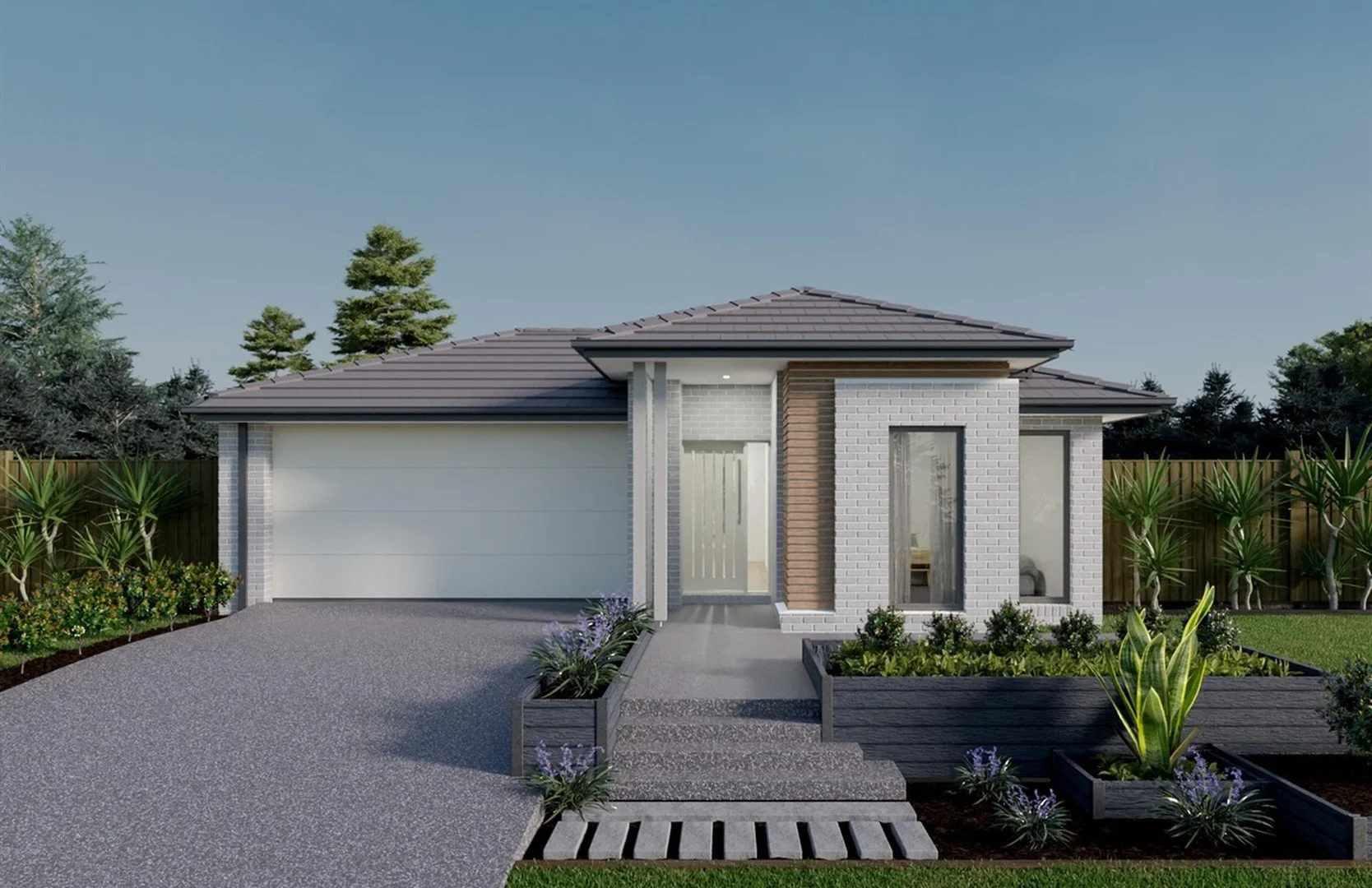 $797,600
propertyType.NEW HOUSE & LAND
$797,600
propertyType.NEW HOUSE & LAND
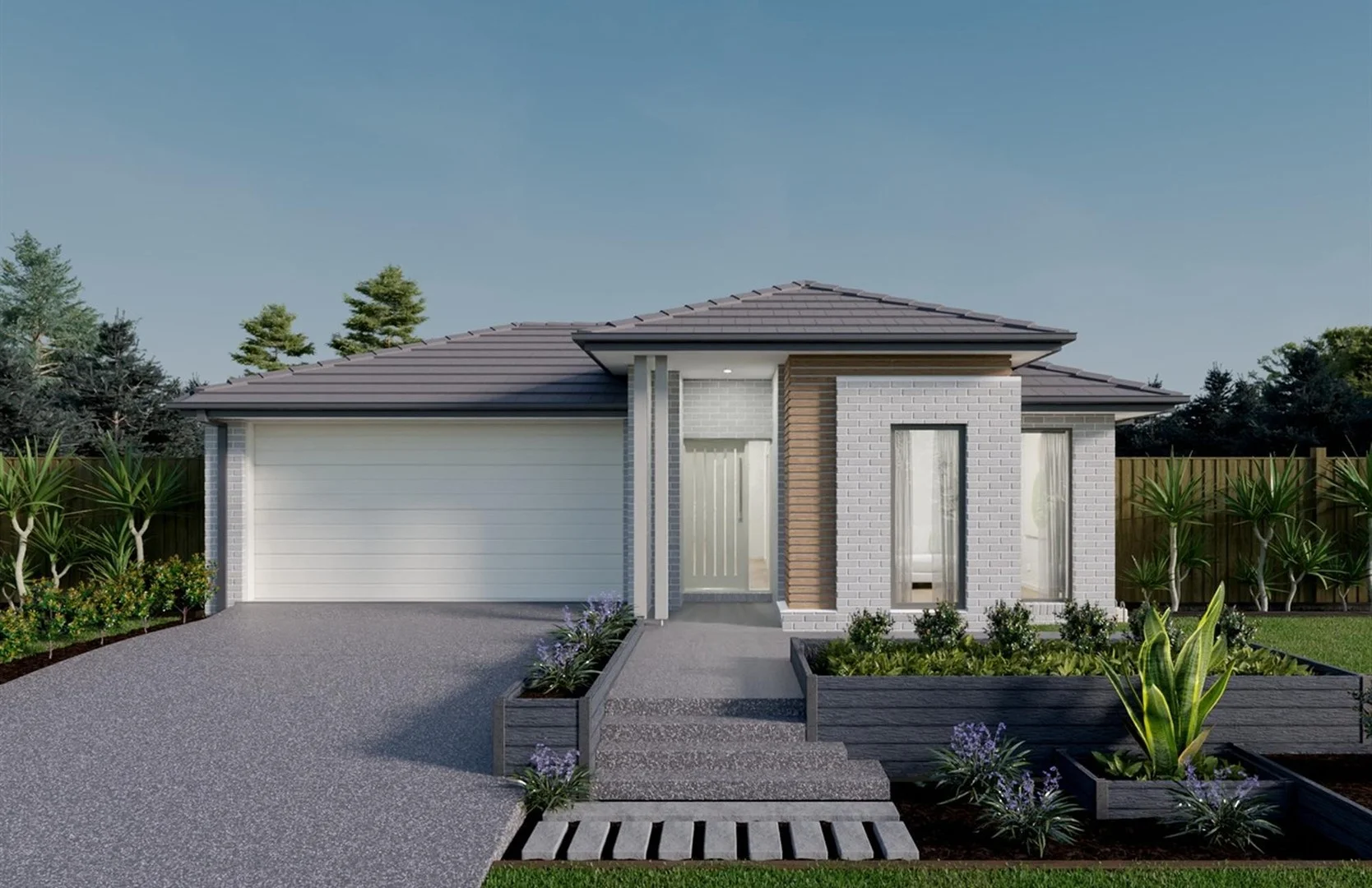 $739,100
propertyType.NEW HOUSE & LAND
$739,100
propertyType.NEW HOUSE & LAND
 $870,800
propertyType.NEW HOUSE & LAND
$870,800
propertyType.NEW HOUSE & LAND


