Overview
## 1. Overview
St Marys Catholic Primary School Ascot Vale is a Catholic, co-educational primary school in Melbourne’s inner north. It aims to provide a faith-based, values-driven education in a nurturing, inclusive environment.
- School type: Catholic
- School size: Small–medium
- Class size: Approximately 20–25 students per class
- Atmosphere/culture: Nurturing, inclusive, faith-focused, and academically-oriented
## 2. Academics & Learning
The school emphasises strong literacy and numeracy foundations, with a faith-informed approach to learning. Students engage in a broad curriculum that supports academic development alongside personal and spiritual growth.
- Academic strengths: English literacy, mathematics, Religious Education; integrated learning across STEM, humanities, and the arts
- Special programs: Catholic identity and faith formation; leadership opportunities; gifted and talented pathways; targeted support for diverse learners
- NAPLAN / trends: Public indicators show steady or improving literacy and numeracy outcomes over recent years, with a focus on continuous improvement
- Student-teacher ratios: Generally small-to-medium class sizes that support targeted instruction (typical primary ranges around 1:15–1:23)
- Support for diverse learners: EAL support and SEN/learning support available; inclusive practices and differentiation
## 3. Sports & Extracurricular Strengths
A strong emphasis on well-rounded development, with a variety of options for sport, arts, and clubs. The school participates in local inter-school activities and offers multiple opportunities to develop talents outside the classroom.
- Sports offered: Soccer, Netball, AFL, Basketball, Cricket, Athletics (with opportunities to participate in district events)
- Strong teams or achievements: Active participation in inter-school competitions; emphasis on teamwork, sportspersonship, and personal bests
- Music, arts, drama programs: Vocal and instrumental music opportunities; drama and performing arts activities
- Clubs: Robotics, Chess, Coding, Debating; regular after-school clubs and activities
- Partnerships: Local community clubs and inter-school competitions provide additional opportunities and experiences
## 4. Wellbeing & Pastoral Care
The school places wellbeing and pastoral care at the forefront, supporting students’ emotional and social development alongside academic growth.
- Anti-bullying approach: Clear anti-bullying policies, positive behaviour frameworks, and ongoing social-emotional learning
- House system: House-based activities and events that foster belonging, leadership, and team spirit
- Counsellors / wellbeing officers: Access to school-based wellbeing staff or support services as needed
- Transition support for new students: Buddy programs, orientation sessions, and family onboarding to ease transitions
## 5. Facilities
The campus is designed to be functional and engaging, with spaces to support learning, creativity, and physical activity.
- Sports grounds
- Libraries
- Science labs
- Music/performing arts centers
- Tech/innovation labs
- Cafeteria
- Updated playgrounds
## 6. School Values & Community Culture
The school community reflects its Catholic identity while fostering an inclusive, respectful culture.
- School values / mission: Faith, respect, compassion, responsibility, service
- Leadership style: Collaborative and distributed, with student leadership opportunities
- Behaviour expectations: Clear codes of conduct and consistent routines that promote positive behaviour
- Community reputation: Welcoming, values-driven, and engaged with local families and parish communities
- Diversity & inclusion: Active commitment to inclusion, cultural respect, and support for diverse learners
## 7. School Logistics & Daily Operations
Practical information to help families plan around school life.
- School hours: Typical instructional day starts in the morning and finishes in the afternoon (exact times vary by year level)
- Before/after school care: OSC/OSHC or similar arrangements are typically available
- Uniform requirements: School uniform policy (with house colours, hats, and appropriate footwear); details provided on enrolment
- Transport (train/bus routes): Accessible via nearby public transport options; local bus routes and tram/train access in the Ascot Vale area
- Canteen availability: On-site canteen or lunch program available; pre-ordering often encouraged
- Fees (low/medium/high ranges): Moderate fees typical for regional Catholic primary schools; additional costs for activities, camps, and materials
## 8. Enrolment & Admissions
8. Enrolment & Admissions
11. What is the enrolment process and timeline?
- Submit an application with required documents (e.g., birth certificate, immunisation records, parish/catholic information if applicable)
- Provide any school-specific forms and supporting materials
- Processing and placement decisions are communicated within the school’s published timeline; offers typically occur for the upcoming intake year, with some flexibility for mid-year placements depending on vacancies
12. Is there a waiting list, and how does it work?
- Waiting lists are common when applications exceed available places; prospective families may be added to a waitlist and offered entry as vacancies arise
- Priorities, such as sibling preference or parish-based considerations, may apply according to the school’s enrolment policy
13. Are there any entry requirements, tests, or interviews?
- Generally, primary school enrolment does not involve formal academic testing; some schools conduct short intake interviews or information sessions to understand family goals and student needs
- Documentation related to Catholic education participation or parish involvement may be requested; specifics vary by school and governing diocese
14. Does the school accept mid-year transfers?
- Yes, subject to vacancy and placement availability
- Transfer process typically includes submitting student records, immunisation documentation, and any relevant school forms; school will confirm start date and any transition supports required
## 9. Frequently Asked Questions
- Why Parents Choose This School?
- Families often cite a strong Catholic identity, a nurturing community, solid academics, and supportive pastoral care as key reasons for choosing the school.
- What type of student thrives at this school?
- Students who value faith-informed learning, a respectful and inclusive environment, and opportunities to participate in both academic and co-curricular programs tend to thrive.
- What opportunities are available for students to extend their skills (academics, sports, arts)?
- Enrichment in literacy and numeracy, leadership roles, clubs (robotics, coding, chess, debating), sports teams, music, drama, and arts programs provide pathways to extend skills.
- How does the school communicate with parents?
- Regular updates through newsletters, emails, parent-teacher meetings, and digital platforms; timely information about events, student progress, and policy changes is shared.
- What is the school’s approach to teaching and learning?
- A student-centred approach that combines core academics, faith formation, differentiated instruction, and opportunities for inquiry, collaboration, and hands-on learning.
- How does the school support students who need extra academic help?
- Targeted small-group support, EAL/SEN assistance, and access to wellbeing resources, with referrals to external professionals as needed.
- What support is available for academic challenges?
- Early identification, targeted interventions, and ongoing progress monitoring to help students catch up and stay engaged.
- How does the school communicate with parents? (Note: duplicate question in the prompt is consolidated here.)
- See above: regular updates, parent-teacher communication, and digital platforms for timely information.
- What are the class sizes and how much individual attention do students receive?
- Class sizes are typically around 20–25 students, with teachers providing differentiated instruction and small-group support to maximise individual attention.
- What extracurricular and sports opportunities are available?
- A range of sports (soccer, netball, AFL, basketball, cricket, athletics), music and drama activities, and clubs such as robotics, chess, coding, and debating.
- What facilities does the school offer (sports, science, arts)?
- Sports grounds, libraries, science labs, performing arts/music spaces, tech/innovation labs, a canteen, and updated playgrounds.
- What is the school’s approach to technology and digital learning?
- Integration of age-appropriate technology to support learning, with guidelines for responsible use and digital citizenship embedded in the curriculum.
- What transport and accessibility options are available?
- Access to nearby public transport options; school-friendly drop-off/pick-up arrangements and accessibility considerations as part of campus planning.
- What are the typical school fees or additional costs?
- Fees are moderate with potential additional costs for activities, camps, and materials; exact figures are provided in the school’s enrolment information.
## 10. Short Pros & Cons list
- Pros
- Strong Catholic identity and values-driven education
- Nurturing, inclusive classroom environment
- Small-to-medium class sizes enabling targeted instruction
- Broad program mix (academic, arts, sport, faith formation)
- Supportive wellbeing and pastoral care
- Variety of clubs and extracurricular activities
- Accessible facilities and on-site amenities
- Cons
- As a faith-based school, admissions may prioritise Catholic families or parish connections
- Smaller school size may limit the range of elective subjects in some years
- Fees and potential additional costs for camps and activities
- Availability of places can vary year to year, affecting mid-year transfers
If you’d like, I can tailor this content further with more precise details or phrasing to match your site’s style or enforce any particular claims you want highlighted.










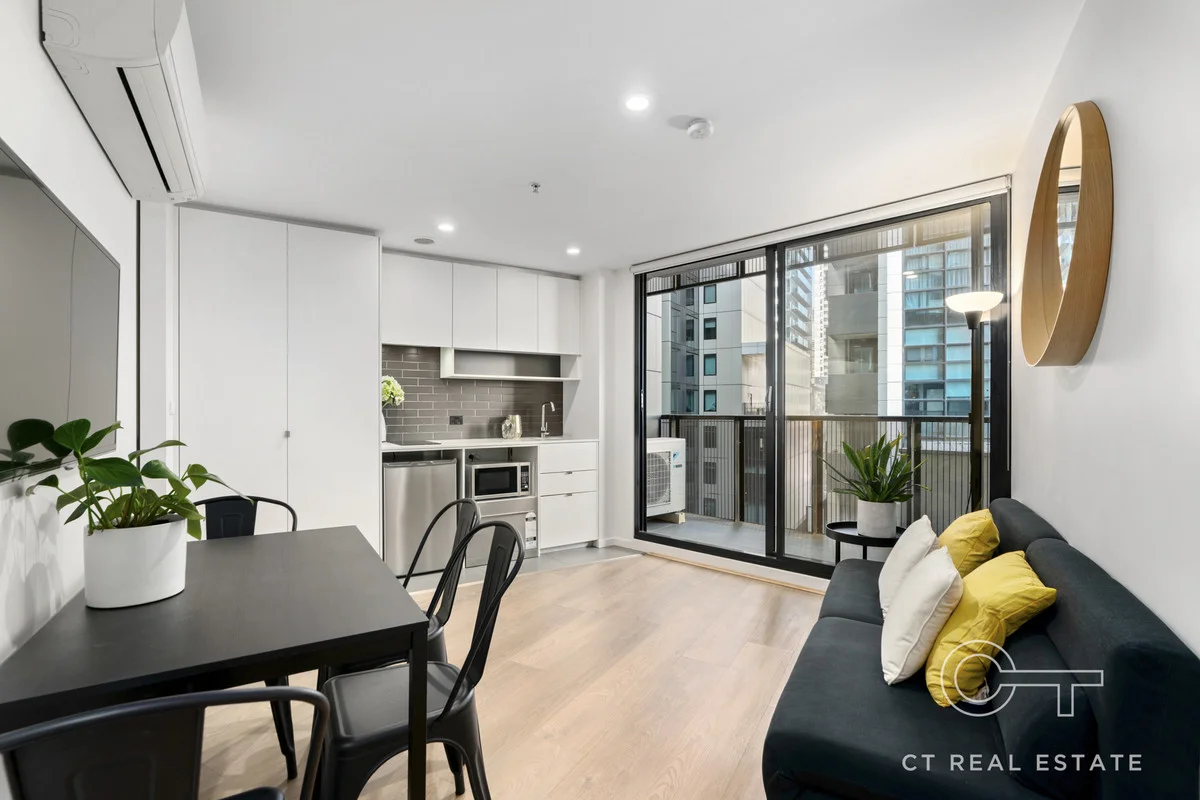 $360,000
Apartment / Unit / Flat
$360,000
Apartment / Unit / Flat
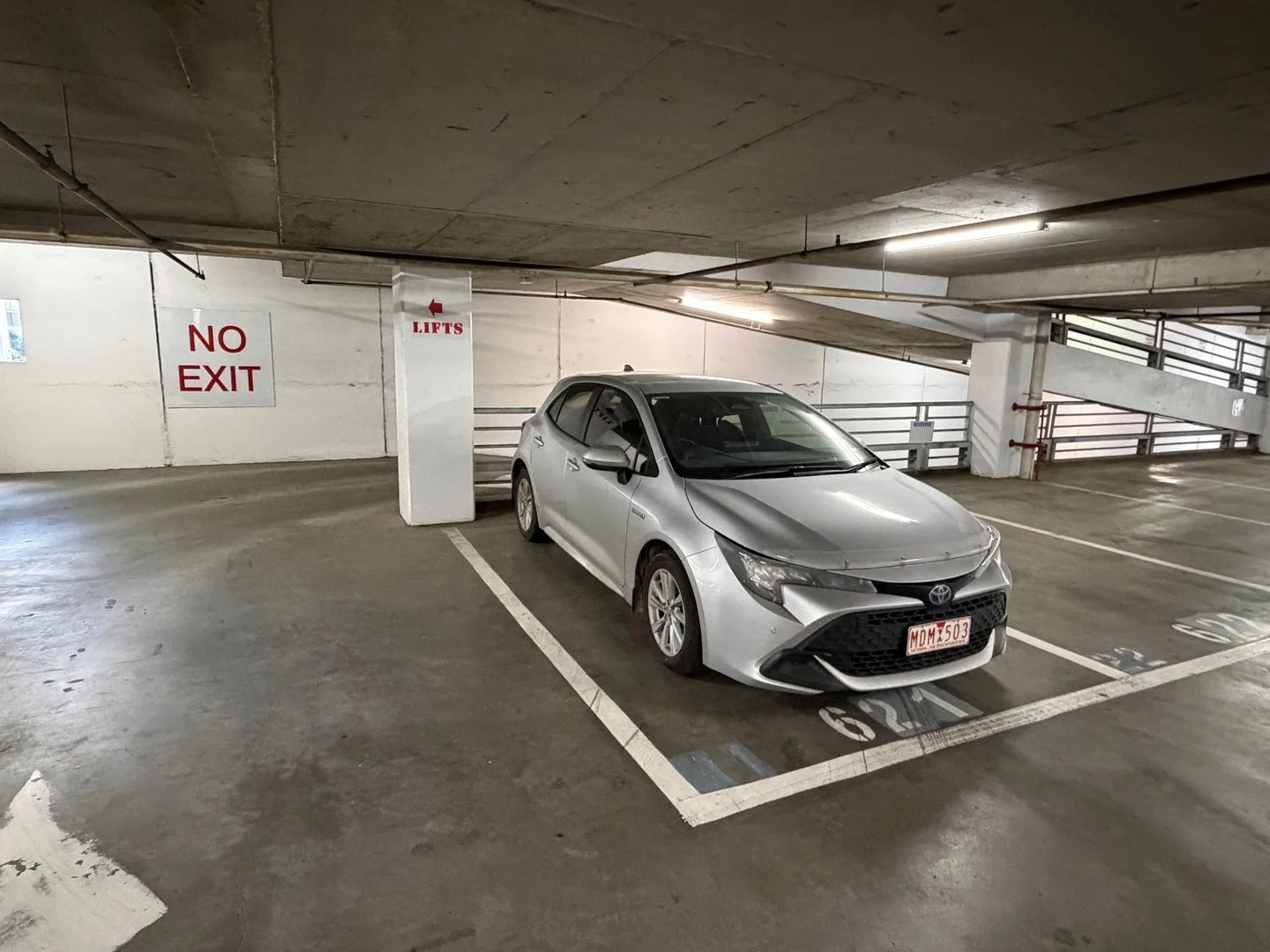 $27,500
propertyType.CAR SPACE
$27,500
propertyType.CAR SPACE
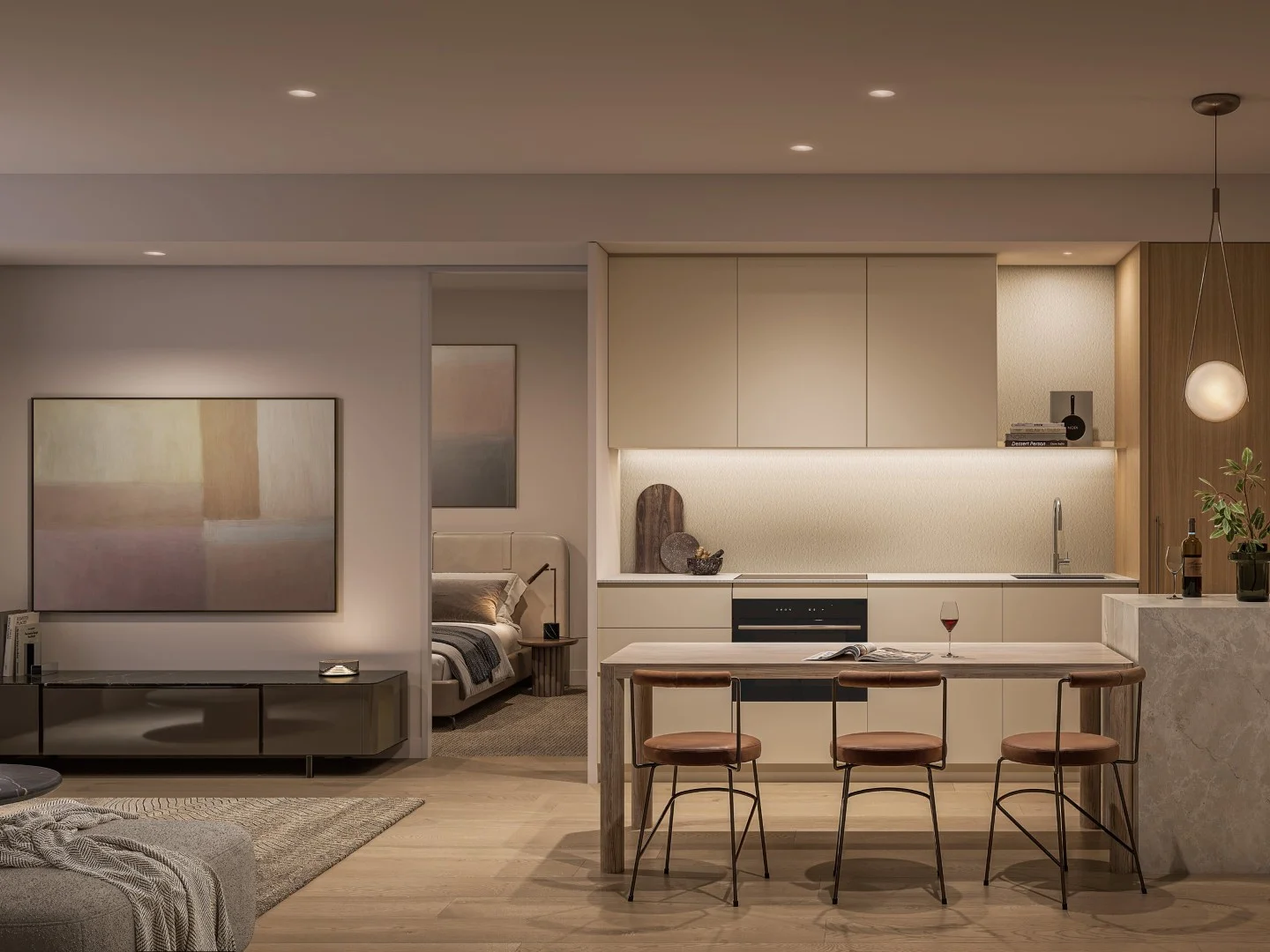 $666,000
Apartment / Unit / Flat
$666,000
Apartment / Unit / Flat
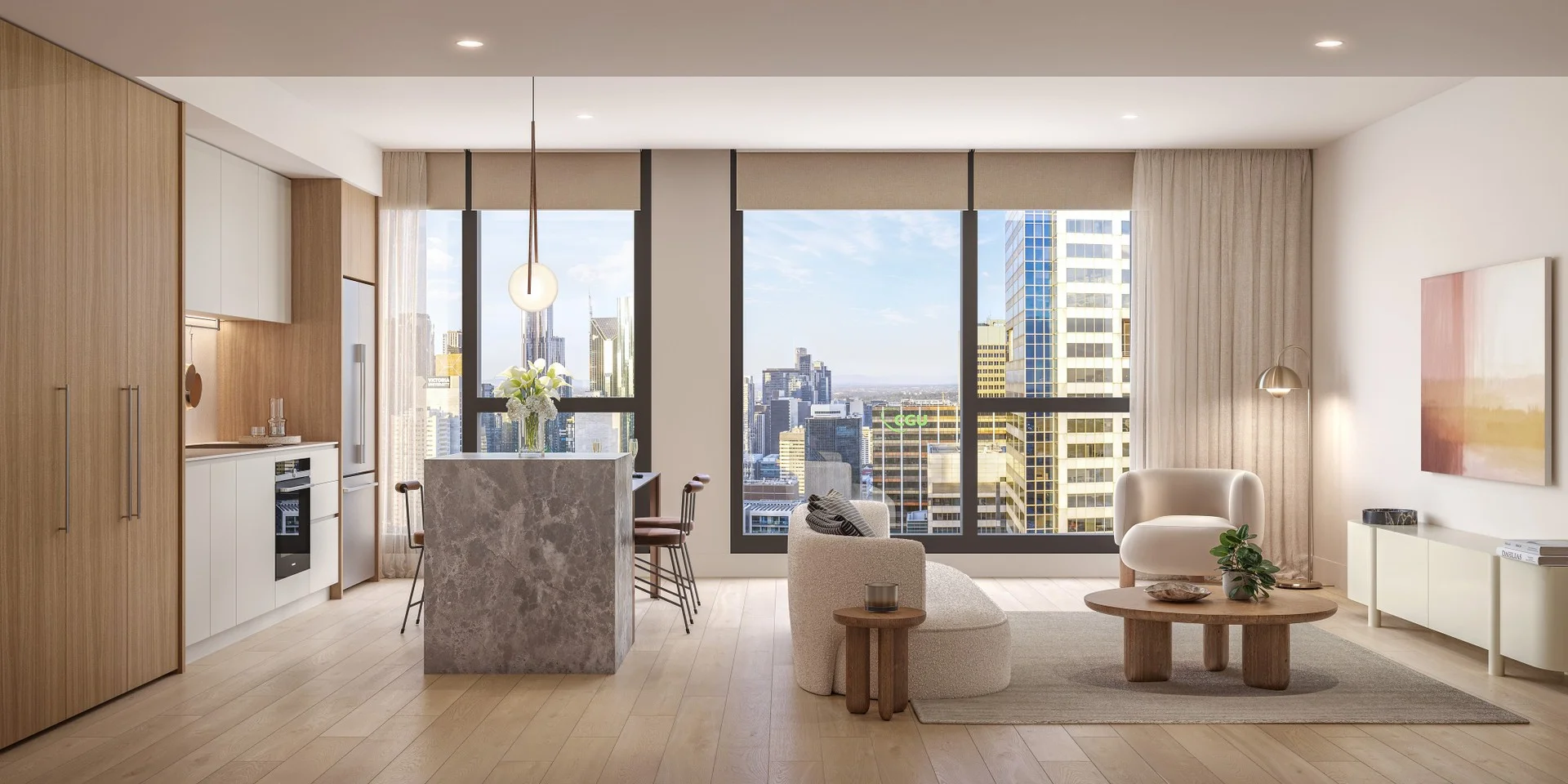 $1,870,000
propertyType.NEW APARTMENTS / OFF THE PLAN
$1,870,000
propertyType.NEW APARTMENTS / OFF THE PLAN
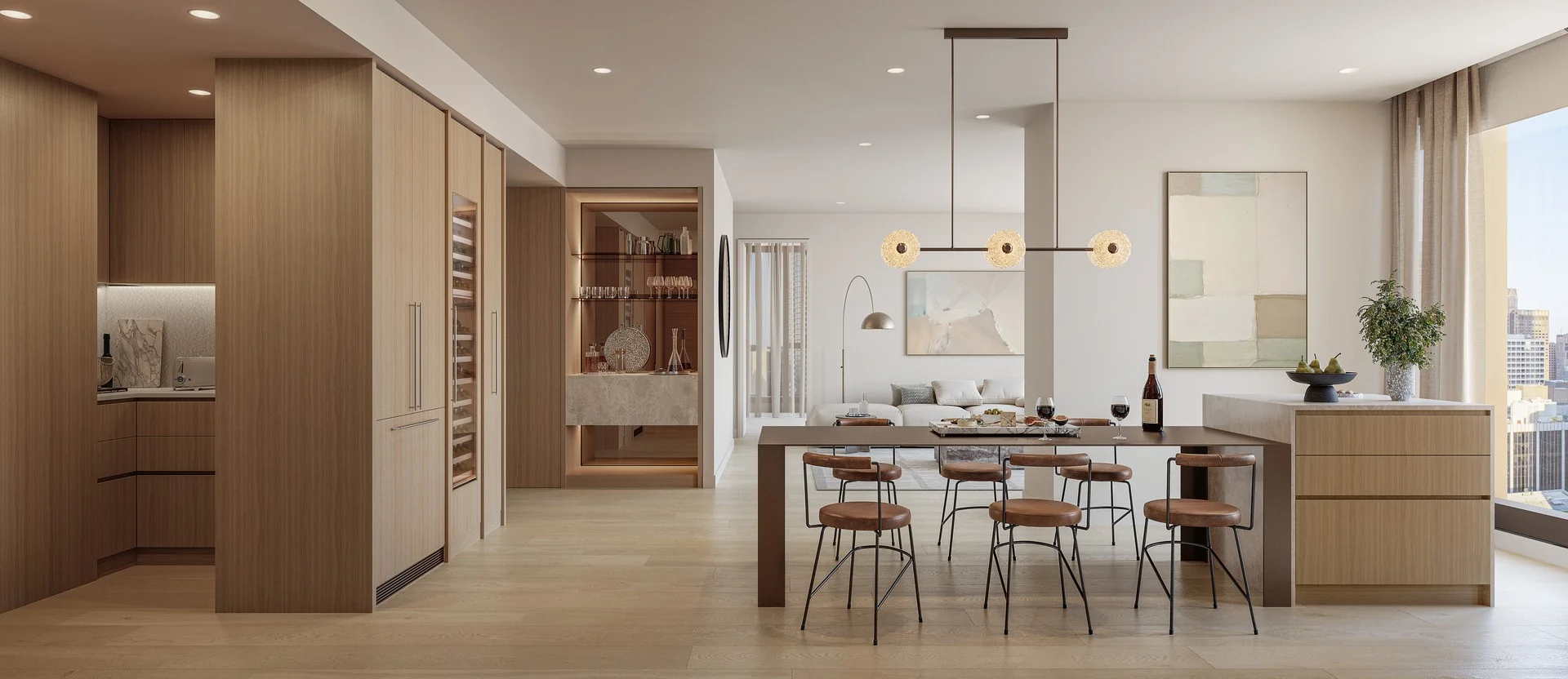 $2,865,000
Apartment / Unit / Flat
$2,865,000
Apartment / Unit / Flat
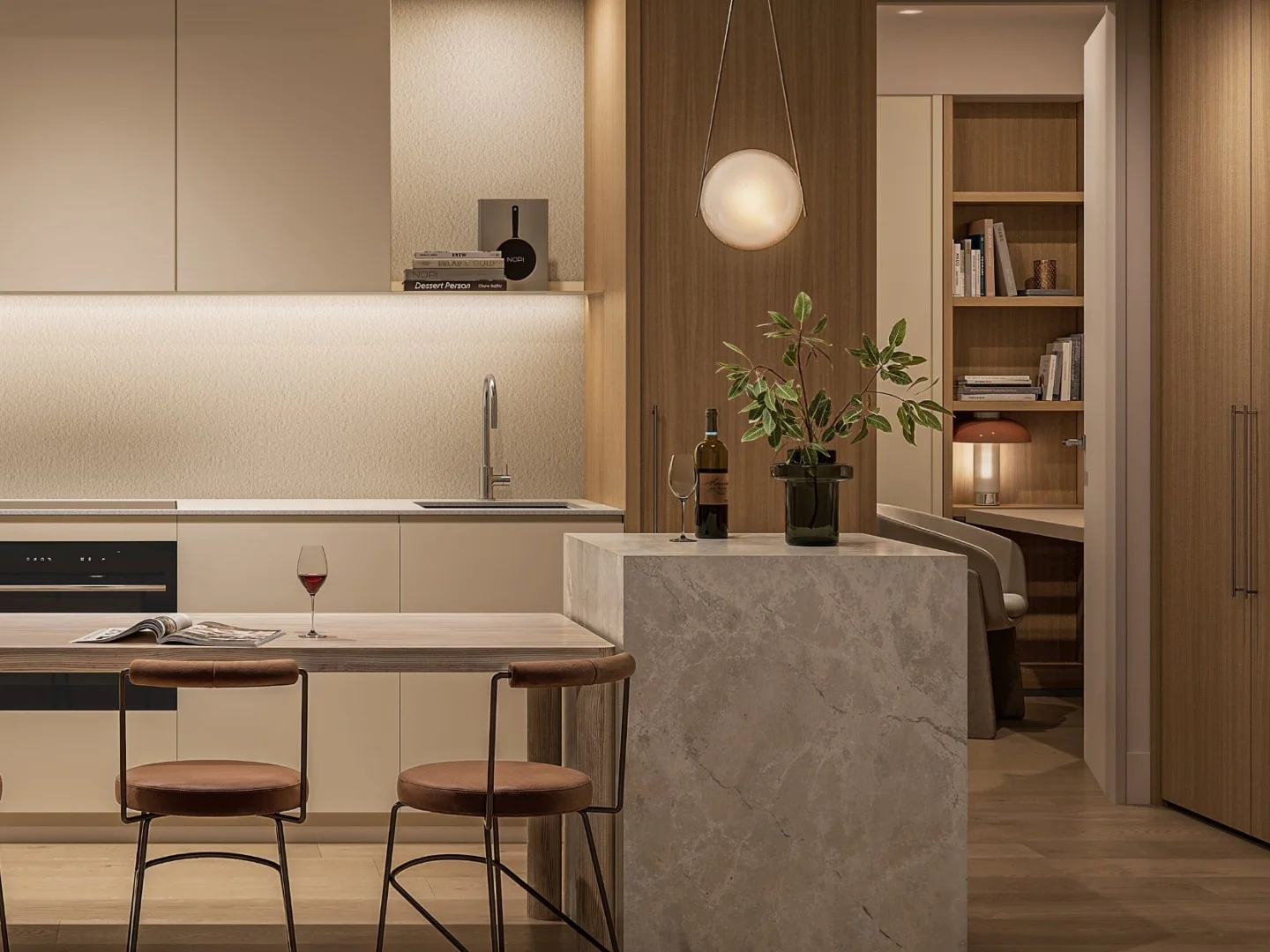 $712,500
Apartment / Unit / Flat
$712,500
Apartment / Unit / Flat
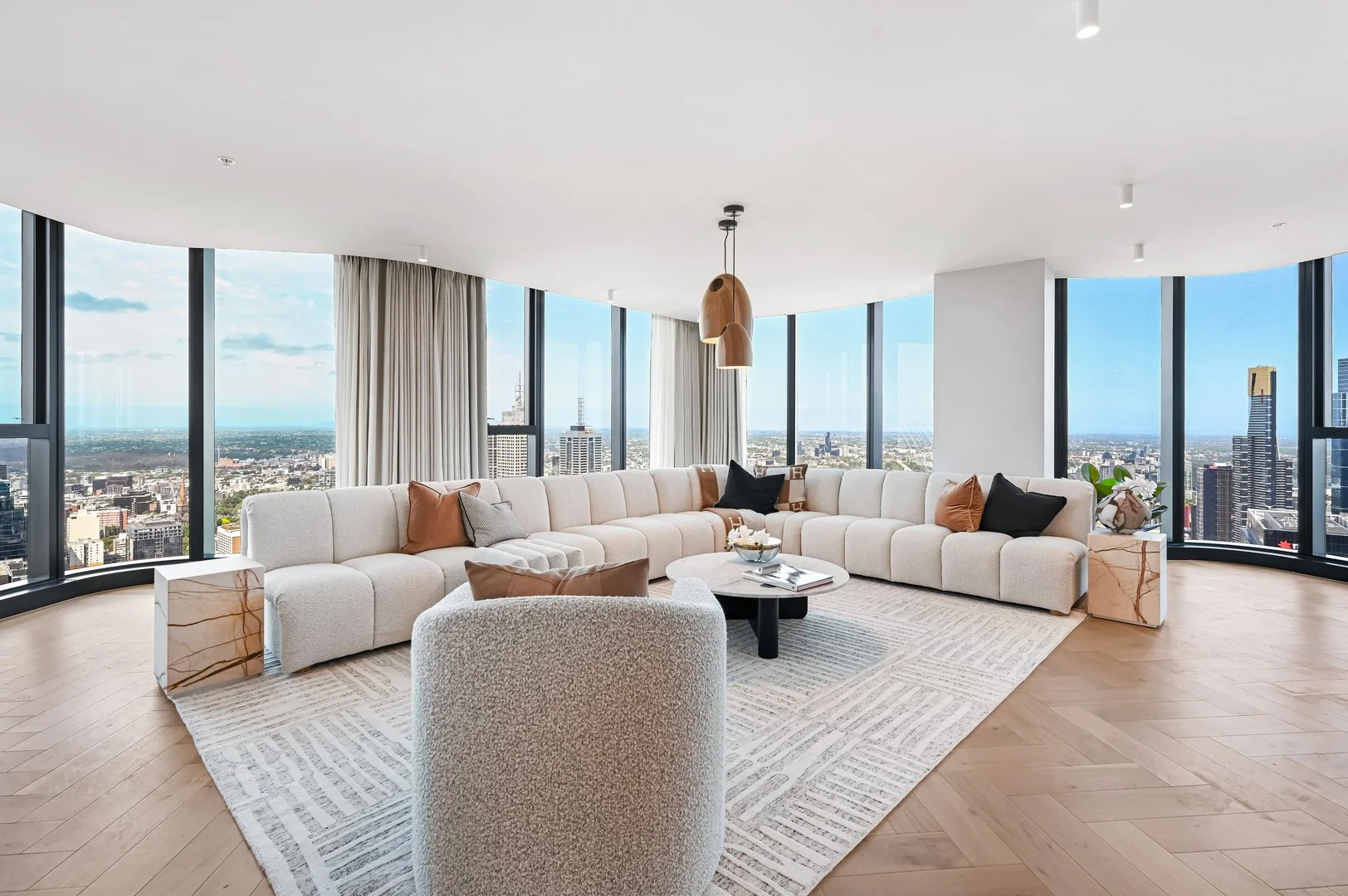 $5,512,000
propertyType.NEW APARTMENTS / OFF THE PLAN
$5,512,000
propertyType.NEW APARTMENTS / OFF THE PLAN
 $2,008,000
propertyType.NEW APARTMENTS / OFF THE PLAN
$2,008,000
propertyType.NEW APARTMENTS / OFF THE PLAN
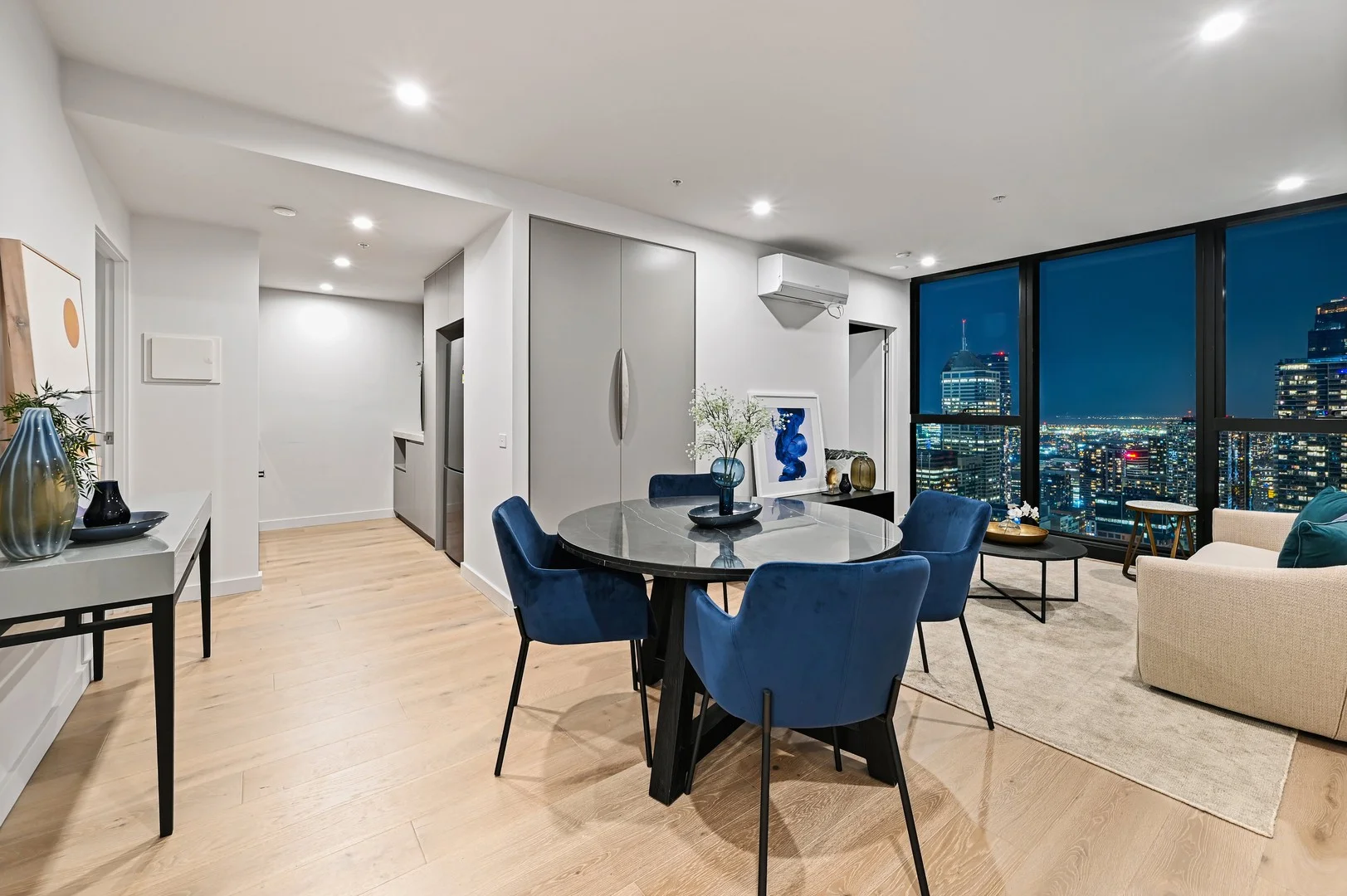 $943,000
propertyType.NEW APARTMENTS / OFF THE PLAN
$943,000
propertyType.NEW APARTMENTS / OFF THE PLAN