# Overview
Windsor Primary School is a public, co-educational primary school serving families in the Windsor area. The school has a medium-sized student community and typical class sizes of around 22–26 students, offering a compact, community-focused learning environment. The atmosphere is inclusive and nurturing, with a strong emphasis on student well-being, collaboration, and building leadership and civic responsibility.
The school fosters a diverse, welcoming culture where students are encouraged to participate, contribute, and grow across academics, arts, sports, and leadership opportunities. There is a clear focus on creating a positive, supportive environment where every student can thrive.
# Academics & Learning
- Academic strengths: English/literacy development, mathematics, STEM initiatives, arts, and leadership opportunities; opportunities to engage with language learning as part of a well-rounded program.
- Special programs: Gifted and talented pathways and targeted learning support; English as an Additional Language (EAL) support; specialist music and arts activities; opportunities for integrated learning across subjects.
- NAPLAN trends: Steady improvement and positive growth in key areas over recent years, with sustained progress in reading and numeracy and good development in writing.
- Student-teacher ratios: Approximately 1:15, enabling regular teacher attention and small-group support.
- Support for diverse learners: Strong inclusion focus with EAL/D support, learning support assistants, and tailored learning plans to meet individual needs.
# Sports & Extracurricular Strengths
- Sports offered: Athletics, cricket, soccer, netball, basketball, football, cross-country, and other common school-level activities.
- Strong teams or achievements: Active participation in inter-school competitions and district-level events; regular representation in school teams.
- Music, arts, drama programs: School choir and regular performance opportunities; arts festivals and school productions; ongoing exposure to visual and performing arts.
- Clubs: Robotics, coding, chess, debating, and other student-led clubs that promote problem-solving and collaboration.
- Partnerships: Local community sport clubs and broader competitions for extended opportunities in sport, arts, and STEM activities.
# Wellbeing & Pastoral Care
- Anti-bullying approach: Clear anti-bullying policies, restorative practices, and a positive behaviour framework to promote respectful interactions.
- House system: House-based activities and events to foster belonging, teamwork, and leadership opportunities.
- Counsellors / wellbeing officers: A wellbeing team with access to school counsellors or wellbeing staff to support social-emotional learning and mental health.
- Transition support for new students: Orientation programs, buddy systems, and transitions supports to help new students and families settle in smoothly.
# Facilities
- Sports grounds: Accessible playing fields and courts for physical education and inter-school sport.
- Libraries: Well-stocked library spaces supporting literacy and inquiry.
- Science labs: Dedicated spaces for science activities and experiments.
- Music/performing arts centers: Areas for music practice, rehearsals, and performances.
- Tech/innovation labs: Computer and technology spaces to support digital learning and coding.
- Cafeteria: On-site canteen offering healthy meal options.
- Updated playgrounds: Safe, engaging outdoor spaces for play and learning.
# School Values & Community Culture
- School values / mission: Emphasis on respect, responsibility, curiosity, resilience, and inclusive learning; a growth-mindset approach to learning.
- Leadership style: Collaborative leadership with opportunities for student voice through student councils and class leadership roles.
- Behaviour expectations: Clear codes of conduct and restorative approaches to discipline; consistent expectations across the school.
- Community reputation: Positive, engaged community with active parent involvement and partnerships to support learning and well-being.
- Diversity & inclusion: Strong commitment to inclusion and support for families from diverse backgrounds.
# School Logistics & Daily Operations
- School hours: Typical school day from morning to afternoon with punctual routines and assemblies as part of the day.
- Before/after school care: OSHC (out-of-school-hours care) available on-site or nearby to support families.
- Uniform requirements: School uniform policy with designated items; predictable dress standards to promote a sense of belonging and school pride.
- Transport (train/bus routes): Accessible by public transport with local bus routes and convenient drop-off/pick-up arrangements; clear guidance for commute and travel.
- Canteen availability: On-site canteen offering healthy food options and a range of snacks and meals.
- Fees (low/medium/high ranges): Being a public school, fees are generally low to medium, with optional costs for excursions, materials, and some activities.
# Enrolment & Admissions
11. What is the enrolment process and timeline?
- Enrolment generally follows the state's public school process. Start by confirming catchment eligibility, then submit an application through the Department of Education system. You may need to provide proof of address, immunisation status, and identification. Offers are typically made in line with intake timelines set by the school and local catchment availability, followed by orientation and enrolment confirmation.
12. Is there a waiting list, and how does it work?
- Yes, waiting lists can apply when a year level is full. Priorities are usually determined by catchment eligibility and order of application. The school will communicate where you are on the list and expected timelines for offers as places become available.
13. Are there any entry requirements, tests, or interviews?
- No formal entrance tests are typically required. Some schools may offer information sessions or school tours. Decisions are usually based on place availability and eligibility, with consideration given to catchment rules and transition needs.
14. Does the school accept mid-year transfers?
- Yes, subject to available places. Mid-year transfers are assessed by the principal and admissions staff, and you’ll typically complete the standard enrolment steps and provide up-to-date information about your child’s records and immunisation status.
# Frequently Asked Questions
- Why Parents Choose This School?
- A strong sense of community, supportive staff, solid literacy and numeracy focus, and a broad range of clubs and programs that support the whole child.
- What type of student thrives at this school?
- Students who are curious, collaborative, and engaged in both academics and activities; those who value inclusion, leadership opportunities, and a supportive learning environment.
- What opportunities are available for students to extend their skills (academics, sports, arts)?
- Extension in literacy and numeracy, STEM activities, arts and music programs, sports teams, robotics, coding, chess, debating, and school performances.
- How does the school communicate with parents?
- Regular newsletters, email updates, the school app/portal, notices, and parent-teacher conferences; clear channels for two-way communication.
- What is the school’s approach to teaching and learning?
- Student-centered, differentiated instruction with a focus on literacy, numeracy, and inquiry-based learning; integration of technology and real-world projects.
- How does the school support students who need extra academic help?
- Learning support teams, targeted interventions, EAL support, and learning plans designed to meet individual needs.
- What support is available for academic challenges?
- Small-group or one-on-one support, adjustment plans, and opportunities for extension within a supportive framework.
- What are the class sizes and how much individual attention do students receive?
- Typical class sizes around 22–26 students, with regular opportunities for individual or small-group attention from teachers.
- What extracurricular and sports opportunities are available?
- A range of sports, clubs (robotics, coding, chess, debating), music and arts programs, and inter-school competition opportunities.
- What facilities does the school offer (sports, science, arts)?
- Sports grounds, library, science labs, music/performing arts spaces, tech/innovation labs, canteen, and updated playgrounds.
- What is the school’s approach to technology and digital learning?
- Emphasis on digital literacy, classroom devices, safe and responsible use of technology, and integration of tech across the curriculum.
- What transport and accessibility options are available?
- Access via public transport with nearby bus routes; clear drop-off/pick-up arrangements and accessible facilities.
- What are the typical school fees or additional costs?
- Public school base fees are relatively low to medium; additional costs may include excursions, materials, and optional programs.
# Short Pros & Cons list
- Pros
- Strong sense of community and inclusive culture
- Solid emphasis on literacy, numeracy, and well-being
- Wide range of extracurriculars (sport, arts, STEM, clubs)
- Supportive approach to diverse learners (EAL/SEN)
- Healthy facilities and on-site canteen
- Cons
- As a public school, resources can vary with demand and funding cycles
- Class sizes may be larger in high-demand year levels
- Waiting lists may apply during peak enrolment periods
- Mid-year transfers depend on available places and intake timing
 Free
Free











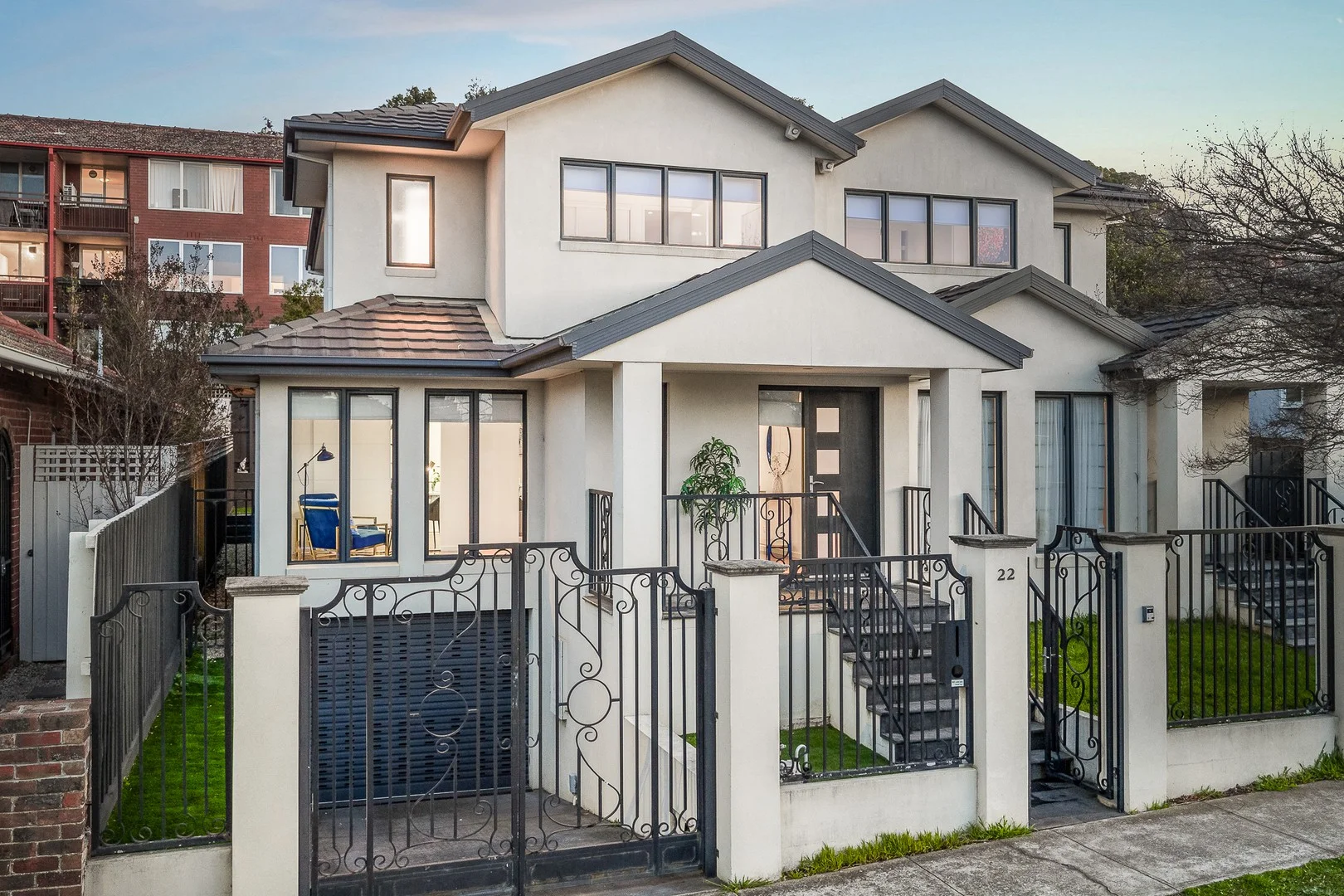 $2,390,000
Townhouse
$2,390,000
Townhouse
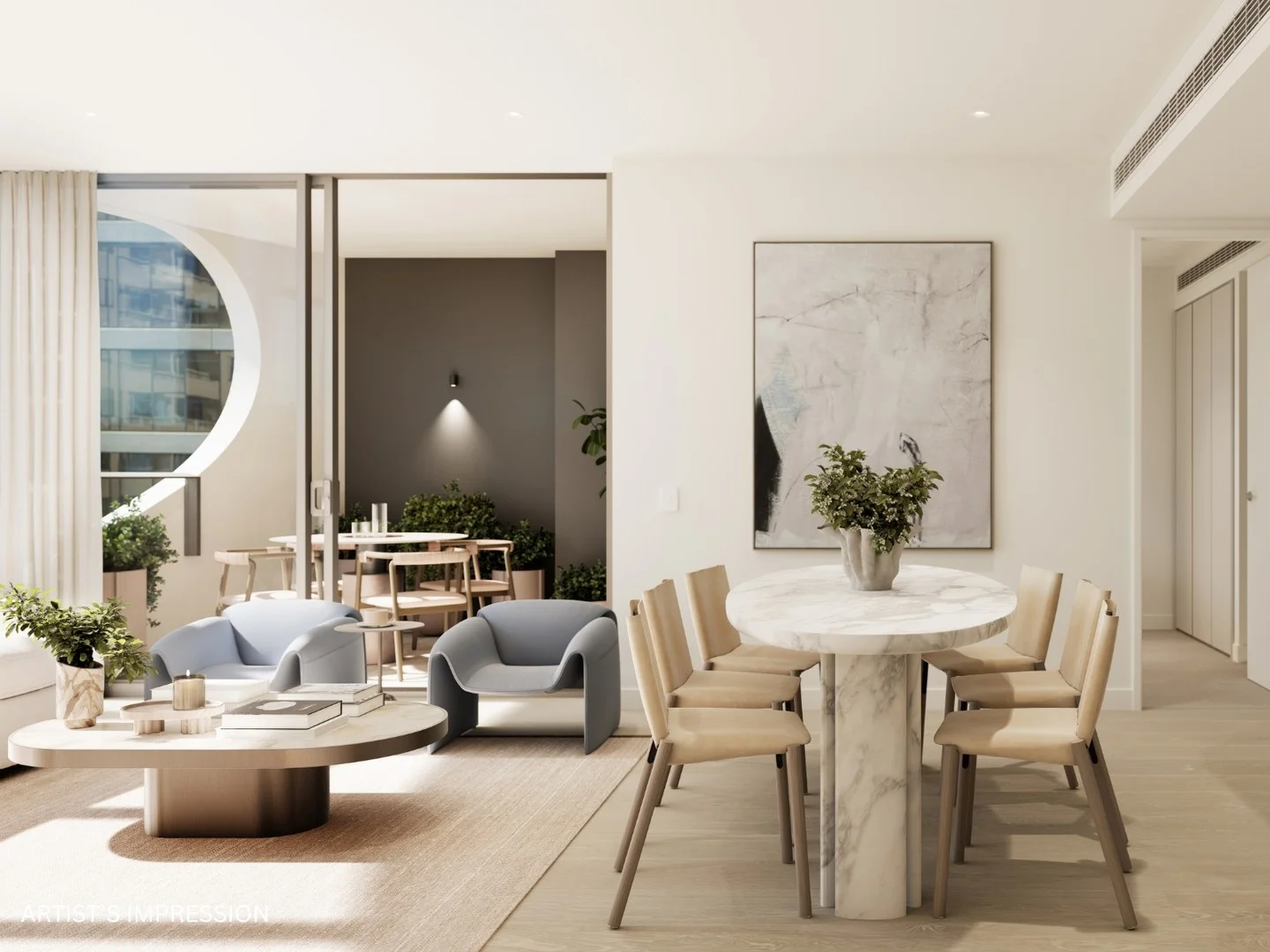 $1,640,000
Apartment / Unit / Flat
$1,640,000
Apartment / Unit / Flat
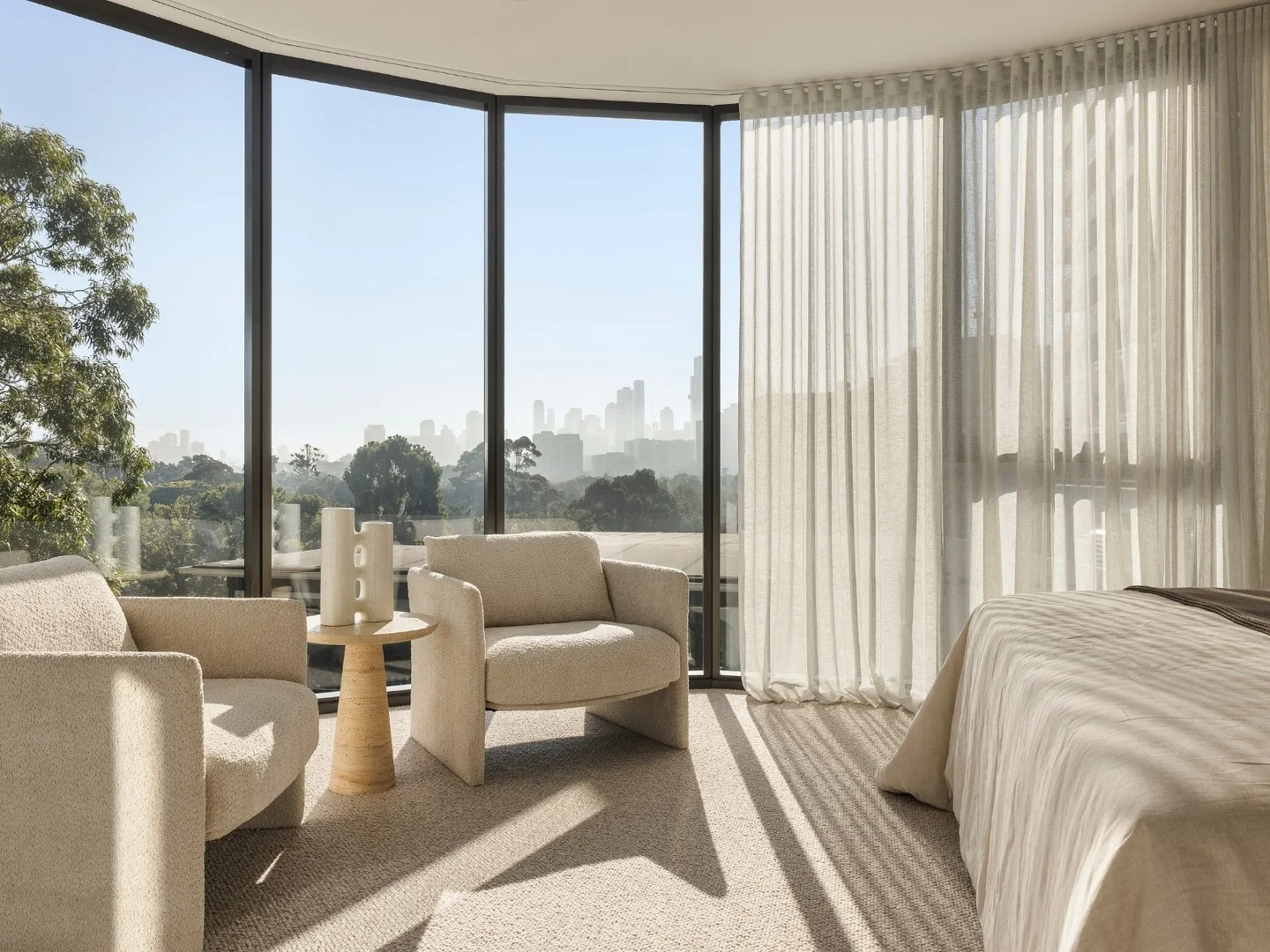 $2,750,000
Apartment / Unit / Flat
$2,750,000
Apartment / Unit / Flat
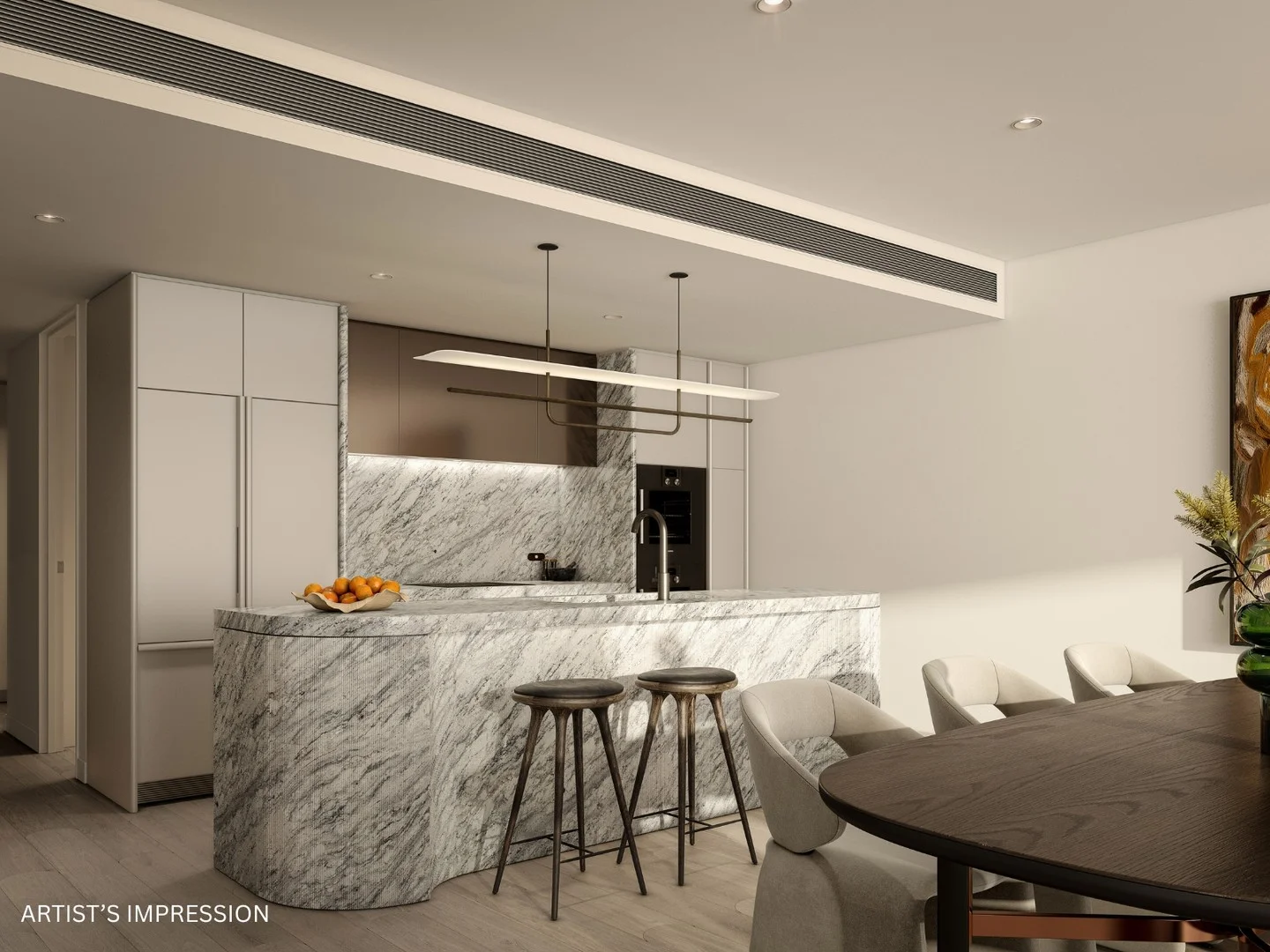 $2,900,000
Apartment / Unit / Flat
$2,900,000
Apartment / Unit / Flat
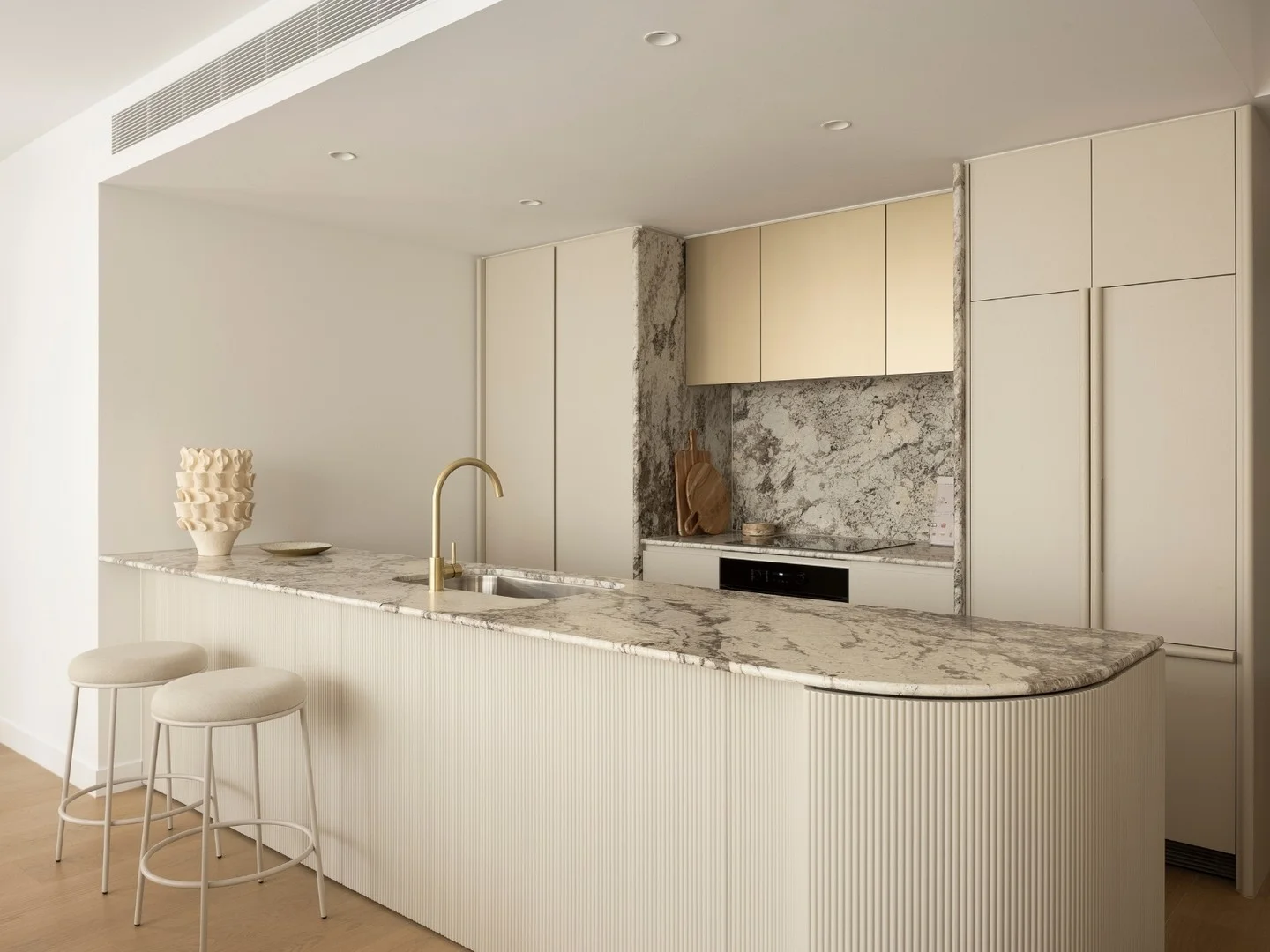 $1,345,000
Apartment / Unit / Flat
$1,345,000
Apartment / Unit / Flat
 $1,770,000
propertyType.NEW APARTMENTS / OFF THE PLAN
$1,770,000
propertyType.NEW APARTMENTS / OFF THE PLAN
 $820,000
propertyType.NEW APARTMENTS / OFF THE PLAN
$820,000
propertyType.NEW APARTMENTS / OFF THE PLAN
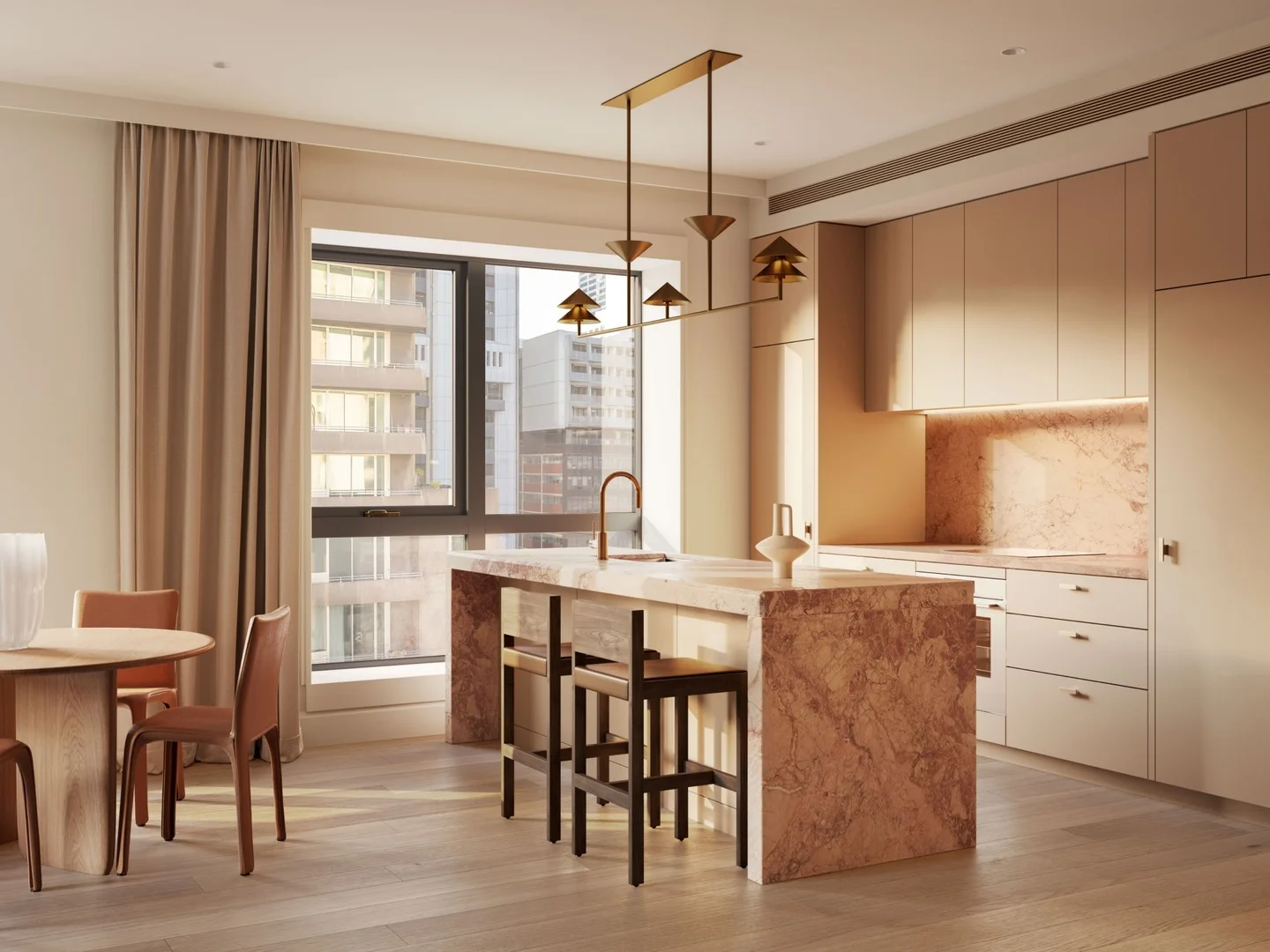 $1,760,000
propertyType.NEW APARTMENTS / OFF THE PLAN
$1,760,000
propertyType.NEW APARTMENTS / OFF THE PLAN
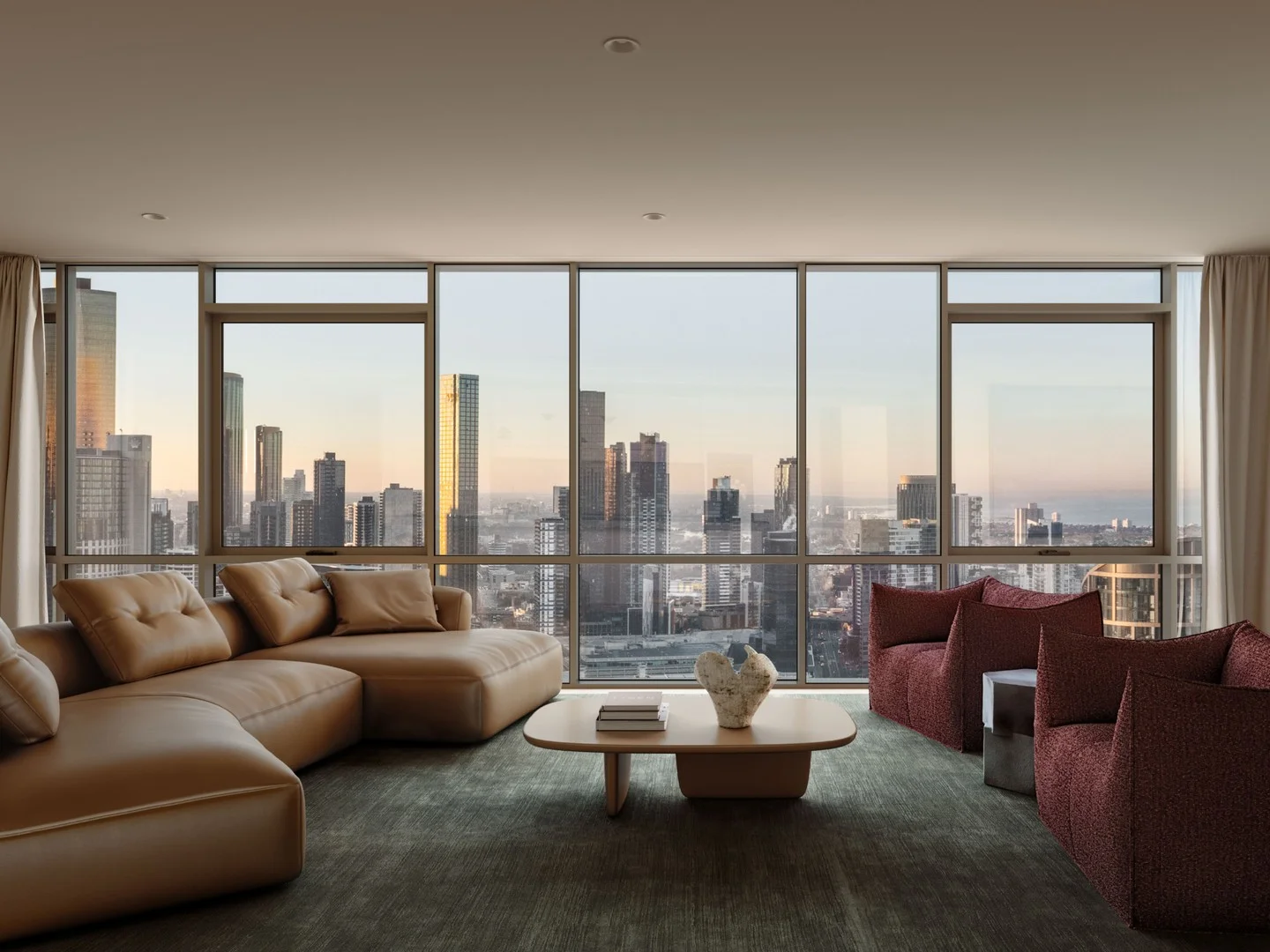 $3,700,000
propertyType.NEW APARTMENTS / OFF THE PLAN
$3,700,000
propertyType.NEW APARTMENTS / OFF THE PLAN


