Overview
# Overview
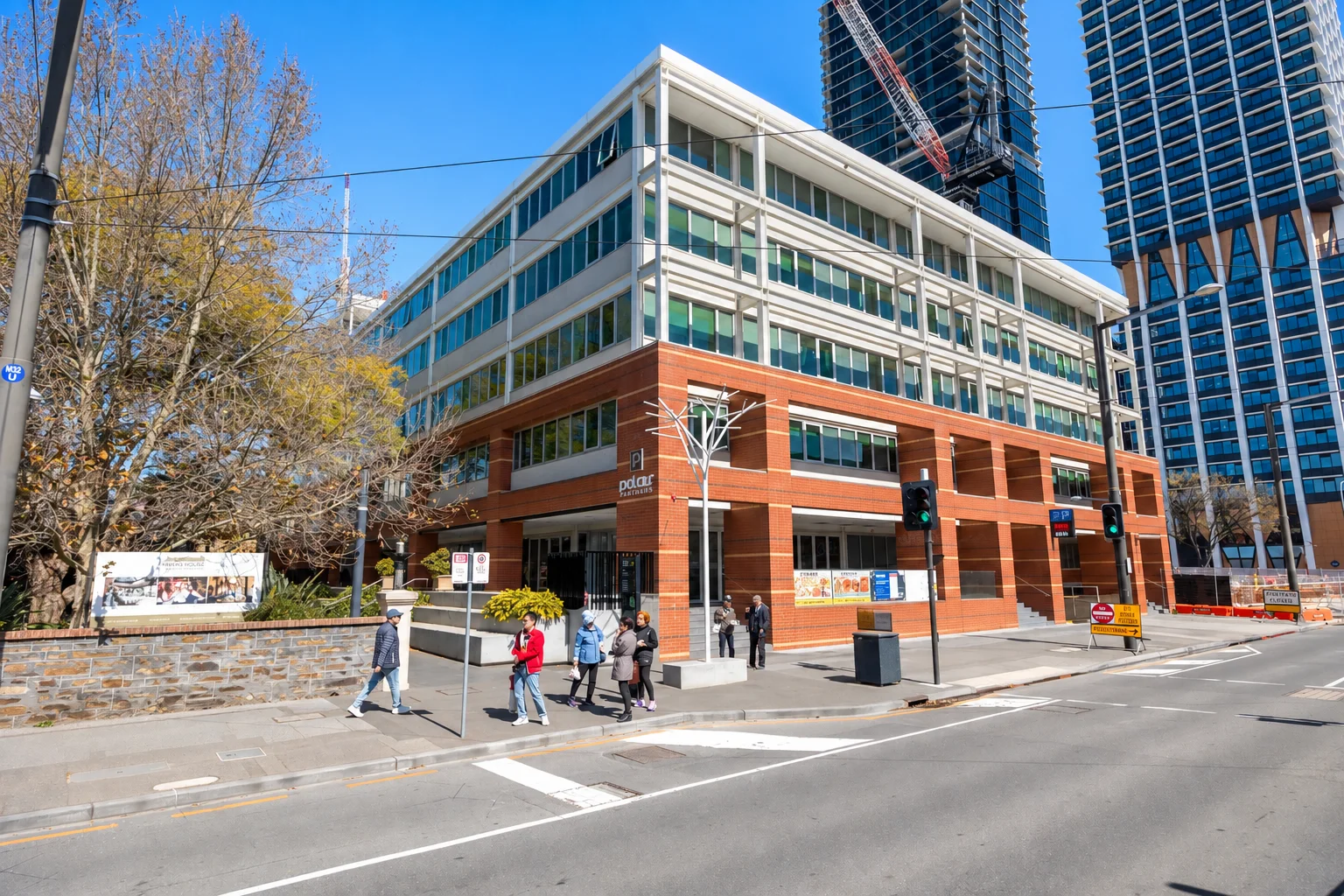
USC Adelaide is a senior college campus located on North Terrace in Adelaide. It operates within the South Australian senior secondary education framework and serves students preparing for completion of their senior schooling and post-school pathways.
- Type: [Public/Private/Independent/Catholic]
- Size: [small/medium/large]
- Class size: [typical range or average]
- Atmosphere/culture: [nurturing/academic/diverse/inclusive/sports-focused]
In brief, USC Adelaide aims to provide a focused learning environment that supports academic progression while offering opportunities for personal growth and involvement in a broad range of programs.
---
# Academics & Learning
- Academic strengths: [STEM / English / leadership / languages / other strengths]
- Special programs: [IB / accelerated learning / gifted and talented / other]
- Noteworthy trends: [Trends in local assessments or standardised progress over time, e.g., improvements or stability]
- Student–teacher ratios: [typical ratio or range]
- Support for diverse learners: [EAL support / SEN support / inclusive teaching practices / access to learning adjustments]
USC Adelaide emphasises a balanced approach to learning, combining rigorous coursework with supports designed to help every student achieve their potential.
---
# Sports & Extracurricular Strengths
- Sports offered: [e.g., football, basketball, cricket, netball, athletics, swimming, etc.]
- Strong teams or achievements: [notable team outcomes or program strengths]
- Music, arts, drama programs: [details on ensembles, productions, and arts facilities]
- Clubs: robotics, chess, coding, debating, etc.
- Partnerships: [local academies, competitions, community programs]
For many families, especially boys aged 10–14, the availability and performance of sport, music, and other extracurriculars are a major consideration. USC Adelaide supports a range of activities to foster teamwork, discipline, and personal passion.
---
# Wellbeing & Pastoral Care
- Anti-bullying approach: [policies, programs, and reporting mechanisms]
- House system: [description of house structure and activities]
- Counsellors / wellbeing officers: [availability and roles]
- Transition support for new students: [orientation, buddy programs, mentoring]
A strong wellbeing framework helps students feel secure, connected, and prepared to navigate school life and transitions between year levels.
---
# Facilities
- Sports grounds: [on-site fields or courts]
- Libraries: [library spaces and resources]
- Science labs: [quality of lab facilities]
- Music/performing arts centers: [practice rooms, stages, performance spaces]
- Tech/innovation labs: [makerspaces, STEM/ICT facilities]
- Cafeteria: [canteen options and meal service]
- Updated playgrounds: [play areas and outdoor spaces]
Visual, modern facilities support a practical, hands-on approach to both academic and co-curricular activities.
---
# School Values & Community Culture
- School values / mission: [brief statement of core values and aims]
- Leadership style: [participative, collaborative, student-involved]
- Behaviour expectations: [code of conduct and consequences]
- Community reputation: [perceived standing in local community or networks]
- Diversity & inclusion: [efforts to foster an inclusive environment and celebrate diversity]
USC Adelaide seeks to cultivate responsible, respectful, and resilient students who contribute positively to the school and broader community.
---
# School Logistics & Daily Operations
- School hours: [start/end times]
- Before/after school care: [availability and options]
- Uniform requirements: [uniform standards and purchasing info]
- Transport: [bus/train routes or other transport options]
- Canteen availability: [catering options and hours]
- Fees: [low/medium/high ranges or typical cost notes]
Clear daily routines and practical details help families plan around schooling commitments.
---
# Enrolment & Admissions
11. What is the enrolment process and timeline?
- Applications typically involve submitting an official form with required documentation, followed by any pertinent assessments, interviews, or auditions as part of the entry process. Timelines vary depending on intake, with offers issued according to place availability and completion of steps.
12. Is there a waiting list, and how does it work?
- If a place is not immediately available, a waiting list may operate. Offers from the list are issued as places become available, often prioritising new applicants based on the school’s intake policies and equity considerations.
13. Are there any entry requirements, tests, or interviews?
- Entry requirements can include eligibility criteria, documentation, and may involve interviews or selection activities. Some programs may have additional assessments to determine suitability or specific program placement.
14. Does the school accept mid-year transfers?
- Mid-year transfers may be possible depending on space, timetable compatibility, and the timeliness of documentation. Interested families should contact the enrolments office to review options and required steps.
---
# Frequently Asked Questions
- Why Parents Choose This School?
- An emphasis on a focused senior-year pathway, supportive staff, and opportunities across academics and co-curricular activities.
- What type of student thrives at this school?
- Students who are motivated to complete senior secondary studies, engage in a range of interests, and value a structured yet flexible pathway toward post-school outcomes.
- What opportunities are available for students to extend their skills (academics, sports, arts)?
- Enrichment programs, extended projects, leadership opportunities, competitive sports, music and arts ensembles, and clubs such as robotics, coding, debating, and more.
- How does the school communicate with parents?
- Regular updates through designated channels (e.g., emails, newsletters, a parent portal, and scheduled information evenings or conferences).
- What is the school’s approach to teaching and learning?
- A mix of classroom-based learning, targeted supports, and opportunities for independent inquiry and application, with attention to students’ strengths and needs.
- How does the school support students who need extra academic help?
- Access to tutoring, small-group or one-on-one support, and adjustments or accommodations as appropriate.
- What support is available for academic challenges?
- Diagnostic supports, mentoring or study skills development, and intervention plans as part of a comprehensive wellbeing and learning framework.
- How does the school communicate with parents? (Repeated in the list)
- See above; channels and frequency are designed to keep families informed and engaged.
- What are the class sizes and how much individual attention do students receive?
- Class sizes are managed to balance instructional quality with opportunities for individual guidance; specific ratios can vary by subject and year level.
- What extracurricular and sports opportunities are available?
- A broad range of sports and clubs, including standard team sports, arts programs, and interest-based clubs like robotics, chess, coding, and debating.
- What facilities does the school offer (sports, science, arts)?
- Facilities include sports grounds, libraries, science labs, music/performing arts spaces, tech/innovation labs, canteen, and updated outdoor spaces.
- What is the school’s approach to technology and digital learning?
- Emphasis on digital literacy, integrated technology in learning, and access to appropriate devices and software to support coursework.
- What transport and accessibility options are available?
- Transport options (bus/train routes or school-provided arrangements) to support accessibility for students; details depend on location and service availability.
- What are the typical school fees or additional costs?
- Fees and costs are usually outlined by the enrolments office; families are advised to verify current charges and any additional costs for activities or materials.
---
# Short Pros & Cons list
- Pros
- Focused senior-year pathway with opportunities across academics and co-curriculars
- Supportive wellbeing and transition programs
- Diverse extracurricular offerings (sports, arts, clubs)
- Modern facilities and available specialist spaces (labs, studios, makerspaces)
- Cons
- Enrolment may be subject to intake capacity and waiting lists
- Specific programs or offerings may vary by year or cohort
- Details on transport, fees, and uniform requirements may change; verify with the enrolments office
If you’d like, I can customize this content with actual, up-to-date details from USC Adelaide’s official sources. Please share any verified data (type, size, class size, specific programs, current enrolment process steps, and fees) and I’ll replace the placeholders with precise information.









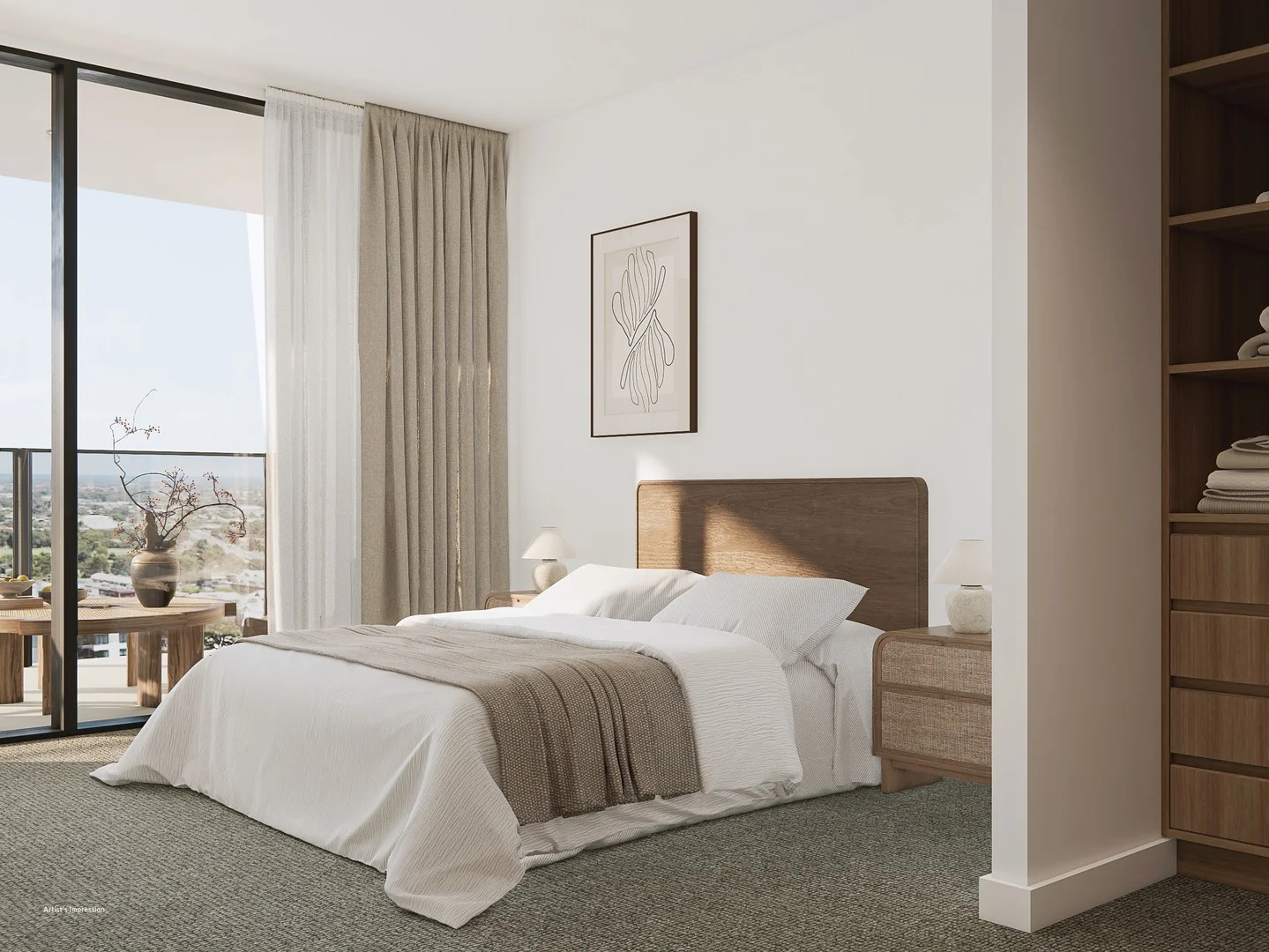
 $545,000
Apartment / Unit / Flat
$545,000
Apartment / Unit / Flat
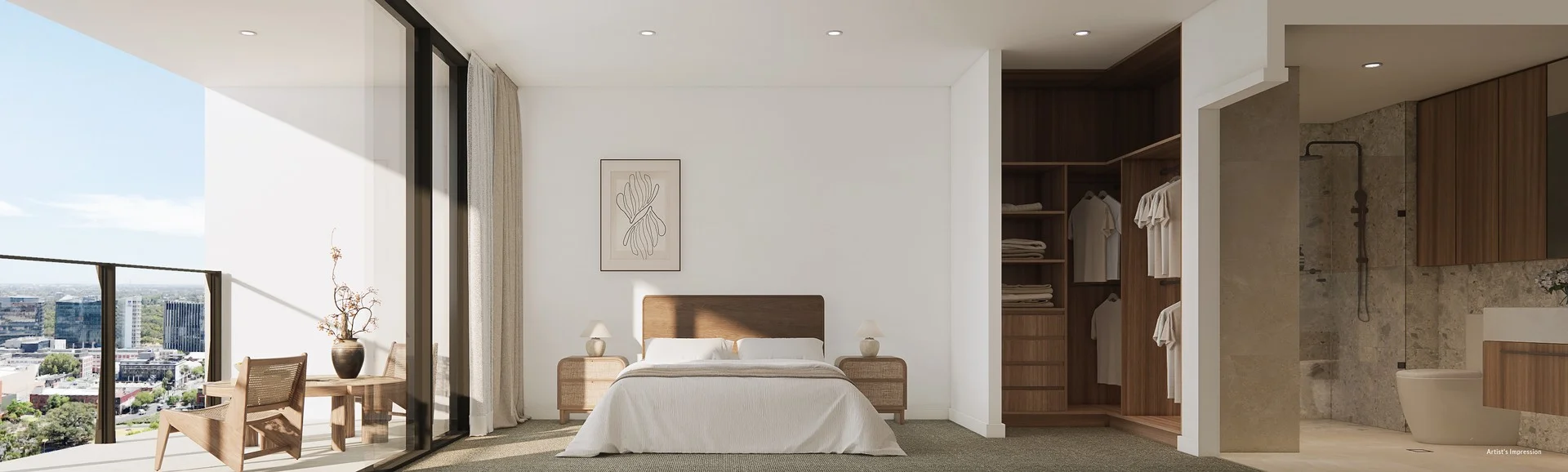
 $935,000
Apartment / Unit / Flat
$935,000
Apartment / Unit / Flat
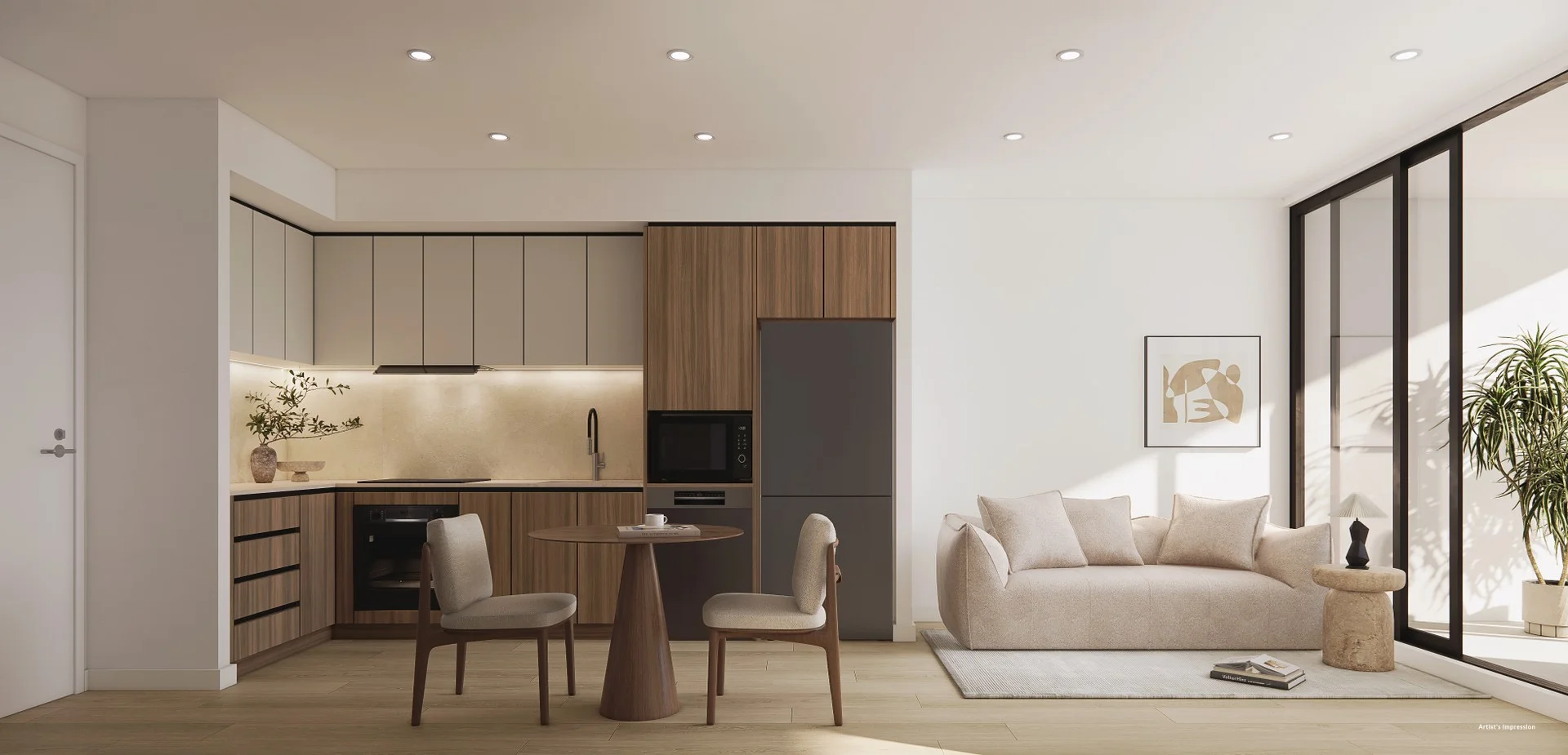
 $1,056,000
Apartment / Unit / Flat
$1,056,000
Apartment / Unit / Flat
 $588,000
Apartment / Unit / Flat
$588,000
Apartment / Unit / Flat
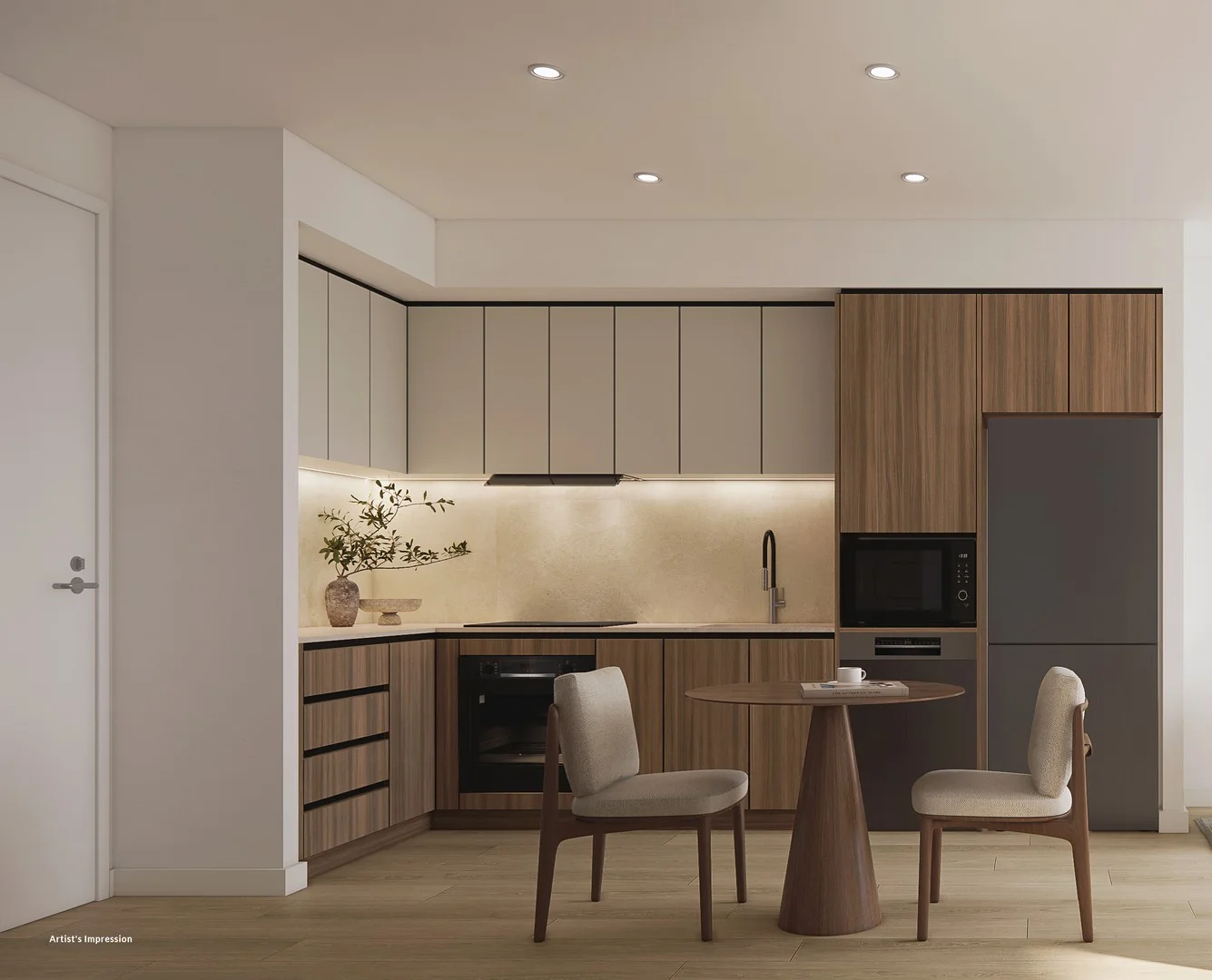 $557,000
Apartment / Unit / Flat
$557,000
Apartment / Unit / Flat
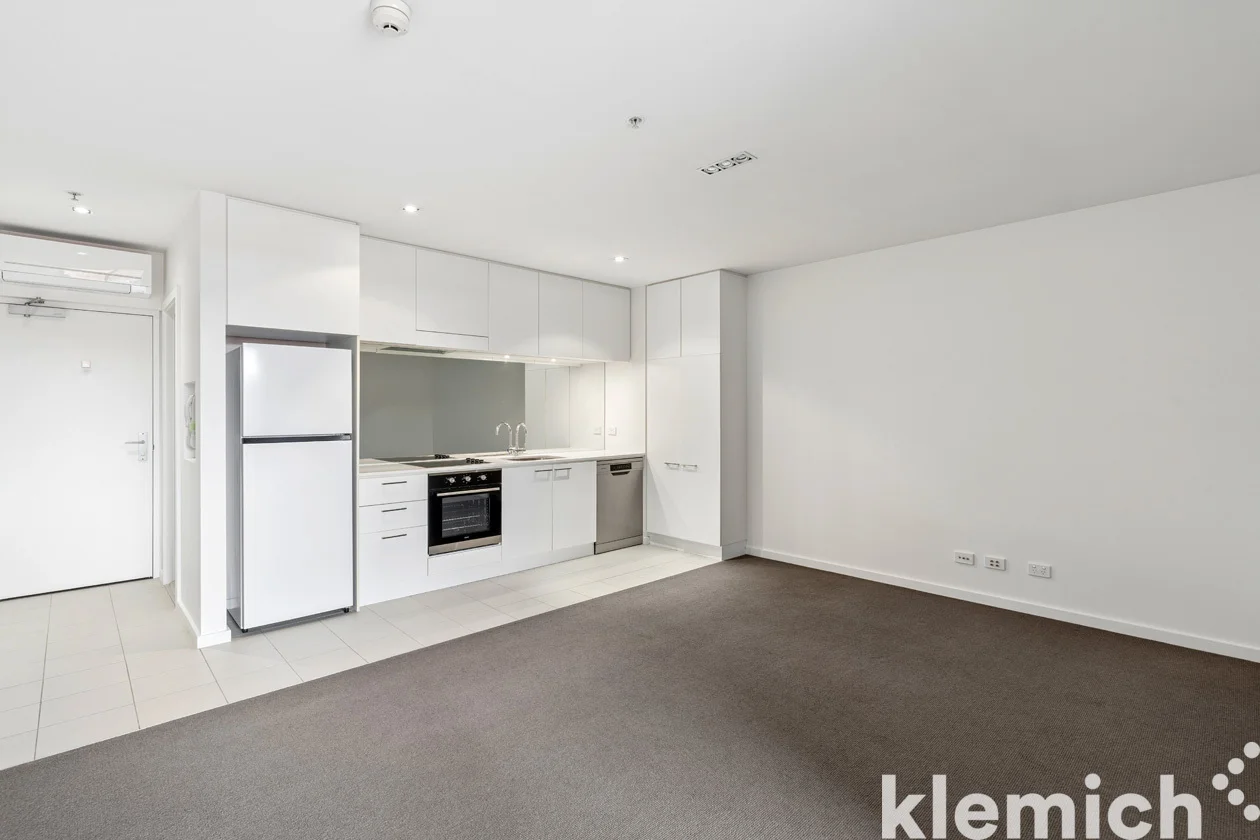 $440,000
Apartment / Unit / Flat
$440,000
Apartment / Unit / Flat
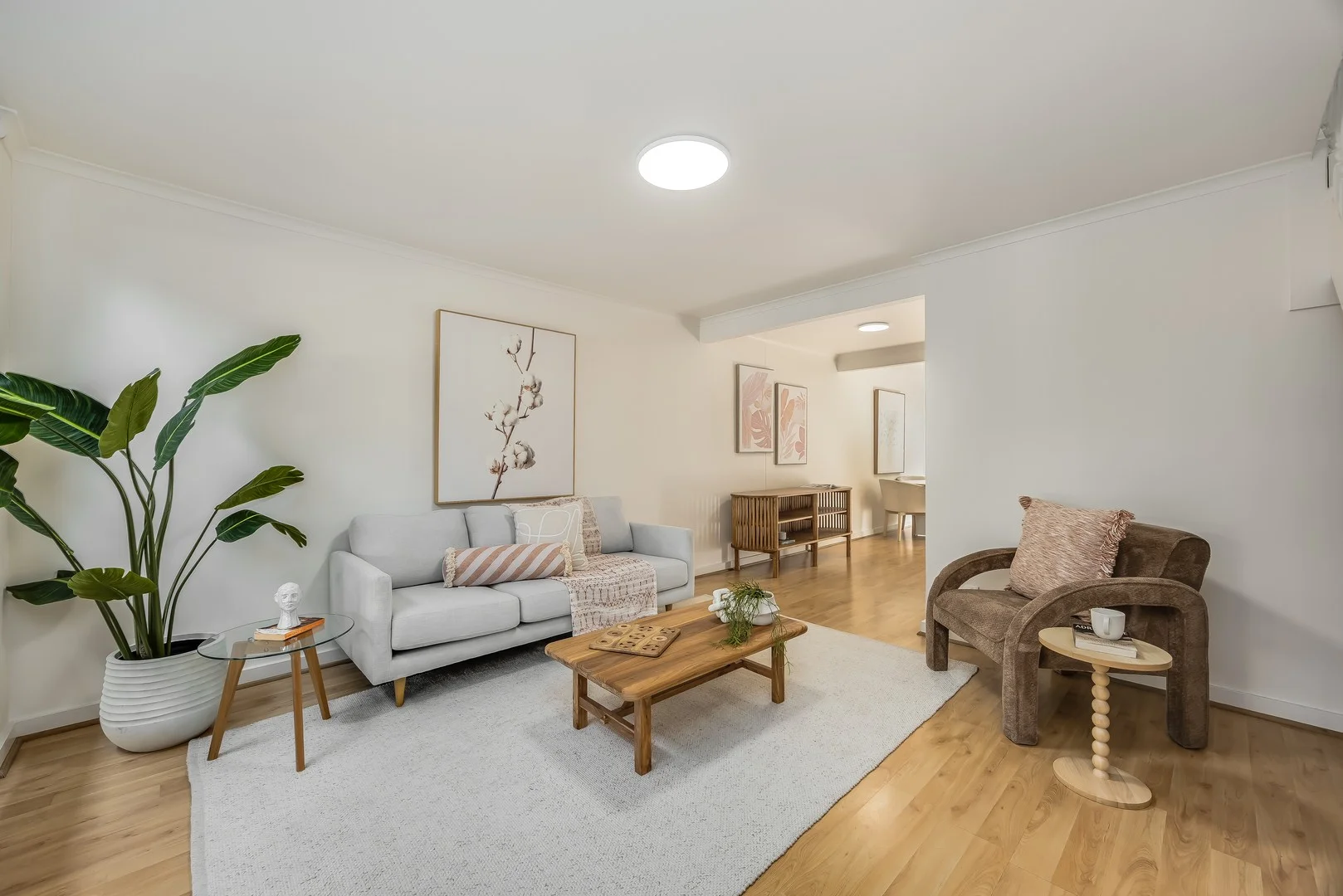 $775,000
House
$775,000
House
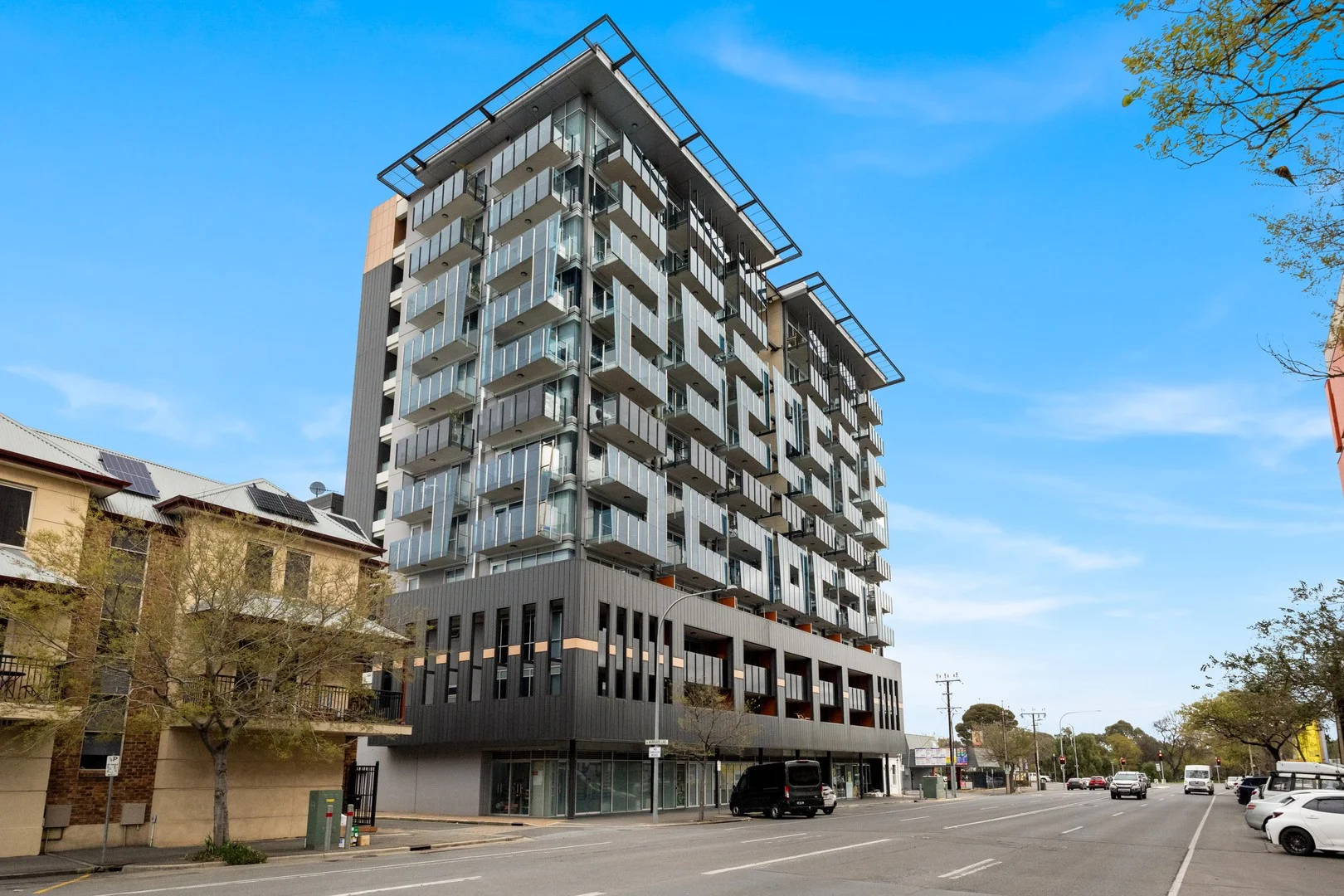 $1,100,000
Apartment / Unit / Flat
$1,100,000
Apartment / Unit / Flat