Overview
## 1. Overview
The School Specialised Assistance School for Youth is a public specialist secondary school focused on providing tailored education and supports for students with diverse learning needs. The school aims to create an inclusive, nurturing environment where every student can build essential academic and life skills through personalized learning plans and targeted supports.
- School type: Public
- School size: Small to medium
- Class size: Typically 8–12 students per class
- Atmosphere/culture: Inclusive, nurturing, supportive; focused on personal growth, well-being, and practical outcomes
⸻
## 2. Academics & Learning
The school emphasises individualized learning paths that align with each student’s strengths, goals, and support needs.
- Academic strengths: Literacy and numeracy foundations, practical life skills, curriculum adaptations to support core subjects, and opportunities to develop leadership and digital literacy.
- Special programs: Individualised Learning Plans, transition programs, targeted interventions, and partnerships with local providers for work-based or practical learning experiences.
- NAPLAN / Ofsted trends: In SA, trends focus on progress within the student cohort; the school highlights steady progress and attainment against individual goals rather than broad comparison scores.
- Student-teacher ratios: Low ratios to maximise one-on-one and small-group support (typical ranges seen across years).
- Support for diverse learners: Strong SEN support, EAL considerations, therapy integration (speech, occupational therapy), and access to allied health referrals as needed.
⸻
## 3. Sports & Extracurricular Strengths
A broad set of opportunities tailored to students’ needs and interests.
- Sports offered: Adapted physical education with options such as basketball, soccer, athletics, and swimming where facilities permit.
- Strong teams or achievements: Participation-oriented teams and local competitions; focus on personal bests and teamwork rather than high-pressure outcomes.
- Music, arts, drama programs: In-house music and performing arts activities, school productions, and opportunities to showcase talents.
- Clubs: Robotics, chess, coding, debating, and other interest-based clubs designed for accessibility and skill-building.
- Partnerships: Connections with local academies, community groups, and competitions to broaden exposure and opportunities.
⸻
## 4. Wellbeing & Pastoral Care
Wellbeing is central to student success, with proactive, evidence-based supports.
- Anti-bullying approach: Clear policies, restorative practices, and a positive behavior framework to create a safe learning environment.
- House system: House groups promote belonging, teamwork, and participation in school events and activities.
- Counsellors / wellbeing officers: On-site wellbeing team providing confidential support, alongside referrals to external services when needed.
- Transition support for new students: Structured orientation, buddy programs, and transitional planning to ease entry and ongoing adjustment.
⸻
## 5. Facilities
Facilities are designed to be functional, accessible, and supportive of differing learning needs.
- Sports grounds
- Libraries
- Science labs
- Music/performing arts centers
- Tech/innovation labs
- Cafeteria
- Updated playgrounds
⸻
## 6. School Values & Community Culture
Clear values guide daily life and learning, helping students grow as responsible individuals.
- School values / mission: Inclusion, resilience, respect, and responsibility underpin teaching and student interactions.
- Leadership style: Collaborative and student-centred, with opportunities for student voice.
- Behaviour expectations: Consistent, respectful conduct with restorative approaches to conflicts.
- Community reputation: Built on supportive relationships, consistent progress, and a commitment to meeting diverse learner needs.
- Diversity & inclusion: Strong emphasis on welcoming students from varied backgrounds and abilities, with inclusive practices embedded in curriculum and environment.
⸻
## 7. School Logistics & Daily Operations
Practical details to help families plan around school life.
- School hours: Standard school-day schedule with start and finish times appropriate to secondary schooling.
- Before/after school care: Availability varies; information provided on request.
- Uniform requirements: School uniform policy with approved suppliers.
- Transport (train/bus routes): Public transport options nearby; school bus services may be available in some areas.
- Canteen availability: On-site or nearby options; permission-based access during breaks.
- Fees (low/medium/high ranges): Public school context with minimal compulsory fees; occasional voluntary contributions and basic material costs.
⸻
## 8. Enrolment & Admissions
11. What is the enrolment process and timeline?
- Interested families complete an expression of interest or application, with required documentation (information about learning needs, supports, and medical history as applicable). The school conducts intake assessments and confirmations, typically spanning weeks to a few months depending on capacity and individual needs.
12. Is there a waiting list, and how does it work?
- Yes, waiting lists can apply. When demand exceeds openings, the school manages a priority-based waitlist and communicates expected timelines. Early expression of interest helps families align with available places.
13. Are there any entry requirements, tests, or interviews?
- Entry typically involves eligibility checks for a specialist program, an intake interview, and a needs assessment to determine appropriate supports and learning plans.
14. Does the school accept mid-year transfers?
- Mid-year transfers are considered where possible, subject to space and alignment of supports with the student’s needs. Early coordination with the school is recommended.
⸻
## 9. Frequently Asked Questions
- Why Parents Choose This School?
Parents choose for its tailored supports, inclusive culture, small class sizes, and strong wellbeing framework that focuses on individual progress and life skills.
- What type of student thrives at this school?
Students who benefit from a structured, supportive environment with individualized learning plans, targeted interventions, and a focus on practical and academic progress.
- What opportunities are available for students to extend their skills (academics, sports, arts)?
A range of academic adaptations, leadership and digital literacy opportunities, adapted sports and PE, music/arts programs, and clubs such as robotics, coding, and debating.
- How does the school communicate with parents?
Through regular newsletters, parent portals or communication apps, scheduled meetings, and progress updates. Staff are available for direct contact as needed.
- What is the school’s approach to teaching and learning?
Individualized learning plans, explicit instruction, frequent progress monitoring, and collaboration with families to set realistic goals.
- How does the school support students who need extra academic help?
Small-group and 1:1 interventions, targeted tutoring, and coordinated supports from SEN and allied health professionals.
- What support is available for academic challenges?
Access to learning supports, additional time or accommodations where appropriate, and ongoing progress tracking to adjust plans.
- How does the school communicate with parents? (reiterated)
See above: regular updates, meetings, and accessible channels for ongoing dialogue.
- What are the class sizes and how much individual attention do students receive?
Class sizes are small (roughly 8–12 students) with frequent individualized checks and personalised learning discussions.
- What extracurricular and sports opportunities are available?
Adapted sports, arts programs, and clubs such as robotics, coding, chess, and debating are available.
- What facilities does the school offer (sports, science, arts)?
Comprehensive facilities include sports grounds, libraries, science labs, music/arts centers, tech/innovation labs, and a canteen.
- What is the school’s approach to technology and digital learning?
Emphasis on digital literacy, assistive technology, safe online practices, and integrating technology to support learning goals.
- What transport and accessibility options are available?
Proximity to public transport with potential school bus options; the campus is designed with accessibility in mind.
- What are the typical school fees or additional costs?
Public schools generally have low compulsory fees; typical costs are for materials, uniforms, excursions, and other optional activities.
⸻
## 10. Short Pros & Cons list
- Pros
- Strong individualized support and small class sizes
- Inclusive, nurturing culture with a focus on well-being
- Broad range of practical and academic learning opportunities
- Flexible transfer options and family engagement
- Access to allied health and targeted intervention services
- Cons
- Smaller scale may mean fewer elective options than larger schools
- Public school context may limit some facilities or programs compared to private/independent settings
- Availability of some programs can depend on year cohort and staffing
- Waiting lists can occur during high-demand periods
⸻









 $545,000
Apartment / Unit / Flat
$545,000
Apartment / Unit / Flat
 $588,000
Apartment / Unit / Flat
$588,000
Apartment / Unit / Flat
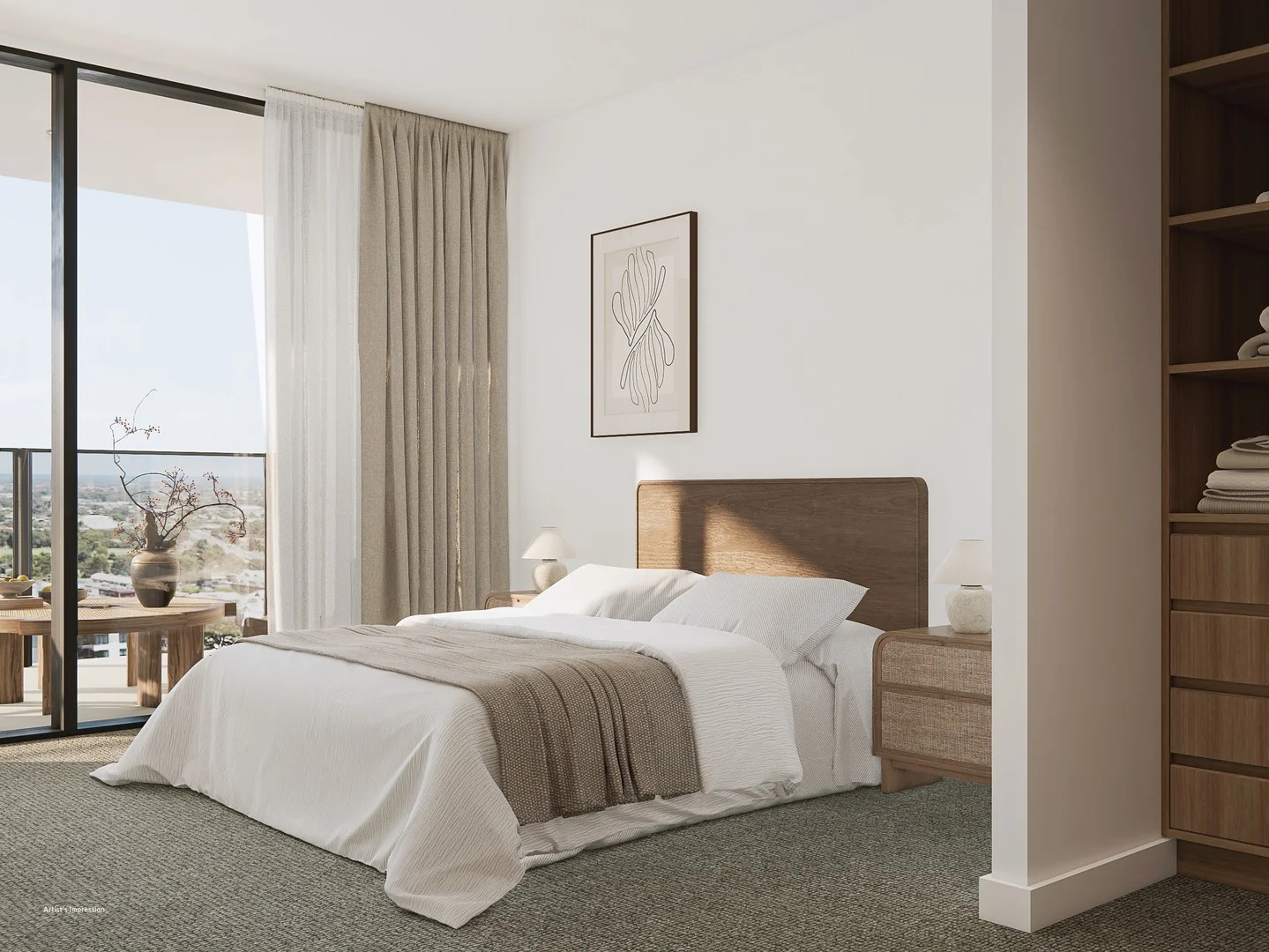 $935,000
Apartment / Unit / Flat
$935,000
Apartment / Unit / Flat
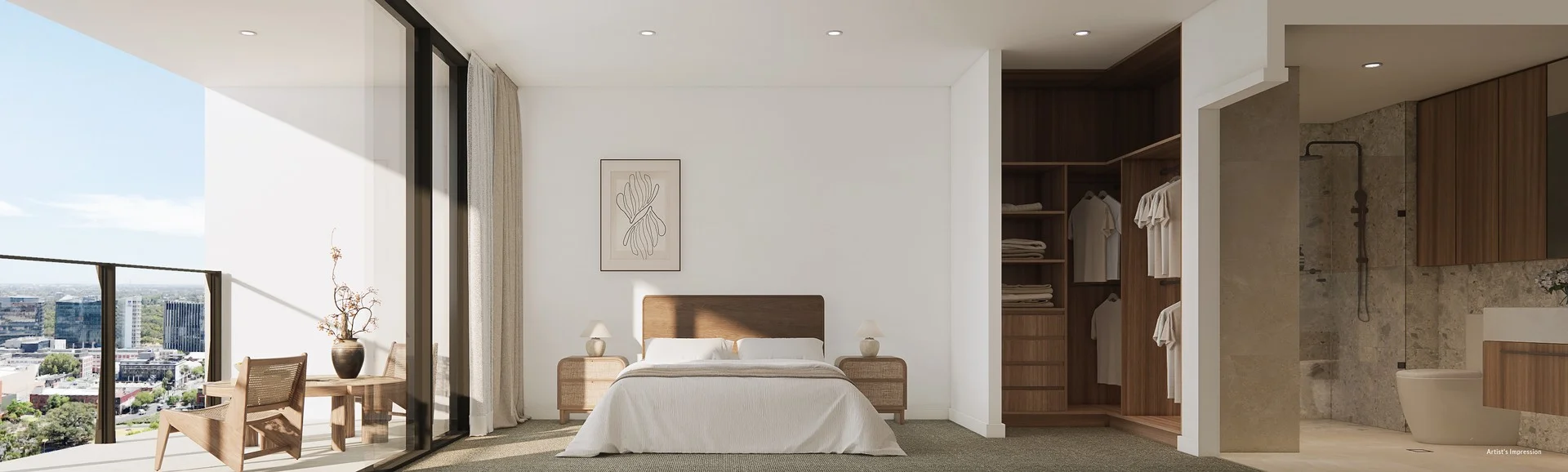 $1,056,000
Apartment / Unit / Flat
$1,056,000
Apartment / Unit / Flat
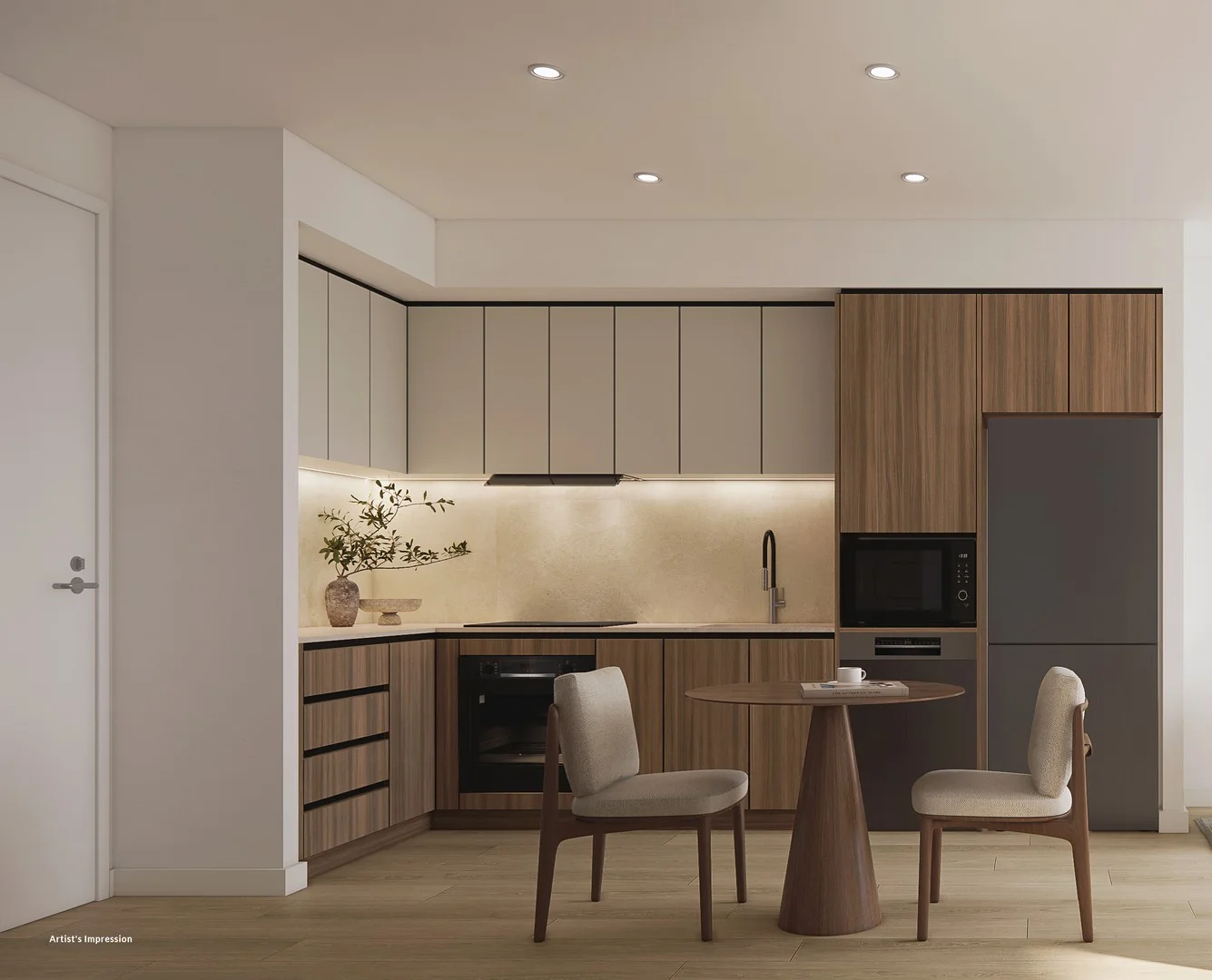 $557,000
Apartment / Unit / Flat
$557,000
Apartment / Unit / Flat
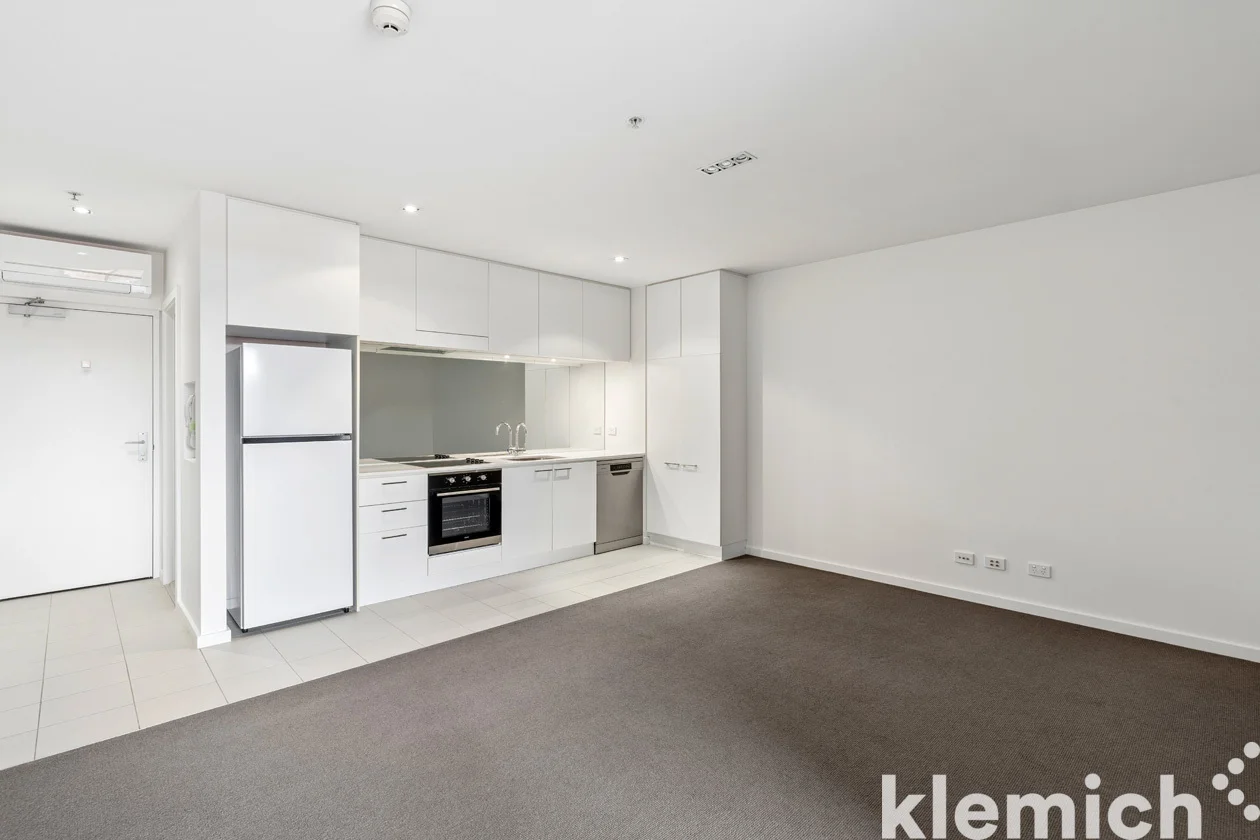 $440,000
Apartment / Unit / Flat
$440,000
Apartment / Unit / Flat
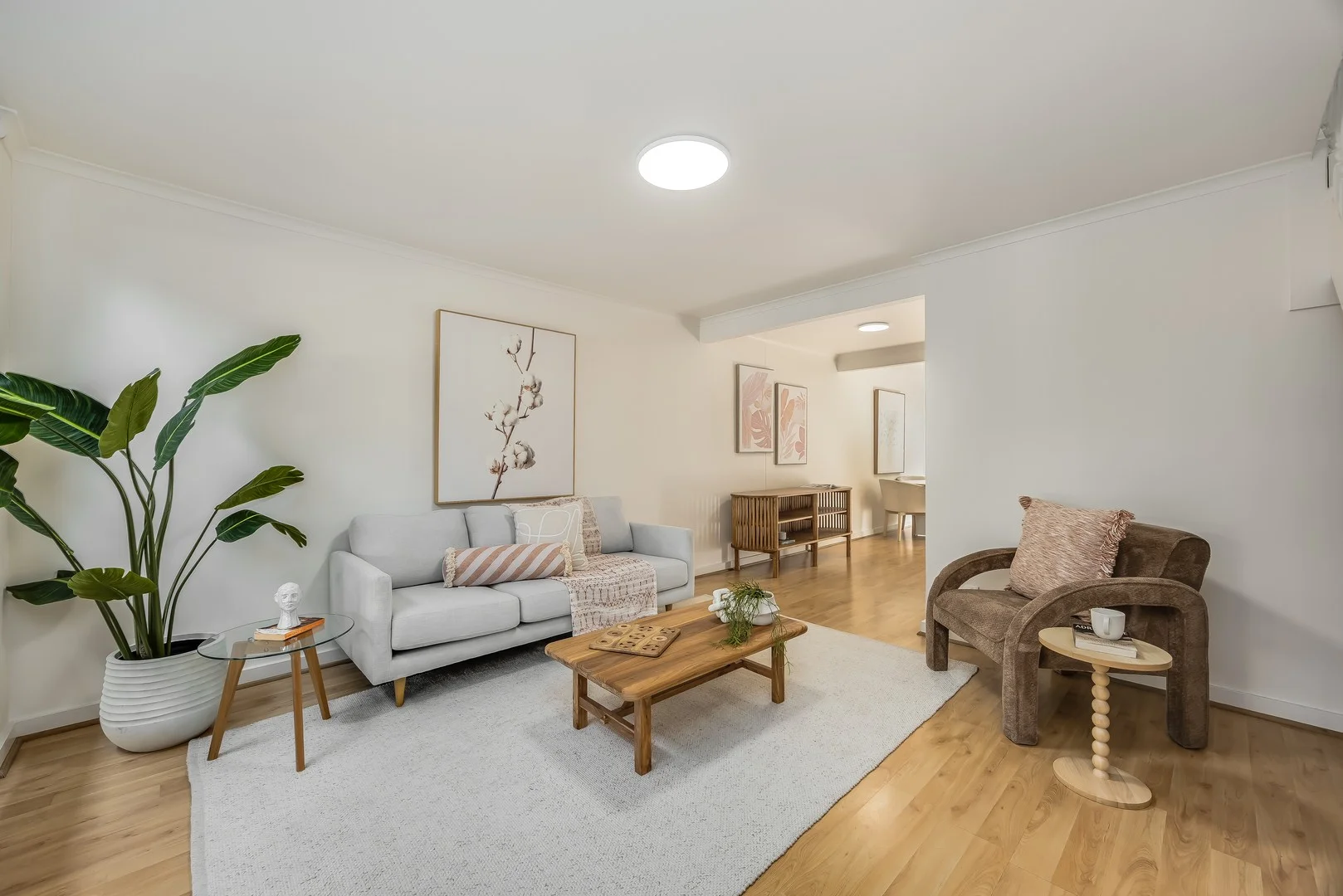 $775,000
House
$775,000
House
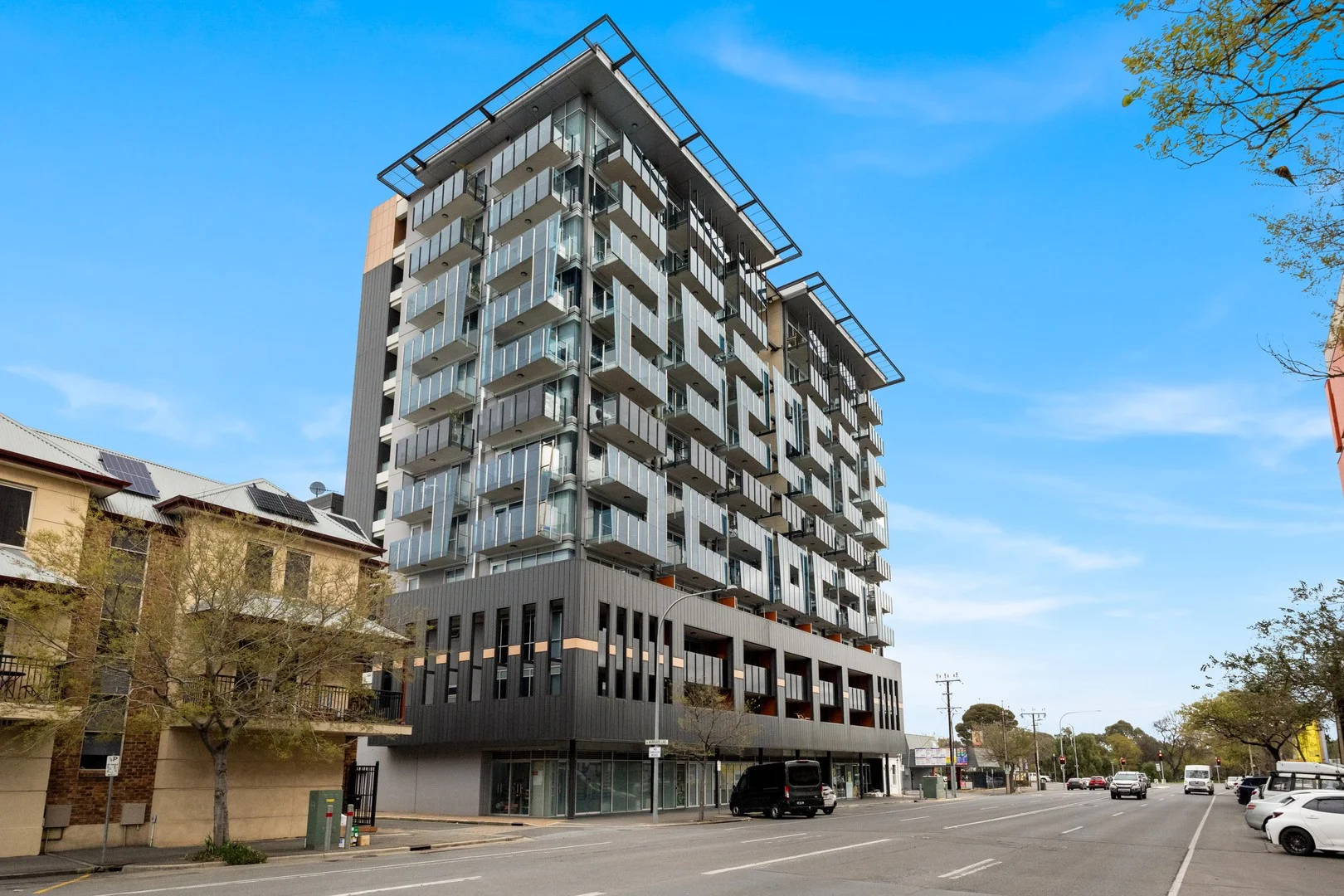 $1,100,000
Apartment / Unit / Flat
$1,100,000
Apartment / Unit / Flat