Overview
## Overview
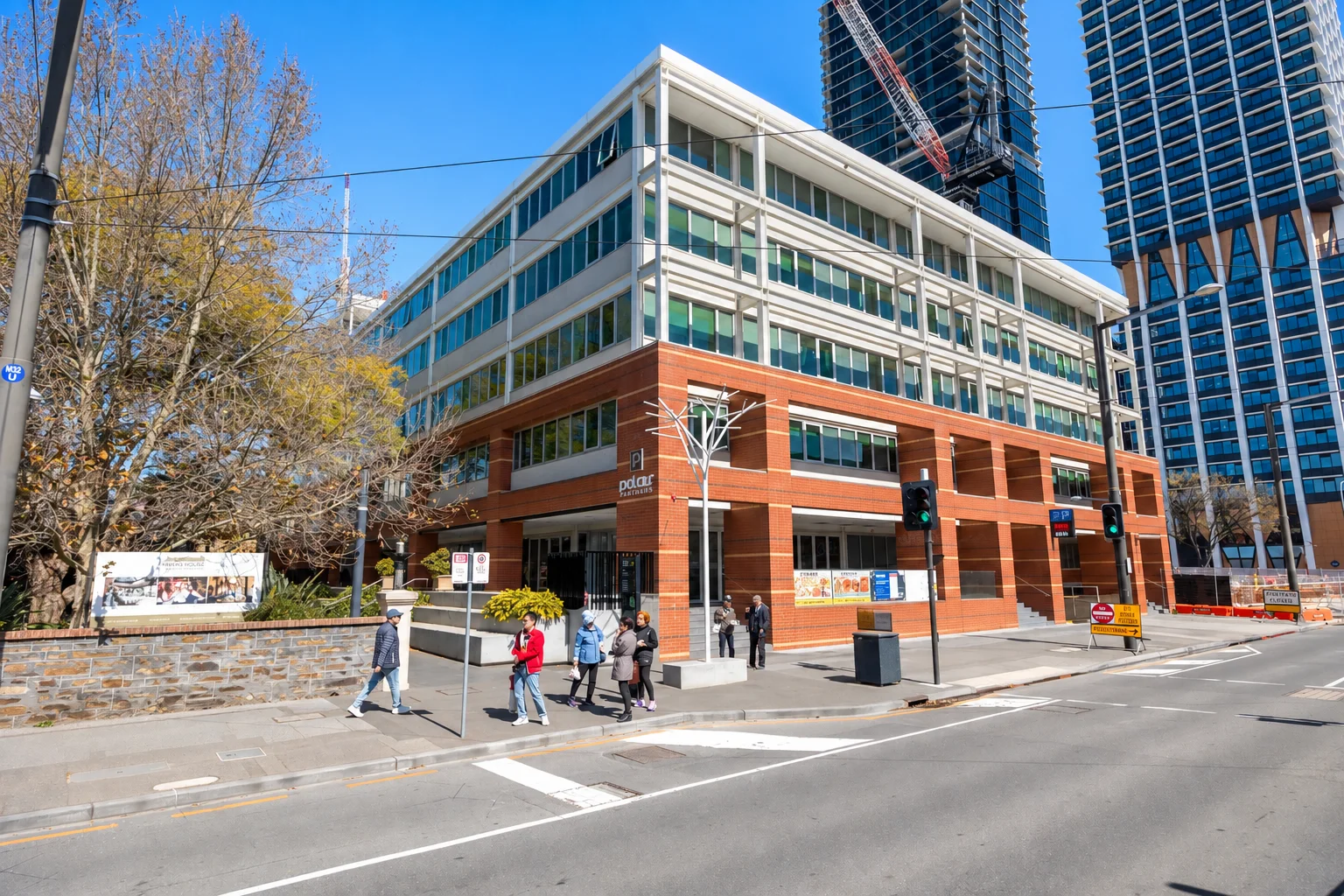
Adelaide International School is a private, independent school located in Adelaide’s central district. It offers a contemporary, internationally minded education for primary and secondary students, blending Australian Curriculum foundations with an emphasis on global perspectives and personalised learning. The school tends to be medium-sized, with a diverse student body and a focus on strong teacher–student relationships.
The atmosphere is nurturing and inclusive, with an academically oriented culture that supports inquiry, collaboration and student wellbeing. Class sizes are typically small to medium, allowing teachers to tailor guidance and feedback to individual learners and to foster a positive, respectful school community.
---
## Academics & Learning
- Academic strengths: STEM (math, science, computing), strong English/Literacy programs, language offerings, and leadership development.
- Special programs: IB-equipped pathway (e.g., Primary Years Programme and Diploma or related international programs), accelerated learning options for high-achieving students, and gifted/talented pathways.
- NAPLAN trends: Year-on-year improvements with results consistently above the national mean in literacy and numeracy on the Australian scale.
- Student-teacher ratios: Approximately 1:12 to 1:16, supporting targeted instruction and timely feedback.
- Support for diverse learners: Dedicated EAL support for students learning English, and inclusive SEN programs with targeted interventions and specialist support where needed.
---
## Sports & Extracurricular Strengths
- Sports offered: Soccer, basketball, cricket, swimming, tennis, athletics, and other school sport programs suitable for different seasons.
- Strong teams or achievements: Active inter-school competition with notable achievements in regional fixtures and competitions across age groups.
- Music, arts, drama programs: Comprehensive programs including choir, instrumental lessons, theatre/drama productions, and visual arts.
- Clubs: Robotics, chess, coding, debating, maths/computing clubs, and other specialty groups.
- Partnerships: Collaborations with local academies, professional coaches, and competitions to broaden exposure (e.g., robotics leagues, regional arts showcases).
This section is designed to appeal to families looking for a well-rounded environment, particularly important for boys aged 10–14, with visible strengths in both team sports and individual pursuits.
---
## Wellbeing & Pastoral Care
- Anti-bullying approach: Clear anti-bullying policies, incident reporting mechanisms, restorative practices and ongoing student education.
- House system: House groups that foster belonging, healthy competition, and peer support across year levels.
- Counsellors / wellbeing officers: Accessible school psychologists or wellbeing staff dedicated to student mental health, resilience, and personal development.
- Transition support for new students: Orientation programs, buddy systems and targeted onboarding to ease entry and help new students integrate quickly.
This section focuses on building trust with families through visible, proactive wellbeing and belonging initiatives.
---
## Facilities
- Sports grounds: Multi-use fields, courts and track facilities suitable for a range of physical activity.
- Libraries: Well-stocked library spaces with study zones and digital resources.
- Science labs: Modern, well-equipped science laboratories for practical experiments.
- Music/performing arts centers: Dedicated spaces for rehearsal, concerts and drama productions.
- Tech/innovation labs: Makerspaces and computer labs supporting coding, robotics and design thinking.
- Cafeteria: On-site dining facilities with healthy meal options.
- Updated playgrounds: Safe, modern outdoor play and recreation areas for younger students.
Facilities are presented as visually engaging, with a focus on safety, accessibility, and opportunities for interdisciplinary learning.
---
## School Values & Community Culture
- School values / mission: Core emphasis on curiosity, integrity, respect, collaboration and global-mindedness; mission includes preparing students for active citizenship.
- Leadership style: Student voice and leadership opportunities, supported by collaborative teacher leadership and clear behaviour expectations.
- Behaviour expectations: Positive behavior policies aligned with school values, consistent routines, and restorative approaches.
- Community reputation: Known for a welcoming, inclusive culture and strong parent partnerships.
- Diversity & inclusion: Commitment to cultural, linguistic and personal diversity with inclusive practices across all year levels.
This section communicates the kind of students who thrive at AIS and the community environment families can expect.
---
## School Logistics & Daily Operations
- School hours: Typical day starts in mid-morning and continues through mid-afternoon with a structured timetable; some campuses offer after-school programs.
- Before/after school care: Available options or wrap-around care in place to support working families.
- Uniform requirements: Clear uniform policy with specified daily wear and any seasonal variations.
- Transport: Access to local bus routes and convenient public transport connections; guidance on drop-off/pick-up procedures.
- Canteen availability: Canteen services or canteen vending with healthy options.
- Fees: Tuition and additional costs fall in a mid-to-high range for private/independent schooling in the area, with details provided in the enrolment materials.
This section provides quick, action-oriented information to help families plan daily routines and budgets.
---
## Enrolment & Admissions
11. What is the enrolment process and timeline?
- Inquiry and information session → online application submission → family/student documentation (birth certificate, immunisation records, prior school reports) → age-appropriate assessments or interviews (for certain year levels) → offer of placement → enrollment confirmation and orientation.
12. Is there a waiting list, and how does it work?
- Yes, there is a waiting list when spaces are limited. Priority typically goes to siblings, then applicants from the local or preferred catchment areas, with other factors considered for placement.
13. Are there any entry requirements, tests, or interviews?
- Entry may involve an interview and/or assessment appropriate to the student’s age. English language proficiency assessments may be required for EAL students. Past academic records and reports help inform placement decisions.
14. Does the school accept mid-year transfers?
- Mid-year transfers are evaluated on space availability and alignment with the current cohort’s timetable, with a streamlined onboarding process if space is available.
This section outlines a clear, step-by-step pathway from first inquiry to enrollment and explains common considerations like wait lists and mid-year transfer options.
---
## Frequently Ask Questions
- Why Parents Choose This School?
- AIS offers a balanced focus on academics, wellbeing, and a global perspective within a supportive community, with strong student-teacher relationships and robust extracurricular options.
- What type of student thrives at this school?
- Students who are curious, cooperative, motivated to learn across disciplines, and engaged in both academics and activities typically succeed. The school supports diverse learners and provides pathways for different talents.
- What opportunities are available for students to extend their skills (academics, sports, arts)?
- Extended programs include IB-style enrichment, accelerated learning options, robotics and coding clubs, music and drama programs, competitive sports, and leadership opportunities.
- How does the school communicate with parents?
- Regular emails, newsletters, a parent portal/app, and scheduled parent-teacher conferences; timely updates on events, wellbeing, and student progress.
- What is the school’s approach to teaching and learning?
- Student-centered, inquiry-based learning with integrated technology, collaboration, and real-world applications. Assessments emphasize feedback and progress.
- How does the school support students who need extra academic help?
- Targeted intervention through EAL support, SEN support, tutoring or study skills programs, and personalized learning plans where appropriate.
- What support is available for academic challenges?
- Additional tutoring, adjust instructional approaches, diagnostic assessments to identify gaps, and collaboration with families and specialists to create individual plans.
- What are the class sizes and how much individual attention do students receive?
- Class sizes typically range from 18 to 22 students, with a low student-teacher ratio to enable frequent feedback and teacher support.
- What extracurricular and sports opportunities are available?
- A broad range of sports (team and individual), music and performing arts, robotics, chess, coding, debating and other clubs; access to local competitions and partnerships.
- What facilities does the school offer (sports, science, arts)?
- Modern laboratories, libraries, performing arts spaces, tech/innovation labs, sports facilities, and dining/canteen areas.
- What is the school’s approach to technology and digital learning?
- Integrated digital learning with devices, learning platforms, online resources, digital citizenship education, and supportive tech infrastructure.
- What transport and accessibility options are available?
- Local bus routes and public transport access; clear drop-off/pick-up procedures; considerations for accessibility across campus.
- What are the typical school fees or additional costs?
- Tuition is in the mid-to-high range for private/independent schooling in the area, with additional costs for uniforms, activities, excursions, and some specialty programs. Detailed fees are provided in the enrolment materials.
---
## Short Pros & Cons list
- Pros
- Private/independent with international-minded programs
- Strong academics with supportive learning environment
- Diverse, inclusive community and robust wellbeing support
- Broad range of co-curriculars (sport, arts, clubs)
- Modern facilities and strong parent communications
- Cons
- Tuition and related costs can be high relative to public options
- Limited spaces may mean waiting lists or selective admissions
- Busy schedule with many programs may require active family involvement
- Mid-year entry depends on space availability
If you’d like, I can tailor any section further with more specific details you provide (e.g., exact programs offered, current facilities, or recent initiative updates).








 $545,000
Apartment / Unit / Flat
$545,000
Apartment / Unit / Flat
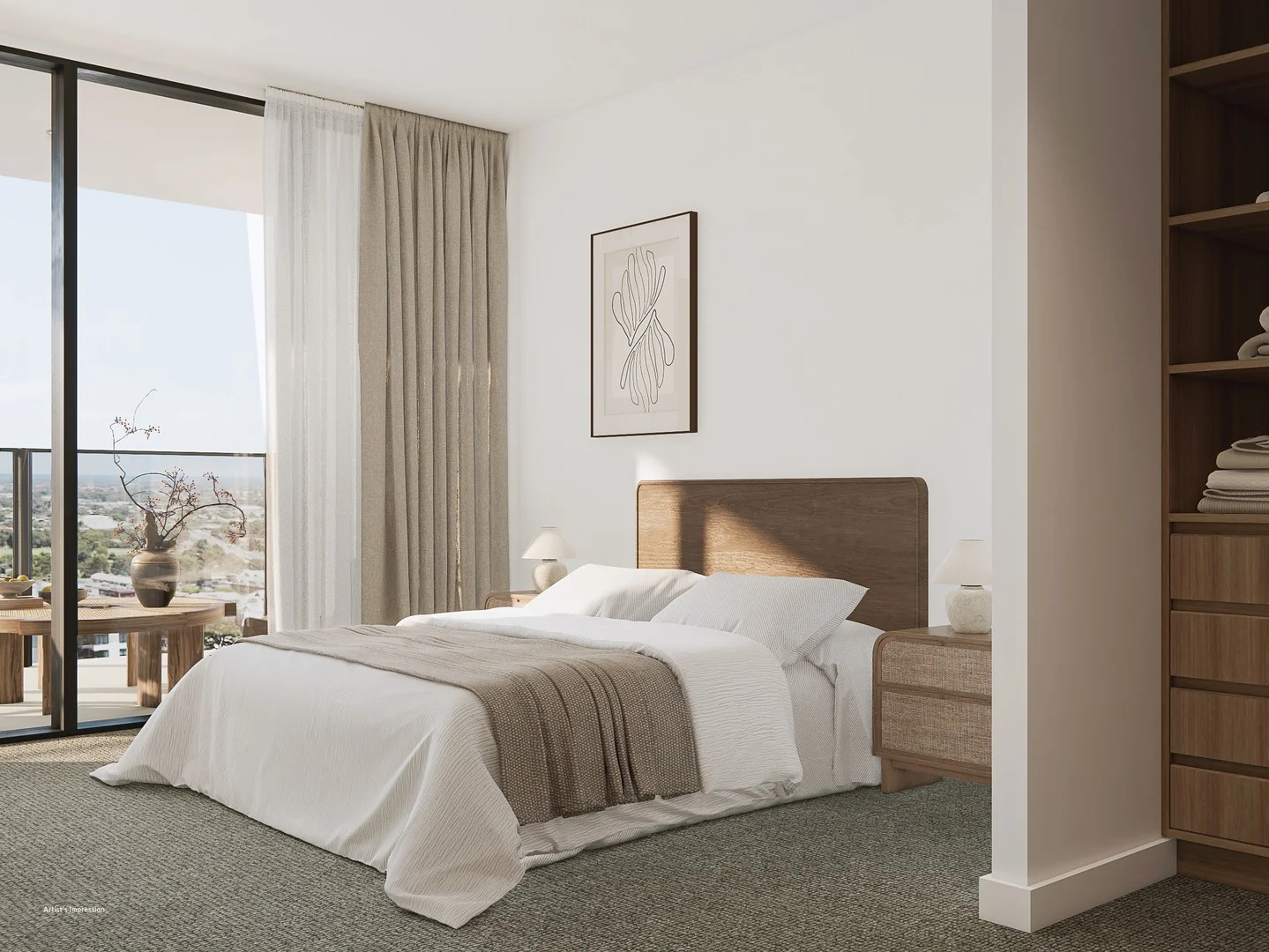 $935,000
Apartment / Unit / Flat
$935,000
Apartment / Unit / Flat
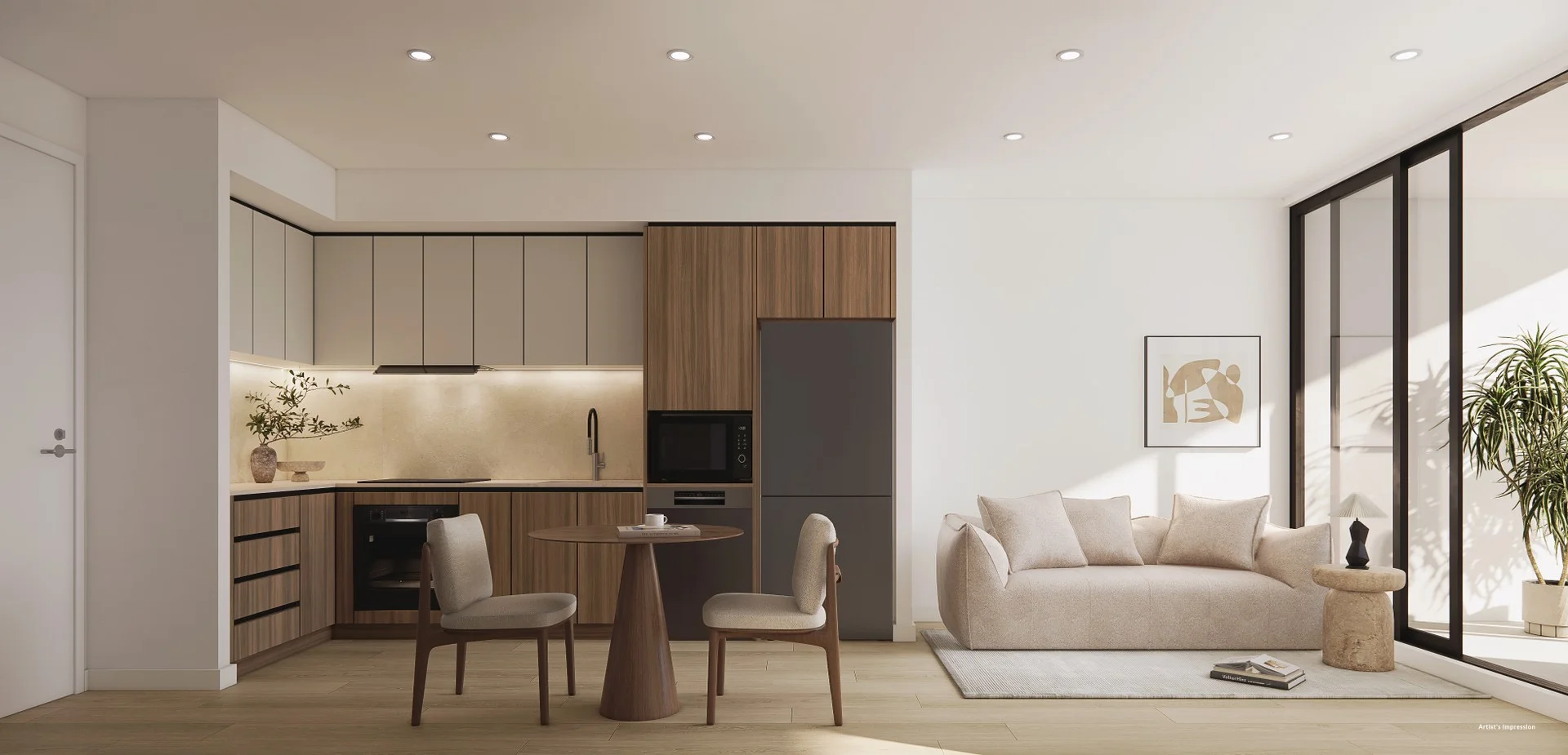 $588,000
Apartment / Unit / Flat
$588,000
Apartment / Unit / Flat
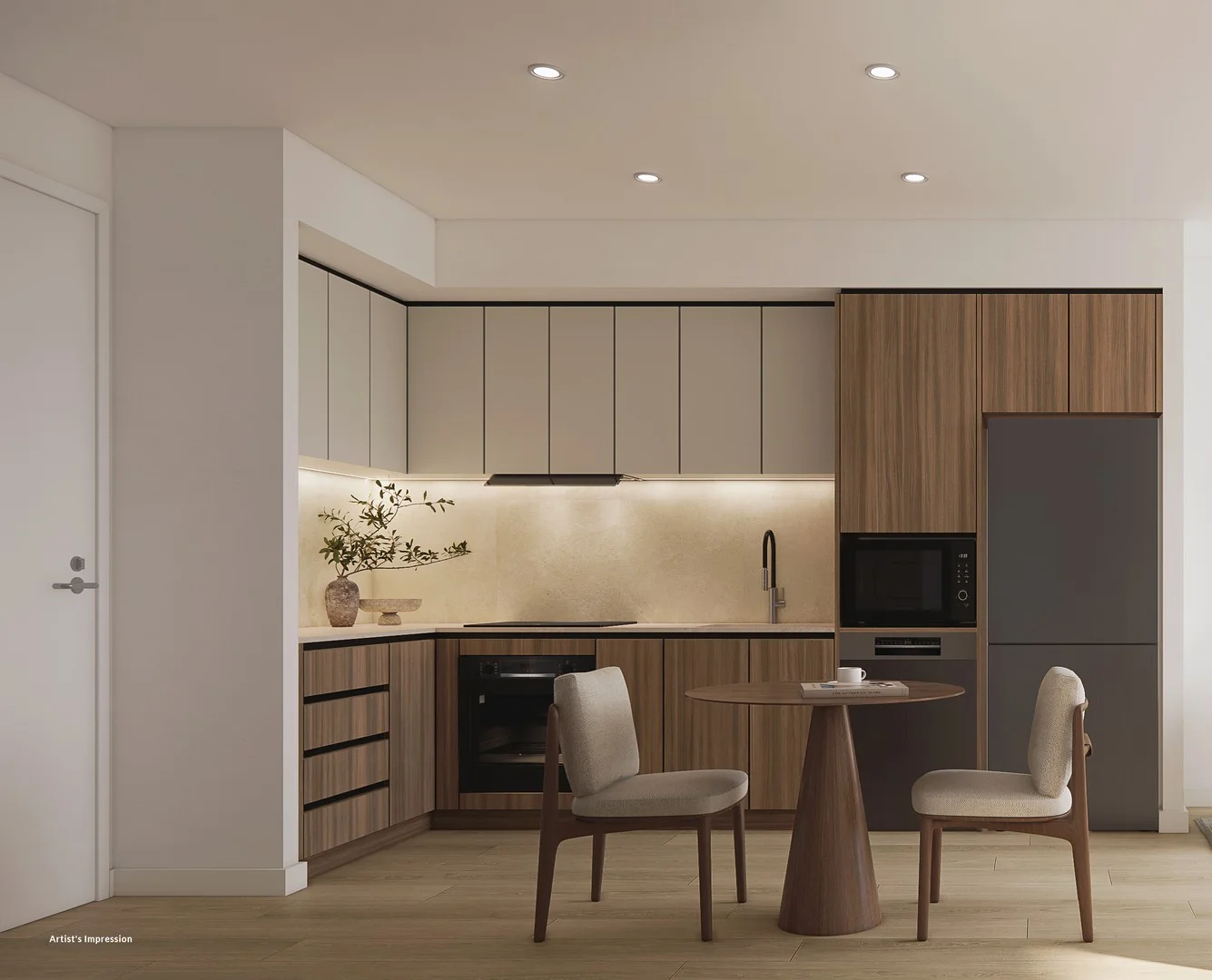 $557,000
Apartment / Unit / Flat
$557,000
Apartment / Unit / Flat
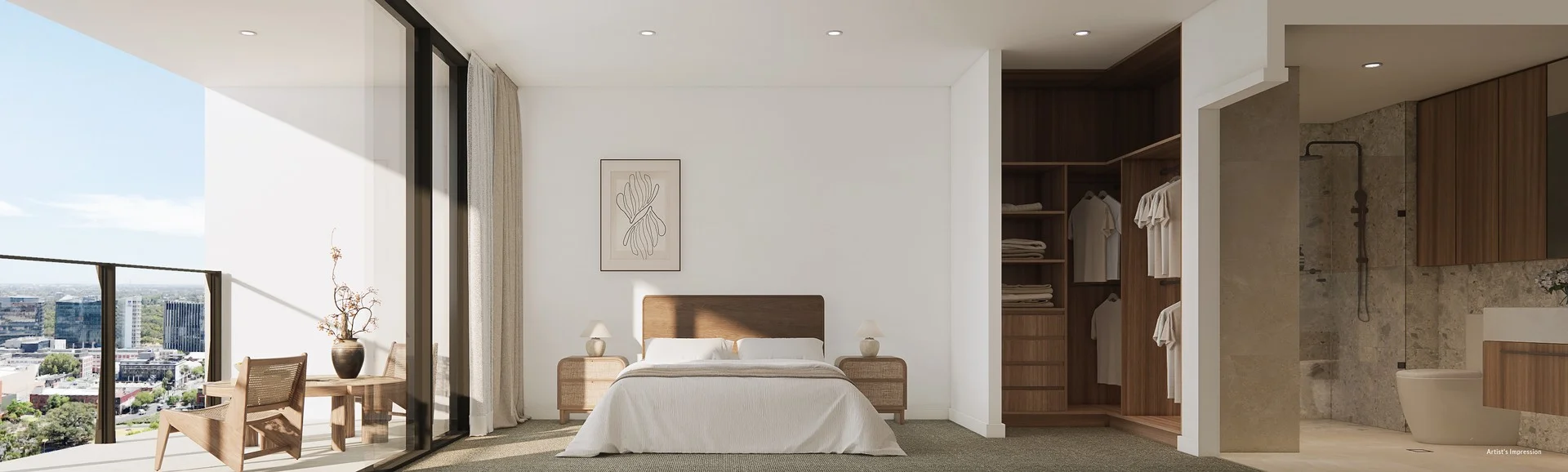 $1,056,000
Apartment / Unit / Flat
$1,056,000
Apartment / Unit / Flat
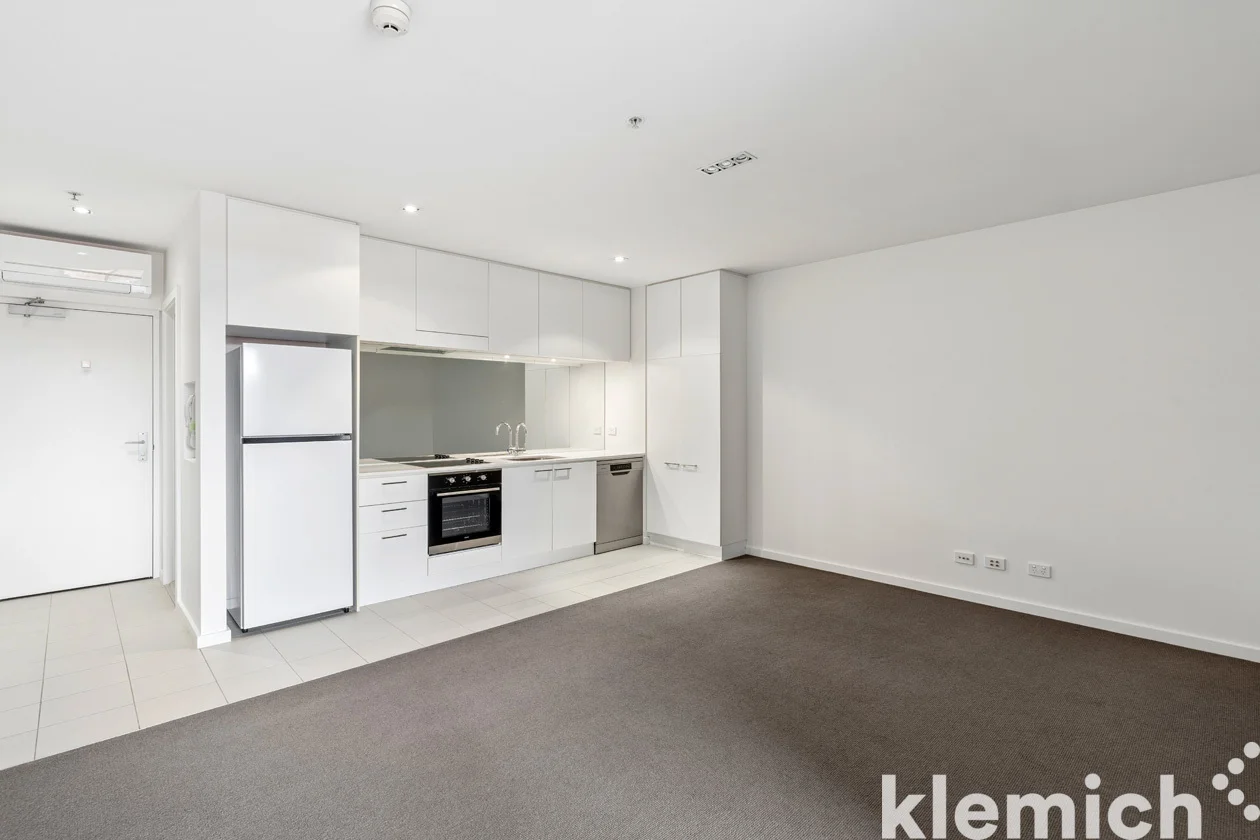 $440,000
Apartment / Unit / Flat
$440,000
Apartment / Unit / Flat
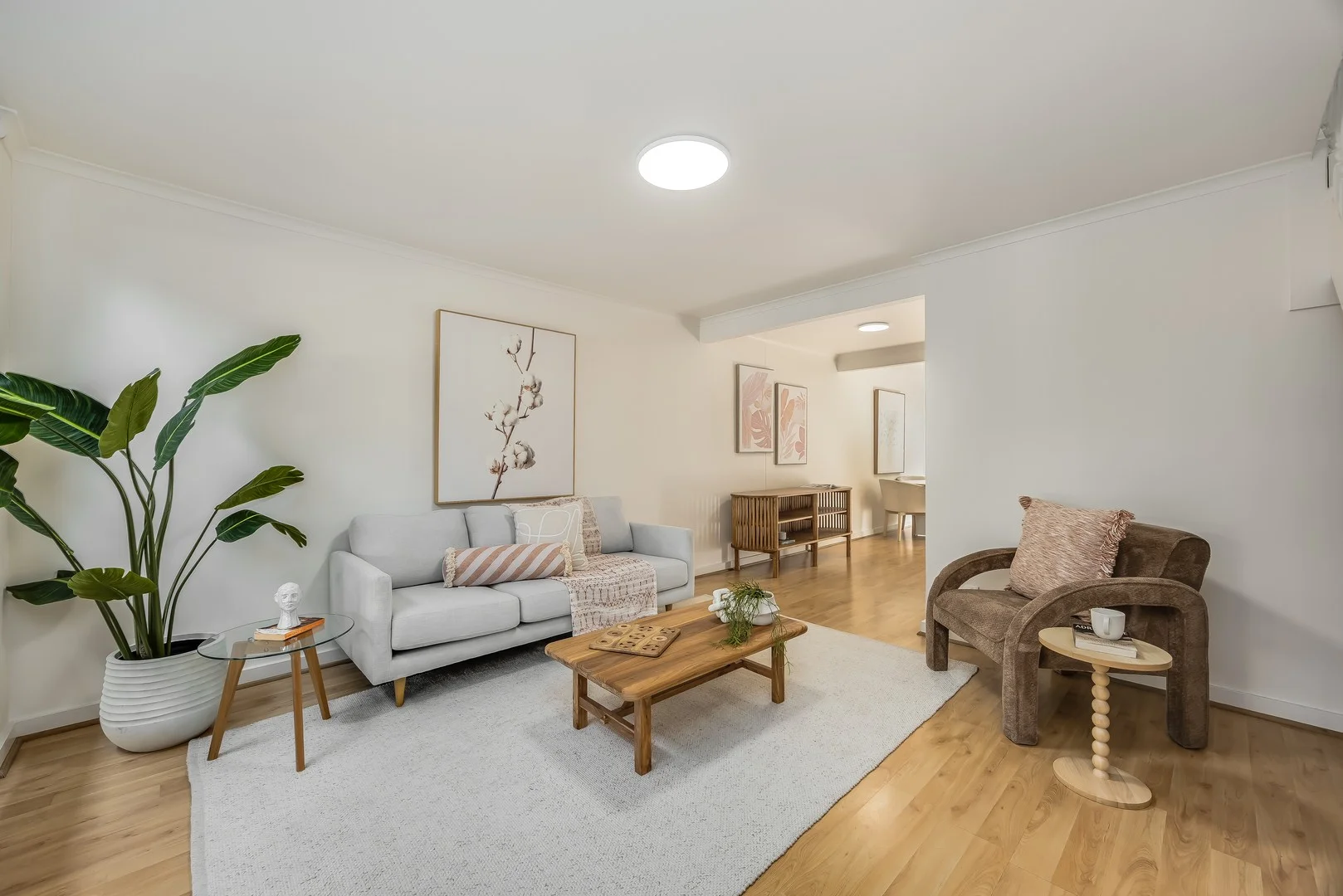 $775,000
House
$775,000
House
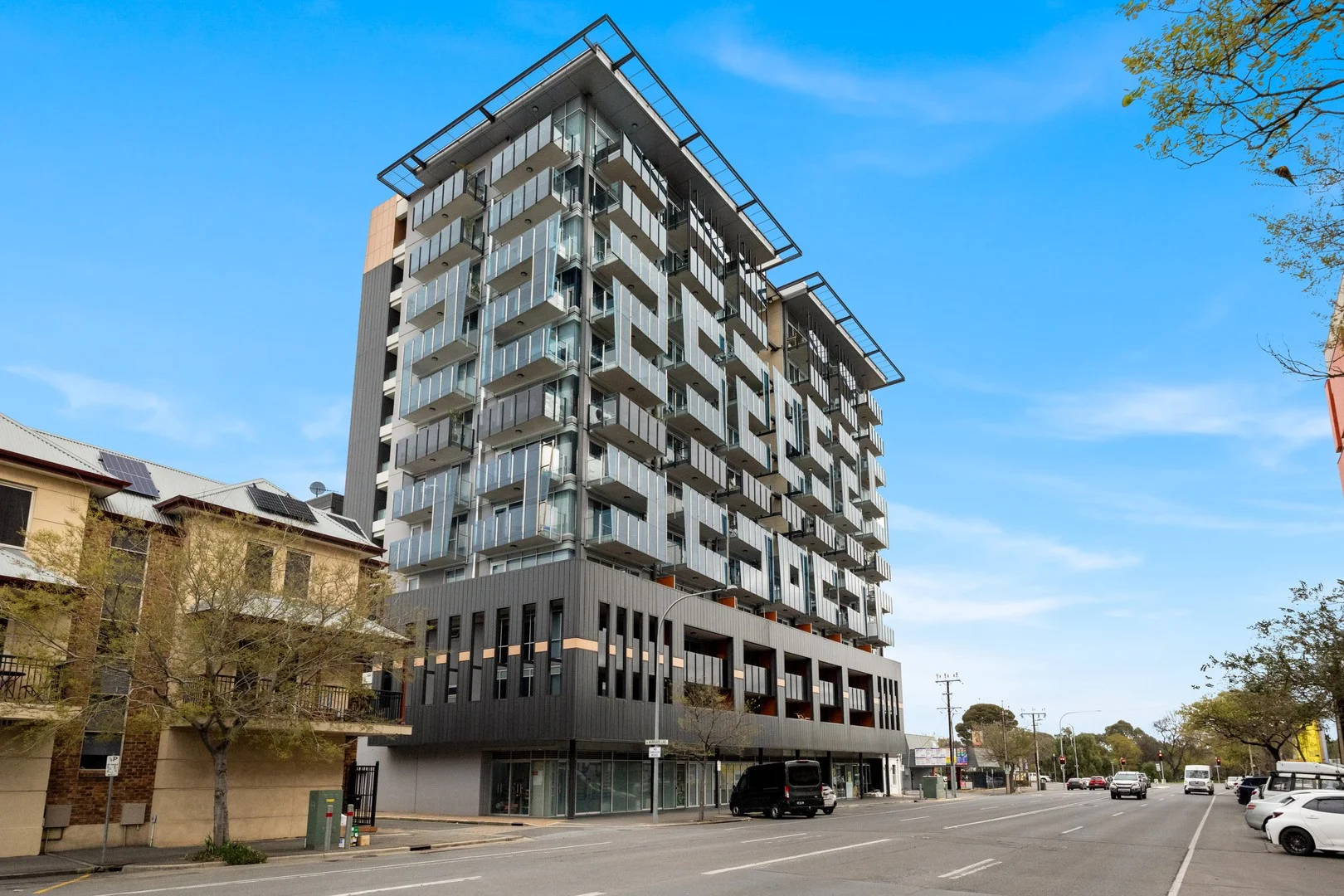 $1,100,000
Apartment / Unit / Flat
$1,100,000
Apartment / Unit / Flat