1. Overview
Christian Brothers College South Australia (CBC SA) is an independent Catholic boys’ school in Adelaide. It combines a strong academic program with a values-based, service-oriented culture in a supportive, close-knit community. The school emphasises holistic development, with a balanced focus on scholarship, leadership, sport, and the arts.
Size-wise CBC SA is medium-to-large for an Australian independent school, with class sizes that typically sit in the mid-teens to low-20s range. The atmosphere is traditionally academic and disciplined, yet inclusive and nurturing, with a strong emphasis on character, resilience, and teamwork both in and beyond the classroom.
⧫ School type: Independent Catholic boys’ day school
⧫ School size: Medium-large
⧫ Class size: Typically 18–22 students per class
⧫ Atmosphere/culture: Nurturing, academically focused, inclusive, sport-oriented
---
2. Academics & Learning
CBC SA aims to deliver strong academic outcomes while developing leadership, critical thinking, and ethical formation. The school supports a rigorous curriculum with opportunities for extension and real-world application.
- Academic strengths: STEM, English, leadership development, and languages are areas of focus, supported by well-equipped facilities and experienced staff.
- Special programs: Pathways for accelerated learning and gifted/talented opportunities; leadership and service-oriented programs embedded in the curriculum.
- NAPLAN / trend indicators: Consistently strong performance with positive year-on-year trends in literacy and numeracy, reflecting effective instruction and support.
- Student-teacher ratios: Generally favorable, enabling meaningful teacher attention; typical classroom ratios sit in the low-teens to mid-teens.
- Support for diverse learners: EAL and SEN support available; programs and learning adjustments tailored to individual needs; coordinated with families to optimise pathways.
---
3. Sports & Extracurricular Strengths
A key selling point for many families is CBC SA’s robust sports and broad set of extracurriculars.
- Sports offered: Rugby, cricket, football (soccer), athletics, basketball, swimming, tennis, and other school-based activities.
- Strong teams/achievements: Regular participation in local competitions with competitive teams across age groups; a track record of successful school-level against peers.
- Music, arts, drama: Active music ensembles, choirs, and drama productions; opportunities to perform and develop stagecraft.
- Clubs: Robotics, chess, coding, debating, and other intellectually engaging clubs complement the timetable.
- Partnerships: Connections with local clubs, community organizations, and school competitions to broaden opportunities beyond the classroom.
Most parents find these offerings valuable for boys aged 10–14, who benefit from clear pathways to sport, performance, and intellectual pursuits outside academics.
---
4. Wellbeing & Pastoral Care
CBC SA places wellbeing at the forefront of student life, with structures designed to support every learner.
- Anti-bullying approach: Proactive policies, clear reporting channels, and a culture of respect and inclusion.
- House system: A house-based framework supports pastoral care, mentorship, and friendly competition across years.
- Counsellors / wellbeing officers: Dedicated wellbeing staff and access to confidential counselling services.
- Transition support for new students: Orientation programs, buddy systems, and family information sessions to ease transitions into and between year levels.
---
5. Facilities
CBC SA provides well-equipped spaces to support learning, creativity, and physical development.
- Sports grounds: On-site playing fields and courts for a variety of sports.
- Libraries: Well-stocked libraries with study spaces and digital resources.
- Science labs: Modern laboratories for biology, chemistry, and physics.
- Music/performing arts centers: Dedicated spaces for music ensembles and drama productions.
- Tech/innovation labs: Contemporary classrooms and fabrication or computer labs to support digital learning and STEM.
- Cafeteria: On-site dining facilities with options for students.
- Updated playgrounds: Safe, modern outdoor spaces for recreation and informal learning.
---
6. School Values & Community Culture
CBC SA aims to cultivate well-rounded young men who lead with integrity and service.
- School values / mission: Catholic ethos emphasizing service, character, leadership, and academic excellence.
- Leadership style: Inclusive and collaborative, with student voice and active participation in community life.
- Behaviour expectations: High standards of respect, responsibility, and accountability; consistent enforcement and support.
- Community reputation: Strong local presence with a reputation for academic rigor, discipline, and community engagement.
- Diversity & inclusion: Commitment to an inclusive culture that respects differences and supports all students.
---
7. School Logistics & Daily Operations
Practical details that help families understand day-to-day life.
- School hours: Typical school day runs on a standard timetable (e.g., start mid-morning to mid-afternoon) with variation by year level.
- Before/after school care: Availability of supervision or care options outside standard hours.
- Uniform requirements: Formal uniform with seasonal options (summer/winter); details provided by the school.
- Transport: Access via bus routes and public transport; some families may use school transport arrangements.
- Canteen availability: On-site canteen or snack facilities for daily needs.
- Fees: Fees fall in the mid-to-high range for Adelaide’s independent schools; additional costs may include uniforms, excursions, and activity levies. Exact figures are provided by the admissions team.
---
8. Enrolment & Admissions
11. What is the enrolment process and timeline?
- Begin with an expression of interest or online application, followed by submission of required documents (academic records, birth/citizenship documentation, etc.). Applicants may participate in an interview and/or academic assessment as part of shortlisting. Offers are made in line with space availability and timing, with a confirmation and enrollment process thereafter.
12. Is there a waiting list, and how does it work?
- Yes, popular year levels may operate a waiting list. Applicants may be prioritized by factors such as sibling attendance, parish affiliation, and order of application. The admissions team can provide an estimated timeline based on current space and demand.
13. Are there any entry requirements, tests, or interviews?
- Most year-level entries involve an interview with the family and student, and academic or aptitude considerations may be used to inform placement. The Catholic ethos and alignment with the school values are also considered as part of entry.
14. Does the school accept mid-year transfers?
- Mid-year transfers are considered where space allows. Prospective transferees should contact the admissions office early, supply transcripts and reports, and complete the standard transfer process to enable timely placement.
---
9. Frequently Asked Questions
- Why Parents Choose This School?
Parents often choose CBC SA for its strong academic program, clear values alignment, supportive community, and excellent co-curricular and sport opportunities.
- What type of student thrives at this school?
Students who are motivated academically, value leadership and service, enjoy team sports or arts, and appreciate a Catholic education environment tend to thrive.
- What opportunities are available for students to extend their skills (academics, sports, arts)?
Extended academic pathways, leadership initiatives, sports teams, music ensembles, drama productions, robotics, debating, and other clubs provide chances to grow.
- How does the school communicate with parents?
Regular communications include newsletters, email updates, a parent portal, and scheduled parent-teacher conferences.
- What is the school’s approach to teaching and learning?
A balanced, student-centred approach with a focus on rigor, evidence-based teaching, formative feedback, and integration of digital learning tools.
- How does the school support students who need extra academic help?
Targeted learning support, tutoring, learning support staff, EAL/SEN assistance, and individualized planning collaborate with families.
- What support is available for academic challenges?
Access to counsellors, academic coaching, and structured plans to address gaps or learning needs.
- How does the school communicate with parents?
See above: regular updates, portals, and direct channels to teachers and leadership.
- What are the class sizes and how much individual attention do students receive?
Class sizes typically range from about 18–22 students, with strong teacher availability and targeted support where needed.
- What extracurricular and sports opportunities are available?
A broad program including rugby, cricket, football, athletics, basketball, swimming, tennis, music, drama, and a variety of clubs (robotics, chess, coding, debating).
- What facilities does the school offer (sports, science, arts)?
Modern laboratories, extensive sports facilities, performing arts spaces, libraries, and technology labs.
- What is the school’s approach to technology and digital learning?
Integrated digital learning with access to devices and platforms that support collaboration, research, and project-based learning.
- What transport and accessibility options are available?
Bus routes and public transport access; on-site or nearby parking and facilities designed for accessibility.
- What are typical school fees or additional costs?
Fees are in the mid-to-high range for Adelaide independent schools, with potential additional costs for uniforms, excursions, and activity levies. Exact figures are provided by the admissions team.
---
10. Short Pros & Cons list
Pros
- Strong Catholic identity and values integrated into daily life
- Solid academic program with opportunities for extension
- Broad range of co-curriculars (sports, arts, clubs)
- Supportive wellbeing and pastoral care
- Positive community reputation and alumni connections
Cons
- Fees are higher than public schools (typical for independent schools)
- Competitive entry with waitlists at popular year levels
- Motion toward a traditional schooling environment may be less suitable for families seeking a non-traditional or non-Catholic setting
- Transport options may require planning for families not on direct routes
 Free
Free








 $545,000
Apartment / Unit / Flat
$545,000
Apartment / Unit / Flat
 $775,000
House
$775,000
House
 $935,000
Apartment / Unit / Flat
$935,000
Apartment / Unit / Flat
 $557,000
Apartment / Unit / Flat
$557,000
Apartment / Unit / Flat
 $588,000
Apartment / Unit / Flat
$588,000
Apartment / Unit / Flat
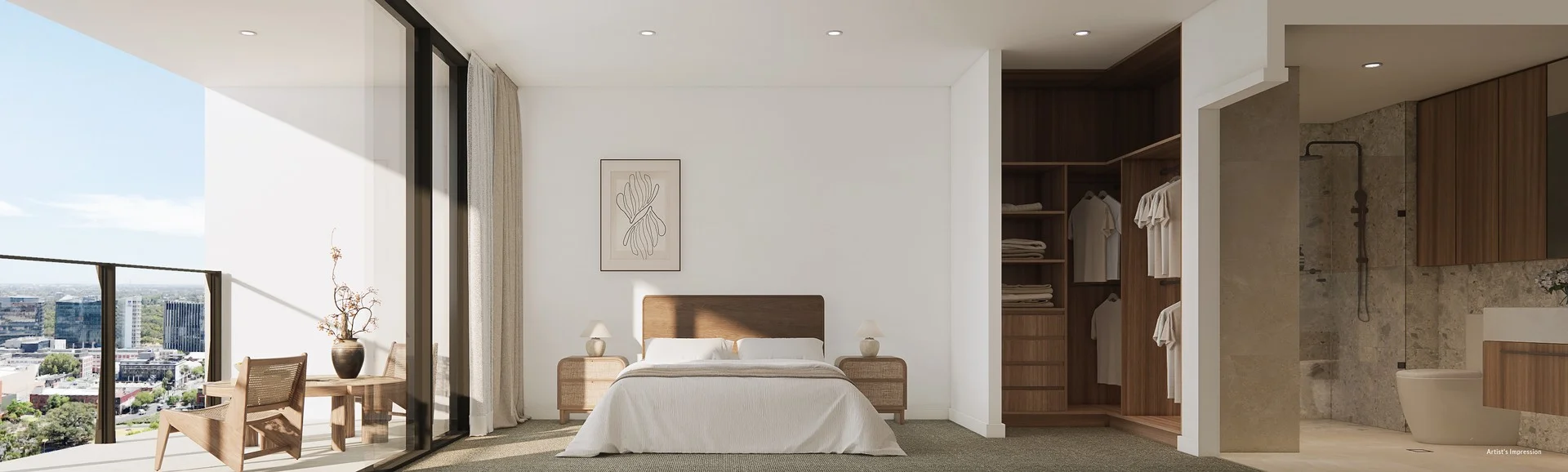 $1,056,000
Apartment / Unit / Flat
$1,056,000
Apartment / Unit / Flat
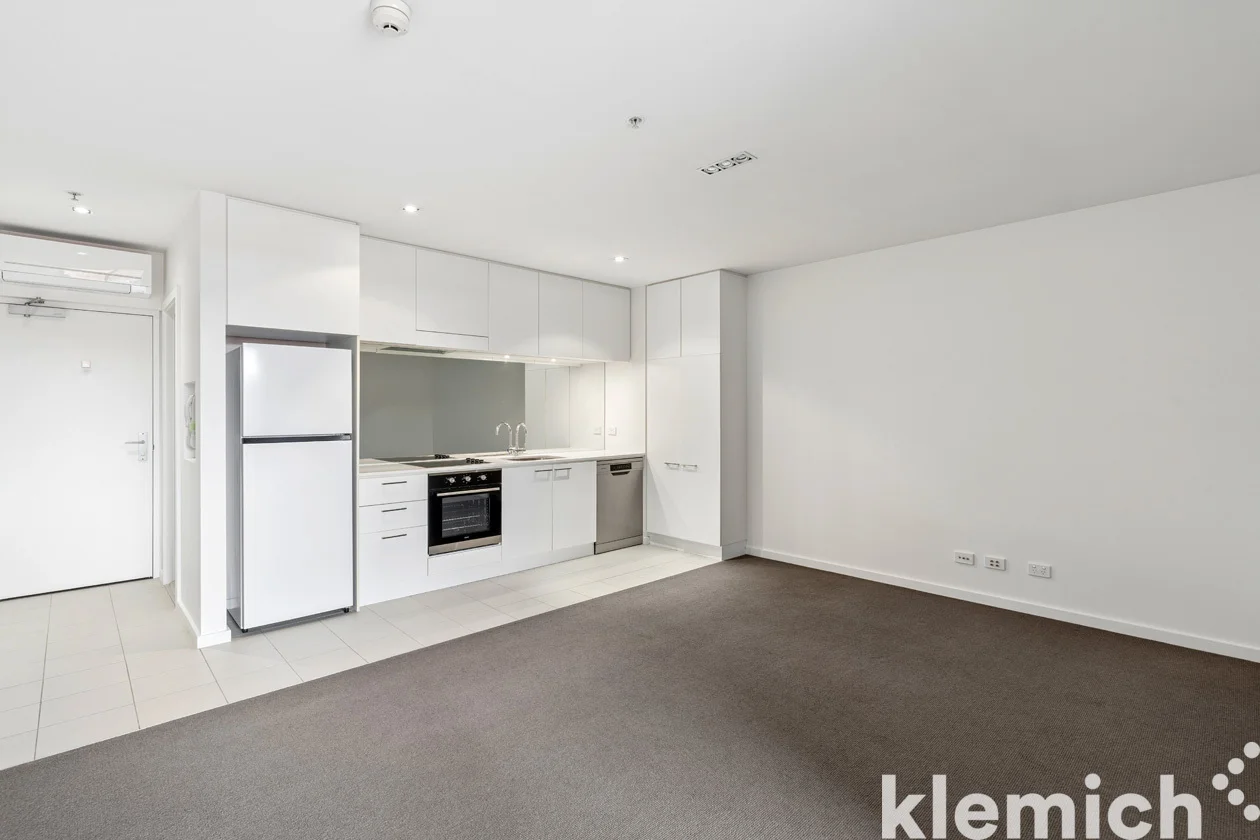 $440,000
Apartment / Unit / Flat
$440,000
Apartment / Unit / Flat
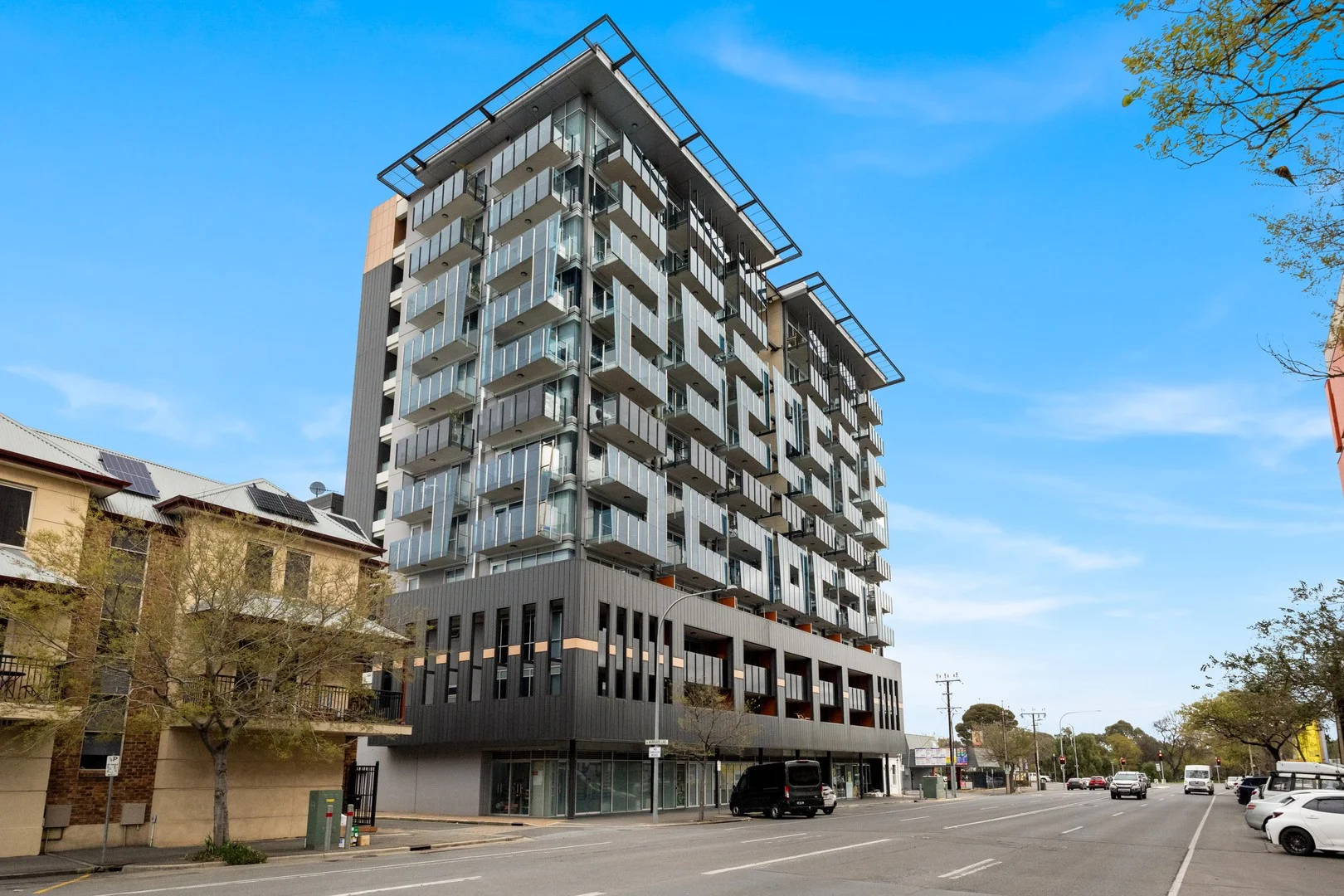 $1,100,000
Apartment / Unit / Flat
$1,100,000
Apartment / Unit / Flat