## Overview
St Therese’s Primary School – New Lambton is a Catholic primary school committed to nurturing the whole child within a faith-filled community. The school emphasises values-based learning, strong pastoral care, and partnership with families to support each student’s growth.
Size-wise, the school is medium in scale, with class sizes typically in the low-to-mid 20s. The atmosphere is welcoming and inclusive, blending academic effort with faith development, service, and opportunities for students to participate in extracurricular activities and community life.
⸻
## Academics & Learning
- Academic strengths: strong literacy and numeracy foundations, with targeted support to develop comprehension, writing, and mathematical thinking. Emphasis on STEM concepts, digital literacy, and robust religious education as part of the curriculum.
- Special programs: opportunities for leadership development, gifted and talented pathways where available, and integration of faith-based learning with broader learning goals.
- NAPLAN trends (not scores): steady improvement and solid performance in key domains over recent years, with consistent progress in reading and numeracy and strong spelling/writing outcomes.
- Student-teacher ratios: generally close to 1:10 to 1:15, supporting accessible, personalized learning.
- Support for diverse learners: dedicated support for students with diverse learning needs, including EAL (English as an Additional Language) and SEN (Special Educational Needs) programs, with targeted interventions and inclusive teaching practices.
⸻
## Sports & Extracurricular Strengths
- Sports offered: soccer, basketball, netball, cricket, athletics, swimming programs, and school-based intramurals; opportunities for cross-country and inter-school events.
- Strong teams or achievements: participation in district/zone competitions and school-level team success across several sports; emphasis on skill development, teamwork, and fair play.
- Music, arts, drama programs: choir, school musical or drama productions, instrumental lessons or ensembles, and opportunities to perform at school events.
- Clubs: robotics, coding, chess, debating, and other interest-based clubs that build problem-solving and collaboration skills.
- Partnerships: connections with local clubs and community organizations for competitions, clinics, and guest workshops; collaboration with regional sports associations and arts programs.
⸻
## Wellbeing & Pastoral Care
- Anti-bullying approach: clear anti-bullying policies, wellbeing programs, and a culture of respect, kindness, and accountability reinforced through whole-school expectations.
- House system: four-house structure to promote healthy competition, teamwork, and community belonging through regular house events and celebrations.
- Counsellors / wellbeing officers: access to school-based counsellors or wellbeing coordinators to support students’ emotional and social needs.
- Transition support for new students: orientation programs, buddy systems, welcome sessions, and gradual integration to help new students settle in smoothly.
⸻
## Facilities
- Sports grounds: well-maintained playing fields and courts suitable for a range of outdoor activities.
- Libraries: colourful, inviting library spaces that support independent reading and research.
- Science labs: functional spaces for hands-on experiments and inquiry-based learning.
- Music/performing arts centers: dedicated spaces or studios for music lessons, rehearsals, and performances.
- Tech/innovation labs: computer or media labs that support digital literacy and project-based learning.
- Cafeteria: on-site canteen or lunch program with safe, child-friendly options.
- Updated playgrounds: contemporary play spaces designed for active play and social interaction.
⸻
## School Values & Community Culture
- School values / mission: grounded in Catholic faith with a focus on respect, responsibility, compassion, and service to others.
- Leadership style: inclusive, student-engaged leadership; opportunities for student voice and leadership through student councils or buddy programs.
- Behaviour expectations: clear, consistently applied expectations linked to the school’s values and positive behavior policies.
- Community reputation: supportive parent-partnered community with strong involvement in school events and service activities.
- Diversity & inclusion: welcoming environment that recognises and celebrates diverse backgrounds and abilities, with inclusive teaching practices.
⸻
## School Logistics & Daily Operations
- School hours: typical primary-day schedule aligned with NSW norms, often starting mid-morning and finishing in the mid-afternoon; varies by year level.
- Before/after school care: available options for before and after school care or wraparound programs.
- Uniform requirements: full school uniform with seasonal options; details typically provided by the school uniform shop and the administrative office.
- Transport (train/bus routes): accessible by local bus routes and nearby public transport; arrangements for drop-off and pick-up support.
- Canteen availability: daily canteen service or lunch-order options for students.
- Fees (low/medium/high ranges): fees are in the mid-range for NSW Catholic primary schools, with additional costs for excursions, camps, and optional programs.
⸻
## Enrolment & Admissions
11. What is the enrolment process and timeline?
- Inquiries typically begin online or via the school office.
- Families submit an application by the school’s stated due date, with required documentation (birth certificate, immunisation records, baptism certificate if applicable, and proof of residency).
- Applications are reviewed, and families are invited to an information session and/or couple with a short interview.
- If offered a place, families return the acceptance and pay any fees to secure enrolment. This may be followed by a confirmation of enrolment and a start date.
12. Is there a waiting list, and how does it work?
- Yes, there is often a waiting list when full capacity is reached. Placements are typically offered based on date of application, priority considerations (such as parish or sibling criteria), and space availability. The school will outline expected wait times at the time of inquiry.
13. Are there any entry requirements, tests, or interviews?
- Most primary enrolments do not require academic tests. An interview or information session with families and students is common to assess fit with the school’s Catholic ethos and community expectations. Documentation confirming baptism (if applicable) and other statutory requirements may be requested.
14. Does the school accept mid-year transfers?
- Mid-year transfers are possible if spaces are available. Families should contact the school early to discuss availability, transition support, and required documentation to enable a smooth move for the student.
⸻
## Frequently Asked Questions
- Why Parents Choose This School?
- A welcoming, faith-centered community that supports academic and personal growth, with strong pastoral care and family partnership.
- What type of student thrives at this school?
- Curious, respectful students who value community, faith-based learning, teamwork, and participation in both academic and extracurricular activities.
- What opportunities are available for students to extend their skills (academics, sports, arts)?
- Strong literacy and numeracy development, leadership opportunities, gifted and talented pathways where available, a variety of sports, music and drama programs, and clubs such as robotics, coding, chess, and debating.
- How does the school communicate with parents?
- Regular updates via newsletters, parent portals, emails, and parent-teacher meetings; open channels for feedback and involvement in school activities.
- What is the school’s approach to teaching and learning?
- Student-centered, faith-informed pedagogy that integrates literacy, numeracy, inquiry-based learning, and digital literacy with a focus on dispositions like resilience and collaboration.
- How does the school support students who need extra academic help?
- Targeted in-class supports, learning support staff, EAL/SEN programs, and additional intervention where required to help students progress.
- What support is available for academic challenges?
- Early identification, differentiated instruction, and access to specialists or learning support teams to address gaps and build stronger foundations.
- How does the school communicate with parents?
- See above; ongoing, multi-channel communication and opportunities to engage with teachers and leadership.
- What are the class sizes and how much individual attention do students receive?
- Class sizes are typically in the low-to-mid 20s, with a focus on providing accessible, small-group and individual support where needed.
- What extracurricular and sports opportunities are available?
- A broad range of sports (soccer, netball, basketball, cricket, athletics, swimming), music and drama programs, and clubs such as robotics, coding, chess, and debating.
- What facilities does the school offer (sports, science, arts)?
- Sports grounds, libraries, science labs, music/performing arts facilities, tech/innovation labs, a canteen, and updated playgrounds.
- What is the school’s approach to technology and digital learning?
- Integration of digital literacy across learning areas, with access to computer and media labs and age-appropriate technology use to support inquiry and creativity.
- What transport and accessibility options are available?
- Access to local bus routes and public transport; convenient drop-off/pick-up arrangements and clear accessibility for families.
- What are the typical school fees or additional costs?
- Fees are in the mid-range for NSW Catholic primary schools, with additional costs for excursions, camps, and optional programs.
⸻
## Short Pros & Cons list
- Pros
- Faith-based, values-driven education with strong pastoral care.
- Medium-sized, community-focused environment with welcoming culture.
- Solid academic foundations with support for diverse learners.
- Wide range of sports, arts, and clubs to engage students.
- Positive emphasis on student leadership and involvement.
- Cons
- As a Catholic school, religious alignment is important for families.
- Fees and voluntary contributions may apply; additional costs for activities.
- Waiting lists can occur during peak intake periods; mid-year transfers depend on space.
- Smaller class sizes vary by year; some years may have larger cohorts.
⸻







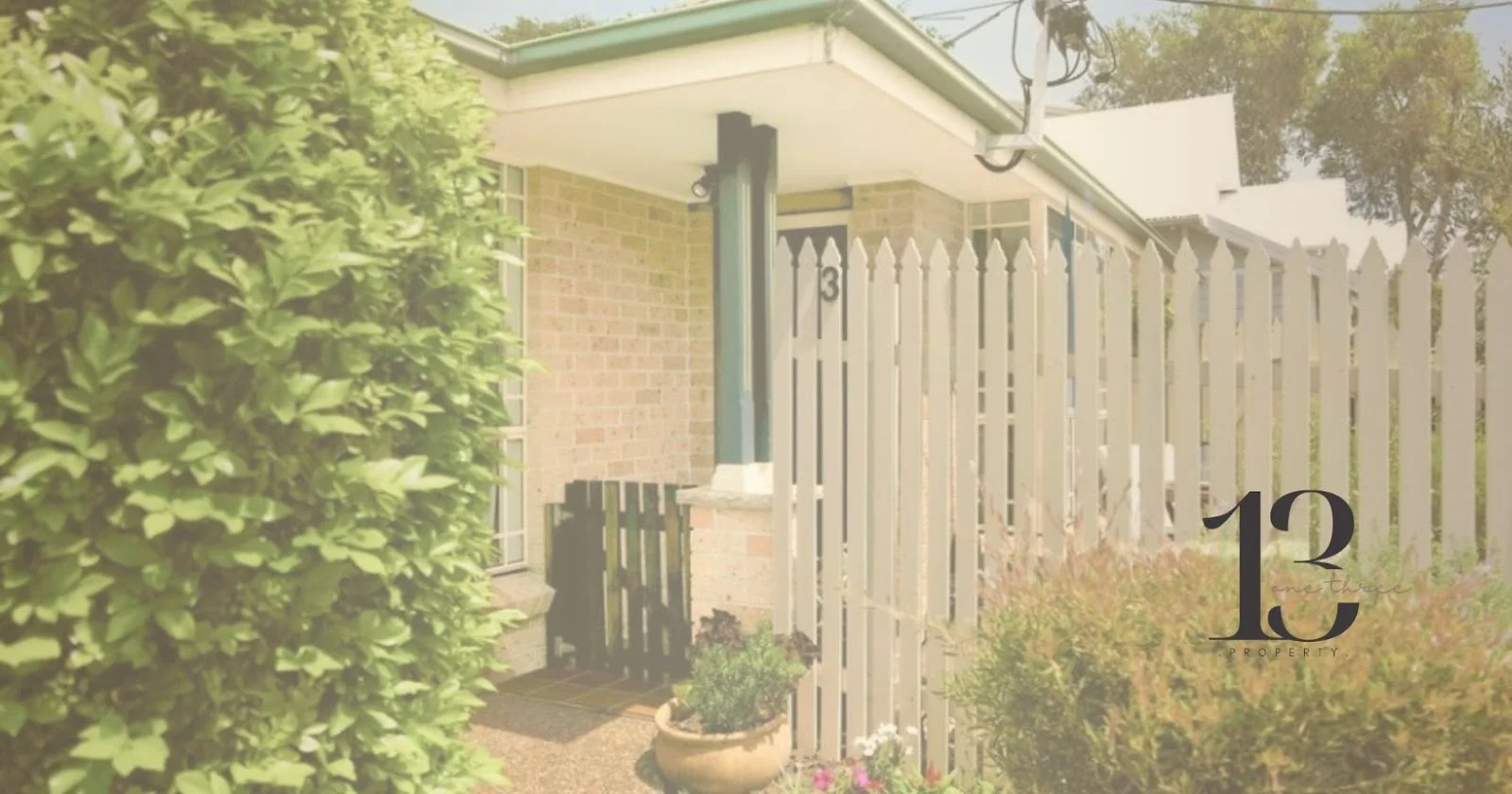 $795,000
Townhouse
$795,000
Townhouse
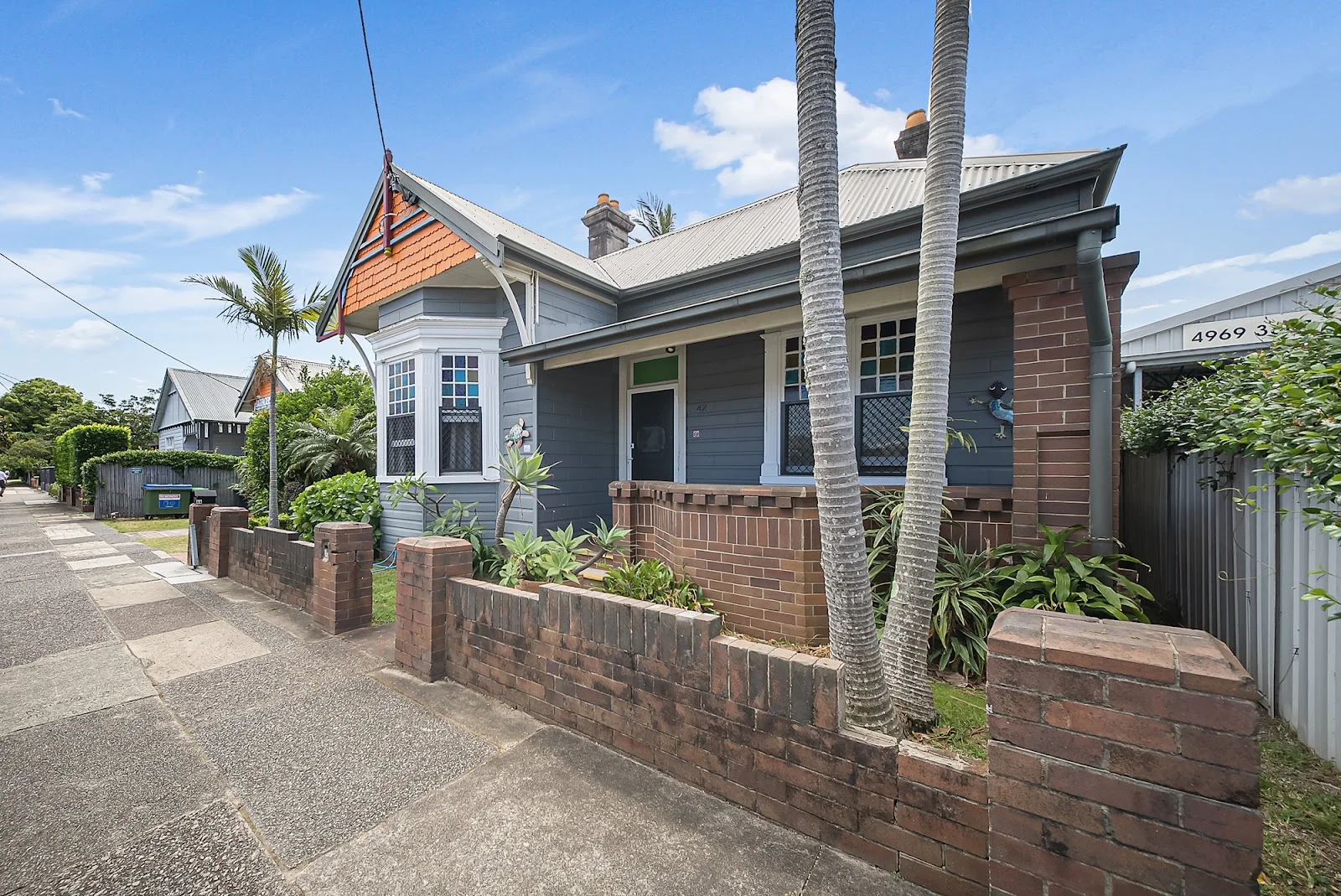 $2,000,000
propertyType.BLOCK OF UNITS
$2,000,000
propertyType.BLOCK OF UNITS
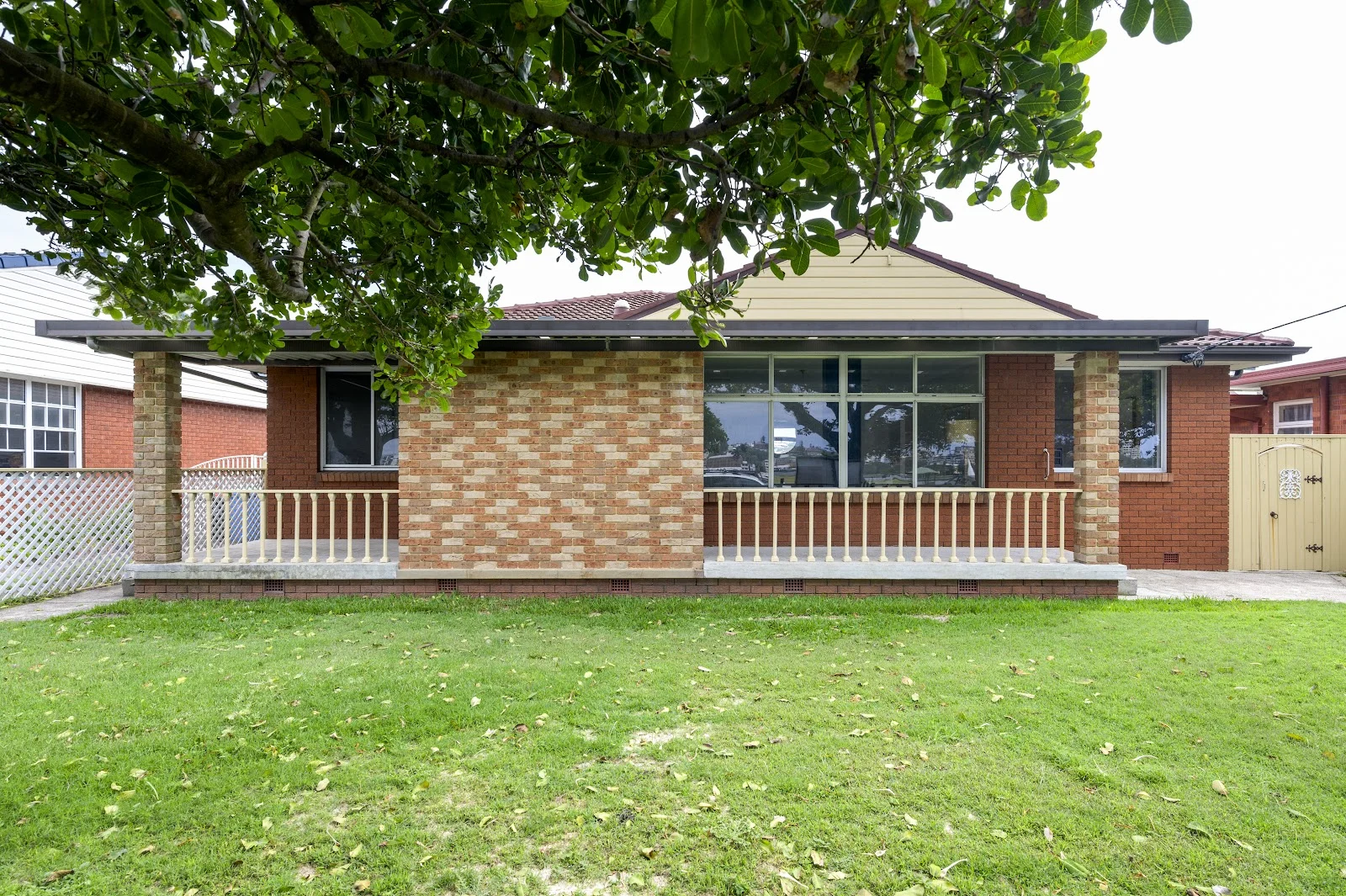 $2,500,000
House
$2,500,000
House
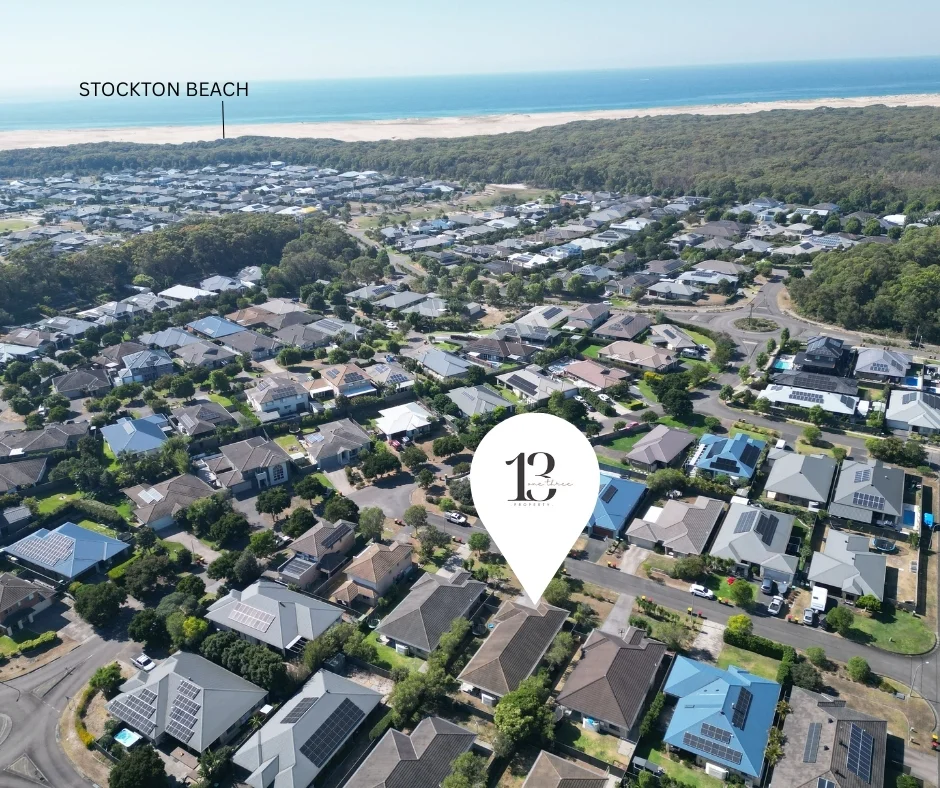 $900,000 - $990,000
House
$900,000 - $990,000
House


