## Overview
Mount Claremont Primary School is a public primary school in Western Australia designed for a mid-sized student community. The school emphasises a supportive, inclusive learning environment where students are encouraged to develop academically while building social-emotional resilience.
- School type: Public
- School size: Medium
- Class size: Typically in the low-to-mid 20s, with additional learning support staff where needed
- Atmosphere/culture: Nurturing, inclusive, academically focused with a strong sense of community
Note: Please verify the latest figures and policies with the school, as details can change over time.
---
## Academics & Learning
Mount Claremont Primary School focuses on solid foundational learning across core subjects, with opportunities to extend students in areas of interest.
- Academic strengths: Literacy and numeracy foundations, emphasis on STEM concepts, and access to arts and languages programs
- Special programs: Gifted and Talented opportunities and pathways for accelerated learning where available
- NAPLAN / trends: Consistent progress trends over recent years, with ongoing attention to improving literacy and numeracy benchmarks
- Student-teacher ratios: Class sizes in the low-to-mid 20s with teaching staff and some learning support roles to assist students
- Support for diverse learners: EAL and SEN support available, inclusive education practices, and targeted interventions as needed
---
## Sports & Extracurricular Strengths
Extracurriculars are a priority for many families, with a range of activities to suit different interests.
- Sports offered: Athletics, ball sports (such as netball and basketball), soccer, cricket, and other seasonal activities
- Strong teams or achievements: Regular participation in interschool and district-level events; opportunities to showcase teamwork and sportsmanship
- Music, arts, drama programs: Instrumental lessons, school choir or ensembles, and drama experiences
- Clubs: Robotics, coding, chess, debating, and other enrichment clubs
- Partnerships: Connections with local clubs and community competitions to broaden opportunities beyond the classroom
---
## Wellbeing & Pastoral Care
A strong wellbeing framework helps students feel secure and engaged at school.
- Anti-bullying approach: Clear policies and whole-school programs that promote respectful relationships and student safety
- House system: House groups to foster belonging, leadership, and healthy competition
- Counsellors / wellbeing officers: Access to school wellbeing staff and counselling resources as needed
- Transition support for new students: Orientation activities, buddy programs, and family information sessions to ease transitions
---
## Facilities
Facilities are designed to support a range of learning experiences and student wellbeing.
- Sports grounds
- Libraries
- Science laboratories
- Music and performing arts spaces
- Tech/innovation labs
- Canteen
- Updated playgrounds
Note: Availability and specifics can vary; please check current facility details with the school.
---
## School Values & Community Culture
The school aims to cultivate responsible, respectful, and engaged learners who contribute positively to the community.
- School values / mission: Emphasis on respect, responsibility, resilience, and inclusion
- Leadership style: Inclusive and student-centred, with opportunities for student voice and leadership
- Behaviour expectations: Clear codes of conduct and positive behavior supports
- Community reputation: Known for its welcoming atmosphere and collaborative environment
- Diversity & inclusion: Commitment to welcoming students from diverse backgrounds and needs
---
## School Logistics & Daily Operations
Practical information to help families plan and participate.
- School hours: Core day typically starts in the morning and finishes in the afternoon (exact times may vary; confirm with the school)
- Before/after school care: Often available through external providers or school's approved arrangements
- Uniform requirements: Uniform policy with official or approved suppliers
- Transport (train/bus routes): Access to local bus routes and proximity to public transport; plan drop-offs and pick-ups accordingly
- Canteen availability: On-site canteen or lunch program in place (subject to current operations)
- Fees (low/medium/high ranges): As a public school, there is no tuition; expect small costs for materials, activities, and excursions
---
## Enrolment & Admissions
Key steps and timelines for enrolling at Mount Claremont Primary School.
- 11. What is the enrolment process and timeline?
- Enrolment is processed through the Western Australian Department of Education. Submit an application via the local catchment process; timelines vary by year and placement needs. Check the school or Department of Education for current windows and deadlines.
- 12. Is there a waiting list, and how does it work?
- Waiting lists can occur for in-demand year levels or catchments. Applications may be prioritized by residential catchment and available places; contact the school for the current status and next steps.
- 13. Are there any entry requirements, tests, or interviews?
- Generally, primary enrolments do not require entrance tests or interviews. Some entry steps may include documentation checks and orientation information. Specific requirements can vary; verify with the school.
- 14. Does the school accept mid-year transfers?
- Mid-year transfers are considered where places are available and in line with Department policies. Parents should contact the school as early as possible to discuss availability and required documentation.
---
## Frequently Asked Questions
- Why Parents Choose This School?
- A strong sense of community, supportive staff, balanced academics, and a focus on wellbeing and inclusion.
- What type of student thrives at this school?
- Curious, collaborative, motivated, kind, and engaged learners who value teamwork and growth.
- What opportunities are available for students to extend their skills (academics, sports, arts)?
- Programs and clubs across literacy, numeracy, STEM, arts, music, sports, robotics, coding, debating, and more.
- How does the school communicate with parents?
- Regular newsletters, notices, parent-teacher meetings, and digital platforms (where available) for timely updates.
- What is the school’s approach to teaching and learning?
- Differentiated instruction, evidence-based practices, and opportunities for inquiry-based learning and hands-on activities.
- How does the school support students who need extra academic help?
- Targeted interventions, small-group or one-on-one support, and collaboration with learning support staff.
- What support is available for academic challenges?
- Access to tutoring aids, SEN support, and tailored resources to help students catch up and stay engaged.
- How does the school communicate with parents?
- See above: newsletters, meetings, and digital platforms (where used).
- What are the class sizes and how much individual attention do students receive?
- Class sizes typically in the low-to-mid 20s, with additional support staff to assist individual needs where possible.
- What extracurricular and sports opportunities are available?
- A range of clubs and teams across sports, robotics, coding, chess, debating, and performing arts.
- What facilities does the school offer (sports, science, arts)?
- Comprehensive facilities including sports grounds, libraries, science labs, music/performing arts spaces, and technology rooms.
- What is the school’s approach to technology and digital learning?
- Emphasis on digital literacy, responsible use of technology, and integration of devices and software to support learning.
- What transport and accessibility options are available?
- Public transport routes and school-specific arrangements; accessibility considerations are addressed through the school’s policies and facilities.
- What are the typical school fees or additional costs?
- Public school funding covers core education; there are often modest costs for materials, excursions, and activity fees.
---
## Short Pros & Cons list
- Pros
- Strong sense of community and supportive staff
- Balanced academics with a focus on wellbeing
- Wide range of extracurricular offerings
- Inclusive education and diversity focus
- Student voice and leadership opportunities
- Cons
- Class sizes typical of public primary schools; may vary by year level
- Availability of certain programs or facilities can depend on year and funding
- Out-of-area placements may require additional documentation or wait times
Note: For the most accurate and up-to-date information, please contact Mount Claremont Primary School directly or refer to the Western Australian Department of Education resources.










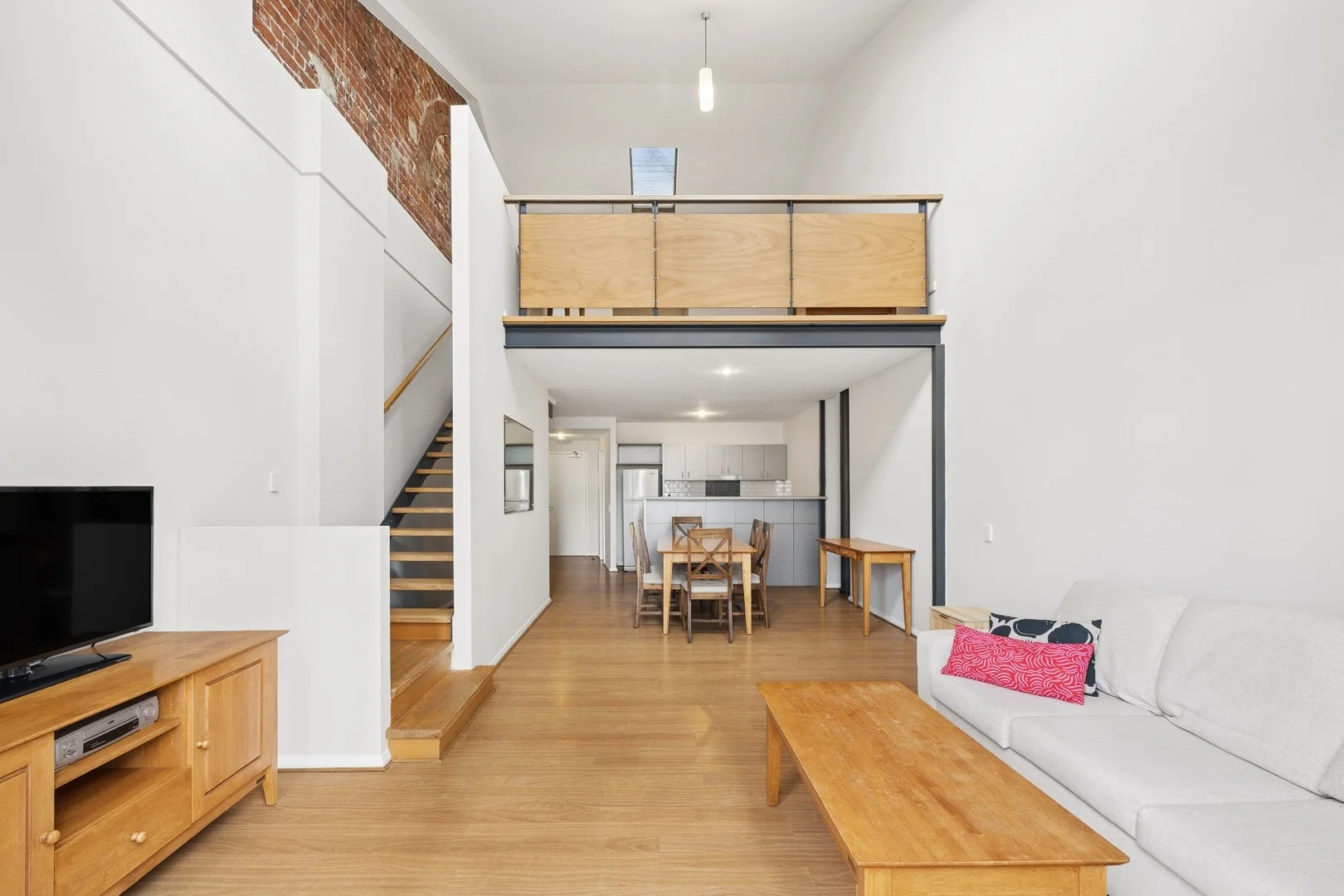 $549,000
Apartment / Unit / Flat
$549,000
Apartment / Unit / Flat
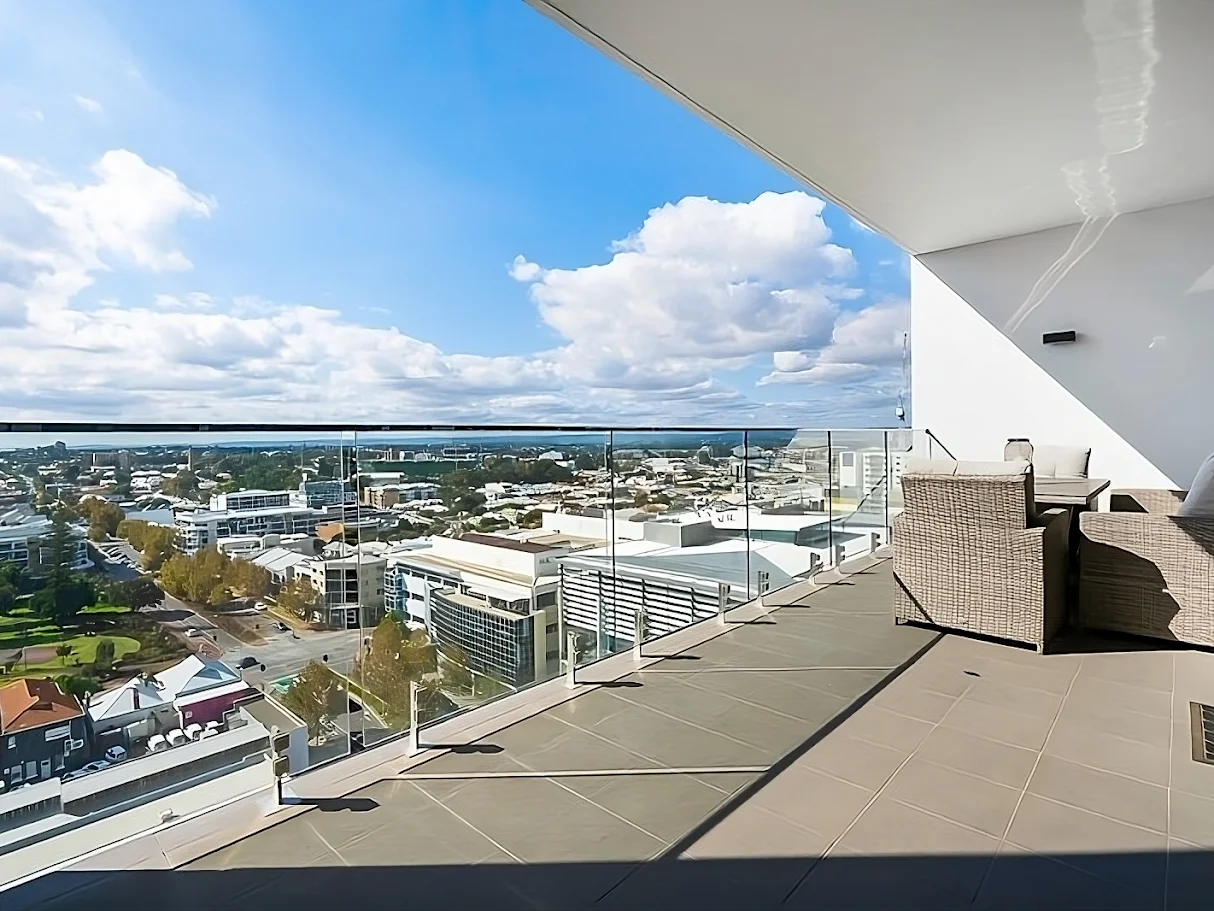 $580,000
Apartment / Unit / Flat
$580,000
Apartment / Unit / Flat
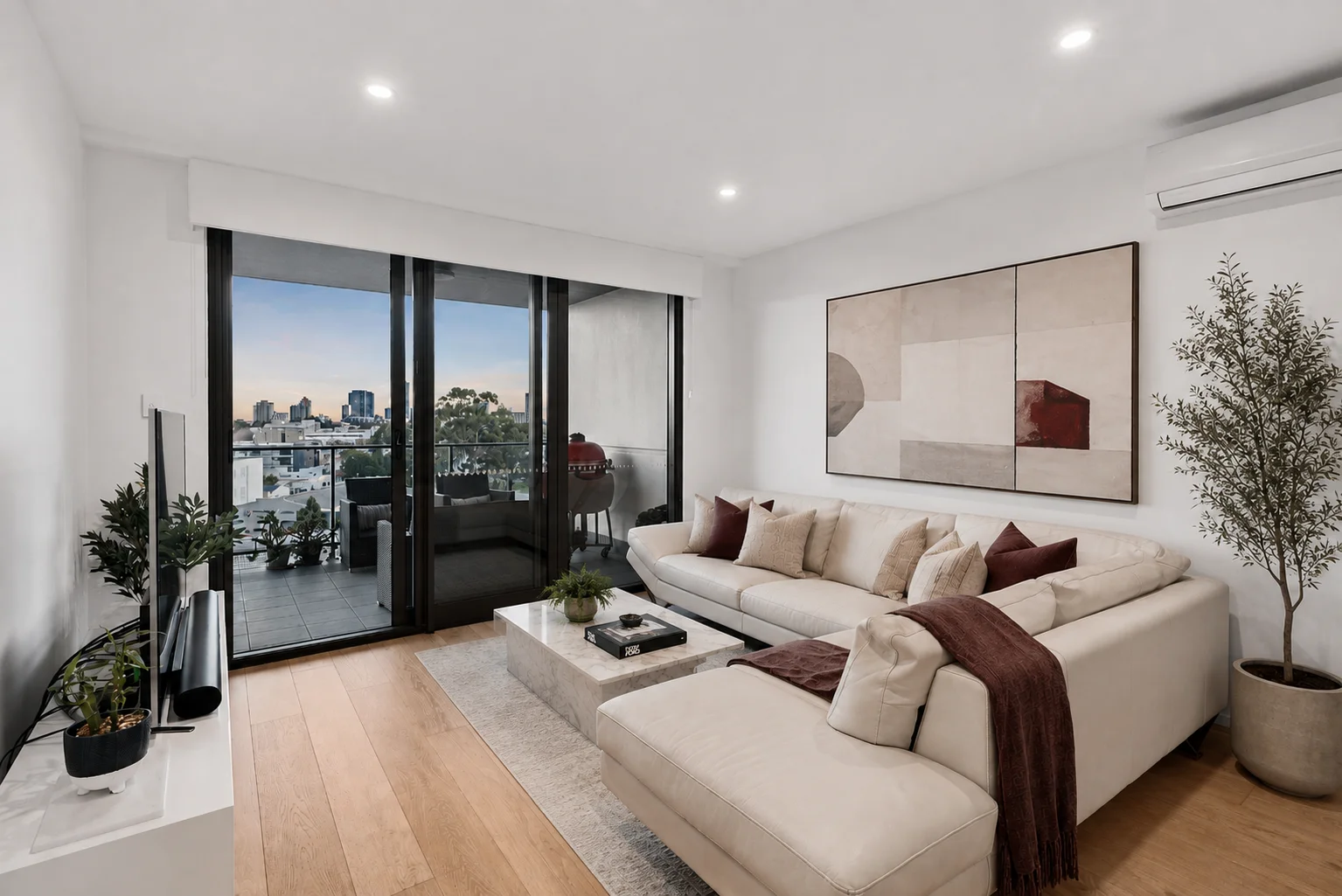 $700,000
Apartment / Unit / Flat
$700,000
Apartment / Unit / Flat