1. Overview
St Columba’s Primary School is a Catholic school that focuses on values-based education within a nurturing, inclusive environment. The school is typically described as a medium-sized community that supports the development of the whole child, from early years through to primary year levels. Class sizes are commonly in the mid-20s, which helps teachers give students individual attention while maintaining a collaborative, classroom-based culture.
Atmosphere and culture at St Columba’s tend to emphasise care, respect, and resilience. The school aims to balance academic inquiry with faith-filled, service-minded activities, helping students grow as confident learners and good community members.
⸻
2. Academics & Learning
- Academic strengths: Strong focus on core literacy and numeracy, with dedicated programs to boost reading and mathematical skills. Religious education is integrated with values-based learning, and there are opportunities to engage in STEM activities and leadership development.
- Special programs: Gifted and Talented pathways and targeted extension opportunities are available for students who need more challenging work. There are programs designed to support students who may require additional academic challenge or catch-up.
- NAPLAN / trends: Trends typically show steady year-to-year growth in key literacy and numeracy areas, with alignment to state standards and ongoing improvement over time.
- Student-teacher ratios: Class sizes generally fall in the mid-20s, with classroom cohorts designed to allow for meaningful teacher-student interaction and formative feedback.
- Support for diverse learners: Dedicated learning support, EAL assistance for students arriving with additional language needs, and inclusive education practices to help students with diverse learning profiles.
⸻
3. Sports & Extracurricular Strengths
- Sports offered: Soccer, rugby league, netball, basketball, cricket, athletics, and swimming programs are commonly available, with opportunities to participate in school and broader community competitions.
- Strong teams or achievements: School teams often participate in local inter-school competitions and Catholic school sports networks, and there are opportunities to contribute to age-group teams and showcase student talent.
- Music, arts, drama programs: Vocal music programs, school choir, and performing arts activities are typically part of the curriculum, with occasional productions and public performances.
- Clubs: Robotics, coding, chess, debating, and other interest clubs are commonly offered to extend student learning beyond the classroom.
- Partnerships: Connections with local community groups, diocesan activities, and regional inter-school events provide additional competition and collaboration opportunities.
⸻
4. Wellbeing & Pastoral Care
- Anti-bullying approach: A proactive framework based on positive behaviour support, peer mentoring, and restorative practices to address concerns constructively.
- House system: A house structure is used to foster belonging, healthy competition, and teamwork across years.
- Counsellors / wellbeing officers: Access to school-based wellbeing support, including pastoral care and guidance for students.
- Transition support for new students: Orientation activities, buddy systems, and smooth transition programs to help new families settle in.
⸻
5. Facilities
- Sports grounds: Outdoor play and sports facilities suitable for a range of physical activities.
- Libraries: On-site library resources to support reading, research, and quiet study.
- Science labs: Dedicated spaces for science activities and hands-on experiments.
- Music/performing arts centers: Spaces for rehearsals, music education, and performance.
- Tech/innovation labs: Resources and spaces that support coding, technology projects, and digital learning.
- Cafeteria: On-site canteen or cafeteria facilities that offer student meals and snacks.
- Updated playgrounds: Modern, safe play areas and outdoor learning spaces.
⸻
6. School Values & Community Culture
- School values / mission: A Catholic-centered mission emphasising faith, service, respect, responsibility, and compassion.
- Leadership style: Student leadership opportunities alongside teacher guidance, with a focus on collaborative decision-making and helping students develop voice and responsibility.
- Behaviour expectations: Clear codes of conduct and restorative approaches to discipline, aiming to build positive relationships and accountability.
- Community reputation: Active engagement with local parish and Mayfield community, contributing to a welcoming, faith-based school culture.
- Diversity & inclusion: Commitment to welcoming families from diverse backgrounds and ensuring access to supports that promote inclusive participation.
⸻
7. School Logistics & Daily Operations
- School hours: Typical school day runs during standard primary school hours with start and finish times aligned to NSW conventions; before/after school care options are usually available.
- Before/after school care: Yes, with supervision and activities during care times.
- Uniform requirements: School uniform is required, with details provided by the school and uniform suppliers.
- Transport (train/bus routes): Public transport options (bus services and nearby stations) are available, with information provided to families about how students travel to and from school.
- Canteen availability: On-site or school-approved canteen/cafe options offering healthy meal choices.
- Fees (low/medium/high ranges): Fees are in the low-to-mid range relative to NSW Catholic primary schools; exact amounts are published by the school and can vary by year level and activities.
⸻
8. Enrolment & Admissions
11. What is the enrolment process and timeline?
- Begin with submitting the completed enrolment application form and supporting documents (birth certificate, baptism if applicable, immunisation records, proof of address).
- Families typically undergo an interview or family interview with the principal or enrolments officer.
- There is a recommended timeline to apply well in advance of the intended start year; periodic intakes may occur at the start of each school year or term depending on vacancies.
12. Is there a waiting list, and how does it work?
- Yes, a waiting list may apply when year levels are full. Priorities may be given to siblings, parishioners, and those with demonstrated connection to the Catholic education system.
- Placement from the waiting list occurs as vacancies arise and according to published policies.
13. Are there any entry requirements, tests, or interviews?
- Entry typically involves a family interview and submission of necessary documentation. Standardised tests are not generally required for primary entry; assessments focus on ensuring fit with the school’s values and capacity to meet the student’s needs.
14. Does the school accept mid-year transfers?
- Mid-year transfers are considered subject to vacancy, with the process coordinated through the school office. Sufficient transfer documentation, previous school records, and immunisation status are usually required.
⸻
9. Frequently Asked Questions
- Why Parents Choose This School?
- A Catholic, values-based education with a nurturing community, strong reading and numeracy programs, and opportunities for student leadership and service.
- What type of student thrives at this school?
- Students who respond well to a supportive, faith-informed environment, who enjoy collaborative learning, and who engage in both academics and co-curricular activities.
- What opportunities are available for students to extend their skills (academics, sports, arts)?
- Access to gifted and talented pathways, extended literacy and numeracy supports, STEM initiatives, robotics, coding, debating clubs, sports teams, music, drama, and performing arts activities.
- How does the school communicate with parents?
- Regular updates via newsletters, notices, parent-teacher conferences, and digital platforms. Open channels for enquiries with teachers and administration.
- What is the school’s approach to teaching and learning?
- A balanced approach combining foundational literacy and numeracy with inquiry-based learning, faith formation, and opportunities for collaboration, critical thinking, and reflection.
- How does the school support students who need extra academic help?
- Targeted learning support, in-class differentiation, EAL assistance, and access to specialists or learning support staff as needed.
- What support is available for academic challenges?
- Early identification, personalised intervention plans, and collaboration with families to align supports across home and school environments.
- How does the school communicate with parents? (reiterated)
- See above: regular updates, parent-teacher meetings, and accessible channels for ongoing dialogue.
- What are the class sizes and how much individual attention do students receive?
- Class sizes are typically in the mid-20s, with teachers providing regular feedback, small-group work, and differentiated instruction to meet individual needs.
- What extracurricular and sports opportunities are available?
- A range of sports, arts, music, robotics, coding, chess, debating, and participation in local and diocesan events.
- What facilities does the school offer (sports, science, arts)?
- Sports grounds, libraries, science labs, music/performing arts spaces, tech/innovation labs, a canteen, and updated outdoor play spaces.
- What is the school’s approach to technology and digital learning?
- Integration of technology across the curriculum with age-appropriate digital literacy, coding opportunities, and safe online practices.
- What transport and accessibility options are available?
- Public transport options and coordinated arrival/departure planning; information on bus routes and nearby stations is provided by the school.
- What are the typical school fees or additional costs?
- Fees are in the low-to-mid range for NSW Catholic primary schools; details are provided by the school and may vary by year level and activities.
⸻
10. Short Pros & Cons list
- Pros
- Catholic, values-driven education with a nurturing community
- Balanced focus on academics, faith, and service
- Moderate class sizes enabling individual attention
- Broad range of co-curriculars (sports, arts, clubs)
- Strong wellbeing and inclusion supports
- Cons
- As with many faith-based schools, enrolment may prioritise Catholic families or parish connections
- Fees are required (typical for Catholic schools) and can vary by year level
- Availability of certain programs or facilities may depend on term and year capacity
⸻






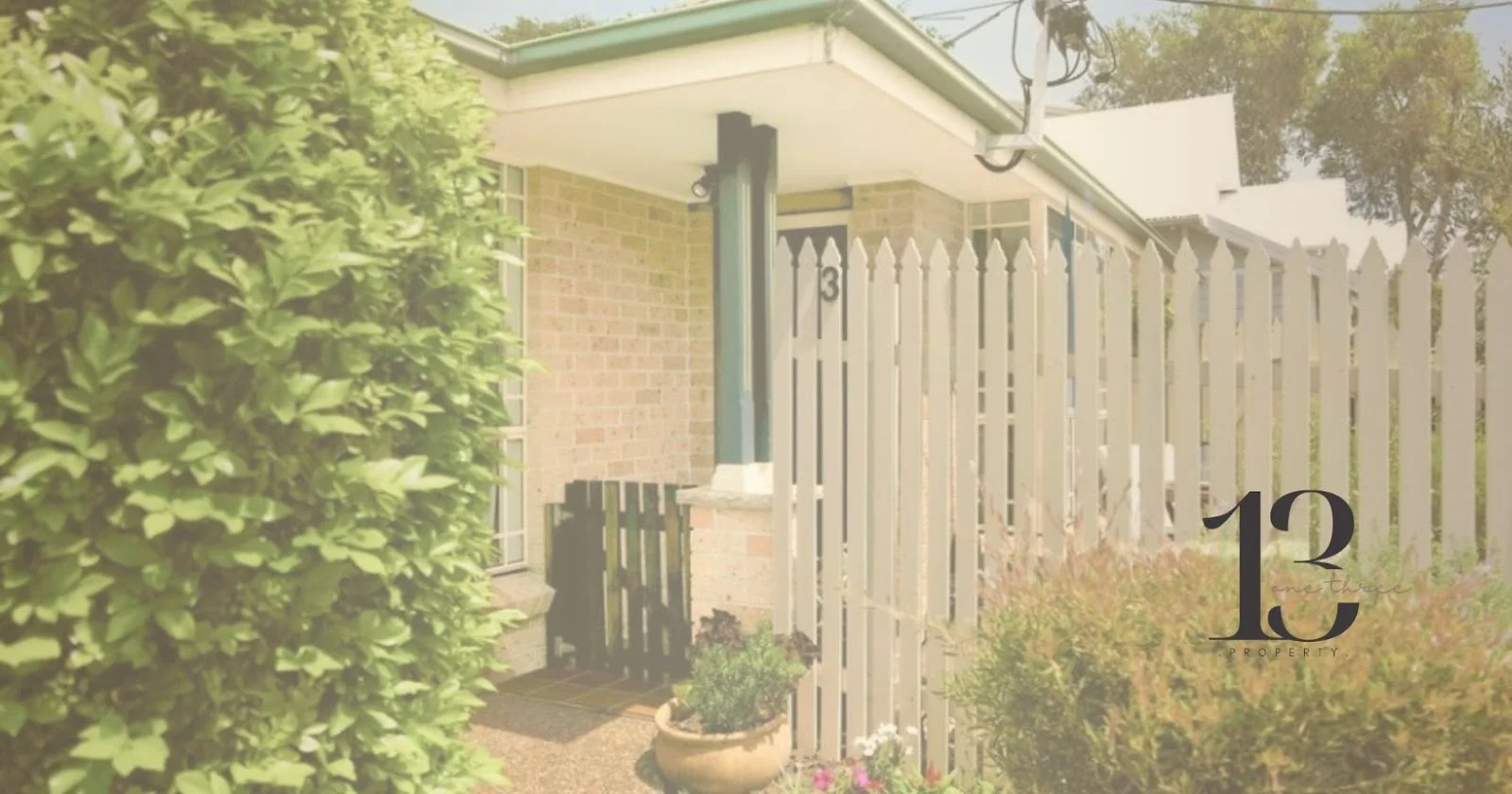 $795,000
Townhouse
$795,000
Townhouse
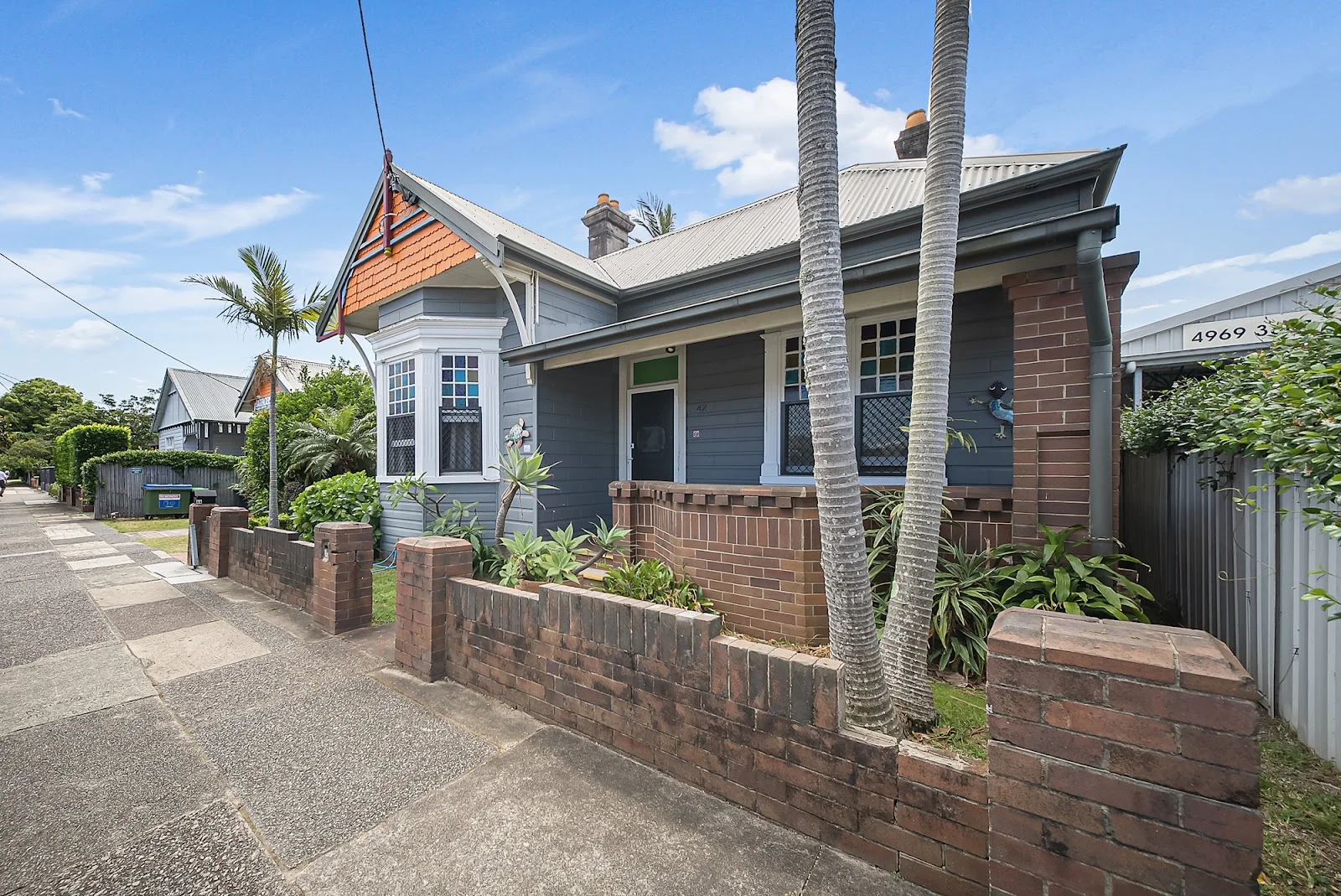 $2,000,000
propertyType.BLOCK OF UNITS
$2,000,000
propertyType.BLOCK OF UNITS
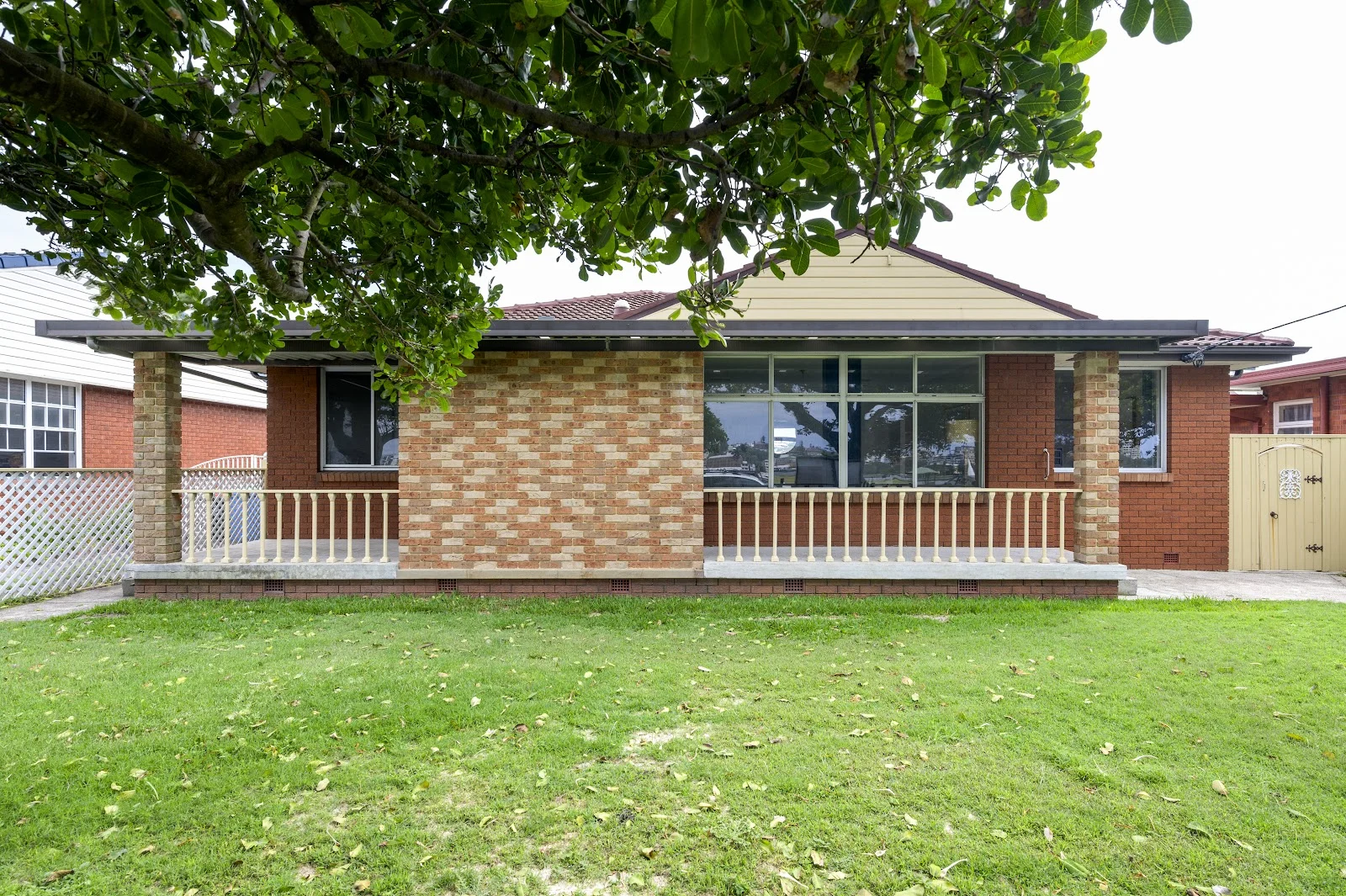 $2,500,000
House
$2,500,000
House
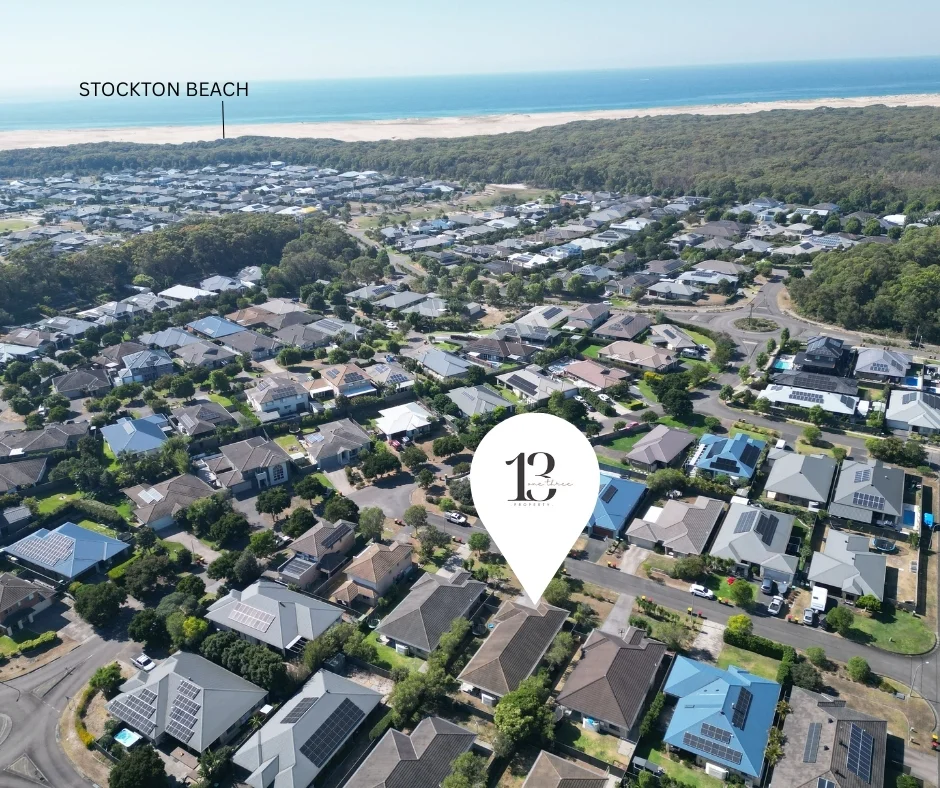 $900,000 - $990,000
House
$900,000 - $990,000
House


