## 1. Overview
St John Bosco School in Brooklyn Park is a Catholic primary school serving families in the local community. Grounded in faith-based learning, the school aims to develop the whole child—mind, heart, and spirit—through a nurturing, inclusive environment that reflects Catholic values and service.
With a medium-sized student body and class sizes that support individual attention, the atmosphere is warm and welcoming. The school emphasizes respectful relationships, strong pastoral care, and active engagement in learning, creating a community where students feel supported to grow academically, socially, and spiritually.
⸻
## 2. Academics & Learning
- Academic strengths: Focus on core literacy and numeracy, with an emphasis on inquiry-based learning in science and a well-rounded curriculum that includes the arts and religious education.
- Special programs: Gifted and talented opportunities and enrichment activities where available; emphasis on digital literacy and creative arts; language programs may be offered depending on year level and staffing.
- NAPLAN trends: Recent years typically show steady progress or stability in NAPLAN results, with performance generally aligned with state averages. Trends are monitored to support continuous improvement.
- Student-teacher ratios: Class sizes are in the small-to-medium range (roughly 22–26 students per class), with teacher-to-student ratios that allow for individual support and close teacher engagement.
- Support for diverse learners: EAL support and inclusive education practices; learning support staff and targeted assistance for students needing extra help.
⸻
## 3. Sports & Extracurricular Strengths
- Sports offered: A range of team and individual sports, often including soccer, netball, basketball, cricket, AFL-style activities, athletics, and swimming programs as season permits.
- Strong teams or achievements: Active participation in inter-school and local Catholic school sports events, with a focus on teamwork, sportsmanship, and personal bests.
- Music, arts, drama programs: School programs typically include choir, music tuition, and opportunities in drama or performance; visual arts and media may be offered as part of the arts curriculum.
- Clubs: Robotics, chess, coding, debating, and other enrichment clubs commonly available or offered as part of after-school programs.
- Partnerships: Connections with local clubs, community organisations, and regional competitions to broaden opportunities beyond the classroom.
⸻
## 4. Wellbeing & Pastoral Care
- Anti-bullying approach: Proactive anti-bullying policies, positive behaviour supports, and restorative practices to address concerns and promote a safe school climate.
- House system: A house-based framework for fostering belonging, friendly competition, and leadership opportunities.
- Counsellors / wellbeing officers: Access to school-based wellbeing staff and partnerships with external services as needed to support student mental health and resilience.
- Transition support for new students: Orientation programs, buddy systems, and targeted induction to help students settle in smoothly.
⸻
## 5. Facilities
- Sports grounds: Adequate outdoor spaces for physical education and games.
- Libraries: Library facilities supporting reading, research, and quiet study.
- Science labs: Dedicated spaces for hands-on science exploration and experiments.
- Music/performing arts centers: Areas for music lessons, rehearsals, and small performances.
- Tech/innovation labs: Access to digital learning resources and age-appropriate technology integration.
- Cafeteria: On-site canteen or lunch facilities offering healthy options.
- Updated playgrounds: Modern play spaces that support active play and development.
⸻
## 6. School Values & Community Culture
- School values / mission: A Catholic ethos focused on faith, service, respect, responsibility, and compassion; education of the whole person within a faith-filled community.
- Leadership style: Collaborative and student-inclusive, with opportunities for student voice and leadership within a structured framework.
- Behaviour expectations: Clear, consistent standards emphasizing kindness, integrity, respect for others, and responsibility.
- Community reputation: Described as a supportive, welcoming, and engaged community with strong family partnerships.
- Diversity & inclusion: Commitment to welcoming students from diverse backgrounds and promoting an inclusive school culture.
⸻
## 7. School Logistics & Daily Operations
- School hours: Typical primary hours with start in the morning and end in the afternoon; specific times set by the school each year.
- Before/after school care: Availability of supervised options before and/or after the official school day.
- Uniform requirements: Standard school uniform with guidelines for formal and sports wear; details provided by the school.
- Transport (train/bus routes): Access to local transport options; information about bus routes and travel arrangements is available through the school and local transport authorities.
- Canteen availability: On-site canteen or lunch program offering healthy choices.
- Fees (low/medium/high ranges): Fees are structured in the moderate range for primary Catholic schooling, with additional costs for uniforms, excursions, and optional activities.
⸻
## 8. Enrolment & Admissions
11. What is the enrolment process and timeline?
- Begin with submitting an application form and required supporting documents (birth certificate, immunisation records if applicable, baptism or Catholic parish details if relevant). The school will outline the timeline for applications, interviews (if applicable), and notification of placement. Typically, placement offers align with the start of the new school year, with key dates communicated by the school.
12. Is there a waiting list, and how does it work?
- Many Catholic primary schools maintain a waiting list when enrolments exceed vacancies. Applications may be prioritized by factors such as parish affiliation, siblings already attending the school, and space availability. The school will provide specifics about how waiting lists are managed and expected wait times.
13. Are there any entry requirements, tests, or interviews?
- For most primary entry points, there are no formal entrance exams. Some schools may conduct brief family interviews or meetings to understand needs and fit. Proof of immunisation and other standard documentation are typically required.
14. Does the school accept mid-year transfers?
- Mid-year transfers can be considered depending on space and placement availability. Families seeking a mid-year transfer should contact the school early to discuss viability, arrange records transfer (including academic records and any Special Education needs documentation if applicable), and determine appropriate placement.
⸻
## 9. Frequently Asked Questions
- “Why Parents Choose This School?”
Families often choose this school for its Catholic values, supportive community, focus on holistic development, and strong sense of belonging and faith-based learning.
- “What type of student thrives at this school?”
Students who respond well to a faith-centered, inclusive environment with a focus on community, service, and personal growth tend to thrive here.
- “What opportunities are available for students to extend their skills (academics, sports, arts)?”
The school provides enrichment in literacy and numeracy, arts and music, sports, and after-school clubs (robotics, coding, chess, debating), along with opportunities for leadership and service.
- “How does the school communicate with parents?”
Communication channels typically include newsletters, notices, a school app or portal, parent-teacher meetings, and regular updates from teachers and leadership.
- “What is the school’s approach to teaching and learning?”
Emphasis on a balanced, faith-informed approach combining core academics with inquiry, collaboration, hands-on learning, and social-emotional development.
- “How does the school support students who need extra academic help?”
Targeted learning support, small-group or one-on-one interventions, and access to learning support staff or specialists as needed.
- “What support is available for academic challenges?”
Early identification, individualized learning plans, and ongoing monitoring help tailor support for students facing challenges.
- “What are the class sizes and how much individual attention do students receive?”
Class sizes are in the small-to-medium range (approximately 22–26 students per class), with teachers able to provide targeted feedback and support.
- “What extracurricular and sports opportunities are available?”
A variety of sports, clubs, and arts programs, including robotics, chess, coding, debating, music, and drama, with inter-school opportunities.
- “What facilities does the school offer (sports, science, arts)?”
Facilities typically include sports grounds, libraries, science labs, music/performing arts spaces, technology labs, a canteen, and playgrounds.
- “What is the school’s approach to technology and digital learning?”
Integration of digital literacy across the curriculum, with age-appropriate use of technology to support learning and creativity.
- “What transport and accessibility options are available?”
Access to local transport options and guidance on routes; information about bus routes and accessibility is provided by the school.
- “What are the typical school fees or additional costs?”
Fees are generally moderate, with additional costs for uniforms, excursions, and optional activities. The school provides a clear breakdown of required and optional costs.
⸻
## 10. Short Pros & Cons list
- Pros
- Catholic, values-based education with a nurturing, inclusive culture
- Moderate class sizes supporting individual attention
- Strong pastoral care and student wellbeing focus
- Broad range of academic, arts, and sports programs
- Active co-curricular clubs and community partnerships
- Cons
- As a faith-based school, religious education and alignment may be more central than in non-religious schools
- Availability of certain programs (e.g., gifted/talented, language offerings) can vary year to year based on staffing and enrolments
- Fees and additional costs exist (uniforms, excursions, activities) as with many non-government schools
- Space and capacity can affect mid-year transfers or new enrollments during peak intake periods
⸻




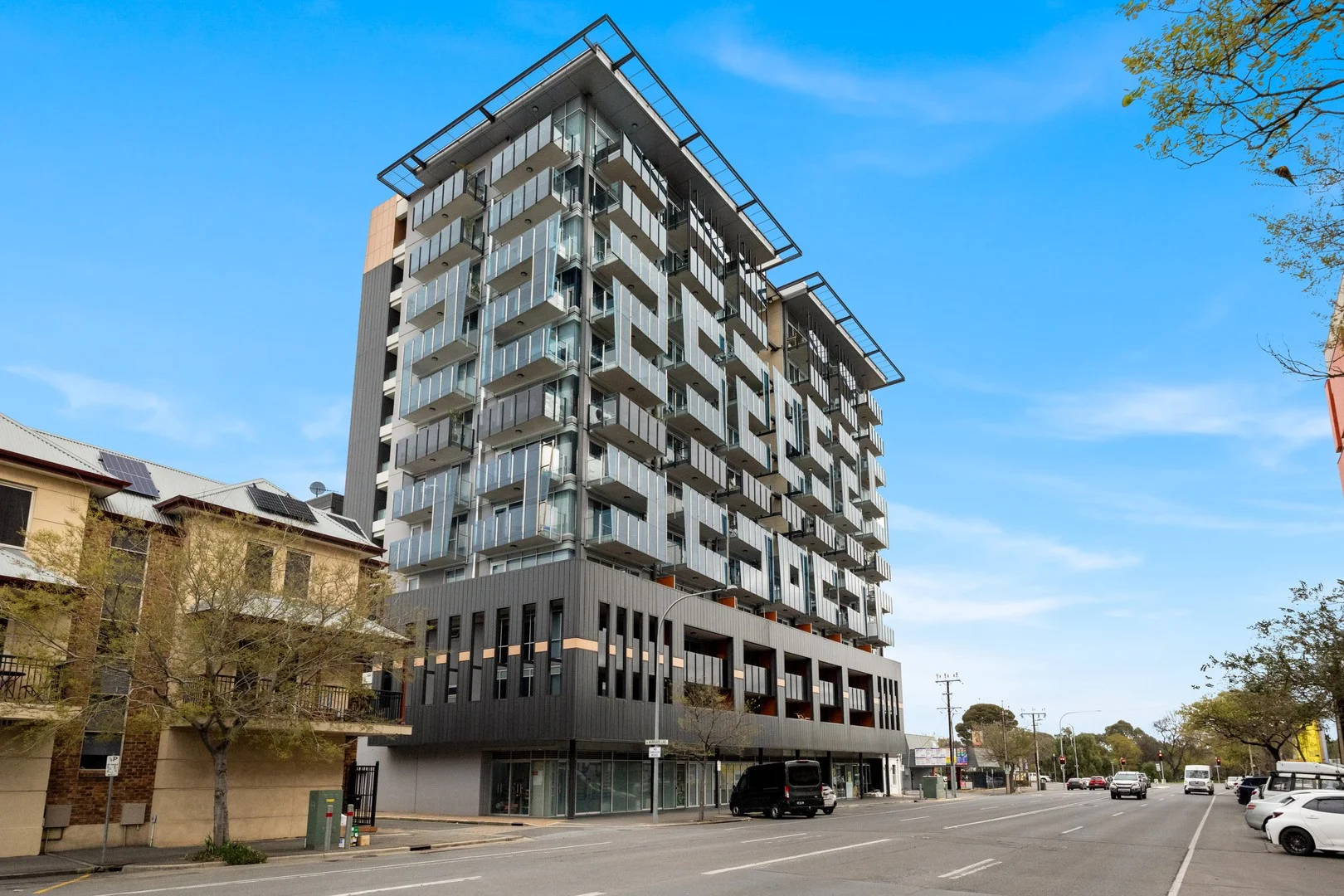 $1,100,000
Apartment / Unit / Flat
$1,100,000
Apartment / Unit / Flat
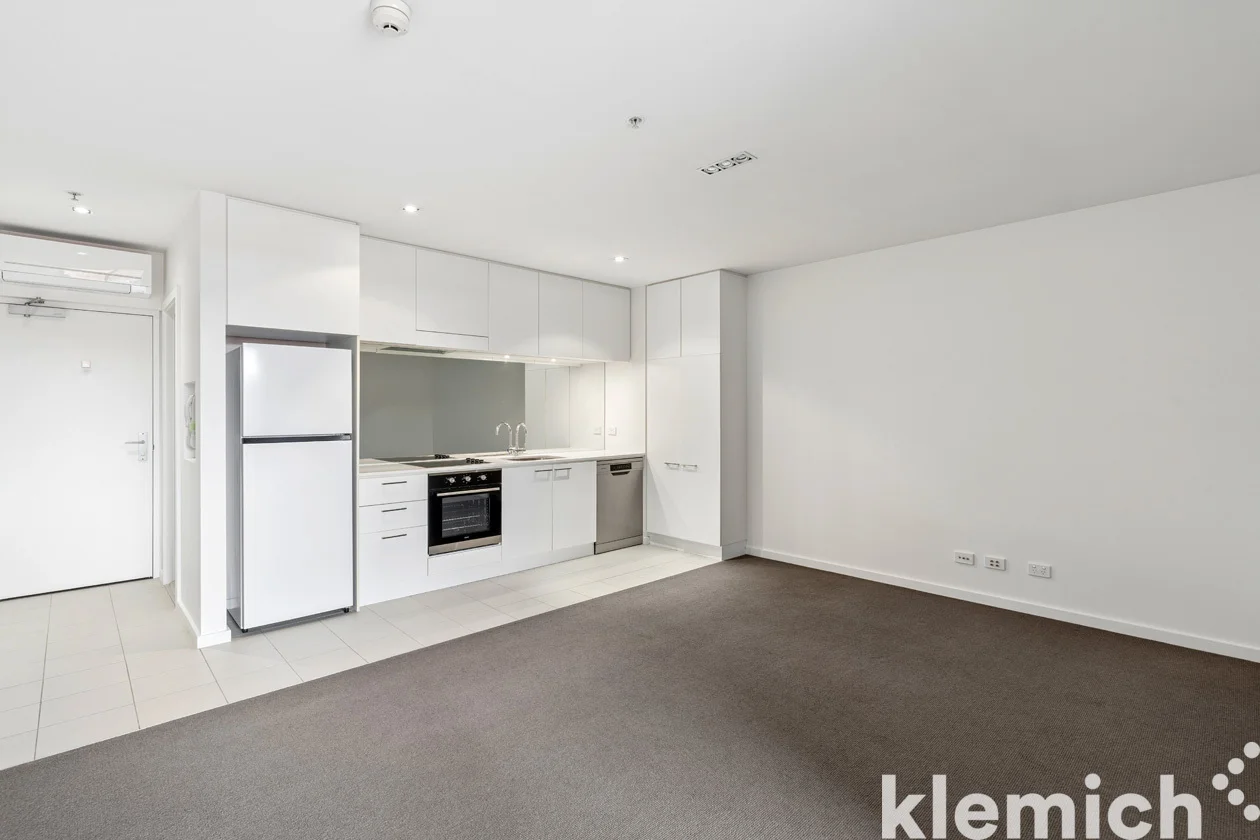 $440,000
Apartment / Unit / Flat
$440,000
Apartment / Unit / Flat
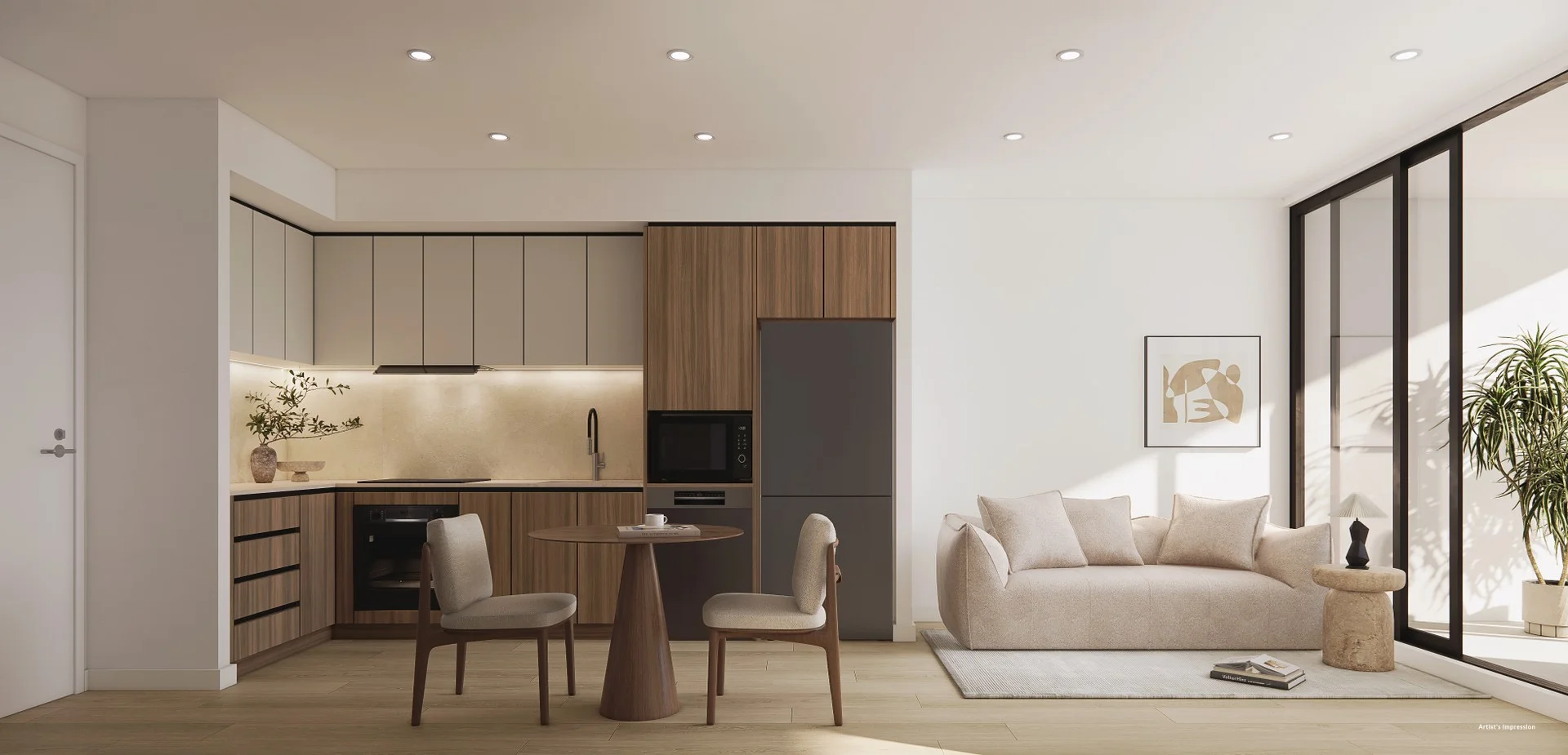 $588,000
Apartment / Unit / Flat
$588,000
Apartment / Unit / Flat
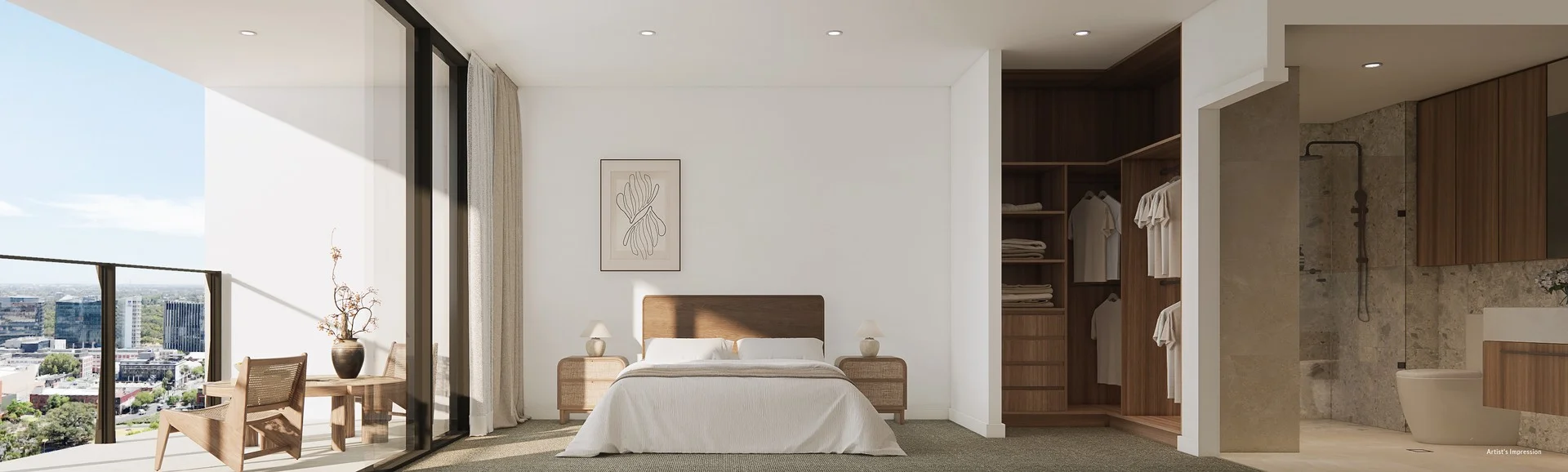 $1,056,000
Apartment / Unit / Flat
$1,056,000
Apartment / Unit / Flat
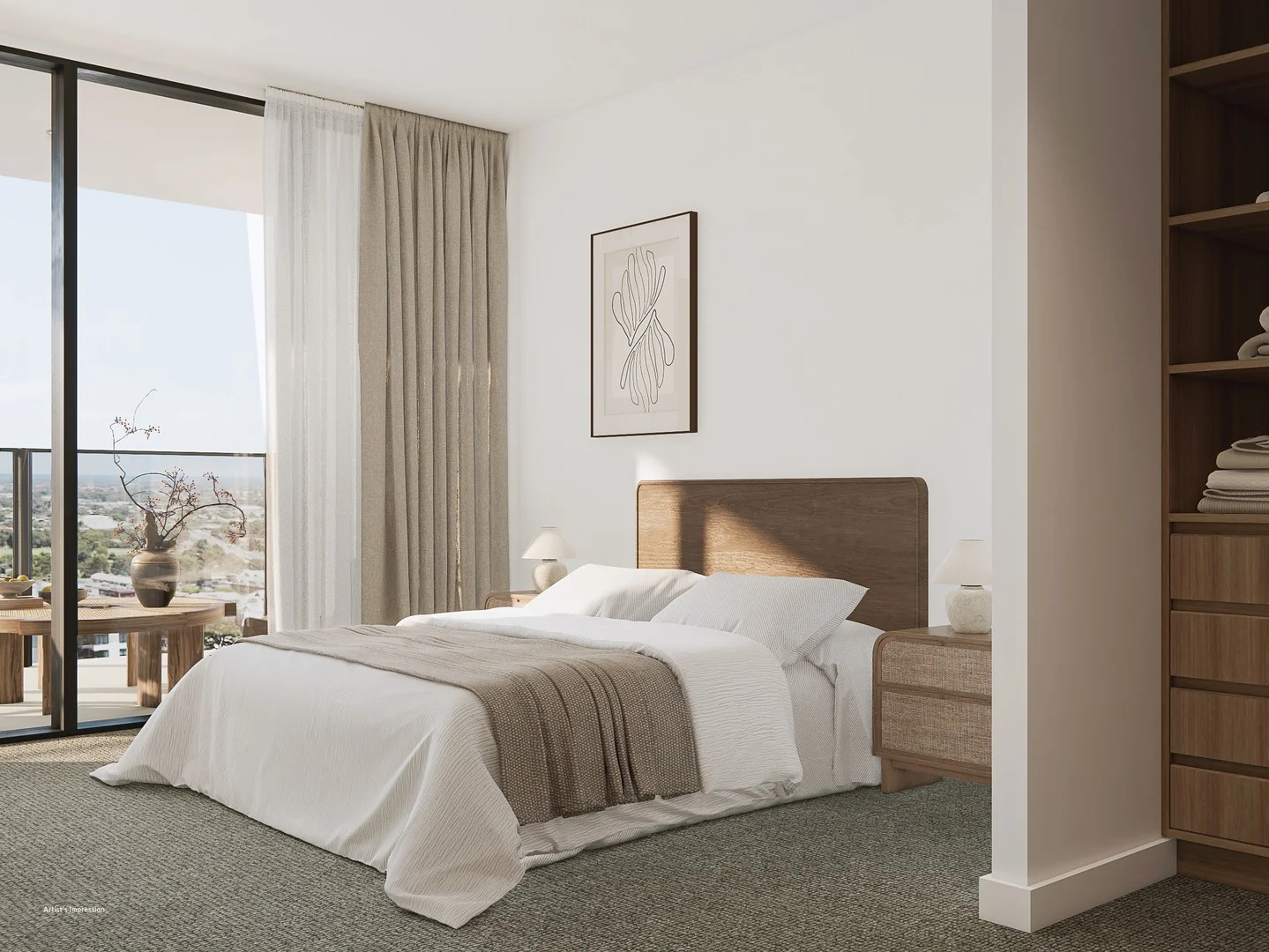 $935,000
Apartment / Unit / Flat
$935,000
Apartment / Unit / Flat
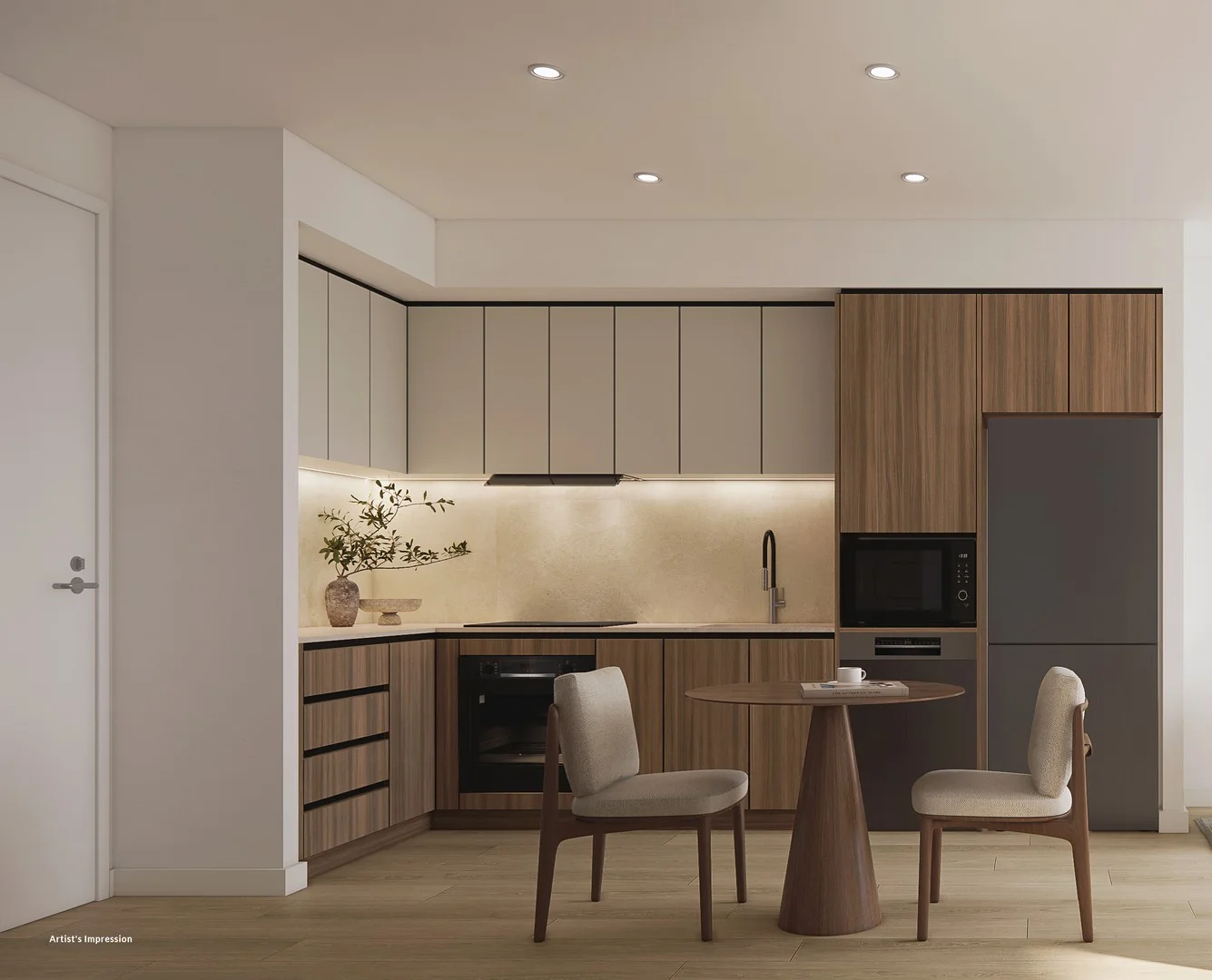 $557,000
Apartment / Unit / Flat
$557,000
Apartment / Unit / Flat
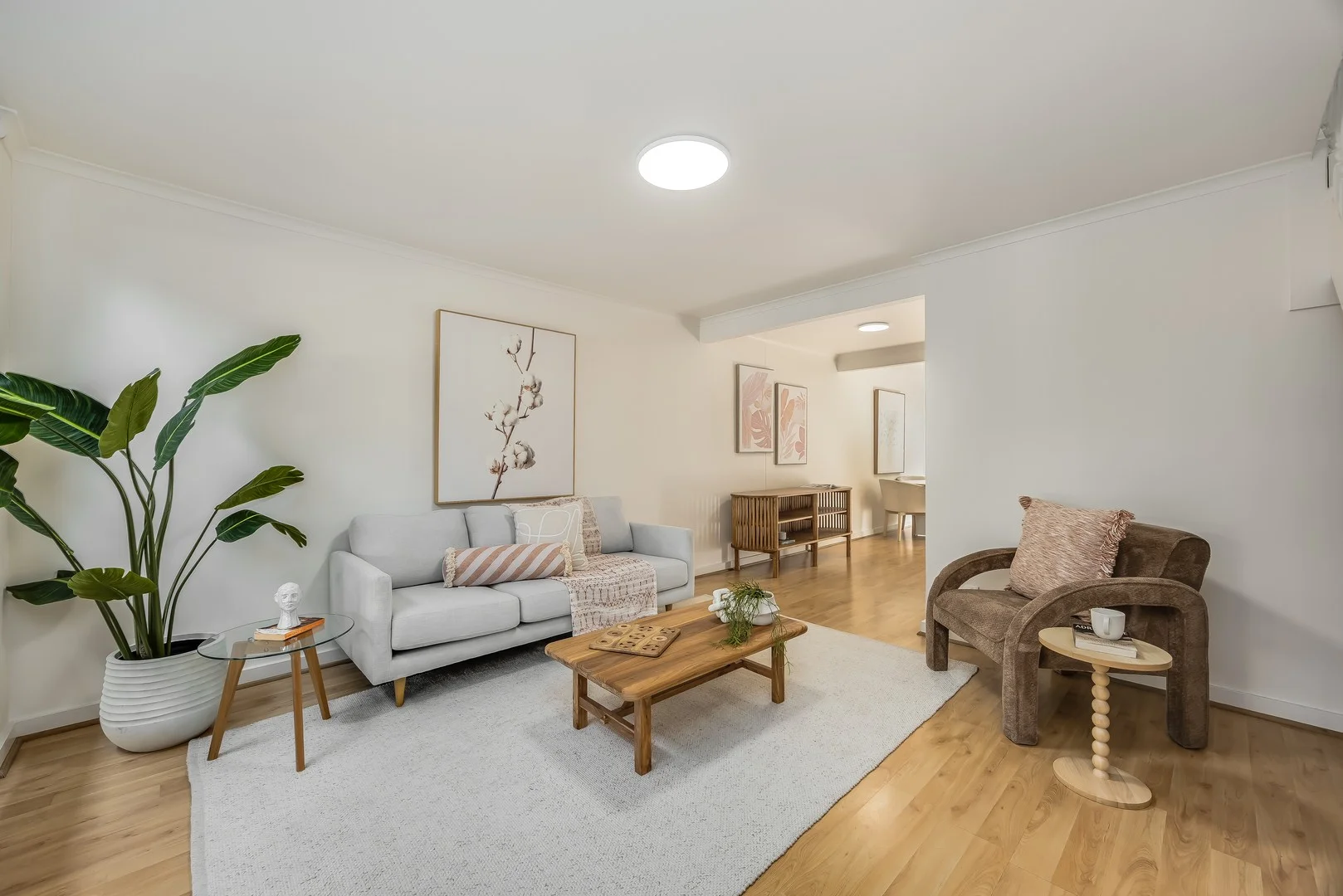 $775,000
House
$775,000
House
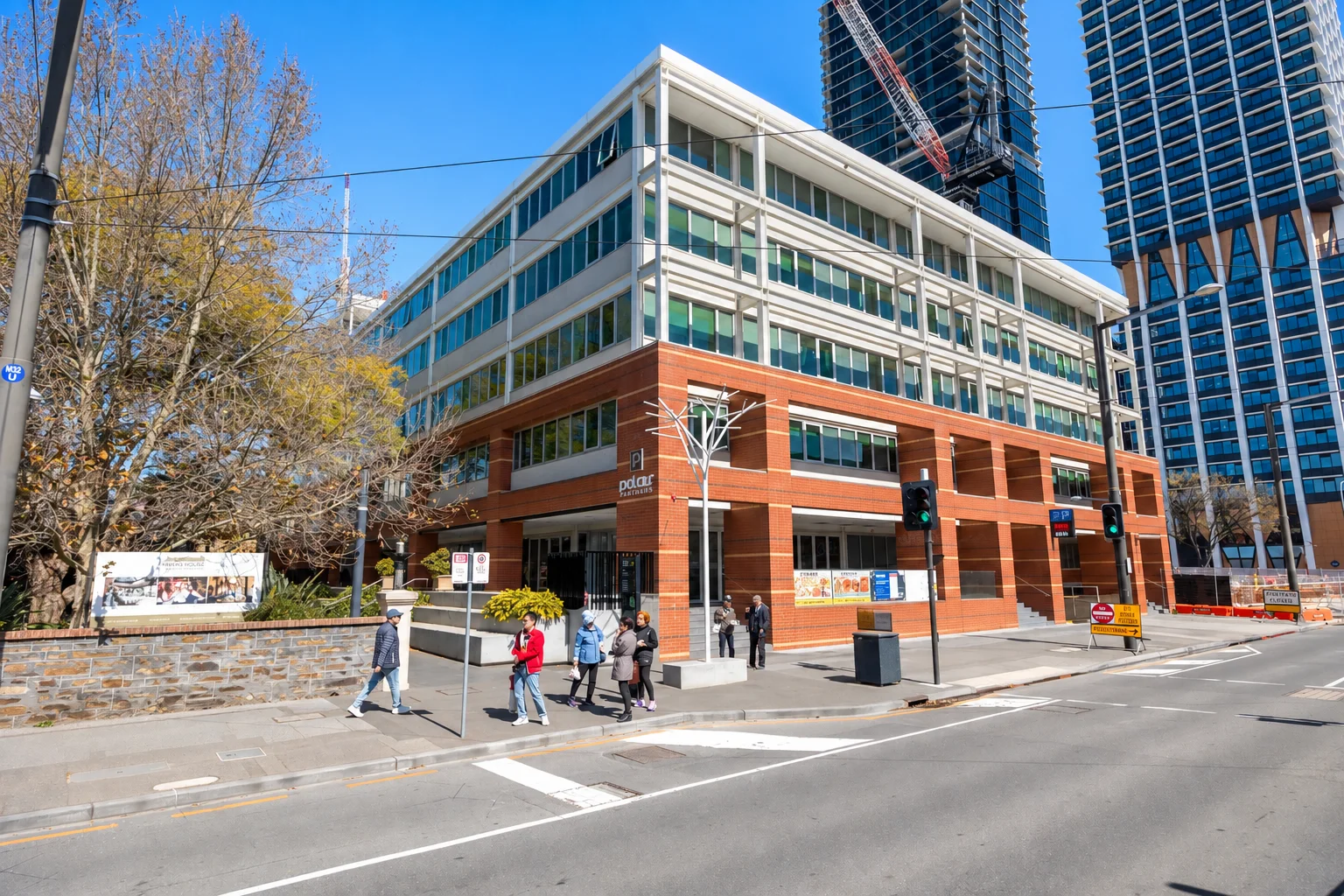 $545,000
Apartment / Unit / Flat
$545,000
Apartment / Unit / Flat