## 1. Overview
The Hunter School of the Performing Arts is a public high school in Broadmeadow that focuses on delivering a comprehensive education with a strong performing arts emphasis. Students can expect a curriculum that weaves drama, music, dance, and media into broader learning, helping them develop both artistic skills and academics.
- School type: Public
- School size: Medium-to-large
- Class size: Typically around 20–25 students per class
- Atmosphere/culture: Creative, inclusive, and performance-focused
## 2. Academics & Learning
- Academic strengths: English and literacy are core strengths, with a strong integration of performing arts into learning. The school supports cross-curricular collaboration, creative writing, and communication skills through drama, music, and media projects.
- Special programs: Dedicated performing arts pathways (drama, music, dance, theatre production) with opportunities for ensembles, solo performances, and school productions. electives aligned with arts and literacy, plus leadership and project-based opportunities.
- NAPLAN / trends: Trends typically show stable performance with strengths in literacy-related areas and consistent attainment across NSW averages; the arts program complements academic development.
- Student-teacher ratios: Generally in the range of 1:15–1:25, depending on year level and subject.
- Support for diverse learners: EAL/D support and specialized SEN support are available, along with an inclusion-focused approach to ensure access to learning for students with different needs.
## 3. Sports & Extracurricular Strengths
- Sports offered: A standard NSW high school sports program is available (e.g., basketball, soccer, netball, athletics, swimming), alongside facilities for physical education and movement-oriented activities.
- Strong teams or achievements: The school participates in inter-school events and showcases excellence through ensembles and productions; competitive performance in arts-based festivals and competitions is a highlight.
- Music, arts, drama programs: Extensive offerings including choir, concert band, orchestras, contemporary ensembles, dance groups, drama productions, and theatre arts.
- Clubs: Robotics, chess, coding, debating, and other STEM/DEBATE-focused clubs complement the arts environment.
- Partnerships: Connections with local theatres, dance studios, and community arts organizations; opportunities for inter-school arts collaborations and competitions.
## 4. Wellbeing & Pastoral Care
- Anti-bullying approach: Whole-school strategies with a focus on respectful behavior, restorative practices, and peer support.
- House system: House-style structures are used to foster belonging through friendly competition and community activities.
- Counsellors / wellbeing officers: On-site wellbeing staff and school counsellors provide support for mental health, exam stress, and transition needs.
- Transition support for new students: Orientation programs, buddy systems, and targeted supports help new students settle in and build connections.
## 5. Facilities
- Sports grounds: On-site sports facilities for PE and inter-school activities.
- Libraries: On-site library with resources to support English, research, and arts study.
- Science labs: Equipped science laboratories for practical science learning.
- Music/performing arts centers: Dedicated rehearsal spaces, music rooms, dance studios, and a theatre or black box performance space.
- Tech/innovation labs: Computer labs and media/production spaces to support digital learning and creative projects.
- Cafeteria: On-site canteen or canteen facilities for students.
- Updated playgrounds: Contemporary outdoor spaces and common areas for breaks and informal learning.
In addition to the listed facilities, the school typically features dedicated ensemble rooms, recording/production facilities, and rehearsal studios to support the performing arts focus.
## 6. School Values & Community Culture
- School values / mission: A culture of creativity, collaboration, and excellence in both arts and academics; student growth through performance, leadership, and responsible citizenship.
- Leadership style: Emphasis on student voice and leadership opportunities (e.g., student council, ensemble leadership roles) alongside teacher guidance.
- Behaviour expectations: Clear standards of respect, responsibility, and integrity with restorative approaches to discipline.
- Community reputation: Positive, supportive community with strong engagement in arts events and productions.
- Diversity & inclusion: Commitment to inclusive education and welcoming students from diverse backgrounds; emphasis on collaborative and supportive learning environments.
## 7. School Logistics & Daily Operations
- School hours: Typical school day runs during standard NSW high school hours; rehearsals or after-school activities may extend beyond formal hours during productions.
- Before/after school care: Availability may be via school programs or community providers; check local options for early morning or after-hours supervision.
- Uniform requirements: School uniform is required; costs are in line with NSW public school expectations. Specific production wardrobe may be required for performances.
- Transport (train/bus routes): Accessible by public transport with local bus routes and nearby train access; check Transport for NSW for current routes and timetables.
- Canteen availability: On-site or nearby canteen facilities for meals and snacks.
- Fees (low/medium/high ranges): No tuition fees for public schooling; families may incur voluntary contributions and costs for uniforms, materials, instrument maintenance, trips, and production-related expenses.
## 8. Enrolment & Admissions
11. What is the enrolment process and timeline?
- Enrolment typically follows the NSW public school process: submit a standard enrolment form with required documentation; timelines vary by year and catchment. For the performing arts pathway, there may be audition or portfolio considerations as part of the program entry.
12. Is there a waiting list, and how does it work?
- If the school is oversubscribed, a waiting list may apply. Allocation often follows catchment rules first, with space allocated based on availability and criteria set by the school and Department of Education.
13. Are there any entry requirements, tests, or interviews?
- For the performing arts pathway, auditions or portfolio reviews and interviews are common to assess suitability and fit for the arts program, in addition to standard enrolment requirements.
14. Does the school accept mid-year transfers?
- Mid-year transfers are possible subject to space and meeting enrolment requirements. Prospective families should contact the school’s enrolments office to discuss current availability and procedures.
## 9. Frequently Asked Questions
- Why Parents Choose This School?
- A strong combination of performing arts excellence and solid academic provision, with collaborative ensembles, productions, and supportive pastoral care that helps students grow as artists and learners.
- What type of student thrives at this school?
- Students who are creative, collaborative, disciplined, and enthusiastic about both arts and academics. Those who enjoy being part of ensembles and school productions tend to thrive.
- What opportunities are available for students to extend their skills (academics, sports, arts)?
- Expanded opportunities through performing arts pathways (drama, music, dance), school productions, ensembles, leadership roles, and cross-curricular projects that blend arts with literacy and research.
- How does the school communicate with parents?
- Regular newsletters, parent portals or dashboards, email updates, SMS alerts, and notices via the school website or app.
- What is the school’s approach to teaching and learning?
- A balanced, student-centered approach that integrates arts with core academic subjects, emphasising project-based and collaborative learning, critical thinking, and creative communication.
- How does the school support students who need extra academic help?
- Access to learning support, EAL/D services, SEN assistance, tutoring or study supports, and targeted interventions as needed.
- What support is available for academic challenges?
- Dedicated teachers and support staff, learning plans, and access to extra tutoring, extensions in appropriate areas, and accommodations as required.
- How does the school communicate with parents?
- See above; ongoing channels include newsletters, portals, and direct communication from teachers and admin.
- What are the class sizes and how much individual attention do students receive?
- Class sizes typically around 20–25 students, with teacher access for guidance and feedback during and after class.
- What extracurricular and sports opportunities are available?
- A broad range of arts-related activities (ensembles, drama and dance productions, music groups) plus standard sports and clubs such as robotics, chess, coding, and debating.
- What facilities does the school offer (sports, science, arts)?
- Well-equipped performing arts spaces (theatre, music rooms, dance studios, recording facilities), science labs, libraries, tech/innovation labs, sport facilities, and a canteen.
- What is the school’s approach to technology and digital learning?
- Integration of digital tools across subjects, access to computers and production software, and use of online platforms for learning, assignments, and communication.
- What transport and accessibility options are available?
- Public transport access via local bus routes and nearby train stations, with facilities to support accessibility needs.
- What are the typical school fees or additional costs?
- No tuition fees for public schooling; some costs for uniforms, materials, instrument maintenance, production-related expenses, and extra-curricular activities.
## 10. Short Pros & Cons list
Pros
- Strong performing arts focus within a public school
- Balanced emphasis on arts and academics
- Wide range of ensembles, productions, and arts opportunities
- Supportive wellbeing and inclusive learning environment
- Positive community reputation and local partnerships
Cons
- After-school rehearsals and productions can extend the day
- Larger school environment may require proactive navigation to access all resources
- Some production-related costs (uniforms, materials, trips) may apply
- Entry to certain performing arts programs may involve auditions or portfolios






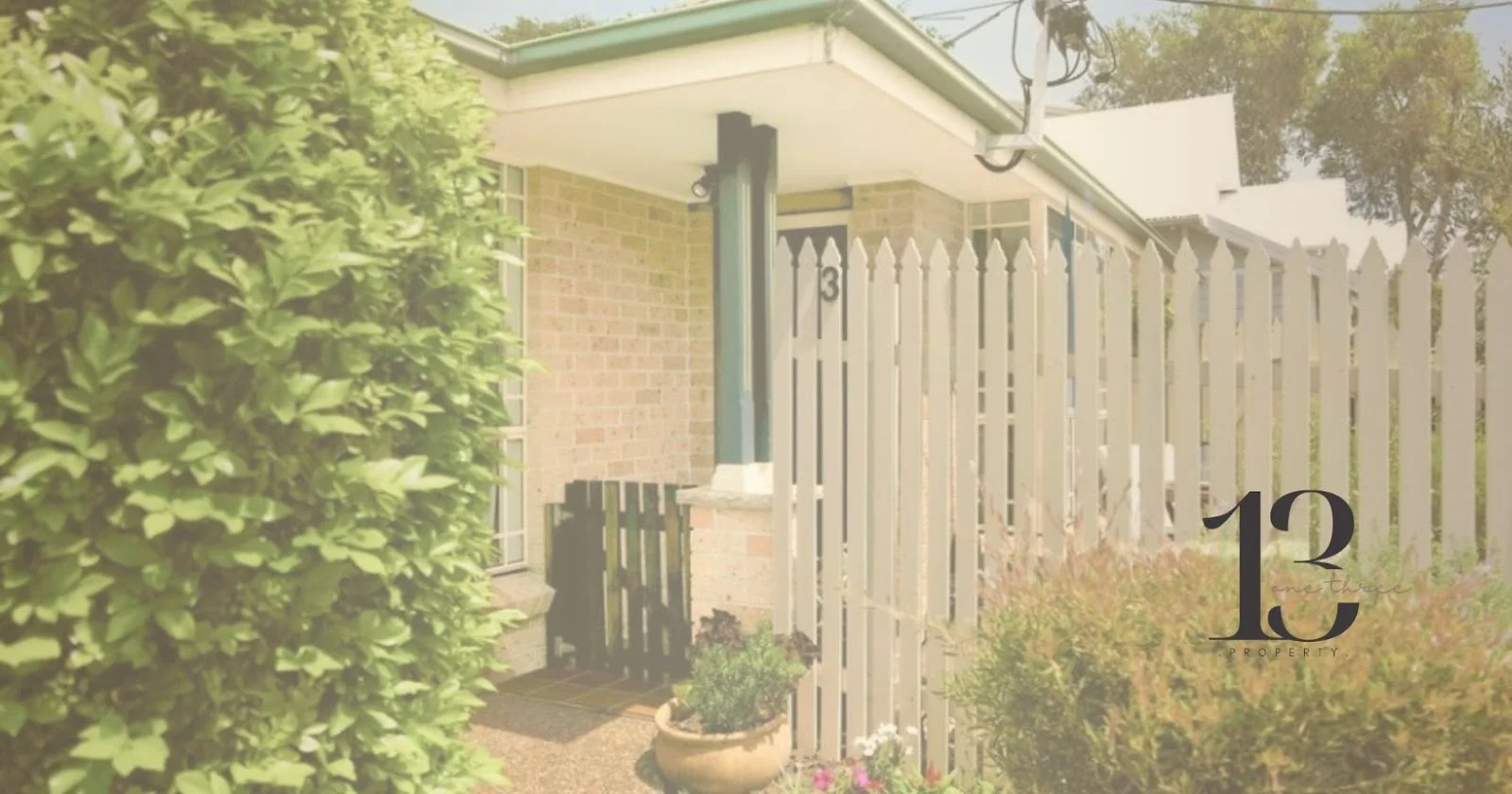 $795,000
Townhouse
$795,000
Townhouse
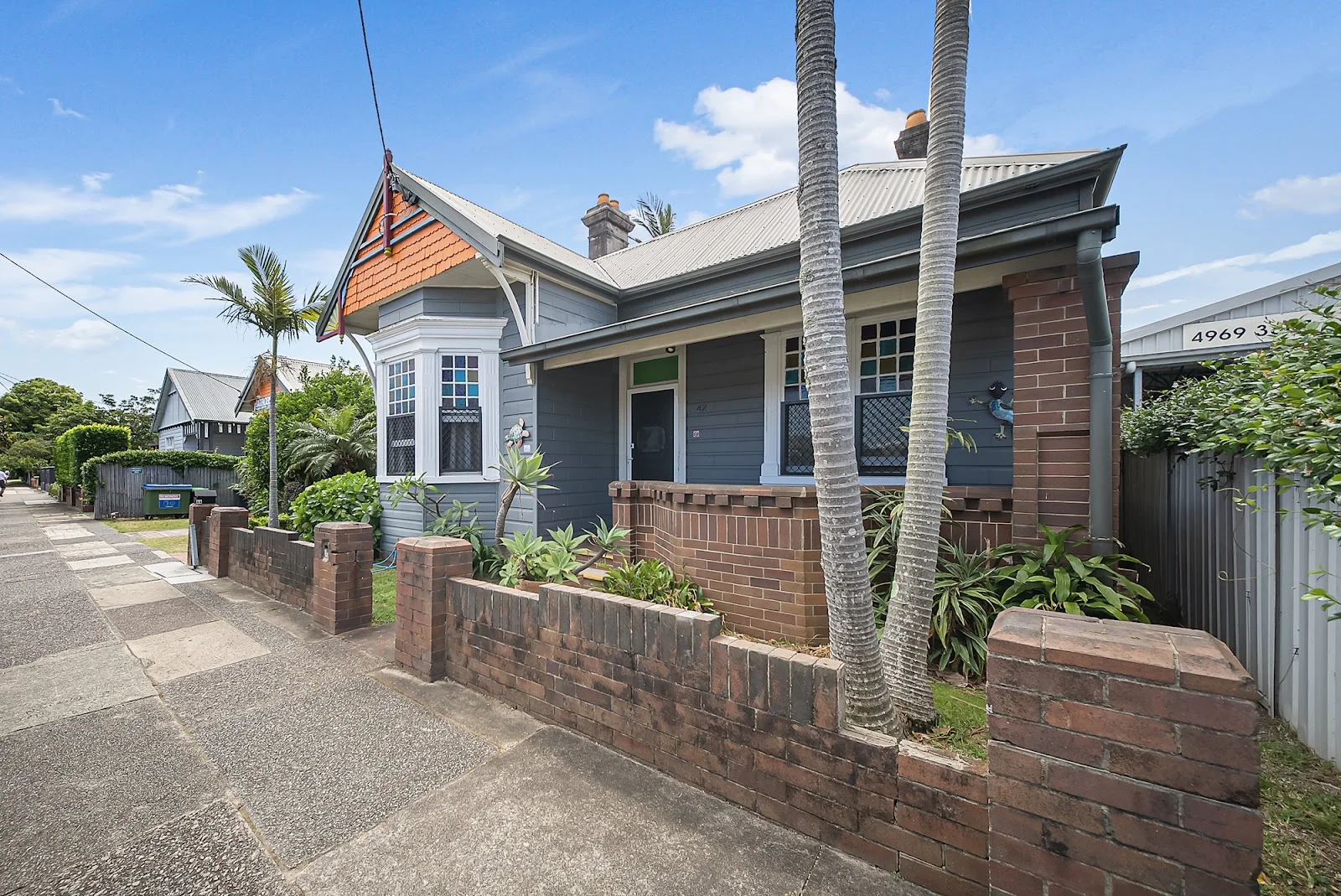 $2,000,000
propertyType.BLOCK OF UNITS
$2,000,000
propertyType.BLOCK OF UNITS
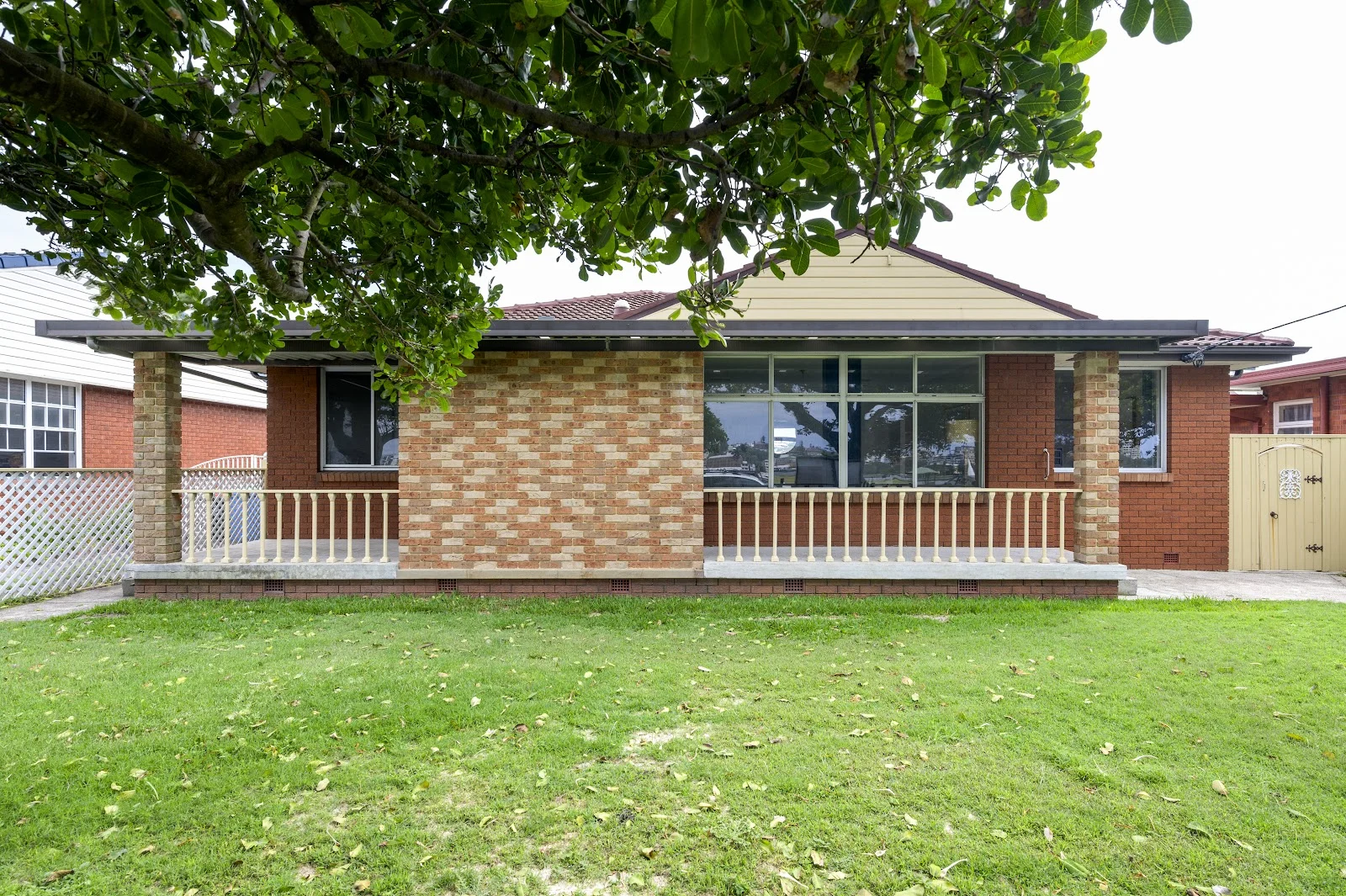 $2,500,000
House
$2,500,000
House
 $900,000 - $990,000
House
$900,000 - $990,000
House


