## 1. Overview (1–2 paragraphs max)
Armstrong Creek School is a public government school serving the Armstrong Creek area in Victoria. It aims to provide an inclusive, modern learning community with a focus on now-and-next skills for local families, offering a supportive environment where students can engage across a range of subjects and activities. The school is medium-sized, with class sizes managed to allow individual attention and collaboration, fostering a nurturing and community-focused atmosphere.
Students experience a culture that emphasises inclusion, curiosity and growth. The school prioritises a positive, respectful environment and practical learning that links classroom theory to real-world applications, helping students feel connected and supported as they develop academically and personally.
---
## 2. Academics & Learning
- Academic strengths: English and Mathematics with a strong emphasis on literacy and numeracy; STEM-inspired learning and digital literacy are built into the curriculum to prepare students for the future.
- Special programs: Focus on curriculum enrichment and opportunities for extension and high-achievement learners; occasional accelerated or advanced projects may be offered, with a broader emphasis on developing critical thinking and problem-solving.
- NAPLAN trends: The school aims for steady improvement in literacy and numeracy outcomes as the community grows, with ongoing focus on targeted support where needed.
- Student-teacher ratios: Classroom practice aligns with Victorian public-school guidelines, with teachers monitoring progress and providing targeted small-group or 1:1 support where appropriate.
- Support for diverse learners: Strong EAL (English as an Additional Language) support and inclusive education for students with diverse learning needs, supported by specialist staff and programs.
---
## 3. Sports & Extracurricular Strengths
- Sports offered: AFL/football, netball, soccer, basketball, cricket, athletics, swimming and other school-level sports activities.
- Strong teams or achievements: Participation in district-level competitions and growing team programs; success varies by year, with emphasis on teamwork, sportsmanship and personal improvement.
- Music, arts, drama programs: Active music and performing arts offerings, with possibilities for school productions and ensembles.
- Clubs: Robotics, chess, coding, debating and other STEM/academic clubs supported by staff and student leaders.
- Partnerships: Connections with local clubs, regional competitions and community organisations to broaden opportunities beyond the classroom.
---
## 4. Wellbeing & Pastoral Care
- Anti-bullying approach: Whole-school approach with clear policies, student voice opportunities and restorative practices to promote respect and safety.
- House system: House or team-based structure used to support camaraderie, wellbeing activities and healthy competition.
- Counsellors / wellbeing officers: Access to school-based wellbeing staff to support mental health, transition, and personal development.
- Transition support for new students: Orientation activities, buddy systems and targeted support to help new students settle in quickly.
---
## 5. Facilities
- Sports grounds: Weights and play areas designed for a range of outdoor activities and sports.
- Libraries: On-site library with a range of print and digital resources.
- Science labs: Dedicated spaces for practical science learning and experiments.
- Music/performing arts centers: Areas for music practice, rehearsals and performances.
- Tech/innovation labs: Contemporary spaces to explore coding, robotics, design and digital creation.
- Cafeteria: On-site canteen or dining area supporting student meals and snacks.
- Updated playgrounds: Well-maintained outdoor play spaces and learning environments.
---
## 6. School Values & Community Culture
- School values / mission: A focus on respect, inclusion, resilience and collaboration; a mission to prepare students for the future through engaged and ethical learning.
- Leadership style: Collaborative and student-centered, with opportunities for student voice and leadership in classrooms and school activities.
- Behaviour expectations: Clear codes of conduct and restorative approaches to behaviour that emphasise accountability and positive relationships.
- Community reputation: Positive, family-friendly school culture with active parent involvement and partnerships within the local community.
- Diversity & inclusion: Commitment to an inclusive environment where students from diverse backgrounds feel valued and supported.
---
## 7. School Logistics & Daily Operations
- School hours: Typical day runs during standard school hours, aligned with Victorian public-school schedules.
- Before/after school care: Access to before/after school care options through school or partner programs (availability may vary by year).
- Uniform requirements: School uniform policy in place, with guidelines on acceptable attire for daily wear and events.
- Transport (train/bus routes): Bus services and public transport connections available in the region; specifics depend on catchment and route enrollments.
- Canteen availability: Canteen or food service options on site or nearby, subject to current arrangements.
- Fees (low/medium/high ranges): Public schools do not charge tuition; there are typical costs for uniforms, excursions and some activities, which can vary by year.
---
## 8. Enrolment & Admissions
- 11. What is the enrolment process and timeline?
- Apply through the school’s enrolment process, typically starting with an online form or contact to the school registrar. You’ll need documents such as proof of residence, birth certificate or age proof, and immunisation records. The timeline usually includes an application window, any required orientation or information sessions, and an offer/placement phase depending on catchment rules and vacancies.
- 12. Is there a waiting list, and how does it work?
- Yes, there can be a waiting list. Priority is generally given to applicants within the school’s catchment area. Offers are made as spaces become available, and the waitlist order is managed according to the school’s policy.
- 13. Are there any entry requirements, tests, or interviews?
- Typically no entrance exam or formal interview is required for standard enrolment. Some programs or year-level placements may involve brief information sharing or discussion about needs and supports; documentation (residency, immunisations, birth details) is usually required.
- 14. Does the school accept mid-year transfers?
- Mid-year transfers are considered subject to space and vacancy availability. Prospective families should contact the school early to discuss options and required steps for a smooth transition.
---
## 9. Frequently Asked Questions
- “Why Parents Choose This School?”
- A welcoming, inclusive community with a focus on wellbeing, strong literacy and numeracy foundations, and a broad range of programs and activities to support each child.
- “What type of student thrives at this school?”
- Students who value community, collaboration and an active learning approach—those who respond well to supportive teaching, varied clubs and extra-curricular options.
- “What opportunities are available for students to extend their skills (academics, sports, arts)?”
- Enrichment in English/Math, STEM projects, clubs (robotics, coding, debating), sports, music and performing arts, and opportunities to engage in district or regional activities.
- “How does the school communicate with parents?”
- Regular updates through newsletters, emails, and a communication plan from teachers and administration; opportunities to engage via information evenings and parent-teacher meetings.
- “What is the school’s approach to teaching and learning?”
- Student-centered learning with a mix of direct instruction, collaborative work, and practical projects; emphasis on literacy, numeracy, and digital literacy; focus on developing critical thinking and problem-solving.
- “How does the school support students who need extra academic help?”
- Targeted intervention, small-group support, and access to specialist staff for literacy, numeracy and wellbeing as needed.
- “What support is available for academic challenges?”
- Additional tutoring, adjusted workloads, and formal supports where appropriate, with ongoing monitoring of progress.
- “How does the school communicate with parents?” (duplicate)
- See above; ongoing channels for timely updates and two-way communication.
- “What are the class sizes and how much individual attention do students receive?”
- Class sizes are managed to enable reasonable student-teacher interaction; teachers provide regular feedback and tailored support within lessons and small-group work.
- “What extracurricular and sports opportunities are available?”
- A range of sports and clubs, including team sports, coding/robotics, chess and debating, plus performing arts and special events throughout the year.
- “What facilities does the school offer (sports, science, arts)?”
- Sports grounds, library, science labs, music/performing arts spaces, technology/innovation labs, canteen, and updated playgrounds.
- “What is the school’s approach to technology and digital learning?”
- Integrated digital literacy and technology-use in learning, with access to devices and software that support research, coding and creativity.
- “What transport and accessibility options are available?”
- Local bus routes and public transport connections; school transport options are coordinated with families and depend on location and catchment.
- “What are the typical school fees or additional costs?”
- There is no tuition for public schooling; families may incur costs for uniforms, excursions, activities and certain resources.
---
## 10. Short Pros & Cons list
- Pros
- Public, community-focused school with inclusive culture
- Broad range of academics, arts, and sports programs
- Strong wellbeing and support systems
- Modern facilities and dedicated learning spaces
- Cons
- Enrolment demand can lead to wait lists or catchment considerations
- Some programs or resources vary by year and may require additional costs for excursions or activities
- Transport options depend on location and may require planning for some families
If you’d like, I can tailor these sections further with more precise details once you confirm current, specific information from the school or official sources.






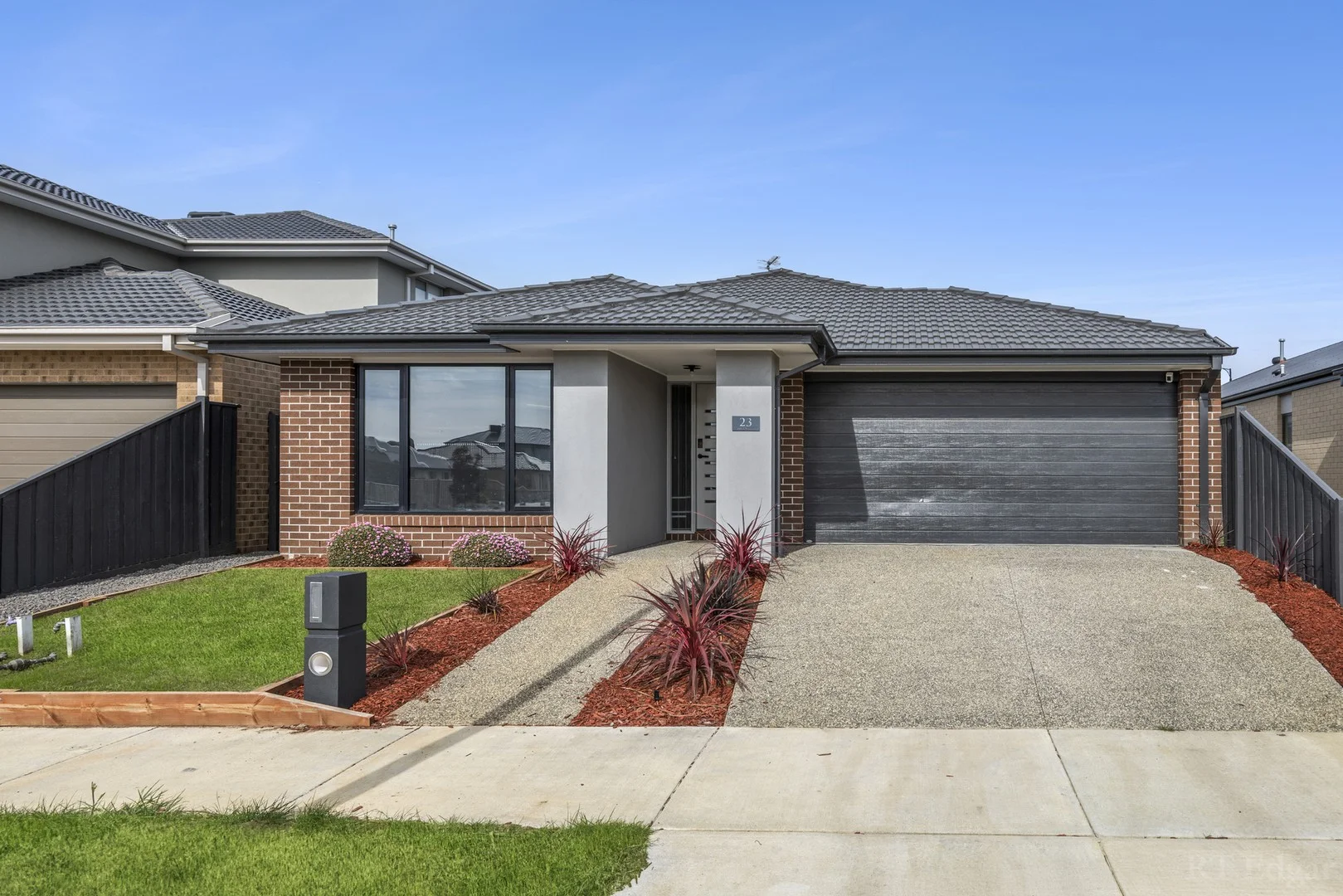 $599,000 - $658,900
House
$599,000 - $658,900
House
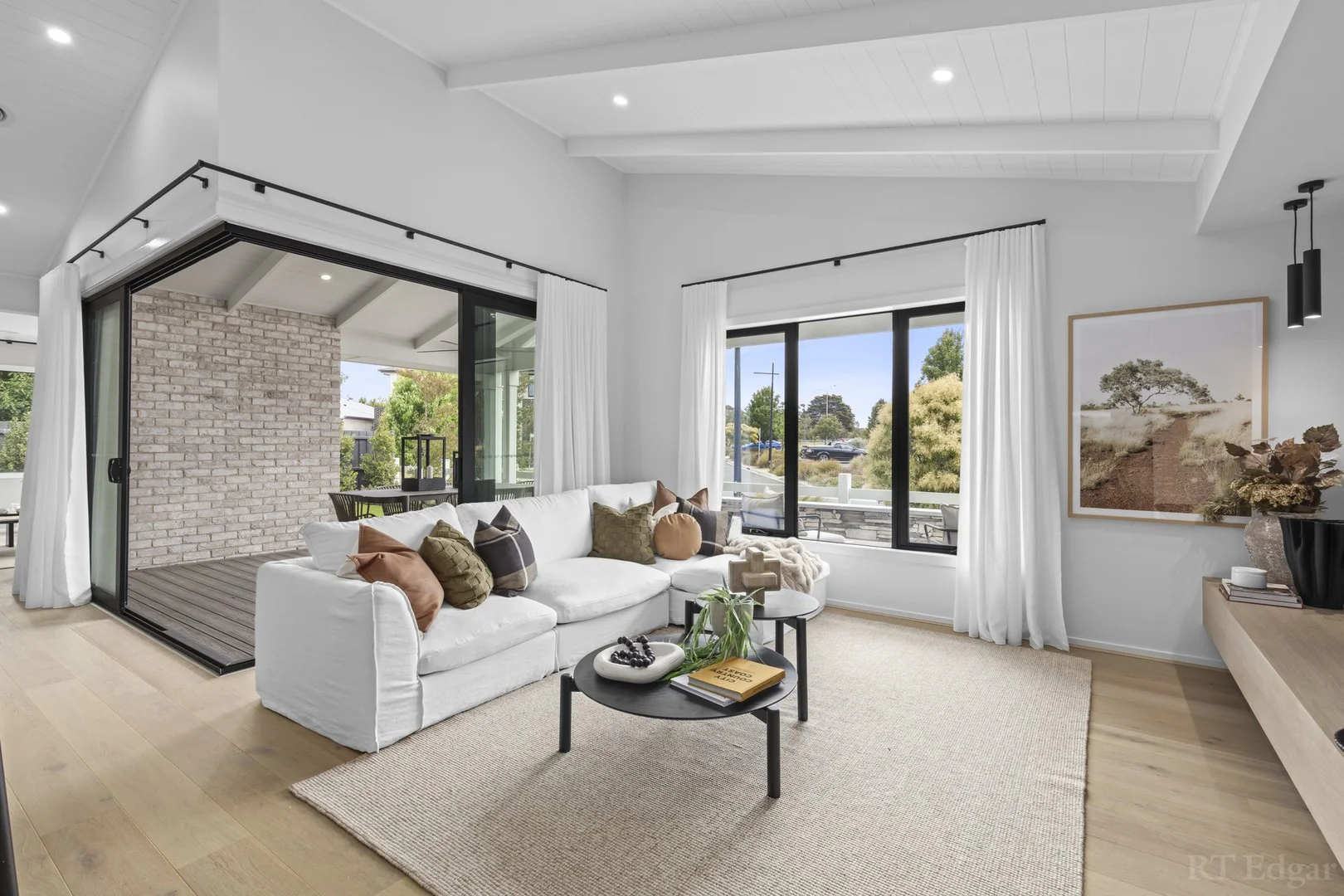 $1,022,295 - $1,124,524
House
$1,022,295 - $1,124,524
House
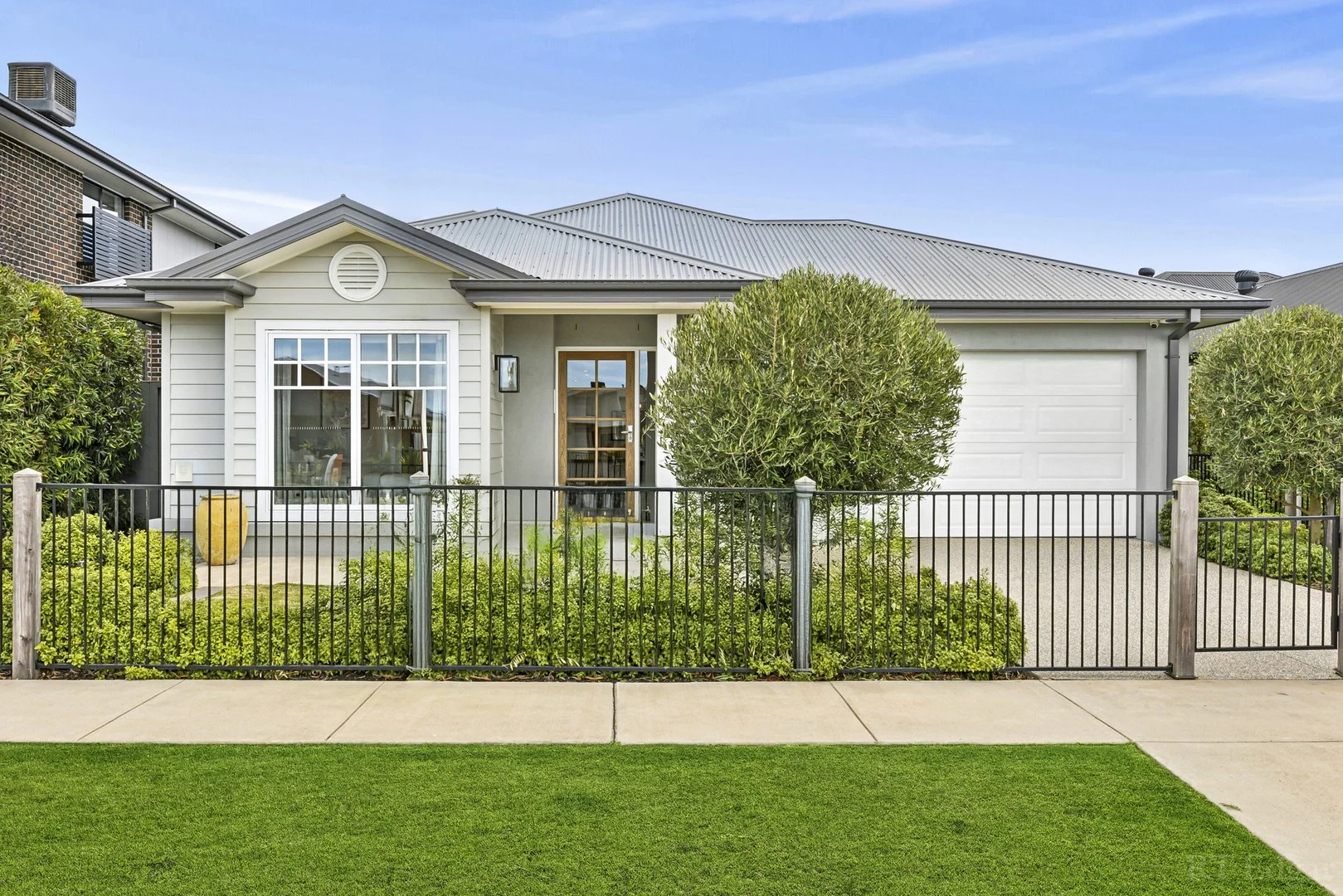 $877,800 - $965,580
House
$877,800 - $965,580
House
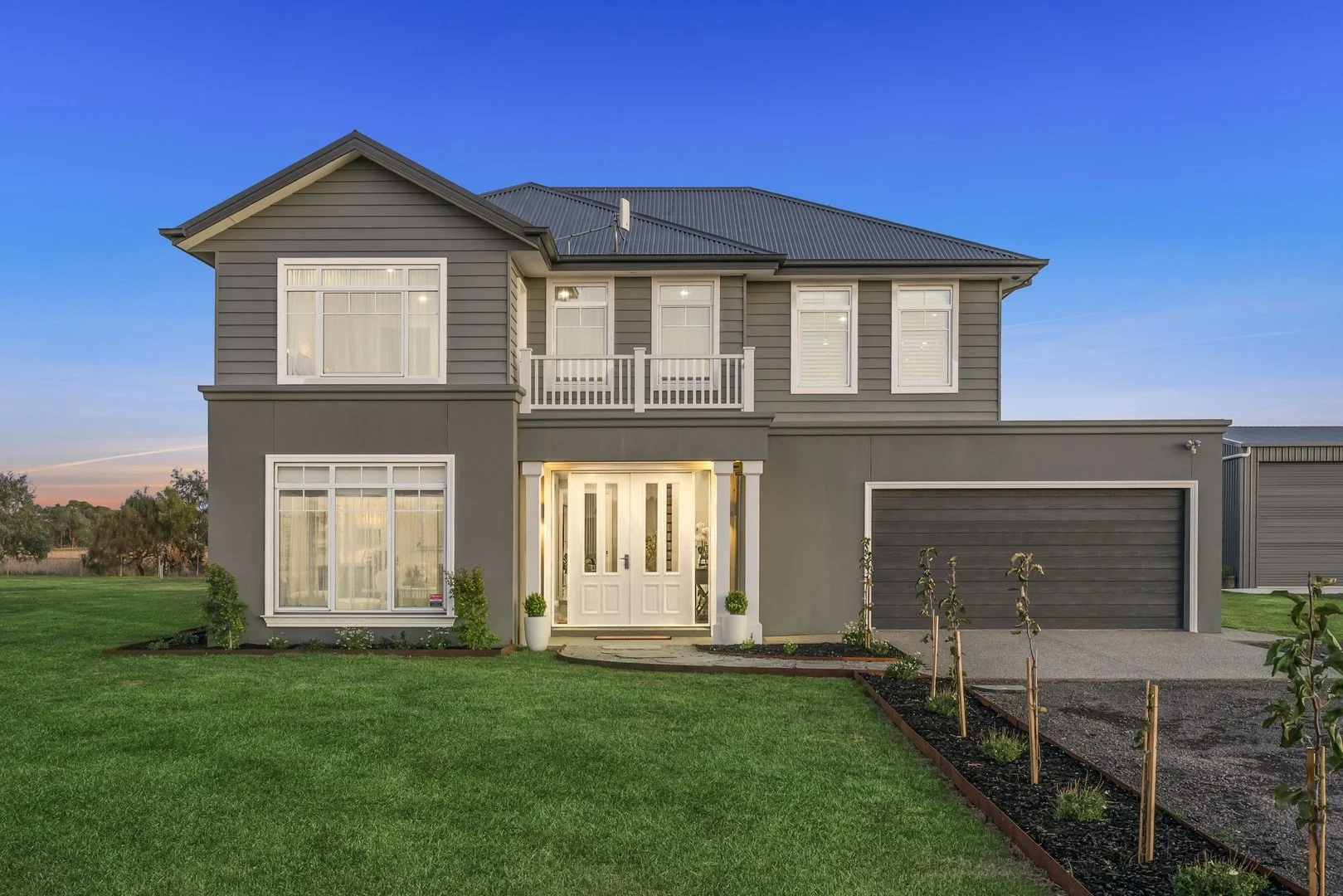 $2,150,000 - $2,350,000
propertyType.ACREAGE / SEMI-RURAL
$2,150,000 - $2,350,000
propertyType.ACREAGE / SEMI-RURAL
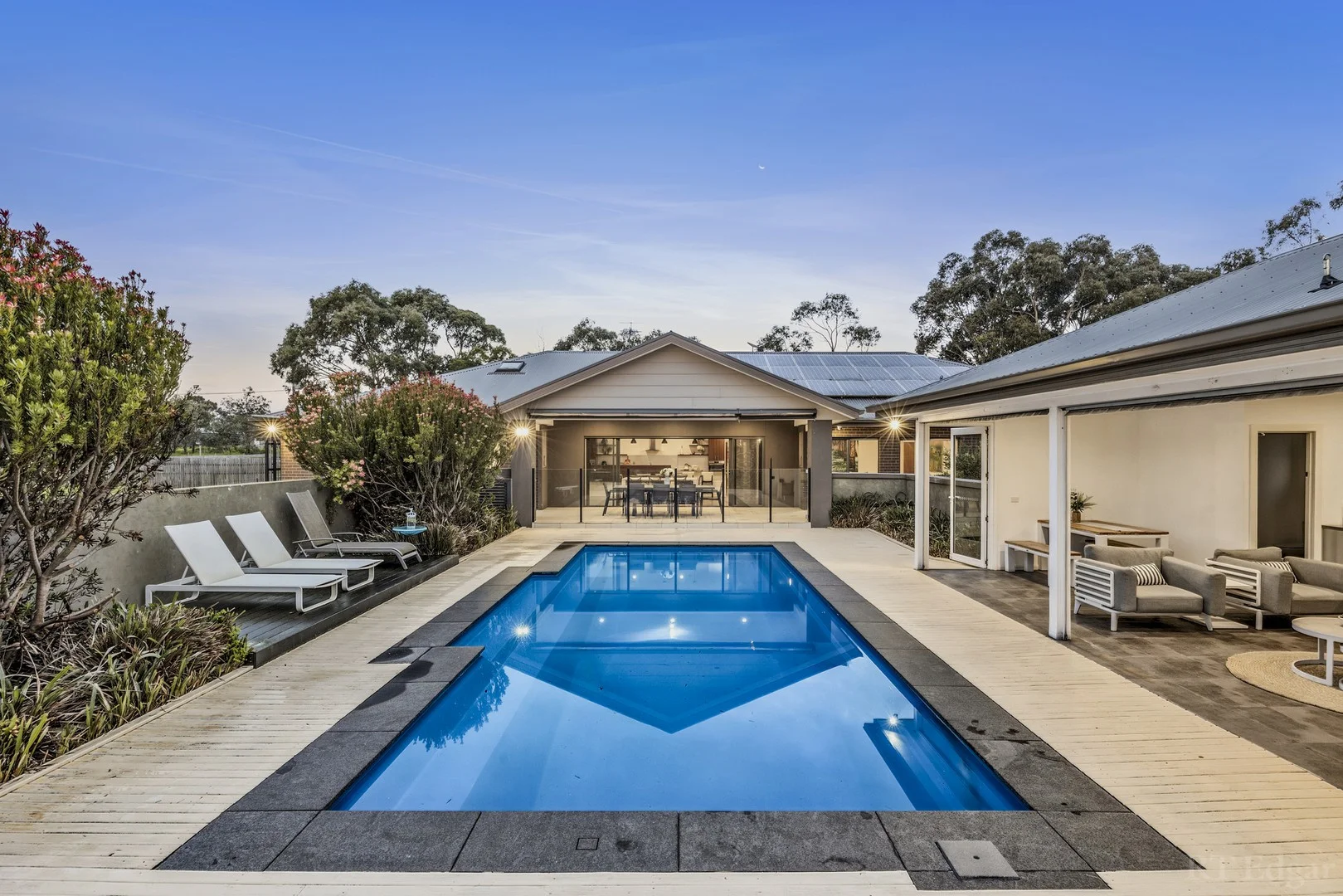 $3,006,750 - $3,307,425
House
$3,006,750 - $3,307,425
House
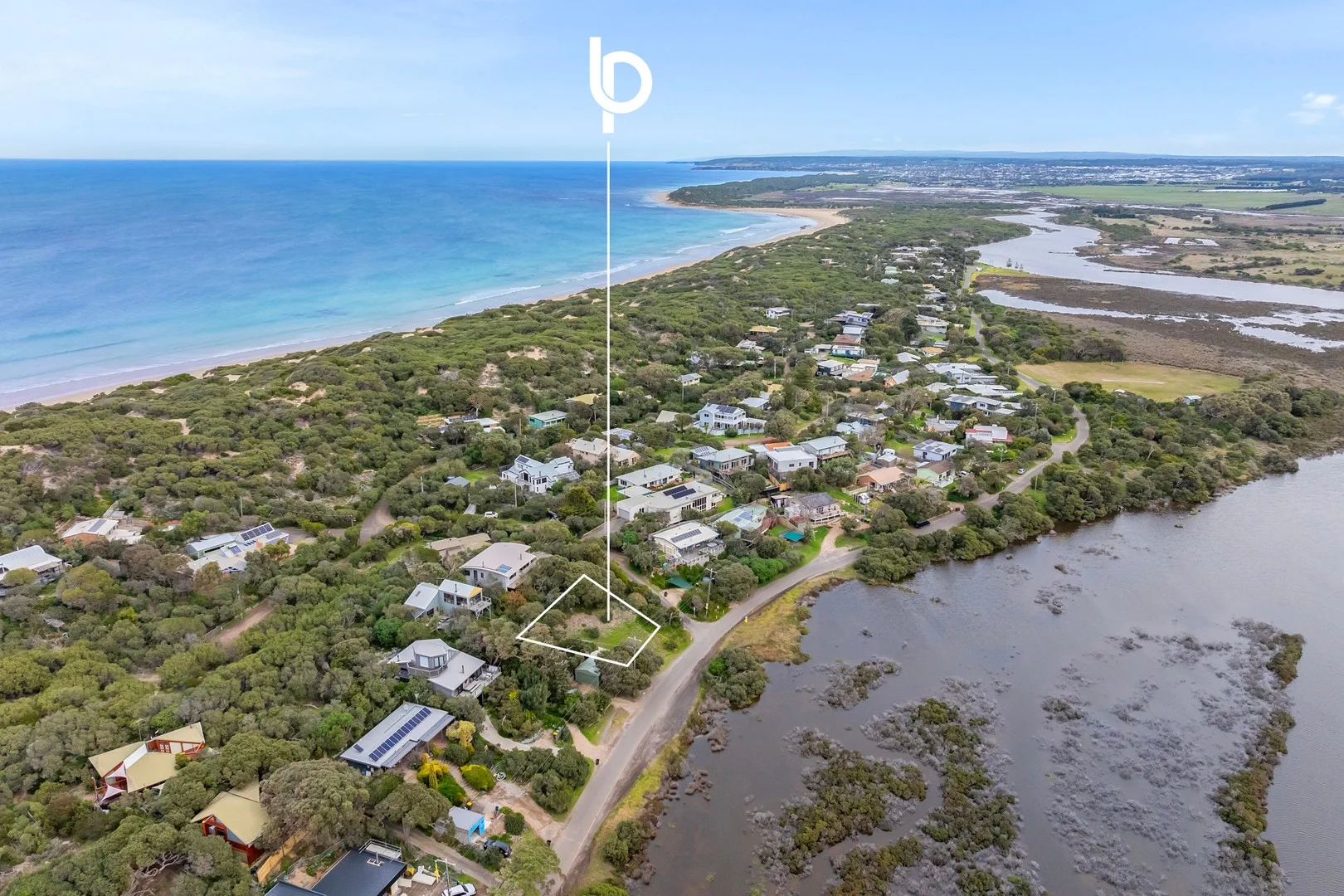 $880,000 - $950,000
Vacant Land
$880,000 - $950,000
Vacant Land
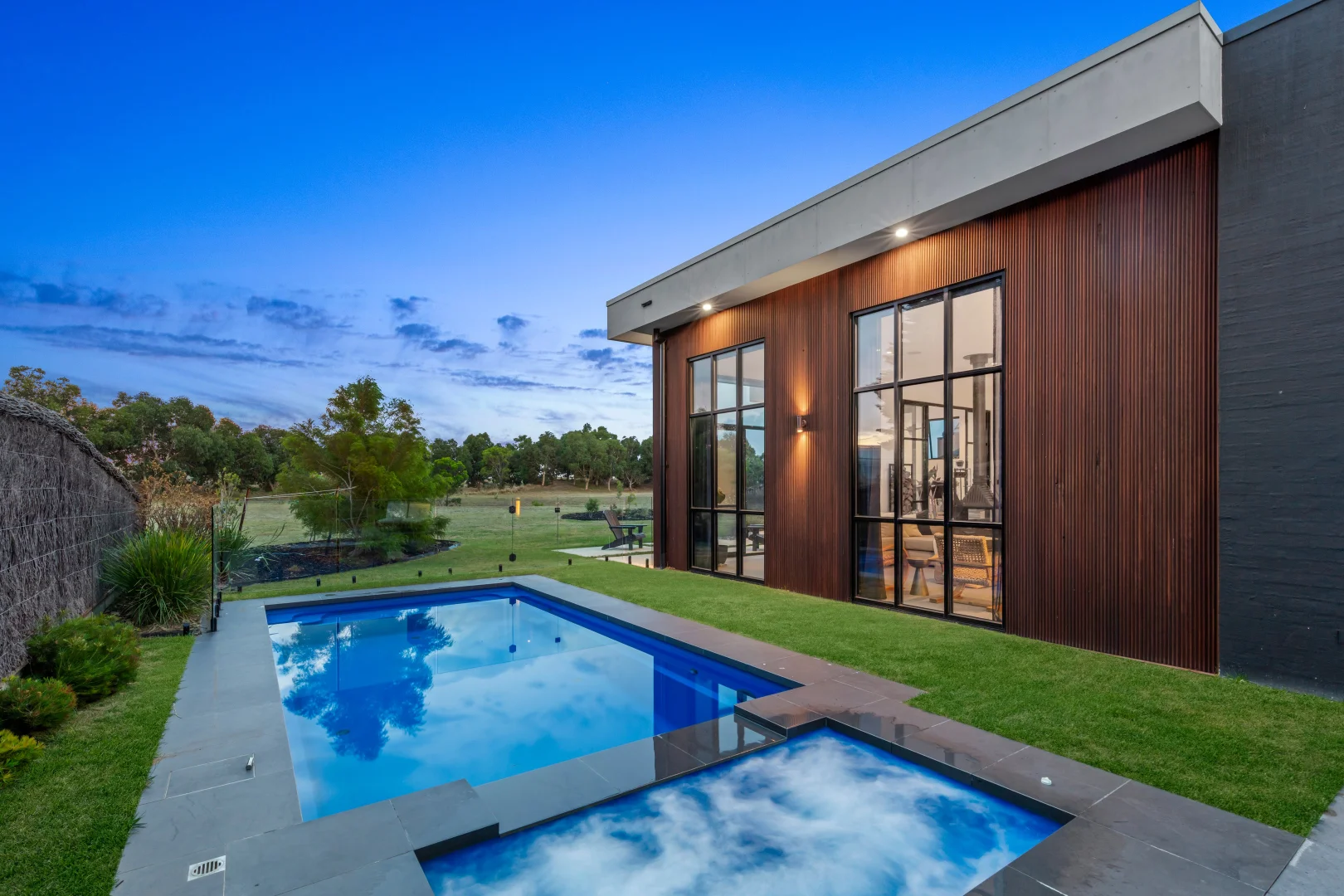 $2,950,000 - $3,200,000
House
$2,950,000 - $3,200,000
House
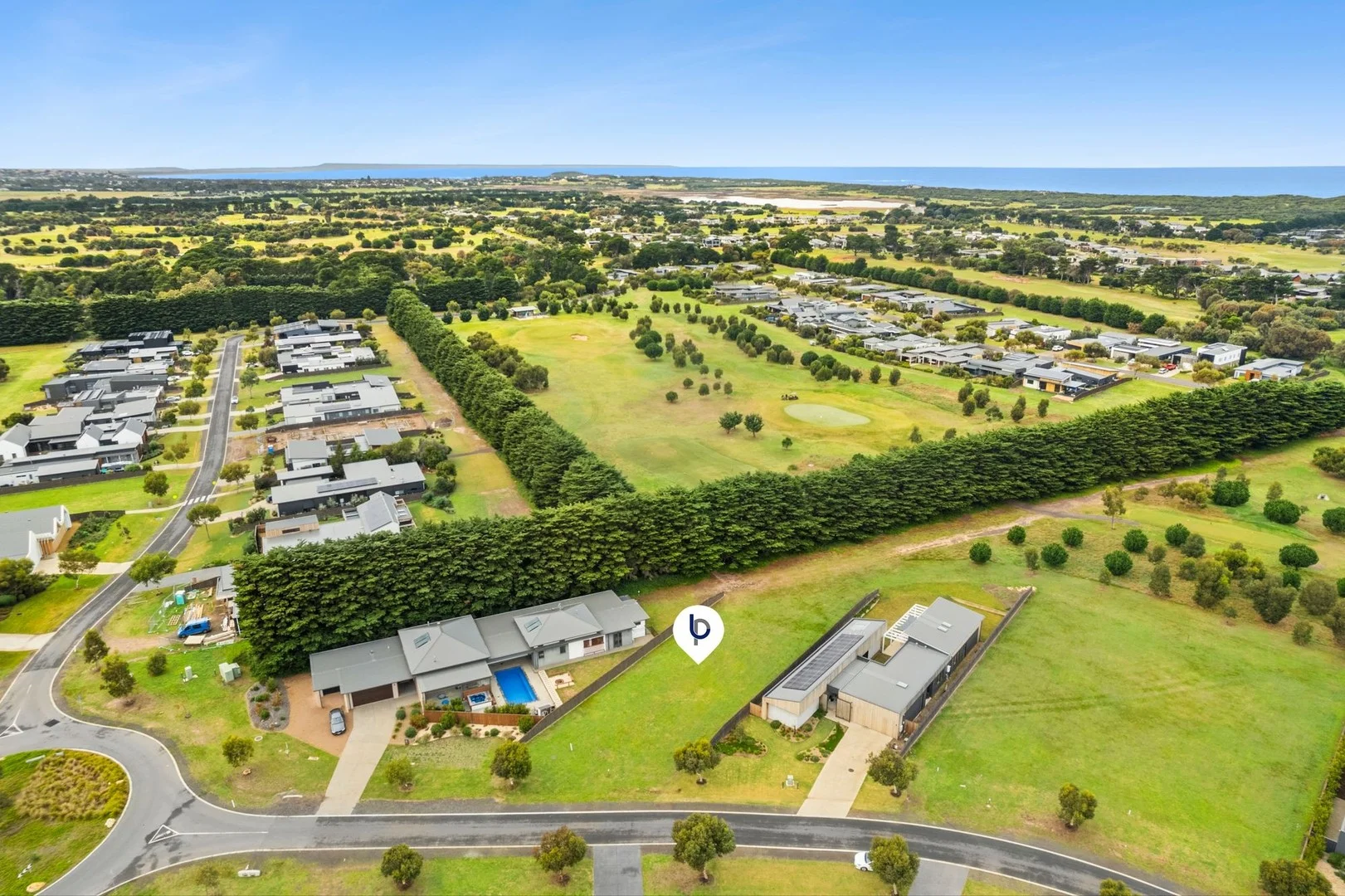 $990,000 - $1,080,000
Vacant Land
$990,000 - $1,080,000
Vacant Land
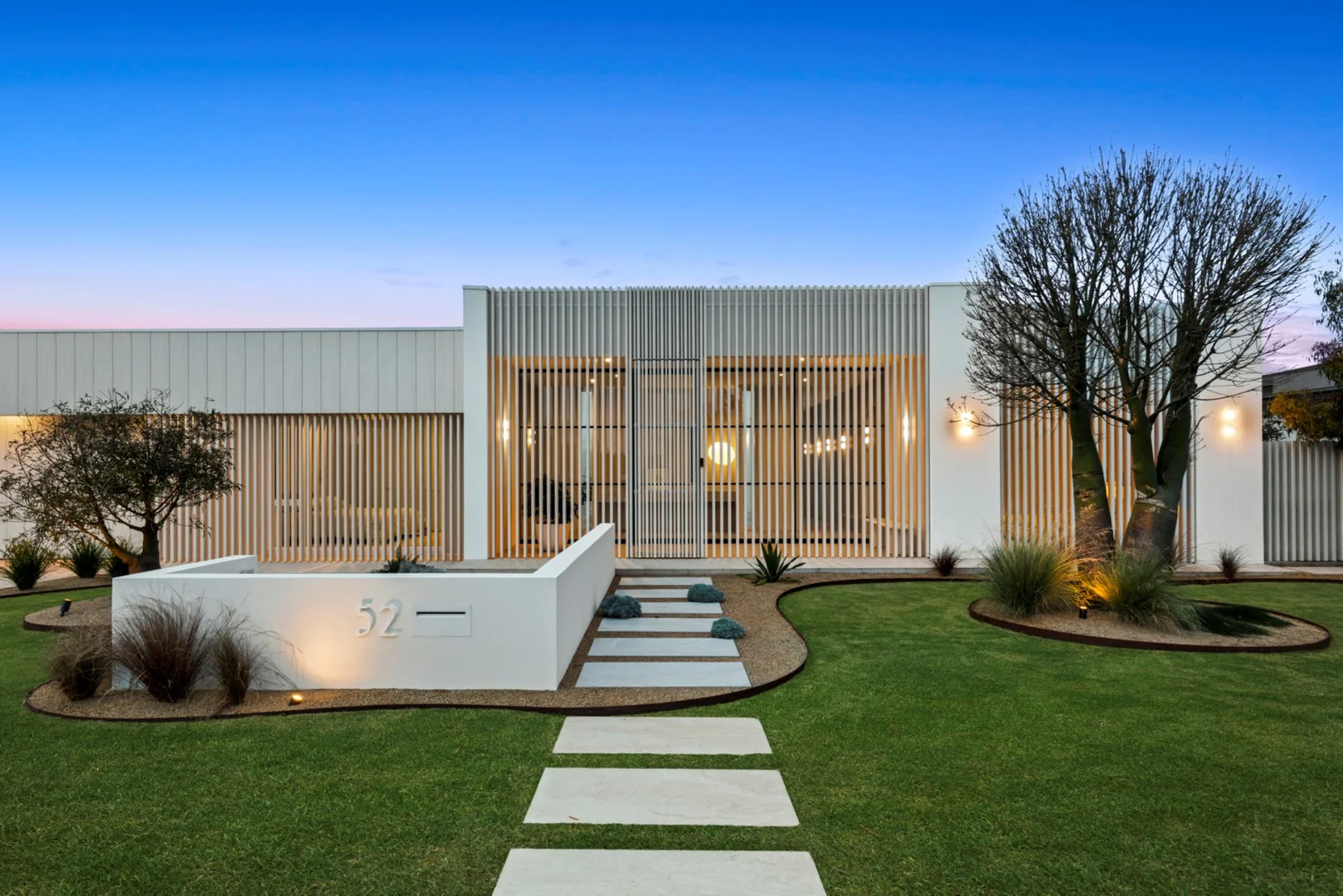 $3,450,000
House
$3,450,000
House


